Tag: video-games

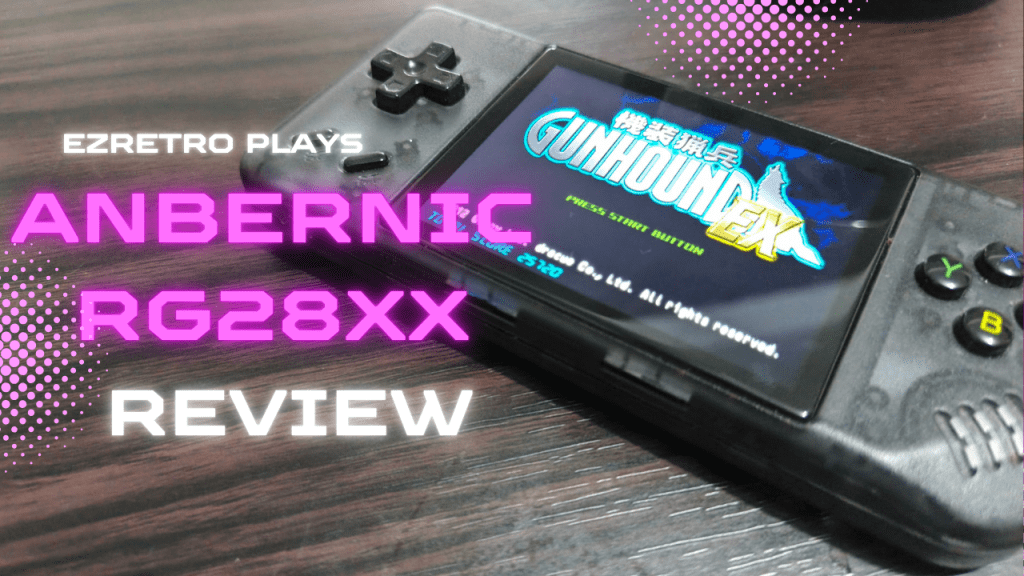
  • Anbernic RG28XX Review – A Pocket-Sized PSP Machine?

    Anbernic RG28XX Review – A Pocket-Sized PSP Machine?

    Lately, I’ve been on the lookout for a small device to play JRPGs and RPGs on the go. Being a fan of the Miyoo Mini, I first decided to get the Miyoo A30 since the Miyoo Mini was the handheld that originally got me into retro handheld emulation. Sadly, I only had it for about a day. I was just getting used to the Spruce OS when I lost it on my way home from work.

    After that, I made a second purchase—the Miyoo Mini V4—and it became my only handheld for quite some time. I absolutely love this little device. It’s powerful enough to play up to PS1 games, and I’ve been having a blast playing in short bursts throughout the day. The only drawback for me was the lack of PSP emulation.

    Back in my young adult years, the Sony PSP defined a lot of my gaming moments. I loved it so much that I actually owned three of the four PSP models—the Phat, the PSP-2000, and the PSP-3000. Naturally, I wanted to relive those moments on a small retro handheld that fits perfectly in my pocket. These days, I don’t have much free time to play, so I needed something small, powerful enough to handle PSP, and affordable.

    That’s when the Anbernic RG28XX was recommended to me. Since it was also the only device available near me, I finally went ahead and made the purchase.

    Specs

    The Anbernic RG28XX is designed as a compact retro handheld that balances portability with enough power to emulate systems up to PSP. It runs on the Allwinner H700 chip with 1GB of RAM, and comes with a 2.83-inch IPS screen at 640×480 resolution. Storage is handled through dual microSD slots — one for the system and one for your games — making it easy to expand or swap your library.

    Battery life is rated around 5–6 hours, though this depends on what you’re playing.

    Screen & Firmware
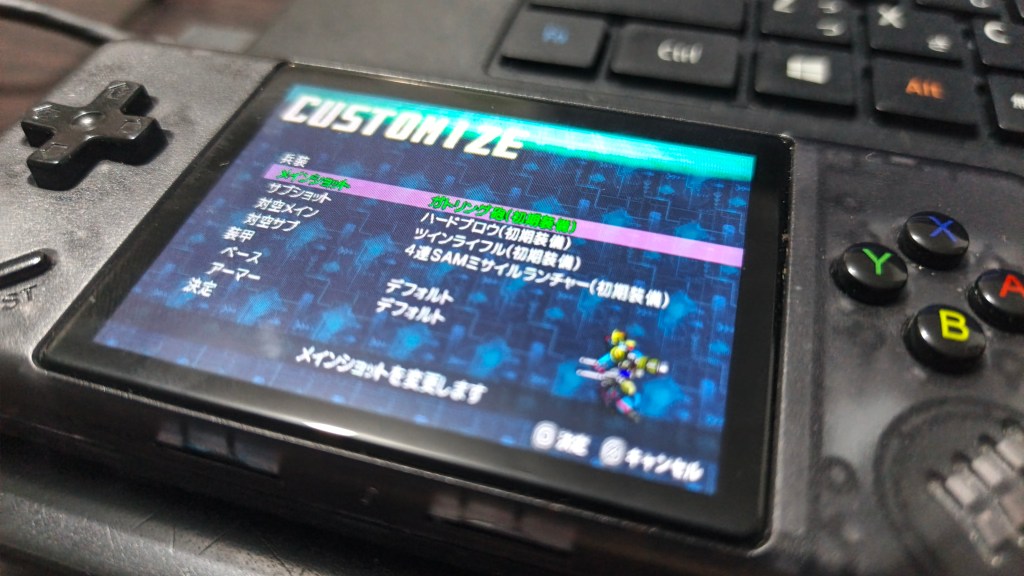
    On paper, the RG28XX’s 2.83-inch IPS display is about the same size as the Miyoo Mini, and brightness is solid enough indoors while staying usable outdoors unless you’re in direct sunlight. Colors pop nicely, and RPG text is generally clear.

    But since I mainly use this for PSP emulation, the aspect ratio difference really stands out. PSP games were designed for 16:9, while the RG28XX screen is a square 4:3. That means you’ll either play with black bars on the top and bottom or stretch the image, which doesn’t look quite right. On top of that, because of the device’s horizontal form factor, text in PSP games feels a little smaller than it should. It’s subtle enough not to ruin the experience, but it nags at me every time I play.

    The stock firmware works fine but takes some getting used to. Coming from Onion OS on the Miyoo Mini, which was simple and intuitive, this felt a bit clunky at first. There are a lot of hotkeys to memorize, and I’m not the type who enjoys flipping through an instruction manual just to figure things out. After a week, I’m still adjusting, but once you learn the shortcuts it’s manageable.

    Controls
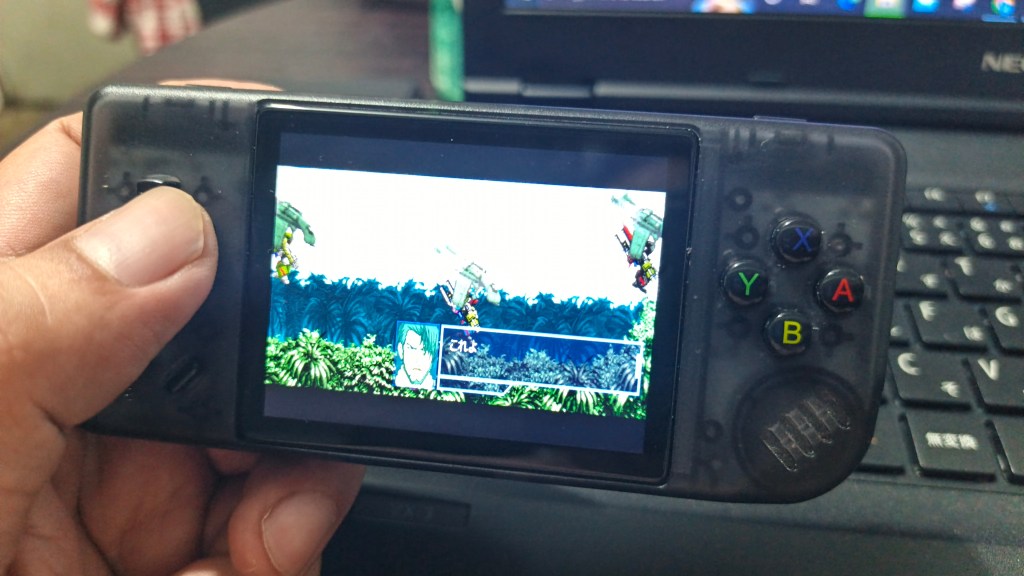
    When I first got the RG28XX in hand, I immediately noticed how small everything feels. The D-pad is a bit pointy for my taste, and the face buttons are tiny — I really wish they felt more like the Miyoo Mini’s, which are softer and more comfortable.

    The trigger buttons (L1/L2 & R1/R2) and the select/start buttons are also on the clicky side. They work fine, but they don’t feel as smooth as I’d like. After a week, I’m still not fully adjusted. There’s also a slight rattle inside the unit — not enough to break the experience, but noticeable if you shake it.

    Sound

    For a device this small, the sound is decent but not amazing. The bottom-facing speaker is fine for quiet rooms, but your palm can cover it up depending on how you hold the handheld. Volume is enough indoors, but outdoors or in noisy areas, headphones are a must.

    Thankfully, the headphone jack gives a much better experience. RPG soundtracks really come alive with headphones, pulling me back to the PSP days.

    Battery Life

    On paper, the RG28XX is rated for 5 to 6 hours of gameplay, especially with lighter systems like NES or PS1. PSP drains it faster.

    But since I don’t play in marathon sessions, my real-world use is different. I usually play in short bursts — maybe 20–30 minutes here and there — and with that, I can run it for about two days without charging. Charging via USB-C is quick and convenient, and since most of my devices already use USB-C, it’s hassle-free.

    Ergonomics
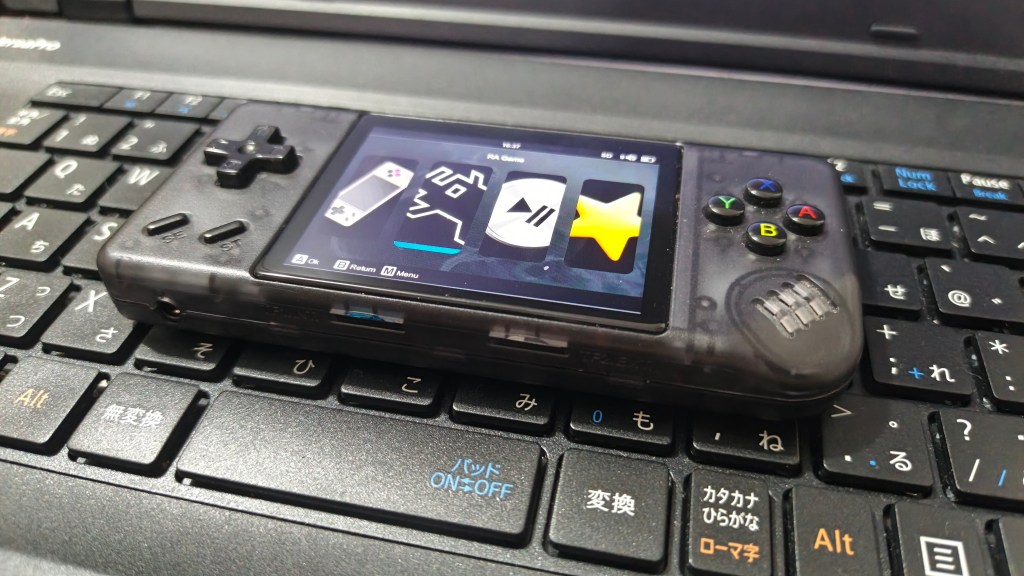
    The RG28XX absolutely wins in portability. It slips into my pocket and I don’t even feel it’s there until I need it. For quick sessions, it’s perfect.

    That said, because of the size, long play sessions can get uncomfortable. My hands cramp after a while, especially with the small buttons and stacked triggers. My unit came with a black silicone case, which adds grip and protection, but it makes the already small buttons feel even more cramped. I usually play without it for comfort.

    Emulation & PSP Performance
    The RG28XX can handle all the classics — NES, SNES, Game Boy, Mega Drive, PC Engine, and PS1 — with no issues at all.

    But I got this for PSP emulation, so that’s where I focused. For 2D RPGs and JRPGs, the device does well enough to be enjoyable. Some stutters appear in effect-heavy scenes, but with a little tweaking in PPSSPP, you can get most titles to run at playable speeds.

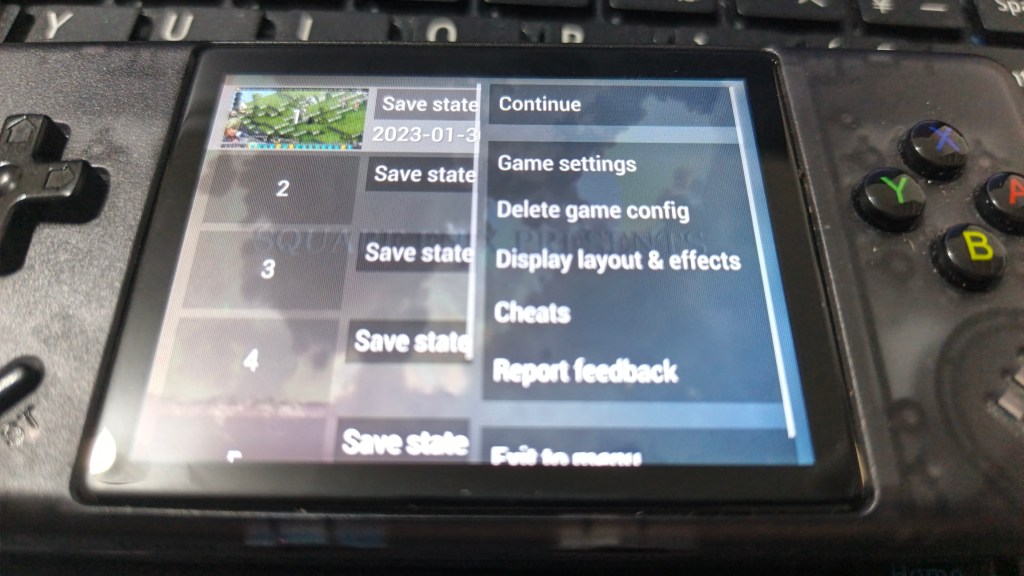
    I was able to play Final Fantasy Type-0 with some remapping. Since there’s no analog stick, you can toggle the D-pad to act as analog by quickly tapping the power button on the right. It takes some getting used to, but it works. Save states and the PSP menu work just like they do on mobile PPSSPP, which I love.

    Not all games run smoothly though. My favorite, Tactics Ogre: One Vision, slows down during dialogue scenes, and I’m still experimenting with settings to smooth it out. Turn-based games are generally playable, but heavier 3D titles will definitely push the limits.

    Pros & Cons

    Pros

    • Pocket-sized and ultra-lightweight
    • Bright 2.83-inch IPS screen
    • Handles retro systems up to PS1 smoothly
    • PSP emulation is playable with tweaks
    • Save states via PPSSPP
    • Solid build quality for the price
    • Comes with a silicone case for protection

    Cons

    • Cramped controls; small, pointy D-pad and tiny face buttons
    • Triggers and select/start buttons are too clicky
    • No analog stick — remapping required for many PSP games
    • Occasional rattling inside
    • PSP performance is hit or miss, with stutters in some titles
    • Long sessions can cause hand cramps

    Final Thoughts
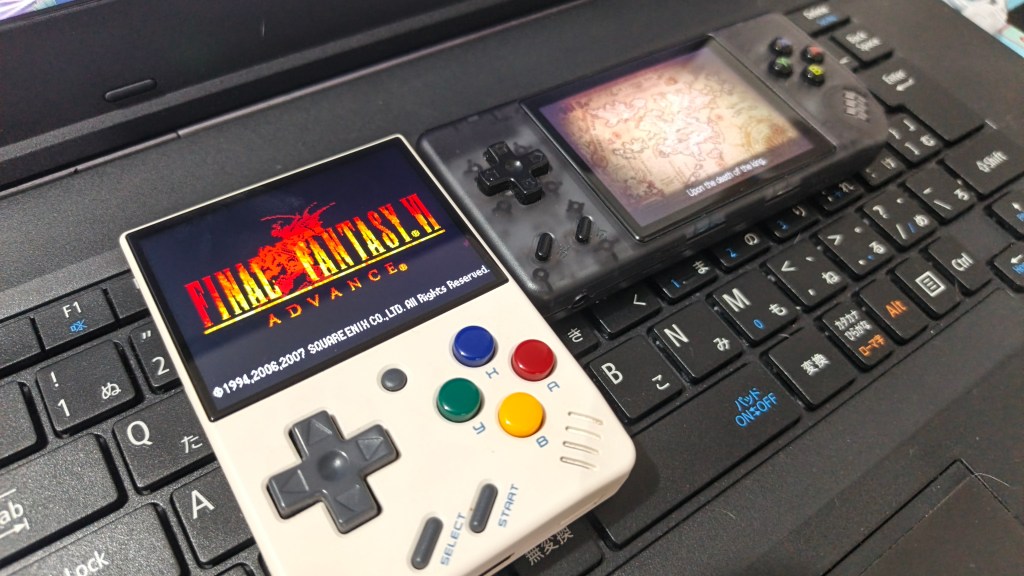
    After a week with the RG28XX, I can say this: it’s a fun little handheld. If what you want is something super portable, pocket-friendly, and affordable, it gets the job done. It lets me carry PSP and retro classics in my pocket, and that alone makes it worth it for me.

    But it’s not perfect. The 4:3 screen doesn’t play nice with PSP’s native 16:9 aspect ratio, which means black bars or stretched visuals. The text also feels smaller than it should, especially compared to the Miyoo Mini, and I notice it every time. Controls are also cramped and take time to get used to.

    If you’re serious about PSP emulation and want a more authentic experience with analog sticks, widescreen support, and stronger performance, then honestly something like the Retroid Pocket 4 is the better option. It’s bigger, sharper, and more comfortable for longer play sessions.

    But if your priority is a tiny handheld that slips into your pocket and still lets you enjoy your favorite RPGs and PSP titles on the go, the RG28XX absolutely delivers on that promise. For me, that balance makes it a keeper.
  • Gunhound – My Go-To PSP Mecha Game for Short Bursts

    Gunhound – My Go-To PSP Mecha Game for Short Bursts

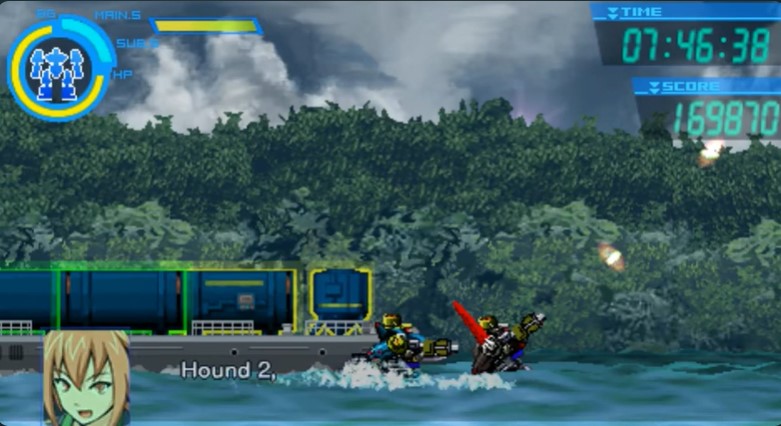
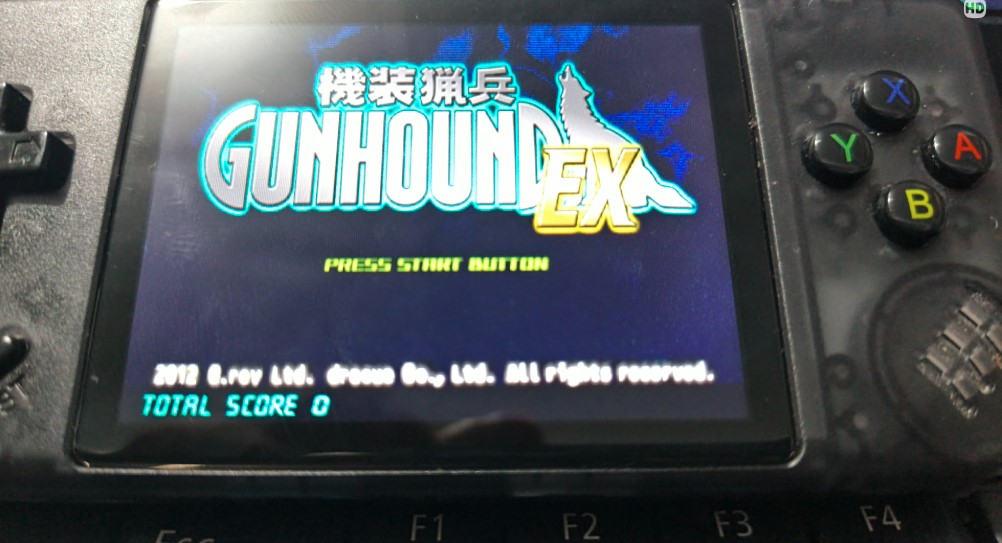
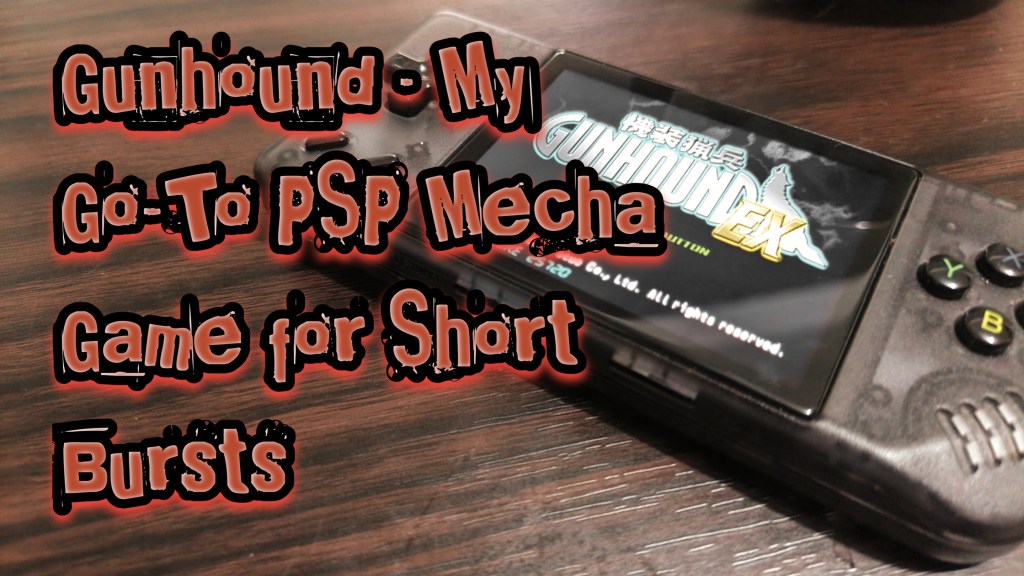
    When I need a quick break in between tasks, Gunhound on PSP is the game I usually go to. It’s fast, it’s exciting, and it scratches that itch for a mecha action experience without needing hours of commitment. It’s not available on smaller retro handhelds like the Miyoo Mini since those can’t run PSP games, but if you’ve got a Miyoo Mini Plus, Flip, or any other handheld that supports PSP, it plays beautifully.

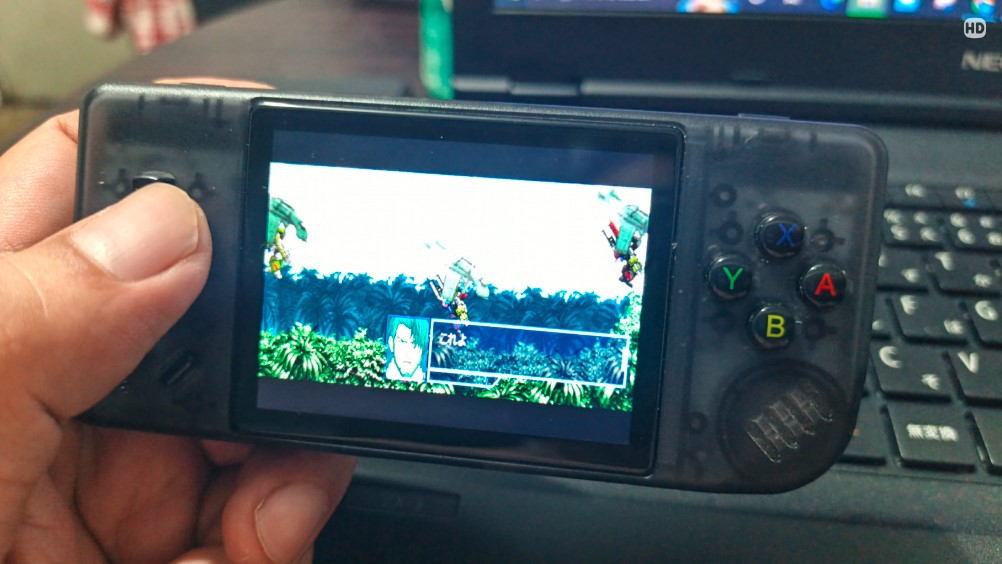
    I actually just picked up the Anbernic RG28XX recently. I was looking for the Miyoo A30 but couldn’t find one locally, so this became my alternative. Luckily, it runs PSP titles smoothly, and Gunhound feels right at home on it.

    A Bit of History

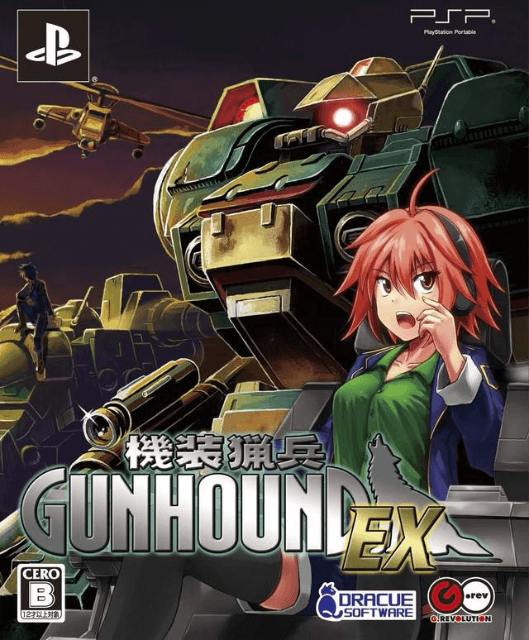
    Gunhound EX (full title: Kisou Ryouhei Gunhound EX) came out in Japan back in 2013 for the PSP. It was developed by a small Osaka-based team called Dracue Software, a doujin (indie) studio known for loving mecha games. Later on, the game got a Windows PC port in 2014 with the title Armored Hunter Gunhound EX.

    The reception was decent, especially from fans of old-school mecha shooters like Assault Suit Valken (Cybernator) and Assault Suit Leynos. Famitsu gave the PSP version a 29 out of 40, and Western reviews of the PC port hovered around 7 to 8 out of 10. Reviewers praised the fast-paced action and anime-style presentation, though some said it felt like the ideas could’ve gone even further.

    As for sales, there’s no reliable number out there — it was a niche release, after all, and never really broke into the mainstream. That’s also one of the reasons it isn’t famous: it was a Japan-only release on PSP, with no official English localization. But honestly, who needs a full translation when your main job is to pilot a mech and fire at anything that moves?

    Dracue didn’t become a big studio after this either. Gunhound EX remains their standout game — more of a cult classic than a widely recognized PSP hit.

    The Story

    The game’s setup is straight out of a 90s mecha anime. You pilot a heavy combat machine through different missions, fighting waves of enemies, giant bosses, and military hardware that just keeps coming. The story isn’t super detailed, but it’s enough to push you forward between battles and cutscenes. The real fun is in the action, not reading walls of text.

    Game Mechanics

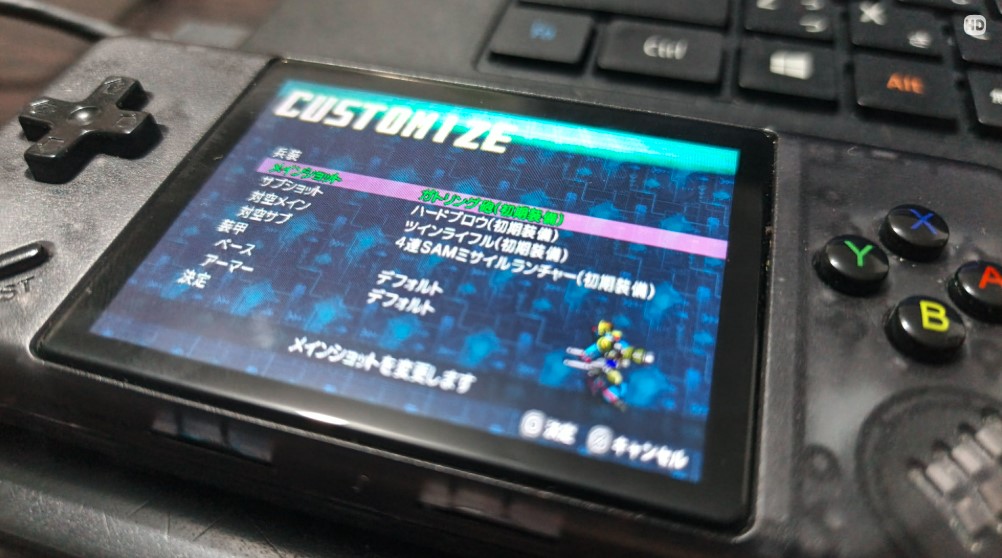
    The mix of mechanics makes Gunhound really stand out. You get machine guns, missiles, and one of the coolest parts — a grappling hook. It’s not just for climbing but also for swinging and repositioning during fights. That little touch changes how you approach stages, giving it a different flavor compared to standard run-and-gun games.

    The game captures that heavy mech feeling while still staying responsive. You’re not zipping around like a ninja; you’re piloting a powerful machine that has weight to it, and learning that rhythm is half the fun.

    Controls

    The controls feel surprisingly smooth for a PSP mecha game. Swapping weapons, firing, and using the grappling hook all click into place once you’ve played a couple of missions. On handhelds with good buttons and a d-pad, like the RG28XX or Miyoo Mini Plus, the game plays almost like it was built for these smaller devices.

    Why It Fits on a Small Retro Handheld

    This is where Gunhound really shines for me. The missions are short enough to pick up and play in between tasks, and the anime-inspired visuals scale perfectly to smaller screens. The intensity is still there, but it feels tighter and more personal when played on a handheld. For a game that’s all about quick bursts of action, portable is the way to go.

    Every time I load this up, it gives me that mix of anime mecha excitement and arcade-style quick action. It doesn’t need hours of play, and the grappling hook always makes the combat feel fresh. I’ll tell myself “just one mission,” and then end up playing two or three because it’s so hard to put down once you’re in the zone.

    Final Thoughts

    Gunhound EX may not be a mainstream PSP classic, but it’s one of those hidden gems that deserves more attention. Between its anime-inspired mecha action, simple pick-up-and-play missions, and perfect fit for retro handhelds, it’s a game I recommend to anyone looking for something different on PSP. The lack of an English release probably held it back, but if you enjoy action that doesn’t waste your time, you’ll feel right at home with Gunhound.

  • The Goonies on NES – A Childhood Treasure

    The Goonies on NES – A Childhood Treasure

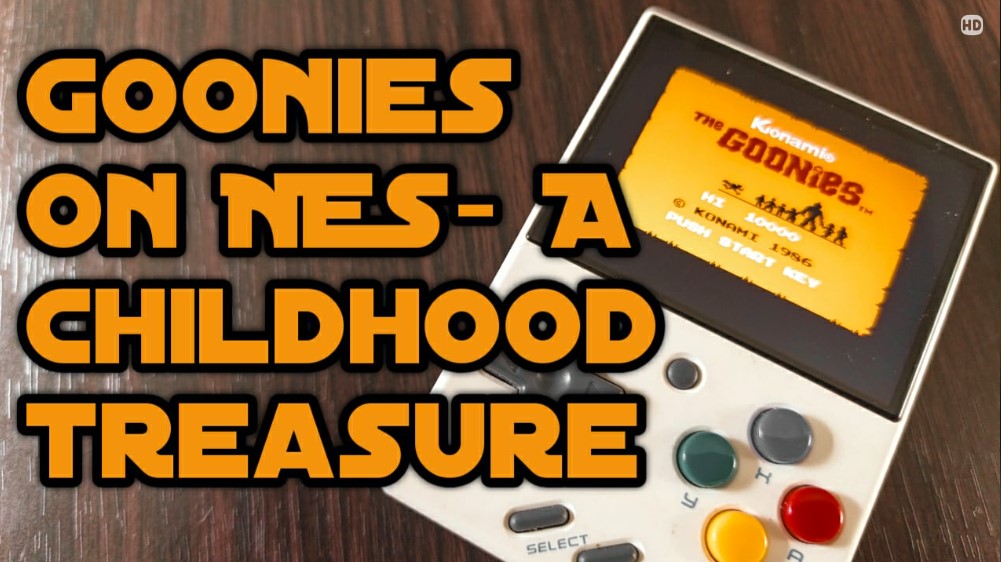
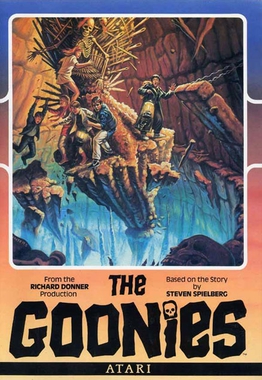
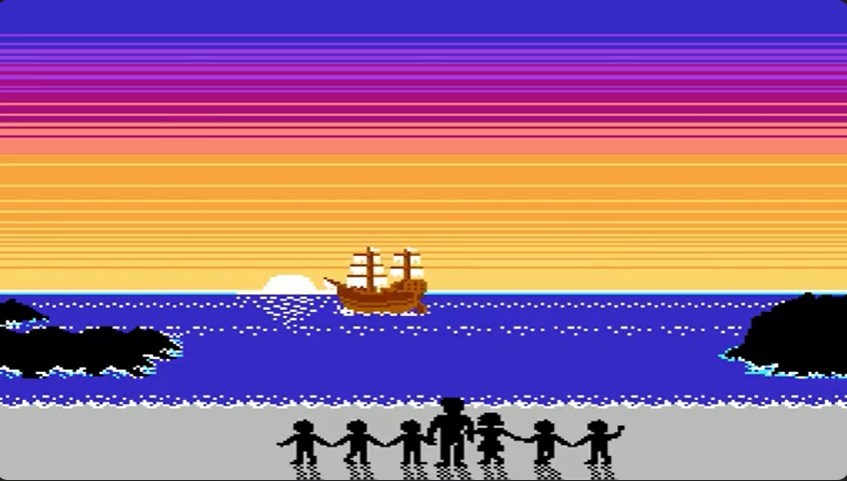
    Growing up, one of the most-played games of my childhood was The Goonies on the NES. At the time, I had no idea it was connected to a movie. To me, it was just this mysterious little game with unforgettable music and fun gameplay. Even now, whenever I hear that chiptune intro theme, I’m instantly brought back to being seven or eight years old, sitting in my living room with my cousins, taking turns until we finally beat it.

    Konami developed and released the game in 1986, based on the 1985 movie. The strange part is that while the game came out on the Famicom in Japan, it never got a normal NES release in North America. Instead, many players only ever discovered the sequel, The Goonies II. But for me, this first game was the one that left a mark.

    Controls and Objectives

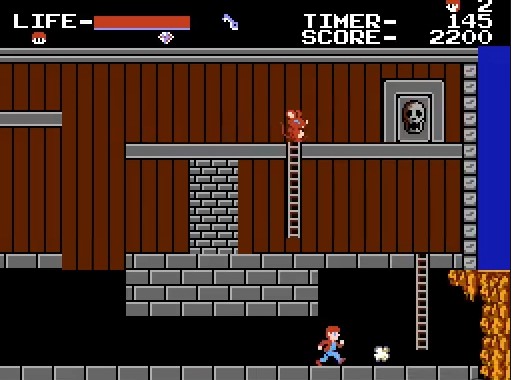
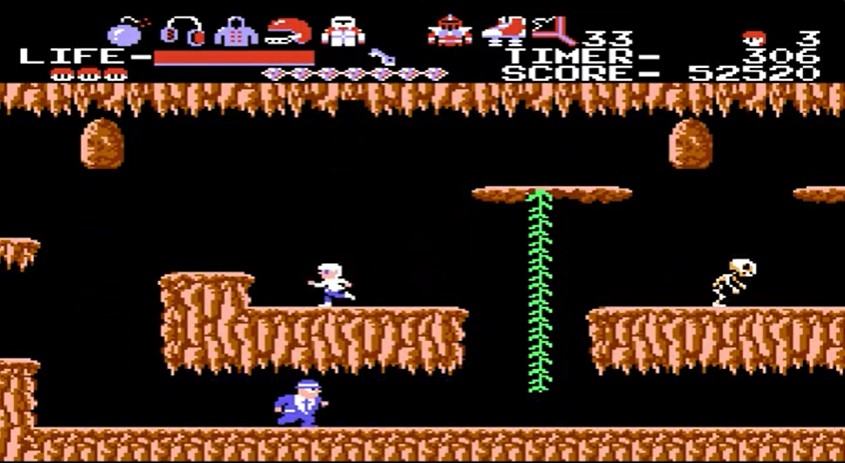
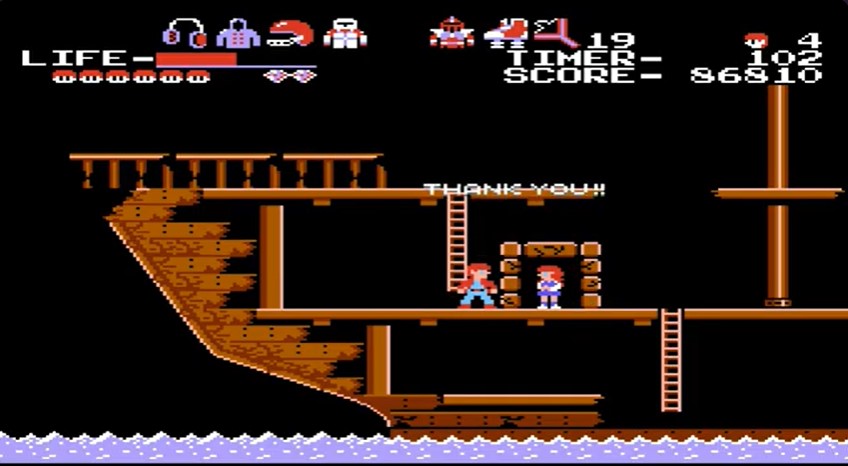
    The beauty of The Goonies is how simple it is to pick up and play. You move Mikey with the D-pad, jump with A, and attack or place bombs with B. Each level has a clear goal:

    • Collect three keys to unlock the exit.
    • Rescue a captured Goonie hidden somewhere in the stage.
    • Survive enemies like bats, skeletons, rats, and of course the Fratellis.

    That’s it — no long cutscenes, no walls of text, just pure action.

    This is also why it feels perfect on the Miyoo Mini’s 2.8-inch screen. The game doesn’t rely on lots of text, so there’s nothing tedious to read. The NES’s simple A and B button layout matches the Miyoo Mini perfectly, making the game feel like it was made for handheld play.

    The Nostalgia Factor

    When I was a kid, I used to think the rats in this game were actually the size of children. They looked so huge and scary to me on the TV screen. Looking back, the graphics are pretty basic, but the way the game combined its music, enemies, and level design made it feel larger than life.

    The difficulty also felt enormous at that age. What seems like a simple loop today — jump, bomb, collect, rescue — was one of the hardest games I had ever played as a kid. But that’s part of what made it so special.

    And of course, what I remember most isn’t just the game itself but the feeling around it: the old TV buzzing in the living room, my cousins sitting beside me, all of us determined to beat the game together. That memory is what makes The Goonies stand out among all the other NES platformers.

    Final Thoughts

    Although there are many NES platformers that are just as good, or even better, The Goonies will always be one of my personal favorites. Not because it’s the most polished, but because it carries so many of my childhood memories.

    I haven’t played The Goonies II, but for me, this first game feels just right. And playing it today on my Miyoo Mini is enough to keep that nostalgic spark alive. The Goonies is just one of many great platformers on the NES — but for me, it’s one of the most unforgettable.

Design a site like this with WordPress.com
Get started