Tag: super famicom

  • Otogirisō (1992): The Flower That Haunts — Revisiting Chunsoft’s Sound Novel That Defined Retro Horror

    Otogirisō (1992): The Flower That Haunts — Revisiting Chunsoft’s Sound Novel That Defined Retro Horror

    I first stumbled upon Otogirisō while browsing through old Super Famicom titles a few weeks ago. At first, I thought it was just another forgotten horror visual novel — until I learned it was actually one of the original sound novels, the very foundation for everything that came after from Chunsoft. With an English translation patch available, I decided to load it up on my Miyoo Mini, and it instantly became one of my favorite finds this October.

    It’s perfect for the Halloween season, a game that doesn’t rely on visuals or gore but on atmosphere, sound, and storytelling. The kind of horror that creeps in slowly, like a whisper instead of a scream. And playing it with earphones on, in the dark, made it feel like I was sitting right there inside that mansion as the storm raged outside.
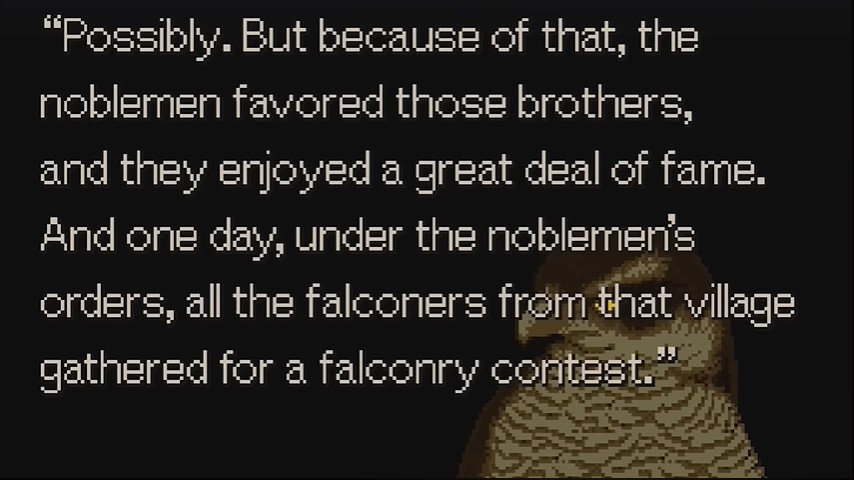
    On the drive, the conversation turns to the roadside flowers, and the protagonist explains what they are. He tells Nami about the Otogirisō — St. John’s Wort — and the old legend that goes with it. The tale is simple and brutal: two brothers once lived together, betrayal ripped them apart, one killed the other, and from the ground where the blood spilled the Otogirisō bloomed. That moment, me telling Nami the story as the rain fell, hooked me immediately. It sets the tone, and the subtle sounds in the background — tires on wet asphalt, distant thunder, soft static — made the whole scene sink into my bones.

    I named the protagonist Bob for my playthrough, after my favorite wrestler, Bob Backlund. Call him what you want, the game lets you, and that little choice made the nightmare feel oddly personal.


    Inside the Mansion
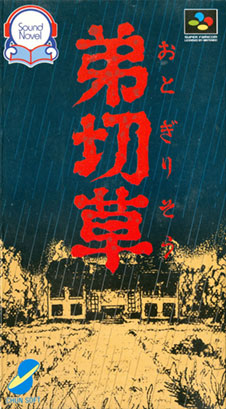
    Otogirisou snes cover

    From the moment Bob and Nami enter, you’re greeted by creaking wood, thunder rolling above, and faint music that seems to breathe with the house itself. You start to explore, and immediately you can sense the unease — the mansion feels alive.

    Unlike modern horror games that rely on visuals, Otogirisō lets the sound design do the heavy lifting. Every pause between lines feels intentional, like the mansion itself is waiting for you to make the wrong move.
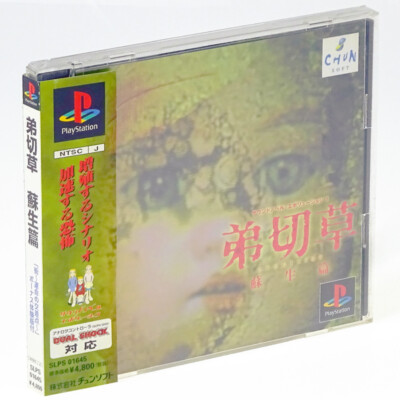
    Ps1 cover for Otogirisou

    The story then splits into multiple routes based on your decisions — and this is where Otogirisō truly shines. Each route isn’t just a different ending; it’s a different truth about what’s happening in the mansion. The game contains many endings across multiple routes, and replaying is how you slowly assemble the full picture.


    Route 1: The Curse of the Twins
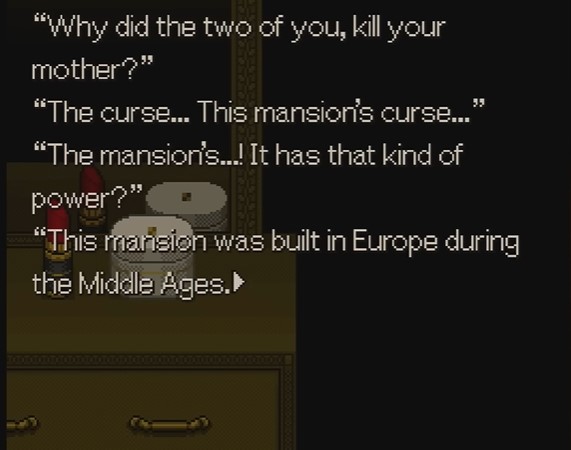
    This is the route that hit me the hardest — not because it’s the scariest, but because it’s the most tragic.

    If you comfort Nami, stay close, and focus on exploring personal rooms like bedrooms and the study, you begin to pull at threads of the family’s history. Dusty diaries and portraits reveal twin sisters, an uneven love, and a household that fell apart from jealousy. Nami’s memories come back in flashes, she recognizes corners of the house, and gradually it becomes clear that this once was her family home.

    The final scenes are devastating: Nami confronting the twin she was never allowed to be, a sense of completion that’s more a claim than a cure. The Otogirisō flower imagery returns, blooming in scenes of rain and memory. The sound drops to a single soft note as the screen fades. It’s sorrow more than terror, and it lingers because it’s about loss, not spectacle.

    What stands out: the emotional weight and how grief is foregrounded over cheap shocks. The slow pacing lets the player absorb the inevitability, which made it one of the most affecting endings I’ve experienced in a retro horror title.


    Route 2: The Fire
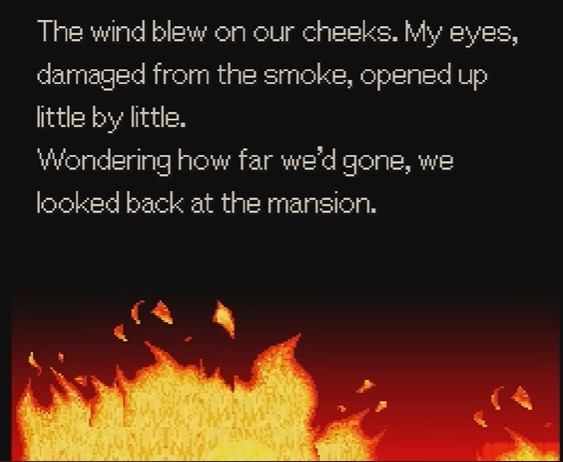
    If you act boldly — exploring suspicious rooms, probing basements, and pressing on despite warnings — you unlock the Burned route.

    This path centers on a night the mansion went up in flames. As Bob finds charred letters and witness fragments, a picture forms of betrayal that boils over into arson. The house’s blackened halls echo with the memory of fire, and the sound design leans into crackles and whispers that suggest the blaze never truly died.

    The twist is how premeditated the violence turns out to be. It wasn’t a random catastrophe but an act of calculated revenge from the heart of the family. Nami’s sanity fractures as she relives those screams, and the ending can leave you trapped watching the fire consume everything while you’re helpless.

    What stands out: the suffocating inevitability and the way the game uses environmental details to imply history. Flames are suggested rather than shown, and that suggestion becomes dread. The Burned route feels like punishment for curiosity, both for the characters and the player.


    Route 3: The Well
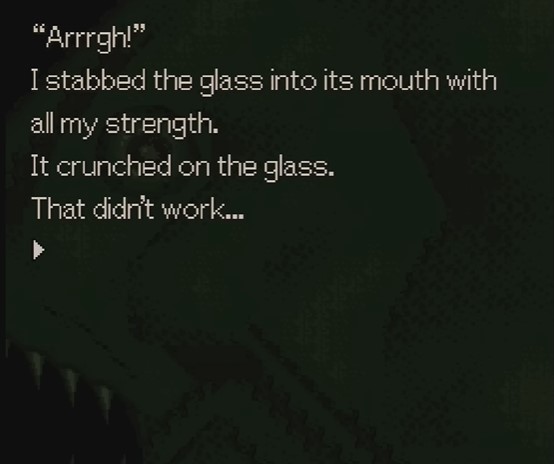
    This one is the most unexpected and disturbing.

    If you explore the grounds early and investigate the well, the tone shifts from gothic family drama to something more monstrous. You find notes that read like lab journals, sketches of malformed creatures, and entries hinting at ritual experiments. The story implies that someone in the household tried to bridge life and death with grotesque methods.

    When the well is opened, the game leans into sound and pacing — wet, heavy noises, a rising heartbeat in the music track, text flashing faster — and the horror becomes physical. You don’t see the creature clearly; you hear it. The ending is abrupt and cosmic, with Nami dragged into something ancient beneath the house and the final line: “The Otogirisō blooms again.”

    What stands out: how the game can pivot to cosmic horror within the same narrative framework, and how sound alone conjures an image far worse than literal spritework could manage. It’s one of the weirdest and most effective surprises I’ve seen in retro horror.


    What makes it stand out

    Otogirisō doesn’t rely on jump scares. Its horror is built from suggestion, from the space between lines. The storm, the piano that mimics a heartbeat, the way Nami’s voice trembles over static, these elements build a tension that’s more intimate than loud.

    What makes the experience eerie and enjoyable:

    • Personal stakes: because you name the protagonist and make choices about how to treat Nami, the horror feels intimate.
    • Sound-first design: the noises and silence create a private theater in your head — you imagine the worst, and the game confirms it.
    • Route-based truths: each route reveals a different facet of the mansion’s curse, so every playthrough reframes what you thought you knew.

    Final Thoughts
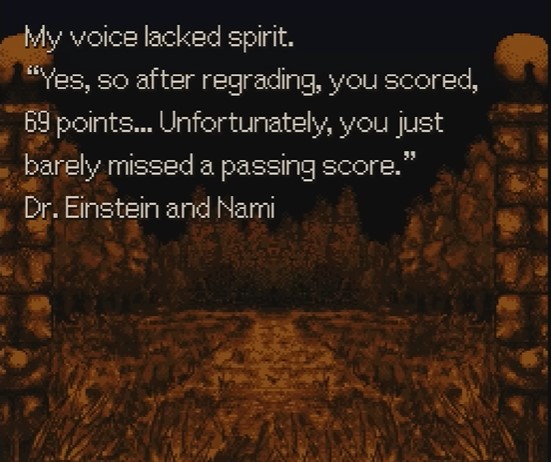
    Otogirisō isn’t a game you play for jump scares. It’s a game you experience for atmosphere — the unease, the sorrow, and the weight of what’s left unsaid. Playing it on the Miyoo Mini with headphones made the story feel intimate and immediate, like a ghost story folded into a pocket-sized book.

    The legend I told Nami on the road — of two brothers and the flower that grew from betrayal — isn’t just a setup. It’s the beating heart of the game. After seeing the routes, every ending felt like another stanza of that same lament. The image of the Otogirisō blooming from pain will stay with me, long after the rain has stopped in the game and in real life.

    If you want something to play this Halloween that doesn’t just frighten but haunts, give Otogirisō a night. Name your protagonist, maybe call him Bob, and let the mansion whisper its stories into your headphones.

    Because here, horror doesn’t scream, it whispers — and sometimes that’s far more terrifying.
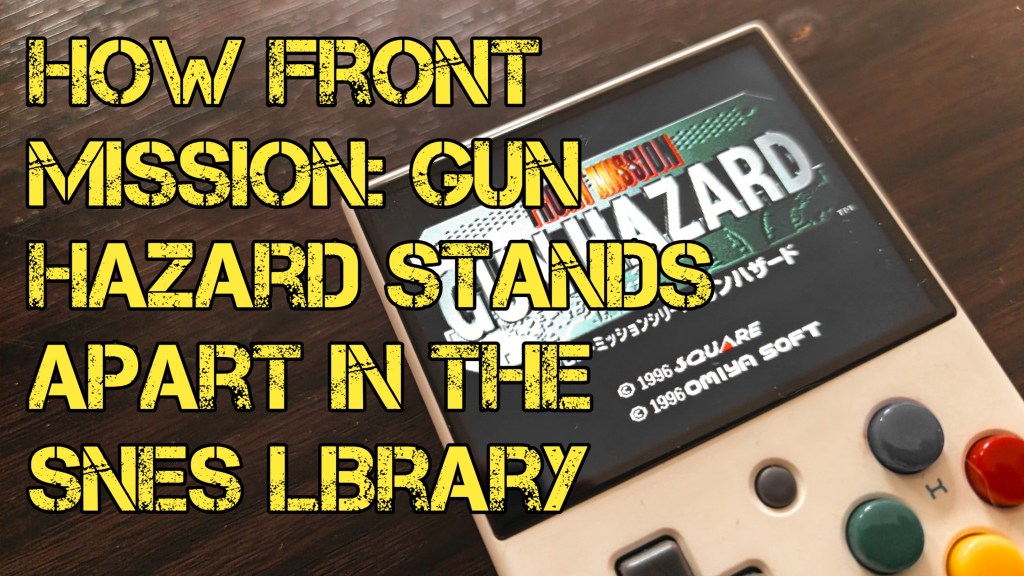
  • How Front Mission: Gun Hazard Stands Apart in the SNES Library

    How Front Mission: Gun Hazard Stands Apart in the SNES Library

    Just two days ago, I stumbled onto a game I had never given much thought to before: Front Mission: Gun Hazard. If you know me, my usual go-to SNES game with mecha and heavy action has always been Mega Man X. For me, nothing really topped that mix of speed, precision, and music. Because of that, I never really dove into titles like Assault Suits Valken (Cybernator) or other similar recommendations.

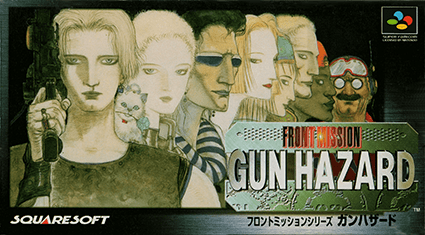
    Front mission: Gun Hazard  box art

    So what changed? Honestly, it wasn’t a review or gameplay clip that convinced me. It was the fact that the fan translation patch was done by Aeon Genesis, the same team I always trust when I want to play Super Robot Wars in English. Seeing their name tied to Gun Hazard was enough for me to fire it up on my Miyoo Mini. That decision opened the door to one of the most unique experiences I’ve had on the system.

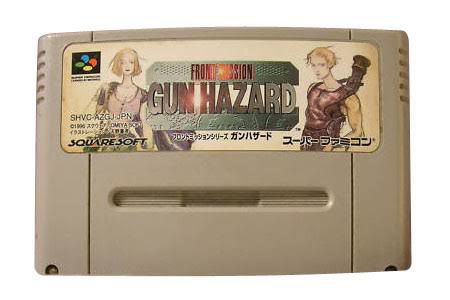
    Gun hazard game cartridge

    Another reason I gave this game a shot is because it was a Japan-only release. And if you’re into retro emulation, you know that’s usually a big sign the game is worth trying. Back in the 90s, Japanese developers often thought their games were too hard for Western audiences, so they’d create watered-down versions for overseas release. Honestly, most of those simplified versions stripped away what made the originals shine. That’s a real shame, because Japan was putting out some of the best and most ambitious games of that era—and Gun Hazard is proof of that.

    Gameplay and Mechanics

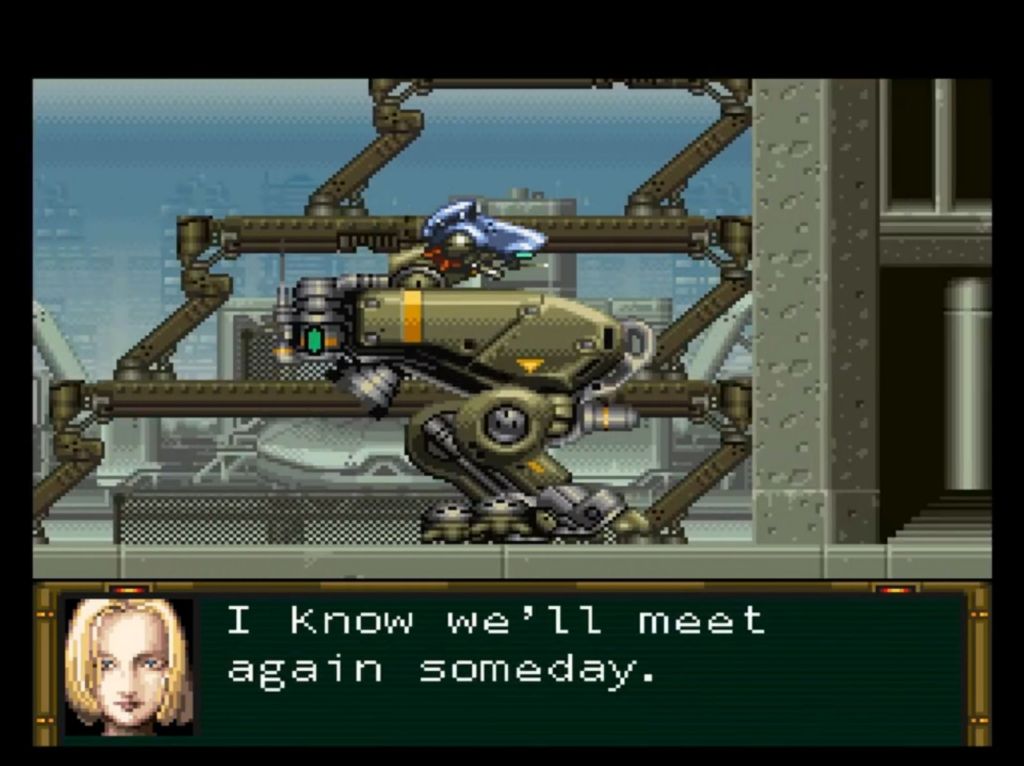
    Some sections in the game can be played on foot instead of a wanzer

    If you asked me what genre Front Mission: Gun Hazard belongs to, I’d have a hard time sticking to just one answer. On the surface, it looks like an action platformer or an action shooter. But then you add in the ability to level up, customize weapons, and upgrade parts, and suddenly it feels like an RPG.

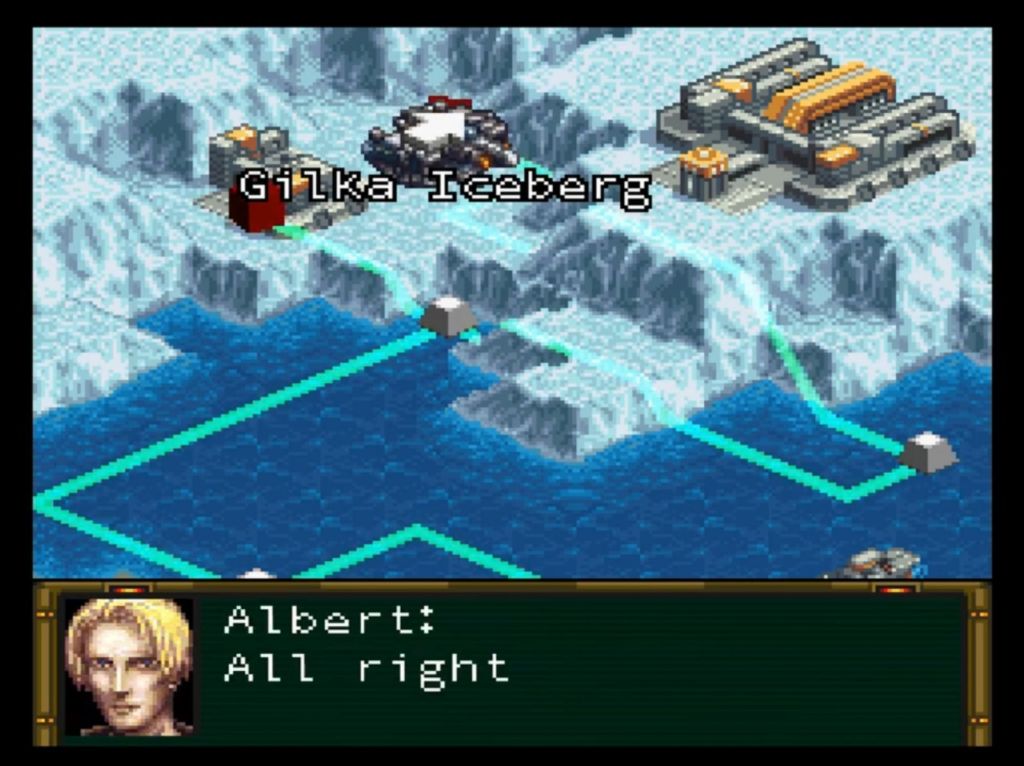
    Story-wise, it leans even closer to being a JRPG, with its heavy themes of politics, betrayal, and emotional storytelling. Add in the world map where you can choose missions, side missions, and paths forward, and it starts to feel like an SRPG too.

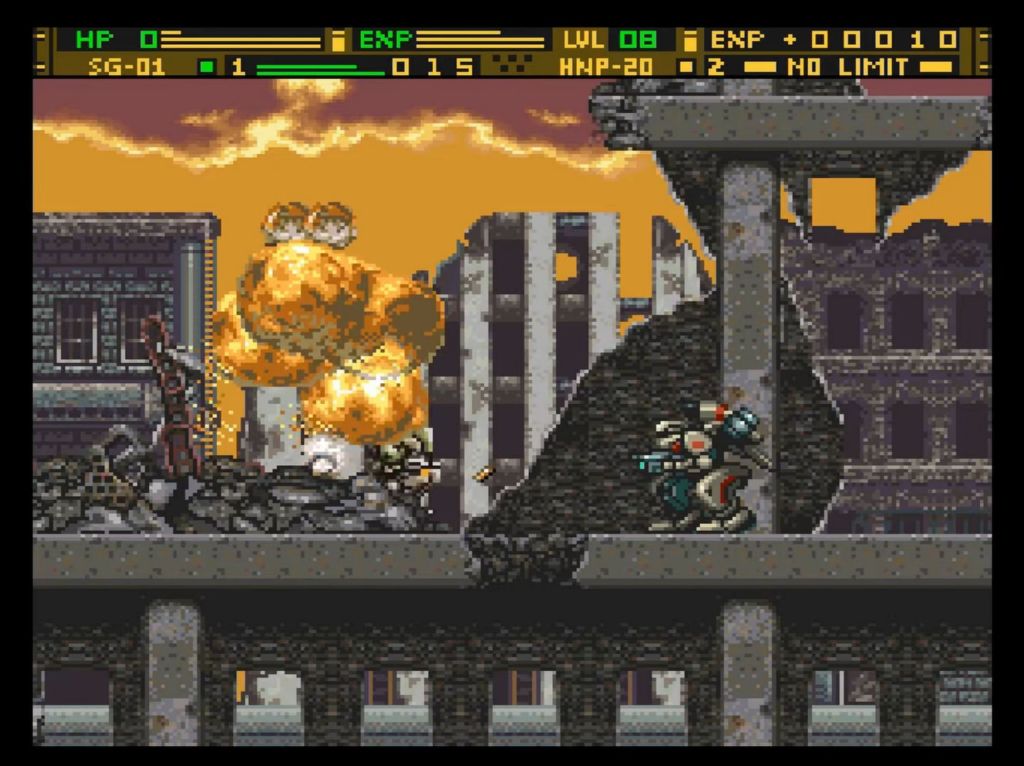
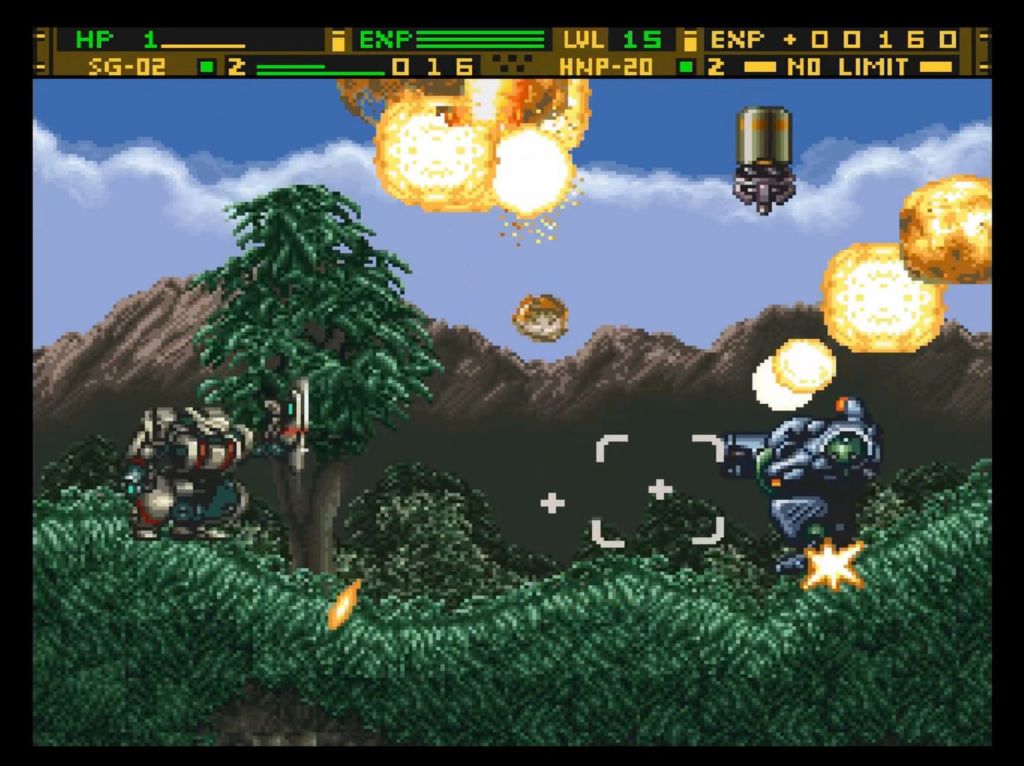
    Wanzer combat

    What we really have here is a hybrid, and a surprisingly smooth one at that. It’s action, it’s RPG, it’s strategy—all blended together in a way I haven’t seen matched, even in more modern titles. The presentation seals the deal: the background music and sound design feel richer than most SNES releases, which makes me think this was definitely not a low-budget project.

    And yes, while it shares DNA with other mecha games of the era, Gun Hazard pushes the concept much further with its RPG systems and narrative depth.

    Story and atmosphere

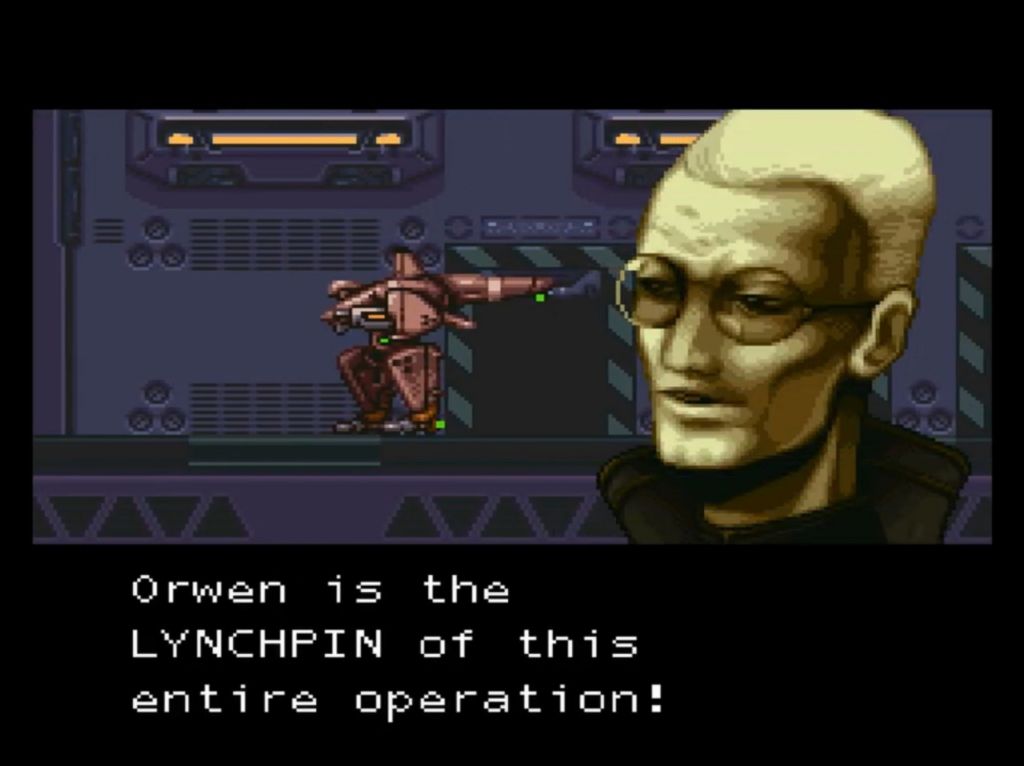
    My bad, the sound plays if you leave the screen on and it gives you a backstory before you play. I was so hyped I avvidentwlly pressed start and did not see this.

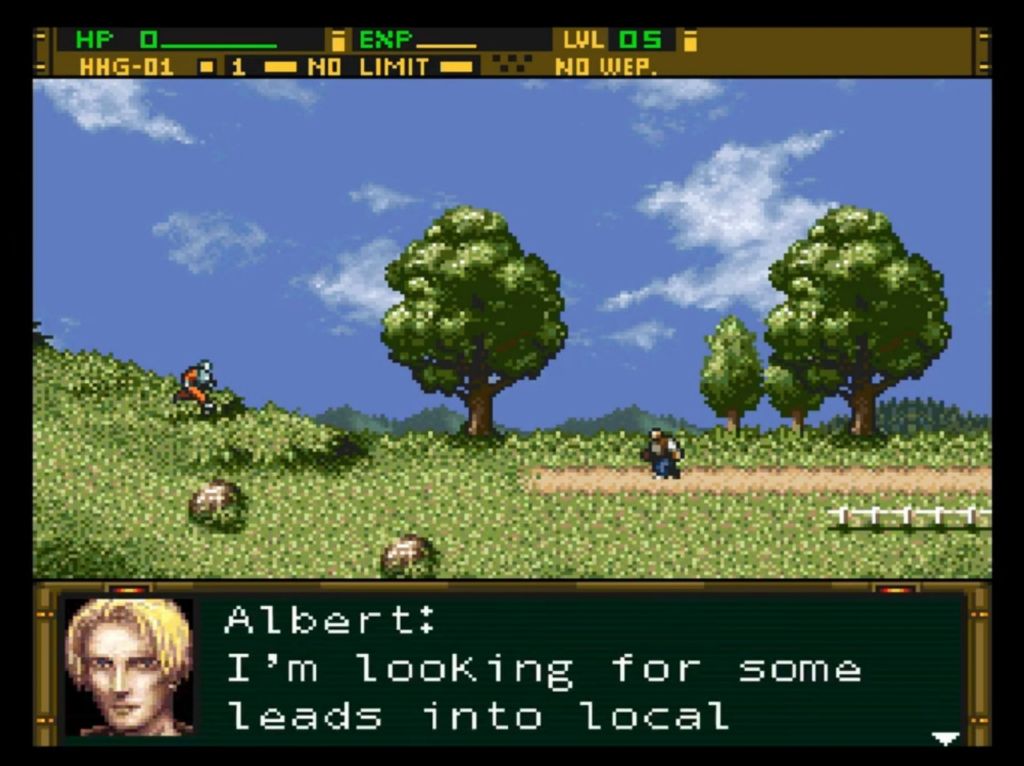
    Booting up the game, I noticed something unusual right away—silence. I even cranked up the volume on my Miyoo Mini, thinking maybe the sound wasn’t working. The opening text explaining the backstory had no music. The character naming screen? Still silent. Then the first cutscene started, and even up to the ambush—the one where the rocket slams in and wipes out nearly everyone—there was no full soundtrack. Just the sound of seagulls and faint notes in the background. It created this eerie calm that made the eventual explosion hit so much harder.

    Can’t get over the fact that Albert, the series protagonist looks like Christopher Lambert from the Highlander movies

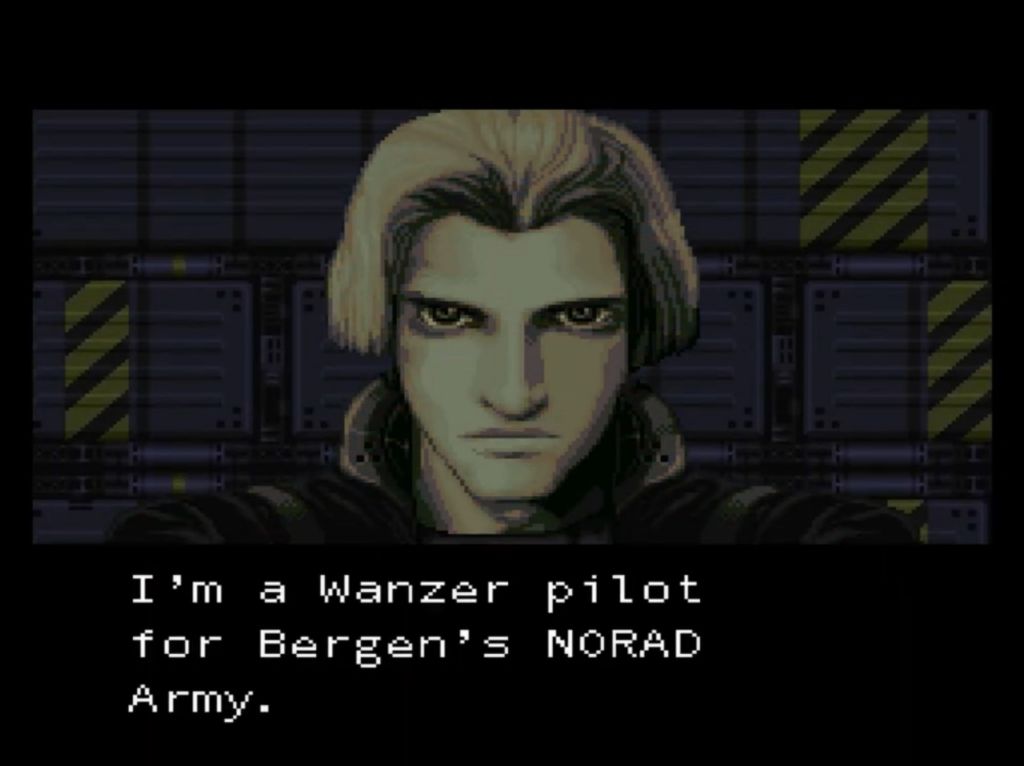
    From there, the story really takes off. You play as Albert Grabner, a wanzer pilot suddenly betrayed and hunted after a coup tears apart the very unit he trusted. Branded a traitor, Albert escapes and takes on work as a mercenary, traveling the globe and getting swept into conflicts much bigger than his own survival.

    What makes Gun Hazard stand out isn’t just the “good guy vs bad guy” setup—it’s how the story dives into politics, alliances, betrayals, and moral struggles. Each mission feels alive with dialogue and character moments that push the plot forward. You’re not just blowing up enemy bases; you’re caught in a web of shifting power, trying to figure out where you really stand.

    Without giving away spoilers, I’ll just say the game doesn’t stay small. It expands from one soldier’s desperate escape into a global conspiracy that keeps escalating until the very end.

    As for the finale? Let’s just say you know you’re playing a front mission game through and through. I won’t add more to this because it’s best you guys experience it first hand to fully enjoy it.

    Replay value and personal experience

    Boss fights can be quite challenging but fun

    I’m on my third playthrough now, and I still can’t put it down.

    • The first time, I rushed through to see where the story went.
    • The second time, I focused on tweaking weapons and experimenting with different loadouts.
    • Now, on my third run, I’m slowing down, enjoying the story beats, and really letting it all sink in.

    I even tried playing it on my phone, but honestly, the button layout is perfect on the Miyoo Mini. It feels like this game was meant for that handheld. That’s where I’ve decided to keep playing it.

    Tactical map screen where you choose the missions to take, shop for weapons and upgrade s or take on side missions

    What keeps me coming back isn’t just the gameplay, but the mix of story, customization, and music. Even after finishing it, I still want to try new setups, explore missions in different orders, and revisit the world again. That’s rare for a retro title, and it’s what makes Gun Hazard such a special find.

    Closing thoughts

    Front Mission: Gun Hazard is a game I wish I had discovered years ago, but I’m glad I finally did. It’s a hidden gem that blends action, RPG depth, and storytelling in a way that feels timeless. Each playthrough offers something new, whether it’s experimenting with gear, savoring the narrative, or just soaking in the atmosphere.

    If you own a retro handheld, even a tiny one like the Miyoo Mini, this game is absolutely worth your time. It runs beautifully and feels like it was made for handheld play.

    One piece of advice: play it with headphones. The soundtrack was created by Nobuo Uematsu (Final Fantasy), Yasunori Mitsuda (Chrono Trigger, Xenogears), Masashi Hamauzu (Final Fantasy XIII), and Junya Nakano (Final Fantasy X). That lineup alone is legendary, and the way the score blends suspense with emotional depth gives the game an atmosphere far beyond the average 16-bit title.

    If you’re looking for a new retro experience—something different in the SNES library that still feels fresh today—give Front Mission: Gun Hazard a try. Fire it up, put on some headphones, and let yourself be pulled into one of the most memorable rides the Super Famicom ever offered.

    And of course, huge thanks to Aeon Genesis. Without their fan translation, this gem might have stayed locked away in Japan forever.

Design a site like this with WordPress.com
Get started