Tag: SegaGenesis

  • Top 5 Dragon Ball Games That Still Hold Up Today (Retro Edition)

    Top 5 Dragon Ball Games That Still Hold Up Today (Retro Edition)

    Even decades later, some Dragon Ball games just refuse to fade away. Whether you grew up button-mashing on a Sega Genesis or charging up Kamehamehas on your PSP, these classics remind us why Dragon Ball has been a staple in anime gaming.

    This list is by no means the definitive “best of all time” — how great a game feels will always be subjective. But for me, someone who still plays these titles on retro handhelds, these are the five that stand out the most. They’re what I personally consider my top five Dragon Ball games to revisit and enjoy even today.


    1. Dragon Ball Z: Buyuu Retsuden (Sega Genesis, 1994)
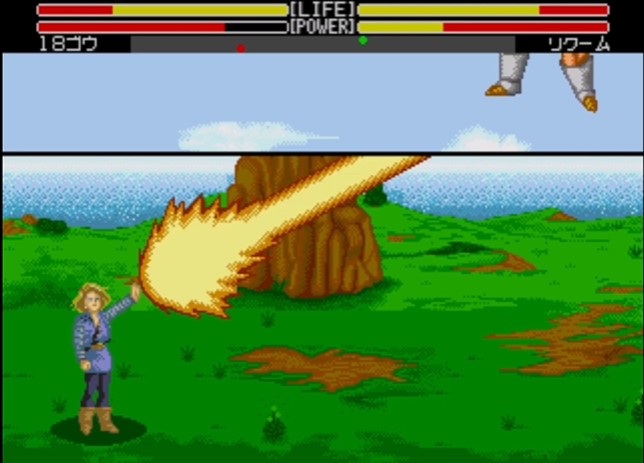
    Before 3D arena fighters and flashy transformations, Buyuu Retsuden gave Genesis owners a taste of pure 2D fighting action. It was fast, fun, and brought iconic battles to life in glorious 16-bit form — long before most of us even dreamed of full 3D Dragon Ball games.

    Why it holds up: Tight controls, nostalgic visuals, and that signature Genesis energy make this a must-play for retro fighting fans.

    Fun Fact: The game had secret moves and even “Super vs. Super” clashes where two characters could unleash ultimate attacks at the same time, creating a mini-game of energy waves. You could also block supers with precise timing — rare for its era and incredibly satisfying when pulled off.


    2. Dragon Ball Z: Buu’s Fury (Game Boy Advance, 2004)
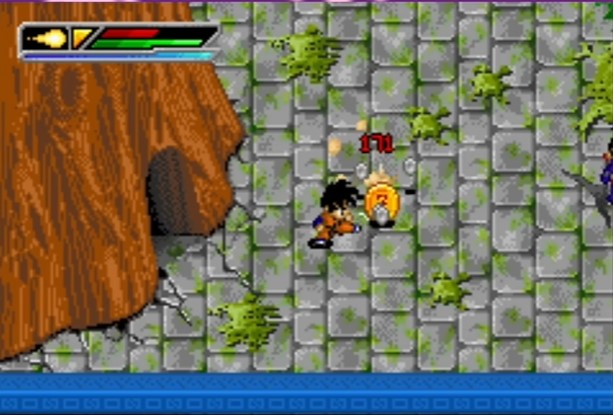
    An action RPG that lets you relive the Buu Saga while leveling up, exploring areas, and smashing enemies in real time. For handheld players, Buu’s Fury was the ultimate way to feel like a Super Saiyan on the go.

    Why it holds up: Classic pixel art, rewarding combat, and a surprisingly emotional story for a GBA title.

    Fun Fact: Buu’s Fury is actually the third in the Legacy of Goku trilogy. It took everything that worked in Legacy of Goku I and II — tighter combat, smoother transformations, better story pacing — and perfected it. Out of all three, Buu’s Fury is easily the best and most polished GBA Dragon Ball adventure.


    3. Dragon Ball Z: Tenkaichi Tag Team (PSP, 2010)
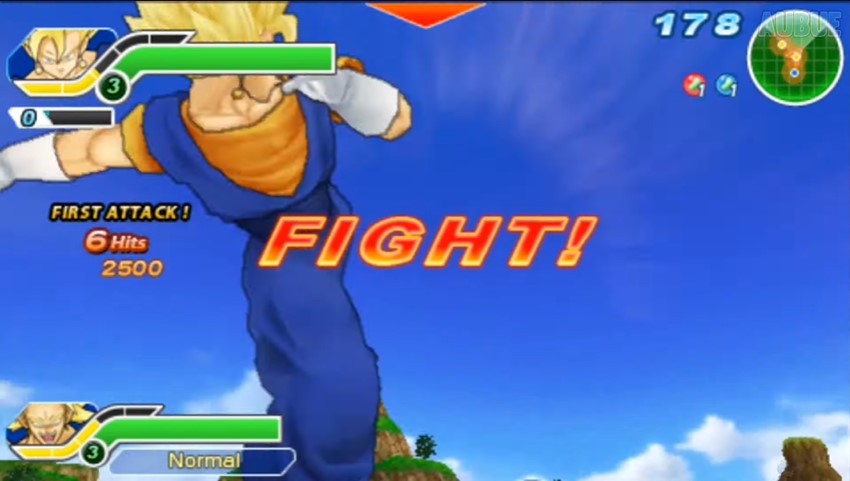
    Portable, explosive, and still one of the most fun Dragon Ball games to this day. Tenkaichi Tag Team let you fight solo or team up for wild 2v2 battles, bringing console-level gameplay to a handheld screen.

    Why it holds up: Fast-paced combat, deep combos, and an iconic roster that’s still unmatched on PSP.

    Fun Fact: Think of this as a lighter, portable version of Budokai Tenkaichi on PS2 — but with tons of content, customizations, and a full story mode. There’s also another hidden gem on PSP called Dragon Ball Z: Shin Budokai, a 2.5D fighter — but between the two, Tenkaichi Tag Team stands taller thanks to its bigger roster, polish, and those chaotic 2v2 battles.


    4. Dragon Ball: Advanced Adventure (Game Boy Advance, 2004)
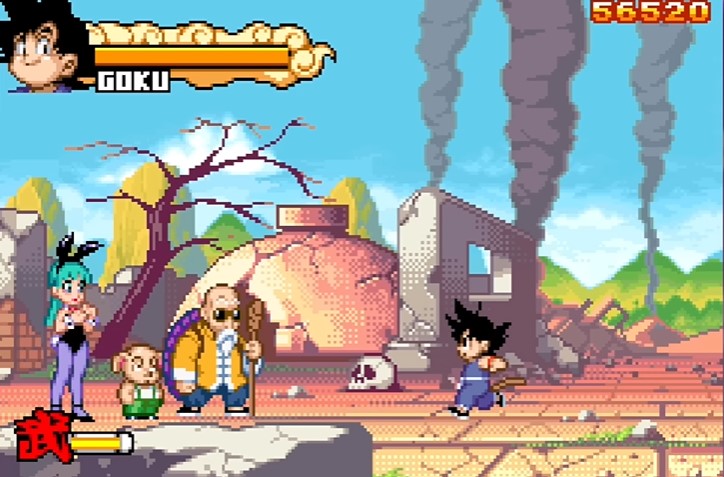
    This one’s a gem. Covering Goku’s original adventures — from meeting Bulma to the final battle with King Piccolo — Advanced Adventure mixes platforming, exploration, and fighting into one charming package.

    Why it holds up: It’s one of the few games that perfectly captures the humor, adventure, and heart of classic Dragon Ball. Plus, that 2D art style still looks fantastic today.

    Fun Fact: This game is pure nostalgia — an action-platformer that tells Goku’s early story as a kid. It blends adventure, one-on-one battles, and side-scrolling action so well that even after all these years, it still plays great and captures the true spirit of early Dragon Ball.


    5. Dragon Ball Fusions (Nintendo 3DS, 2016)
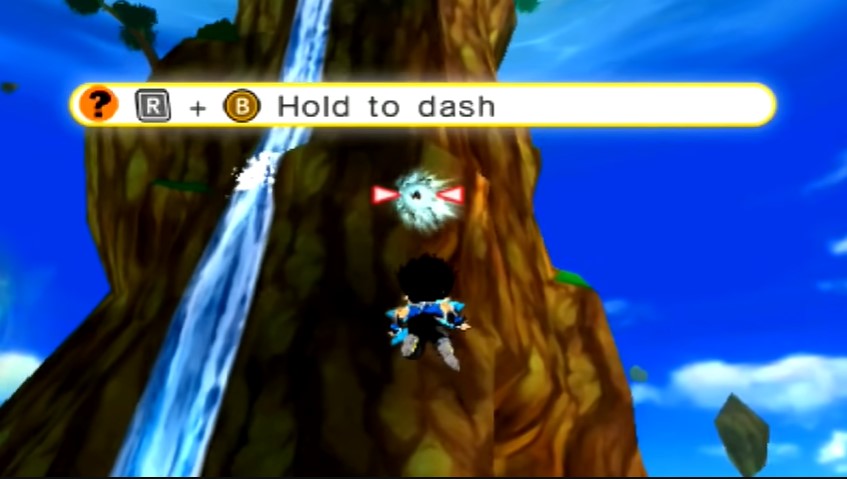
    While it’s newer than the others, Fusions carries that old-school Dragon Ball spirit — letting you fuse just about anyone with anyone. The result? A chaotic, creative RPG that celebrates everything fun about the franchise.

    Why it holds up: Unique mechanics, colorful visuals, and endless replay value make this one a modern classic with retro DNA.

    Fun Fact: What makes Fusions stand out is its deep customization system — you can fuse different characters to create completely new fighters, customize your looks, fighting type, special moves, and skills. It’s a dream come true for fans who ever wished to create their own warrior in the Dragon Ball universe.


    Final Thoughts
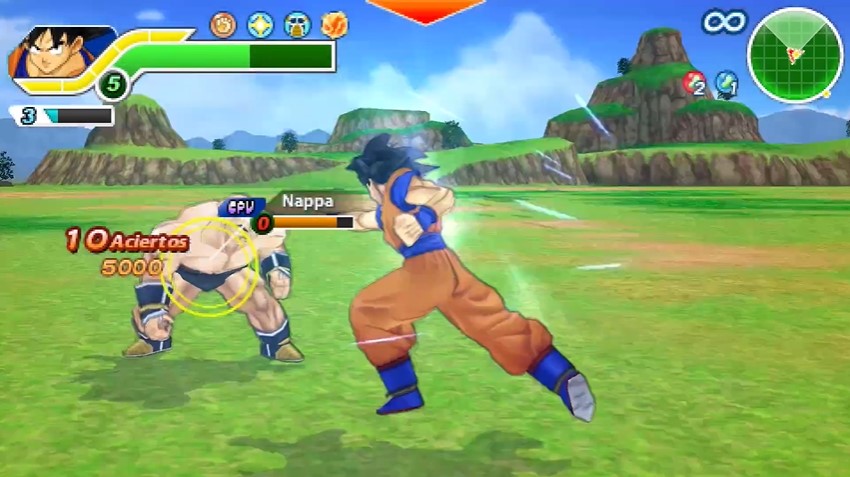
    From Buyuu Retsuden’s 16-bit punches to Advanced Adventure’s playful nostalgia, these games prove that Dragon Ball’s legacy in gaming is just as strong as its anime roots.

    Thanks for reading — it really means a lot. Which Dragon Ball game defined your childhood? Drop it in the comments — let’s talk classics.
  • Rediscovering Mickey Mania – A Disney Classic Worth Playing Again

    Rediscovering Mickey Mania – A Disney Classic Worth Playing Again

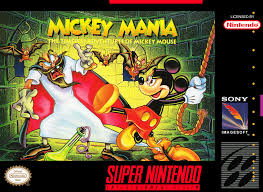
    Mickey Mania SNES box art

    Back in the 8, 16, and 32-bit days, licensed games were everywhere. Some were just cheap cash grabs, but every now and then you’d hit a gem — games like Darkwing Duck, Chip ’n Dale Rescue Rangers, DuckTales, Tiny Toon Adventures, even The Goonies. They captured that Saturday morning cartoon magic and put it in your hands.

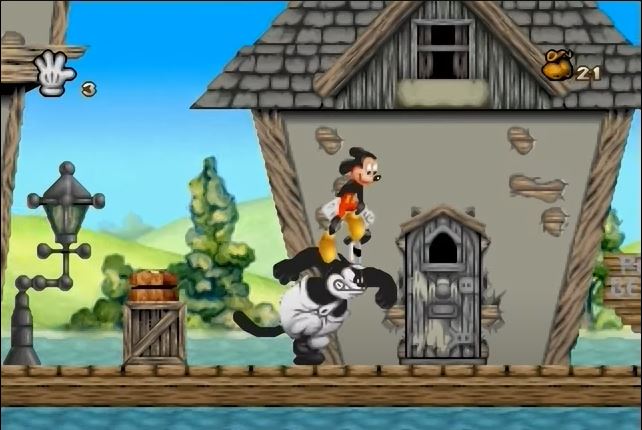
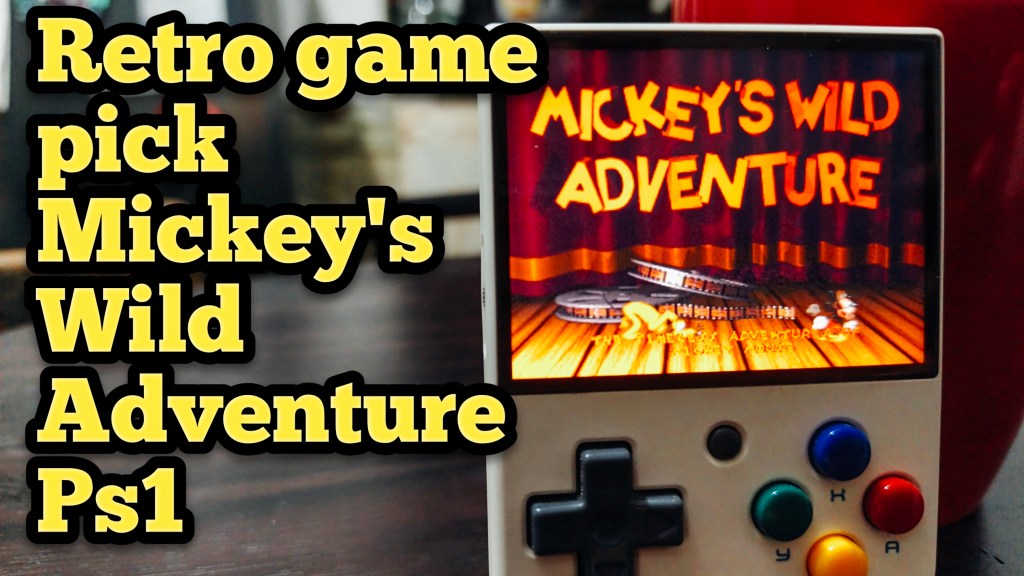
    One I almost forgot about until recently was Mickey Mania. I played it back in the day on the Sega Genesis, but over the weekend while scrolling through my Miyoo Mini’s PS1 library, I stumbled on Mickey’s Wild Adventure — the upgraded remake. And wow, firing it up again reminded me why this one deserves more love.

    A Quick History

    Fun Fact: The PS1 remake added new animations and audio polish.

    The original Mickey Mania: The Timeless Adventures of Mickey Mouse dropped in 1994 across Genesis, SNES, and Sega CD. It was built to celebrate Mickey’s 65th anniversary, which meant Traveller’s Tales really pulled out all the stops to make it feel like a playable piece of Disney history. Sony Imagesoft published it, but Disney themselves had a big hand in keeping it authentic.

    When the PS1 rolled around, Traveller’s Tales revisited the game in 1996 with Mickey’s Wild Adventure. This wasn’t just a straight port — they reworked the visuals, added extra animation frames, cleaned up the audio, and gave it more polish. Even today, it holds up shockingly well.

    Gameplay

    Fun Fact: Programmer Jon Burton later created the LEGO games.

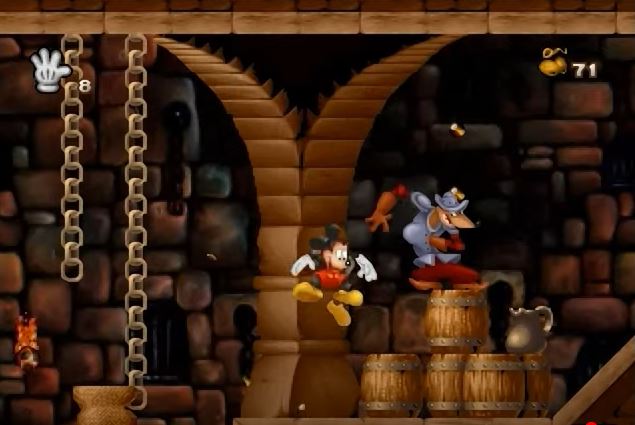
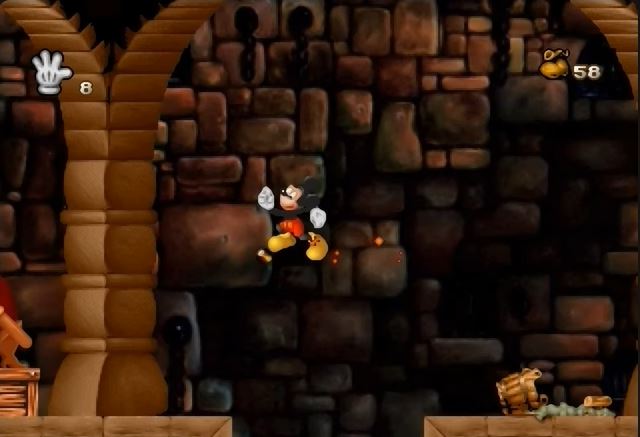
    This is where Mickey’s Wild Adventure really shines. The game feels alive, like you’re actually inside one of Mickey’s cartoons. Take something simple: when you move Mickey near a ledge, he doesn’t just stop — he wobbles, arms flailing, in perfect Disney slapstick fashion. It’s the kind of detail that makes you smile every single time.

    Fun Fact: Steamboat Willie shifts from black-and-white to color.

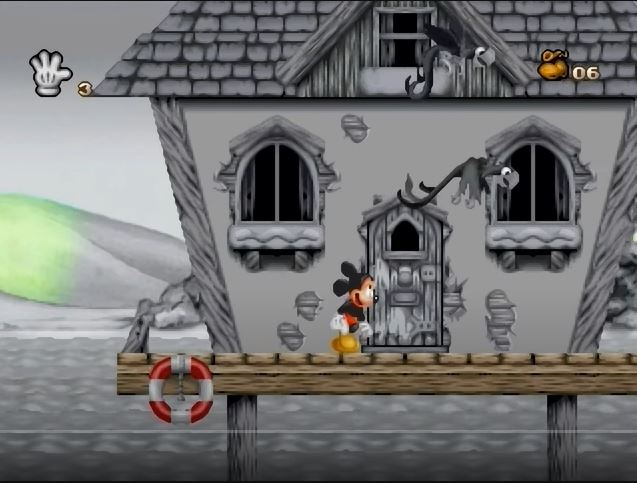
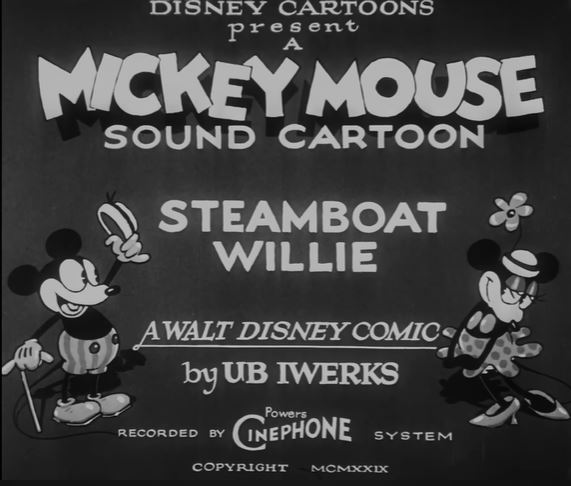
    Then there’s the Steamboat Willie stage. On PS1, it starts in pure black-and-white, mimicking the original 1928 short. As you progress, the world slowly fills with color until the screen bursts into full animation. That moment alone makes the game feel like a celebration of Mickey’s journey through time.

    Gameplay

    Fun Fact: The PS1 version tightened up movement and jumps.

    This is where Mickey’s Wild Adventure really shines. The game feels alive, like you’re actually inside one of Mickey’s cartoons. Take something simple: when you move Mickey near a ledge, he doesn’t just stop — he wobbles, arms flailing, in perfect Disney slapstick fashion. It’s the kind of detail that makes you smile every single time.

    Then there’s the Steamboat Willie stage. On PS1, it starts in pure black-and-white, mimicking the original 1928 short. As you progress, the world slowly fills with color until the screen bursts into full animation. That moment alone makes the game feel like a celebration of Mickey’s journey through time.

    Controls

    Controls are simple but snappy: you can jump, butt-bounce enemies, and throw marbles as your main attack. The PS1 version tightened everything up compared to the Genesis original, making movements feel smooth without losing that bit of challenge. Platforming is responsive, and when you take a hit, it’s usually on you, not the game.

    Stages Inspired by Cartoons

    What really makes this game special is how every level is built around a Mickey cartoon, each one with its own flavor. It’s like walking through his filmography with a controller.

    Steamboat Willie (1928)

    Fun Fact: The PS1 version brings Mickey’s first short to life in full color.

    Starting black-and-white before shifting into color feels magical, like you’re watching Mickey’s evolution in real time. It’s both nostalgic and clever.

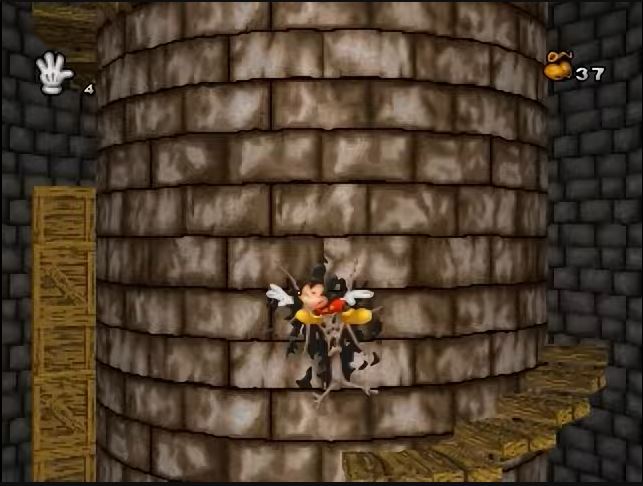
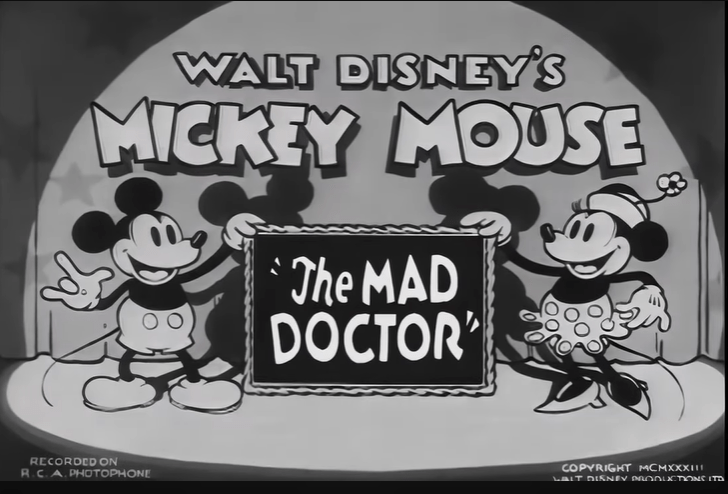
    The Mad Doctor (1933)

    Fun Fact: This cartoon was once considered too scary for kids.

    A darker level, with skeletons that literally fall apart and rebuild themselves. Creepy, funny, and very “30s Disney.”

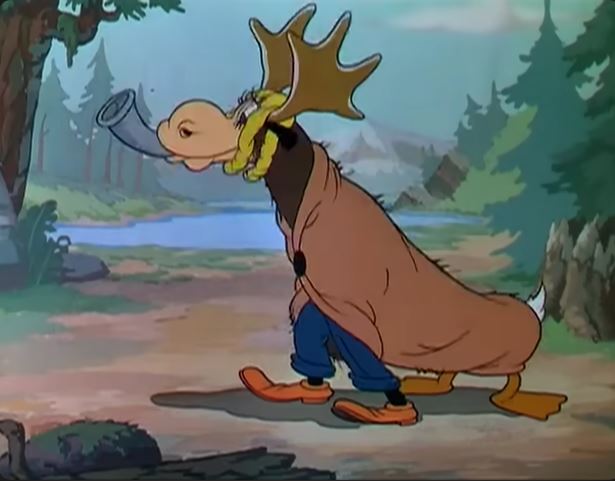
    Moose Hunters (1937)

    Fun Fact: This level used an early “fake 3D” chase effect.

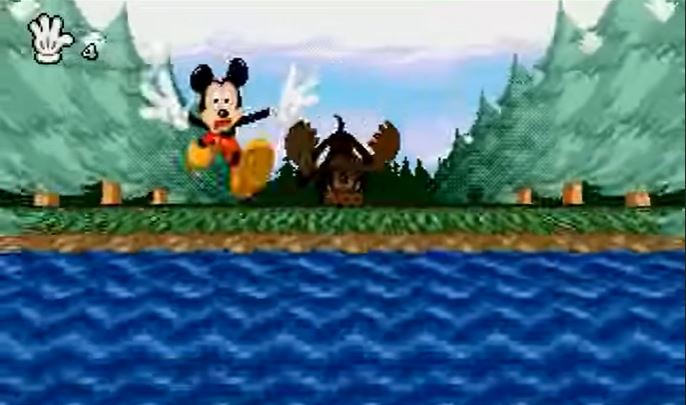
    Easily one of my favorite moments. Instead of just side-scrolling, the perspective flips. You’re running toward the screen while a massive moose charges right behind you. It’s tense, fast, and a great showcase of Traveller’s Tales experimenting with camera angles before “2.5D” was even a thing.

    Lonesome Ghosts (1937)

    Fun Fact: This short later inspired Ghostbusters.

    A haunted house filled with playful, prank-loving ghosts. If the cartoon feels like a proto-Ghostbusters, the stage plays the same way — comical scares with Mickey getting knocked around.

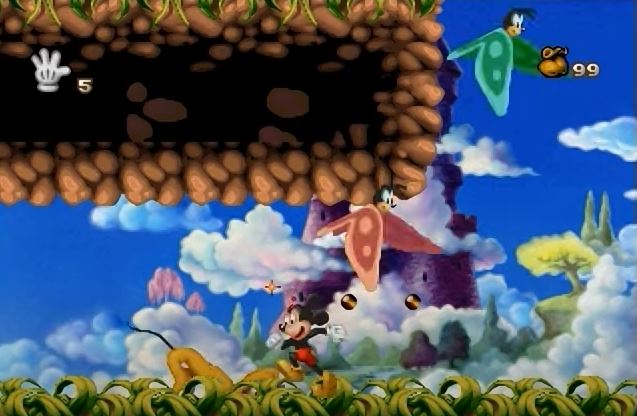
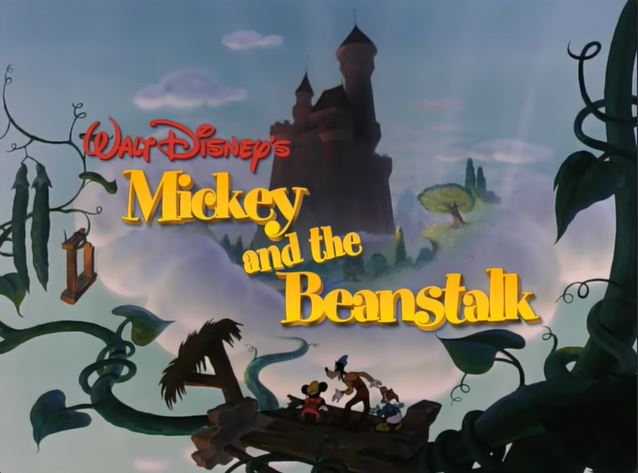
    Mickey and the Beanstalk (1947)

    Fun Fact: Oversized fruit and props make Mickey feel tiny.

    Oversized fruit and tall vines make Mickey look small against the world around him. It really nails the fairy tale vibe, with backgrounds that feel like a storybook come to life.

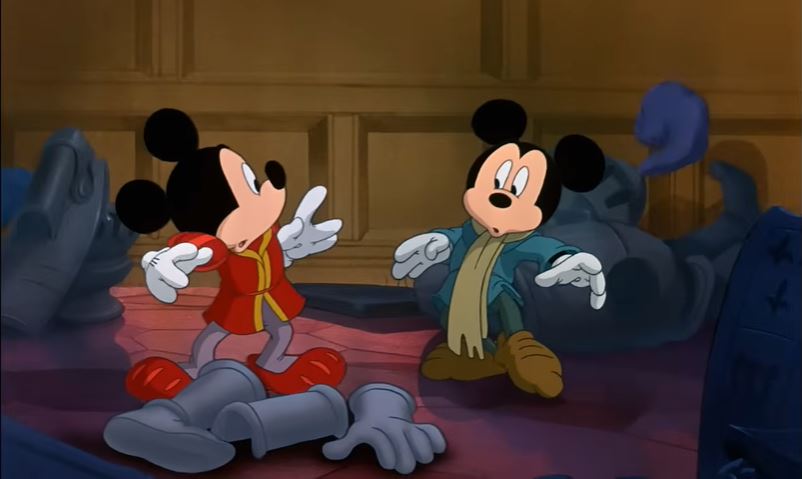
    Prince and the Pauper (1990)

    Fun Fact: This was Mickey’s “modern” short before the remake.

    This later-era cartoon sets the stage for the grand finale. A full castle run with more hazards and tighter platforming, it ties the old shorts with Mickey’s then-modern identity.

    Traveller’s Tales had actually considered a sequel (Mickey Mania 2), but with new opportunities like Toy Story, they moved on.

    Final Thoughts

    With thousands of retro games available across handhelds and emulators, it’s easy for a title like Mickey Mania to get lost in the shuffle. But don’t sleep on it. This isn’t just another Disney game — it’s literally Mickey’s history, animated and interactive.

    In my opinion, the PS1 remake, Mickey’s Wild Adventure, is the definitive way to play. The enhanced animations, audio, and that magical Steamboat Willie transition make it the version to hunt down.

    And if you’re going handheld, the Miyoo Mini Plus is the better pick. The animations are gorgeous and deserve a larger screen — the smaller Mini just doesn’t do it justice.

    So if you’re looking for something that blends nostalgia with genuine quality, give Mickey’s Wild Adventure a spin. It’s proof that not all licensed games were throwaways — some, like this one, became timeless classics.

Design a site like this with WordPress.com
Get started