Tag: retrohandhelds

  • Top 5 Dragon Ball Games That Still Hold Up Today (Retro Edition)

    Top 5 Dragon Ball Games That Still Hold Up Today (Retro Edition)

    Even decades later, some Dragon Ball games just refuse to fade away. Whether you grew up button-mashing on a Sega Genesis or charging up Kamehamehas on your PSP, these classics remind us why Dragon Ball has been a staple in anime gaming.

    This list is by no means the definitive “best of all time” — how great a game feels will always be subjective. But for me, someone who still plays these titles on retro handhelds, these are the five that stand out the most. They’re what I personally consider my top five Dragon Ball games to revisit and enjoy even today.


    1. Dragon Ball Z: Buyuu Retsuden (Sega Genesis, 1994)
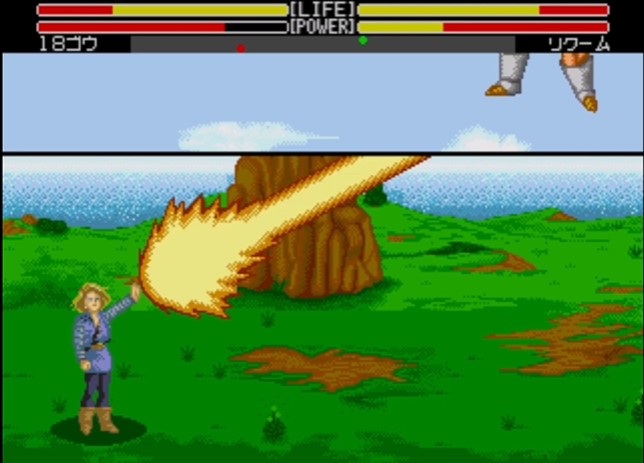
    Before 3D arena fighters and flashy transformations, Buyuu Retsuden gave Genesis owners a taste of pure 2D fighting action. It was fast, fun, and brought iconic battles to life in glorious 16-bit form — long before most of us even dreamed of full 3D Dragon Ball games.

    Why it holds up: Tight controls, nostalgic visuals, and that signature Genesis energy make this a must-play for retro fighting fans.

    Fun Fact: The game had secret moves and even “Super vs. Super” clashes where two characters could unleash ultimate attacks at the same time, creating a mini-game of energy waves. You could also block supers with precise timing — rare for its era and incredibly satisfying when pulled off.


    2. Dragon Ball Z: Buu’s Fury (Game Boy Advance, 2004)
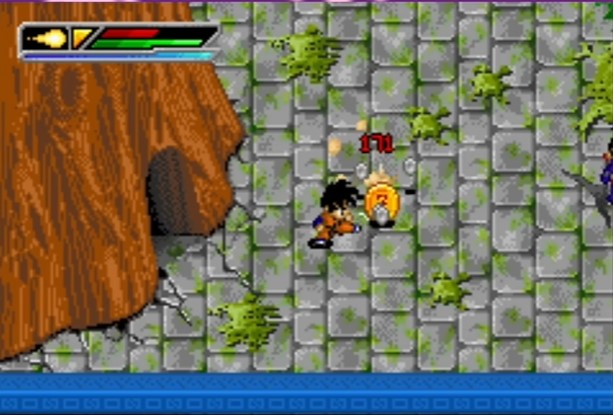
    An action RPG that lets you relive the Buu Saga while leveling up, exploring areas, and smashing enemies in real time. For handheld players, Buu’s Fury was the ultimate way to feel like a Super Saiyan on the go.

    Why it holds up: Classic pixel art, rewarding combat, and a surprisingly emotional story for a GBA title.

    Fun Fact: Buu’s Fury is actually the third in the Legacy of Goku trilogy. It took everything that worked in Legacy of Goku I and II — tighter combat, smoother transformations, better story pacing — and perfected it. Out of all three, Buu’s Fury is easily the best and most polished GBA Dragon Ball adventure.


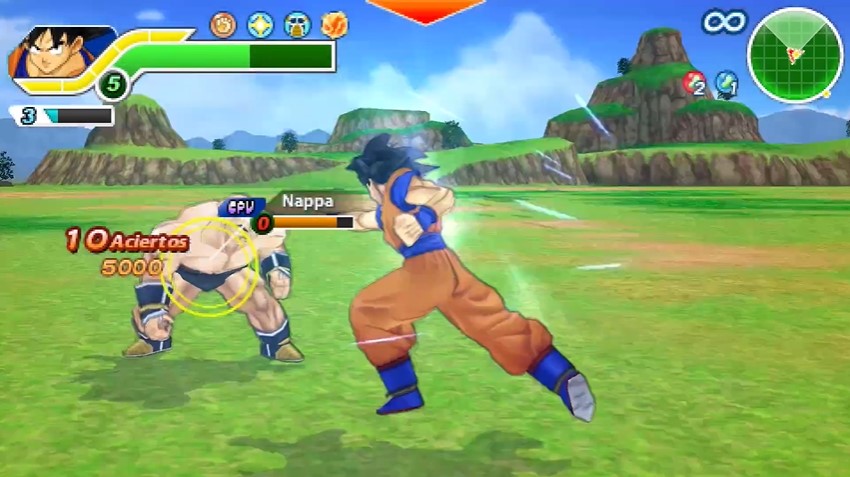
    3. Dragon Ball Z: Tenkaichi Tag Team (PSP, 2010)
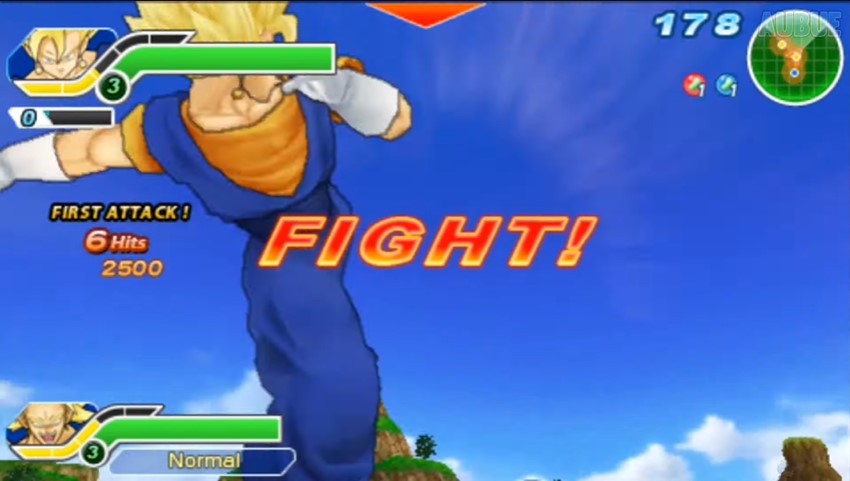
    Portable, explosive, and still one of the most fun Dragon Ball games to this day. Tenkaichi Tag Team let you fight solo or team up for wild 2v2 battles, bringing console-level gameplay to a handheld screen.

    Why it holds up: Fast-paced combat, deep combos, and an iconic roster that’s still unmatched on PSP.

    Fun Fact: Think of this as a lighter, portable version of Budokai Tenkaichi on PS2 — but with tons of content, customizations, and a full story mode. There’s also another hidden gem on PSP called Dragon Ball Z: Shin Budokai, a 2.5D fighter — but between the two, Tenkaichi Tag Team stands taller thanks to its bigger roster, polish, and those chaotic 2v2 battles.


    4. Dragon Ball: Advanced Adventure (Game Boy Advance, 2004)
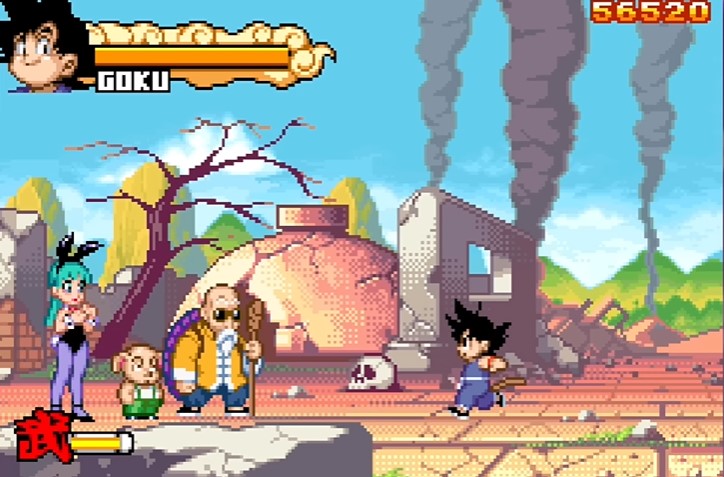
    This one’s a gem. Covering Goku’s original adventures — from meeting Bulma to the final battle with King Piccolo — Advanced Adventure mixes platforming, exploration, and fighting into one charming package.

    Why it holds up: It’s one of the few games that perfectly captures the humor, adventure, and heart of classic Dragon Ball. Plus, that 2D art style still looks fantastic today.

    Fun Fact: This game is pure nostalgia — an action-platformer that tells Goku’s early story as a kid. It blends adventure, one-on-one battles, and side-scrolling action so well that even after all these years, it still plays great and captures the true spirit of early Dragon Ball.


    5. Dragon Ball Fusions (Nintendo 3DS, 2016)
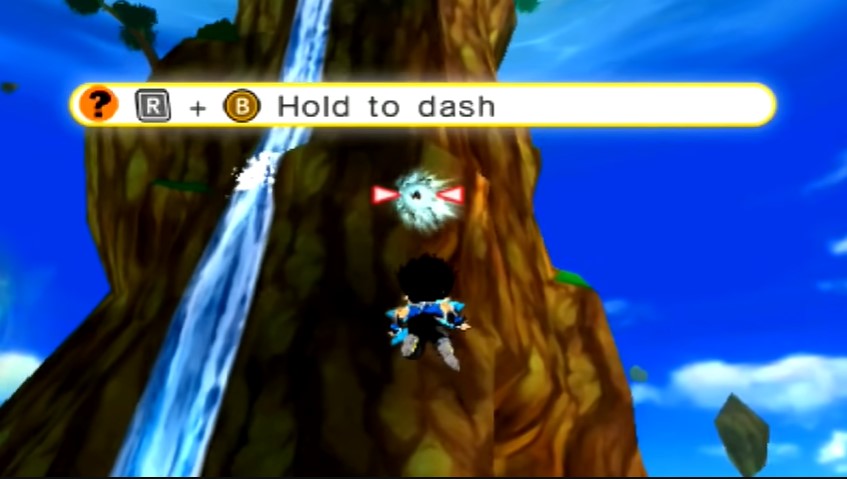
    While it’s newer than the others, Fusions carries that old-school Dragon Ball spirit — letting you fuse just about anyone with anyone. The result? A chaotic, creative RPG that celebrates everything fun about the franchise.

    Why it holds up: Unique mechanics, colorful visuals, and endless replay value make this one a modern classic with retro DNA.

    Fun Fact: What makes Fusions stand out is its deep customization system — you can fuse different characters to create completely new fighters, customize your looks, fighting type, special moves, and skills. It’s a dream come true for fans who ever wished to create their own warrior in the Dragon Ball universe.


    Final Thoughts
    From Buyuu Retsuden’s 16-bit punches to Advanced Adventure’s playful nostalgia, these games prove that Dragon Ball’s legacy in gaming is just as strong as its anime roots.

    Thanks for reading — it really means a lot. Which Dragon Ball game defined your childhood? Drop it in the comments — let’s talk classics.
  • These Ultraman Games Are So Bad They’re Legendary

    These Ultraman Games Are So Bad They’re Legendary

    If you grew up watching Ultraman, you probably dreamed of controlling those giant laser-beaming, monster-smacking battles. And on the PS2 and PSP, you got that dream… kind of. What we actually got were games so rough, so clunky, so awkwardly hilarious that they loop right back around into being must-plays.

    Let’s break it down.

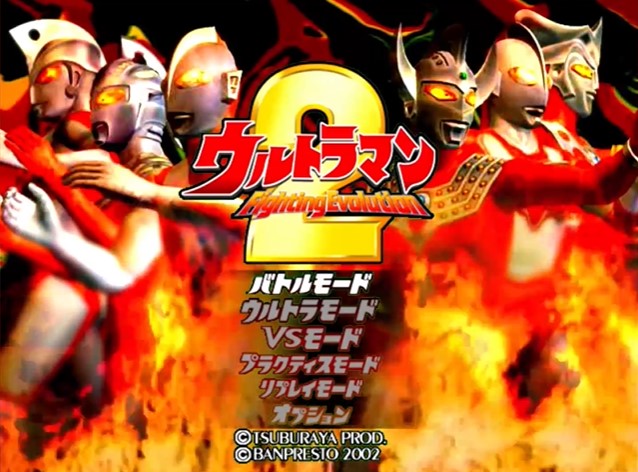
    Ultraman Fighting Evolution (PS2)

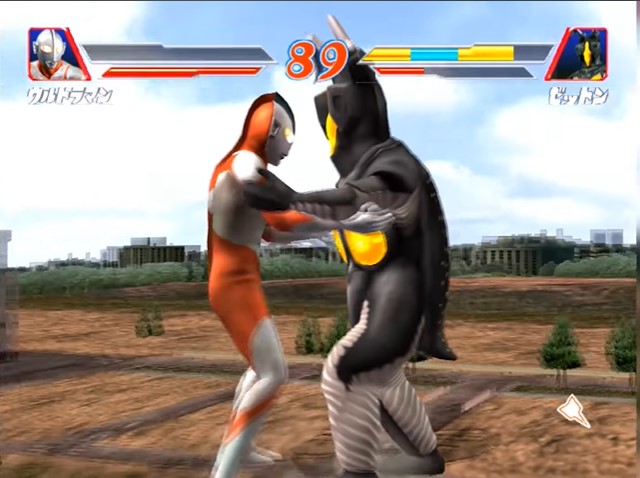
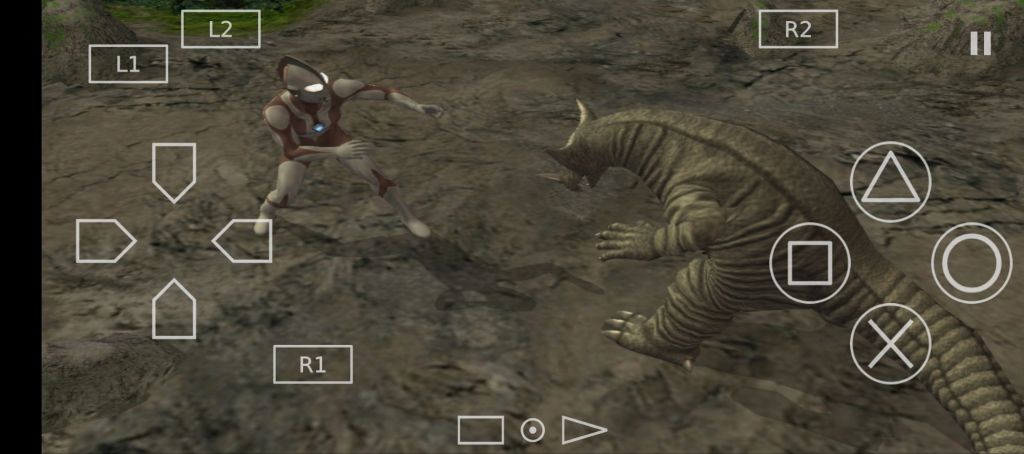
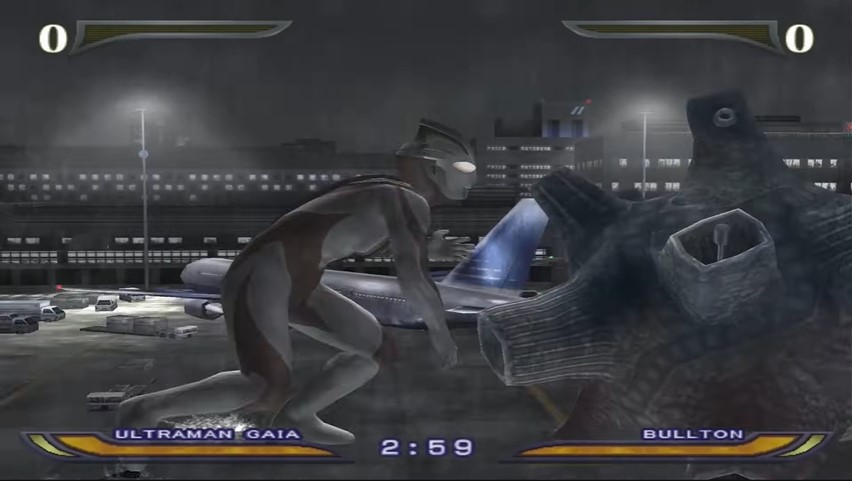
    The promise? Kaiju wrestling in glorious 3D. The reality? Imagine two cosplayers in rubber suits trying to fight in slow motion while the cameraman spins in circles.

    • Controls: Feels like Ultraman is fighting underwater while wearing concrete boots.
    • Hit detection: Sometimes your punch connects across the arena. Sometimes it passes through like you’re a ghost. Flip a coin.
    • Animations: Every throw and fall looks like a bad stunt double missed the crash mat.

    But here’s why I love it: it’s authentic. Ultraman fights were never about fluid martial arts — they were about stiff moves, awkward grapples, and laser beams that may or may not hit. Fighting Evolution accidentally nailed that “rubber suit charm,” and I can’t stop grinning every time someone topples over like a cardboard prop.

    Ultraman Fighting Evolution 3 (PS2)

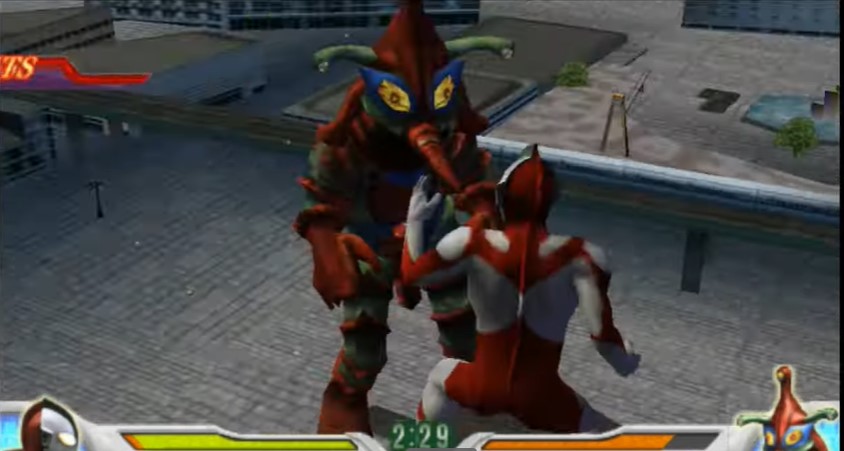
    This one? The “polished” sequel. Big story mode, more kaiju, better graphics. And yet, the soul of jank remains.

    The cutscenes try so hard to be epic, but half the time I’m just laughing at Ultraman giving serious speeches while looking like a plastic action figure. The story mode is wild — one second you’re reliving iconic battles, the next you’re thrown into a monster mash with zero explanation.

    Why I love it: this game is basically Ultraman fanfiction in video game form. It throws everything at you — drama, explosions, endless monster cameos — and I eat it up every single time. It’s the “Fast & Furious” of Ultraman games.

    Ultraman Fighting Evolution Rebirth (PS2)

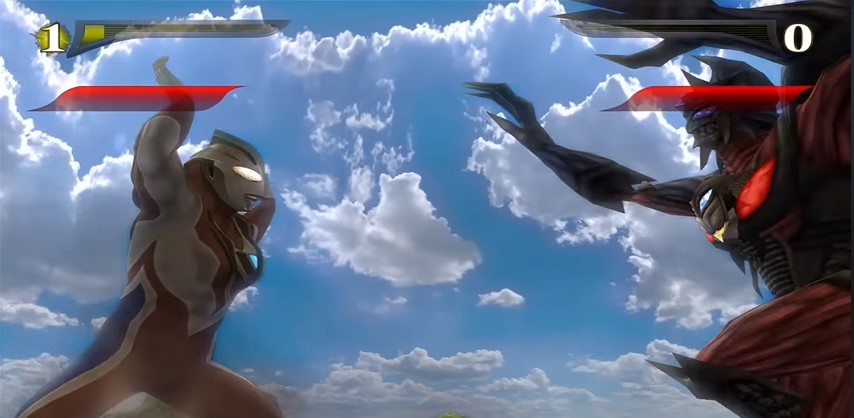
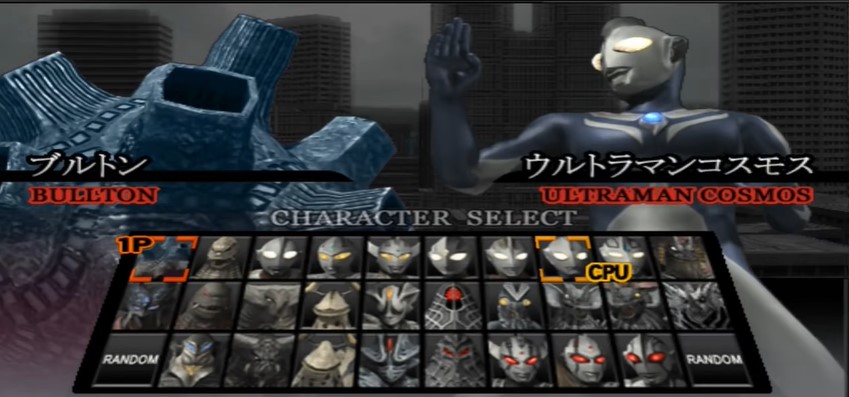
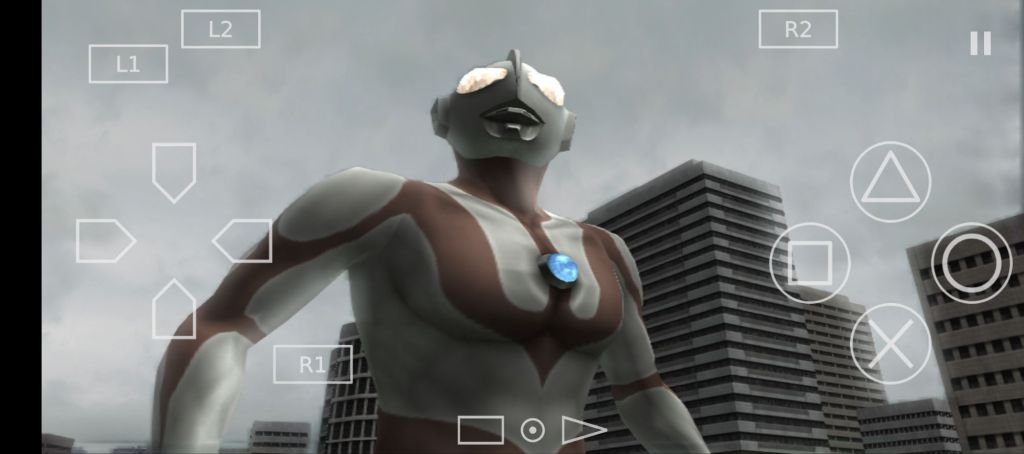
    Now this one is the big one. Ultraman Fighting Evolution Rebirth (ウルトラマン Fighting Evolution Rebirth) takes everything the earlier games tried to do and pushes it further.

    • Story mode: Packed with dramatic cutscenes that almost convince you you’re watching a real Ultraman episode… until the stiff animations snap you back.
    • Gameplay: Still janky, still clumsy, still hilarious. But with more kaiju, more moves, and more finishers that look straight out of the TV show.
    • Fan service: This is the game where the developers clearly wanted to give fans as much Ultraman content as possible, and it shows.

    The only drawback? The colors are more subdued compared to earlier titles. It’s like the devs wanted to take things more seriously — darker tones, moodier palettes, less camp. But the moment you start a fight and deal with the bipolar AI or swing and miss at point-blank range, you’re reminded that at the end of the day, it’s still the same campy Ultraman game at heart, just with the brightness turned down.

    Why I love it: out of all the PS2 Ultraman titles, Rebirth captures that “so bad it’s good” balance the best. It’s bigger, more ambitious, and somehow even funnier when it stumbles. Plus, the finished animations are much more cinematic — well, as cinematic as an Ultraman game could be. If you only play one PS2 Ultraman game, make it this one.

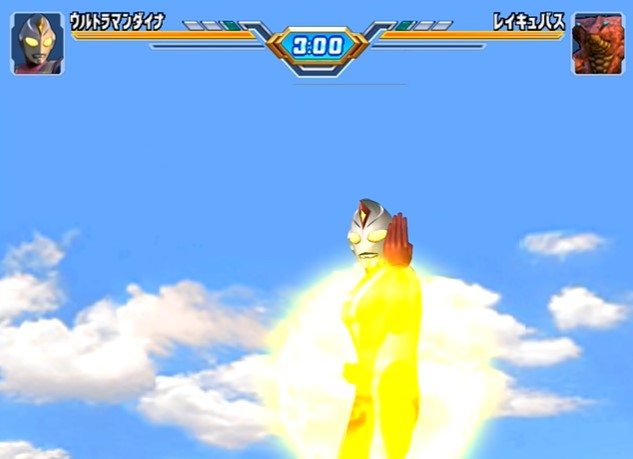
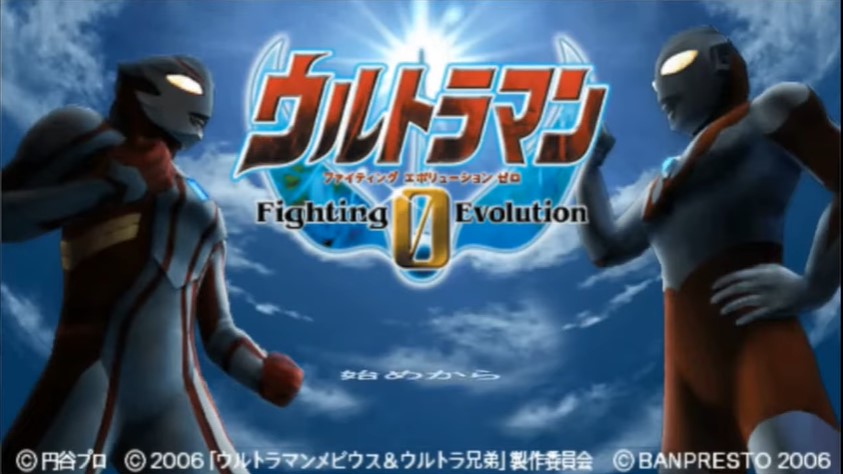
    Ultraman 0 Portable (PSP)

    The jump to handheld should’ve made things snappier, right? Nope. It’s the same awkward goodness, just shrunk down.

    • The graphics try their best, but Ultraman looks like he’s made of shiny Play-Doh.
    • The AI is unpredictable — sometimes it lets you win by standing still, other times it wipes the floor with you in seconds.
    • The camera fights you harder than the kaiju.

    Why I love it: because nothing beats blasting a kaiju with a Specium Ray while sitting on a bus. It’s Ultraman in your pocket, and even when it’s broken, it’s still Ultraman. Plus, the ridiculous difficulty spikes make every victory feel like I actually saved the world.

    Lost in Translation: The Language Barrier Boss

    Here’s another curveball: none of these Ultraman games ever got an English release. Yup — goodbye instructions, goodbye tutorials, goodbye menus. The game just throws you in, full Japanese text, and says “Good luck, hero!”

    Your best bet to figure out what the heck is going on?

    • Stumble through the tutorial until Ultraman randomly decides he’s finished teaching you.
    • Use Google Lens like it’s your trusty sidekick.
    • Or go old-school and dig through GameFAQs guides. (There’s a full guide for Ultraman Fighting Evolution Rebirth out there — lifesaver!)

    That’s literally how I survived the tutorial stage — trial, error, and a lot of squinting. And honestly? It made the whole thing even funnier.

    Why They’re So Bad They’re Great

    They make me laugh harder than half the comedy games I own.

    They’re basically playable blooper reels of the TV show.

    They remind me why I love Ultraman in the first place: not because it’s flawless, but because it’s earnest, campy, and fun even when it stumbles.

    EZRetro’s Totally Biased Ranking

    Fighting Evolution Rebirth (PS2) – The ultimate janky masterpiece.

    Fighting Evolution 3 (PS2) – Peak drama, peak Ultraman energy.

    Fighting Evolution (PS2) – The OG mess, broken but charming.

    Ultraman Portable (PSP) – Bless its heart. It tried.

    Why i come back to it

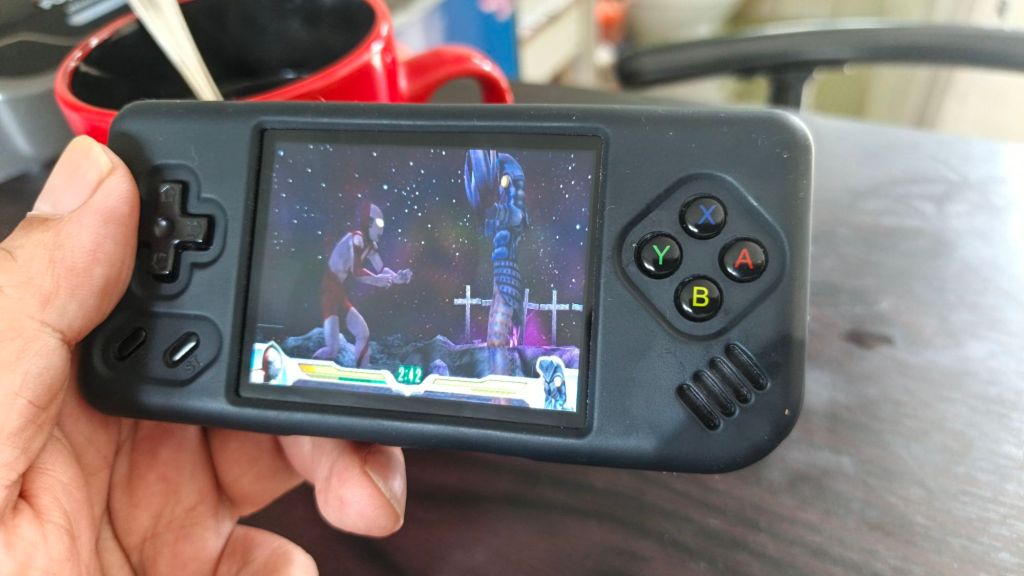
    When I’m killing time at work, Ultraman Portable on my trusty RG28XX is my go-to. It’s discreet, perfect for blasting kaiju without anyone noticing, and it keeps me awake while waiting for my shift to end. For the bigger screen though, I skip the weaker PS2 entries and dive straight into Fighting Evolution Rebirth. It’s the one that makes me laugh, rage, and cheer all in the same sitting.

    Ultraman has starred in dozens of games across consoles — from platformers on SNES and Game Boy to RPGs, tactical sims, and even Pokémon-style kaiju battles. But in my opinion, nothing beats the fighting games. They’re clunky, campy, and packed with that rubber-suit wrestling energy that makes Ultraman so lovable. If you’re curious about the series, start with the fighters — they’re messy, hilarious, and the most fun you’ll have with Ultraman in game form.

Design a site like this with WordPress.com
Get started