Tag: RetroGaming

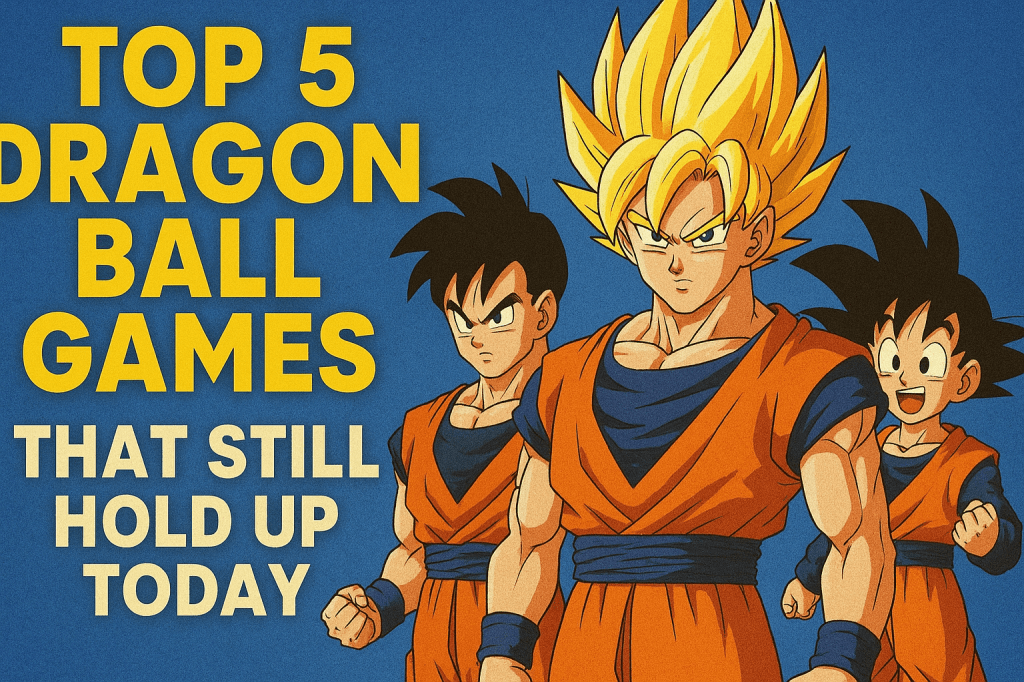
  • Top 5 Dragon Ball Games That Still Hold Up Today (Retro Edition)

    Top 5 Dragon Ball Games That Still Hold Up Today (Retro Edition)

    Even decades later, some Dragon Ball games just refuse to fade away. Whether you grew up button-mashing on a Sega Genesis or charging up Kamehamehas on your PSP, these classics remind us why Dragon Ball has been a staple in anime gaming.

    This list is by no means the definitive “best of all time” — how great a game feels will always be subjective. But for me, someone who still plays these titles on retro handhelds, these are the five that stand out the most. They’re what I personally consider my top five Dragon Ball games to revisit and enjoy even today.


    1. Dragon Ball Z: Buyuu Retsuden (Sega Genesis, 1994)
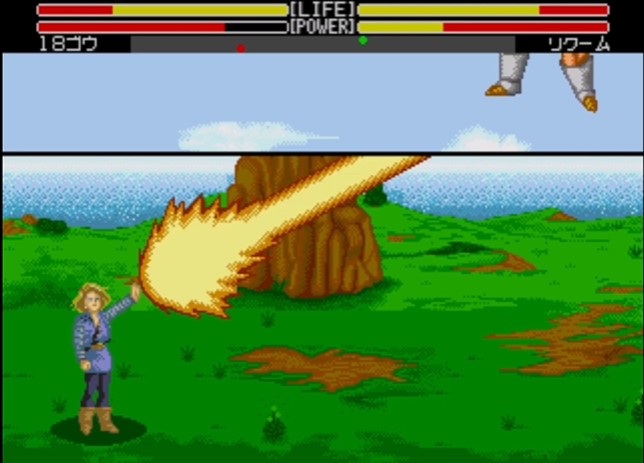
    Before 3D arena fighters and flashy transformations, Buyuu Retsuden gave Genesis owners a taste of pure 2D fighting action. It was fast, fun, and brought iconic battles to life in glorious 16-bit form — long before most of us even dreamed of full 3D Dragon Ball games.

    Why it holds up: Tight controls, nostalgic visuals, and that signature Genesis energy make this a must-play for retro fighting fans.

    Fun Fact: The game had secret moves and even “Super vs. Super” clashes where two characters could unleash ultimate attacks at the same time, creating a mini-game of energy waves. You could also block supers with precise timing — rare for its era and incredibly satisfying when pulled off.


    2. Dragon Ball Z: Buu’s Fury (Game Boy Advance, 2004)
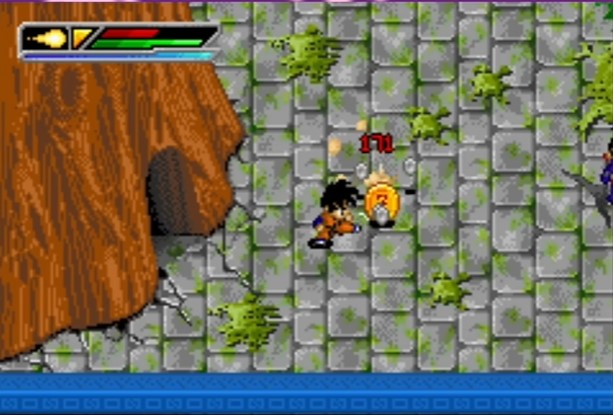
    An action RPG that lets you relive the Buu Saga while leveling up, exploring areas, and smashing enemies in real time. For handheld players, Buu’s Fury was the ultimate way to feel like a Super Saiyan on the go.

    Why it holds up: Classic pixel art, rewarding combat, and a surprisingly emotional story for a GBA title.

    Fun Fact: Buu’s Fury is actually the third in the Legacy of Goku trilogy. It took everything that worked in Legacy of Goku I and II — tighter combat, smoother transformations, better story pacing — and perfected it. Out of all three, Buu’s Fury is easily the best and most polished GBA Dragon Ball adventure.


    3. Dragon Ball Z: Tenkaichi Tag Team (PSP, 2010)
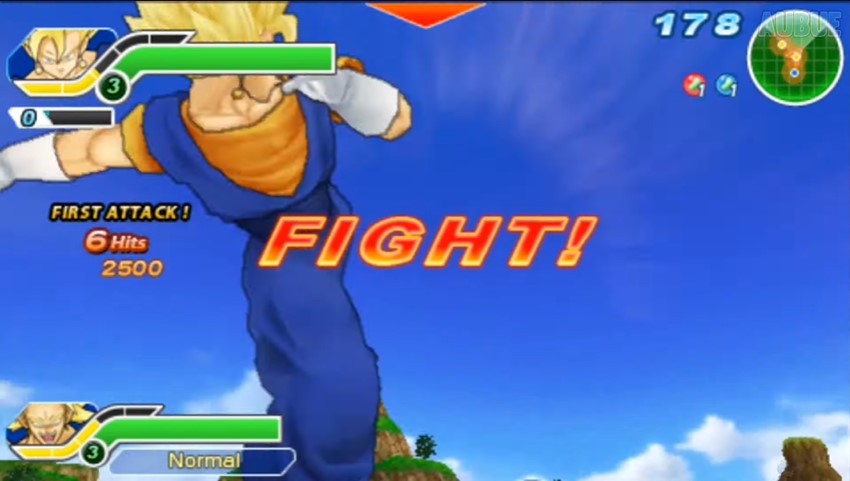
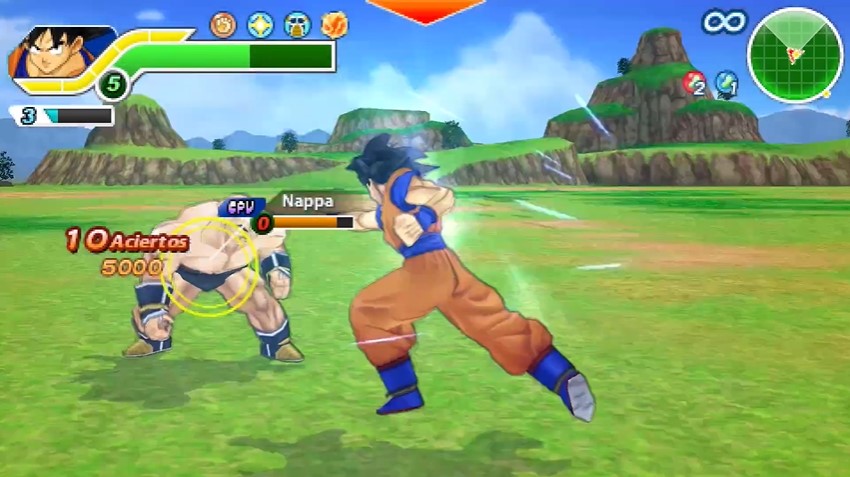
    Portable, explosive, and still one of the most fun Dragon Ball games to this day. Tenkaichi Tag Team let you fight solo or team up for wild 2v2 battles, bringing console-level gameplay to a handheld screen.

    Why it holds up: Fast-paced combat, deep combos, and an iconic roster that’s still unmatched on PSP.

    Fun Fact: Think of this as a lighter, portable version of Budokai Tenkaichi on PS2 — but with tons of content, customizations, and a full story mode. There’s also another hidden gem on PSP called Dragon Ball Z: Shin Budokai, a 2.5D fighter — but between the two, Tenkaichi Tag Team stands taller thanks to its bigger roster, polish, and those chaotic 2v2 battles.


    4. Dragon Ball: Advanced Adventure (Game Boy Advance, 2004)
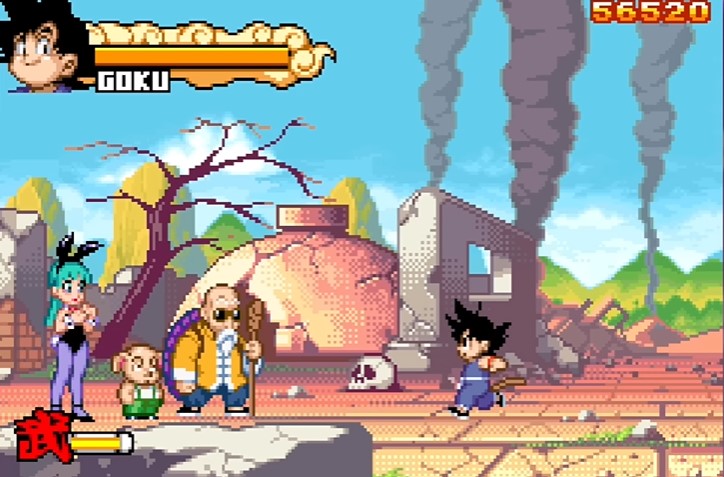
    This one’s a gem. Covering Goku’s original adventures — from meeting Bulma to the final battle with King Piccolo — Advanced Adventure mixes platforming, exploration, and fighting into one charming package.

    Why it holds up: It’s one of the few games that perfectly captures the humor, adventure, and heart of classic Dragon Ball. Plus, that 2D art style still looks fantastic today.

    Fun Fact: This game is pure nostalgia — an action-platformer that tells Goku’s early story as a kid. It blends adventure, one-on-one battles, and side-scrolling action so well that even after all these years, it still plays great and captures the true spirit of early Dragon Ball.


    5. Dragon Ball Fusions (Nintendo 3DS, 2016)
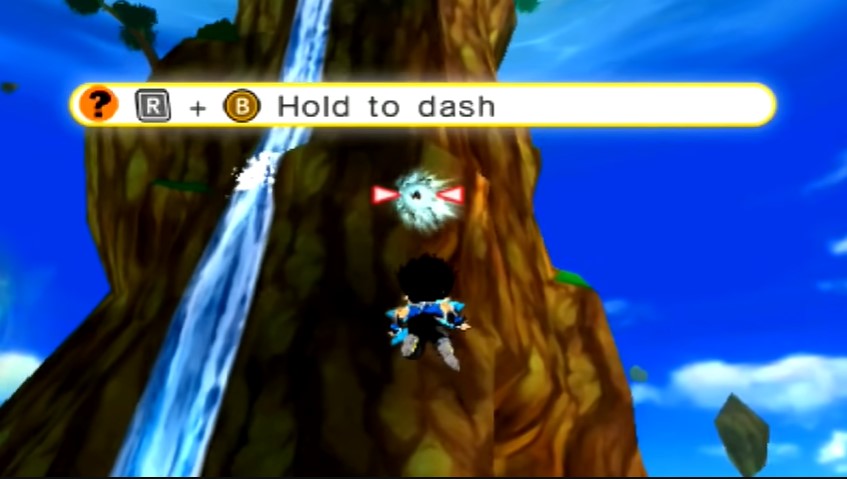
    While it’s newer than the others, Fusions carries that old-school Dragon Ball spirit — letting you fuse just about anyone with anyone. The result? A chaotic, creative RPG that celebrates everything fun about the franchise.

    Why it holds up: Unique mechanics, colorful visuals, and endless replay value make this one a modern classic with retro DNA.

    Fun Fact: What makes Fusions stand out is its deep customization system — you can fuse different characters to create completely new fighters, customize your looks, fighting type, special moves, and skills. It’s a dream come true for fans who ever wished to create their own warrior in the Dragon Ball universe.


    Final Thoughts
    From Buyuu Retsuden’s 16-bit punches to Advanced Adventure’s playful nostalgia, these games prove that Dragon Ball’s legacy in gaming is just as strong as its anime roots.

    Thanks for reading — it really means a lot. Which Dragon Ball game defined your childhood? Drop it in the comments — let’s talk classics.
  • The EZRetro plays Handbook: 10 Games to Get You Hooked on the RG28XX

    The EZRetro plays Handbook: 10 Games to Get You Hooked on the RG28XX

    It’s been barely two weeks since I got my RG28XX, and I’ve been completely glued to it. Like a kid with a new toy, I’ve been switching between games non-stop, quickly learning what plays well and what doesn’t. As a JRPG/RPG fan, I naturally gravitate toward that genre. But let’s be real about the PSP emulation: it’s a bit of a hit-and-miss.

    The Allwinner H700 chipset is powerful for a budget device, but most PSP games are a bit laggy, and some are downright unplayable due to the missing analog stick. Plus, the screen’s resolution isn’t a perfect 16:9 match for the original PSP, so you have to scale and fit it to fill the screen, which is a no-no for purists.

    But for someone not too picky about screen size and is more focused on playing something on a small retro handheld, it’s perfect.

    Even with the quirks, limiting recommendations to just RPGs doesn’t do this little handheld justice. It’s given me the chance to play other games, and after two weeks of non-stop play, here’s my top 10 games to try.

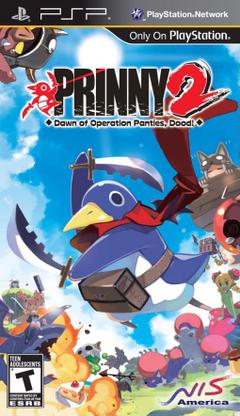
    Prinny 2: Dawn of Operation Panties, Dood!

    psp box art

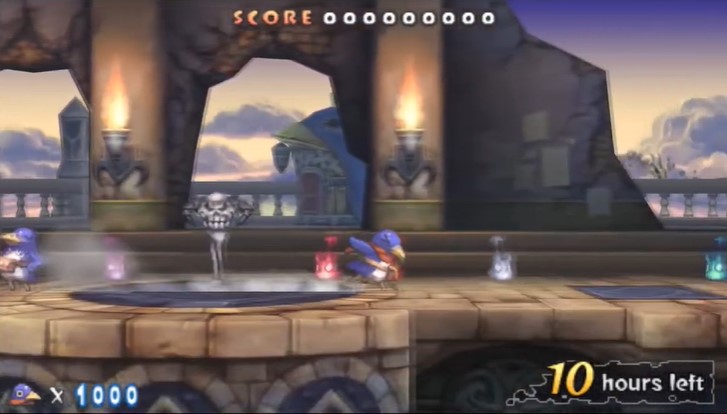
    I’ll be honest—I’ve never been great at platformers on PSP using my phone. The tiny screen, touch overlays, and lack of a proper controller made even basic levels frustrating. But on the RG28XX, everything changed. While the screen is a bit cramped and the buttons are small, I finally beat the first level and a saw Etna inside the castle. It felt like a real win.

    Gameplay-wise, Prinny 2 is a classic side-scrolling platformer, but Nippon Ichi Software adds its signature style. The animations are smooth, and the game’s humor is just absurd enough to keep you laughing even while dying repeatedly. You’ll really end up caring about the side characters and NPCs, dood!

    Fun Fact: Nippon Ichi’s dialogue is so ridiculous and over-the-top that even minor characters steal the spotlight. I’m not usually a fan of side-scrolling platformers, but Prinny 2 had me invested in the story and the laughs, and that’s what matters most.

    Kisou Ryuhei Gunhound

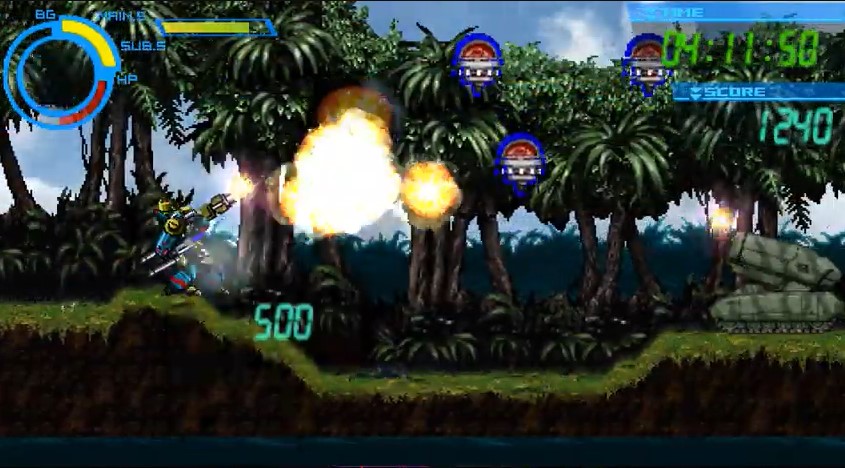
    Kisou Ryuhei Gunhound is a side-scrolling mecha shooter that had me glued from start to finish. You pilot your giant robot through futuristic stages filled with enemies and obstacles. The controls on the RG28XX are precise enough that even intense shooting sequences feel smooth.

    The story follows a world under siege, and while it’s not particularly deep, the excitement comes from blasting through waves of enemies and upgrading your mecha. For someone who enjoys mecha and action, this is a perfect handheld experience.

    Fun Fact: Despite its small screen, the RG28XX handles the visuals perfectly, making every boss fight feel as epic as it would on a console.

    ZHP: Unlosing Ranger vs. Darkdeath Evilman

    Unlosing Ranger psp box art

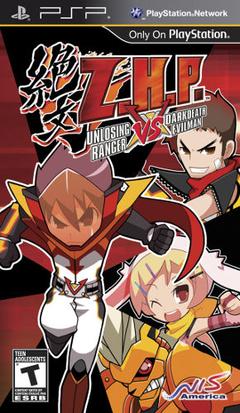
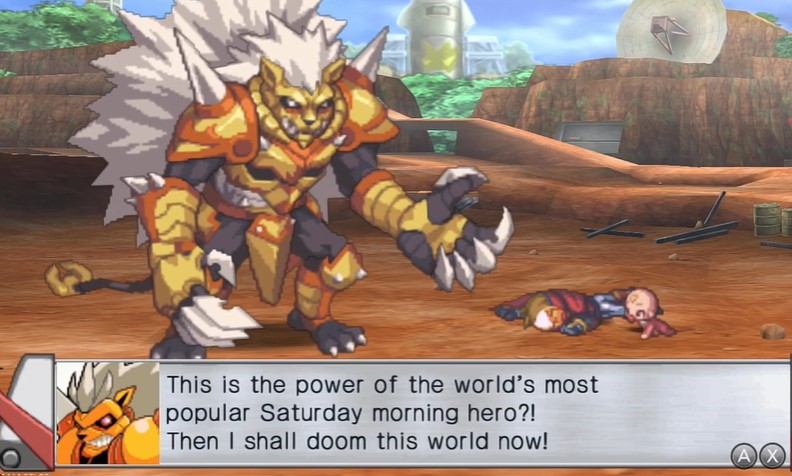
    ZHP is one of the quirkiest tactical RPGs I’ve ever played. You lead a colorful, bizarre team through strategic missions filled with absurd story beats and hilarious dialogues. On the RG28XX, it feels surprisingly comfortable, even during long grind sessions.

    The game’s humor is its standout feature, but don’t mistake it for a joke game—the strategy is real. Positioning your characters and timing your attacks can mean the difference between victory and defeat.

    Fun Fact: Some levels are so absurdly funny that you’ll spend more time laughing than strategizing, which is part of the charm. It’s a tactical RPG that doesn’t take itself too seriously.

    Ys vs. Sora no Kiseki

    This one is a little different from the others on my list. Ys vs. Sora no Kiseki is a fighting game that’s a total love letter to fans of both the Trails and Ys series. You get to play through each character’s unique story arc, and you can upgrade their equipment and customize them, which really makes you want to keep playing long after the main story is over. That ability to customize is what gives it some serious replay value.

    Fun Fact: A worldwide release is scheduled for October 10, 2025, on PS4, PS5, Switch, and PC with enhanced features, according to the publisher refint/games.

    TwinBee Portable

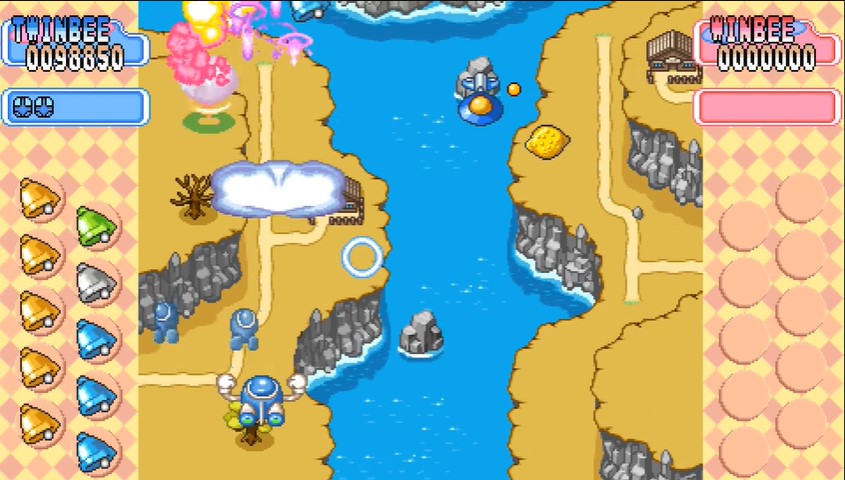
    TwinBee Portable is a vertical shooter with an aesthetic that’s so colorful it’s almost hypnotic. Controlling the ship is straightforward, making it easy to pick up on the RG28XX. The power-ups add a layer of strategy to the simple shooting mechanics, turning it into a deeper experience than it first appears. Since it’s a Japanese-only release, I’m just assuming the story is light and charming, but seriously, who needs a story when what hooked me to this game is the retro vibe and pure nostalgia? It’s the kind of game that’s easy to jump into for a quick session or a longer run.

    Fun Fact: TwinBee’s charm comes from its cheerful music and playful visuals—Konami really nailed that arcade vibe.

    Mega Man Powered Up

    megaman powered up psp cover

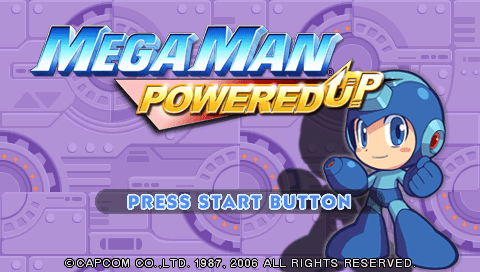
    Mega Man Powered Up is classic Mega Man with upgraded graphics and remade levels. It’s challenging but fair, and controlling the blue bomber on the RG28XX felt surprisingly natural. The satisfaction of finally defeating a tough boss never gets old.

    The story is minimal but fun, staying true to Mega Man’s roots as a robot hero battling evil. The level design is clever, and each stage has its own personality.

    Fun Fact: You can create and share your own levels, making it a mini creative outlet on the go.

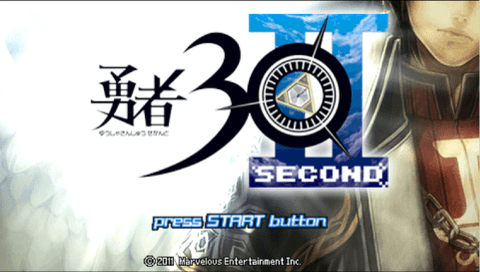
    Yuusha 30 Seconds

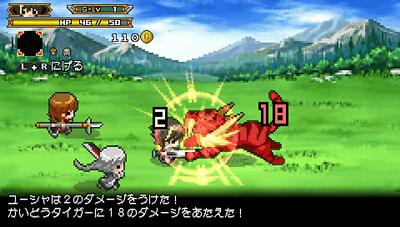
    Yuusha 30 Seconds is a fast-paced mini-RPG where battles and decisions happen in short, exciting bursts. Perfect for handheld play, it keeps you on edge while still being strategic. The story follows a hero who must make quick choices to save their world, making every second count.

    The gameplay of Yuusha 30 Seconds is what truly makes it a standout. Back when it was released, the concept was totally unique, and it still feels incredibly fresh today. The core loop is simple: you have 30 seconds to save the world. This crazy-fast timer forces you to make quick, strategic decisions. Every second counts as you run to level up, buy equipment, and defeat the final boss. It’s a genius concept that turns the traditional RPG grind on its head and keeps every moment filled with high-stakes action.

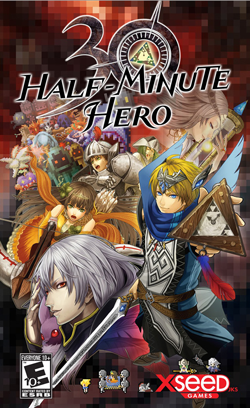
    Fun Fact: Another title, Half-Minute Hero, was also released for western audiences on PSP. Although that’s a great game, I would still recommend hunting down an English translation patch for Yuusha 30 Seconds because the Japanese release is more challenging and has more content.

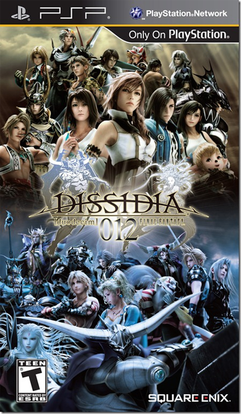
    Dissidia 012 Duodecim (RPG Mode)

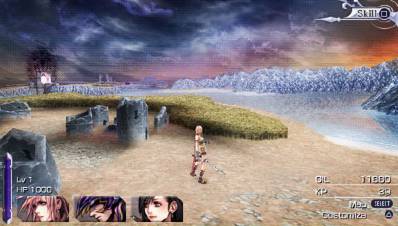
    This one is a bit different. I play Dissidia 012 Duodecim in RPG Mode. There’s an option in the settings to switch from the usual action style to a more tactical RPG-style battle where you input attacks as the battle takes place.

    While I’ll be honest, I usually play this on PPSSPP on my phone since the touch controls and ability to set hotkeys make the game more fluid for me, the RG28XX still offers a great experience in RPG Mode. Even with the controls being a bit cramped and the absence of an analog stick, it’s a perfect fit for this little handheld.

    Fun Fact: Each character has a fully voiced story, and the massive cast includes heroes and villains from almost every major title in the series.

    Zenonia

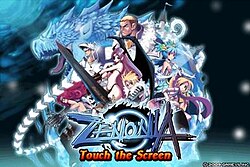
    Zenonia is a classic hack-and-slash RPG that’s perfect for handheld sessions. You explore dungeons, fight enemies, and uncover a story of revenge and justice. The controls feel great on the RG28XX, making combat smooth and satisfying.

    The story is simple but effective, with multiple endings that encourage replayability. I love how easy it is to pick up and play without losing any of the RPG charm.

    Fun Fact: Zenonia was so popular that it eventually found its way to mobile devices, becoming one of the early success stories for JRPGs on the app store.

    Patapon 3

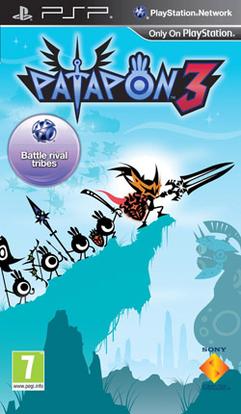
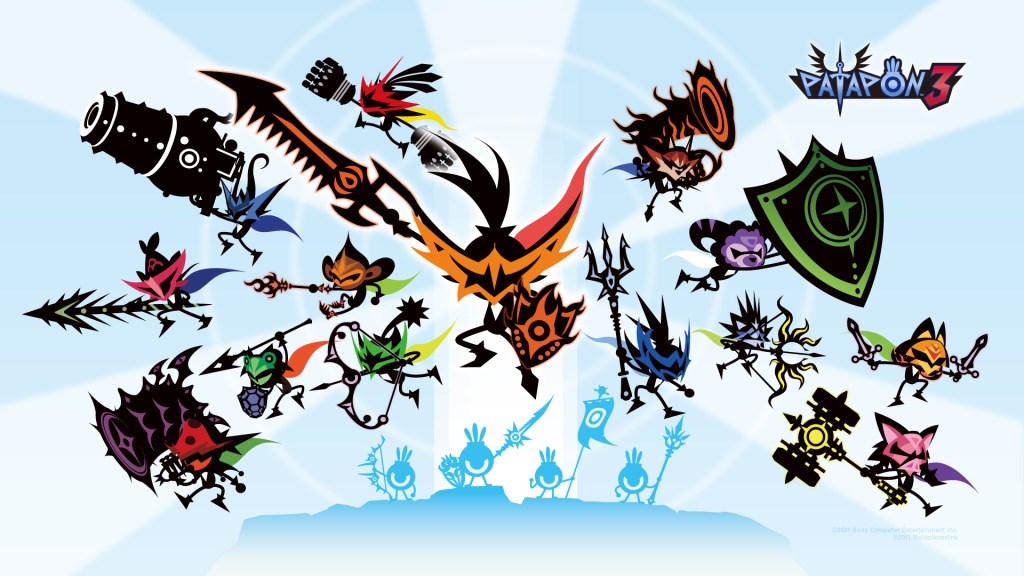
    Patapon 3 perfectly blends rhythm and strategy. You command a tiny Patapon tribe in battles that are essentially musical performances. The gameplay is simple, but timing your beats correctly feels incredibly satisfying.

    The story follows your tribe as they journey to conquer enemies and survive in a whimsical world. It’s easy to lose track of time because the rhythm-based gameplay is so addictive.

    Fun Fact: The unique rhythm-strategy gameplay of Patapon 3 has a rich history. The first game introduced the unique concept of commanding a tribe with drumbeats. Patapon 2 built on that with the introduction of hero units, new classes, and a multiplayer mode. Patapon 3 then evolved the formula even further with a persistent online focus, a more detailed leveling system, and an even deeper focus on the central hero character.

    Final Thoughts

    This list proves that the RG28XX can handle far more than just RPGs. From humor and platforming to epic storytelling and rhythm, this little handheld really delivers, and I can’t wait to see what other hidden gems I discover next.

  • Rediscovering Mickey Mania – A Disney Classic Worth Playing Again

    Rediscovering Mickey Mania – A Disney Classic Worth Playing Again

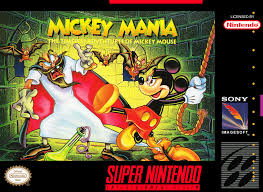
    Mickey Mania SNES box art

    Back in the 8, 16, and 32-bit days, licensed games were everywhere. Some were just cheap cash grabs, but every now and then you’d hit a gem — games like Darkwing Duck, Chip ’n Dale Rescue Rangers, DuckTales, Tiny Toon Adventures, even The Goonies. They captured that Saturday morning cartoon magic and put it in your hands.

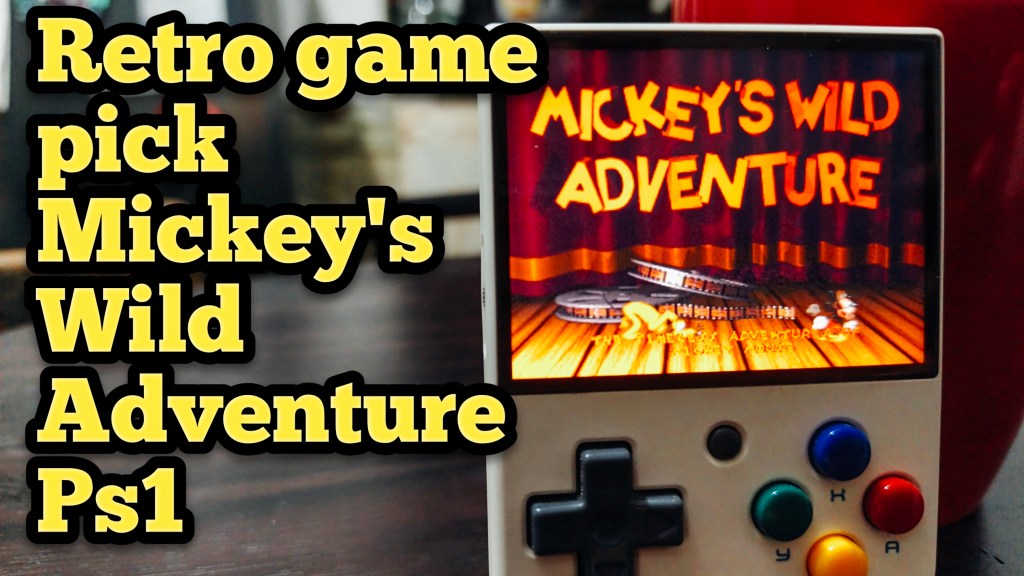
    One I almost forgot about until recently was Mickey Mania. I played it back in the day on the Sega Genesis, but over the weekend while scrolling through my Miyoo Mini’s PS1 library, I stumbled on Mickey’s Wild Adventure — the upgraded remake. And wow, firing it up again reminded me why this one deserves more love.

    A Quick History

    Fun Fact: The PS1 remake added new animations and audio polish.

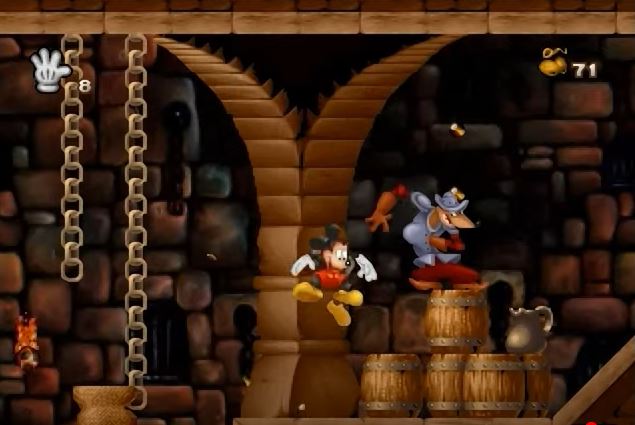
    The original Mickey Mania: The Timeless Adventures of Mickey Mouse dropped in 1994 across Genesis, SNES, and Sega CD. It was built to celebrate Mickey’s 65th anniversary, which meant Traveller’s Tales really pulled out all the stops to make it feel like a playable piece of Disney history. Sony Imagesoft published it, but Disney themselves had a big hand in keeping it authentic.

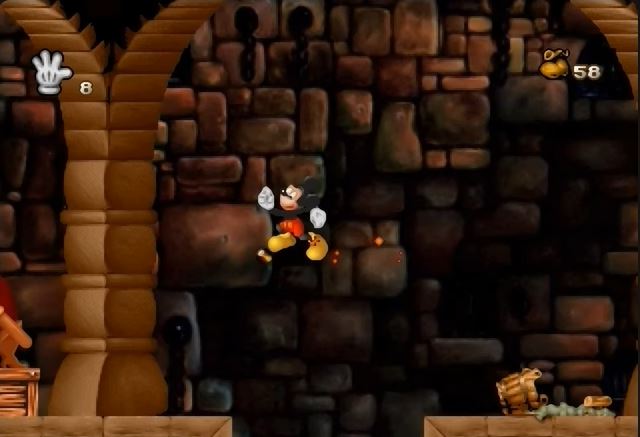
    When the PS1 rolled around, Traveller’s Tales revisited the game in 1996 with Mickey’s Wild Adventure. This wasn’t just a straight port — they reworked the visuals, added extra animation frames, cleaned up the audio, and gave it more polish. Even today, it holds up shockingly well.

    Gameplay

    Fun Fact: Programmer Jon Burton later created the LEGO games.

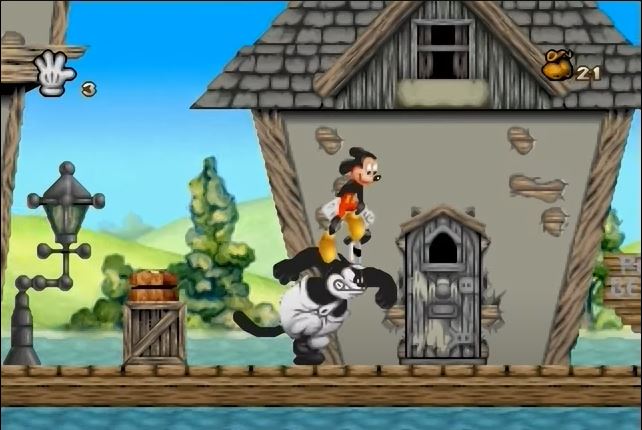
    This is where Mickey’s Wild Adventure really shines. The game feels alive, like you’re actually inside one of Mickey’s cartoons. Take something simple: when you move Mickey near a ledge, he doesn’t just stop — he wobbles, arms flailing, in perfect Disney slapstick fashion. It’s the kind of detail that makes you smile every single time.

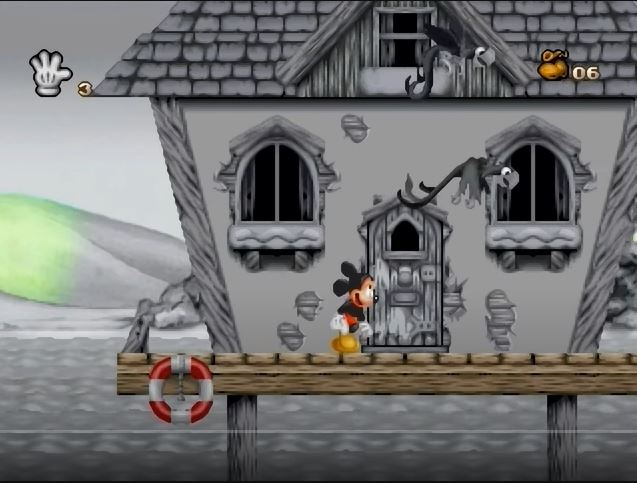
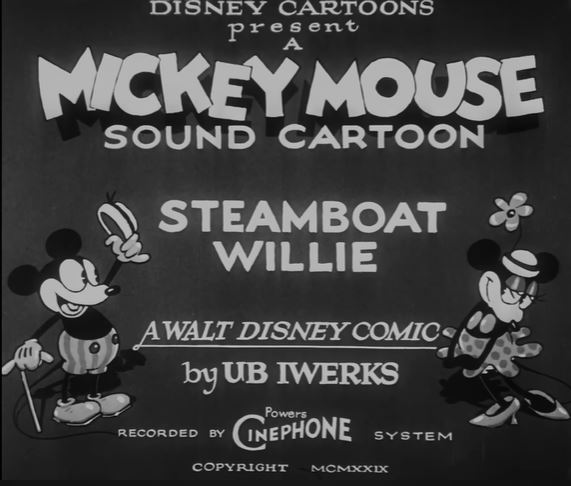
    Fun Fact: Steamboat Willie shifts from black-and-white to color.

    Then there’s the Steamboat Willie stage. On PS1, it starts in pure black-and-white, mimicking the original 1928 short. As you progress, the world slowly fills with color until the screen bursts into full animation. That moment alone makes the game feel like a celebration of Mickey’s journey through time.

    Gameplay

    Fun Fact: The PS1 version tightened up movement and jumps.

    This is where Mickey’s Wild Adventure really shines. The game feels alive, like you’re actually inside one of Mickey’s cartoons. Take something simple: when you move Mickey near a ledge, he doesn’t just stop — he wobbles, arms flailing, in perfect Disney slapstick fashion. It’s the kind of detail that makes you smile every single time.

    Then there’s the Steamboat Willie stage. On PS1, it starts in pure black-and-white, mimicking the original 1928 short. As you progress, the world slowly fills with color until the screen bursts into full animation. That moment alone makes the game feel like a celebration of Mickey’s journey through time.

    Controls

    Controls are simple but snappy: you can jump, butt-bounce enemies, and throw marbles as your main attack. The PS1 version tightened everything up compared to the Genesis original, making movements feel smooth without losing that bit of challenge. Platforming is responsive, and when you take a hit, it’s usually on you, not the game.

    Stages Inspired by Cartoons

    What really makes this game special is how every level is built around a Mickey cartoon, each one with its own flavor. It’s like walking through his filmography with a controller.

    Steamboat Willie (1928)

    Fun Fact: The PS1 version brings Mickey’s first short to life in full color.

    Starting black-and-white before shifting into color feels magical, like you’re watching Mickey’s evolution in real time. It’s both nostalgic and clever.

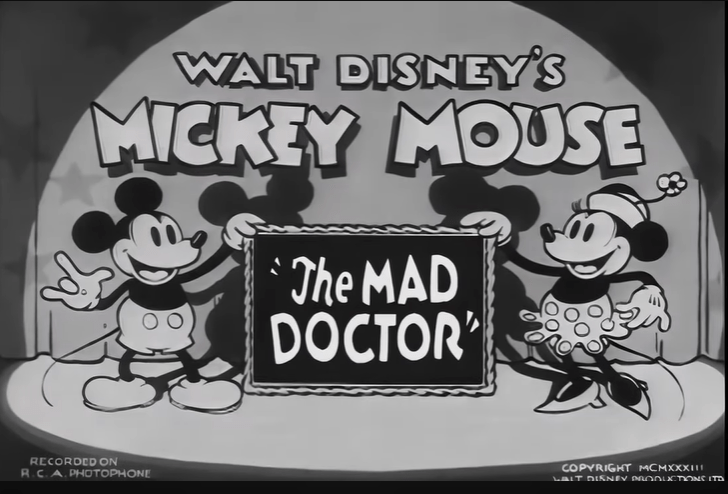
    The Mad Doctor (1933)

    Fun Fact: This cartoon was once considered too scary for kids.

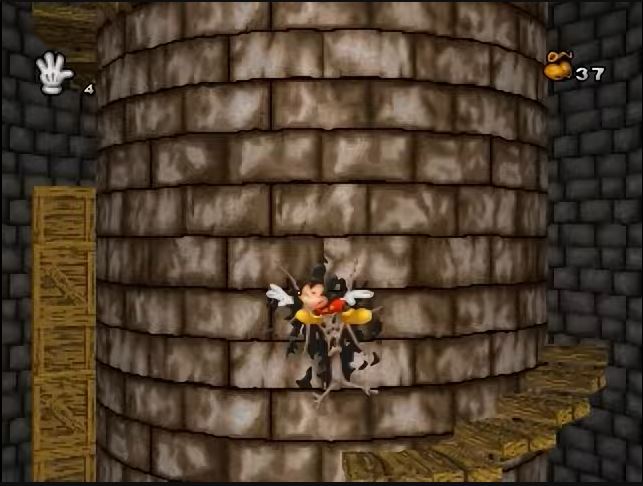
    A darker level, with skeletons that literally fall apart and rebuild themselves. Creepy, funny, and very “30s Disney.”

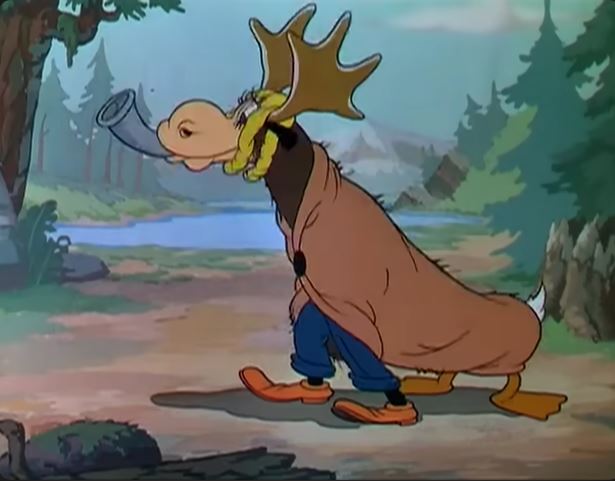
    Moose Hunters (1937)

    Fun Fact: This level used an early “fake 3D” chase effect.

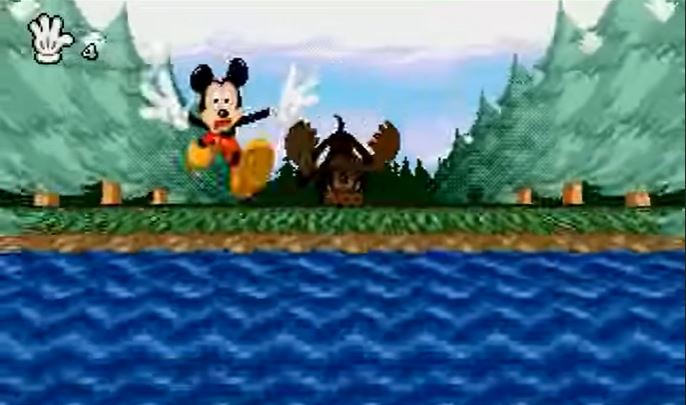
    Easily one of my favorite moments. Instead of just side-scrolling, the perspective flips. You’re running toward the screen while a massive moose charges right behind you. It’s tense, fast, and a great showcase of Traveller’s Tales experimenting with camera angles before “2.5D” was even a thing.

    Lonesome Ghosts (1937)

    Fun Fact: This short later inspired Ghostbusters.

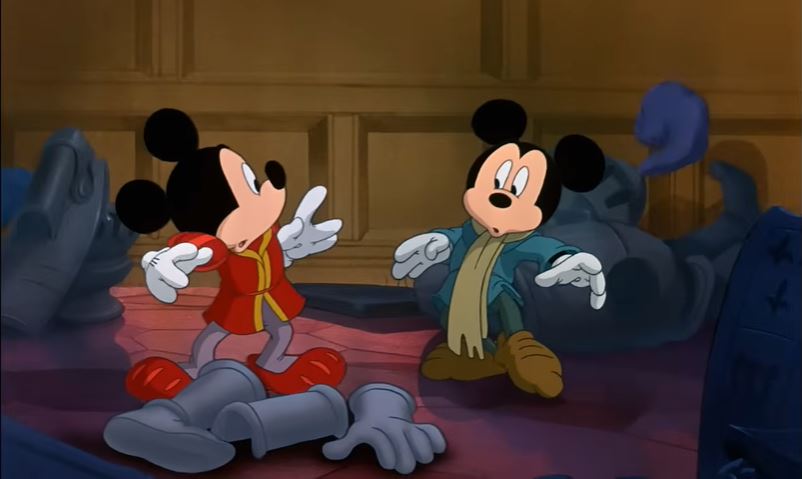
    A haunted house filled with playful, prank-loving ghosts. If the cartoon feels like a proto-Ghostbusters, the stage plays the same way — comical scares with Mickey getting knocked around.

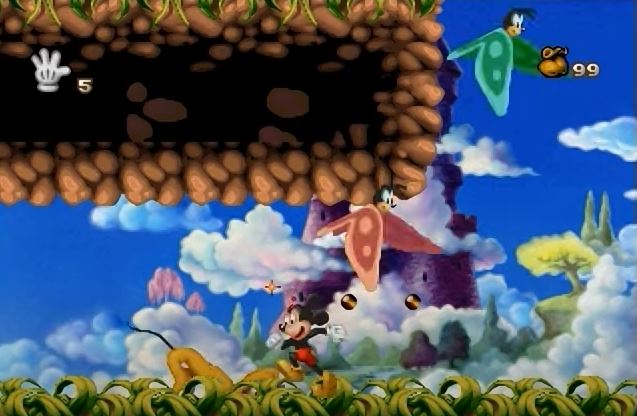
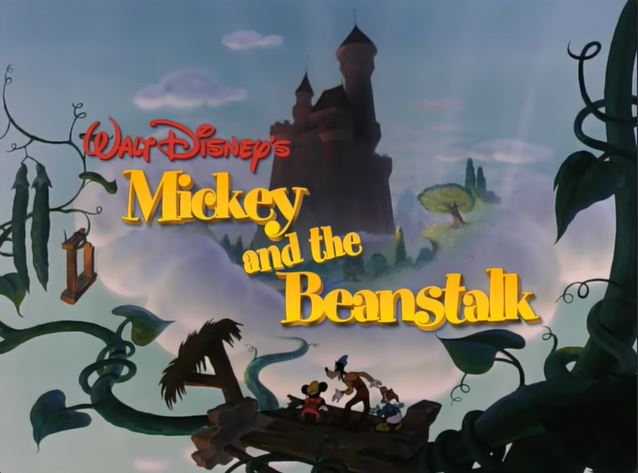
    Mickey and the Beanstalk (1947)

    Fun Fact: Oversized fruit and props make Mickey feel tiny.

    Oversized fruit and tall vines make Mickey look small against the world around him. It really nails the fairy tale vibe, with backgrounds that feel like a storybook come to life.

    Prince and the Pauper (1990)

    Fun Fact: This was Mickey’s “modern” short before the remake.

    This later-era cartoon sets the stage for the grand finale. A full castle run with more hazards and tighter platforming, it ties the old shorts with Mickey’s then-modern identity.

    Traveller’s Tales had actually considered a sequel (Mickey Mania 2), but with new opportunities like Toy Story, they moved on.

    Final Thoughts

    With thousands of retro games available across handhelds and emulators, it’s easy for a title like Mickey Mania to get lost in the shuffle. But don’t sleep on it. This isn’t just another Disney game — it’s literally Mickey’s history, animated and interactive.

    In my opinion, the PS1 remake, Mickey’s Wild Adventure, is the definitive way to play. The enhanced animations, audio, and that magical Steamboat Willie transition make it the version to hunt down.

    And if you’re going handheld, the Miyoo Mini Plus is the better pick. The animations are gorgeous and deserve a larger screen — the smaller Mini just doesn’t do it justice.

    So if you’re looking for something that blends nostalgia with genuine quality, give Mickey’s Wild Adventure a spin. It’s proof that not all licensed games were throwaways — some, like this one, became timeless classics.
  • The Goonies on NES – A Childhood Treasure

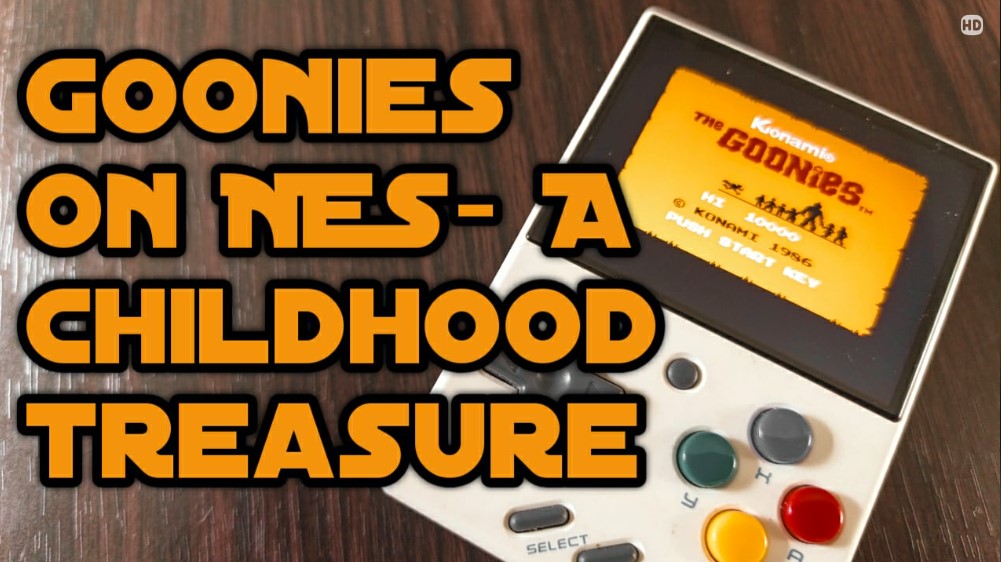
    The Goonies on NES – A Childhood Treasure

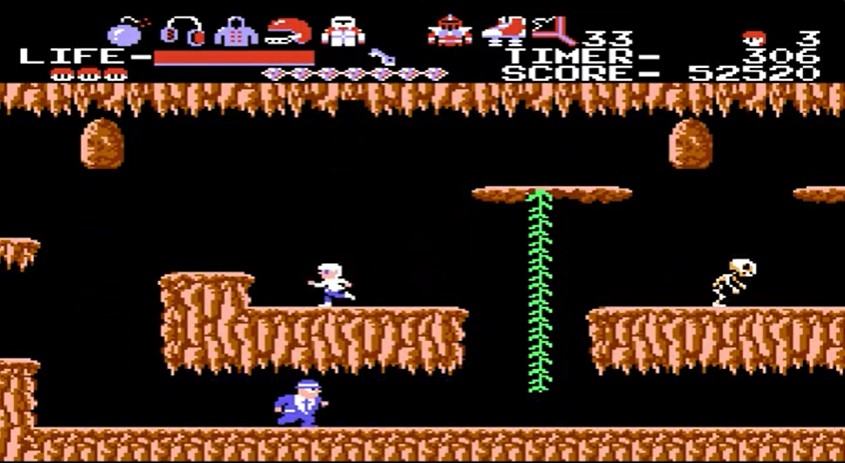
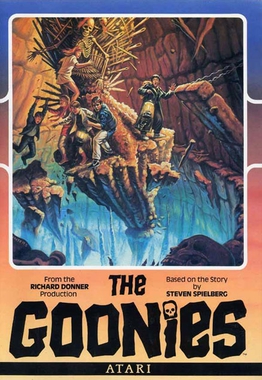
    Growing up, one of the most-played games of my childhood was The Goonies on the NES. At the time, I had no idea it was connected to a movie. To me, it was just this mysterious little game with unforgettable music and fun gameplay. Even now, whenever I hear that chiptune intro theme, I’m instantly brought back to being seven or eight years old, sitting in my living room with my cousins, taking turns until we finally beat it.

    Konami developed and released the game in 1986, based on the 1985 movie. The strange part is that while the game came out on the Famicom in Japan, it never got a normal NES release in North America. Instead, many players only ever discovered the sequel, The Goonies II. But for me, this first game was the one that left a mark.

    Controls and Objectives

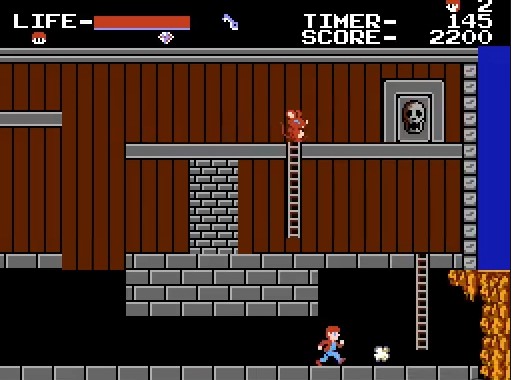
    The beauty of The Goonies is how simple it is to pick up and play. You move Mikey with the D-pad, jump with A, and attack or place bombs with B. Each level has a clear goal:

    • Collect three keys to unlock the exit.
    • Rescue a captured Goonie hidden somewhere in the stage.
    • Survive enemies like bats, skeletons, rats, and of course the Fratellis.
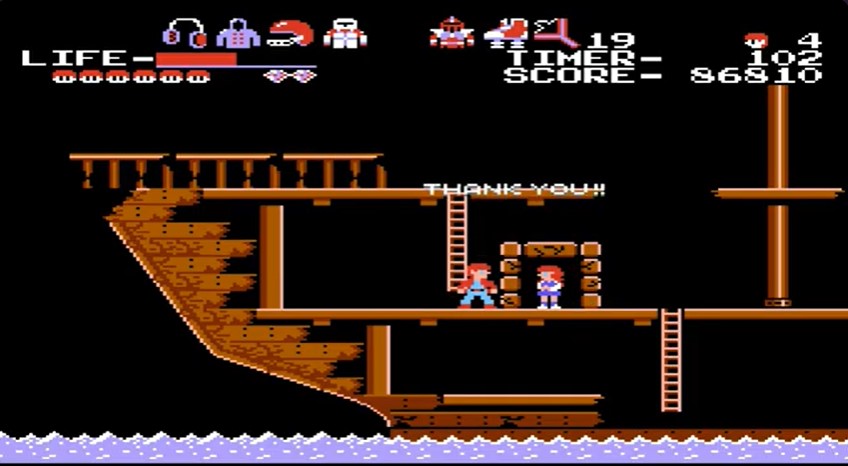
    That’s it — no long cutscenes, no walls of text, just pure action.
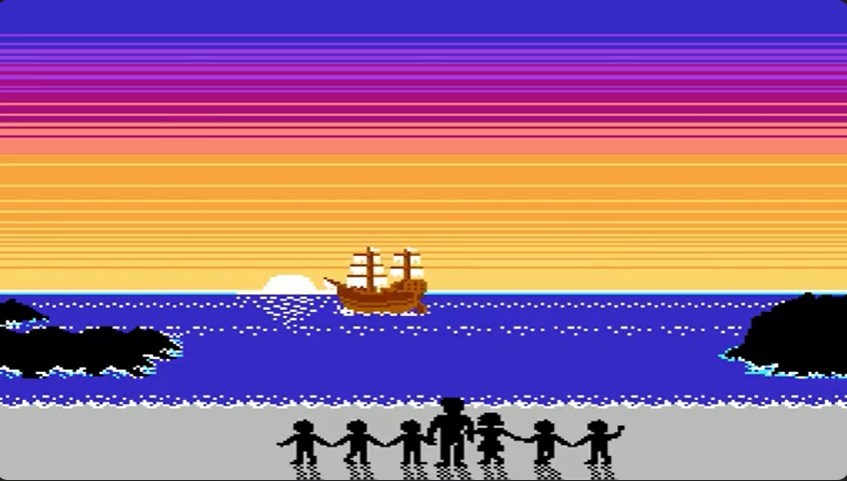
    This is also why it feels perfect on the Miyoo Mini’s 2.8-inch screen. The game doesn’t rely on lots of text, so there’s nothing tedious to read. The NES’s simple A and B button layout matches the Miyoo Mini perfectly, making the game feel like it was made for handheld play.

    The Nostalgia Factor

    When I was a kid, I used to think the rats in this game were actually the size of children. They looked so huge and scary to me on the TV screen. Looking back, the graphics are pretty basic, but the way the game combined its music, enemies, and level design made it feel larger than life.

    The difficulty also felt enormous at that age. What seems like a simple loop today — jump, bomb, collect, rescue — was one of the hardest games I had ever played as a kid. But that’s part of what made it so special.

    And of course, what I remember most isn’t just the game itself but the feeling around it: the old TV buzzing in the living room, my cousins sitting beside me, all of us determined to beat the game together. That memory is what makes The Goonies stand out among all the other NES platformers.

    Final Thoughts

    Although there are many NES platformers that are just as good, or even better, The Goonies will always be one of my personal favorites. Not because it’s the most polished, but because it carries so many of my childhood memories.

    I haven’t played The Goonies II, but for me, this first game feels just right. And playing it today on my Miyoo Mini is enough to keep that nostalgic spark alive. The Goonies is just one of many great platformers on the NES — but for me, it’s one of the most unforgettable.

  • 5 Most Iconic JRPGs on the SNES (In My Opinion)

    5 Most Iconic JRPGs on the SNES (In My Opinion)

    When people talk about the golden age of JRPGs, the SNES almost always comes up—and for good reason. The 16-bit era was a time when RPGs weren’t just about grinding levels or saving the princess. Developers were experimenting, pushing boundaries, and proving that games could be more than simple adventures.

    Chrono trigger for Snes

    The SNES gave us innovative gameplay systems, like real-time combat, combo attacks, and even multiplayer RPG experiences. Its sound chip allowed composers to create some of the most memorable video game soundtracks ever made, from sweeping orchestras to catchy battle themes that still stick in your head today. Most importantly, it was an era where storytelling in games matured. We saw deeper characters, emotional twists, and moments of drama that rivaled books and movies—and that legacy is still felt in modern RPGs to this very day.

    So with all that in mind, here’s my personal top 5 most iconic JRPGs on the SNES—counting down from 5 all the way to my number 1 pick.

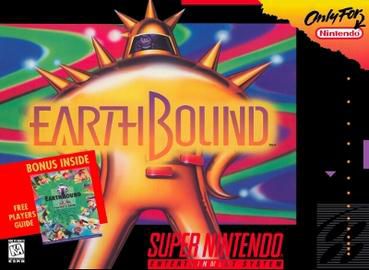
    5. EarthBound (1994)

    EarthBound box cover: Developed by Ape and HAL Laboratory, released in 1994.

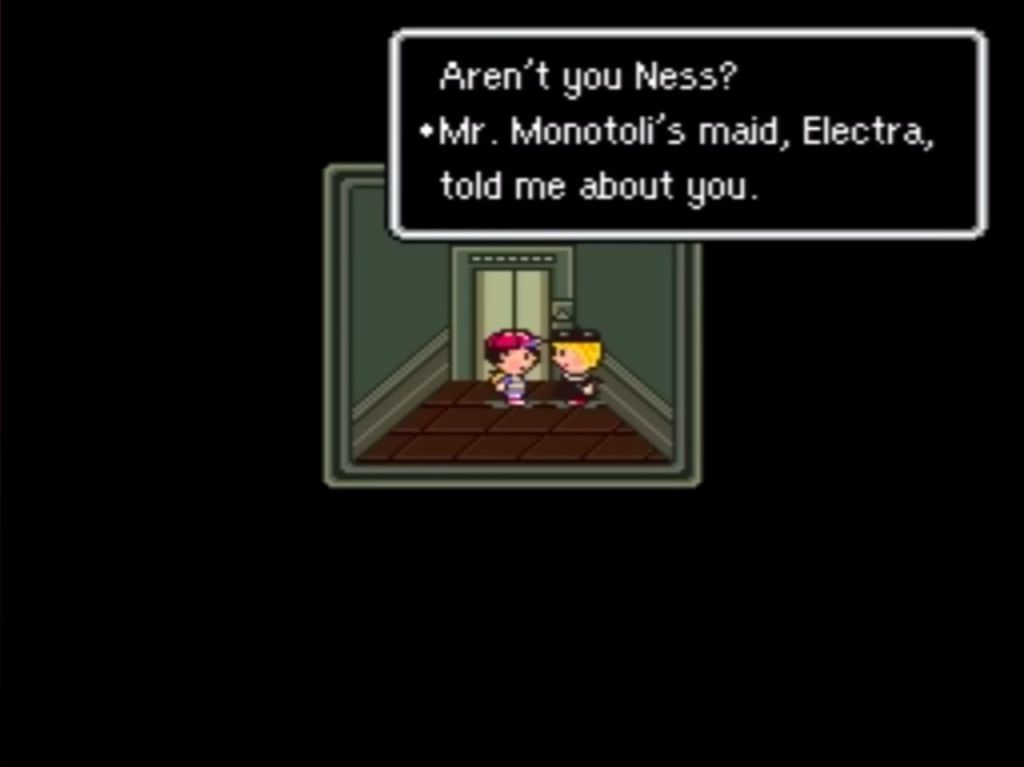
    At first glance, EarthBound looks silly. Kids fighting aliens with yo-yos and frying pans? But the deeper I went, the more I realized how smart and emotional this game really was. It’s funny, it’s weird, and it sneaks in life lessons when you least expect it.

    Earthbound gameplay

    💭 What I took away: EarthBound taught me that heroes don’t always need swords or armor. Sometimes courage comes in the simplest forms—friendship, family, and a belief that even ordinary kids can do extraordinary things.

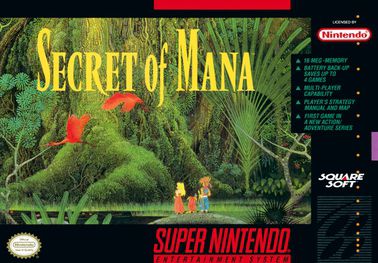
    4. Secret of Mana (1993)

    Secret of Mana, developed by Square Co., Ltd., released in 1993.

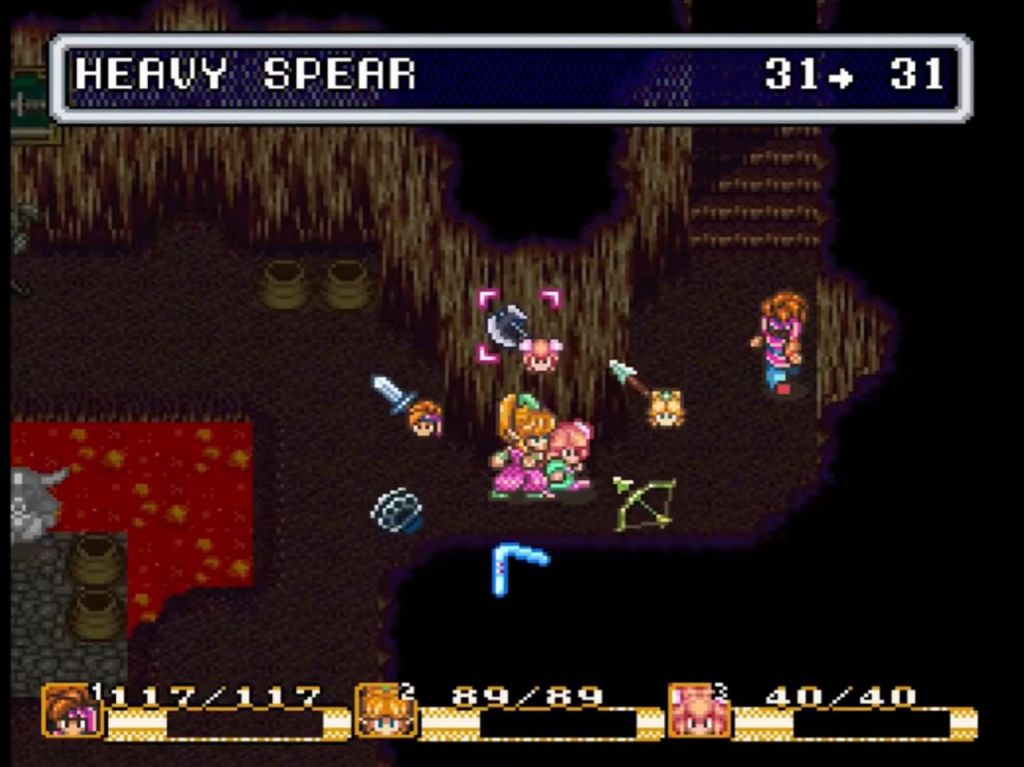
    I’ll never forget the first time I played Secret of Mana. The real-time combat felt alive compared to turn-based RPGs, and being able to share the adventure with friends was special. The bright world and enchanting soundtrack gave it a fairy tale quality.

    But what really stuck with me wasn’t just the combat or the music—it was the relationships. Traveling with the Girl and the Sprite made the journey feel alive, like I was part of a small family fighting through impossible odds. And when the story forced me to deal with loss, it hit me harder than I expected. That bond I’d built with the characters made it feel personal, and it’s one of the first times a game really made me feel that kind of emotional weight.

    Secret of mana Snes gameplay

    💭 What I took away: The story reminded me that even victories can come with sacrifice. It taught me that saving the world often means letting go, and that true strength is sometimes about moving forward despite loss.

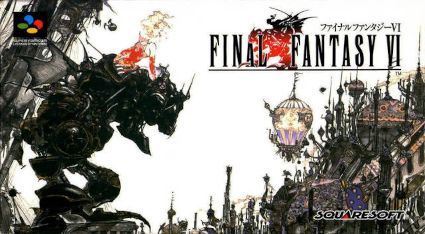
    3. Final Fantasy VI (1994)

    Final Fantasy VI for the SNES was developed by Square (now Square Enix) and released in Japan on April 2, 1994, and in North America on October 11, 1994

    This is one of the most ambitious RPGs I’ve ever played. A huge cast, an unforgettable villain, and moments that proved games could carry just as much weight as movies or novels.

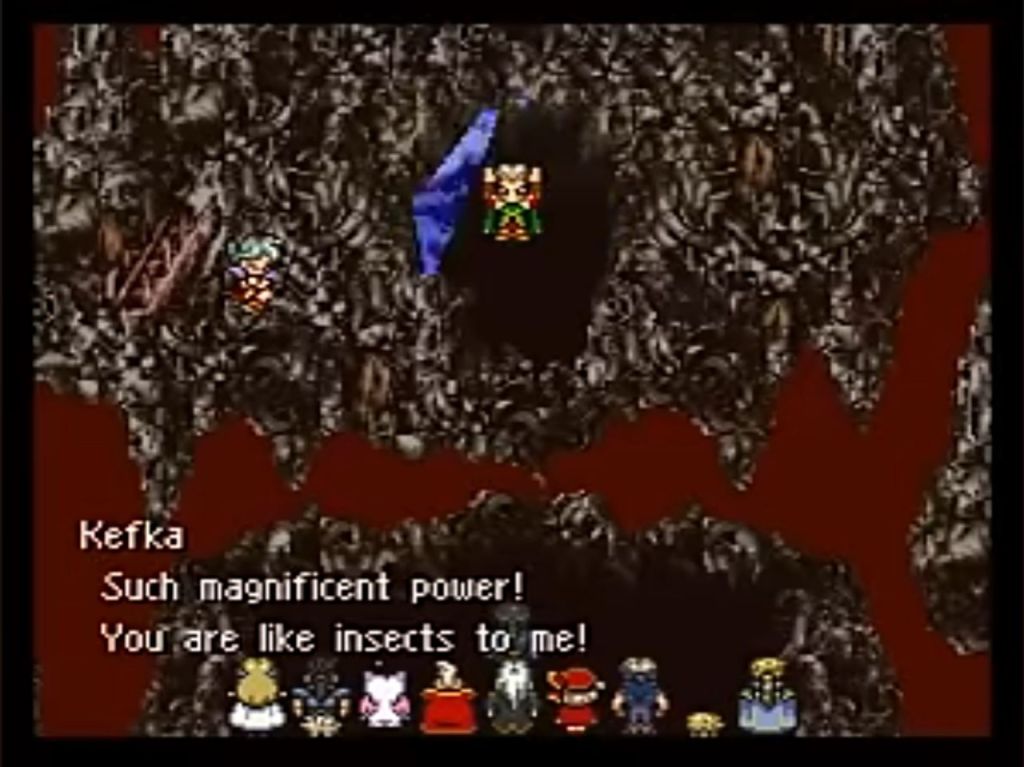
    And then there’s Kefka. Growing up, he honestly terrified me. At first, his clownish personality and over-the-top antics seemed funny—but the more the story unfolded, the more those moments felt chilling. He wasn’t just another villain with a plan; he was completely unhinged, unpredictable, and capable of things I didn’t think a video game character could do back then. Even now, looking back, those “comedic” moments just make his cruelty stand out more.

    Final Fantasy VI Kefka Bossfight

    💭 What I took away: For me, Final Fantasy VI is about hope. No matter how broken the world feels, or how overwhelming despair can be—even when someone like Kefka is pulling the strings—people can come together, rebuild, and find meaning again. That message stuck with me long after the credits rolled.

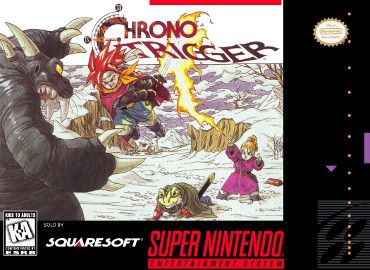
    2. Chrono Trigger (1995)

    Chrono Trigger for the Super Nintendo Entertainment System (SNES) was developed by Square and released in Japan on March 11, 1995, and in North America on August 22, 1995 .

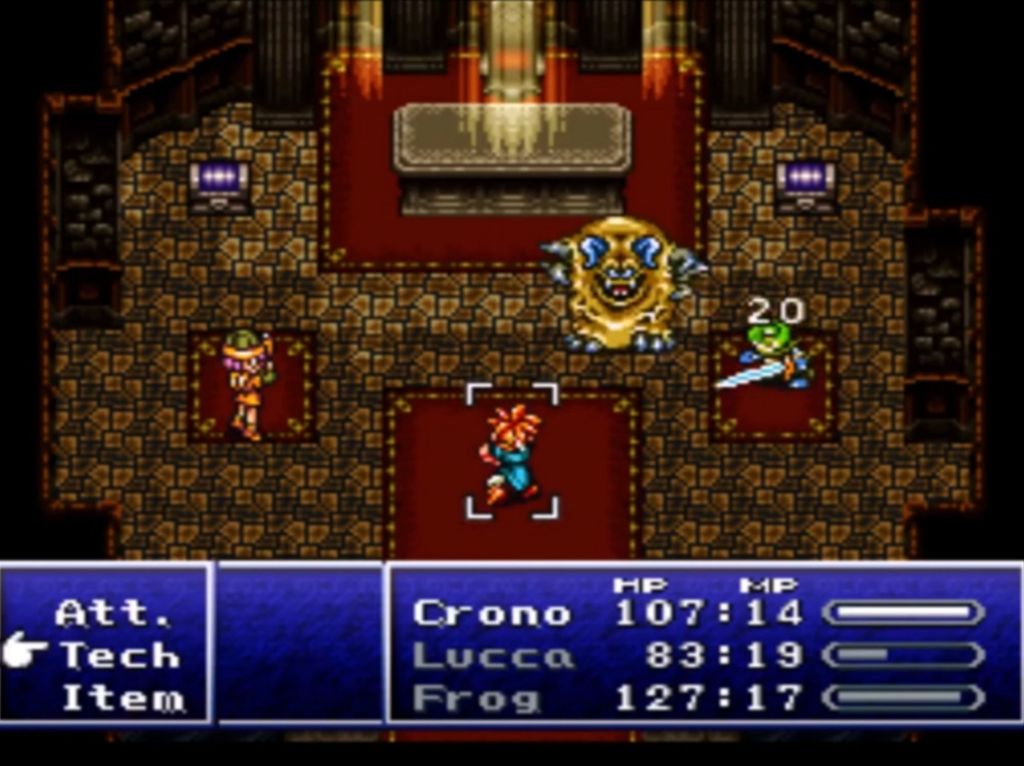
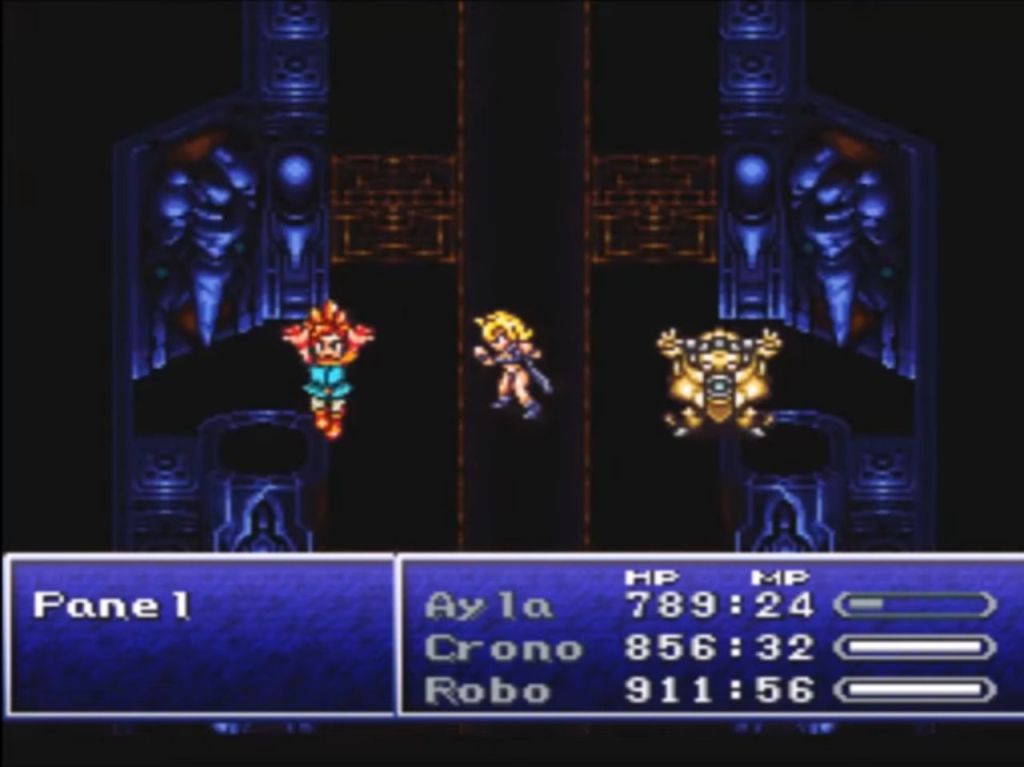
    Chrono Trigger is legendary for a reason. Time travel, branching choices, and combat that encouraged creative teamwork—it was ahead of its time. Every jump into the past or future made me feel like I was carrying the weight of history on my shoulders.

    Chrono trigger snes gameplay

    💭 What I took away: This game taught me that our choices matter. Even the smallest decisions can ripple across time and change everything. It reminded me to value every moment, because what we do today shapes tomorrow. Well, that and if you drop your grades the time you binge play Chrono trigger on weekends, you’re guaranteed to let your parents revoke gaming weekends altogether.

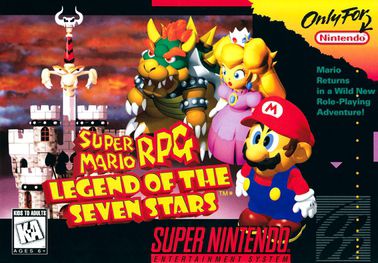
    1. Super Mario RPG: Legend of the Seven Stars (1996)

    Super Mario RPG for the SNES was developed by Squaresoft and published by Nintendo.

    My number one might surprise some people, but for me, it’s Super Mario RPG. Back then, the idea of Mario in an RPG felt impossible—but somehow, Nintendo and Square pulled it off. The humor, the button-timed combat, the quirky original characters—it was pure magic.

    One of the things that stood out to me the most was Bowser. Before this game, he was always just the silent, menacing villain who kidnapped Peach over and over again. But here, he was fleshed out like never before. His bossy antics, his over-the-top pride, and the way he reluctantly teamed up with Mario gave him a lovable side I never expected. Even when I play later Mario RPG titles, I sometimes miss that version of Bowser—the grumpy but endearing ally who added so much personality to the party.

    And then there’s Smithy. He may not be as famous as Kefka or Lavos, but as a kid, he left a strong impression on me. His factory world felt so different from anything I’d seen in a Mario game, and his sheer power made him feel like a true final boss. For me, he was proof that this wasn’t just a silly Mario spin-off—it was a real RPG with stakes.

    Another reason it’s my top pick is a little more personal—I once made a full walkthrough and guides online for this game. Sadly, the site’s gone now, but maybe one day I’ll make another one—this time in my own writing style—for the Super Mario RPG Remaster on the Switch.

    💭 What I took away: This game showed me that even familiar heroes like Mario can grow beyond what we expect. And Bowser, of all characters, reminded me that people (or villains) can surprise us if we give them the chance. It taught me to appreciate new sides of things I thought I already knew, and that sometimes the most unlikely team-ups make for the best adventures.

    Final Thoughts

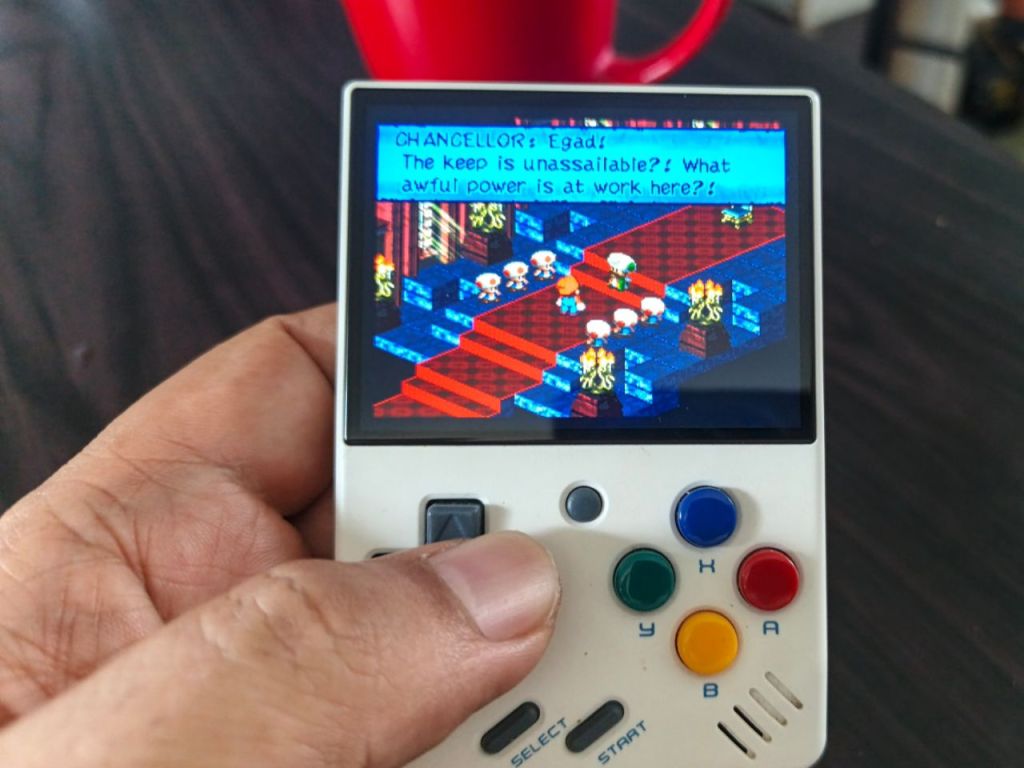
    Currently playing Super Mario Armaggedon. Romhack on my Miyoo Mini

    The SNES library is full of unforgettable RPGs, and picking just five wasn’t easy. Each one not only pushed gameplay and storytelling forward, but also left me with lessons I still think about today.

    And while I didn’t grow up playing most of these on the original SNES, I’ve been revisiting them through emulators and most recently on my Miyoo Mini. The Miyoo’s small ergonomics actually fit perfectly for one-handed play, so I often catch myself holding it in one hand and still enjoying these classics just fine. Honestly, I think these are some of the must-play games on the Miyoo Mini—it’s a perfect way to relive the magic of these iconic JRPGs today.

Design a site like this with WordPress.com
Get started