Tag: retro handheld gaming

  • Top 10 Horror-Themed Games to Play on the Sega Genesis

    Top 10 Horror-Themed Games to Play on the Sega Genesis

    The Miyoo Mini might have a small 2.9-inch screen, but that’s exactly what makes it perfect. It’s a portal back to those quiet nights hiding under a blanket, playing in secret long after bedtime. You can almost feel that moment again, the dim light of the screen, the hum of the fan, the fear of hearing footsteps outside your door.

    And with Halloween coming, there’s no better way to relive that feeling than through the dark side of the Sega Genesis. The console may not have had realistic horror, but it mastered atmosphere and dread. These games didn’t rely on gore alone. They worked through tone, tension, and gameplay design that still holds up today.

    So get comfortable, dim the lights, and step into the shadows of 16-bit horror.


    10. Ghouls ’n Ghosts (1989)
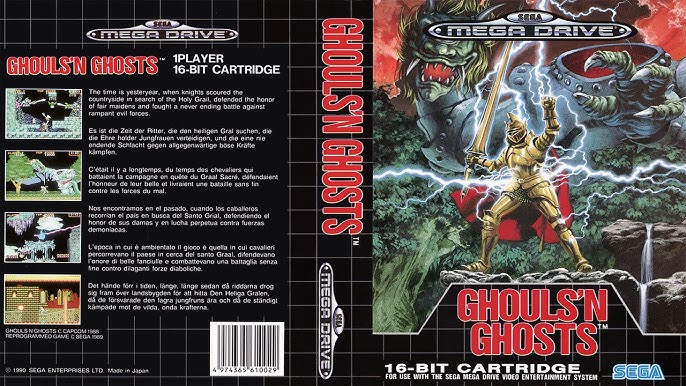
    Capcom’s Ghouls ’n Ghosts is a brutal test of skill set in a world crawling with undead knights, demons, and grotesque monsters. As Arthur, you battle through crypts and cursed landscapes to rescue souls and reclaim your armor piece by piece.
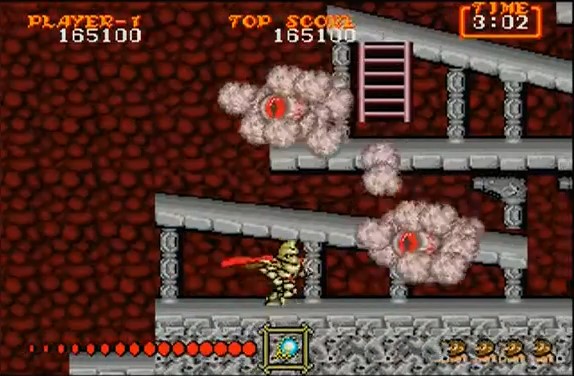
    What stood out: It demanded precision and pattern recognition. Every enemy’s timing mattered, every jump had consequences, and the punishment for mistakes made victory feel monumental. It was horror through tension and vulnerability.

    Fun Fact: The Genesis version was one of the console’s first faithful arcade ports, helping cement Sega’s reputation for serious, challenging games.


    9. The Immortal (1990)
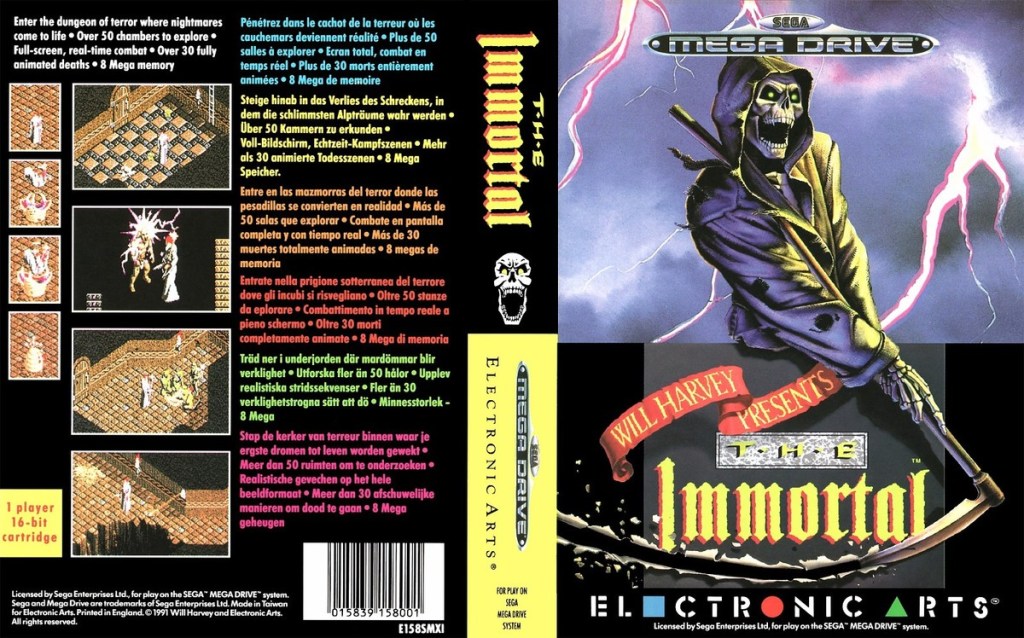
    An isometric dungeon crawler drenched in darkness, The Immortal forces players to survive traps, monsters, and cruel puzzles in an underground labyrinth.
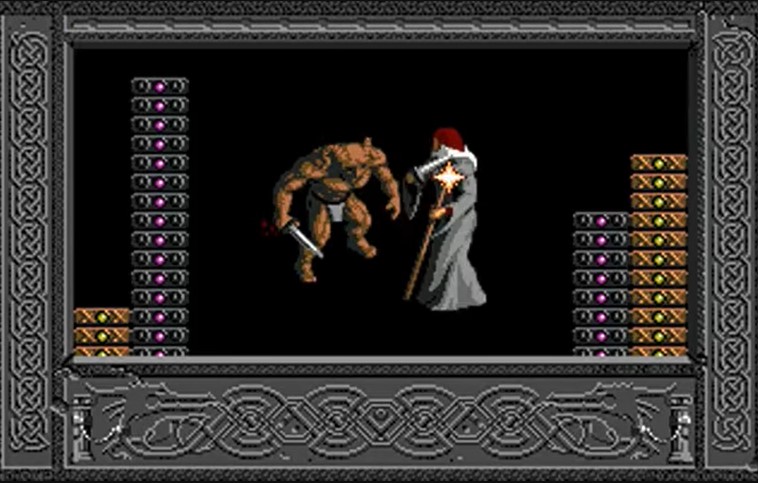
    What stood out: The focus on environmental hazards created genuine dread. Rooms weren’t just obstacles; they were death traps waiting for you to make a single wrong move. The sense of caution it inspired turned every step into a risk.

    Fun Fact: The game’s fight scenes used zoom-ins and blood animations rarely seen on the Genesis, adding an early cinematic feel to combat.


    8. Gargoyles (1995)
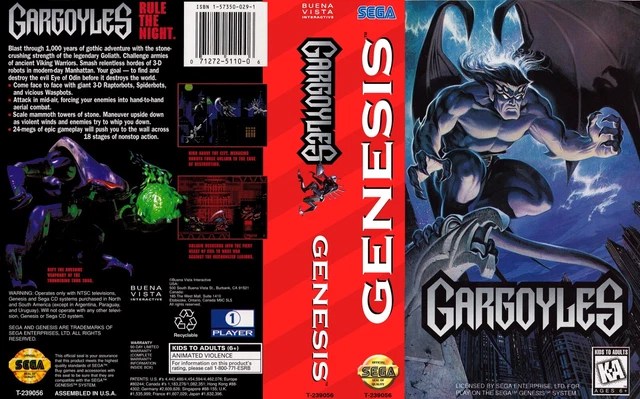
    Based on the darker Disney animated series, Gargoyles delivers gothic platforming at its best. You play as Goliath, a cursed stone warrior battling demonic enemies across medieval castles and stormy skylines.
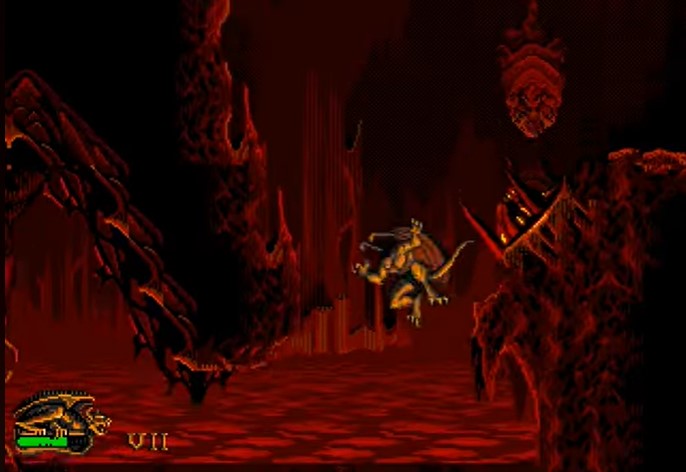
    What stood out: The animation and movement system gave Goliath a real sense of weight and power. Climbing walls, gliding through the air, and smashing enemies felt tactile and brutal. The visual direction remains one of the Genesis’ most atmospheric achievements.

    Fun Fact: The developers used multiple parallax layers and shadow mapping to achieve its stormy, cinematic look, pushing the hardware late in its life cycle.


    7. Altered Beast (1988)
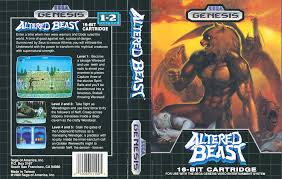
    One of Sega’s earliest Genesis titles, Altered Beast remains a haunting blend of mythology and horror. You rise from the grave as a resurrected warrior, transforming into werewolves, dragons, and other beasts to defeat the underworld’s creatures.
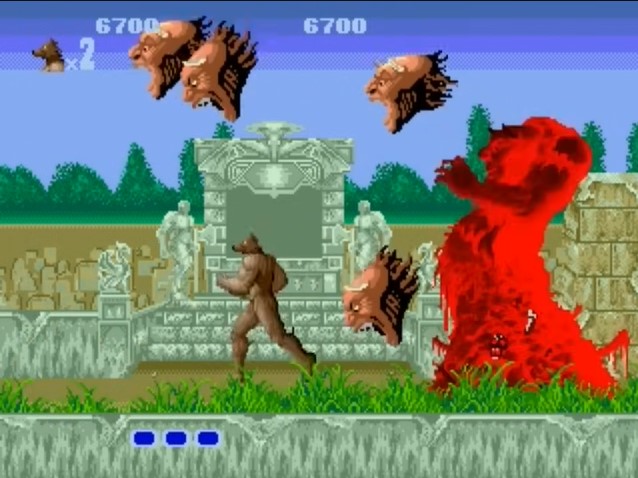
    What stood out: The transformation mechanic was the centerpiece. Each form had unique attacks and movement styles, forcing you to adapt on the fly. Its slow pacing and eerie resurrection theme gave it a mythical horror feel that still defines early Genesis identity.

    Fun Fact: Altered Beast was originally bundled with the Sega Genesis as a pack-in game before Sonic the Hedgehog took over the role in 1991.


    6. The Ooze (1995)
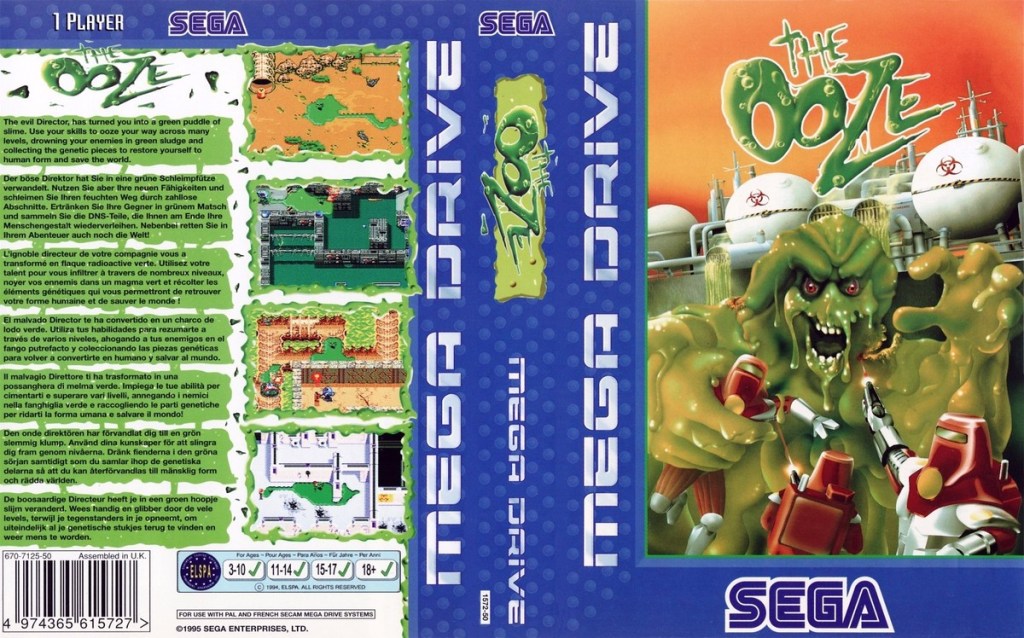
    You play as a mutated scientist turned blob, crawling through labs and cities in search of revenge. The Ooze is grotesque, slow, and suffocating — perfect for horror.
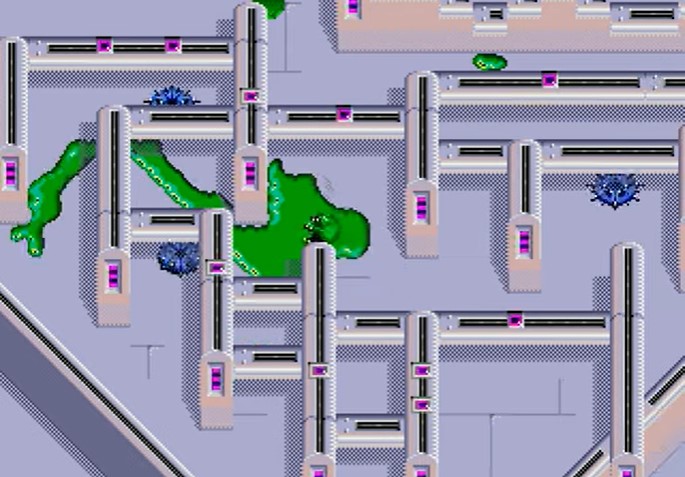
    What stood out: The control system tied your health directly to your size. The more you moved or attacked, the smaller and weaker you became. It forced restraint and calculation, turning movement itself into a risk.

    Fun Fact: The developers wanted players to feel both powerful and helpless, a rare design goal that perfectly fit the game’s tragic tone.


    5. Chakan: The Forever Man (1992)
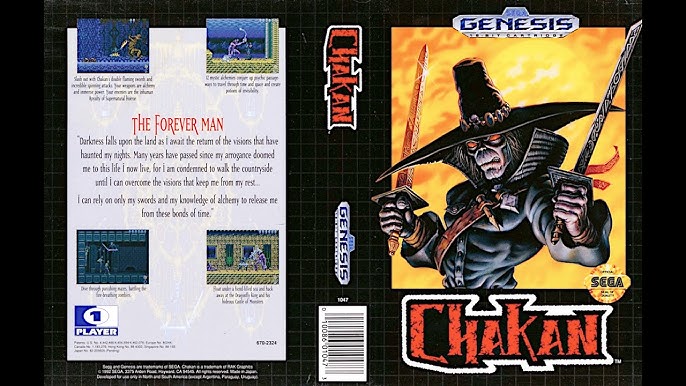
    Adapted from Robert Kraus’ comic, Chakan follows an immortal warrior cursed to fight until every evil creature in existence is destroyed. It’s grim, relentless, and soaked in atmosphere.
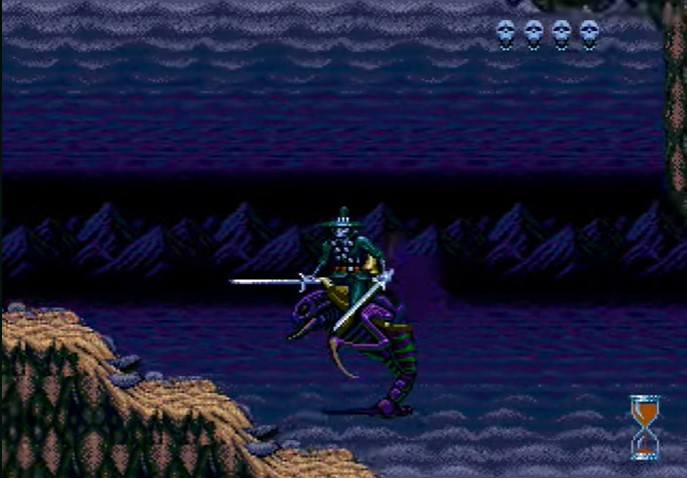
    What stood out: The non-linear level design gave players the freedom to choose their path, but every stage was built to punish overconfidence. Its combat system demanded precise timing and mastery of weapon effects, making survival itself a victory.

    Fun Fact: True to its source, Chakan ends with the hero realizing that even eternal victory offers no peace, and he must continue fighting in the afterlife.


    4. Alien 3 (1993)
    Alien 3 delivered sci-fi horror with precision. As Ripley, you race through labyrinthine corridors to rescue prisoners before they’re consumed by xenomorphs.
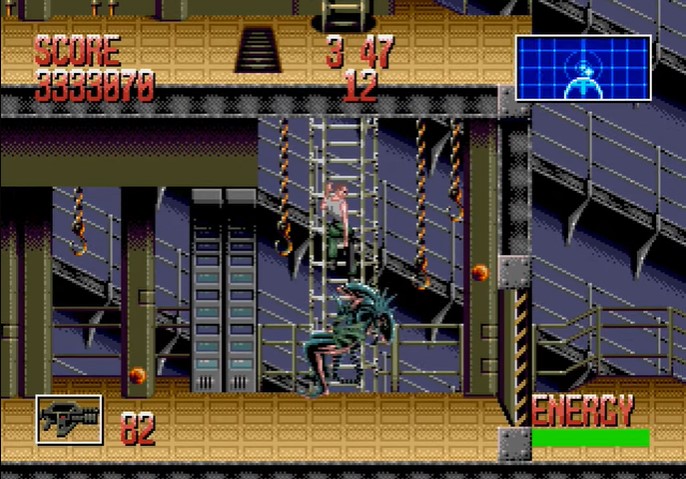
    What stood out: The time-based mission structure made it feel more like survival horror than an action game. You couldn’t afford to waste time or ammunition. The result was a constant push-and-pull between urgency and fear of failure.

    Fun Fact: The randomization of alien encounters kept players tense, since you never knew when something might burst out of the shadows.


    3. Castlevania: Bloodlines (1994)
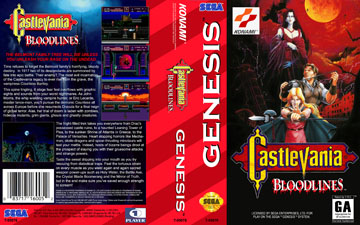
    Bloodlines was Konami’s answer to the question, “What does gothic horror look like on Genesis?” The result was a masterpiece of atmosphere and mechanical depth.
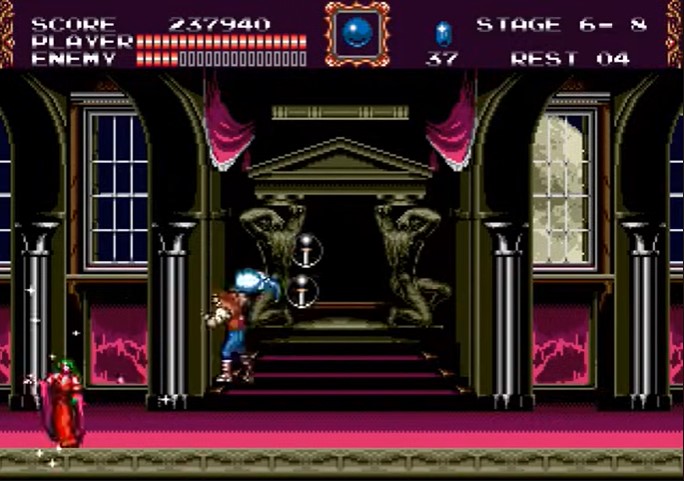
    What stood out: Its dual protagonists changed the traditional Castlevania formula. John Morris could swing across gaps, while Eric Lecarde used vertical spear thrusts for aerial combat. This gave every level two distinct ways to play, adding complexity without sacrificing the series’ haunting mood.

    Fun Fact: The European version, Castlevania: The New Generation, toned down violence and color palette due to censorship, making the U.S. version the definitive dark experience.


    2. Splatterhouse 2 (1992)
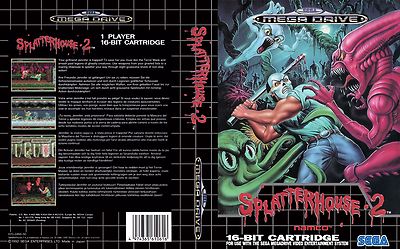
    No subtlety here. Splatterhouse 2 was horror incarnate, a side-scrolling bloodbath inspired by ’80s slasher films.

    What stood out: The slow, deliberate combat created tension in every movement. The physics of your attacks made you feel both powerful and vulnerable. Each strike and scream lingered, making progress feel like survival rather than victory.
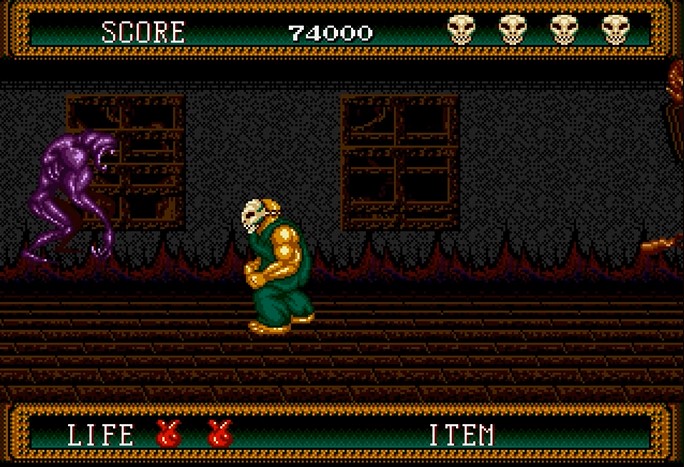
    Fun Fact: The developers slowed the game down from its arcade counterpart to make combat heavier, emphasizing dread between each attack.


    1. Splatterhouse 3 (1993)
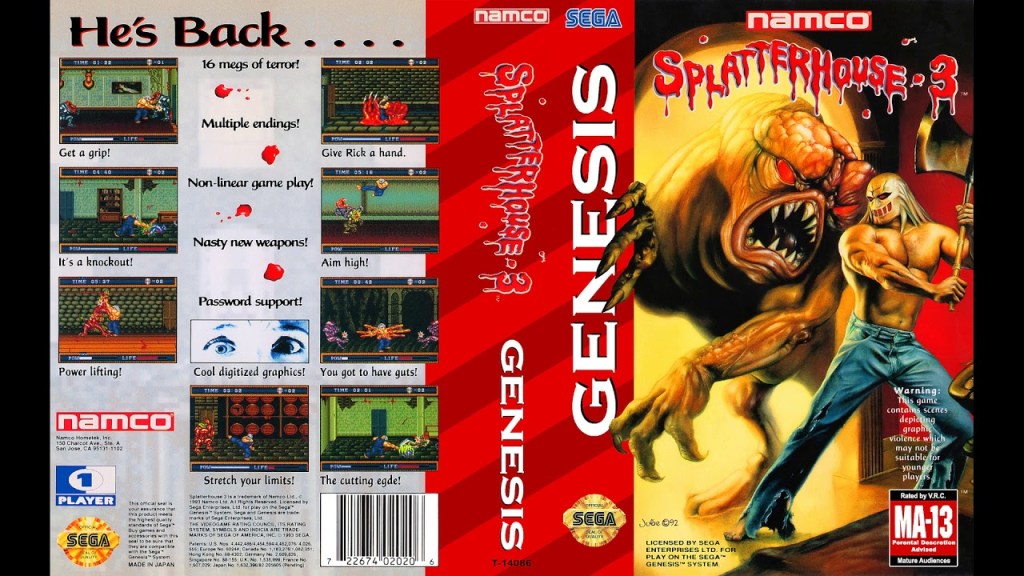
    The final and finest chapter of Genesis horror, Splatterhouse 3 evolved from a straightforward brawler into a psychological test. With branching paths, timed missions, and multiple endings, it turned horror into a moral struggle.
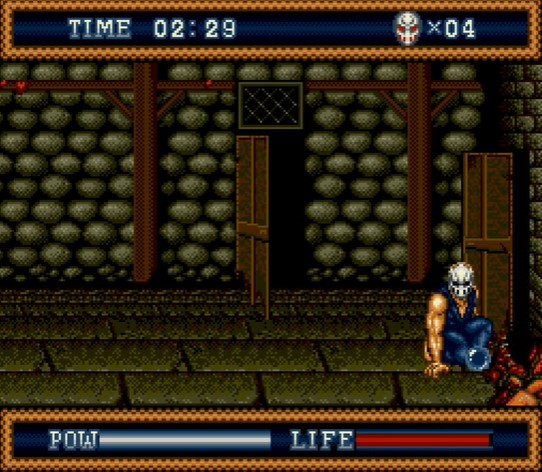
    What stood out: The time mechanic transformed the experience. Each minute you spent fighting or exploring changed who lived or died. It turned urgency into a narrative weapon, and that tension hasn’t aged a day.

    Fun Fact: Splatterhouse 3’s branching storylines made it one of the earliest console games to integrate player performance into narrative outcomes.


    Final Thoughts
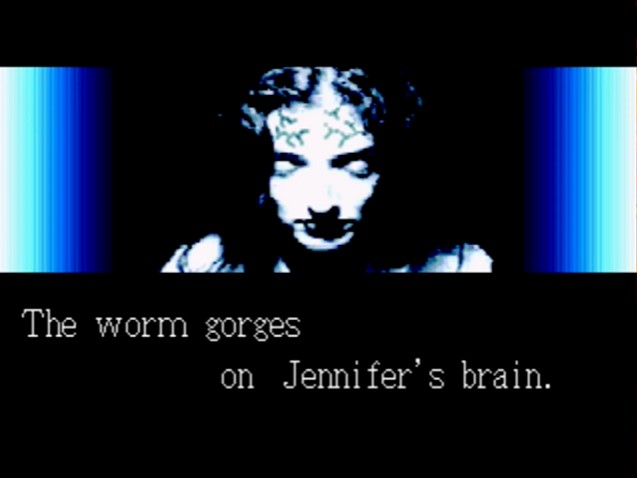
    The Sega Genesis didn’t need realism or jump scares to create horror. Its best games relied on tone, challenge, and imagination to get under your skin. Whether it was through the slow dread of Splatterhouse, the gothic majesty of Castlevania, or the mythic resurrection of Altered Beast, these titles captured the essence of fear in 16-bit form.

    Playing them on a Miyoo Mini or any handheld today still feels just as eerie. There’s something timeless about these pixelated nightmares that modern games can’t quite replicate.

    So turn off the lights, pull the blanket over your head, and let the old horrors come alive again.
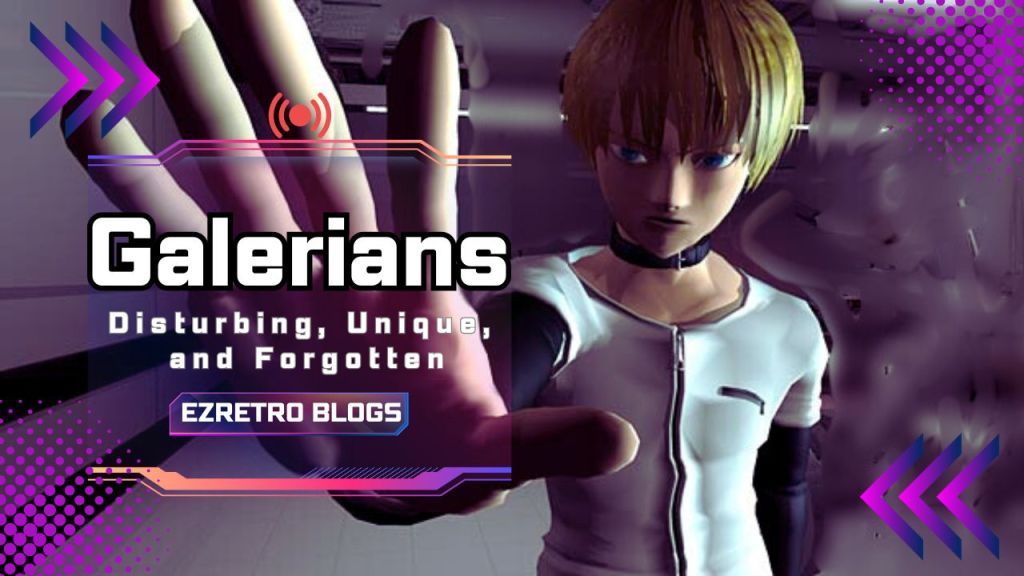
  • The Galerians Series – Disturbing, Unique, and Forgotten

    The Galerians Series – Disturbing, Unique, and Forgotten

    Some games scare you with monsters. Others disturb you with atmosphere. But then there are games like the Galerians series — games that make you uncomfortable because of the ideas underneath.

    Spanning the original Galerians on PS1 (1999) and its direct sequel Galerians: Ash on PS2 (2002/2003), the series is a one-two punch of sci-fi horror, drug-fueled survival mechanics, and tragic storytelling. For me, these games remain some of the most unique — and frankly disturbing — experiences I’ve ever had in gaming.


    1999: Horror Boom on the PS1

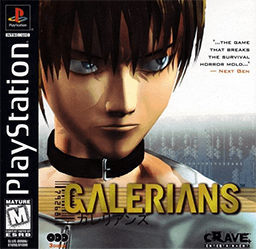
    Galerians Ps1 cover art

    By the time Galerians released in 1999 (Japan) and 2000 (US/EU), the PlayStation was already knee-deep in a survival horror golden age.

    • Capcom had just dropped Resident Evil 2 (1998) and Nemesis (1999).
    • Konami unleashed Silent Hill (1999) — redefining psychological horror.
    • Square dabbled with cinematic horror-RPG hybrids like Parasite Eve II (1999).
    • Capcom even turned dinosaurs into horror with Dino Crisis (1999).

    Everyone wanted a slice of the horror pie.

    So where did Galerians fit? Developed by Polygon Magic and published in the West by Crave Entertainment, the game wasn’t coming from the heavyweights. Crave was mostly known for mid-tier and niche projects — sports titles, racing games, even quirky experiments. But in the late ’90s, even they leaned into the horror trend, picking up Galerians because it stood out: no guns, no zombies, just psychic powers fueled by dangerous drug use.

    While the big publishers were polishing cinematic experiences, Crave doubled down on something raw and unsettling. It wasn’t the mainstream choice, but it gave Galerians its cult edge.


    My First Steps Into Galerians

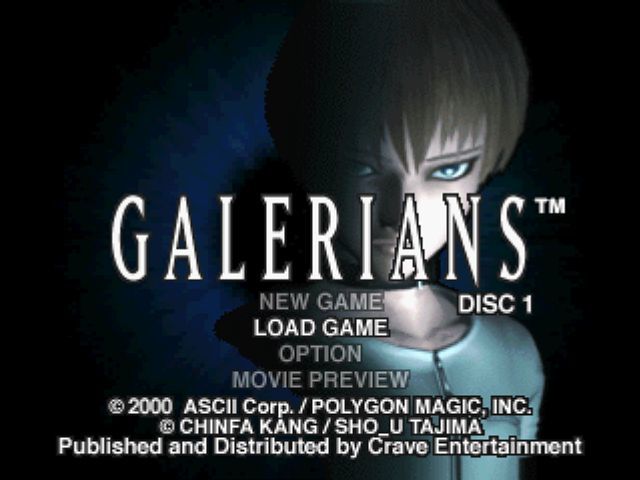
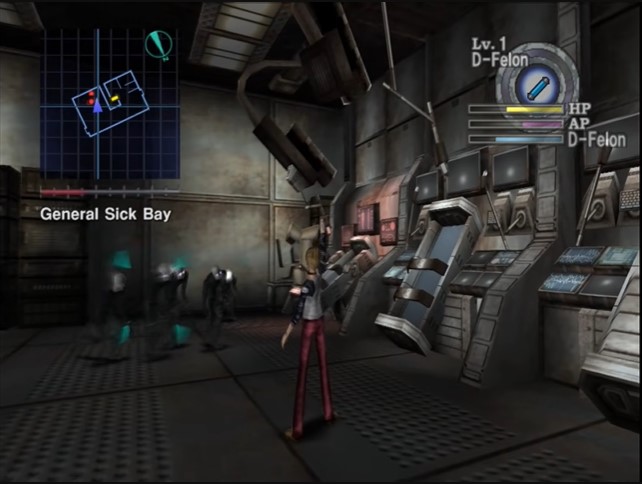
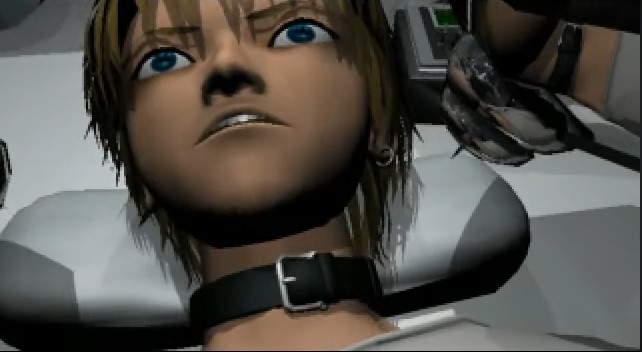
    Booting up Galerians for the first time was like waking up inside someone else’s nightmare. The screen fades in, and you’re just… there. A sterile hospital room, cold and empty, and you have no idea who you are or why you’re strapped into this world of machines.

    Then it happens: a girl’s voice inside your head.

    “Rion… help me… find me…”

    It’s faint, desperate, and unsettlingly personal. You don’t know her. You don’t even know yourself. But that voice becomes your compass, sparking your journey into the unknown. (Later, the game reveals this telepathic voice belongs to Lilia Pascalle, Rion’s childhood friend — but at the start, you only feel the mystery.)

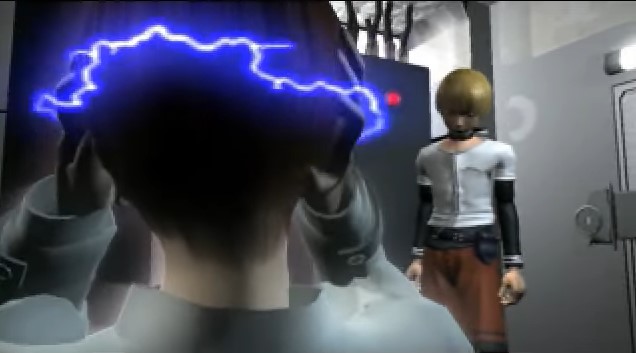
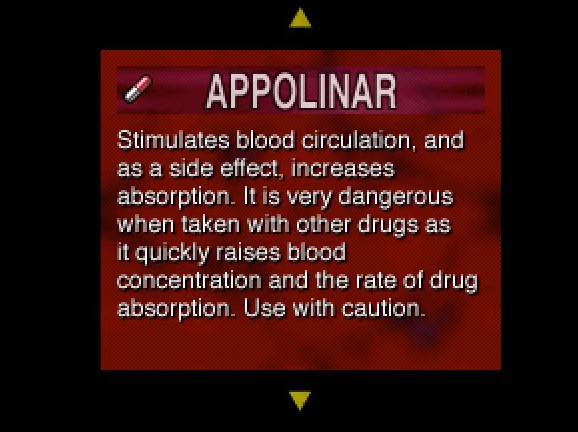
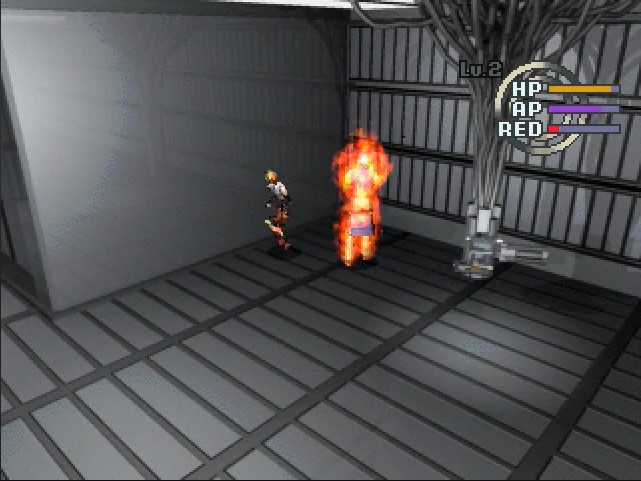
    And what a brutal start it is. Within minutes, I was already dying — overdosing on my own psychic powers, burning myself out with attacks I didn’t fully understand. Galerians didn’t want you to feel strong. It wanted you to feel fragile, broken, like a failed experiment stumbling forward.

    Each scrap of the world you uncover — medical files, cryptic documents, and eerie computer logs — becomes your only guide. There are no quest arrows, no tutorials, just survival and that haunting voice urging you onward.


    Stages and Bosses

    What makes Galerians so distinct is how each stage feels like a test, both in difficulty and in theme:

    • Michelangelo Memorial Hospital – sterile halls filled with former caretakers turned threats, a twisted introduction to your fragile powers.
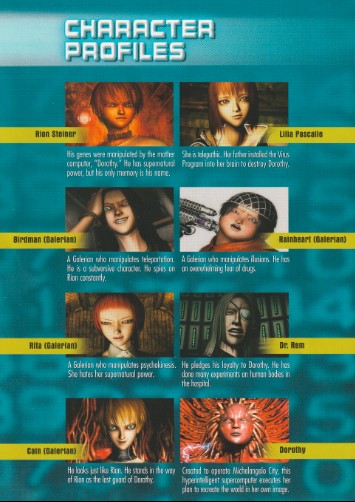
    • Rion’s House – once a place of safety, now twisted by confrontation with Birdman, one of Dorothy’s “children.”
    • Babylon Hotel – chaotic, stylish, and home to brutal encounters with Rainheart and Rita, psychic foes as unstable as you are.
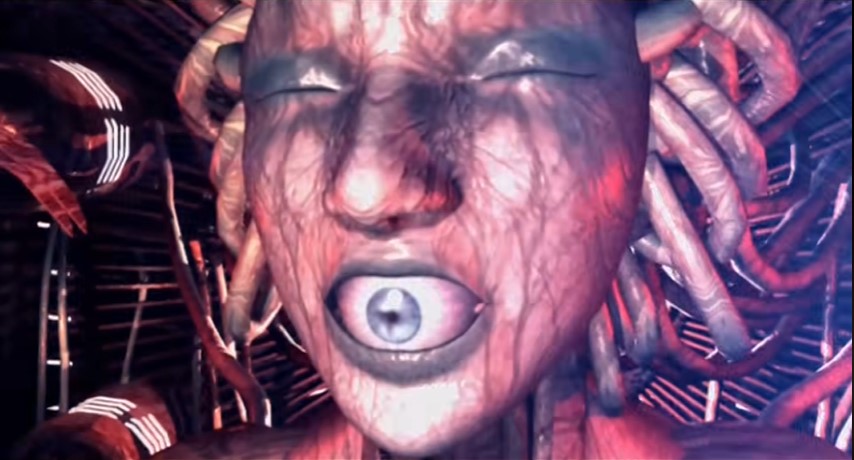
    • Mushroom Tower – the final climb toward Dorothy, the cold, godlike AI that orchestrates your suffering.

    Each boss isn’t just an obstacle; they’re living embodiments of Dorothy’s experiments, mirrors of what Rion could become. The game’s final stage, drenched in sterile dread, leaves you exhausted both mechanically and emotionally — and that’s before the ending revelations about Rion’s true nature.


    Galerians: Rion (2002 CGI Movie)

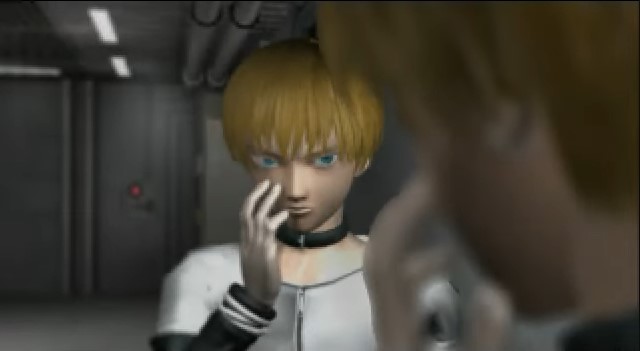
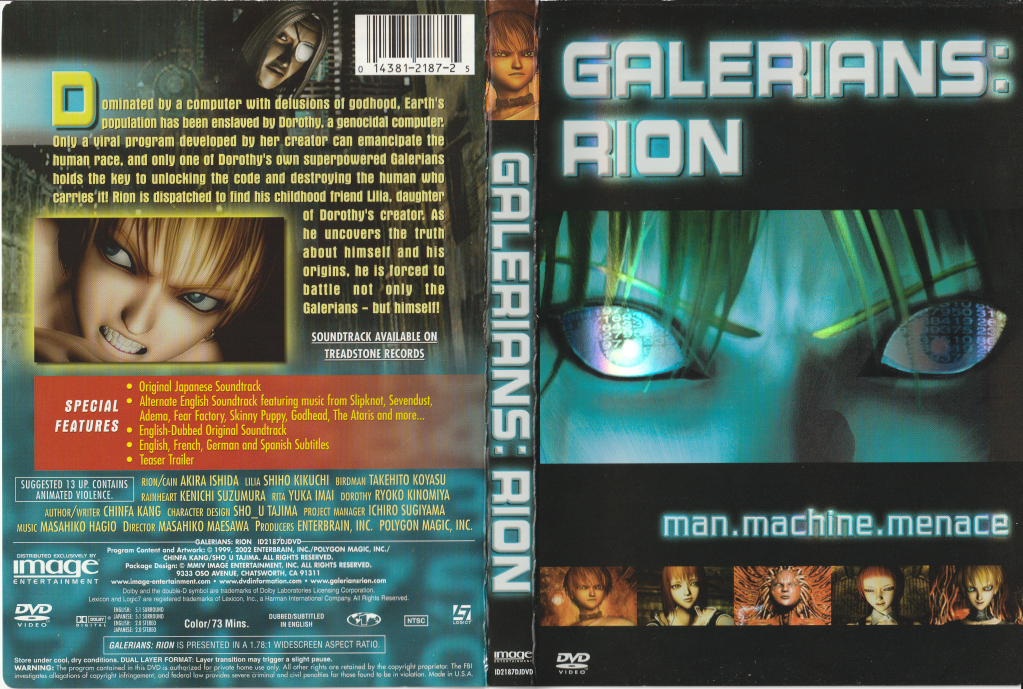
    A couple years later, fans got something unexpected: Galerians: Rion, a full CGI movie.

    Think Final Fantasy: The Spirits Within style visuals — glossy, cinematic, and way ahead of its time for such a niche horror property. The movie retold the first game’s story but streamlined it, cutting much of the exploration and emphasizing flashy psychic battles instead.

    The most controversial change was the ending. Where the PS1 game gave us one of the bleakest conclusions in survival horror, the film rewrote it to keep Rion alive — clearly paving the way for Galerians: Ash. For newcomers, it was a more digestible, “cleaned-up” retelling, but for players like me, it lost some of the raw edge that made the original unforgettable.


    2002–2003: Horror Evolves on PS2

    By the time Galerians: Ash launched on PS2 (2002 in Japan, 2003 in the West), the genre had shifted. Survival horror wasn’t just popular — it was splitting into blockbusters vs. experiments.

    • Silent Hill 2 (2001) rewrote the rulebook for psychological horror.
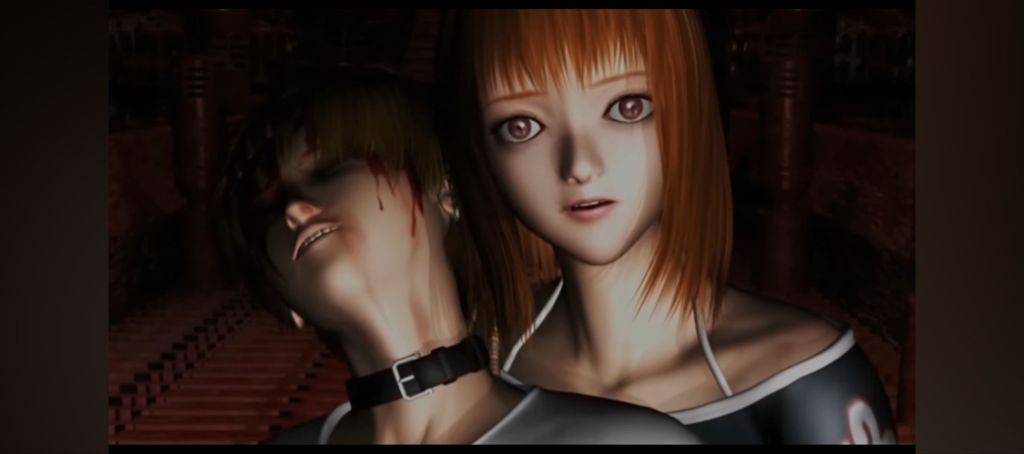
    • Fatal Frame (2001) introduced ghost photography as combat.
    • Resident Evil Code: Veronica X (2001) and Resident Evil Zero (2002) kept Capcom’s dominance strong.
    • Clock Tower 3 (2002) and Siren (2003) tried bold, experimental AI-driven scares.

    Enter Sammy Studios, who published Ash outside Japan. Sammy, better known for arcade hits, was making a push into console publishing. Backing a cult sequel like Ash was a gamble — but one that kept Polygon Magic’s vision alive.

    In Ash, Rion returns to face Ash, Dorothy’s terrifying final “child.” The environments are bigger, the visuals cleaner, and combat more polished — but the mechanics of psychic dependency remain. If anything, the sequel leans harder into the disturbing edge of the original, at a time when most horror games were chasing cinematic prestige.


    Why the Galerians Series Faded

    Both Galerians and Ash were outsiders in their eras.

    • On PS1, Galerians got lost among juggernauts like Resident Evil and Silent Hill.
    • On PS2, Ash was overshadowed by games that redefined the genre’s future.

    But more importantly:

    • Drug dependency as gameplay – Brilliant but controversial.
    • Edgy, bleak storytelling – No power fantasy, just tragedy.
    • Cult status only – Without mainstream traction, the series couldn’t sustain sequels.

    That’s why, in my opinion, Galerians won’t ever get a revival. It’s too raw, too edgy, and too tied to mechanics modern publishers wouldn’t dare touch.


    Playing Galerians Today

    Even if the series is gone, I still revisit it. My Miyoo Mini makes replaying Galerians on the go super nostalgic, though to be honest, I prefer my RG28XX most of the time — the horizontal form factor just feels better for those tricky trigger-based psychic powers.

    As for Ash, it’s comfortably sitting on my tablet and phone, where I chip away at it in short bursts. With Halloween around the corner, it’s the perfect time to step back into that bleak, oppressive world.


    Final Thoughts

    Galerians may never return, but maybe that’s for the best. It burned bright in its moment, dared to go where few games would, and left behind something unforgettable. For me, replaying it now isn’t just nostalgia — it’s a reminder of when horror games weren’t afraid to disturb you, not just scare you.

    And honestly? In a genre packed with monsters and gore, I’ll take one tragic psychic teen overdosing his way through the apocalypse any day.

  • Gunhound – My Go-To PSP Mecha Game for Short Bursts

    Gunhound – My Go-To PSP Mecha Game for Short Bursts

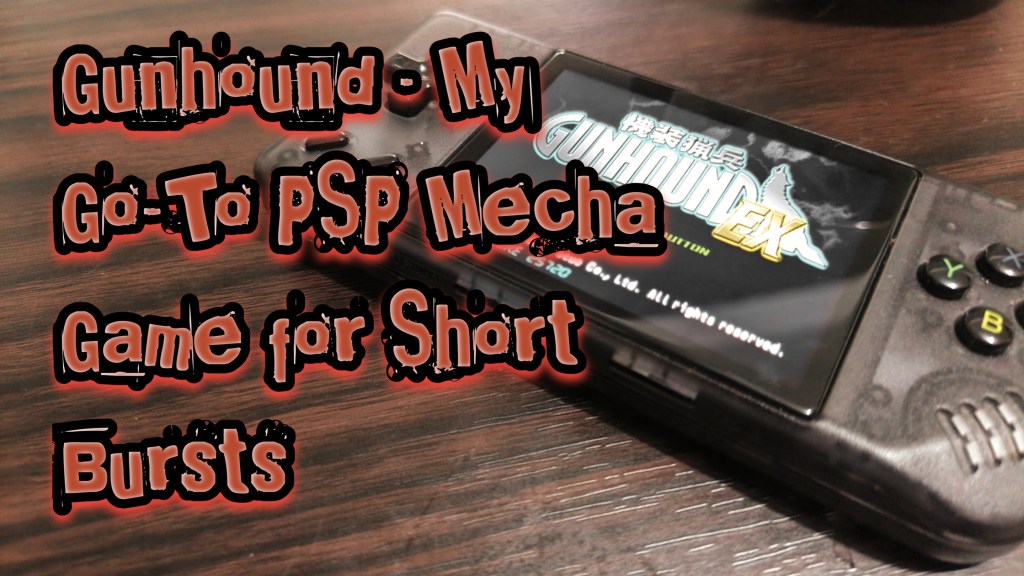
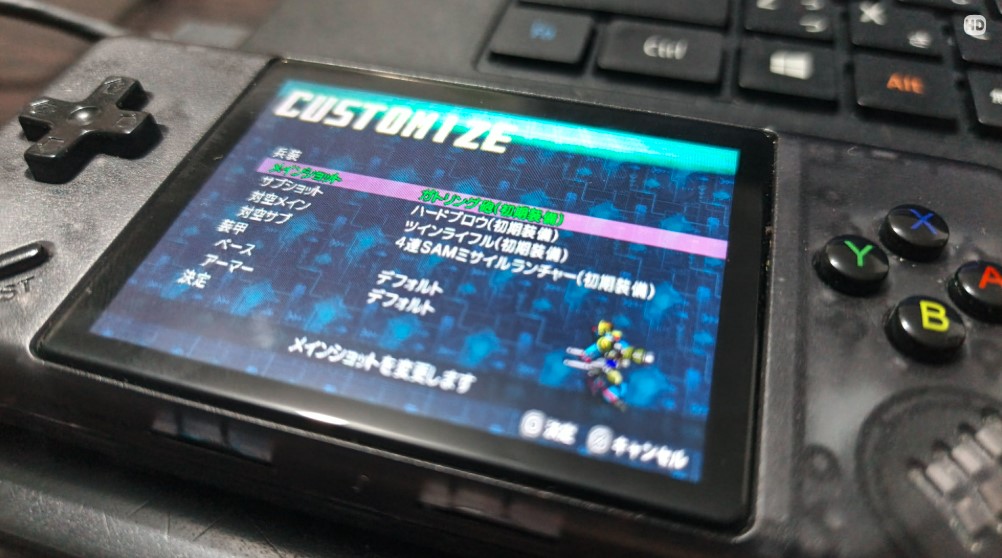
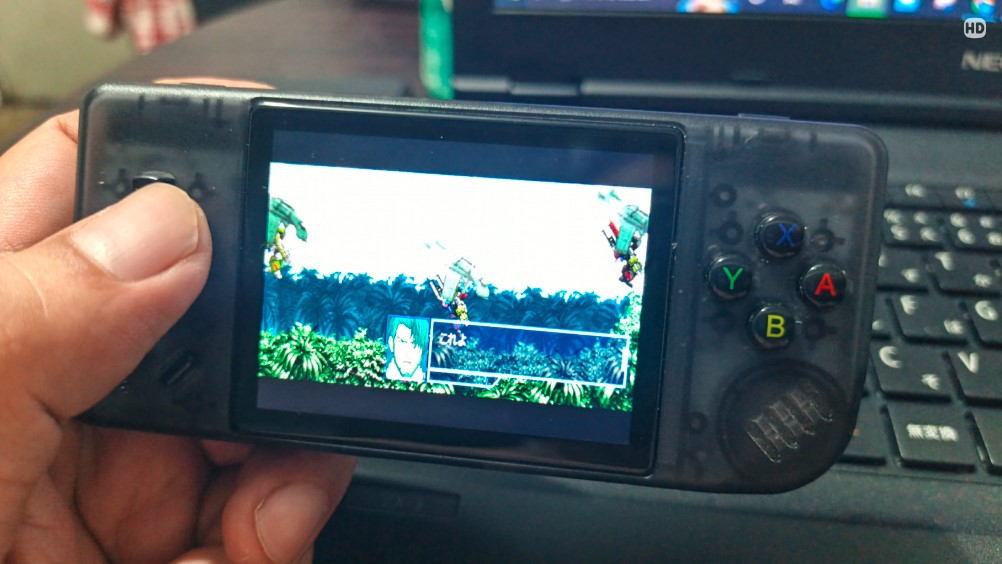
    When I need a quick break in between tasks, Gunhound on PSP is the game I usually go to. It’s fast, it’s exciting, and it scratches that itch for a mecha action experience without needing hours of commitment. It’s not available on smaller retro handhelds like the Miyoo Mini since those can’t run PSP games, but if you’ve got a Miyoo Mini Plus, Flip, or any other handheld that supports PSP, it plays beautifully.

    I actually just picked up the Anbernic RG28XX recently. I was looking for the Miyoo A30 but couldn’t find one locally, so this became my alternative. Luckily, it runs PSP titles smoothly, and Gunhound feels right at home on it.

    A Bit of History

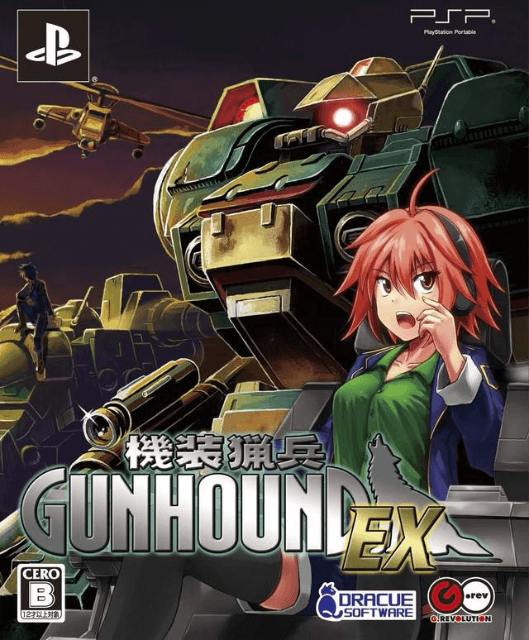
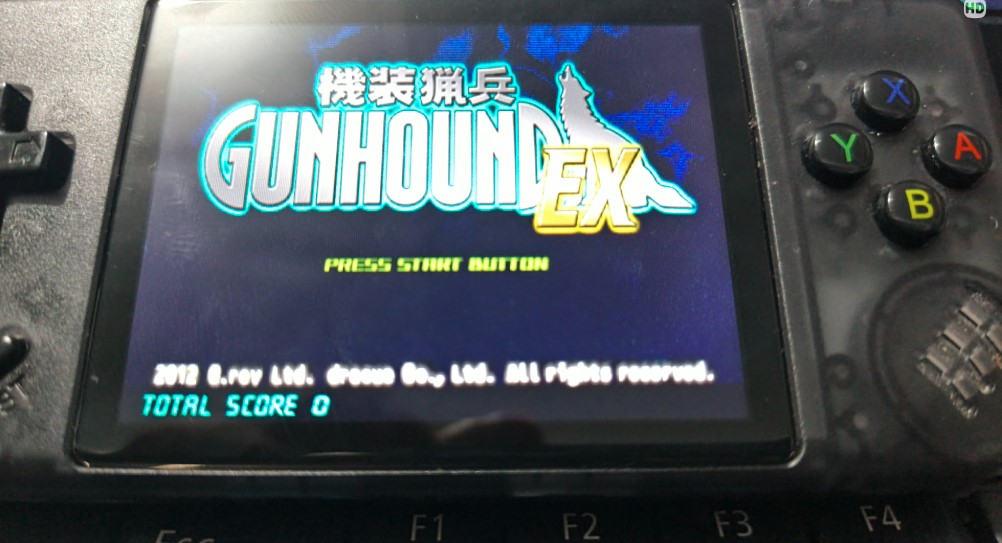
    Gunhound EX (full title: Kisou Ryouhei Gunhound EX) came out in Japan back in 2013 for the PSP. It was developed by a small Osaka-based team called Dracue Software, a doujin (indie) studio known for loving mecha games. Later on, the game got a Windows PC port in 2014 with the title Armored Hunter Gunhound EX.

    The reception was decent, especially from fans of old-school mecha shooters like Assault Suit Valken (Cybernator) and Assault Suit Leynos. Famitsu gave the PSP version a 29 out of 40, and Western reviews of the PC port hovered around 7 to 8 out of 10. Reviewers praised the fast-paced action and anime-style presentation, though some said it felt like the ideas could’ve gone even further.

    As for sales, there’s no reliable number out there — it was a niche release, after all, and never really broke into the mainstream. That’s also one of the reasons it isn’t famous: it was a Japan-only release on PSP, with no official English localization. But honestly, who needs a full translation when your main job is to pilot a mech and fire at anything that moves?

    Dracue didn’t become a big studio after this either. Gunhound EX remains their standout game — more of a cult classic than a widely recognized PSP hit.

    The Story

    The game’s setup is straight out of a 90s mecha anime. You pilot a heavy combat machine through different missions, fighting waves of enemies, giant bosses, and military hardware that just keeps coming. The story isn’t super detailed, but it’s enough to push you forward between battles and cutscenes. The real fun is in the action, not reading walls of text.

    Game Mechanics

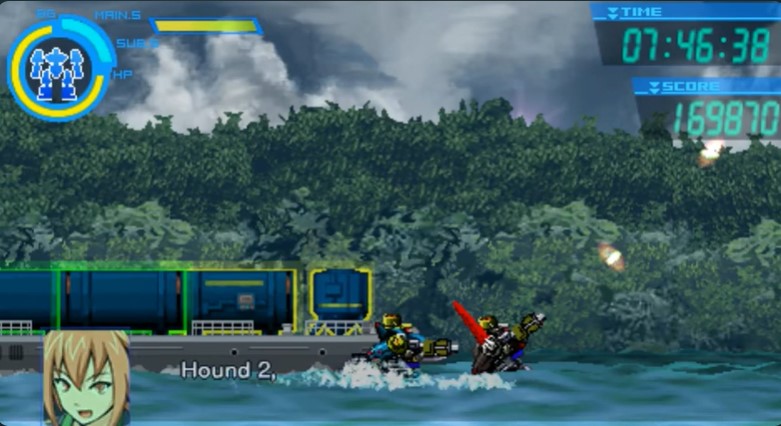
    The mix of mechanics makes Gunhound really stand out. You get machine guns, missiles, and one of the coolest parts — a grappling hook. It’s not just for climbing but also for swinging and repositioning during fights. That little touch changes how you approach stages, giving it a different flavor compared to standard run-and-gun games.

    The game captures that heavy mech feeling while still staying responsive. You’re not zipping around like a ninja; you’re piloting a powerful machine that has weight to it, and learning that rhythm is half the fun.

    Controls

    The controls feel surprisingly smooth for a PSP mecha game. Swapping weapons, firing, and using the grappling hook all click into place once you’ve played a couple of missions. On handhelds with good buttons and a d-pad, like the RG28XX or Miyoo Mini Plus, the game plays almost like it was built for these smaller devices.

    Why It Fits on a Small Retro Handheld

    This is where Gunhound really shines for me. The missions are short enough to pick up and play in between tasks, and the anime-inspired visuals scale perfectly to smaller screens. The intensity is still there, but it feels tighter and more personal when played on a handheld. For a game that’s all about quick bursts of action, portable is the way to go.

    Every time I load this up, it gives me that mix of anime mecha excitement and arcade-style quick action. It doesn’t need hours of play, and the grappling hook always makes the combat feel fresh. I’ll tell myself “just one mission,” and then end up playing two or three because it’s so hard to put down once you’re in the zone.

    Final Thoughts

    Gunhound EX may not be a mainstream PSP classic, but it’s one of those hidden gems that deserves more attention. Between its anime-inspired mecha action, simple pick-up-and-play missions, and perfect fit for retro handhelds, it’s a game I recommend to anyone looking for something different on PSP. The lack of an English release probably held it back, but if you enjoy action that doesn’t waste your time, you’ll feel right at home with Gunhound.

Design a site like this with WordPress.com
Get started