Tag: retro gaming

  • How Front Mission: Gun Hazard Stands Apart in the SNES Library

    How Front Mission: Gun Hazard Stands Apart in the SNES Library

    Just two days ago, I stumbled onto a game I had never given much thought to before: Front Mission: Gun Hazard. If you know me, my usual go-to SNES game with mecha and heavy action has always been Mega Man X. For me, nothing really topped that mix of speed, precision, and music. Because of that, I never really dove into titles like Assault Suits Valken (Cybernator) or other similar recommendations.
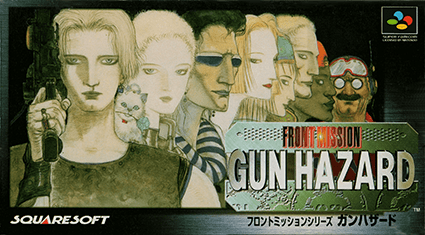
    Front mission: Gun Hazard  box art

    So what changed? Honestly, it wasn’t a review or gameplay clip that convinced me. It was the fact that the fan translation patch was done by Aeon Genesis, the same team I always trust when I want to play Super Robot Wars in English. Seeing their name tied to Gun Hazard was enough for me to fire it up on my Miyoo Mini. That decision opened the door to one of the most unique experiences I’ve had on the system.
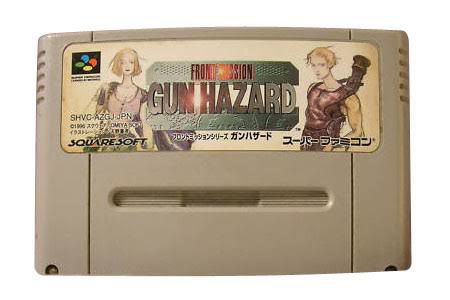
    Gun hazard game cartridge

    Another reason I gave this game a shot is because it was a Japan-only release. And if you’re into retro emulation, you know that’s usually a big sign the game is worth trying. Back in the 90s, Japanese developers often thought their games were too hard for Western audiences, so they’d create watered-down versions for overseas release. Honestly, most of those simplified versions stripped away what made the originals shine. That’s a real shame, because Japan was putting out some of the best and most ambitious games of that era—and Gun Hazard is proof of that.

    Gameplay and Mechanics
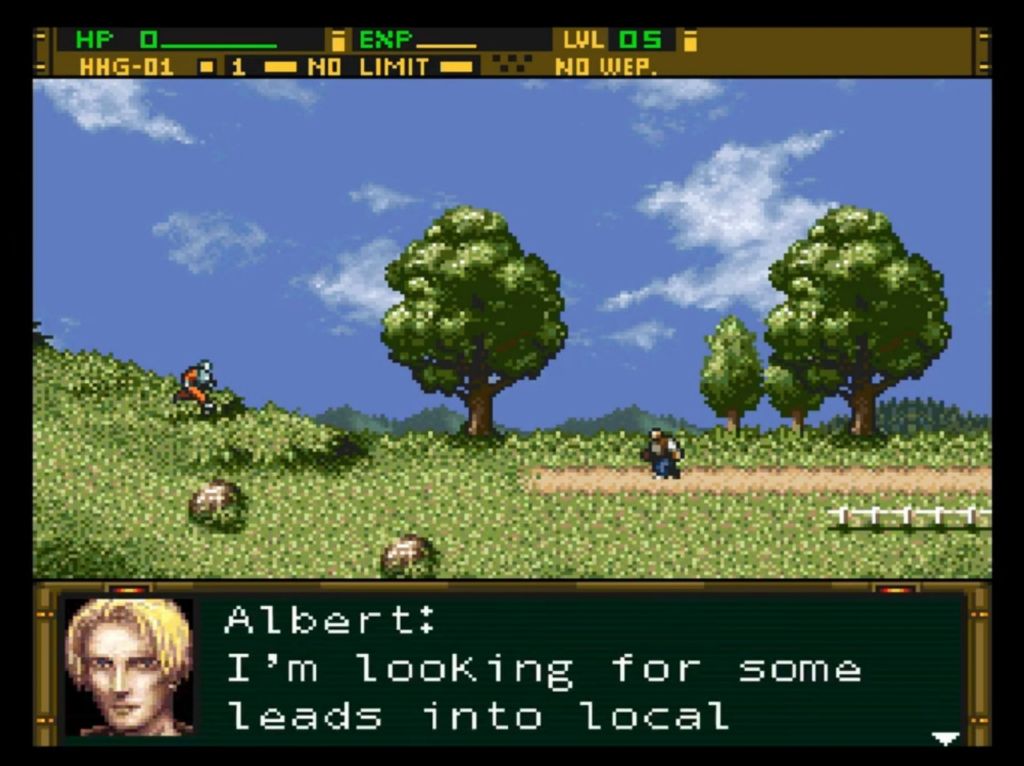
    Some sections in the game can be played on foot instead of a wanzer

    If you asked me what genre Front Mission: Gun Hazard belongs to, I’d have a hard time sticking to just one answer. On the surface, it looks like an action platformer or an action shooter. But then you add in the ability to level up, customize weapons, and upgrade parts, and suddenly it feels like an RPG.

    Story-wise, it leans even closer to being a JRPG, with its heavy themes of politics, betrayal, and emotional storytelling. Add in the world map where you can choose missions, side missions, and paths forward, and it starts to feel like an SRPG too.
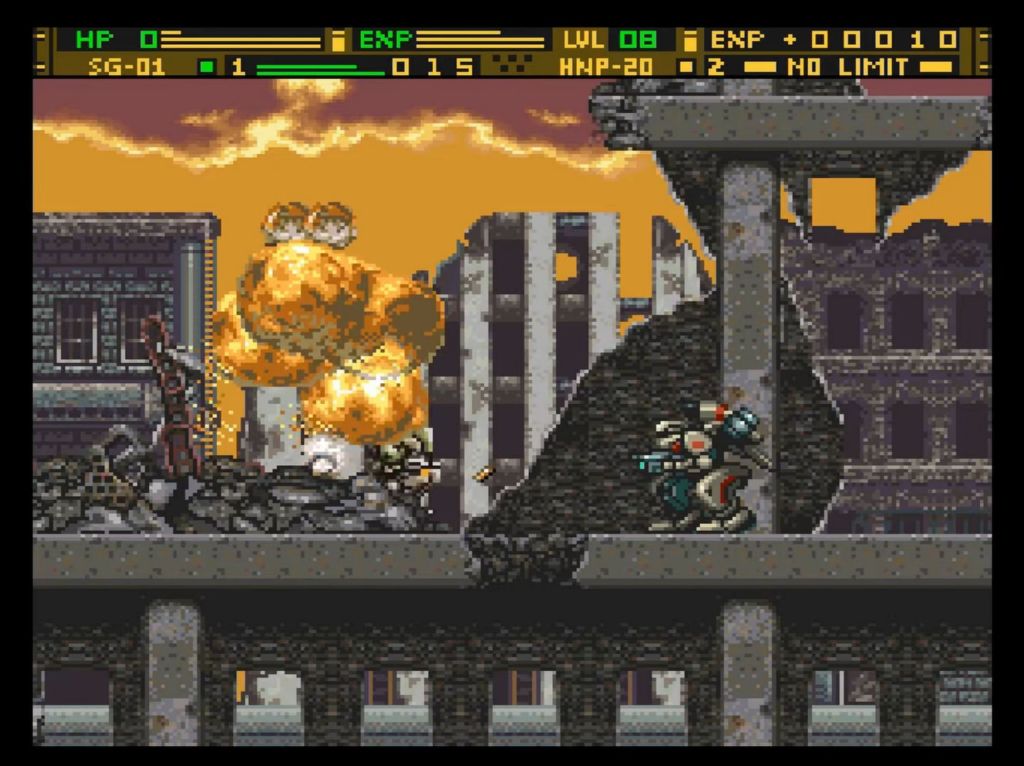
    Wanzer combat

    What we really have here is a hybrid, and a surprisingly smooth one at that. It’s action, it’s RPG, it’s strategy—all blended together in a way I haven’t seen matched, even in more modern titles. The presentation seals the deal: the background music and sound design feel richer than most SNES releases, which makes me think this was definitely not a low-budget project.

    And yes, while it shares DNA with other mecha games of the era, Gun Hazard pushes the concept much further with its RPG systems and narrative depth.

    Story and atmosphere
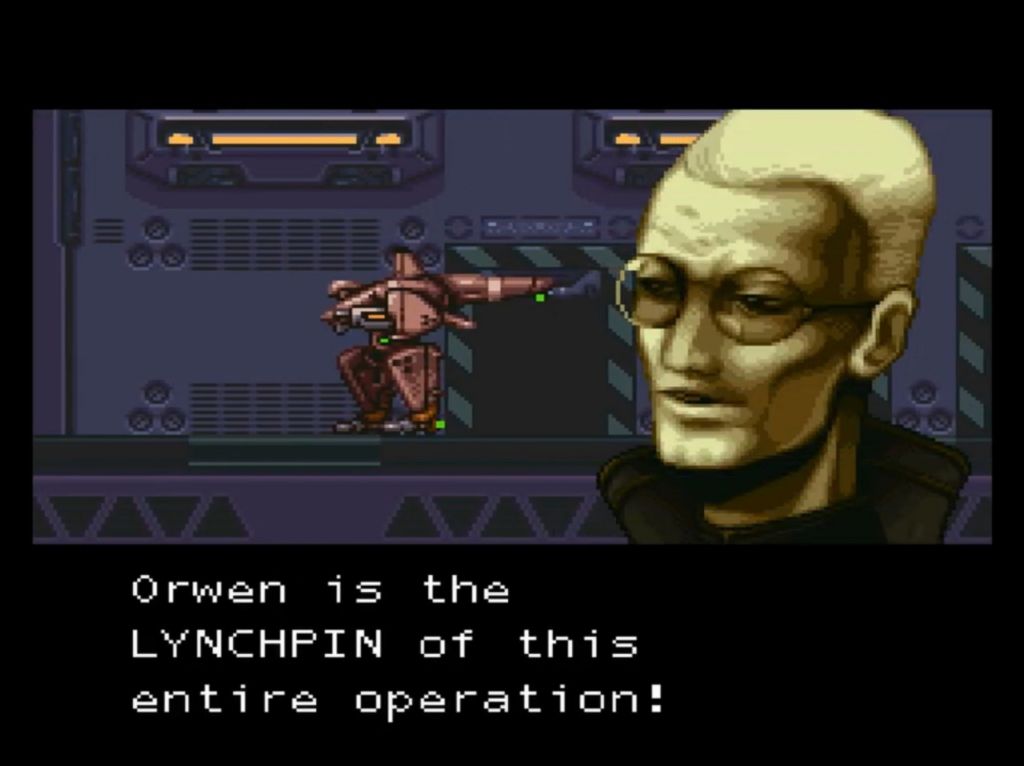
    My bad, the sound plays if you leave the screen on and it gives you a backstory before you play. I was so hyped I avvidentwlly pressed start and did not see this.

    Booting up the game, I noticed something unusual right away—silence. I even cranked up the volume on my Miyoo Mini, thinking maybe the sound wasn’t working. The opening text explaining the backstory had no music. The character naming screen? Still silent. Then the first cutscene started, and even up to the ambush—the one where the rocket slams in and wipes out nearly everyone—there was no full soundtrack. Just the sound of seagulls and faint notes in the background. It created this eerie calm that made the eventual explosion hit so much harder.
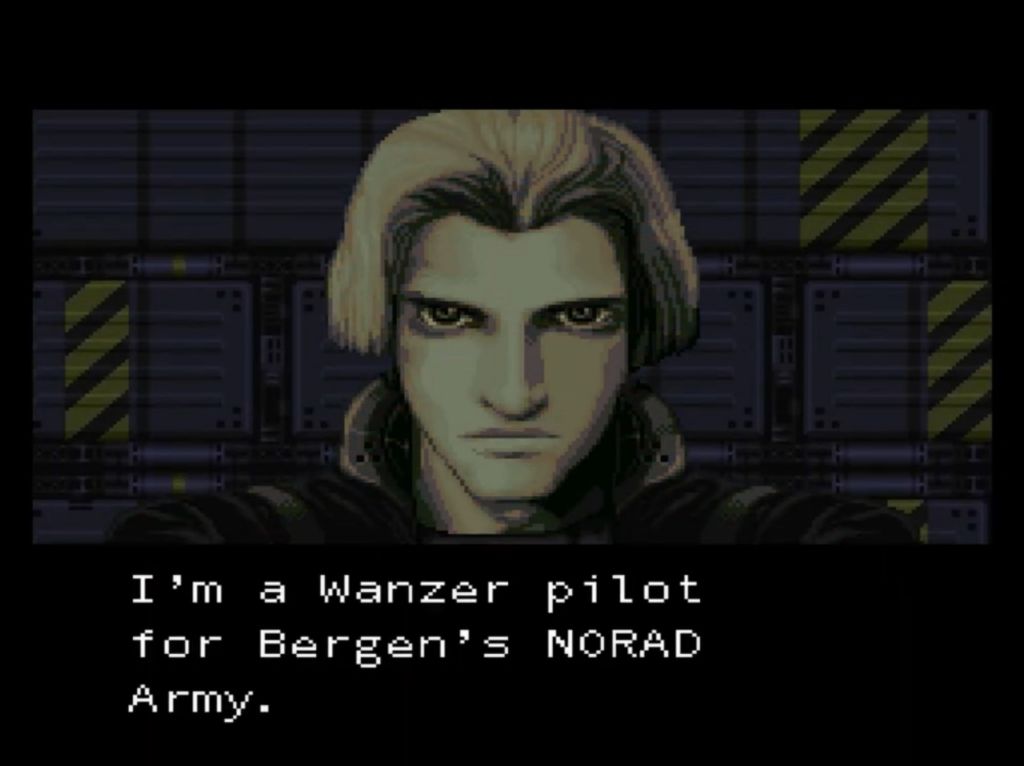
    Can’t get over the fact that Albert, the series protagonist looks like Christopher Lambert from the Highlander movies

    From there, the story really takes off. You play as Albert Grabner, a wanzer pilot suddenly betrayed and hunted after a coup tears apart the very unit he trusted. Branded a traitor, Albert escapes and takes on work as a mercenary, traveling the globe and getting swept into conflicts much bigger than his own survival.

    What makes Gun Hazard stand out isn’t just the “good guy vs bad guy” setup—it’s how the story dives into politics, alliances, betrayals, and moral struggles. Each mission feels alive with dialogue and character moments that push the plot forward. You’re not just blowing up enemy bases; you’re caught in a web of shifting power, trying to figure out where you really stand.

    Without giving away spoilers, I’ll just say the game doesn’t stay small. It expands from one soldier’s desperate escape into a global conspiracy that keeps escalating until the very end.

    As for the finale? Let’s just say you know you’re playing a front mission game through and through. I won’t add more to this because it’s best you guys experience it first hand to fully enjoy it.

    Replay value and personal experience
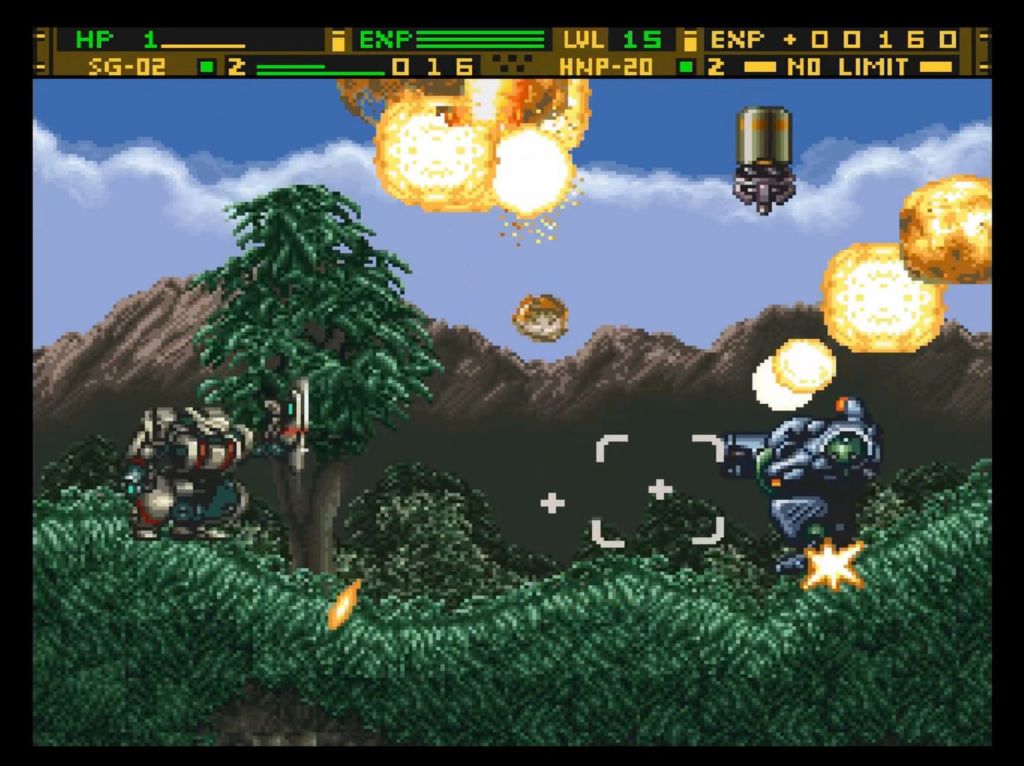
    Boss fights can be quite challenging but fun

    I’m on my third playthrough now, and I still can’t put it down.

    • The first time, I rushed through to see where the story went.
    • The second time, I focused on tweaking weapons and experimenting with different loadouts.
    • Now, on my third run, I’m slowing down, enjoying the story beats, and really letting it all sink in.

    I even tried playing it on my phone, but honestly, the button layout is perfect on the Miyoo Mini. It feels like this game was meant for that handheld. That’s where I’ve decided to keep playing it.
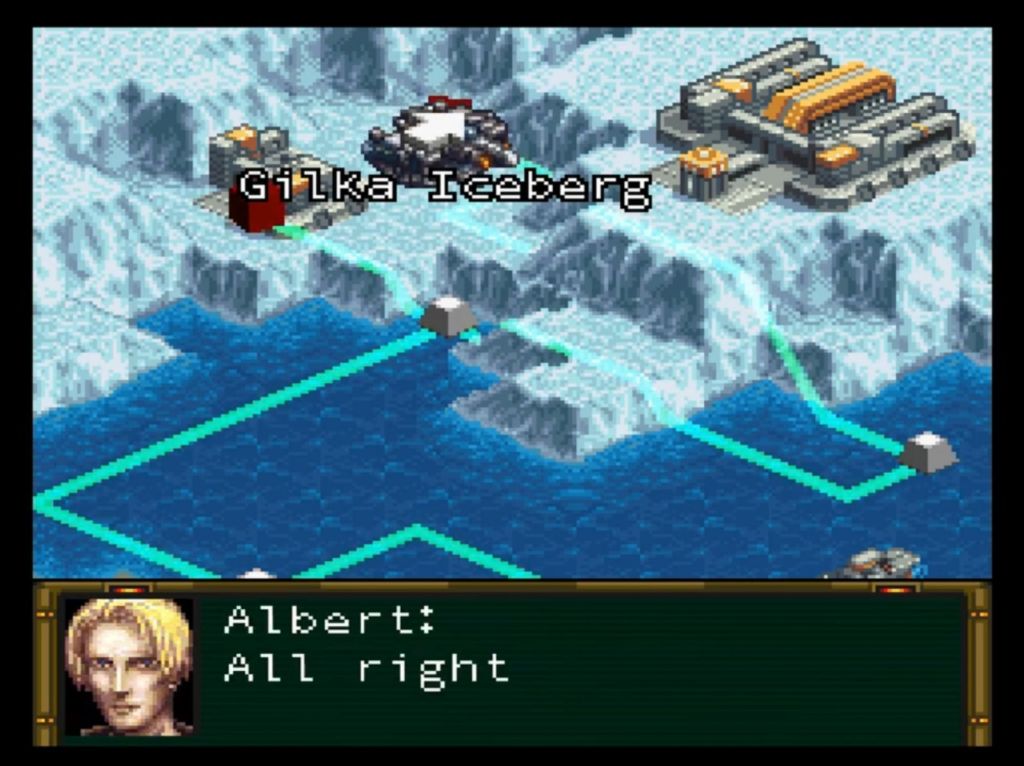
    Tactical map screen where you choose the missions to take, shop for weapons and upgrade s or take on side missions

    What keeps me coming back isn’t just the gameplay, but the mix of story, customization, and music. Even after finishing it, I still want to try new setups, explore missions in different orders, and revisit the world again. That’s rare for a retro title, and it’s what makes Gun Hazard such a special find.

    Closing thoughts
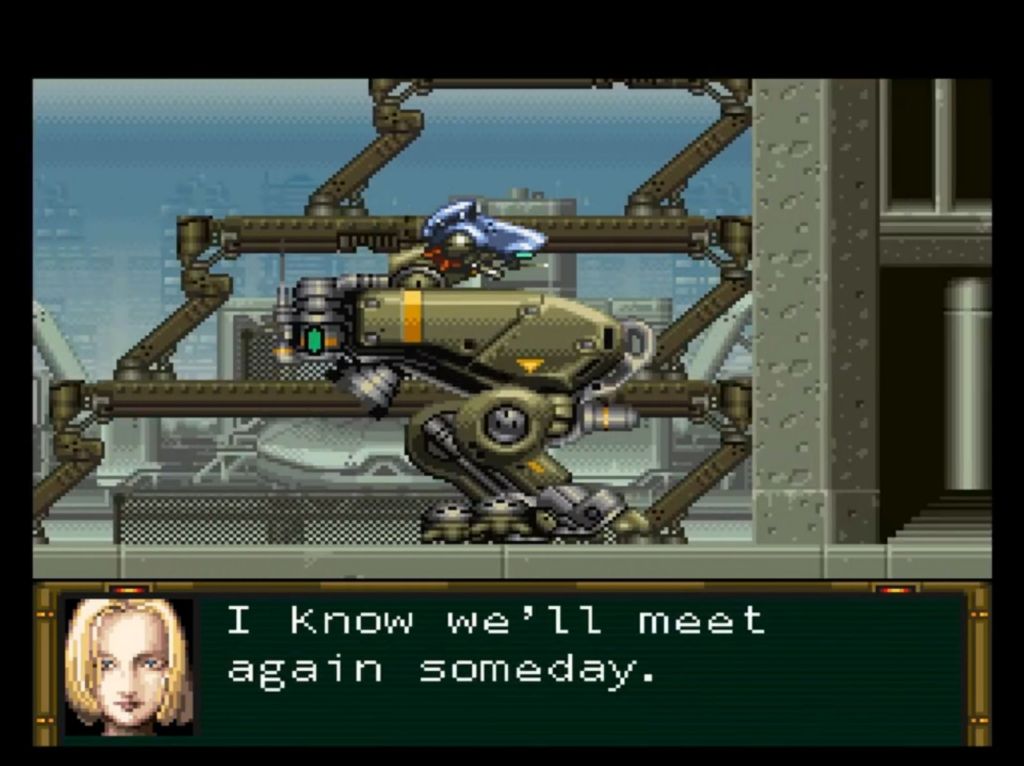
    Front Mission: Gun Hazard is a game I wish I had discovered years ago, but I’m glad I finally did. It’s a hidden gem that blends action, RPG depth, and storytelling in a way that feels timeless. Each playthrough offers something new, whether it’s experimenting with gear, savoring the narrative, or just soaking in the atmosphere.

    If you own a retro handheld, even a tiny one like the Miyoo Mini, this game is absolutely worth your time. It runs beautifully and feels like it was made for handheld play.

    One piece of advice: play it with headphones. The soundtrack was created by Nobuo Uematsu (Final Fantasy), Yasunori Mitsuda (Chrono Trigger, Xenogears), Masashi Hamauzu (Final Fantasy XIII), and Junya Nakano (Final Fantasy X). That lineup alone is legendary, and the way the score blends suspense with emotional depth gives the game an atmosphere far beyond the average 16-bit title.

    If you’re looking for a new retro experience—something different in the SNES library that still feels fresh today—give Front Mission: Gun Hazard a try. Fire it up, put on some headphones, and let yourself be pulled into one of the most memorable rides the Super Famicom ever offered.
    And of course, huge thanks to Aeon Genesis. Without their fan translation, this gem might have stayed locked away in Japan forever.
  • 30 Lives Later: The Konami Code and My Contra Memories

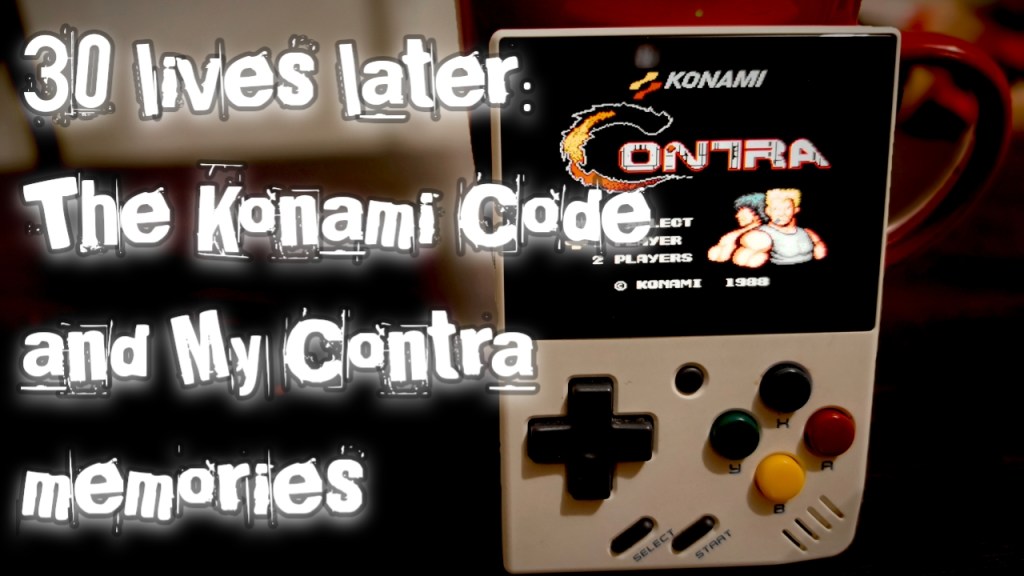
    30 Lives Later: The Konami Code and My Contra Memories

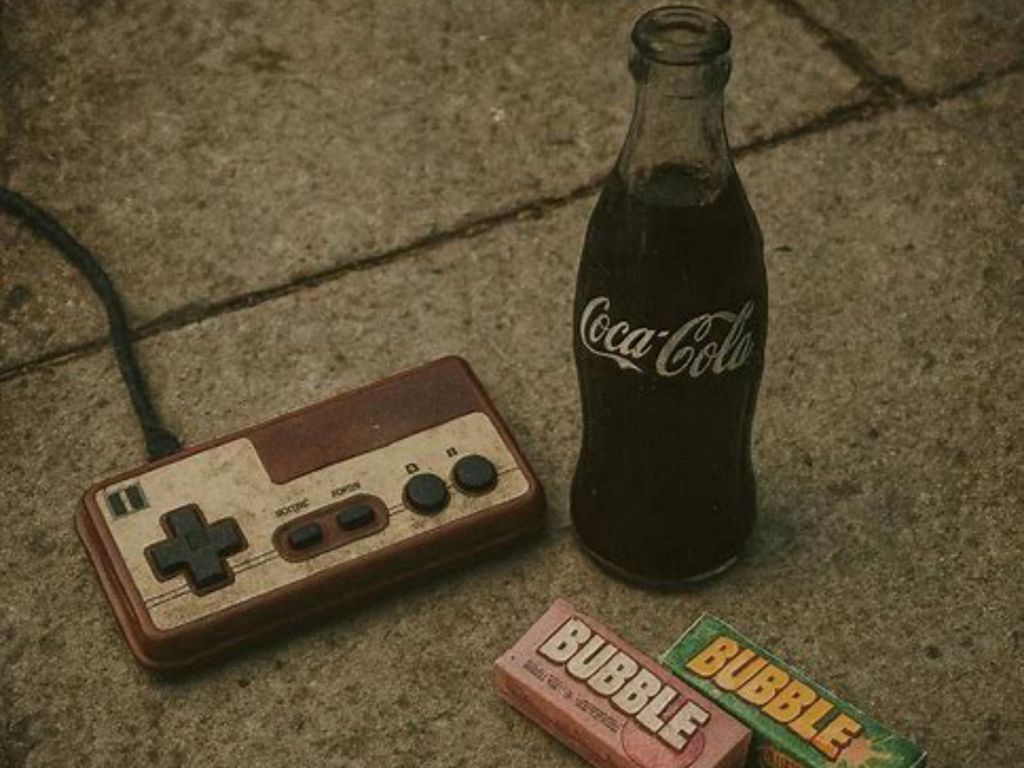
    If you grew up gaming in the late ’80s or early ’90s, chances are you’ve heard of the Konami Code. For many of us, it wasn’t just a cheat code—it was a rite of passage. And for me, it all started with a bottle of Coke, two packs of bubblegum, and a little red Famicom.

    The Coke-and-Gum Deal That Changed Everything

    Weekends at my house always meant Contra. My cousin and I would play for hours, but there was one problem—he was two years younger, and his hand-eye coordination was terrible. He’d blow through his two lives in minutes, then respawn using mine, and before long we’d both get wiped out at the dreaded waterfall stage.

    This was the pre-internet era, when game secrets were traded like playground currency. One afternoon at a local “computer shop,” we noticed this one kid tearing through Contra like he had an infinite number of lives. No matter how many times he went down, he just kept coming back—calm, confident, unstoppable.

    Naturally, we had to know his secret. After some bargaining, he finally agreed to share it—if we paid up. Our final offer? One cold bottle of Coke and two packs of bubblegum.


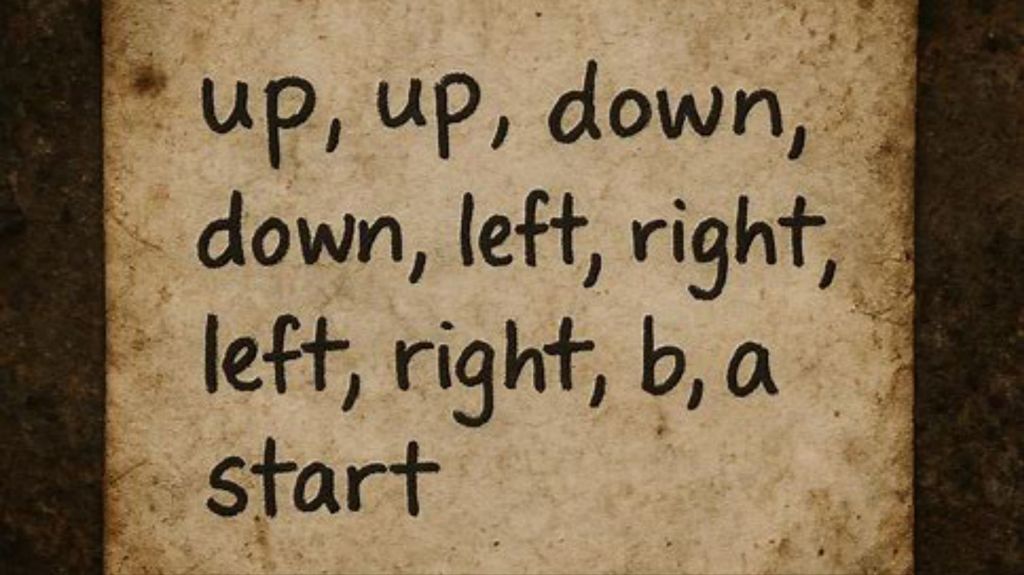
    After our transaction, he pulled out a tiny folded scrap of paper covered in pencil marks. It read:

    Up, Up, Down, Down, Left, Right, Left, Right, B, A, Start.

    Turning Contra into Dark Souls?

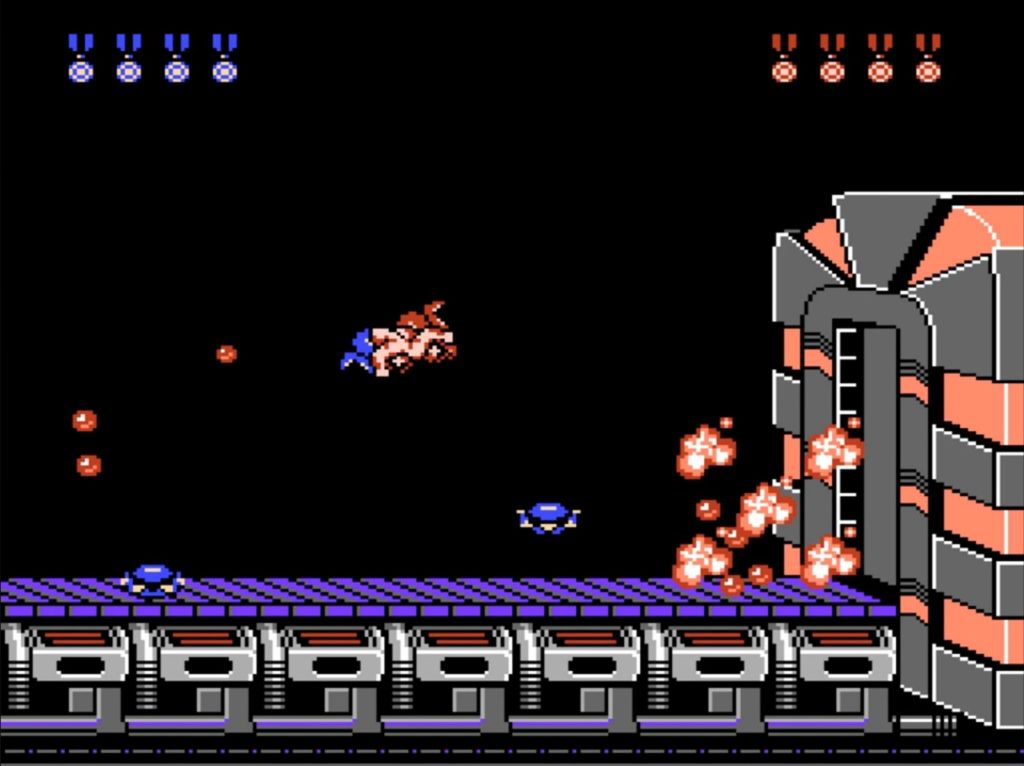
    We were broke after the bribe, so instead of playing at the shop, we sprinted home and fired up the red Famicom. After a few failed attempts, we finally nailed the input, and suddenly there it was—30 lives staring back at us on the screen.

    In that moment, Contra wasn’t the same game anymore. It stopped being a careful, punishing platformer and turned into absolute madness. We weren’t just trying to beat levels—we were seeing who could pull off the craziest stunts or rack up the dumbest “epic death.” Looking back, it felt like we’d turned Contra into the Dark Souls of dumb fails, and the funny part there was we loved every minute of it.

    From Test Tool to Gaming Icon

    The Konami Code wasn’t meant to be legendary. Developer Kazuhisa Hashimoto originally created it in 1986 while testing Gradius on the Famicom. He added extra lives to make debugging easier and forgot to remove the code before release. Konami decided to leave it in, and before long it became a running tradition in their games.

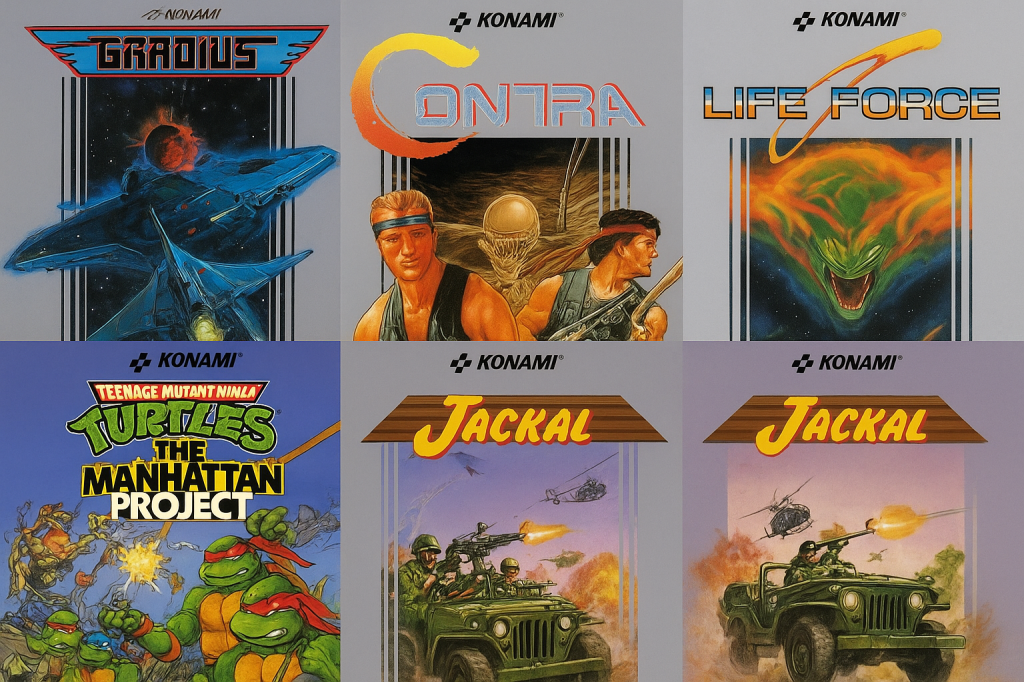
    Contra made the code famous, but it popped up in all kinds of Konami titles—Castlevania, Teenage Mutant Ninja Turtles, Metal Gear—and later escaped gaming altogether, appearing in websites, TV shows, and even Fortnite.

    A Cheat Code That Became a Memory

    Decades later, the Konami Code is more than a set of button presses—it’s a piece of gaming history. For retro gamers, it’s a badge of honor, a reminder of a time when secrets spread by word of mouth, scraps of paper, or in my case, a Coke-and-gum trade.

    For me, the Konami Code will always bring back that memory: two broke kids, a red Famicom, and the day we discovered that 30 lives could turn a tough-as-nails shooter into the most fun chaos we’d ever had.

  • Top 10 Nes games to play on the Miyoo Mini

    Top 10 Nes games to play on the Miyoo Mini

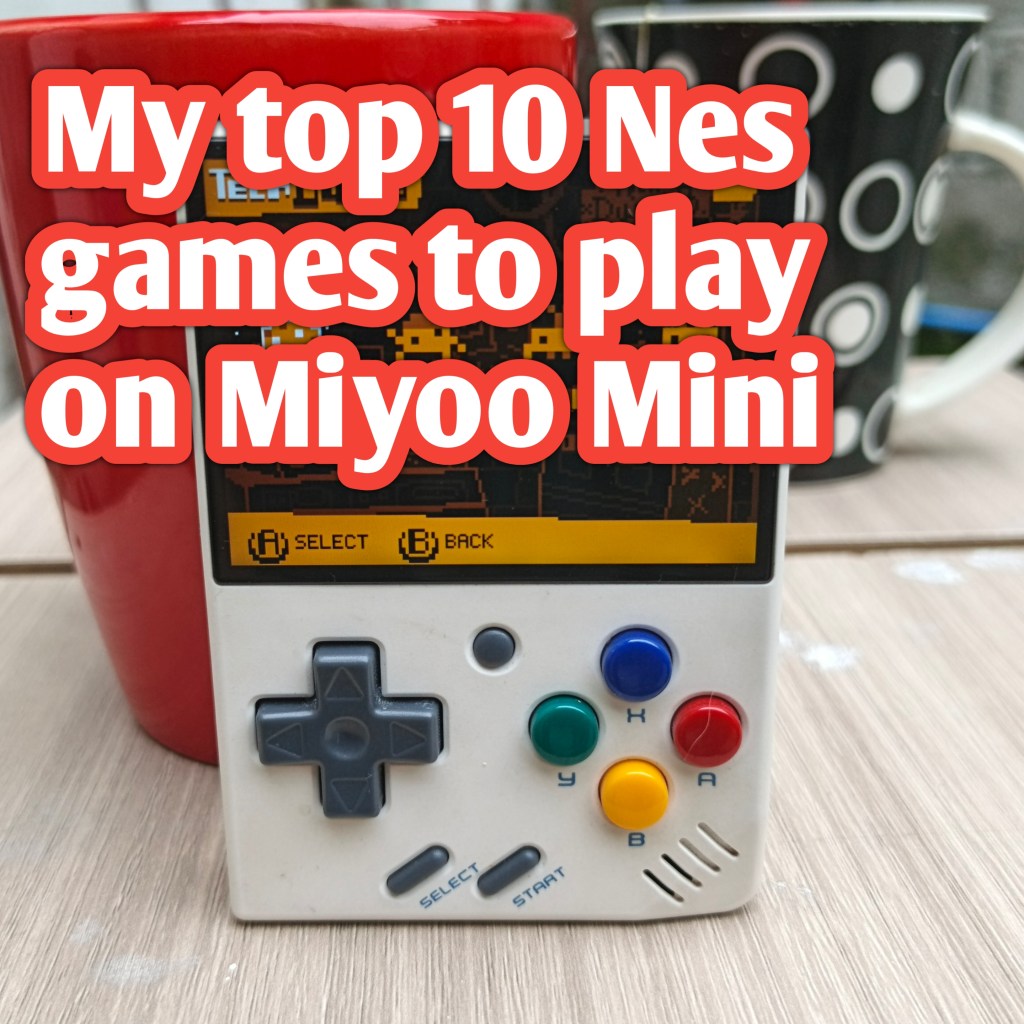
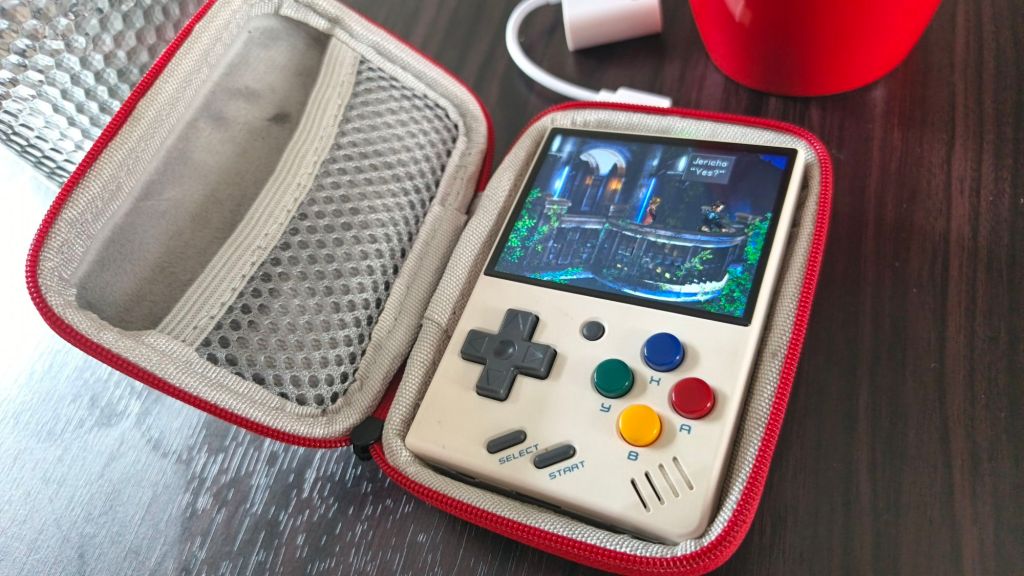
    Just because the Miyoo Mini can emulate retro games really well doesn’t mean all of these games are playable or offer the best experience on this handheld. We have to take into consideration the 2.8″ display screen, the button layout, and overall ergonomics. With that said, here are my top 10 NES games to play on the Mini.

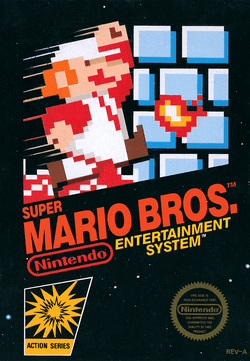
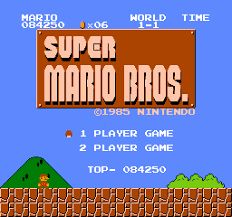
    10. Super Mario Bros. (JP: Sept 1985, US: Oct 1985)

    The first on this list is an all-time classic. Super Mario Bros. put Nintendo on the map and gave birth to the Mario franchise that endures to this day.

    The Mini’s small screen isn’t much of an issue while playing since you can see where you’re going pretty easily, and the game’s 8 world structure with optional warp zones means you can finish the entire adventure before the Mini’s control layout becomes cramped in your hands. If you’re looking for something you can complete in one sitting, then Super Mario Bros. is the game for you.

    **Fun Fact:** The character was originally called “Jumpman” and was renamed Mario after Nintendo of America’s landlord, Mario Segale.

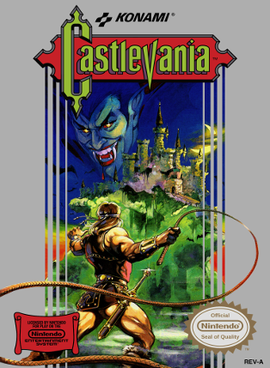
    Castlevania (JP: Sept 1986, US: May 1987)

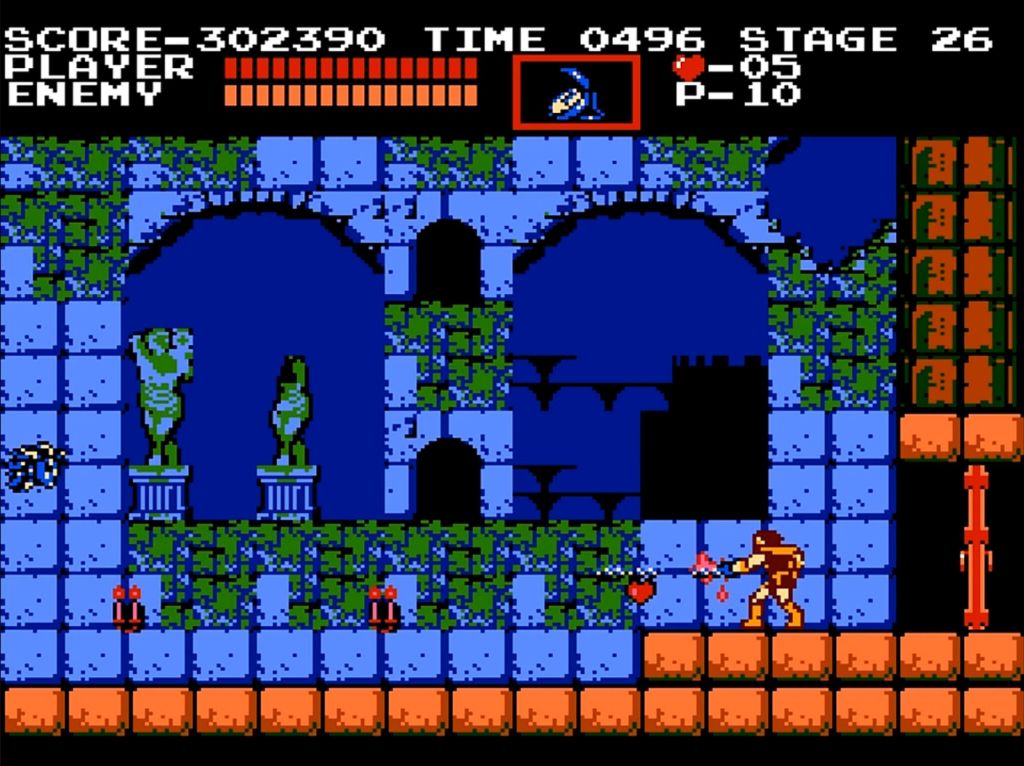
    Castlevania is one of the games I got hooked on growing up. It’s a 2D platformer but more action-focused, and it was a really addictive game back in the day. I had to learn about the lore through those old game magazines and my imagination while playing.

    With the NES’s 2-button layout, the game is very playable on the Miyoo Mini, and the small screen won’t strain your eyes since there’s not much dialogue text to read. The gothic atmosphere and tight controls translate perfectly to the handheld format.

    **Fun Fact:** The original Castlevania was inspired by classic Universal Monster movies from the 1930s and 40s.

    Contra (JP: Feb 1987, US: Feb 1988)

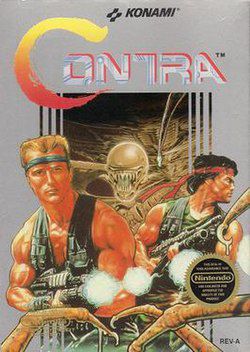
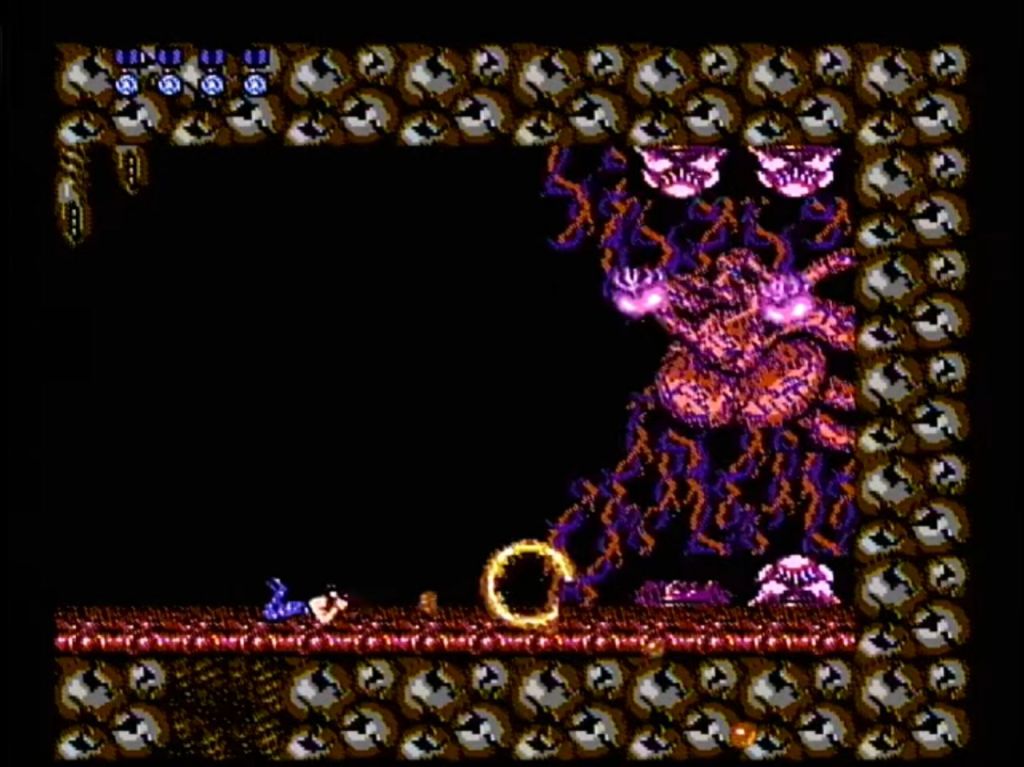
    Contra admittedly is best played with 2 players, but that doesn’t mean it’s not good playing solo. This game spawned dozens of clones and hacks, but the classic Contra is by far the best in my opinion.

    The controls and screen on the Miyoo Mini don’t hamper the game experience even when things get hectic, and it’s a perfect game to play and finish on the portable system.

    **Fun Fact:** Contra is home to the legendary Konami Code (Up, Up, Down, Down, Left, Right, Left, Right, B, A, Start), which grants you 30 lives instead of the brutal default of 3.

    Mega Man 2 (JP: Dec 1988, US: Jul 1989)


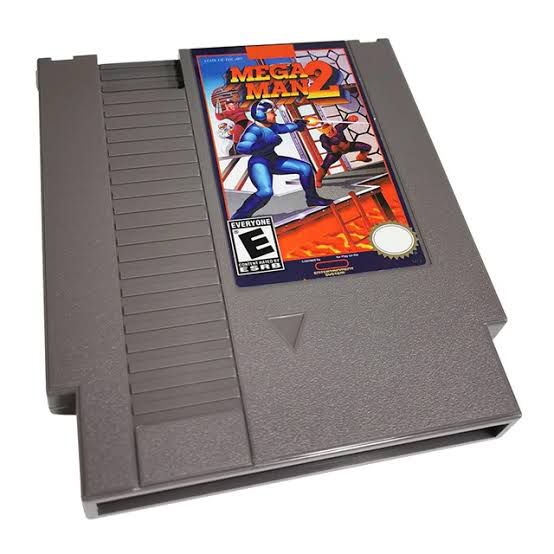
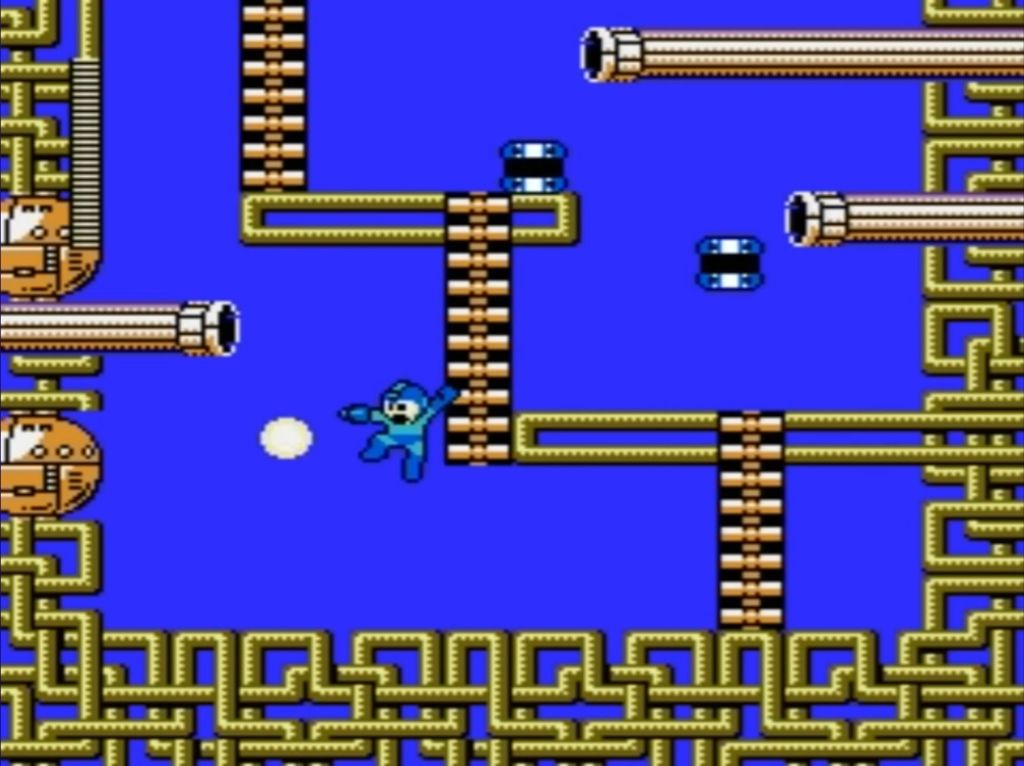
    With 3 Mega Man games on the NES, my pick is Mega Man 2, and it’s not just because of the gameplay but the incredible sound and vibe of the game. I usually play this for the nostalgia factor, and if we’re talking about NES emulation, then this is by far the best option.

    Difficulty-wise, the game is brutal with its precise button inputs for jumping. I don’t know if you can actually finish the game on the Miyoo Mini with its cramped controls, but it’s still a worthwhile experience, especially if you use the Miyoo’s save state feature.

    **Fun Fact:** The infamous US box art showed a middle-aged man in yellow armor that looked nothing like Mega Man. This became so legendary that Capcom included him in Street Fighter X Tekken.

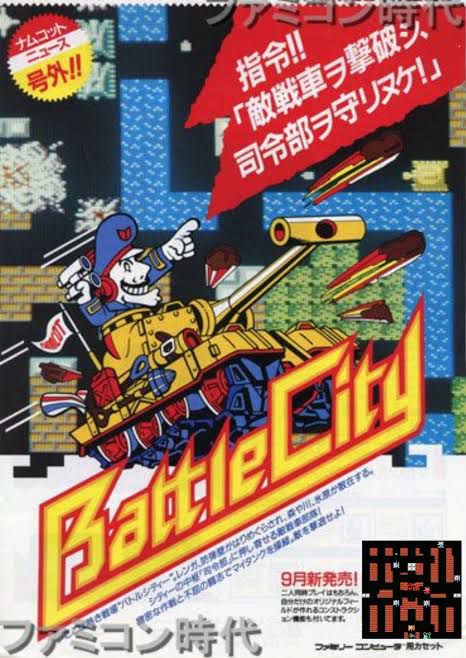
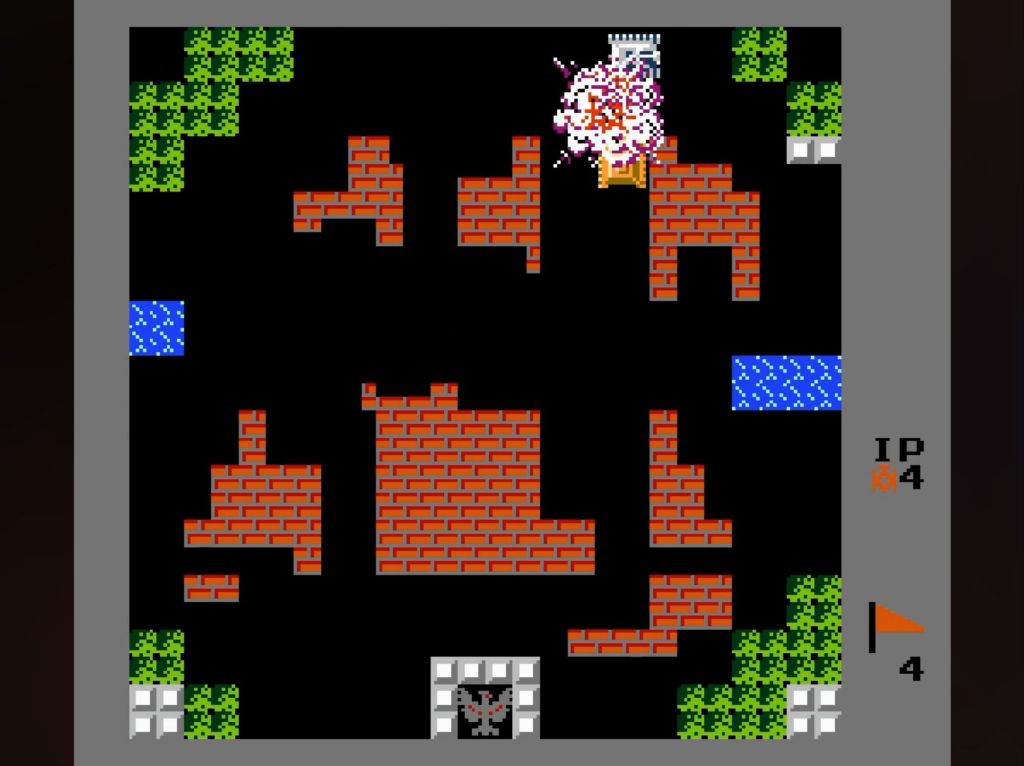
    Battle City (JP: Sept 1985, US: Not Released)

    Another game that’s best played in co-op and spawned multiple hacks even during the NES era. I had a hard time looking for the original NES ROM with all the mods available – from starting with metal walls to having upgraded enemies that can use power-ups.

    This recommendation is perfect for short bursts of gameplay throughout the day. I usually play this while commuting to places like the grocery store or appointments. The small screen and button layout is actually an advantage since you’re just using the direction pad and one button for firing.

    **Fun Fact:** Battle City was hugely popular in Eastern Europe and Russia, where it’s often considered one of the greatest NES games of all time.

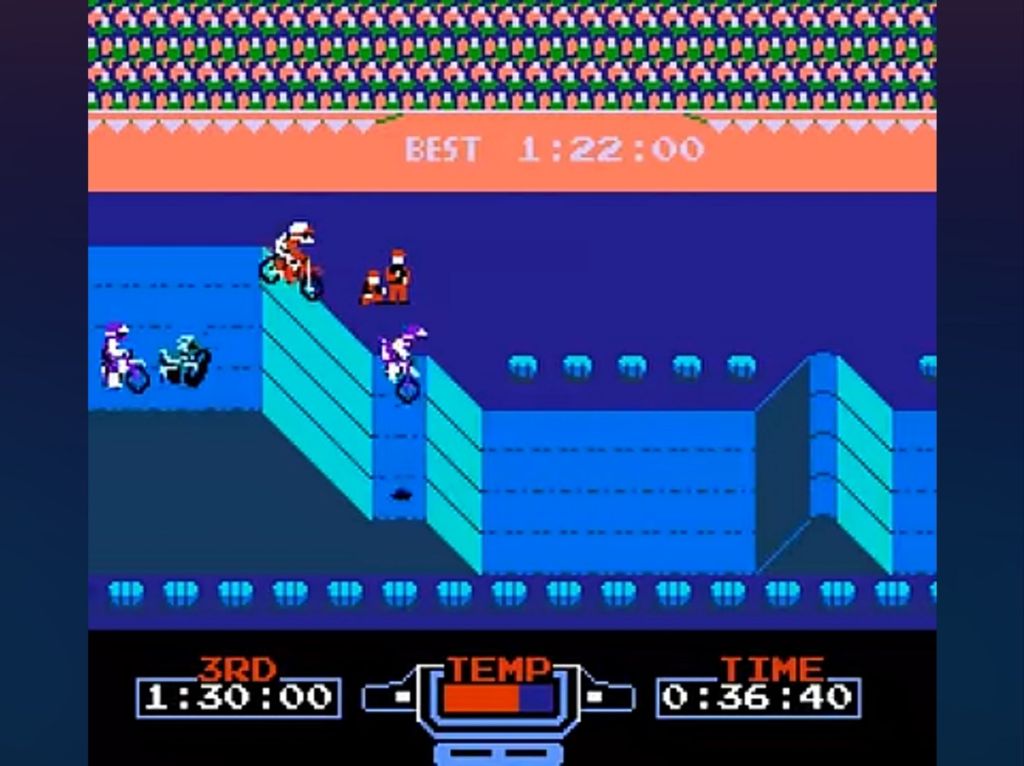
    Excitebike (JP: Nov 1984, US: Oct 1985)

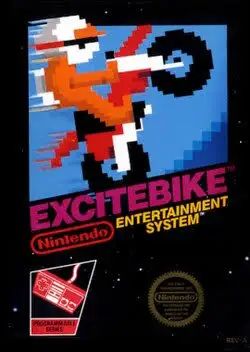
    Sure, there are racing games that are good on the NES, but my pick is Excitebike. One thing that stands out is the design creator where you can make your own course, and with the Miyoo’s save state feature, you can replay your course without worrying about it being deleted.

    Easy controls and very easy to pick up and play – the only skill you need to learn is when to use turbo versus normal speed without your bike overheating. Perfect for the Miyoo Mini.

    **Fun Fact:** Excitebike was one of the 18 NES launch titles and featured one of the earliest console track editors, pioneering user-generated content decades before it became mainstream.

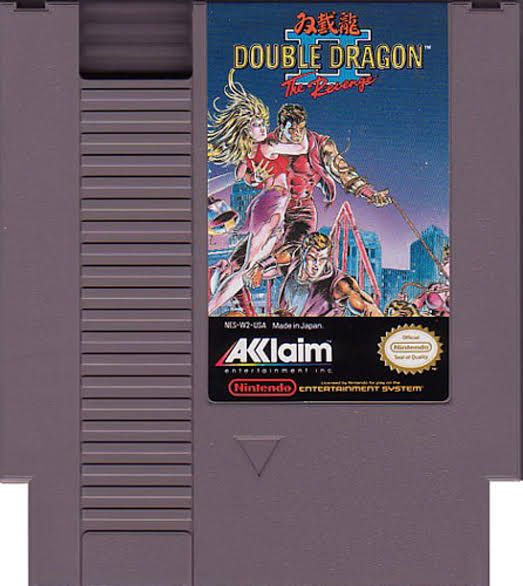
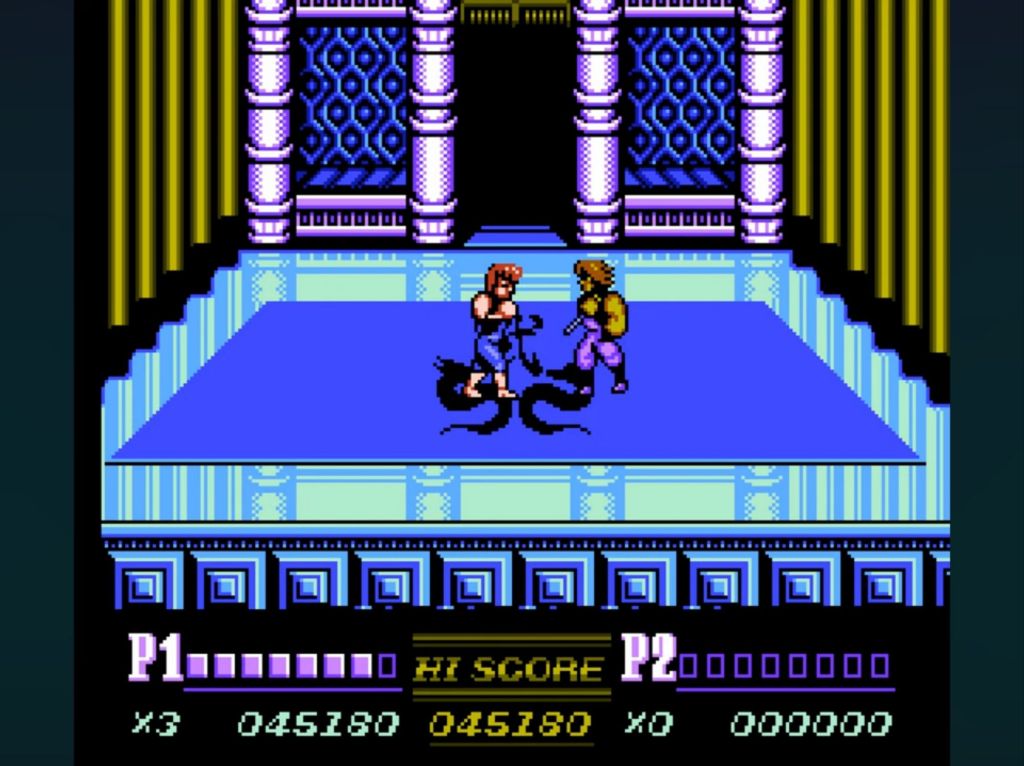
    Double Dragon 2 (JP: Apr 1989, US: Jan 1990)

    Switching up to beat ’em ups, my pick would be Double Dragon 2 (Double Dragon 1 was my first choice, but I got a bad ROM that doesn’t run on my Miyoo). It’s your classic beat ’em up with button inputs depending on where you’re facing – B attacks left, A attacks right, and pressing both makes you jump.

    What makes it stand out is the story, which was pretty dark for its time. Billy’s girlfriend was killed by a shadow organization, and now it’s up to the Lee brothers to avenge her. The side-scrolling action works perfectly on the portable format.

    **Fun Fact:** Double Dragon 2 controversially removed two-player co-op from the main story, making players fight each other after completing single-player. This was so unpopular that future entries returned to co-op.

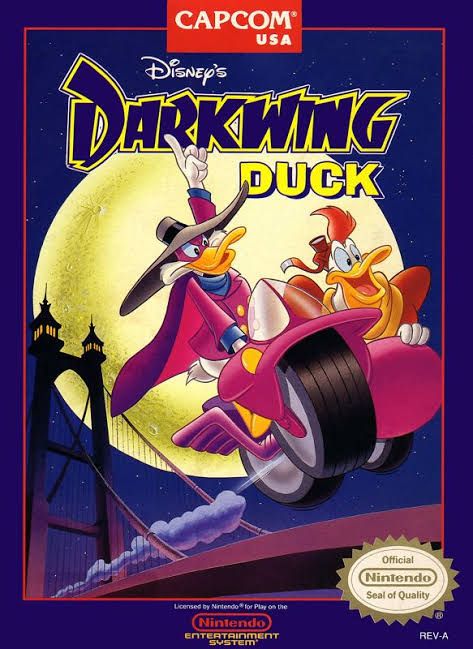
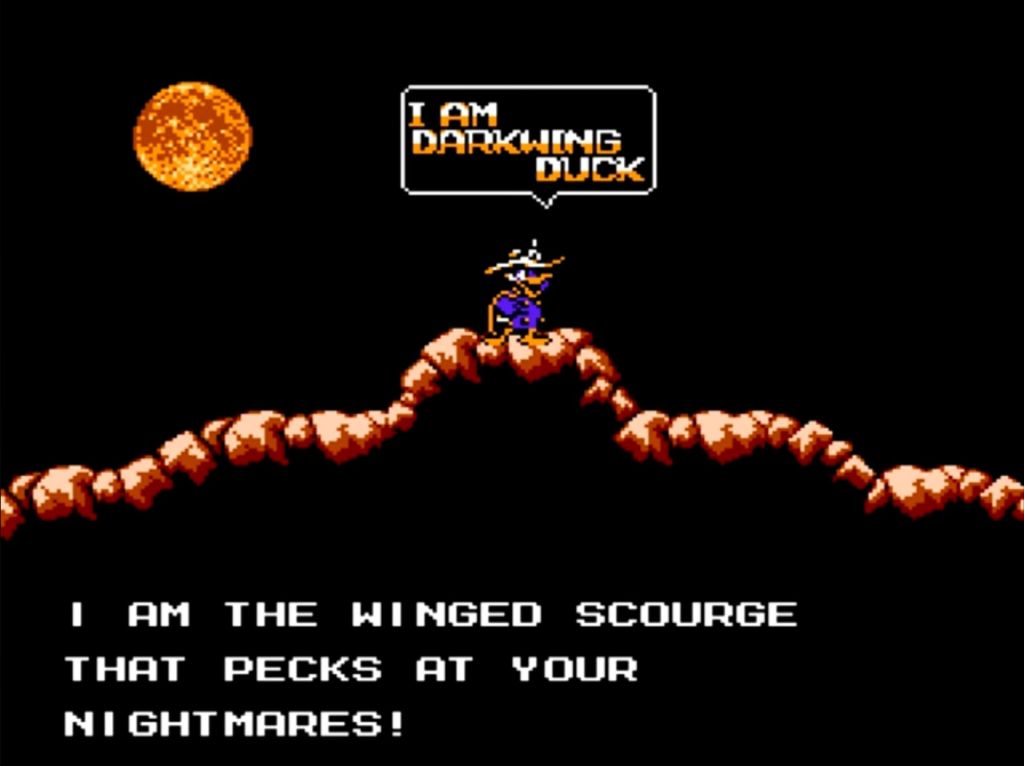
    Darkwing Duck (JP: Not Released, US: Jun 1992)

    Being a fan of the Darkwing Duck cartoons, it’s no secret that I’d choose this NES game. A side-scrolling platformer with a Batman-like hero using gadgets was quite enjoyable back in the day. Playing it on the Miyoo Mini now is more enjoyable than when I first played it as a kid.

    I didn’t get to enjoy this game as much as I wanted before since the cartridge conked out on me just a few days after I got it. As soon as I got the Miyoo Mini, I looked for this ROM first. The colorful graphics look great on the small screen.

    **Fun Fact:** Darkwing Duck was developed by Capcom using the same engine as the Mega Man series, which explains the tight, polished gameplay.

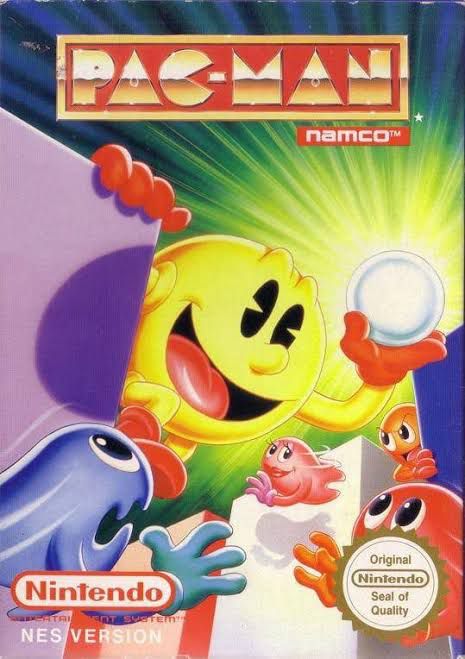
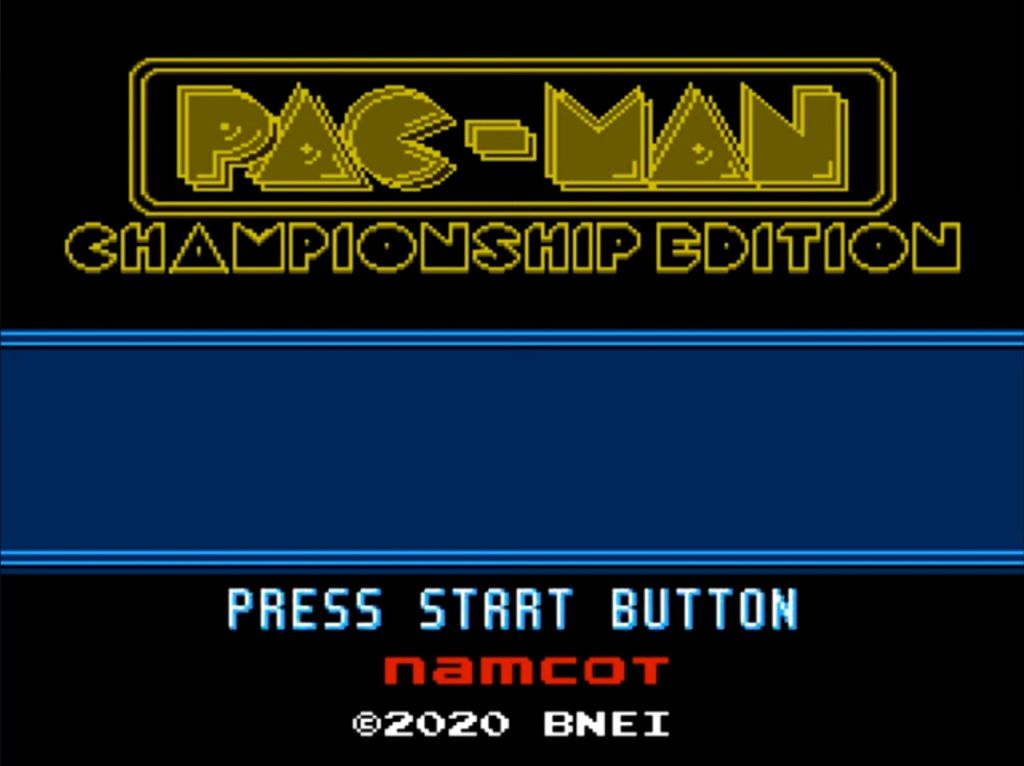
    Pac-Man Championship Edition (ROM Hack)

    No top 10 NES game pick would be complete without Pac-Man. For my pick I’m recommending the Pac-Man Championship Edition ROM hack, which tries to emulate the modern version on the NES and is one of the greatest Pac-Man experiences available.

    You might think the small screen would be difficult, but based on experience, it’s just the perfect size to see the tight corners and dots you need to grab. The Miyoo’s controls are super responsive with no false inputs whatsoever.

    **Fun Fact:** The original Pac-Man Championship Edition was created by series creator Toru Iwatani in 2007, over 25 years after the original game.

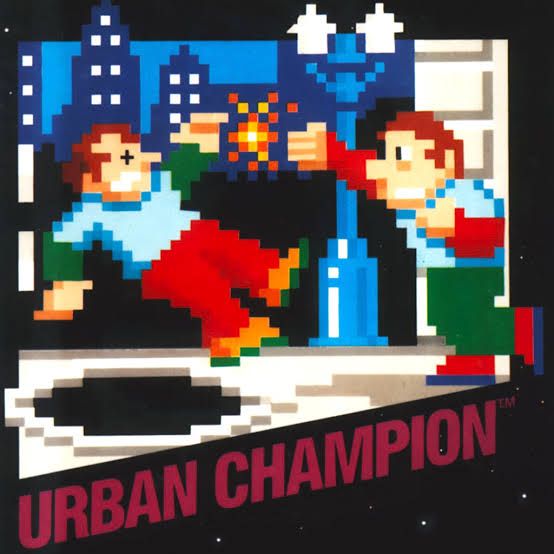
    Urban Champion (JP: Nov 1984, US: Aug 1986)

    Let me just say that this list is in no particular order, and I’m sure others will complain that I didn’t include their favorite games like Ghosts ‘n Goblins, Dragon Warrior, or Final Fantasy. Here’s the thing – those are great games, but I think they’re much better experienced on a bigger screen, so if I offended anyone, sorry, but this is my list.

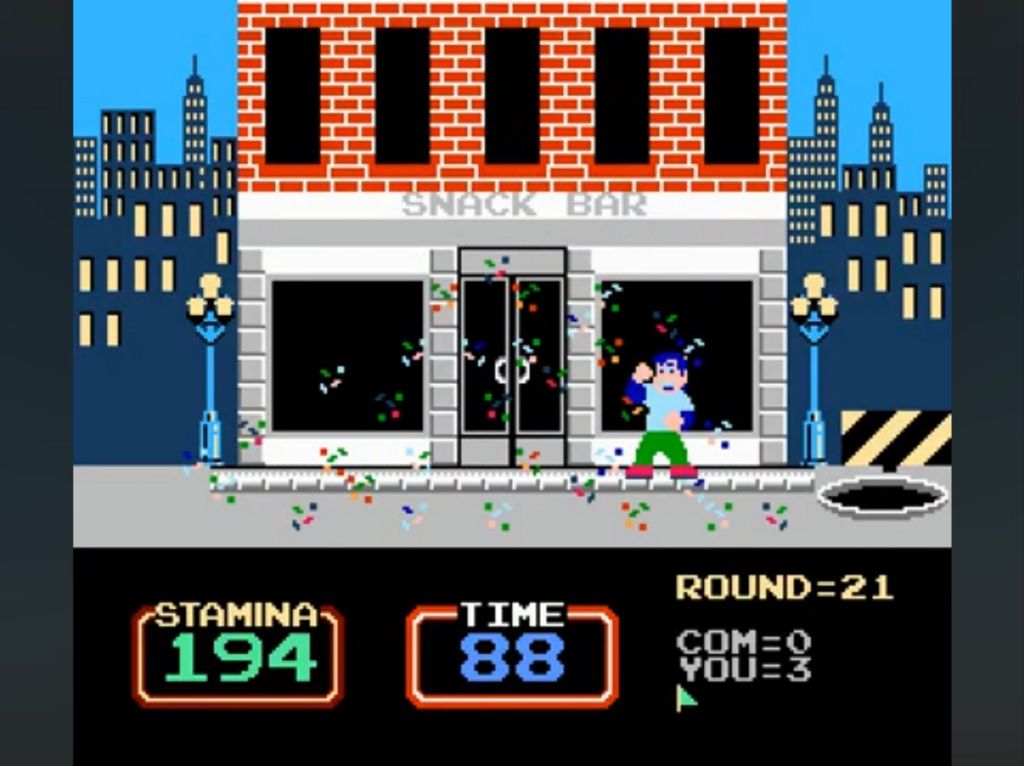
    Last one is another game that works best with 2 players, but as a single player experience this also translates well on the Miyoo Mini. Urban Champion is a fighting game where you and the computer beat each other up in the middle of the street. There are no life bars, just stamina. A round ends if you beat your opponent to their side of the screen.

    There are police cruisers passing by from time to time, so you should avoid fighting unless you want a trip to jail. Also avoid neighbors throwing potted plants from windows above. Simple game with no story, but the gameplay is somewhat addictive in my opinion.

    **Fun Fact:** Urban Champion was one of Nintendo’s earliest fighting games from 1984, and it’s often considered one of the worst NES games ever made – but that’s exactly what gives it cult appeal.


    Conclusion

    The Miyoo Mini proves that great gaming experiences don’t always need the biggest screen or the most complex controls. These 10 NES classics showcase how perfectly suited retro games are for portable play, whether you’re looking for quick arcade action or longer adventure sessions with save states to help you through the tough spots.

    What makes these picks special isn’t just their quality as games, but how well they adapt to the Mini’s form factor. From the responsive controls of Pac-Man Championship Edition to the simple joy of creating tracks in Excitebike, each game feels like it was meant to be played on a handheld device.

Design a site like this with WordPress.com
Get started