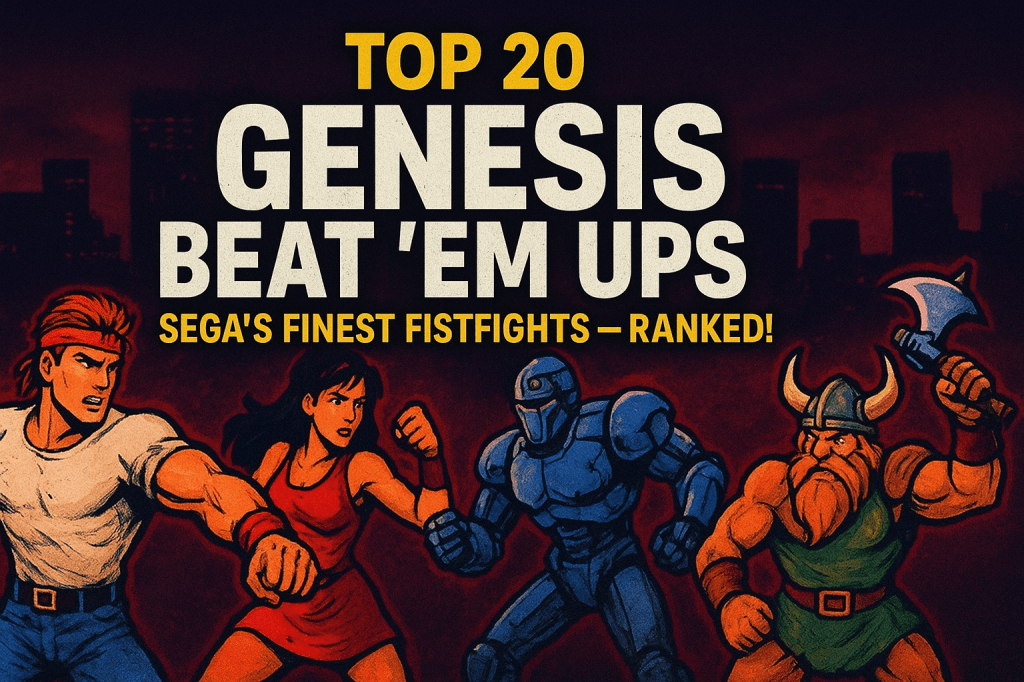
I made this list originally for my Miyoo Mini, that pocket-sized retro handheld that’s perfect for quick gaming breaks. These Genesis titles are ideal for short bursts — just enough time to clear a few stages, save, and come back later. Of course, you can play them on PC or mobile too, but the Miyoo Mini makes them shine in bite-sized sessions.
This is my countdown of the Top 20 Sega Genesis-exclusive (and Japan-only) beat ’em ups, ranked from 20 to 1. One game per franchise, all of them packed with that 16-bit energy Sega was known for.
20. Shadow Blasters (1990)
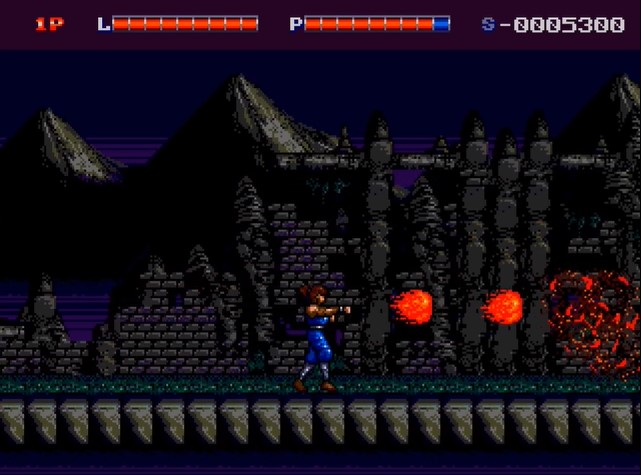
If you’ve never heard of Shadow Blasters, don’t worry you’re not alone. This Genesis-exclusive action brawler lets you switch between four warriors, each harnessing elemental powers to clean up a post-apocalyptic Earth. It’s rough around the edges, but the variety and frantic pace make it a hidden gem for Miyoo Mini short sessions.
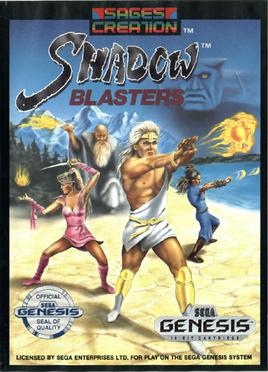
Fun fact: The game was published by Sage’s Creation, one of the first companies to localize smaller Japanese titles for the Genesis — giving us oddball cult classics like this one.
19. Battle Mania: Daiginjou (1993, Japan)
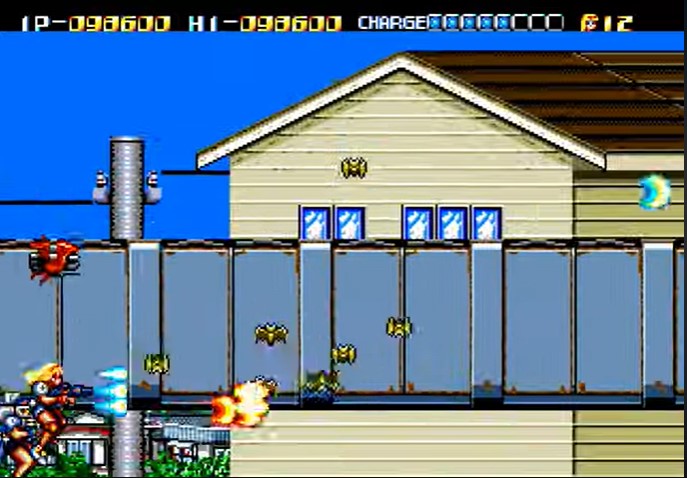
Technically a shooter, but its crazy boss fights and melee energy fit right in here. Bursting with attitude and chaotic energy — pure early ’90s Sega spirit.
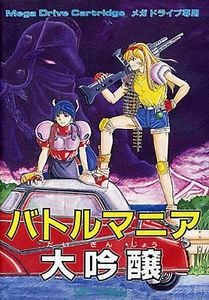
Fun fact: It was developed by a small all-female team at Vic Tokai, which was unusual for the time.
18. Golden Axe III (1993, Japan)
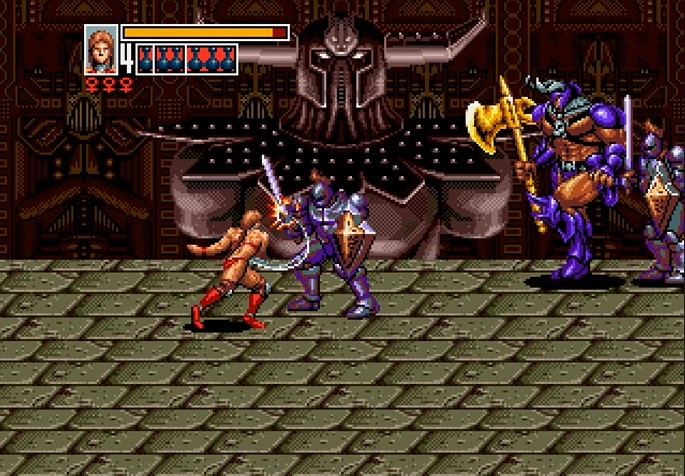
The last Genesis Golden Axe game, never officially released in the West. It adds new moves and smoother animation, even if it lacks the polish of II.
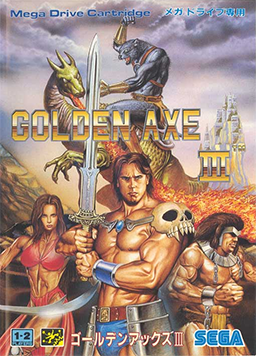
Fun fact: It was originally meant for international release, but Sega of America rejected it for being “too similar” to its predecessors.
17. Yu Yu Hakusho: Makyo Toitsusen (1994, Treasure)
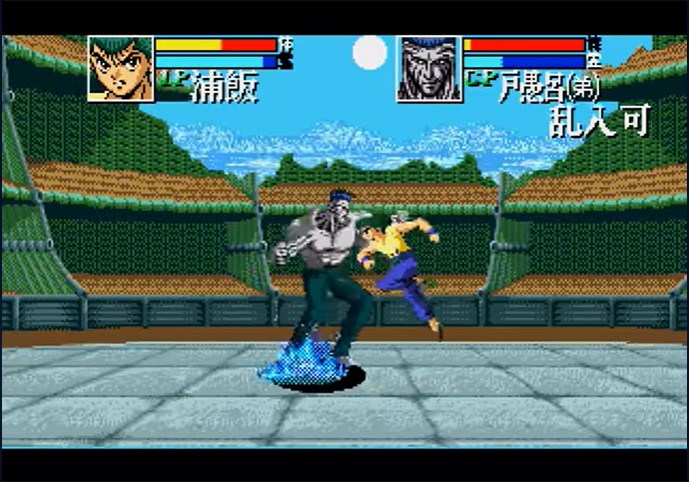
Four-player brawling madness with fluid animation and surprising depth. You don’t need to know the anime to have fun — just start swinging.
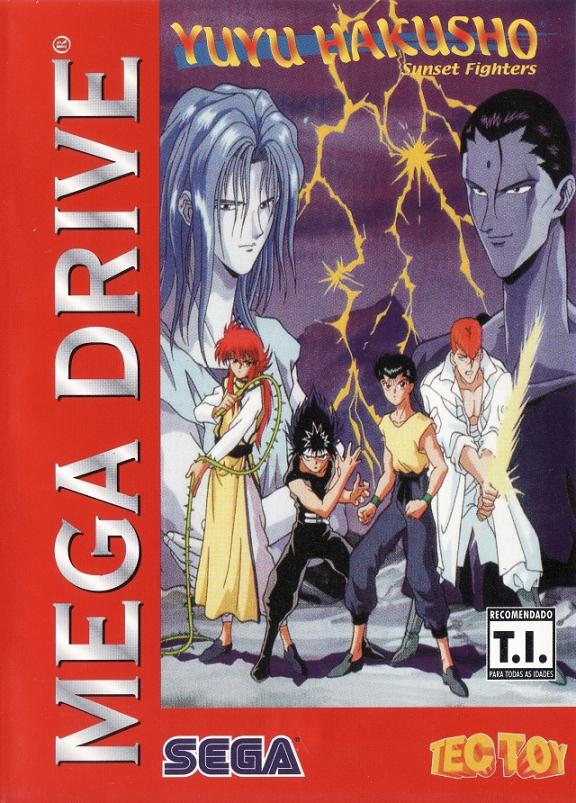
Fun fact: This was one of the first console games to allow four players to fight at once, predating Smash Bros. by years.
16. Ranger X (1993, Sega)
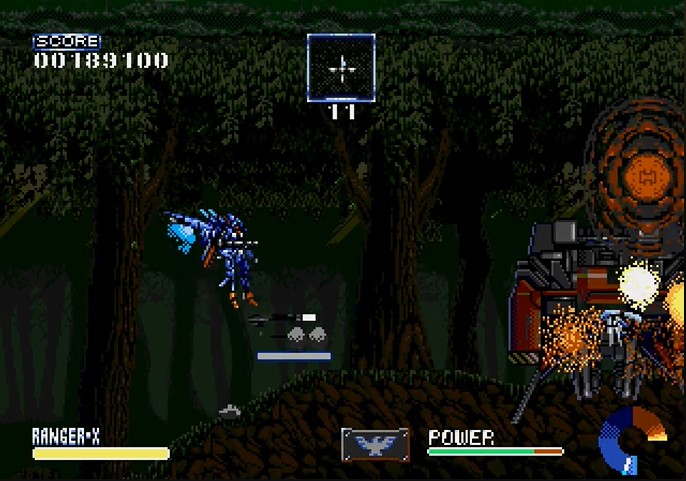
A mecha brawler that mixes shooting and close combat. Its visuals are still impressive today, and the controls are shockingly fluid for a Genesis title.
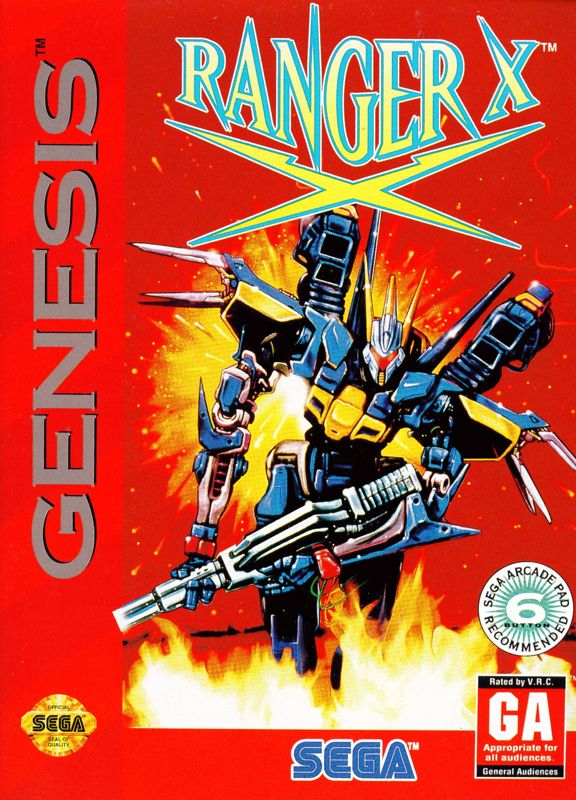
Fun fact: The developer, GAU Entertainment, created a custom tool to simulate lighting and shadows — years before the Genesis supported such effects.
15. Alien Soldier (1995, Treasure)
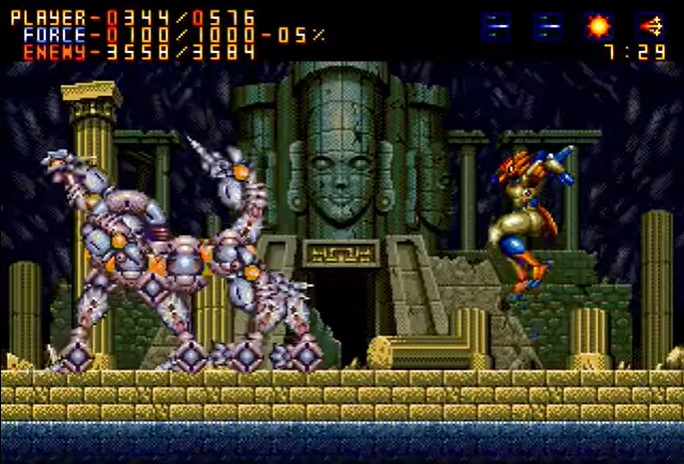
A boss rush masterpiece with lightning-fast combat and high difficulty. It’s short but intense, and perfect for quick bursts on the Miyoo Mini.
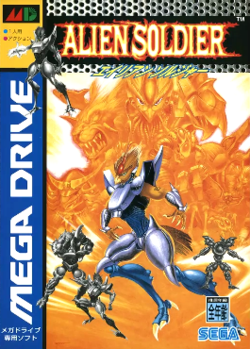
Fun fact: Treasure intentionally limited physical production in Japan, making original copies one of the rarest Genesis releases.
14. Sword of Vermilion (1990, Sega)
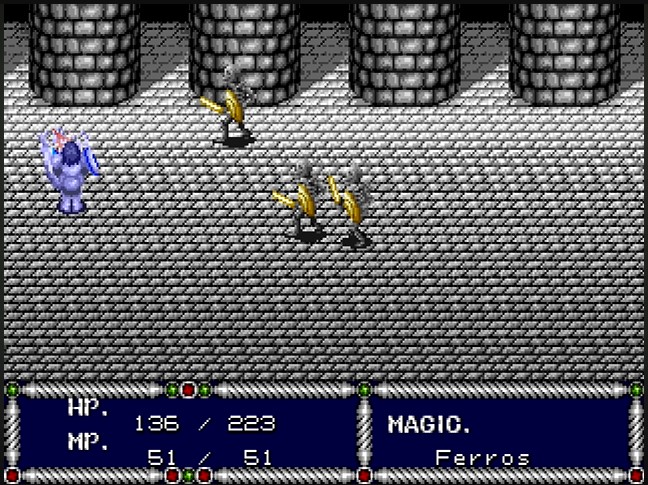
A strange mix of RPG and beat ’em up where battles shift into side-view brawls. It’s rough, but charming — a reminder of when Sega loved to experiment.
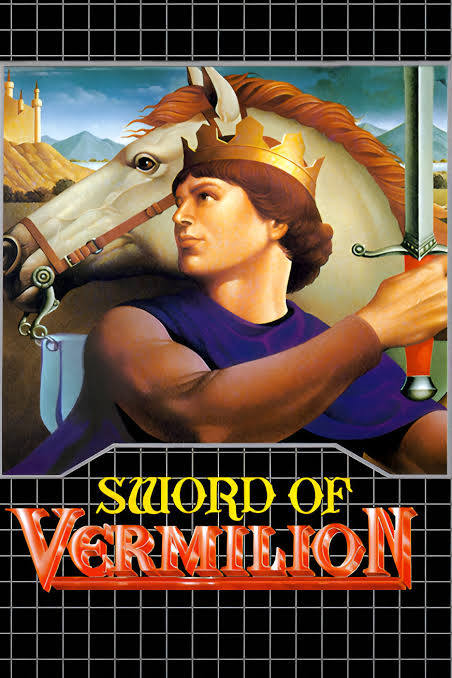
Fun fact: Yu Suzuki, the creator of Shenmue and OutRun, produced this game early in his career.
13. Shadow Dancer: The Secret of Shinobi (1990, Sega)
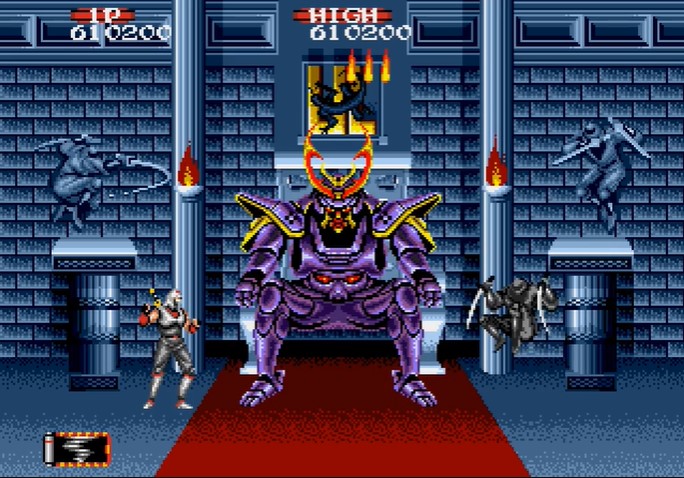
A slick ninja action game where your dog companion attacks enemies on command. It’s fast, satisfying, and plays beautifully in short sessions.
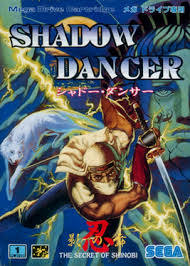
Fun fact: The Genesis version is completely different from the arcade release — a rare case where the home port is its own game.
12. Two Crude Dudes (1992, Sega)
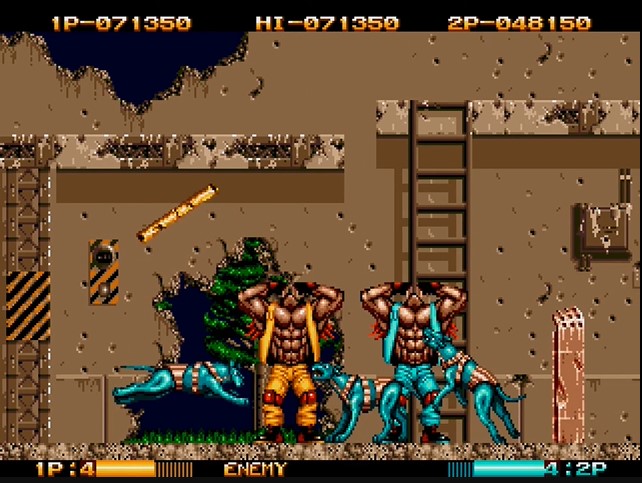
A loud, over-the-top brawler where musclebound heroes clean up a ruined city. You can lift cars and toss enemies around like ragdolls.
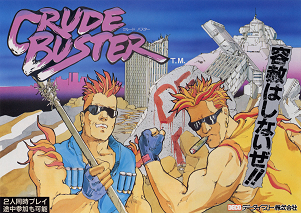
Fun fact: The game’s U.S. title was changed from Crude Buster to Two Crude Dudes to make it sound more like an action comedy.
11. ESWAT: City Under Siege (1990, Sega)
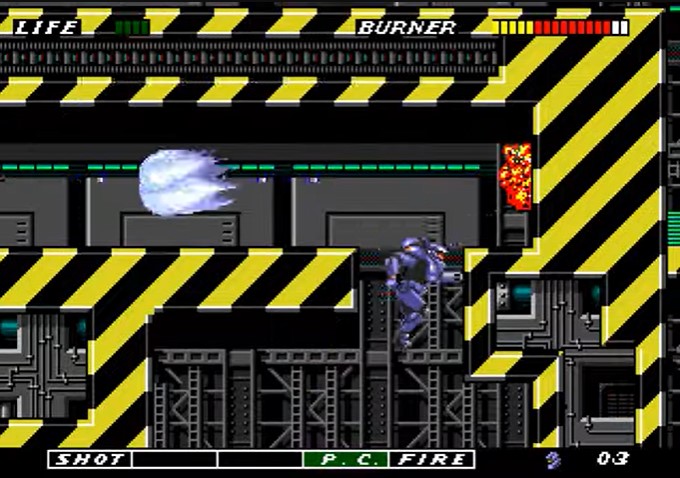
Half shooter, half brawler — you’re a cyber cop taking down gangs with heavy armor and a jetpack. It feels like Robocop with a Sega twist.
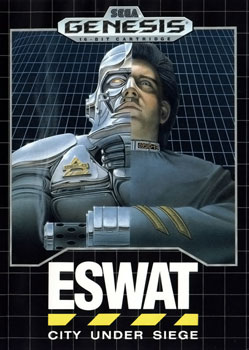
Fun fact: ESWAT began life as an arcade beat ’em up before Sega rebuilt it from scratch for Genesis as a more action-platformer hybrid.
10. Splatterhouse 2 (1992, Namco/Sega)
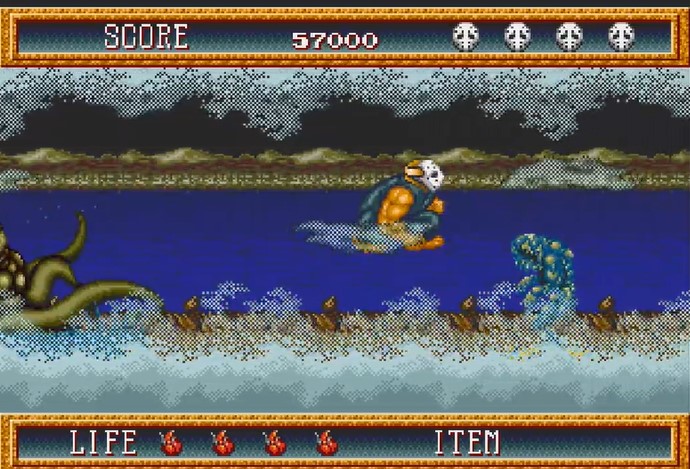
A gory, horror-themed brawler with simple mechanics and an unforgettable mood. It’s creepy, violent, and strangely satisfying.
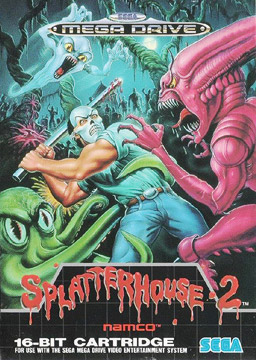
Fun fact: Sega toned down the gore slightly for the Western version, but fans later restored it through fan translations.
9. Last Battle (1989, Sega)
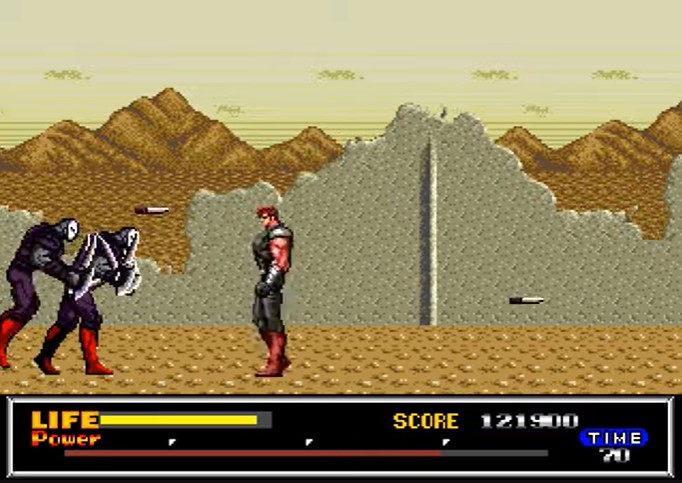
A launch title that wears its Fist of the North Star inspiration proudly — punch enemies and watch them literally explode. Primitive but iconic.
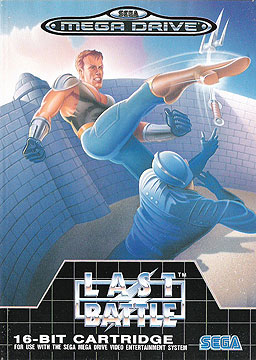
Fun fact: The Western release censored the blood and removed Kenshiro references, turning it into a completely new story.
8. The Hybrid Front (1994, Sega Japan)
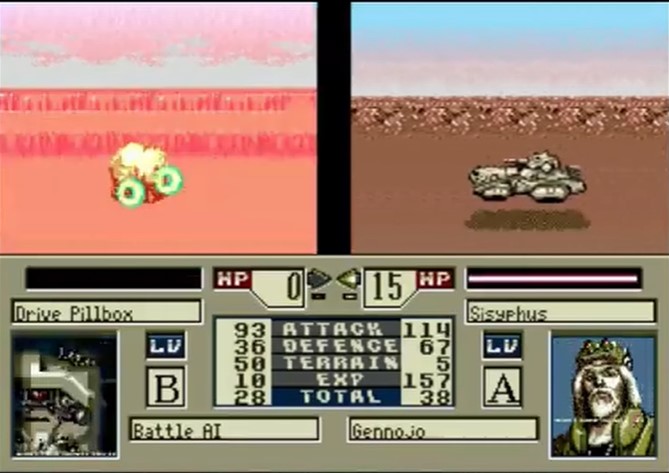
Part strategy, part brawler, and totally unique. It’s a strange mix that works best for players who like experimentation in their Genesis games.
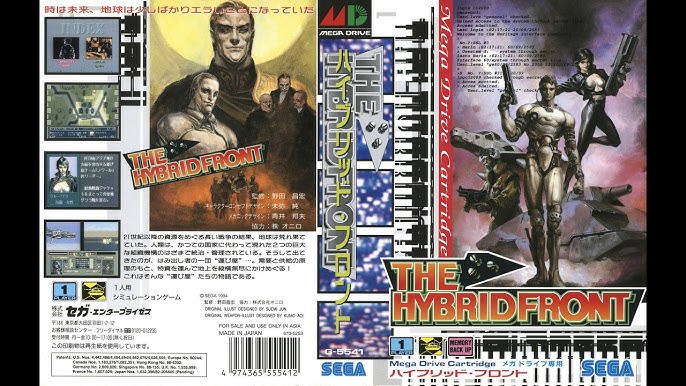
Fun fact: Sega’s internal dev team reused parts of its code years later for Shining Force II’s tactical systems.
7. Mazin Saga: Mutant Fighter (1993, Sega)
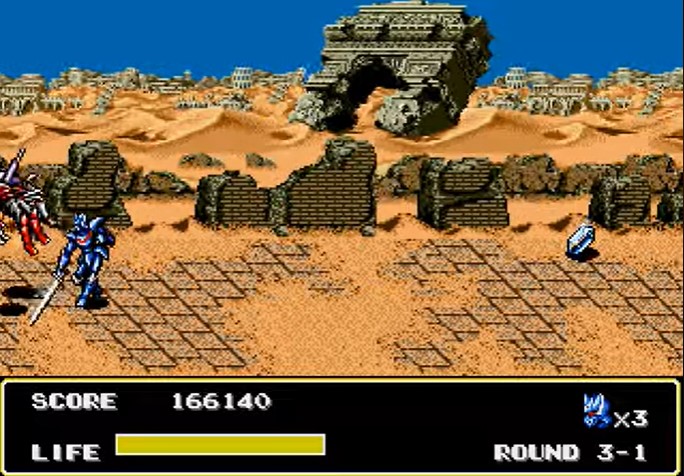
A hybrid of side-scrolling combat and giant robot duels. You fight as a human first, then transform into a mech for boss battles.
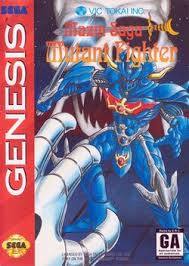
Fun fact: The game is based on Go Nagai’s manga Mazin Saga, which was still running in Japan when this came out.
6. Cyborg Justice (1993, Sega)
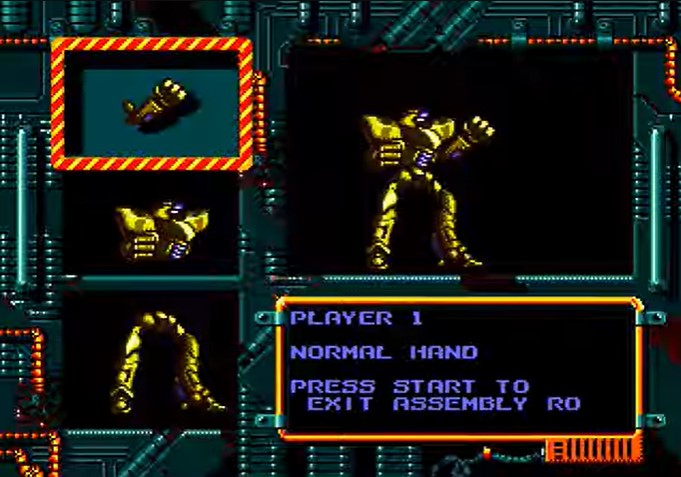
You build your own robot fighter, rip off enemy parts, and graft them onto yourself. It’s chaotic but addictive.
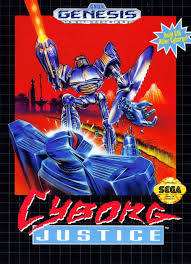
Fun fact: The devs wanted destructible environments, but Sega cut the feature to keep the frame rate stable.
5. Golden Axe II (1991, Sega)
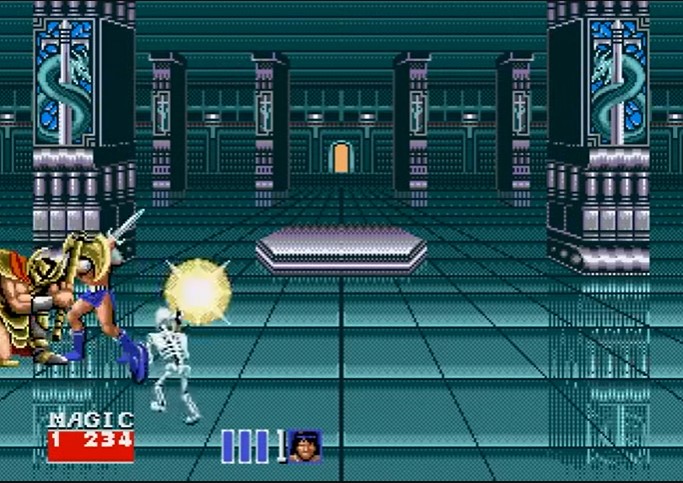
Classic fantasy co-op done right. Ride beasts, cast magic, and swing axes through medieval mayhem — still one of Sega’s best.
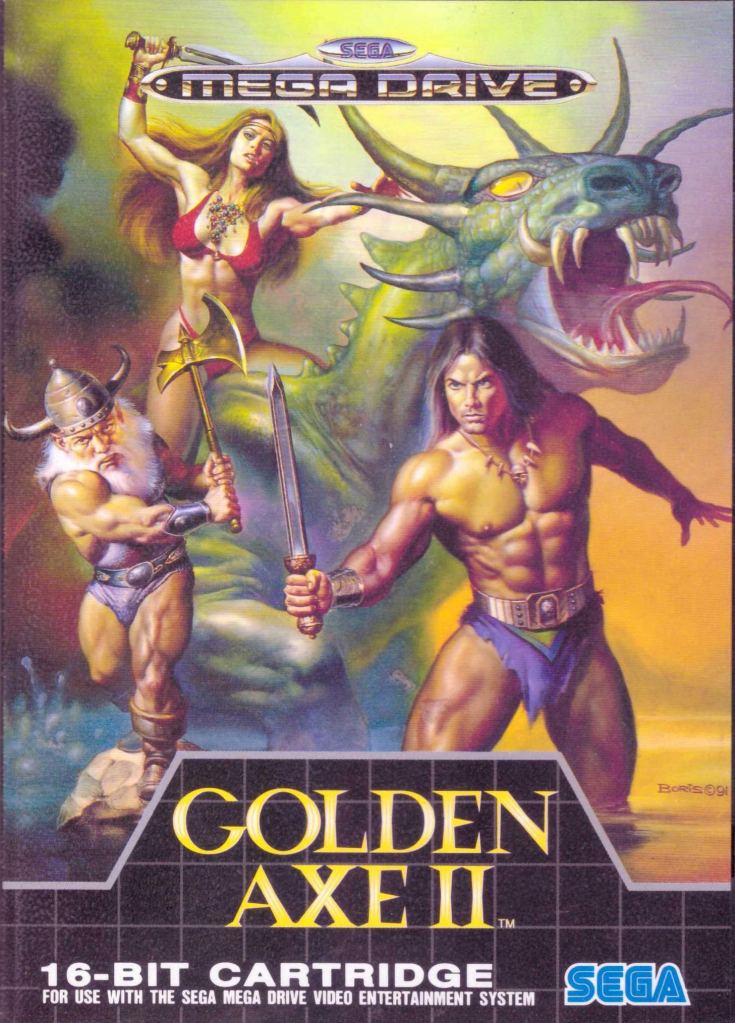
Fun fact: The team reused the same engine as the first Golden Axe but doubled the animation frames to make attacks smoother.
4. Bare Knuckle III (1994, Sega Japan)
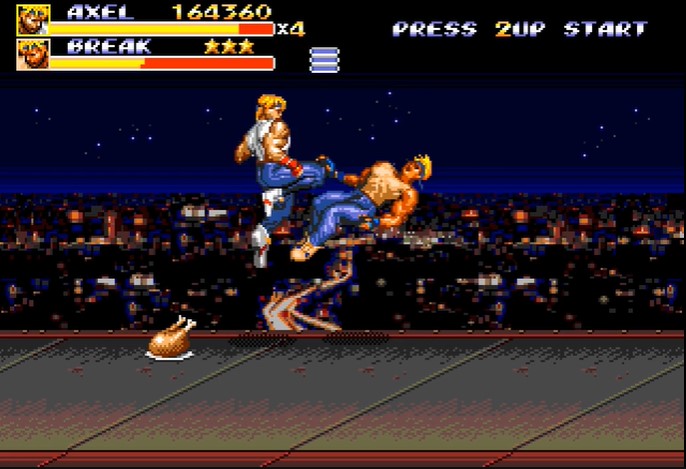
The original, uncensored version of Streets of Rage 3. Faster and grittier than the Western release, with deeper combat and new mechanics.
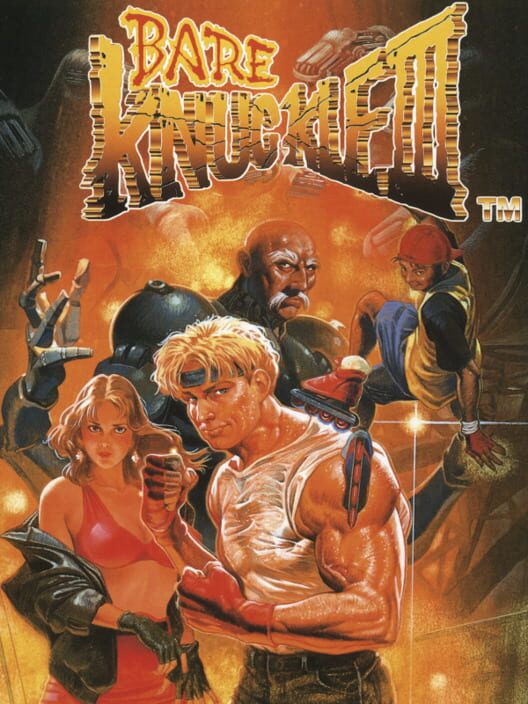
Fun fact: The English version removed one entire level and toned down character designs to avoid controversy overseas.
3. Alien Storm (1991, Sega)
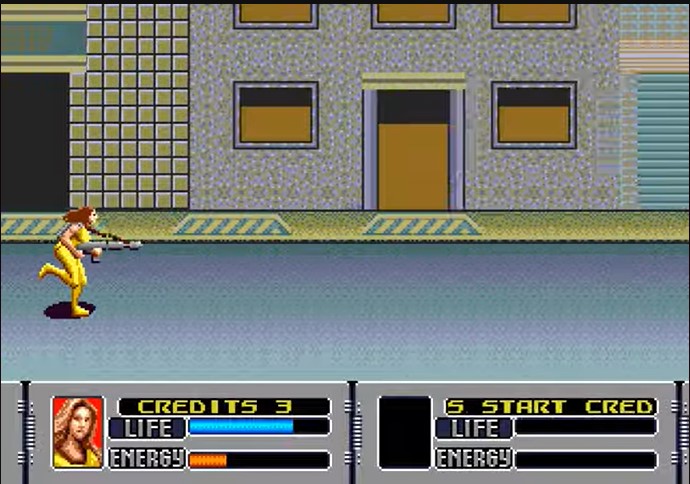
A fast-paced alien-busting brawler with co-op and shooting stages that break up the action. It’s quirky, colorful, and pure Sega fun.
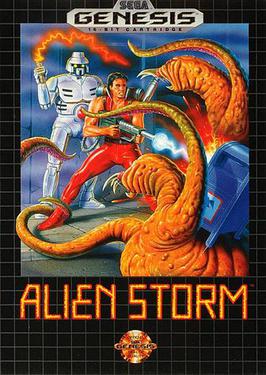
Fun fact: Alien Storm was built on a modified Golden Axe engine — you can feel it in the combat flow.
2. Comix Zone (1995, Sega)
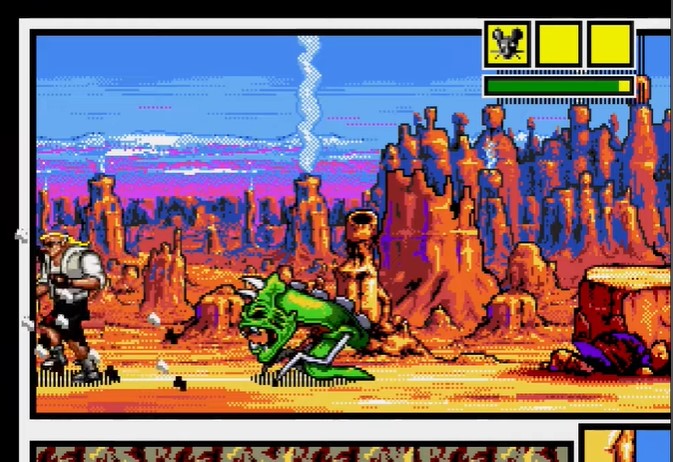
You’re a comic artist trapped in your own creation, literally punching your way through panels. Stylish, short, and endlessly creative.
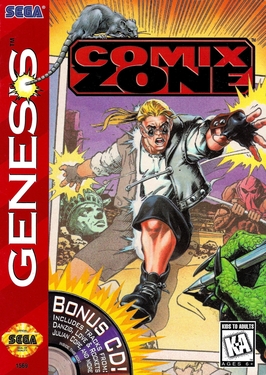
Fun fact: Sega’s dev team studied Marvel and DC comics to nail the page transitions — all drawn by hand before being digitized.
1. Streets of Rage II (1992, Sega)
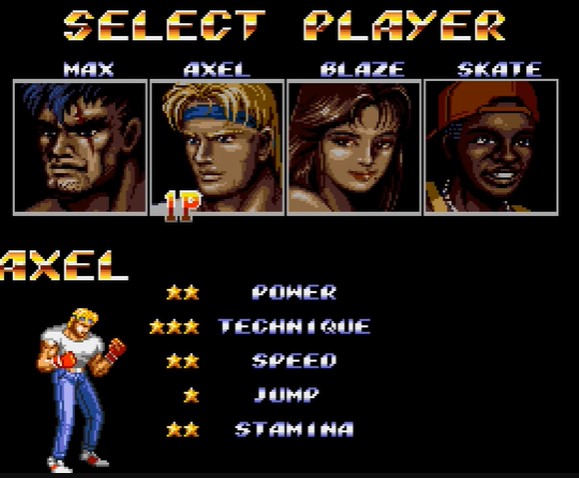
The ultimate Genesis brawler and one of the best beat ’em ups ever made. Tight controls, iconic visuals, and Yuzo Koshiro’s unforgettable soundtrack.
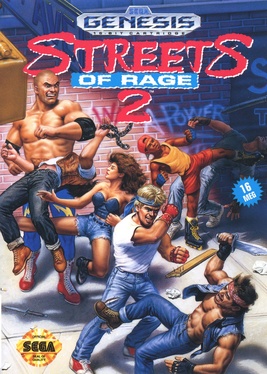
Fun fact: The composer reportedly used actual nightclub tracks as references, mixing early techno and house influences to get that signature sound.
Why Battletoads Isn’t Here
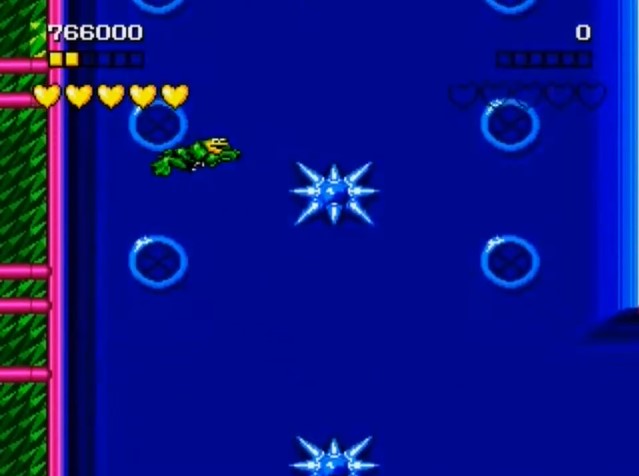
You might be wondering where Battletoads is. The Genesis version looks and plays great, but it’s not an original Sega title since it started on the NES. So while it’s not part of this countdown, it’s still worth playing on your Miyoo Mini if you’re ready for the infamous speeder bike level.
Other Great Brawlers That Didn’t Make the Cut
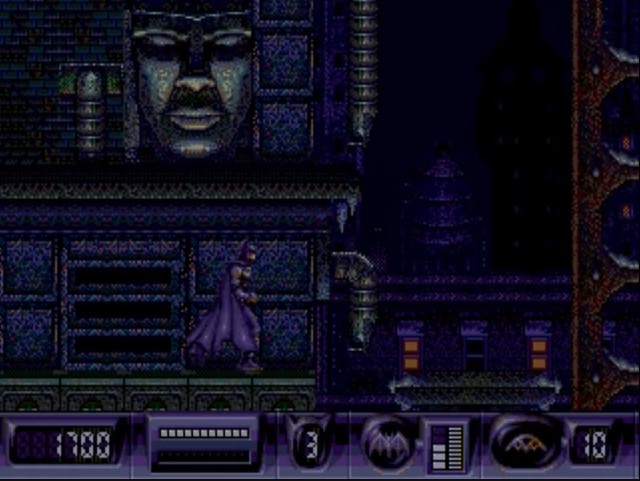
These didn’t make the list but are still fun to revisit:
- Mighty Morphin Power Rangers – flashy and straightforward.
- Captain America and the Avengers – chaotic superhero fun.
- Batman Returns – dark, moody, and solid.
- TMNT: The Hyperstone Heist – not exclusive, but essential.
- Battletoads & Double Dragon – crossover madness, but again, not Genesis-exclusive.
Final Thoughts
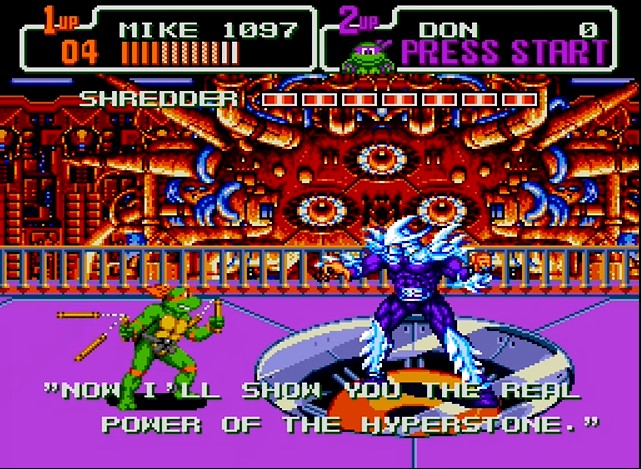
The Sega Genesis library was full of attitude, and its beat ’em ups were the loudest of them all. Whether you’re revisiting these on a Miyoo Mini or firing them up on an emulator, they still deliver that same 16-bit punch that made Sega’s glory days unforgettable.
Thanks for reading my vlogs and posts. Got a Genesis brawler I missed? Drop it in the comments — I’m always looking for the next hidden gem.

 EZRetro Plays