Tag: portable gaming

  • The Comfort of Pixels: Finding Calm in Retro Games

    The Comfort of Pixels: Finding Calm in Retro Games

    There’s something about old games that never fades. Maybe it’s the simple stories, the pixel art, or that familiar chiptune sound that instantly brings you back. No fancy graphics, no big explosions, just pure fun.

    We live in a time where everything moves too fast. Work, messages, deadlines, everything is always buzzing for your attention. So when I play something old and simple, it slows the world down a bit. It reminds me of when gaming was just about enjoying the moment.

    Comfort Mode On
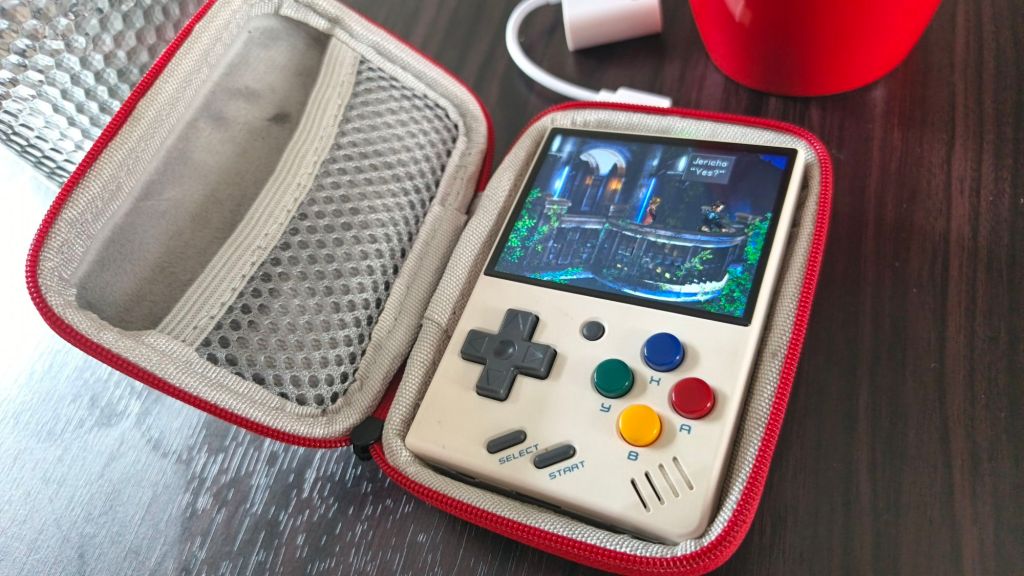
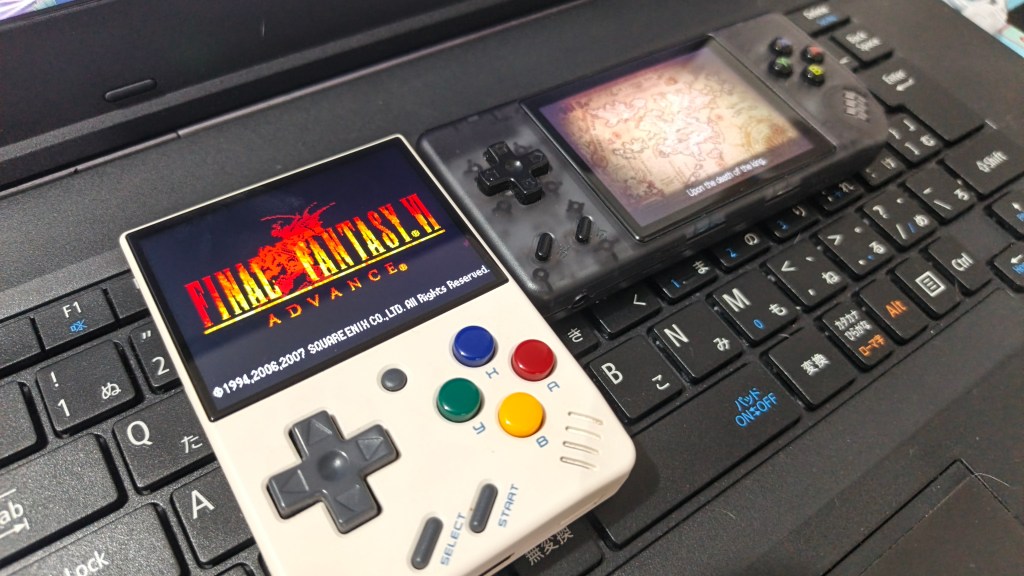
    When I play on a tiny handheld like the Miyoo Mini, I’m not looking for flashy visuals or new features, I’m just looking for comfort. There’s something deeply satisfying about that small screen lighting up with Castlevania or Final Fantasy IV. No loading, no updates, no nonsense. Just the game.

    The Miyoo Mini isn’t just a gadget; it’s a pocket-sized time machine. It fits in your hand, but somehow holds years of memories inside. Every D-pad click feels like turning the pages of my childhood, one stage, one level, one victory at a time.

    Its form factor is one of the best things about it. I can tuck it inside my shirt pocket or jeans, and most of the time, I don’t even notice it’s there. But the comfort it gives when I get a few minutes to play, whether I’m waiting for coffee or on a break, is unbeatable. It’s even more convenient than my phone or my Anbernic devices. The Miyoo Mini doesn’t demand attention. It quietly waits for the right moment, and that’s what makes it special.

    Life gets heavy sometimes, work, family, love, all of it. But spending even a couple of hours doing something that once made you happy as a kid, that’s peace right there.

    Sometimes, after a long day, I don’t want to think too much. I just want something familiar. That’s when I grab the Miyoo, dim the lights, and let that little screen take me somewhere calm.

    Memory and Meaning
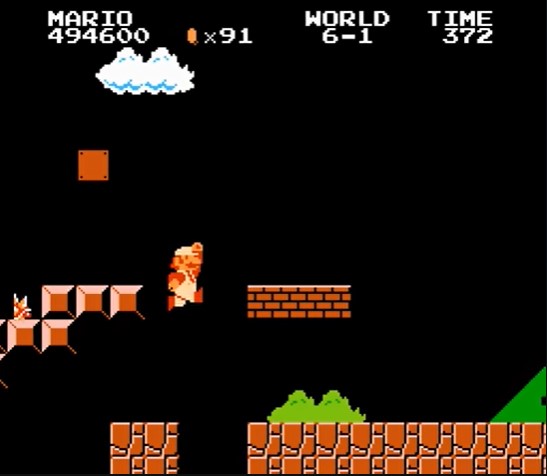
    Retro games hit differently because they remind us of who we were. They’re not just games; they’re pieces of time. The startup sound of the PS1. The bloop when Mario jumps. The high score jingle from Space Impact.

    In a world that’s stressful, whether it’s work, relationships, or family, finding a few quiet hours to do something you loved as a kid feels almost therapeutic. It’s a small reminder that joy doesn’t always have to be complicated.

    Each sound, each pixel, is like opening a window to an easier time, when the only thing that mattered was getting past that one hard level.

    And now that devices like the Miyoo Mini make these games portable again, it’s like carrying a piece of your past with you wherever you go. You can pause modern life for a bit and just play, no guilt, no rush.

    Simple by Design
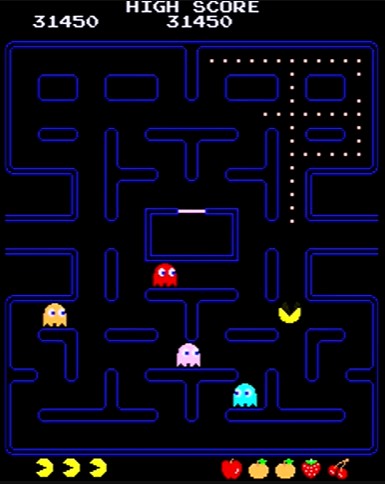
    Maybe it’s not really about nostalgia. Maybe it’s about balance. Retro games remind us that not everything has to be about achievements, unlocks, or endless updates.

    You don’t “finish” Tetris. You don’t “beat” Pac-Man. You just keep going. And somehow, that’s enough.

    When life feels noisy and crowded, a few minutes with something you loved as a child can feel like breathing again. It’s not running away, it’s returning to a part of yourself that’s been quiet for too long.

    And in a world that always wants more from you, that kind of simplicity is priceless.

    Press Start to Feel Again
    Retro gaming is still alive because we need it. We need that small reminder of when things were simple, fun, and full of wonder.

    Whether you’re playing on an old console, a modern port, or a Miyoo Mini loaded with classics, what matters is how it makes you feel.

    Maybe we don’t play retro games because they’re old.
    Maybe we play them because they remind us who we used to be, and who we still are.

    So go ahead. Charge that Miyoo, load up your favorite ROM, and give yourself a little escape tonight. Not to go back in time, but to remember how good it feels to just play.
  • Anbernic RG28XX Review – A Pocket-Sized PSP Machine?

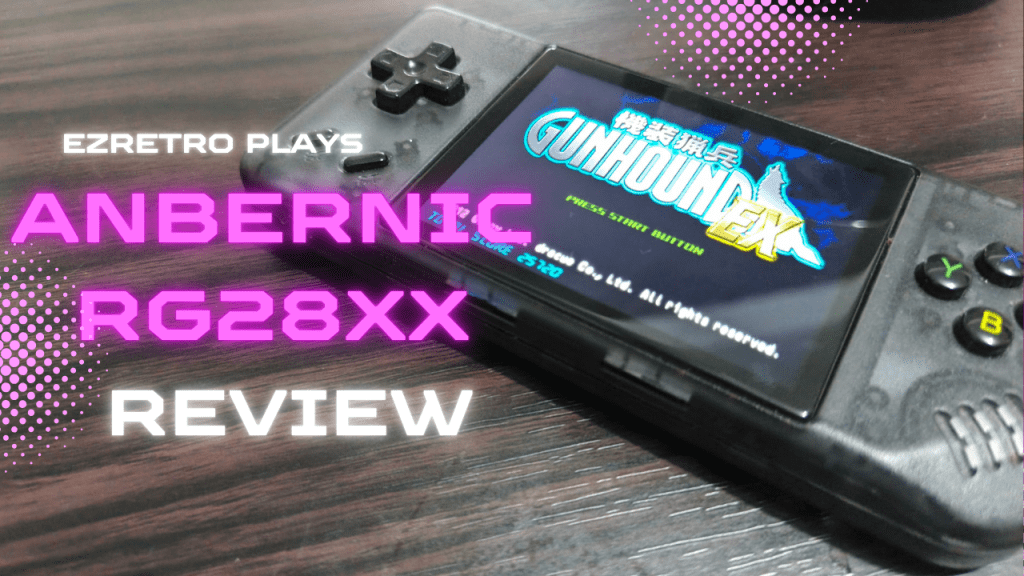
    Anbernic RG28XX Review – A Pocket-Sized PSP Machine?

    Lately, I’ve been on the lookout for a small device to play JRPGs and RPGs on the go. Being a fan of the Miyoo Mini, I first decided to get the Miyoo A30 since the Miyoo Mini was the handheld that originally got me into retro handheld emulation. Sadly, I only had it for about a day. I was just getting used to the Spruce OS when I lost it on my way home from work.

    After that, I made a second purchase—the Miyoo Mini V4—and it became my only handheld for quite some time. I absolutely love this little device. It’s powerful enough to play up to PS1 games, and I’ve been having a blast playing in short bursts throughout the day. The only drawback for me was the lack of PSP emulation.

    Back in my young adult years, the Sony PSP defined a lot of my gaming moments. I loved it so much that I actually owned three of the four PSP models—the Phat, the PSP-2000, and the PSP-3000. Naturally, I wanted to relive those moments on a small retro handheld that fits perfectly in my pocket. These days, I don’t have much free time to play, so I needed something small, powerful enough to handle PSP, and affordable.

    That’s when the Anbernic RG28XX was recommended to me. Since it was also the only device available near me, I finally went ahead and made the purchase.

    Specs

    The Anbernic RG28XX is designed as a compact retro handheld that balances portability with enough power to emulate systems up to PSP. It runs on the Allwinner H700 chip with 1GB of RAM, and comes with a 2.83-inch IPS screen at 640×480 resolution. Storage is handled through dual microSD slots — one for the system and one for your games — making it easy to expand or swap your library.

    Battery life is rated around 5–6 hours, though this depends on what you’re playing.

    Screen & Firmware

    On paper, the RG28XX’s 2.83-inch IPS display is about the same size as the Miyoo Mini, and brightness is solid enough indoors while staying usable outdoors unless you’re in direct sunlight. Colors pop nicely, and RPG text is generally clear.

    But since I mainly use this for PSP emulation, the aspect ratio difference really stands out. PSP games were designed for 16:9, while the RG28XX screen is a square 4:3. That means you’ll either play with black bars on the top and bottom or stretch the image, which doesn’t look quite right. On top of that, because of the device’s horizontal form factor, text in PSP games feels a little smaller than it should. It’s subtle enough not to ruin the experience, but it nags at me every time I play.

    The stock firmware works fine but takes some getting used to. Coming from Onion OS on the Miyoo Mini, which was simple and intuitive, this felt a bit clunky at first. There are a lot of hotkeys to memorize, and I’m not the type who enjoys flipping through an instruction manual just to figure things out. After a week, I’m still adjusting, but once you learn the shortcuts it’s manageable.

    Controls

    When I first got the RG28XX in hand, I immediately noticed how small everything feels. The D-pad is a bit pointy for my taste, and the face buttons are tiny — I really wish they felt more like the Miyoo Mini’s, which are softer and more comfortable.

    The trigger buttons (L1/L2 & R1/R2) and the select/start buttons are also on the clicky side. They work fine, but they don’t feel as smooth as I’d like. After a week, I’m still not fully adjusted. There’s also a slight rattle inside the unit — not enough to break the experience, but noticeable if you shake it.

    Sound

    For a device this small, the sound is decent but not amazing. The bottom-facing speaker is fine for quiet rooms, but your palm can cover it up depending on how you hold the handheld. Volume is enough indoors, but outdoors or in noisy areas, headphones are a must.

    Thankfully, the headphone jack gives a much better experience. RPG soundtracks really come alive with headphones, pulling me back to the PSP days.

    Battery Life

    On paper, the RG28XX is rated for 5 to 6 hours of gameplay, especially with lighter systems like NES or PS1. PSP drains it faster.

    But since I don’t play in marathon sessions, my real-world use is different. I usually play in short bursts — maybe 20–30 minutes here and there — and with that, I can run it for about two days without charging. Charging via USB-C is quick and convenient, and since most of my devices already use USB-C, it’s hassle-free.

    Ergonomics

    The RG28XX absolutely wins in portability. It slips into my pocket and I don’t even feel it’s there until I need it. For quick sessions, it’s perfect.

    That said, because of the size, long play sessions can get uncomfortable. My hands cramp after a while, especially with the small buttons and stacked triggers. My unit came with a black silicone case, which adds grip and protection, but it makes the already small buttons feel even more cramped. I usually play without it for comfort.

    Emulation & PSP Performance

    The RG28XX can handle all the classics — NES, SNES, Game Boy, Mega Drive, PC Engine, and PS1 — with no issues at all.

    But I got this for PSP emulation, so that’s where I focused. For 2D RPGs and JRPGs, the device does well enough to be enjoyable. Some stutters appear in effect-heavy scenes, but with a little tweaking in PPSSPP, you can get most titles to run at playable speeds.

    I was able to play Final Fantasy Type-0 with some remapping. Since there’s no analog stick, you can toggle the D-pad to act as analog by quickly tapping the power button on the right. It takes some getting used to, but it works. Save states and the PSP menu work just like they do on mobile PPSSPP, which I love.

    Not all games run smoothly though. My favorite, Tactics Ogre: One Vision, slows down during dialogue scenes, and I’m still experimenting with settings to smooth it out. Turn-based games are generally playable, but heavier 3D titles will definitely push the limits.

    Pros & Cons

    Pros

    • Pocket-sized and ultra-lightweight
    • Bright 2.83-inch IPS screen
    • Handles retro systems up to PS1 smoothly
    • PSP emulation is playable with tweaks
    • Save states via PPSSPP
    • Solid build quality for the price
    • Comes with a silicone case for protection

    Cons

    • Cramped controls; small, pointy D-pad and tiny face buttons
    • Triggers and select/start buttons are too clicky
    • No analog stick — remapping required for many PSP games
    • Occasional rattling inside
    • PSP performance is hit or miss, with stutters in some titles
    • Long sessions can cause hand cramps

    Final Thoughts

    After a week with the RG28XX, I can say this: it’s a fun little handheld. If what you want is something super portable, pocket-friendly, and affordable, it gets the job done. It lets me carry PSP and retro classics in my pocket, and that alone makes it worth it for me.

    But it’s not perfect. The 4:3 screen doesn’t play nice with PSP’s native 16:9 aspect ratio, which means black bars or stretched visuals. The text also feels smaller than it should, especially compared to the Miyoo Mini, and I notice it every time. Controls are also cramped and take time to get used to.

    If you’re serious about PSP emulation and want a more authentic experience with analog sticks, widescreen support, and stronger performance, then honestly something like the Retroid Pocket 4 is the better option. It’s bigger, sharper, and more comfortable for longer play sessions.

    But if your priority is a tiny handheld that slips into your pocket and still lets you enjoy your favorite RPGs and PSP titles on the go, the RG28XX absolutely delivers on that promise. For me, that balance makes it a keeper.

  • Top 10 Nes games to play on the Miyoo Mini

    Top 10 Nes games to play on the Miyoo Mini

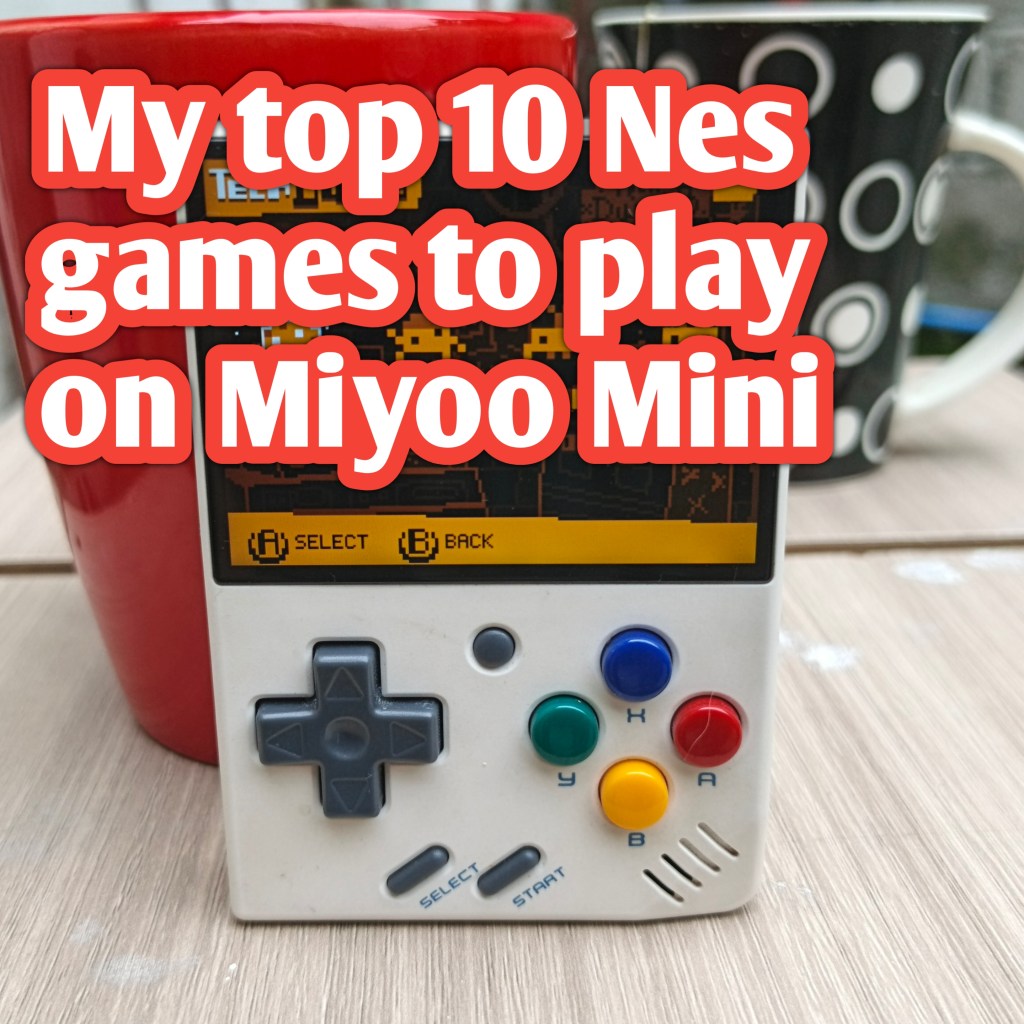
    Just because the Miyoo Mini can emulate retro games really well doesn’t mean all of these games are playable or offer the best experience on this handheld. We have to take into consideration the 2.8″ display screen, the button layout, and overall ergonomics. With that said, here are my top 10 NES games to play on the Mini.

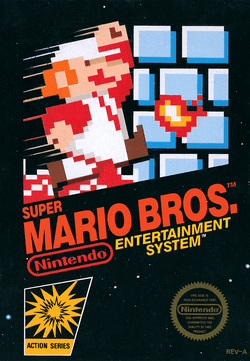
    10. Super Mario Bros. (JP: Sept 1985, US: Oct 1985)

    The first on this list is an all-time classic. Super Mario Bros. put Nintendo on the map and gave birth to the Mario franchise that endures to this day.

    The Mini’s small screen isn’t much of an issue while playing since you can see where you’re going pretty easily, and the game’s 8 world structure with optional warp zones means you can finish the entire adventure before the Mini’s control layout becomes cramped in your hands. If you’re looking for something you can complete in one sitting, then Super Mario Bros. is the game for you.

    **Fun Fact:** The character was originally called “Jumpman” and was renamed Mario after Nintendo of America’s landlord, Mario Segale.

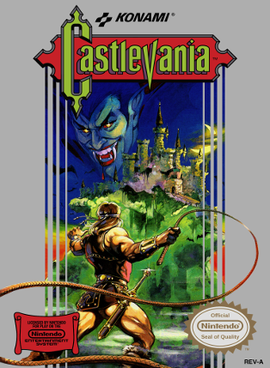
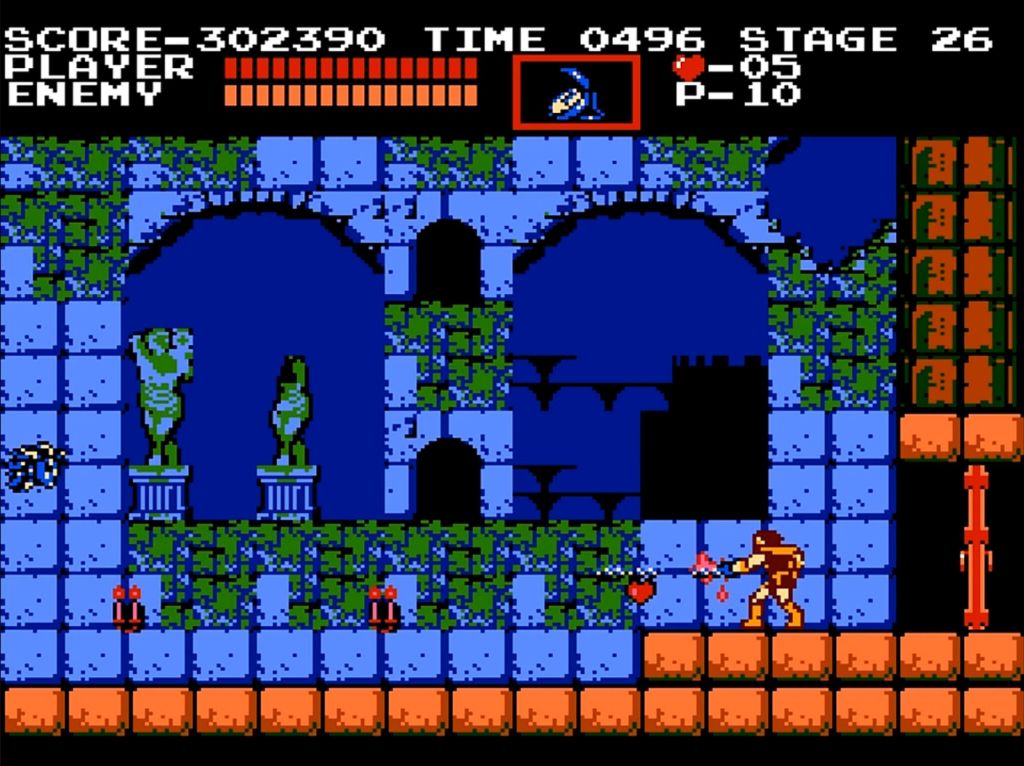
    Castlevania (JP: Sept 1986, US: May 1987)

    Castlevania is one of the games I got hooked on growing up. It’s a 2D platformer but more action-focused, and it was a really addictive game back in the day. I had to learn about the lore through those old game magazines and my imagination while playing.

    With the NES’s 2-button layout, the game is very playable on the Miyoo Mini, and the small screen won’t strain your eyes since there’s not much dialogue text to read. The gothic atmosphere and tight controls translate perfectly to the handheld format.

    **Fun Fact:** The original Castlevania was inspired by classic Universal Monster movies from the 1930s and 40s.

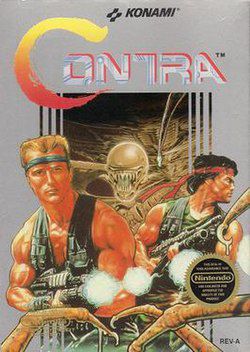
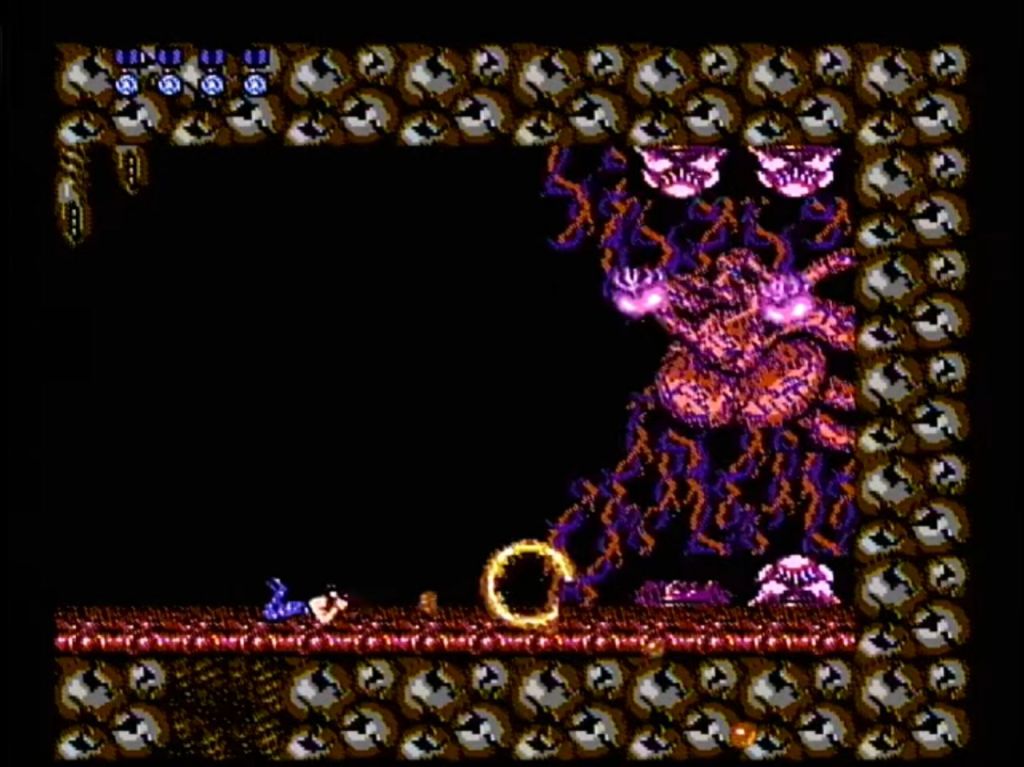
    Contra (JP: Feb 1987, US: Feb 1988)

    Contra admittedly is best played with 2 players, but that doesn’t mean it’s not good playing solo. This game spawned dozens of clones and hacks, but the classic Contra is by far the best in my opinion.

    The controls and screen on the Miyoo Mini don’t hamper the game experience even when things get hectic, and it’s a perfect game to play and finish on the portable system.

    **Fun Fact:** Contra is home to the legendary Konami Code (Up, Up, Down, Down, Left, Right, Left, Right, B, A, Start), which grants you 30 lives instead of the brutal default of 3.

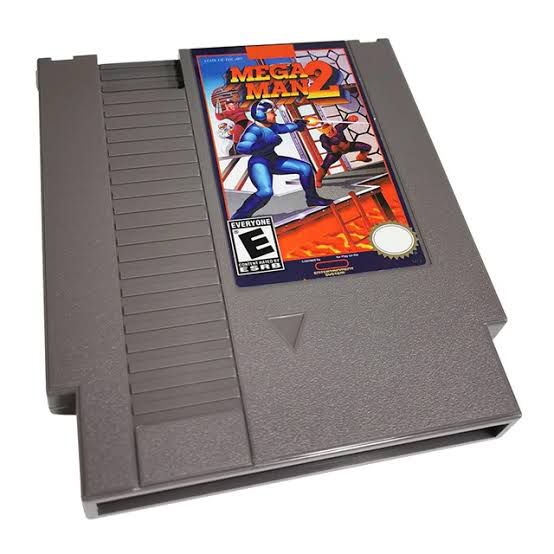
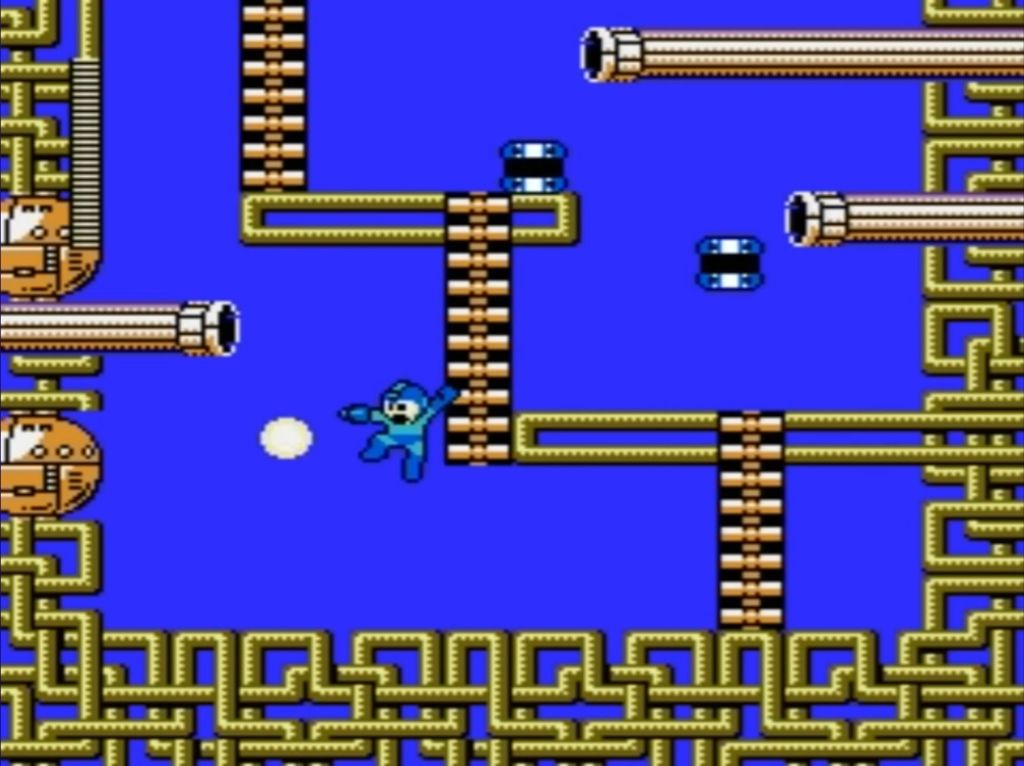
    Mega Man 2 (JP: Dec 1988, US: Jul 1989)


    With 3 Mega Man games on the NES, my pick is Mega Man 2, and it’s not just because of the gameplay but the incredible sound and vibe of the game. I usually play this for the nostalgia factor, and if we’re talking about NES emulation, then this is by far the best option.

    Difficulty-wise, the game is brutal with its precise button inputs for jumping. I don’t know if you can actually finish the game on the Miyoo Mini with its cramped controls, but it’s still a worthwhile experience, especially if you use the Miyoo’s save state feature.

    **Fun Fact:** The infamous US box art showed a middle-aged man in yellow armor that looked nothing like Mega Man. This became so legendary that Capcom included him in Street Fighter X Tekken.

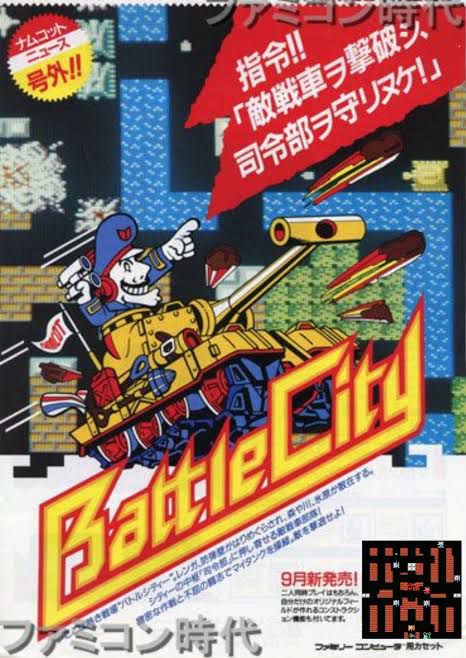
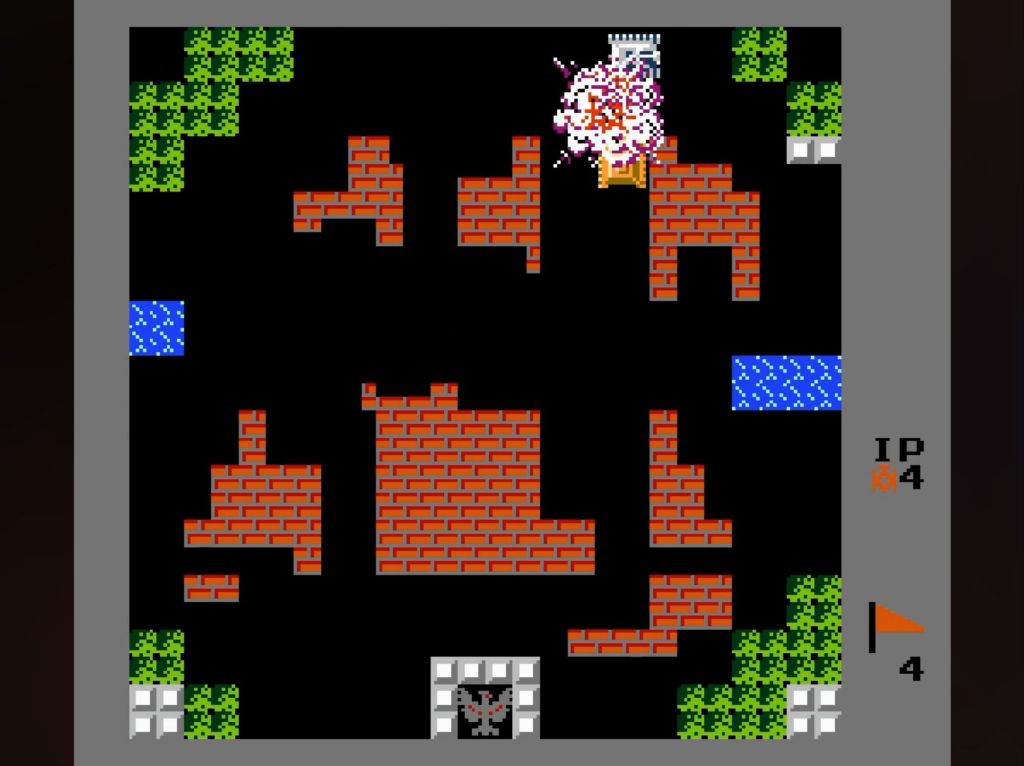
    Battle City (JP: Sept 1985, US: Not Released)

    Another game that’s best played in co-op and spawned multiple hacks even during the NES era. I had a hard time looking for the original NES ROM with all the mods available – from starting with metal walls to having upgraded enemies that can use power-ups.

    This recommendation is perfect for short bursts of gameplay throughout the day. I usually play this while commuting to places like the grocery store or appointments. The small screen and button layout is actually an advantage since you’re just using the direction pad and one button for firing.

    **Fun Fact:** Battle City was hugely popular in Eastern Europe and Russia, where it’s often considered one of the greatest NES games of all time.

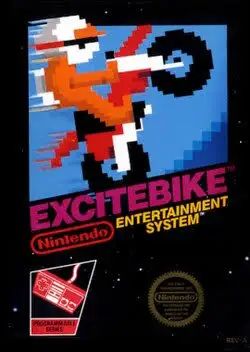
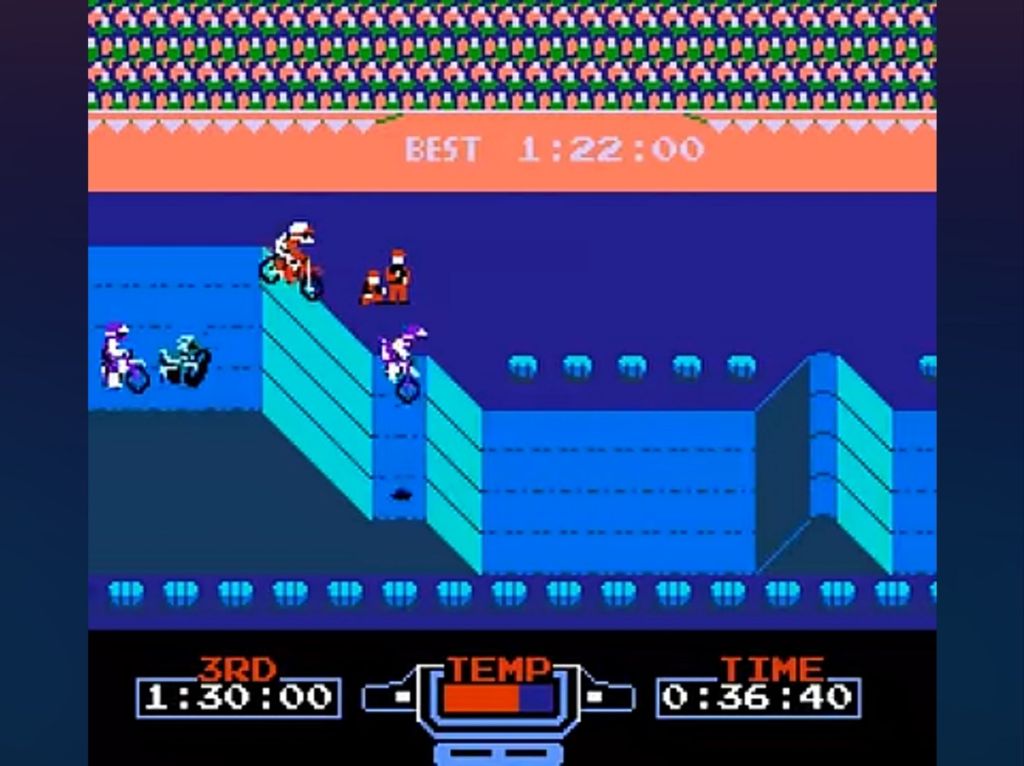
    Excitebike (JP: Nov 1984, US: Oct 1985)

    Sure, there are racing games that are good on the NES, but my pick is Excitebike. One thing that stands out is the design creator where you can make your own course, and with the Miyoo’s save state feature, you can replay your course without worrying about it being deleted.

    Easy controls and very easy to pick up and play – the only skill you need to learn is when to use turbo versus normal speed without your bike overheating. Perfect for the Miyoo Mini.

    **Fun Fact:** Excitebike was one of the 18 NES launch titles and featured one of the earliest console track editors, pioneering user-generated content decades before it became mainstream.

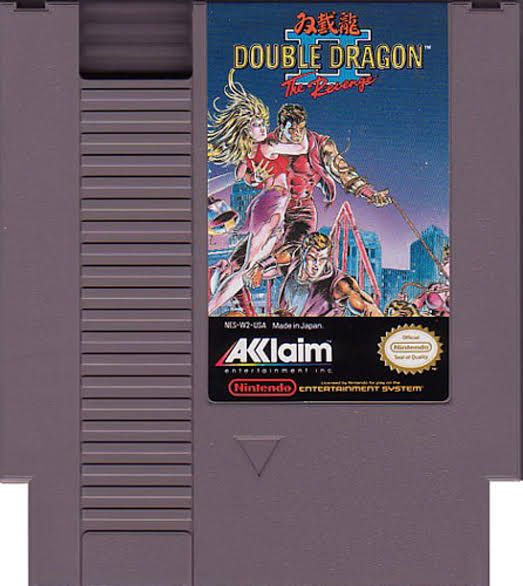
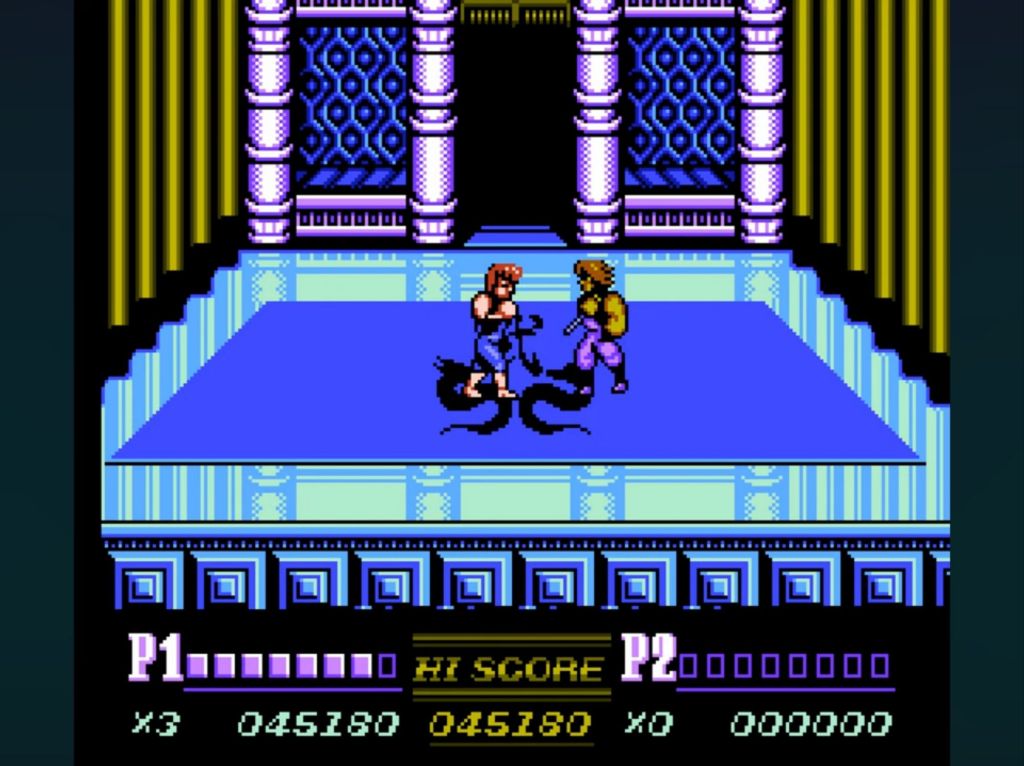
    Double Dragon 2 (JP: Apr 1989, US: Jan 1990)

    Switching up to beat ’em ups, my pick would be Double Dragon 2 (Double Dragon 1 was my first choice, but I got a bad ROM that doesn’t run on my Miyoo). It’s your classic beat ’em up with button inputs depending on where you’re facing – B attacks left, A attacks right, and pressing both makes you jump.

    What makes it stand out is the story, which was pretty dark for its time. Billy’s girlfriend was killed by a shadow organization, and now it’s up to the Lee brothers to avenge her. The side-scrolling action works perfectly on the portable format.

    **Fun Fact:** Double Dragon 2 controversially removed two-player co-op from the main story, making players fight each other after completing single-player. This was so unpopular that future entries returned to co-op.

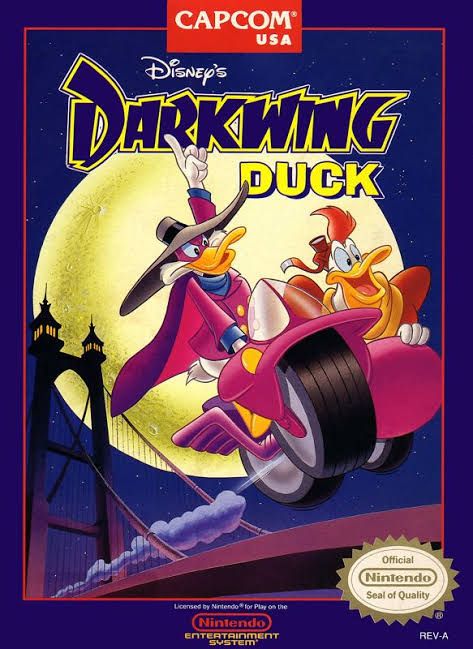
    Darkwing Duck (JP: Not Released, US: Jun 1992)

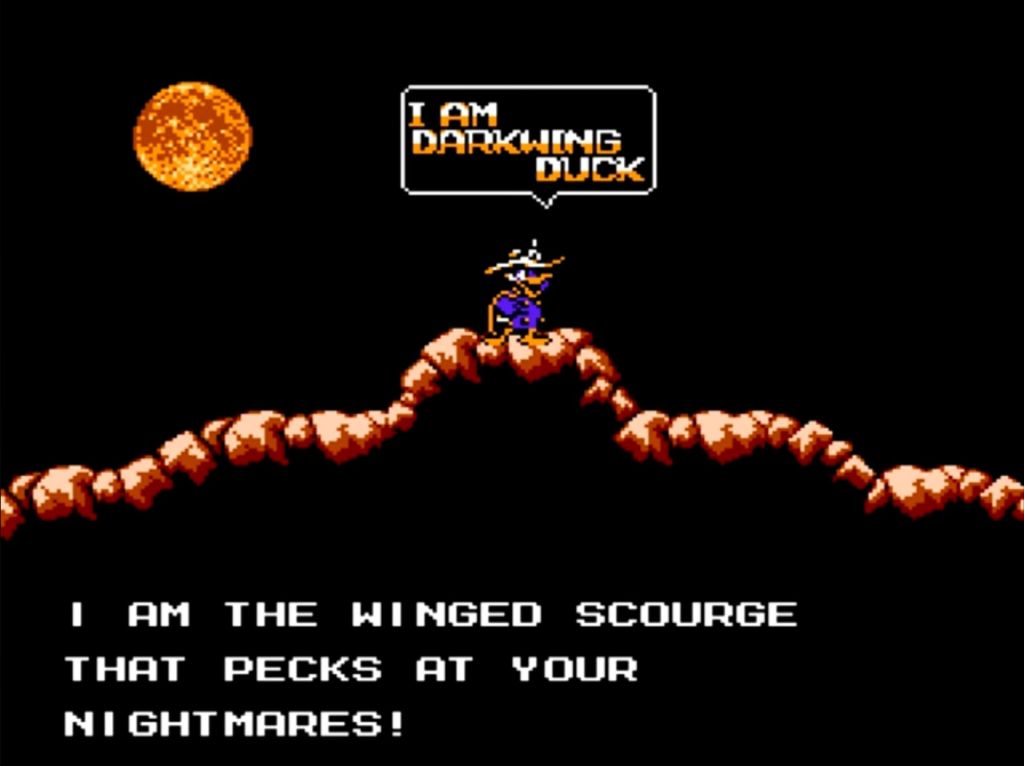
    Being a fan of the Darkwing Duck cartoons, it’s no secret that I’d choose this NES game. A side-scrolling platformer with a Batman-like hero using gadgets was quite enjoyable back in the day. Playing it on the Miyoo Mini now is more enjoyable than when I first played it as a kid.

    I didn’t get to enjoy this game as much as I wanted before since the cartridge conked out on me just a few days after I got it. As soon as I got the Miyoo Mini, I looked for this ROM first. The colorful graphics look great on the small screen.

    **Fun Fact:** Darkwing Duck was developed by Capcom using the same engine as the Mega Man series, which explains the tight, polished gameplay.

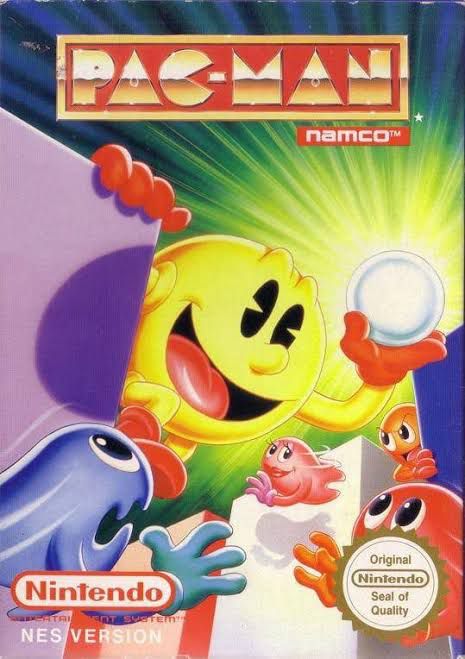
    Pac-Man Championship Edition (ROM Hack)

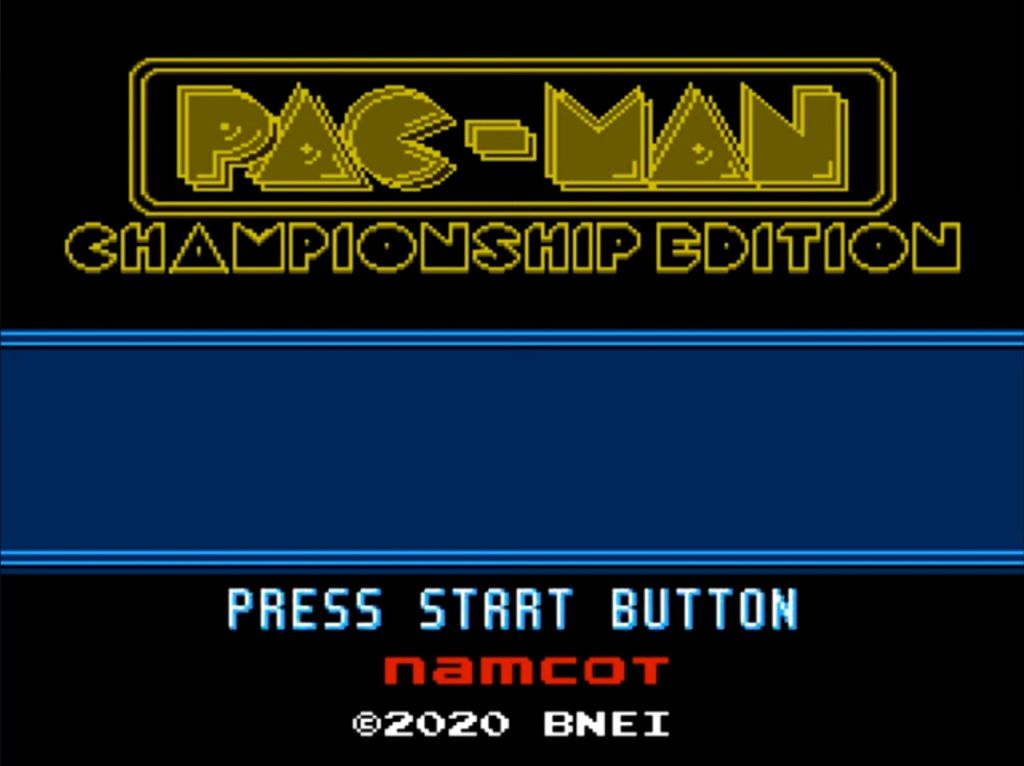
    No top 10 NES game pick would be complete without Pac-Man. For my pick I’m recommending the Pac-Man Championship Edition ROM hack, which tries to emulate the modern version on the NES and is one of the greatest Pac-Man experiences available.

    You might think the small screen would be difficult, but based on experience, it’s just the perfect size to see the tight corners and dots you need to grab. The Miyoo’s controls are super responsive with no false inputs whatsoever.

    **Fun Fact:** The original Pac-Man Championship Edition was created by series creator Toru Iwatani in 2007, over 25 years after the original game.

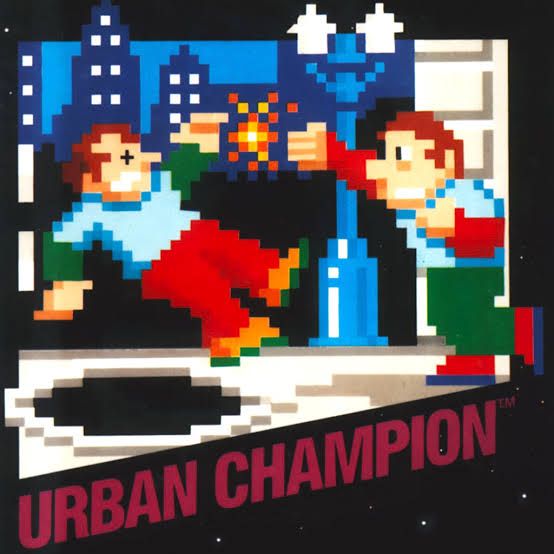
    Urban Champion (JP: Nov 1984, US: Aug 1986)

    Let me just say that this list is in no particular order, and I’m sure others will complain that I didn’t include their favorite games like Ghosts ‘n Goblins, Dragon Warrior, or Final Fantasy. Here’s the thing – those are great games, but I think they’re much better experienced on a bigger screen, so if I offended anyone, sorry, but this is my list.

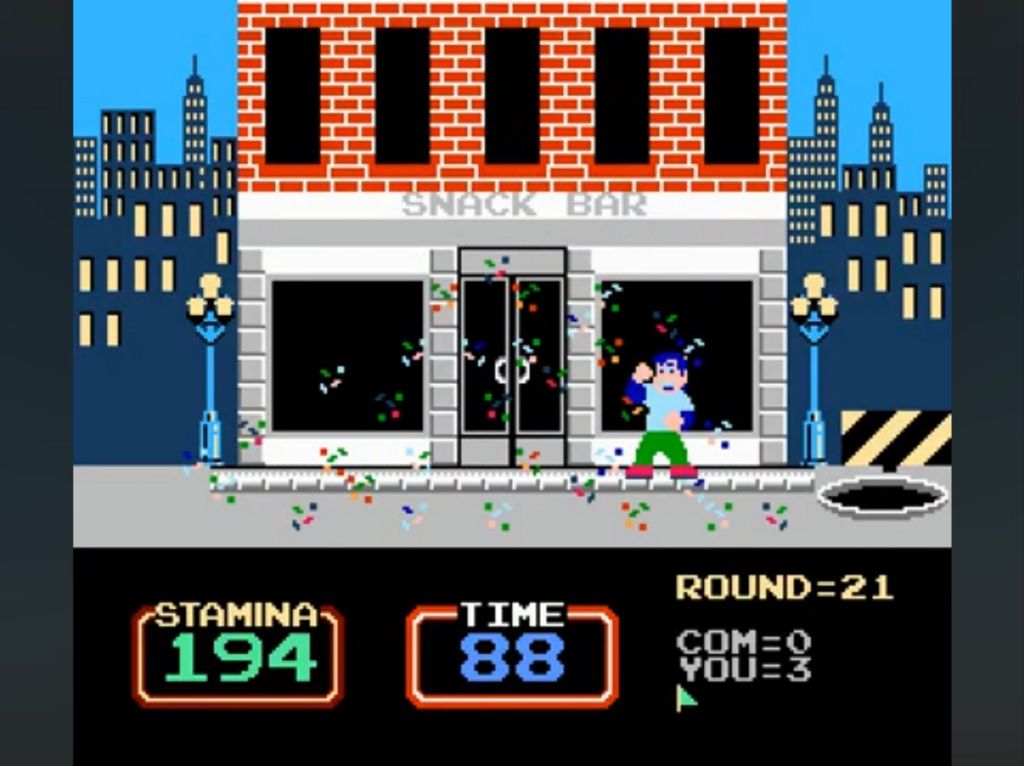
    Last one is another game that works best with 2 players, but as a single player experience this also translates well on the Miyoo Mini. Urban Champion is a fighting game where you and the computer beat each other up in the middle of the street. There are no life bars, just stamina. A round ends if you beat your opponent to their side of the screen.

    There are police cruisers passing by from time to time, so you should avoid fighting unless you want a trip to jail. Also avoid neighbors throwing potted plants from windows above. Simple game with no story, but the gameplay is somewhat addictive in my opinion.

    **Fun Fact:** Urban Champion was one of Nintendo’s earliest fighting games from 1984, and it’s often considered one of the worst NES games ever made – but that’s exactly what gives it cult appeal.


    Conclusion

    The Miyoo Mini proves that great gaming experiences don’t always need the biggest screen or the most complex controls. These 10 NES classics showcase how perfectly suited retro games are for portable play, whether you’re looking for quick arcade action or longer adventure sessions with save states to help you through the tough spots.

    What makes these picks special isn’t just their quality as games, but how well they adapt to the Mini’s form factor. From the responsive controls of Pac-Man Championship Edition to the simple joy of creating tracks in Excitebike, each game feels like it was meant to be played on a handheld device.

Design a site like this with WordPress.com
Get started