Tag: playstation

  • Sony PSP: Lightning in a Bottle, Lost to Time

    Sony PSP: Lightning in a Bottle, Lost to Time

    A Pocket Full of Memories

    I was scrolling through my phone the other night, hopping between retro handheld pages and game lists trying to find something new to play.
    But as I kept going, I noticed something. Most of the games that caught my attention, the ones that made me stop and think, all pointed to one thing: the Sony PSP.

    Released in Japan on December 12, 2004, North America on March 24, 2005, and Europe on September 1, 2005, the PSP stayed around until 2014, a solid 10-year run.
    In that time, it built up over 1,300 game titles, which is insane when you think about it.
    You could play something new every week and still not run out for years.


    A Console in Your Pocket
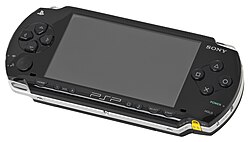
    SONY PSP 1000 model

    The PSP came out during the PS2’s prime years and somehow it kept pace.
    While the PS2 was out there delivering hits every month, the PSP was taking some of those worlds and putting them in your hands.

    You had games like Def Jam: Fight for New York, Fight Night Round 3, and even Tekken 6 running smooth on a handheld.
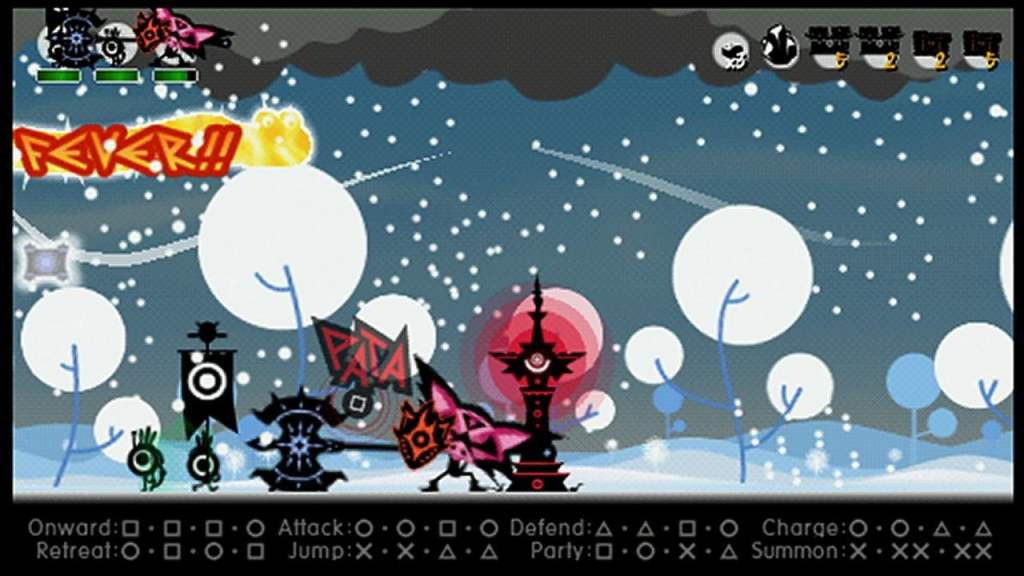
    And the exclusives? That’s where the PSP really showed off with Crisis Core: Final Fantasy VII, Final Fantasy Type-0, Dissidia 012 Duodecim, Patapon, and Half-Minute Hero.
    These weren’t watered-down versions, they were full experiences made for the PSP.

    Then there’s Monster Hunter, and honestly, that game changed everything.
    When Monster Hunter Freedom and Freedom Unite came out, the PSP turned into a real-life multiplayer hub.
    You’d see people hanging out in malls or cafés, PSPs in hand, connecting through ad-hoc to hunt rare monsters together.
    It wasn’t just about grinding or loot drops, it was community.
    That era was pure vibes, no Wi-Fi, no mic chat, just real people meeting up to play.
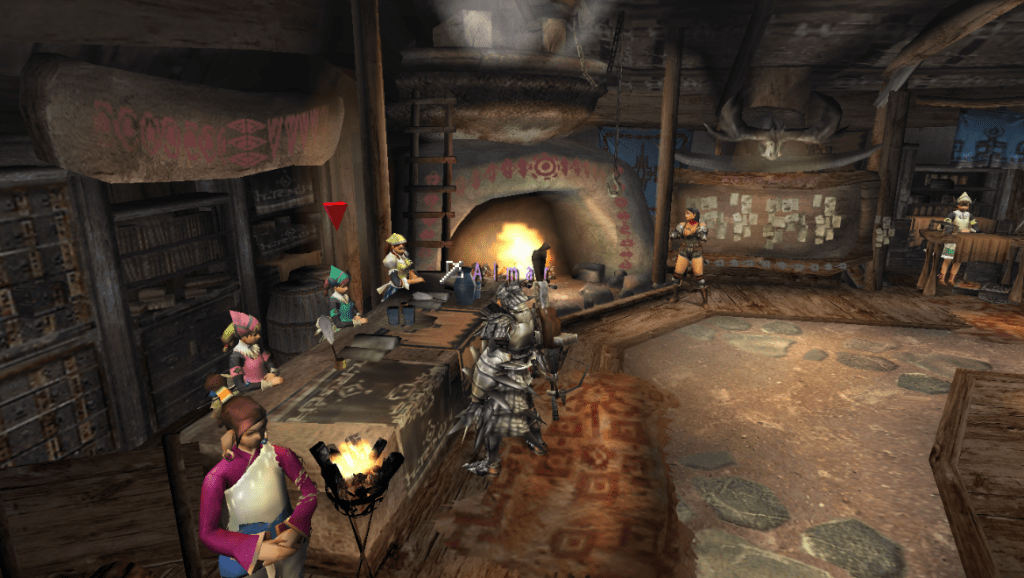
    monster hunter freedom unite guild hall

    “Everyone had a PSP in their bag.
    You’d walk by a table, hear the sound of a Great Sword swing, and know exactly what was going down.”


    Why I Still Love the PSP Today
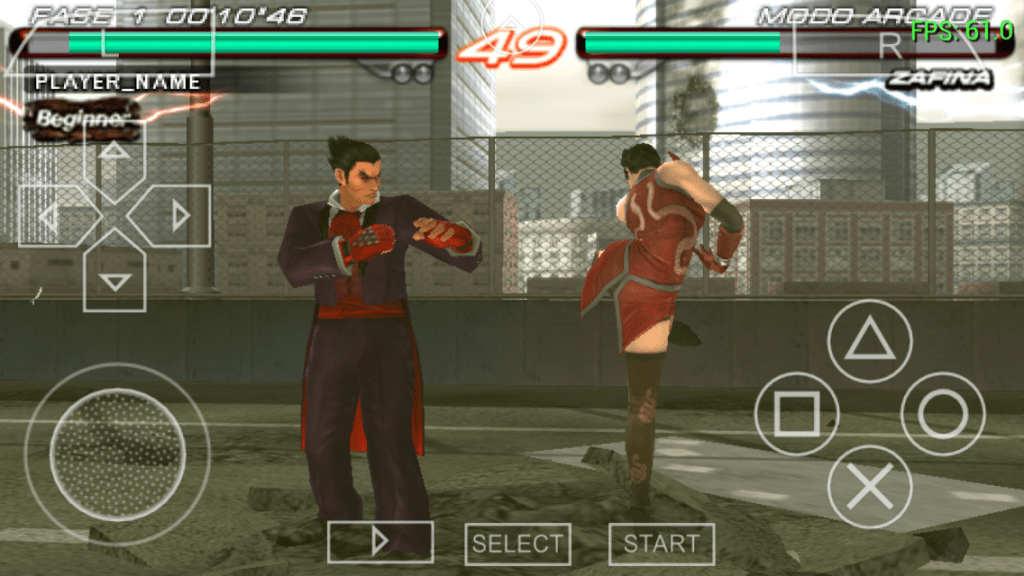
    One of the coolest things about the PSP is how easy it is to play now.
    You don’t even need a fancy handheld or gaming phone because emulation runs smooth on almost anything.

    I still play Tekken 6 on my phone, and honestly, I like it better that way.
    Sliding my combos on the touchscreen just feels smoother than mashing buttons on the real PSP or a controller.
    Might sound weird, but it just works for me.

    That’s the charm of the PSP. It still fits in today’s world.
    It’s not too old for new players, but it still hits that retro nostalgia we all chase.


    The Hype That Fell Flat
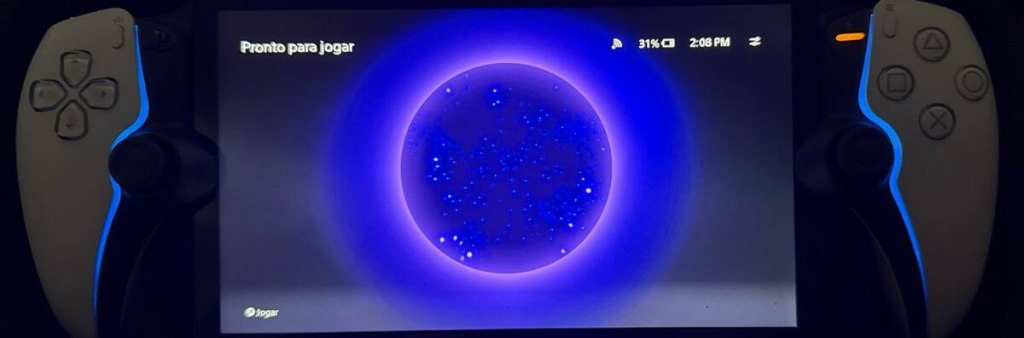
    When Sony announced the PlayStation Portal, I got hyped.
    I really thought, “This might be it. The PSP comeback. Maybe even a Switch killer.”

    But when it finally came out on November 15, 2023, the excitement turned into disappointment.
    It wasn’t a new handheld. It was basically a remote screen for the PS5.
    You can’t even use it without owning one.

    And man, that hurt.
    The PSP stood on its own. You didn’t need anything else, just the console, a UMD, and maybe a memory stick if you were lucky.
    The Portal, on the other hand, felt like half a step forward.

    “The PSP gave you freedom.
    The Portal gave you a reminder that you still need your PS5.”


    Why That Magic’s Hard to Find Now
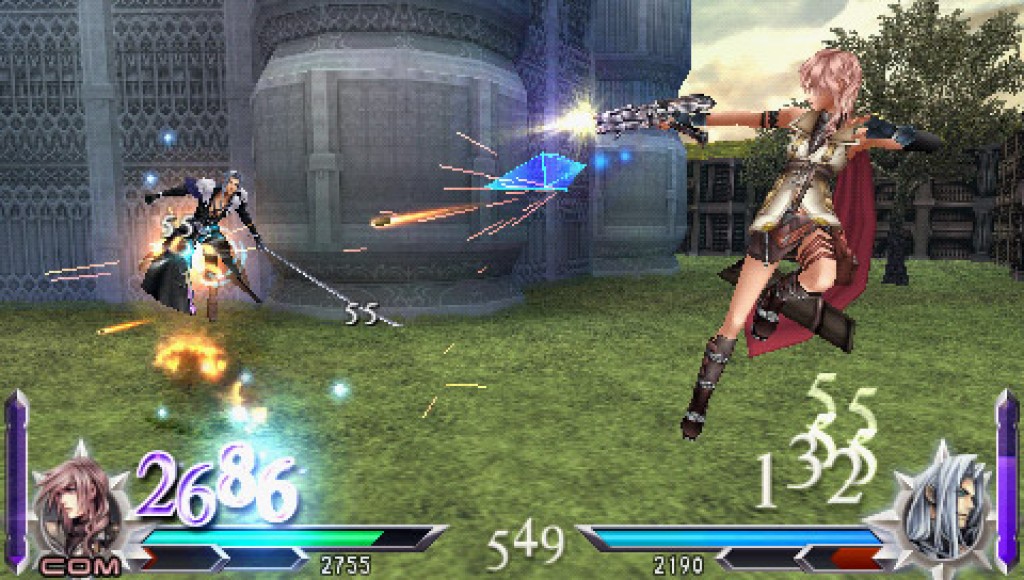
    The PSP hit different because developers back then were still experimenting.
    They were testing ideas, taking risks, and seeing how far they could push a handheld.
    Games felt like passion projects, not business plans.

    Now it’s mostly about monetization, DLCs, and keeping players spending.
    And that shift killed a lot of that creative fire.

    Even Sony’s follow-up, the PS Vita, proves that.
    On paper, it was the PSP’s smarter, faster sibling with dual analog sticks, touchscreen features, and those back-touch controls.
    And the games looked great, like they were really made for the Vita.
    Titles like Killzone Mercenary, Gravity Rush, and Soul Sacrifice were stunning for their time.

    But here’s where it dropped the ball, the price.
    Everything about the Vita was expensive.
    The handheld itself, the games, and especially that Sony-exclusive memory card you had to buy separately just to save anything.
    So imagine this: you buy the console, then you find out you need an overpriced memory card, then you realize there’s no free game included.
    That’s another trip to the store and another dent in your wallet.
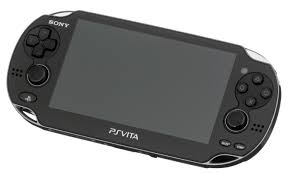
    Sony PS Vita

    To be fair, the PSP wasn’t cheap either, but the difference is, the PSP got hacked early on.
    Once custom firmware came in, people turned it into a do-everything handheld.
    You could emulate older consoles, load your own games, and basically carry your entire library on a single memory stick.
    It became the retro handheld before retro handhelds were even a thing.

    And honestly, that spirit, the whole “make it your own” vibe, carried over to the Vita too.
    Once that system got cracked, it came alive again.
    People used it to play PSP and PS1 titles, homebrew, emulators, everything.

    In a way, that just proves the point.
    The handhelds that lived on weren’t the ones with the best specs, they were the ones people could make personal.
    That’s what the PSP had.
    Freedom. Flexibility. A sense of ownership.
    Something modern handhelds just don’t give anymore.


    Looking Back, Still Ahead of Its Time
    The PSP wasn’t just another console, it was a moment.
    It gave us console-level games in our hands, real-world multiplayer before online took over, and a library that still holds up today.

    It wasn’t perfect, but it felt real.
    You could tell it was built by people who wanted to push gaming forward, not just chase trends.

    The PSP will always have the top spot on my retro list.
    Not because it’s perfect, but because it reminded us what gaming felt like when everything was new and exciting.
    It was lightning in a bottle, and no one’s managed to catch it again.
  • The Galerians Series – Disturbing, Unique, and Forgotten

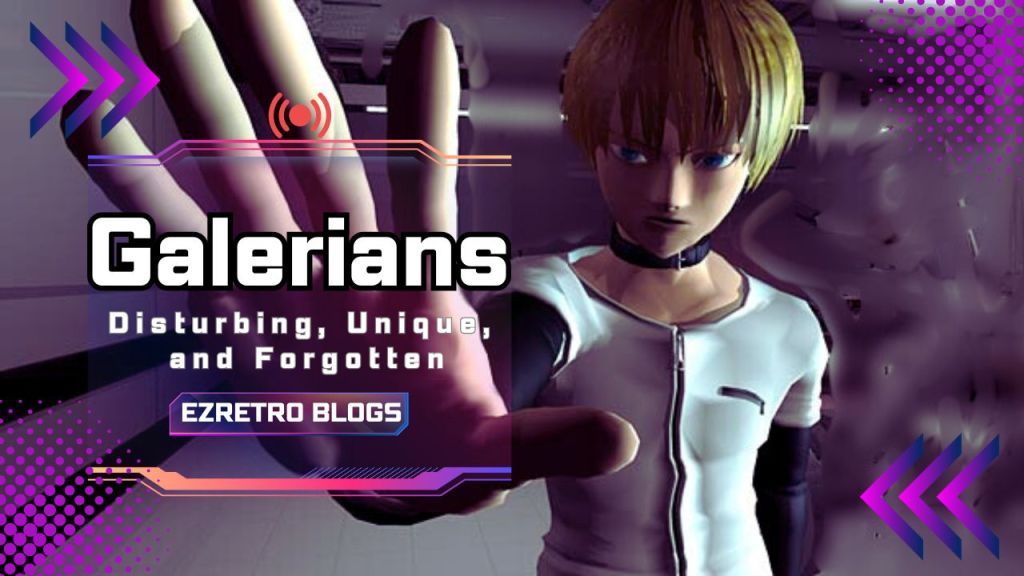
    The Galerians Series – Disturbing, Unique, and Forgotten

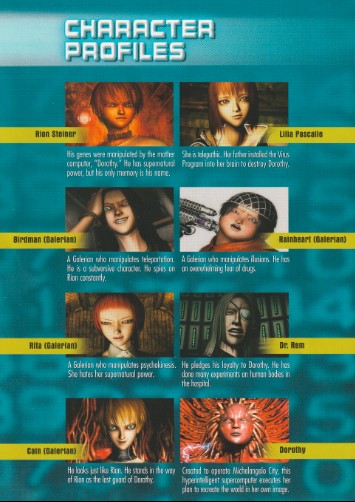
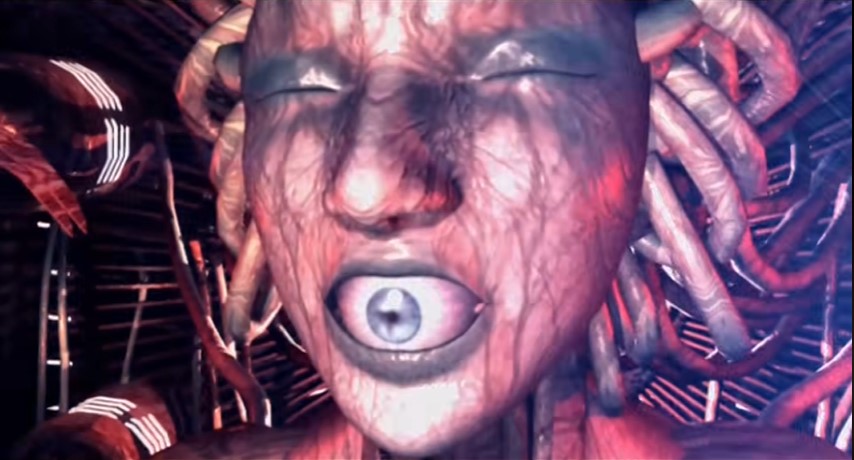
    Some games scare you with monsters. Others disturb you with atmosphere. But then there are games like the Galerians series — games that make you uncomfortable because of the ideas underneath.

    Spanning the original Galerians on PS1 (1999) and its direct sequel Galerians: Ash on PS2 (2002/2003), the series is a one-two punch of sci-fi horror, drug-fueled survival mechanics, and tragic storytelling. For me, these games remain some of the most unique — and frankly disturbing — experiences I’ve ever had in gaming.


    1999: Horror Boom on the PS1

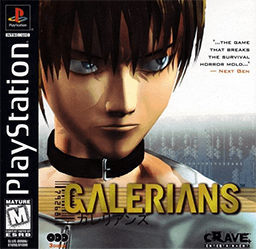
    Galerians Ps1 cover art

    By the time Galerians released in 1999 (Japan) and 2000 (US/EU), the PlayStation was already knee-deep in a survival horror golden age.

    • Capcom had just dropped Resident Evil 2 (1998) and Nemesis (1999).
    • Konami unleashed Silent Hill (1999) — redefining psychological horror.
    • Square dabbled with cinematic horror-RPG hybrids like Parasite Eve II (1999).
    • Capcom even turned dinosaurs into horror with Dino Crisis (1999).

    Everyone wanted a slice of the horror pie.

    So where did Galerians fit? Developed by Polygon Magic and published in the West by Crave Entertainment, the game wasn’t coming from the heavyweights. Crave was mostly known for mid-tier and niche projects — sports titles, racing games, even quirky experiments. But in the late ’90s, even they leaned into the horror trend, picking up Galerians because it stood out: no guns, no zombies, just psychic powers fueled by dangerous drug use.

    While the big publishers were polishing cinematic experiences, Crave doubled down on something raw and unsettling. It wasn’t the mainstream choice, but it gave Galerians its cult edge.


    My First Steps Into Galerians

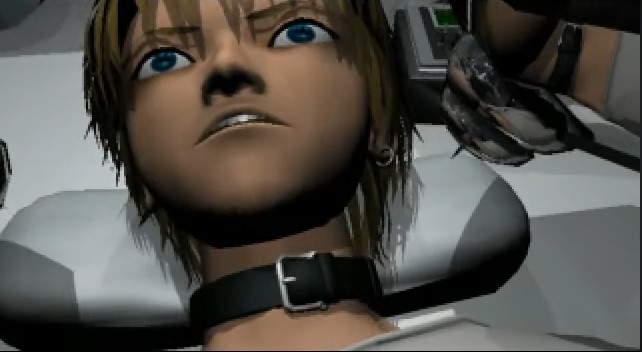
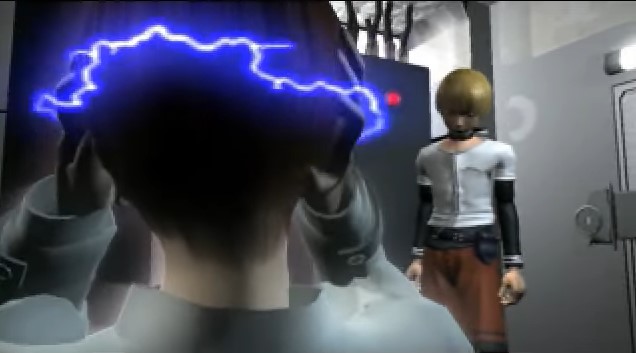
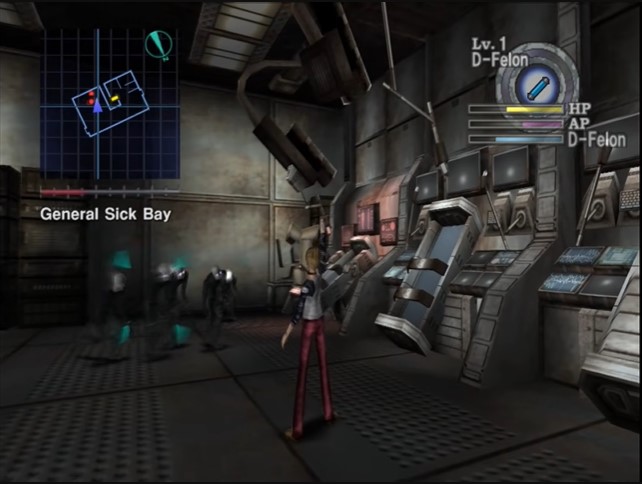
    Booting up Galerians for the first time was like waking up inside someone else’s nightmare. The screen fades in, and you’re just… there. A sterile hospital room, cold and empty, and you have no idea who you are or why you’re strapped into this world of machines.

    Then it happens: a girl’s voice inside your head.

    “Rion… help me… find me…”

    It’s faint, desperate, and unsettlingly personal. You don’t know her. You don’t even know yourself. But that voice becomes your compass, sparking your journey into the unknown. (Later, the game reveals this telepathic voice belongs to Lilia Pascalle, Rion’s childhood friend — but at the start, you only feel the mystery.)

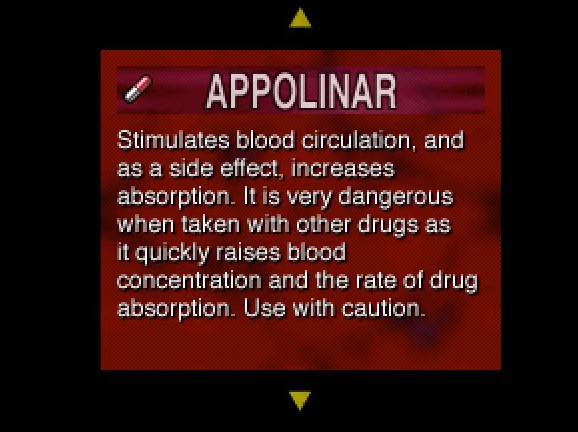
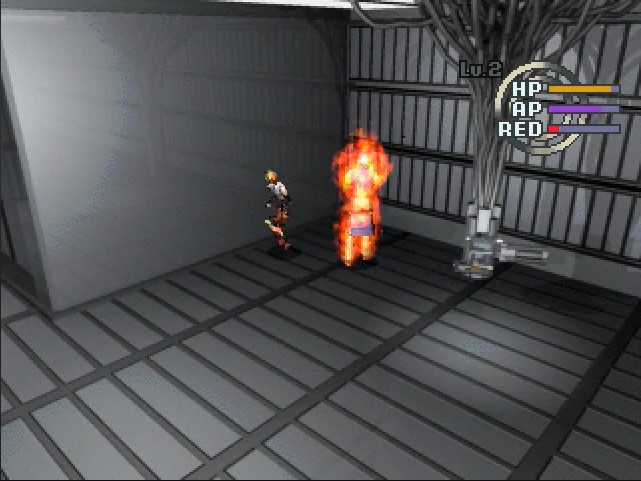
    And what a brutal start it is. Within minutes, I was already dying — overdosing on my own psychic powers, burning myself out with attacks I didn’t fully understand. Galerians didn’t want you to feel strong. It wanted you to feel fragile, broken, like a failed experiment stumbling forward.

    Each scrap of the world you uncover — medical files, cryptic documents, and eerie computer logs — becomes your only guide. There are no quest arrows, no tutorials, just survival and that haunting voice urging you onward.


    Stages and Bosses

    What makes Galerians so distinct is how each stage feels like a test, both in difficulty and in theme:

    • Michelangelo Memorial Hospital – sterile halls filled with former caretakers turned threats, a twisted introduction to your fragile powers.
    • Rion’s House – once a place of safety, now twisted by confrontation with Birdman, one of Dorothy’s “children.”
    • Babylon Hotel – chaotic, stylish, and home to brutal encounters with Rainheart and Rita, psychic foes as unstable as you are.
    • Mushroom Tower – the final climb toward Dorothy, the cold, godlike AI that orchestrates your suffering.

    Each boss isn’t just an obstacle; they’re living embodiments of Dorothy’s experiments, mirrors of what Rion could become. The game’s final stage, drenched in sterile dread, leaves you exhausted both mechanically and emotionally — and that’s before the ending revelations about Rion’s true nature.


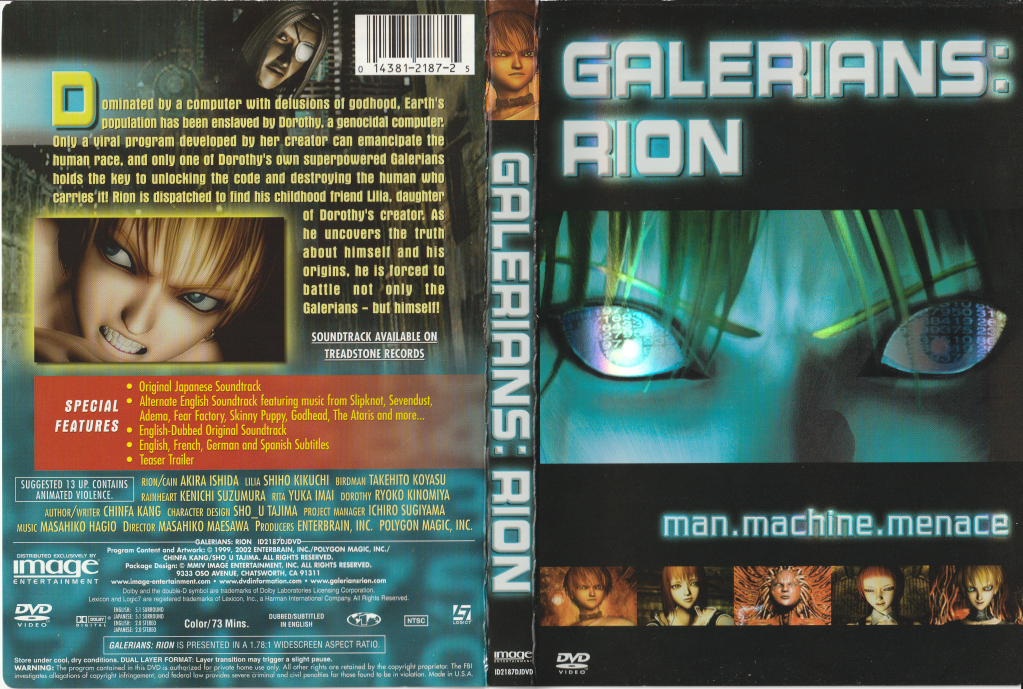
    Galerians: Rion (2002 CGI Movie)

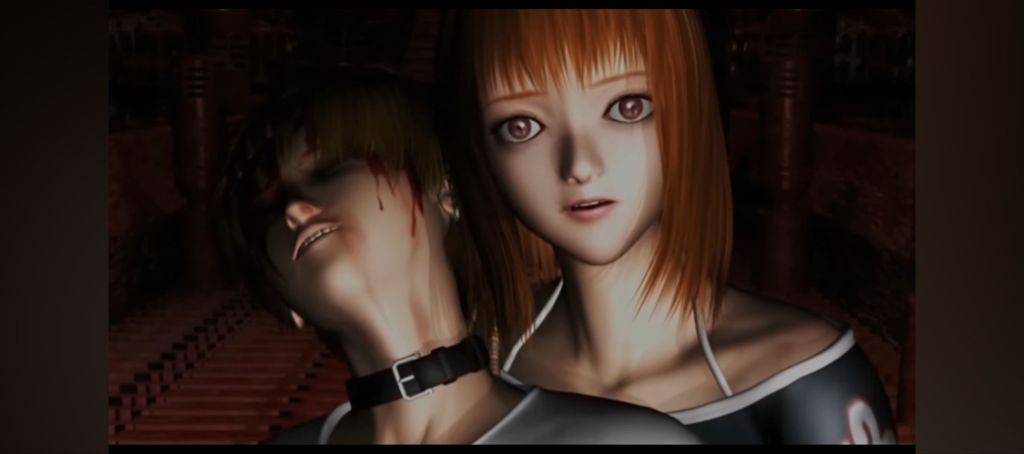
    A couple years later, fans got something unexpected: Galerians: Rion, a full CGI movie.

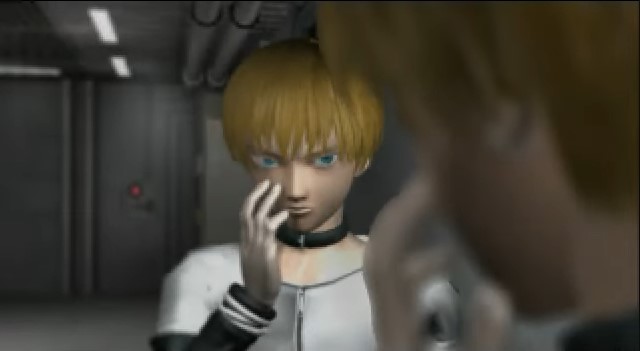
    Think Final Fantasy: The Spirits Within style visuals — glossy, cinematic, and way ahead of its time for such a niche horror property. The movie retold the first game’s story but streamlined it, cutting much of the exploration and emphasizing flashy psychic battles instead.

    The most controversial change was the ending. Where the PS1 game gave us one of the bleakest conclusions in survival horror, the film rewrote it to keep Rion alive — clearly paving the way for Galerians: Ash. For newcomers, it was a more digestible, “cleaned-up” retelling, but for players like me, it lost some of the raw edge that made the original unforgettable.


    2002–2003: Horror Evolves on PS2

    By the time Galerians: Ash launched on PS2 (2002 in Japan, 2003 in the West), the genre had shifted. Survival horror wasn’t just popular — it was splitting into blockbusters vs. experiments.

    • Silent Hill 2 (2001) rewrote the rulebook for psychological horror.
    • Fatal Frame (2001) introduced ghost photography as combat.
    • Resident Evil Code: Veronica X (2001) and Resident Evil Zero (2002) kept Capcom’s dominance strong.
    • Clock Tower 3 (2002) and Siren (2003) tried bold, experimental AI-driven scares.

    Enter Sammy Studios, who published Ash outside Japan. Sammy, better known for arcade hits, was making a push into console publishing. Backing a cult sequel like Ash was a gamble — but one that kept Polygon Magic’s vision alive.

    In Ash, Rion returns to face Ash, Dorothy’s terrifying final “child.” The environments are bigger, the visuals cleaner, and combat more polished — but the mechanics of psychic dependency remain. If anything, the sequel leans harder into the disturbing edge of the original, at a time when most horror games were chasing cinematic prestige.


    Why the Galerians Series Faded

    Both Galerians and Ash were outsiders in their eras.

    • On PS1, Galerians got lost among juggernauts like Resident Evil and Silent Hill.
    • On PS2, Ash was overshadowed by games that redefined the genre’s future.

    But more importantly:

    • Drug dependency as gameplay – Brilliant but controversial.
    • Edgy, bleak storytelling – No power fantasy, just tragedy.
    • Cult status only – Without mainstream traction, the series couldn’t sustain sequels.

    That’s why, in my opinion, Galerians won’t ever get a revival. It’s too raw, too edgy, and too tied to mechanics modern publishers wouldn’t dare touch.


    Playing Galerians Today

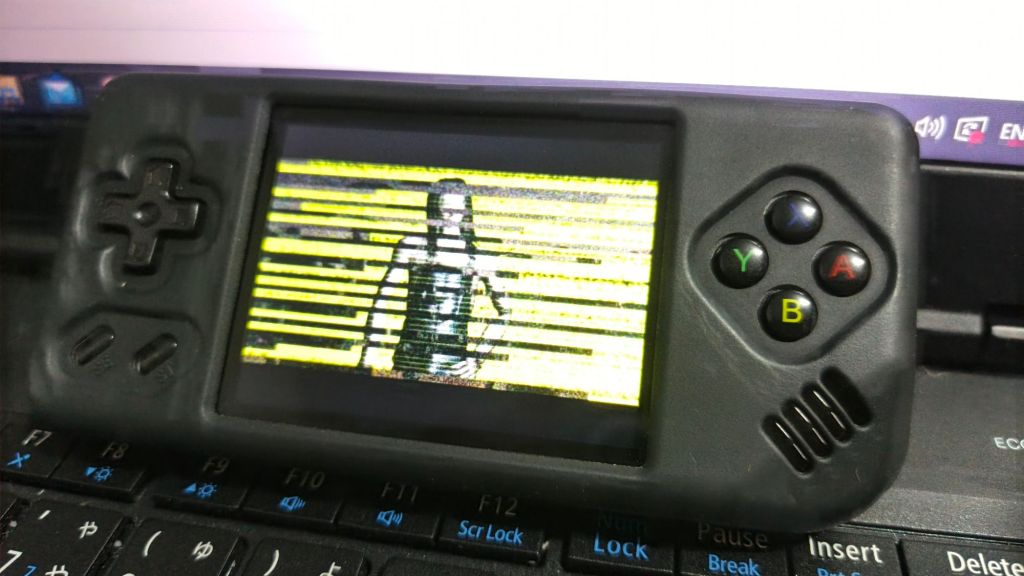
    Even if the series is gone, I still revisit it. My Miyoo Mini makes replaying Galerians on the go super nostalgic, though to be honest, I prefer my RG28XX most of the time — the horizontal form factor just feels better for those tricky trigger-based psychic powers.

    As for Ash, it’s comfortably sitting on my tablet and phone, where I chip away at it in short bursts. With Halloween around the corner, it’s the perfect time to step back into that bleak, oppressive world.


    Final Thoughts

    Galerians may never return, but maybe that’s for the best. It burned bright in its moment, dared to go where few games would, and left behind something unforgettable. For me, replaying it now isn’t just nostalgia — it’s a reminder of when horror games weren’t afraid to disturb you, not just scare you.

    And honestly? In a genre packed with monsters and gore, I’ll take one tragic psychic teen overdosing his way through the apocalypse any day.

Design a site like this with WordPress.com
Get started