Tag: Patapon

  • Sony PSP: Lightning in a Bottle, Lost to Time

    Sony PSP: Lightning in a Bottle, Lost to Time

    A Pocket Full of Memories

    I was scrolling through my phone the other night, hopping between retro handheld pages and game lists trying to find something new to play.
    But as I kept going, I noticed something. Most of the games that caught my attention, the ones that made me stop and think, all pointed to one thing: the Sony PSP.

    Released in Japan on December 12, 2004, North America on March 24, 2005, and Europe on September 1, 2005, the PSP stayed around until 2014, a solid 10-year run.
    In that time, it built up over 1,300 game titles, which is insane when you think about it.
    You could play something new every week and still not run out for years.


    A Console in Your Pocket
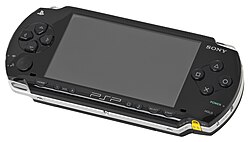
    SONY PSP 1000 model

    The PSP came out during the PS2’s prime years and somehow it kept pace.
    While the PS2 was out there delivering hits every month, the PSP was taking some of those worlds and putting them in your hands.

    You had games like Def Jam: Fight for New York, Fight Night Round 3, and even Tekken 6 running smooth on a handheld.
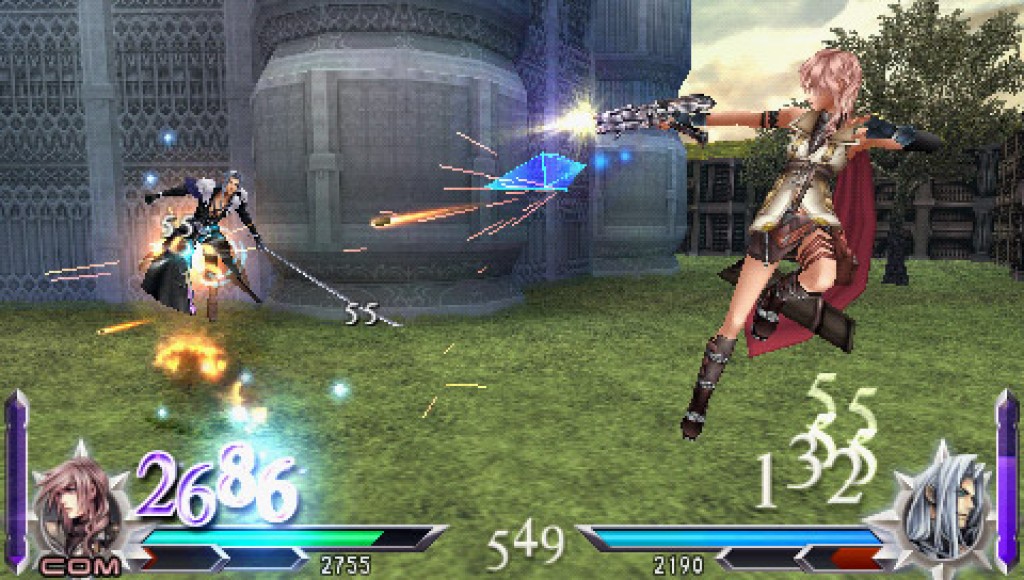
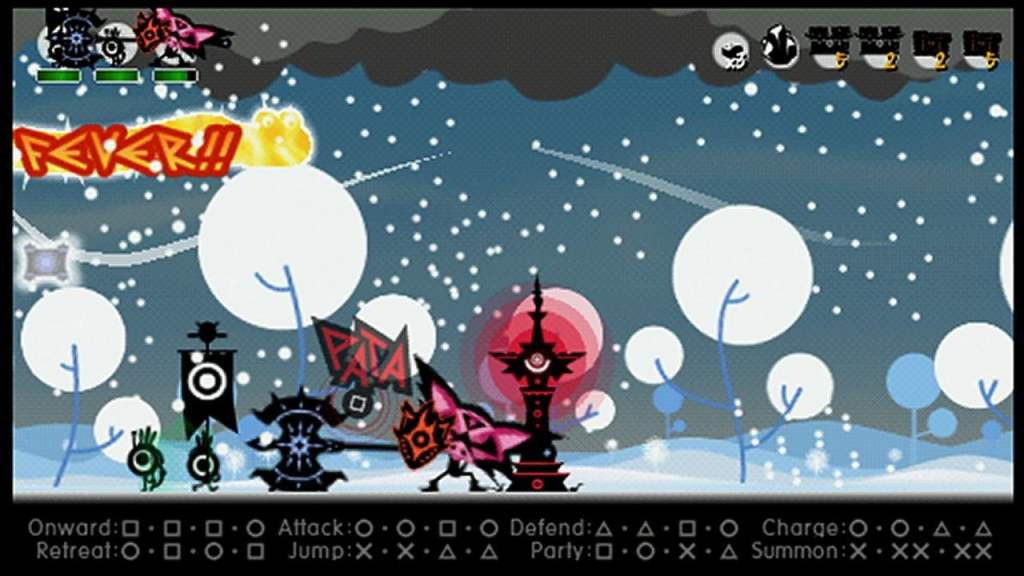
    And the exclusives? That’s where the PSP really showed off with Crisis Core: Final Fantasy VII, Final Fantasy Type-0, Dissidia 012 Duodecim, Patapon, and Half-Minute Hero.
    These weren’t watered-down versions, they were full experiences made for the PSP.

    Then there’s Monster Hunter, and honestly, that game changed everything.
    When Monster Hunter Freedom and Freedom Unite came out, the PSP turned into a real-life multiplayer hub.
    You’d see people hanging out in malls or cafés, PSPs in hand, connecting through ad-hoc to hunt rare monsters together.
    It wasn’t just about grinding or loot drops, it was community.
    That era was pure vibes, no Wi-Fi, no mic chat, just real people meeting up to play.
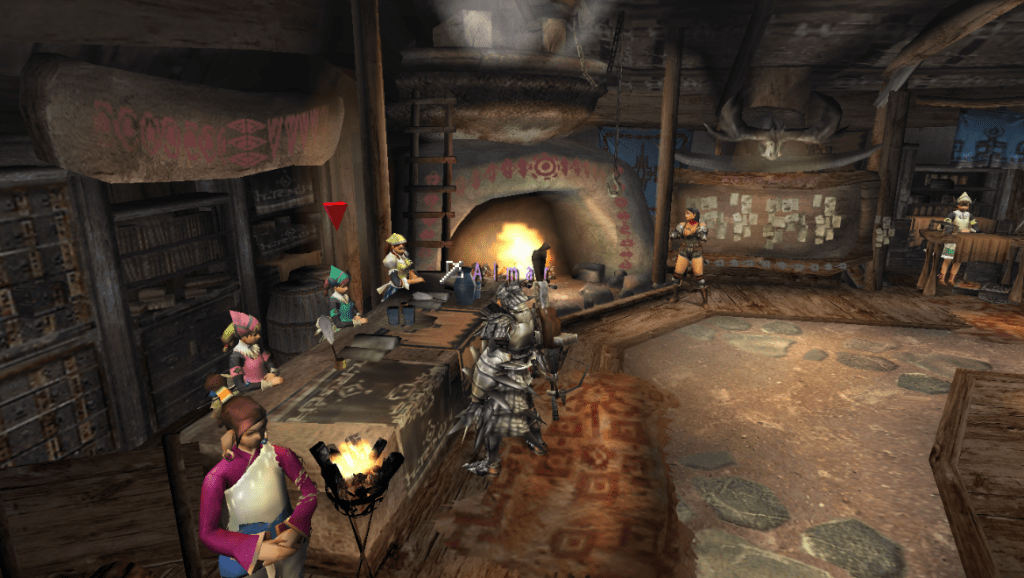
    monster hunter freedom unite guild hall

    “Everyone had a PSP in their bag.
    You’d walk by a table, hear the sound of a Great Sword swing, and know exactly what was going down.”


    Why I Still Love the PSP Today
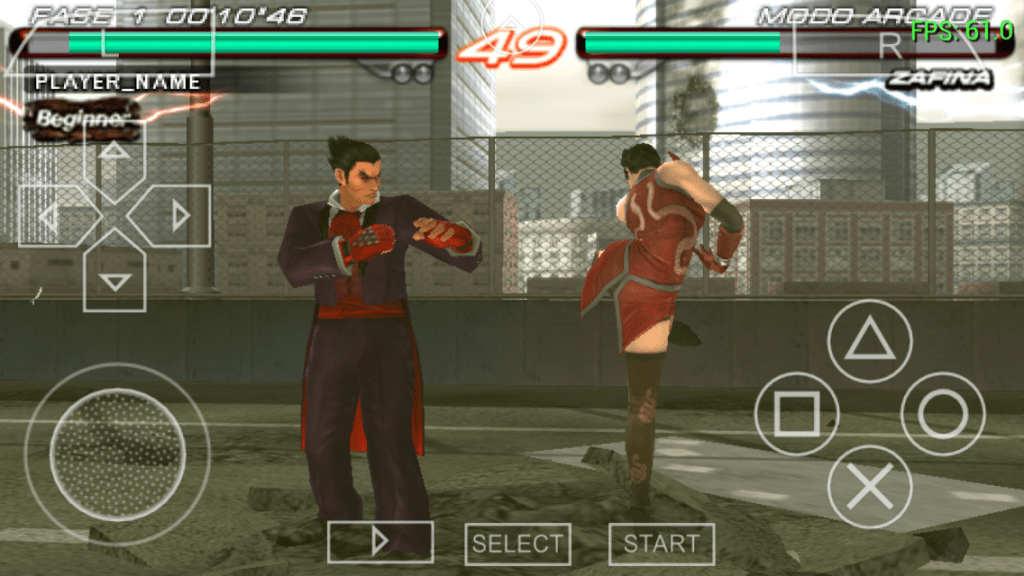
    One of the coolest things about the PSP is how easy it is to play now.
    You don’t even need a fancy handheld or gaming phone because emulation runs smooth on almost anything.

    I still play Tekken 6 on my phone, and honestly, I like it better that way.
    Sliding my combos on the touchscreen just feels smoother than mashing buttons on the real PSP or a controller.
    Might sound weird, but it just works for me.

    That’s the charm of the PSP. It still fits in today’s world.
    It’s not too old for new players, but it still hits that retro nostalgia we all chase.


    The Hype That Fell Flat
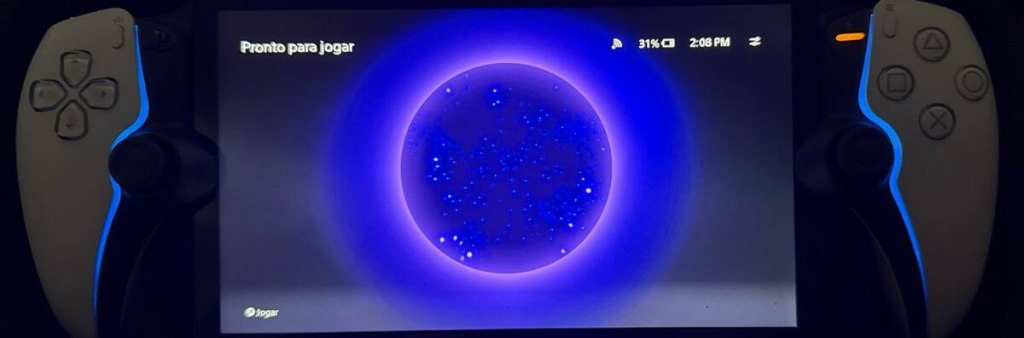
    When Sony announced the PlayStation Portal, I got hyped.
    I really thought, “This might be it. The PSP comeback. Maybe even a Switch killer.”

    But when it finally came out on November 15, 2023, the excitement turned into disappointment.
    It wasn’t a new handheld. It was basically a remote screen for the PS5.
    You can’t even use it without owning one.

    And man, that hurt.
    The PSP stood on its own. You didn’t need anything else, just the console, a UMD, and maybe a memory stick if you were lucky.
    The Portal, on the other hand, felt like half a step forward.

    “The PSP gave you freedom.
    The Portal gave you a reminder that you still need your PS5.”


    Why That Magic’s Hard to Find Now
    The PSP hit different because developers back then were still experimenting.
    They were testing ideas, taking risks, and seeing how far they could push a handheld.
    Games felt like passion projects, not business plans.

    Now it’s mostly about monetization, DLCs, and keeping players spending.
    And that shift killed a lot of that creative fire.

    Even Sony’s follow-up, the PS Vita, proves that.
    On paper, it was the PSP’s smarter, faster sibling with dual analog sticks, touchscreen features, and those back-touch controls.
    And the games looked great, like they were really made for the Vita.
    Titles like Killzone Mercenary, Gravity Rush, and Soul Sacrifice were stunning for their time.

    But here’s where it dropped the ball, the price.
    Everything about the Vita was expensive.
    The handheld itself, the games, and especially that Sony-exclusive memory card you had to buy separately just to save anything.
    So imagine this: you buy the console, then you find out you need an overpriced memory card, then you realize there’s no free game included.
    That’s another trip to the store and another dent in your wallet.
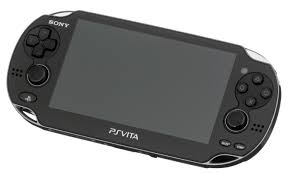
    Sony PS Vita

    To be fair, the PSP wasn’t cheap either, but the difference is, the PSP got hacked early on.
    Once custom firmware came in, people turned it into a do-everything handheld.
    You could emulate older consoles, load your own games, and basically carry your entire library on a single memory stick.
    It became the retro handheld before retro handhelds were even a thing.

    And honestly, that spirit, the whole “make it your own” vibe, carried over to the Vita too.
    Once that system got cracked, it came alive again.
    People used it to play PSP and PS1 titles, homebrew, emulators, everything.

    In a way, that just proves the point.
    The handhelds that lived on weren’t the ones with the best specs, they were the ones people could make personal.
    That’s what the PSP had.
    Freedom. Flexibility. A sense of ownership.
    Something modern handhelds just don’t give anymore.


    Looking Back, Still Ahead of Its Time
    The PSP wasn’t just another console, it was a moment.
    It gave us console-level games in our hands, real-world multiplayer before online took over, and a library that still holds up today.

    It wasn’t perfect, but it felt real.
    You could tell it was built by people who wanted to push gaming forward, not just chase trends.

    The PSP will always have the top spot on my retro list.
    Not because it’s perfect, but because it reminded us what gaming felt like when everything was new and exciting.
    It was lightning in a bottle, and no one’s managed to catch it again.
  • The EZRetro plays Handbook: 10 Games to Get You Hooked on the RG28XX

    The EZRetro plays Handbook: 10 Games to Get You Hooked on the RG28XX

    It’s been barely two weeks since I got my RG28XX, and I’ve been completely glued to it. Like a kid with a new toy, I’ve been switching between games non-stop, quickly learning what plays well and what doesn’t. As a JRPG/RPG fan, I naturally gravitate toward that genre. But let’s be real about the PSP emulation: it’s a bit of a hit-and-miss.

    The Allwinner H700 chipset is powerful for a budget device, but most PSP games are a bit laggy, and some are downright unplayable due to the missing analog stick. Plus, the screen’s resolution isn’t a perfect 16:9 match for the original PSP, so you have to scale and fit it to fill the screen, which is a no-no for purists.

    But for someone not too picky about screen size and is more focused on playing something on a small retro handheld, it’s perfect.

    Even with the quirks, limiting recommendations to just RPGs doesn’t do this little handheld justice. It’s given me the chance to play other games, and after two weeks of non-stop play, here’s my top 10 games to try.

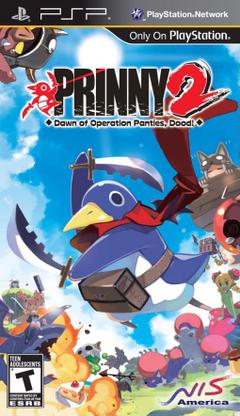
    Prinny 2: Dawn of Operation Panties, Dood!

    psp box art

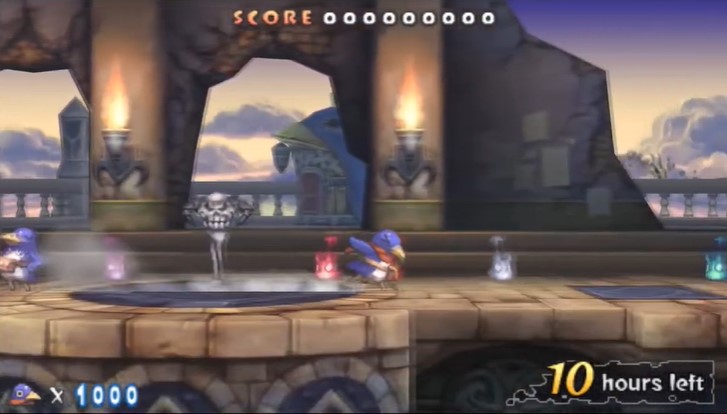
    I’ll be honest—I’ve never been great at platformers on PSP using my phone. The tiny screen, touch overlays, and lack of a proper controller made even basic levels frustrating. But on the RG28XX, everything changed. While the screen is a bit cramped and the buttons are small, I finally beat the first level and a saw Etna inside the castle. It felt like a real win.

    Gameplay-wise, Prinny 2 is a classic side-scrolling platformer, but Nippon Ichi Software adds its signature style. The animations are smooth, and the game’s humor is just absurd enough to keep you laughing even while dying repeatedly. You’ll really end up caring about the side characters and NPCs, dood!

    Fun Fact: Nippon Ichi’s dialogue is so ridiculous and over-the-top that even minor characters steal the spotlight. I’m not usually a fan of side-scrolling platformers, but Prinny 2 had me invested in the story and the laughs, and that’s what matters most.

    Kisou Ryuhei Gunhound

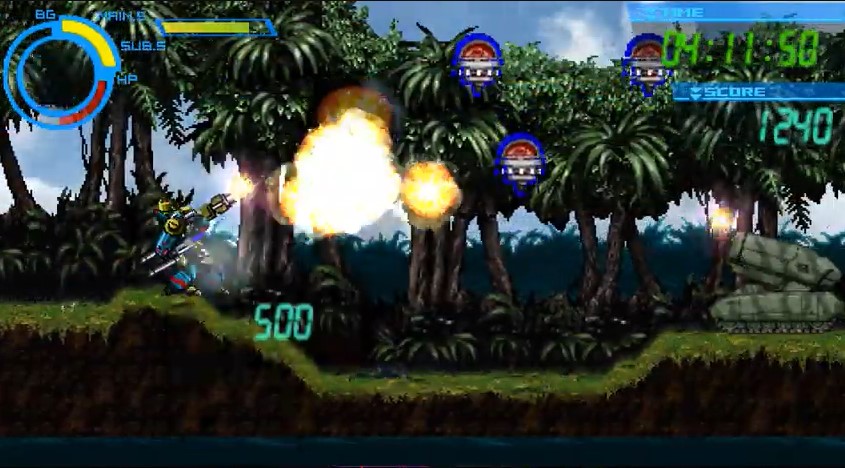
    Kisou Ryuhei Gunhound is a side-scrolling mecha shooter that had me glued from start to finish. You pilot your giant robot through futuristic stages filled with enemies and obstacles. The controls on the RG28XX are precise enough that even intense shooting sequences feel smooth.

    The story follows a world under siege, and while it’s not particularly deep, the excitement comes from blasting through waves of enemies and upgrading your mecha. For someone who enjoys mecha and action, this is a perfect handheld experience.

    Fun Fact: Despite its small screen, the RG28XX handles the visuals perfectly, making every boss fight feel as epic as it would on a console.

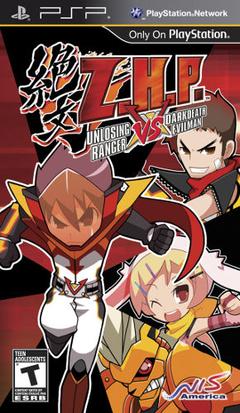
    ZHP: Unlosing Ranger vs. Darkdeath Evilman

    Unlosing Ranger psp box art

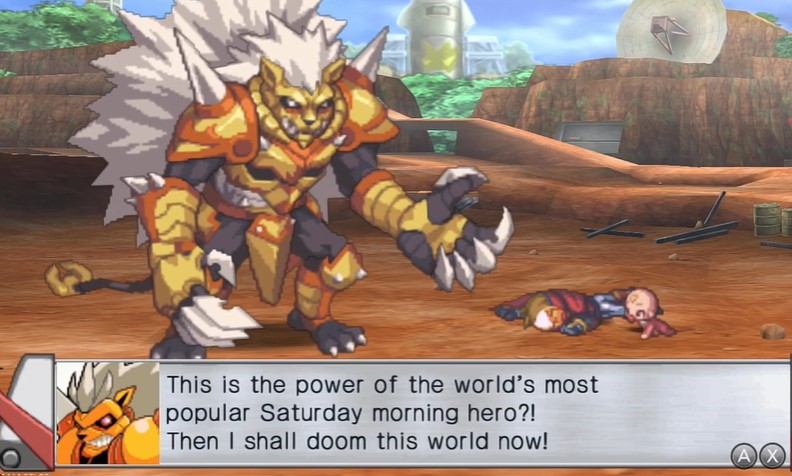
    ZHP is one of the quirkiest tactical RPGs I’ve ever played. You lead a colorful, bizarre team through strategic missions filled with absurd story beats and hilarious dialogues. On the RG28XX, it feels surprisingly comfortable, even during long grind sessions.

    The game’s humor is its standout feature, but don’t mistake it for a joke game—the strategy is real. Positioning your characters and timing your attacks can mean the difference between victory and defeat.

    Fun Fact: Some levels are so absurdly funny that you’ll spend more time laughing than strategizing, which is part of the charm. It’s a tactical RPG that doesn’t take itself too seriously.

    Ys vs. Sora no Kiseki

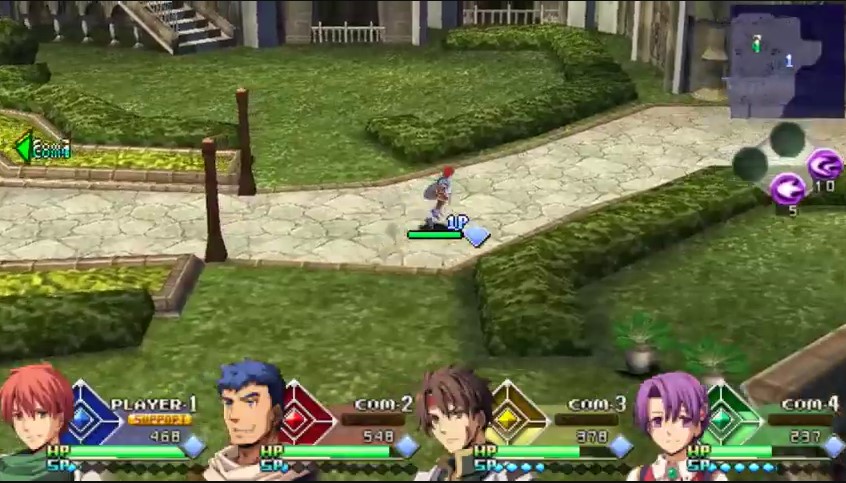
    This one is a little different from the others on my list. Ys vs. Sora no Kiseki is a fighting game that’s a total love letter to fans of both the Trails and Ys series. You get to play through each character’s unique story arc, and you can upgrade their equipment and customize them, which really makes you want to keep playing long after the main story is over. That ability to customize is what gives it some serious replay value.

    Fun Fact: A worldwide release is scheduled for October 10, 2025, on PS4, PS5, Switch, and PC with enhanced features, according to the publisher refint/games.

    TwinBee Portable

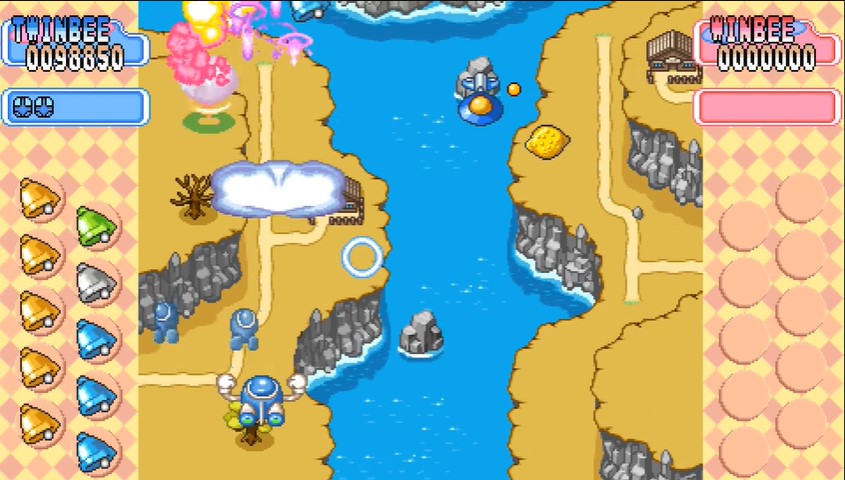
    TwinBee Portable is a vertical shooter with an aesthetic that’s so colorful it’s almost hypnotic. Controlling the ship is straightforward, making it easy to pick up on the RG28XX. The power-ups add a layer of strategy to the simple shooting mechanics, turning it into a deeper experience than it first appears. Since it’s a Japanese-only release, I’m just assuming the story is light and charming, but seriously, who needs a story when what hooked me to this game is the retro vibe and pure nostalgia? It’s the kind of game that’s easy to jump into for a quick session or a longer run.

    Fun Fact: TwinBee’s charm comes from its cheerful music and playful visuals—Konami really nailed that arcade vibe.

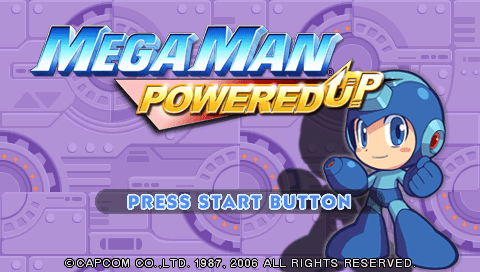
    Mega Man Powered Up

    megaman powered up psp cover

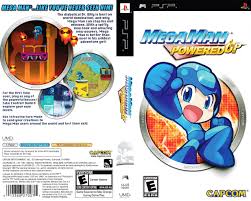
    Mega Man Powered Up is classic Mega Man with upgraded graphics and remade levels. It’s challenging but fair, and controlling the blue bomber on the RG28XX felt surprisingly natural. The satisfaction of finally defeating a tough boss never gets old.

    The story is minimal but fun, staying true to Mega Man’s roots as a robot hero battling evil. The level design is clever, and each stage has its own personality.

    Fun Fact: You can create and share your own levels, making it a mini creative outlet on the go.

    Yuusha 30 Seconds

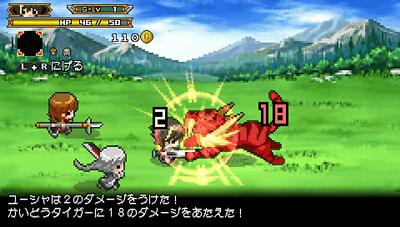
    Yuusha 30 Seconds is a fast-paced mini-RPG where battles and decisions happen in short, exciting bursts. Perfect for handheld play, it keeps you on edge while still being strategic. The story follows a hero who must make quick choices to save their world, making every second count.

    The gameplay of Yuusha 30 Seconds is what truly makes it a standout. Back when it was released, the concept was totally unique, and it still feels incredibly fresh today. The core loop is simple: you have 30 seconds to save the world. This crazy-fast timer forces you to make quick, strategic decisions. Every second counts as you run to level up, buy equipment, and defeat the final boss. It’s a genius concept that turns the traditional RPG grind on its head and keeps every moment filled with high-stakes action.

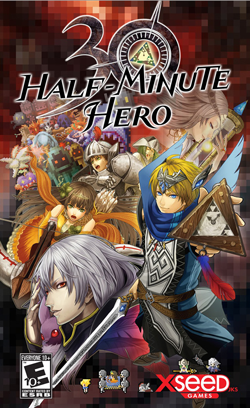
    Fun Fact: Another title, Half-Minute Hero, was also released for western audiences on PSP. Although that’s a great game, I would still recommend hunting down an English translation patch for Yuusha 30 Seconds because the Japanese release is more challenging and has more content.

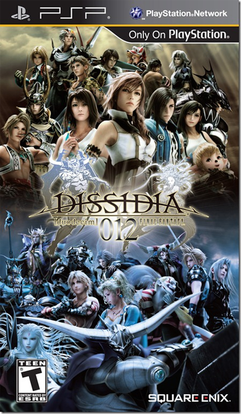
    Dissidia 012 Duodecim (RPG Mode)

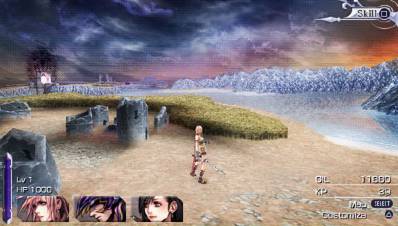
    This one is a bit different. I play Dissidia 012 Duodecim in RPG Mode. There’s an option in the settings to switch from the usual action style to a more tactical RPG-style battle where you input attacks as the battle takes place.

    While I’ll be honest, I usually play this on PPSSPP on my phone since the touch controls and ability to set hotkeys make the game more fluid for me, the RG28XX still offers a great experience in RPG Mode. Even with the controls being a bit cramped and the absence of an analog stick, it’s a perfect fit for this little handheld.

    Fun Fact: Each character has a fully voiced story, and the massive cast includes heroes and villains from almost every major title in the series.

    Zenonia

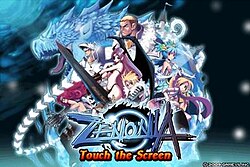
    Zenonia is a classic hack-and-slash RPG that’s perfect for handheld sessions. You explore dungeons, fight enemies, and uncover a story of revenge and justice. The controls feel great on the RG28XX, making combat smooth and satisfying.

    The story is simple but effective, with multiple endings that encourage replayability. I love how easy it is to pick up and play without losing any of the RPG charm.

    Fun Fact: Zenonia was so popular that it eventually found its way to mobile devices, becoming one of the early success stories for JRPGs on the app store.

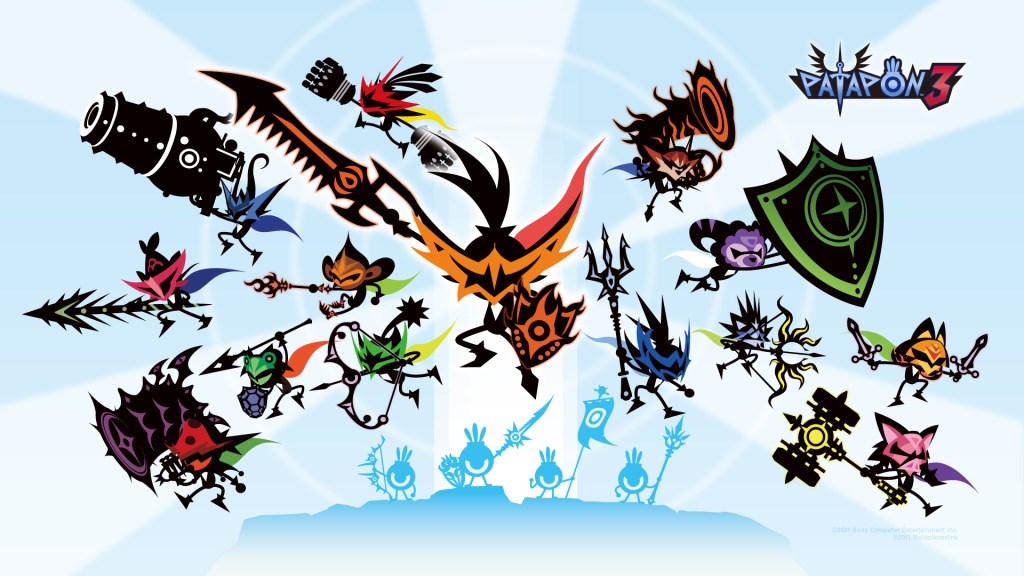
    Patapon 3

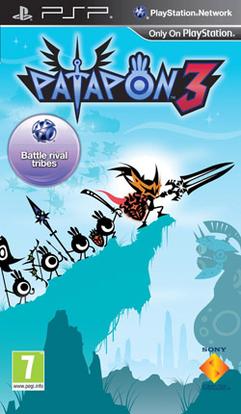
    Patapon 3 perfectly blends rhythm and strategy. You command a tiny Patapon tribe in battles that are essentially musical performances. The gameplay is simple, but timing your beats correctly feels incredibly satisfying.

    The story follows your tribe as they journey to conquer enemies and survive in a whimsical world. It’s easy to lose track of time because the rhythm-based gameplay is so addictive.

    Fun Fact: The unique rhythm-strategy gameplay of Patapon 3 has a rich history. The first game introduced the unique concept of commanding a tribe with drumbeats. Patapon 2 built on that with the introduction of hero units, new classes, and a multiplayer mode. Patapon 3 then evolved the formula even further with a persistent online focus, a more detailed leveling system, and an even deeper focus on the central hero character.

    Final Thoughts

    This list proves that the RG28XX can handle far more than just RPGs. From humor and platforming to epic storytelling and rhythm, this little handheld really delivers, and I can’t wait to see what other hidden gems I discover next.

Design a site like this with WordPress.com
Get started