Tag: Miyoo Mini Plus

  • The EZRetro plays Handbook: 10 Games to Get You Hooked on the RG28XX

    The EZRetro plays Handbook: 10 Games to Get You Hooked on the RG28XX

    It’s been barely two weeks since I got my RG28XX, and I’ve been completely glued to it. Like a kid with a new toy, I’ve been switching between games non-stop, quickly learning what plays well and what doesn’t. As a JRPG/RPG fan, I naturally gravitate toward that genre. But let’s be real about the PSP emulation: it’s a bit of a hit-and-miss.

    The Allwinner H700 chipset is powerful for a budget device, but most PSP games are a bit laggy, and some are downright unplayable due to the missing analog stick. Plus, the screen’s resolution isn’t a perfect 16:9 match for the original PSP, so you have to scale and fit it to fill the screen, which is a no-no for purists.

    But for someone not too picky about screen size and is more focused on playing something on a small retro handheld, it’s perfect.

    Even with the quirks, limiting recommendations to just RPGs doesn’t do this little handheld justice. It’s given me the chance to play other games, and after two weeks of non-stop play, here’s my top 10 games to try.

    Prinny 2: Dawn of Operation Panties, Dood!
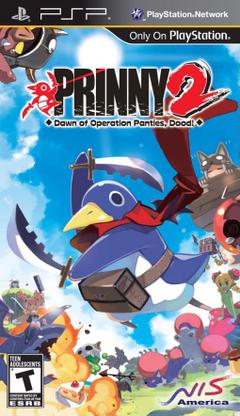
    psp box art

    I’ll be honest—I’ve never been great at platformers on PSP using my phone. The tiny screen, touch overlays, and lack of a proper controller made even basic levels frustrating. But on the RG28XX, everything changed. While the screen is a bit cramped and the buttons are small, I finally beat the first level and a saw Etna inside the castle. It felt like a real win.

    Gameplay-wise, Prinny 2 is a classic side-scrolling platformer, but Nippon Ichi Software adds its signature style. The animations are smooth, and the game’s humor is just absurd enough to keep you laughing even while dying repeatedly. You’ll really end up caring about the side characters and NPCs, dood!
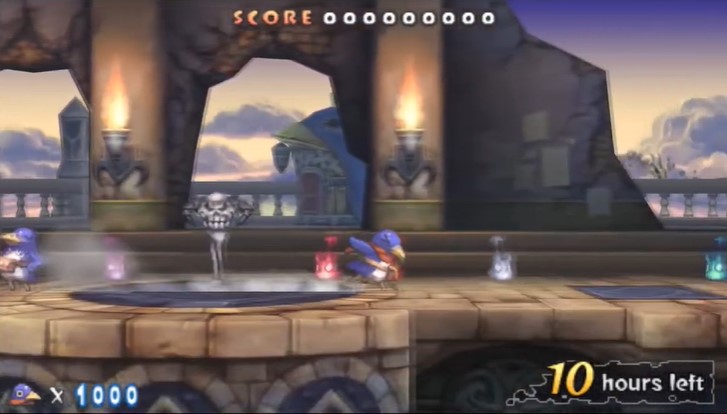
    Fun Fact: Nippon Ichi’s dialogue is so ridiculous and over-the-top that even minor characters steal the spotlight. I’m not usually a fan of side-scrolling platformers, but Prinny 2 had me invested in the story and the laughs, and that’s what matters most.

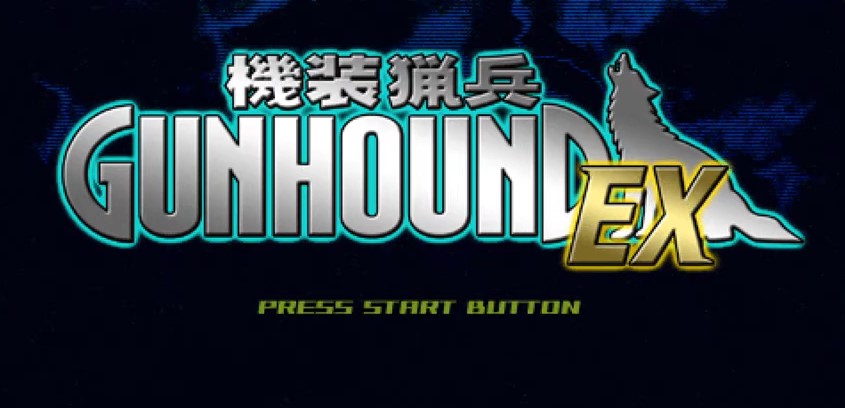
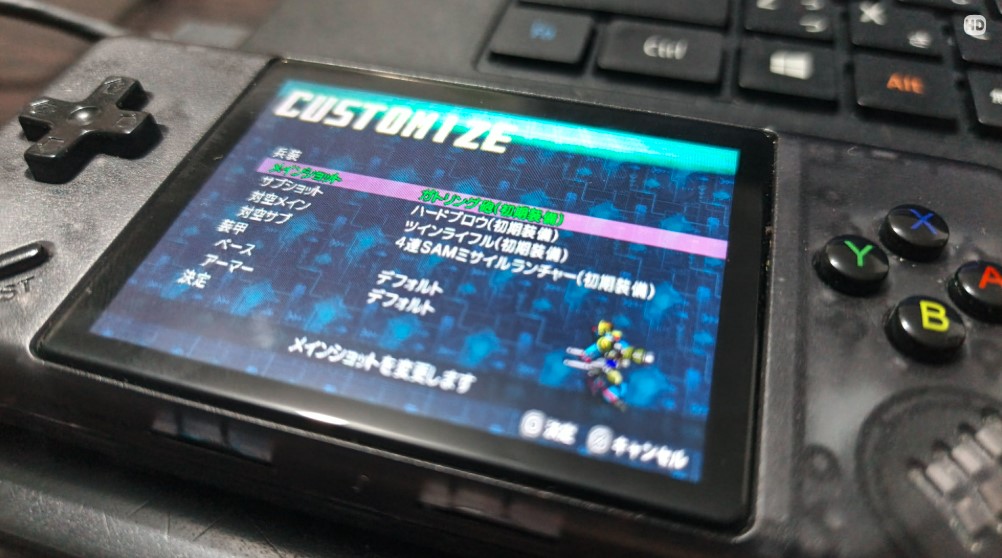
    Kisou Ryuhei Gunhound
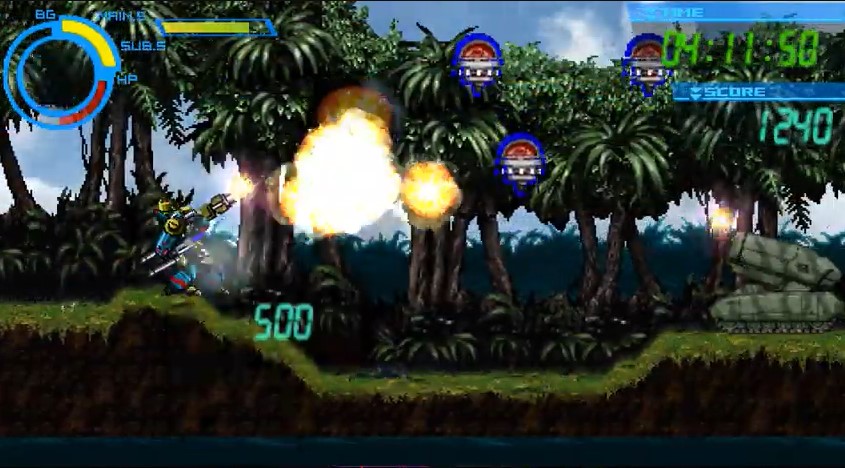
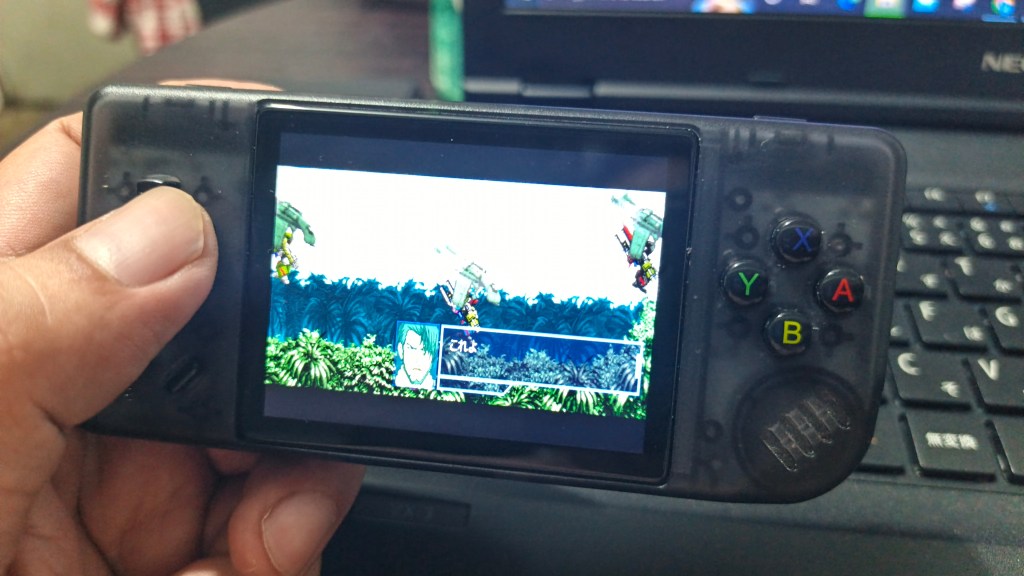
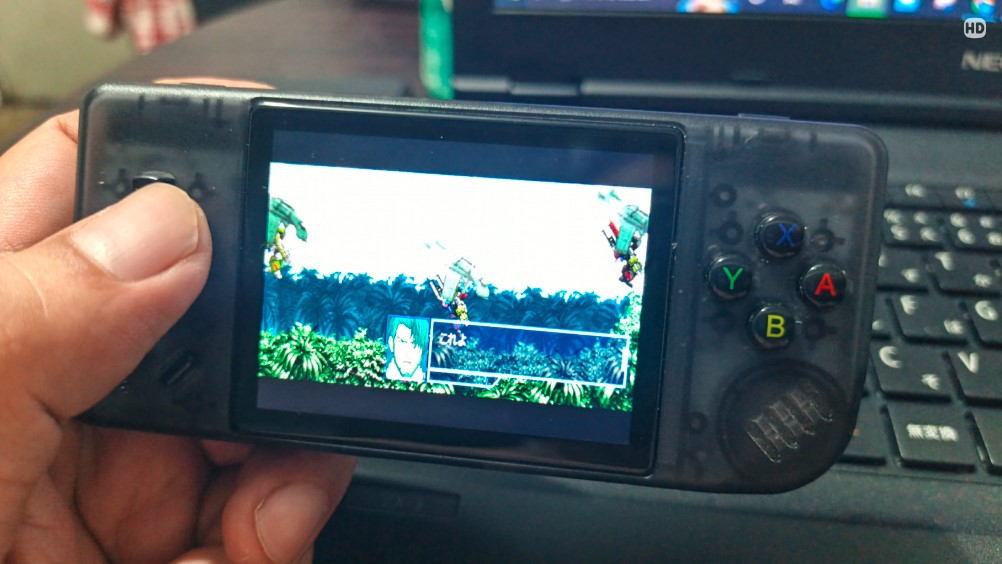
    Kisou Ryuhei Gunhound is a side-scrolling mecha shooter that had me glued from start to finish. You pilot your giant robot through futuristic stages filled with enemies and obstacles. The controls on the RG28XX are precise enough that even intense shooting sequences feel smooth.

    The story follows a world under siege, and while it’s not particularly deep, the excitement comes from blasting through waves of enemies and upgrading your mecha. For someone who enjoys mecha and action, this is a perfect handheld experience.

    Fun Fact: Despite its small screen, the RG28XX handles the visuals perfectly, making every boss fight feel as epic as it would on a console.

    ZHP: Unlosing Ranger vs. Darkdeath Evilman
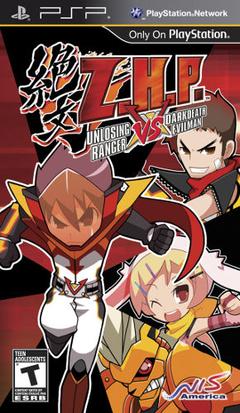
    Unlosing Ranger psp box art

    ZHP is one of the quirkiest tactical RPGs I’ve ever played. You lead a colorful, bizarre team through strategic missions filled with absurd story beats and hilarious dialogues. On the RG28XX, it feels surprisingly comfortable, even during long grind sessions.

    The game’s humor is its standout feature, but don’t mistake it for a joke game—the strategy is real. Positioning your characters and timing your attacks can mean the difference between victory and defeat.
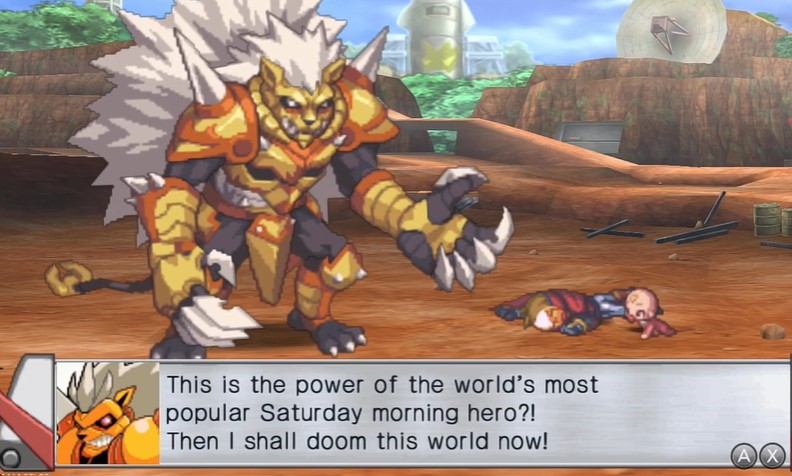
    Fun Fact: Some levels are so absurdly funny that you’ll spend more time laughing than strategizing, which is part of the charm. It’s a tactical RPG that doesn’t take itself too seriously.

    Ys vs. Sora no Kiseki
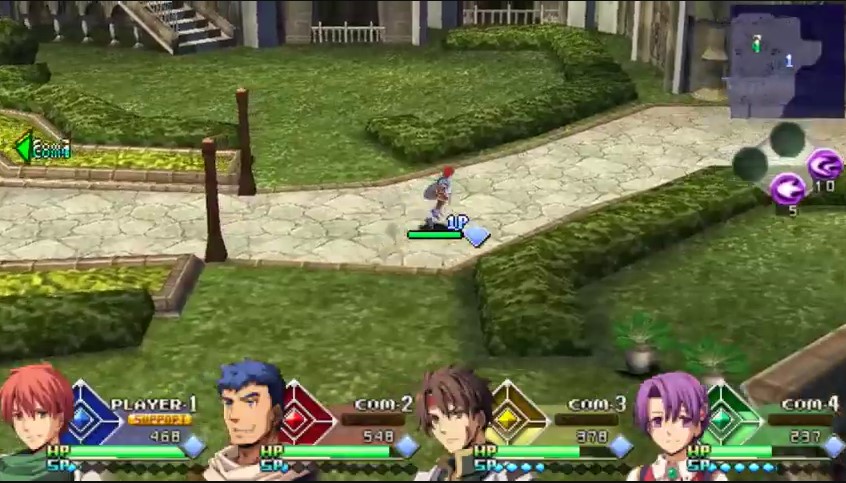
    This one is a little different from the others on my list. Ys vs. Sora no Kiseki is a fighting game that’s a total love letter to fans of both the Trails and Ys series. You get to play through each character’s unique story arc, and you can upgrade their equipment and customize them, which really makes you want to keep playing long after the main story is over. That ability to customize is what gives it some serious replay value.

    Fun Fact: A worldwide release is scheduled for October 10, 2025, on PS4, PS5, Switch, and PC with enhanced features, according to the publisher refint/games.

    TwinBee Portable
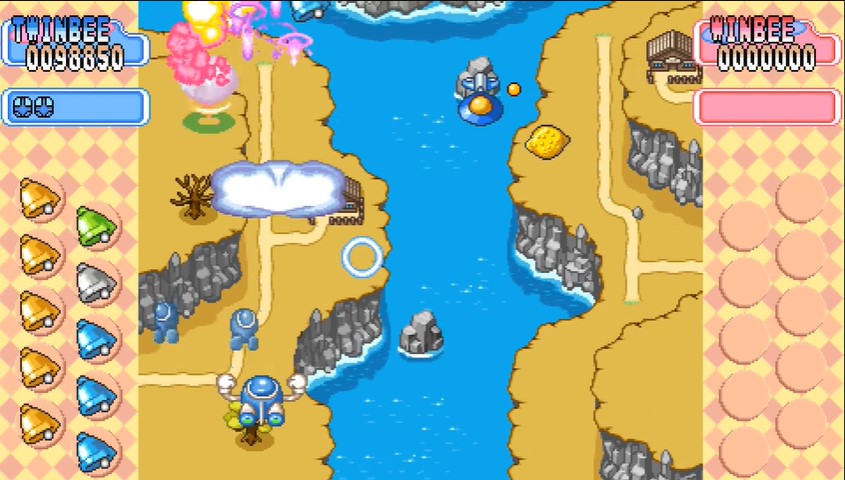
    TwinBee Portable is a vertical shooter with an aesthetic that’s so colorful it’s almost hypnotic. Controlling the ship is straightforward, making it easy to pick up on the RG28XX. The power-ups add a layer of strategy to the simple shooting mechanics, turning it into a deeper experience than it first appears. Since it’s a Japanese-only release, I’m just assuming the story is light and charming, but seriously, who needs a story when what hooked me to this game is the retro vibe and pure nostalgia? It’s the kind of game that’s easy to jump into for a quick session or a longer run.

    Fun Fact: TwinBee’s charm comes from its cheerful music and playful visuals—Konami really nailed that arcade vibe.

    Mega Man Powered Up
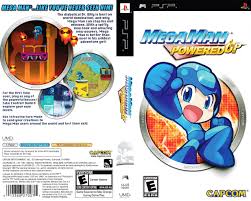
    megaman powered up psp cover

    Mega Man Powered Up is classic Mega Man with upgraded graphics and remade levels. It’s challenging but fair, and controlling the blue bomber on the RG28XX felt surprisingly natural. The satisfaction of finally defeating a tough boss never gets old.

    The story is minimal but fun, staying true to Mega Man’s roots as a robot hero battling evil. The level design is clever, and each stage has its own personality.
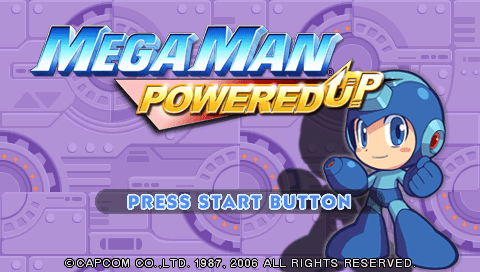
    Fun Fact: You can create and share your own levels, making it a mini creative outlet on the go.

    Yuusha 30 Seconds
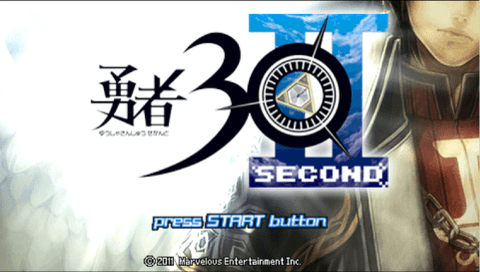
    Yuusha 30 Seconds is a fast-paced mini-RPG where battles and decisions happen in short, exciting bursts. Perfect for handheld play, it keeps you on edge while still being strategic. The story follows a hero who must make quick choices to save their world, making every second count.
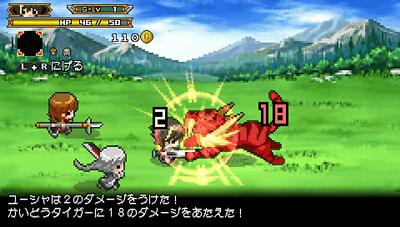
    The gameplay of Yuusha 30 Seconds is what truly makes it a standout. Back when it was released, the concept was totally unique, and it still feels incredibly fresh today. The core loop is simple: you have 30 seconds to save the world. This crazy-fast timer forces you to make quick, strategic decisions. Every second counts as you run to level up, buy equipment, and defeat the final boss. It’s a genius concept that turns the traditional RPG grind on its head and keeps every moment filled with high-stakes action.
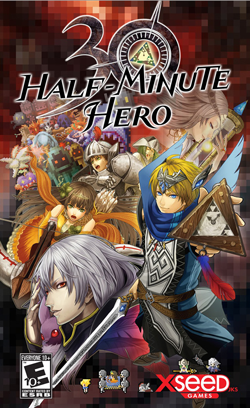
    Fun Fact: Another title, Half-Minute Hero, was also released for western audiences on PSP. Although that’s a great game, I would still recommend hunting down an English translation patch for Yuusha 30 Seconds because the Japanese release is more challenging and has more content.

    Dissidia 012 Duodecim (RPG Mode)
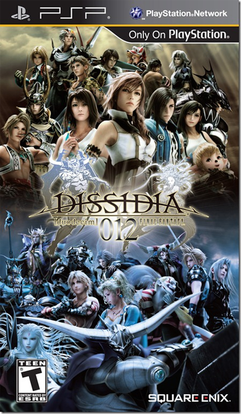
    This one is a bit different. I play Dissidia 012 Duodecim in RPG Mode. There’s an option in the settings to switch from the usual action style to a more tactical RPG-style battle where you input attacks as the battle takes place.

    While I’ll be honest, I usually play this on PPSSPP on my phone since the touch controls and ability to set hotkeys make the game more fluid for me, the RG28XX still offers a great experience in RPG Mode. Even with the controls being a bit cramped and the absence of an analog stick, it’s a perfect fit for this little handheld.
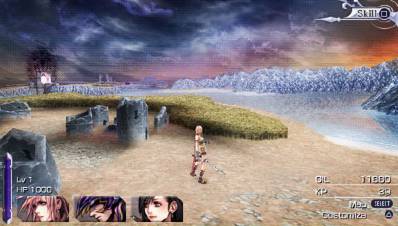
    Fun Fact: Each character has a fully voiced story, and the massive cast includes heroes and villains from almost every major title in the series.

    Zenonia
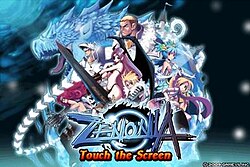
    Zenonia is a classic hack-and-slash RPG that’s perfect for handheld sessions. You explore dungeons, fight enemies, and uncover a story of revenge and justice. The controls feel great on the RG28XX, making combat smooth and satisfying.

    The story is simple but effective, with multiple endings that encourage replayability. I love how easy it is to pick up and play without losing any of the RPG charm.

    Fun Fact: Zenonia was so popular that it eventually found its way to mobile devices, becoming one of the early success stories for JRPGs on the app store.

    Patapon 3
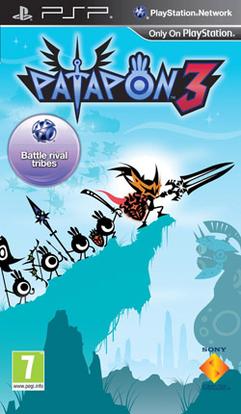
    Patapon 3 perfectly blends rhythm and strategy. You command a tiny Patapon tribe in battles that are essentially musical performances. The gameplay is simple, but timing your beats correctly feels incredibly satisfying.

    The story follows your tribe as they journey to conquer enemies and survive in a whimsical world. It’s easy to lose track of time because the rhythm-based gameplay is so addictive.
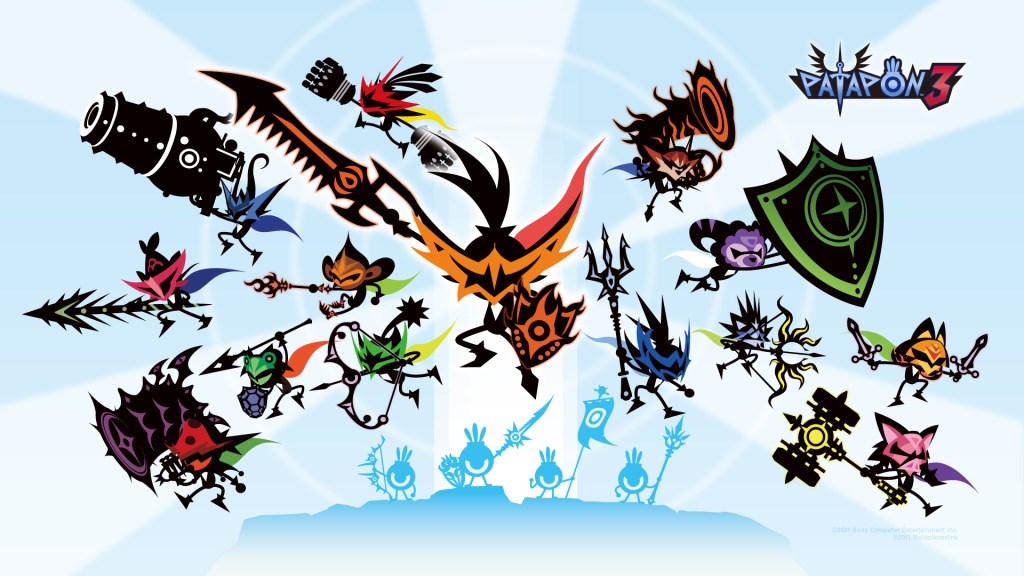
    Fun Fact: The unique rhythm-strategy gameplay of Patapon 3 has a rich history. The first game introduced the unique concept of commanding a tribe with drumbeats. Patapon 2 built on that with the introduction of hero units, new classes, and a multiplayer mode. Patapon 3 then evolved the formula even further with a persistent online focus, a more detailed leveling system, and an even deeper focus on the central hero character.

    Final Thoughts

    This list proves that the RG28XX can handle far more than just RPGs. From humor and platforming to epic storytelling and rhythm, this little handheld really delivers, and I can’t wait to see what other hidden gems I discover next.
  • Anbernic RG28XX Review – A Pocket-Sized PSP Machine?

    Anbernic RG28XX Review – A Pocket-Sized PSP Machine?

    Lately, I’ve been on the lookout for a small device to play JRPGs and RPGs on the go. Being a fan of the Miyoo Mini, I first decided to get the Miyoo A30 since the Miyoo Mini was the handheld that originally got me into retro handheld emulation. Sadly, I only had it for about a day. I was just getting used to the Spruce OS when I lost it on my way home from work.

    After that, I made a second purchase—the Miyoo Mini V4—and it became my only handheld for quite some time. I absolutely love this little device. It’s powerful enough to play up to PS1 games, and I’ve been having a blast playing in short bursts throughout the day. The only drawback for me was the lack of PSP emulation.

    Back in my young adult years, the Sony PSP defined a lot of my gaming moments. I loved it so much that I actually owned three of the four PSP models—the Phat, the PSP-2000, and the PSP-3000. Naturally, I wanted to relive those moments on a small retro handheld that fits perfectly in my pocket. These days, I don’t have much free time to play, so I needed something small, powerful enough to handle PSP, and affordable.

    That’s when the Anbernic RG28XX was recommended to me. Since it was also the only device available near me, I finally went ahead and made the purchase.

    Specs

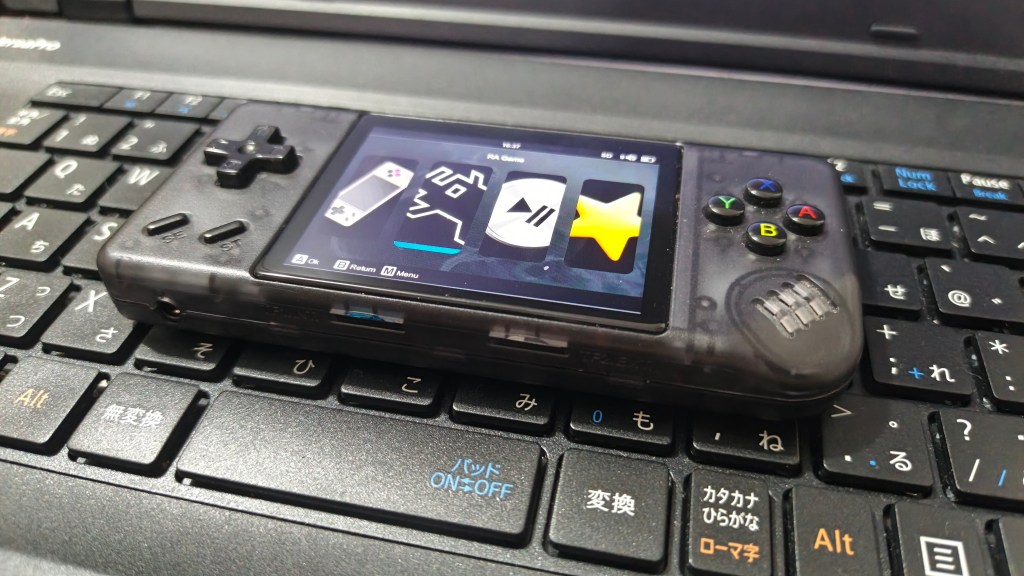
    The Anbernic RG28XX is designed as a compact retro handheld that balances portability with enough power to emulate systems up to PSP. It runs on the Allwinner H700 chip with 1GB of RAM, and comes with a 2.83-inch IPS screen at 640×480 resolution. Storage is handled through dual microSD slots — one for the system and one for your games — making it easy to expand or swap your library.

    Battery life is rated around 5–6 hours, though this depends on what you’re playing.

    Screen & Firmware

    On paper, the RG28XX’s 2.83-inch IPS display is about the same size as the Miyoo Mini, and brightness is solid enough indoors while staying usable outdoors unless you’re in direct sunlight. Colors pop nicely, and RPG text is generally clear.

    But since I mainly use this for PSP emulation, the aspect ratio difference really stands out. PSP games were designed for 16:9, while the RG28XX screen is a square 4:3. That means you’ll either play with black bars on the top and bottom or stretch the image, which doesn’t look quite right. On top of that, because of the device’s horizontal form factor, text in PSP games feels a little smaller than it should. It’s subtle enough not to ruin the experience, but it nags at me every time I play.

    The stock firmware works fine but takes some getting used to. Coming from Onion OS on the Miyoo Mini, which was simple and intuitive, this felt a bit clunky at first. There are a lot of hotkeys to memorize, and I’m not the type who enjoys flipping through an instruction manual just to figure things out. After a week, I’m still adjusting, but once you learn the shortcuts it’s manageable.

    Controls

    When I first got the RG28XX in hand, I immediately noticed how small everything feels. The D-pad is a bit pointy for my taste, and the face buttons are tiny — I really wish they felt more like the Miyoo Mini’s, which are softer and more comfortable.

    The trigger buttons (L1/L2 & R1/R2) and the select/start buttons are also on the clicky side. They work fine, but they don’t feel as smooth as I’d like. After a week, I’m still not fully adjusted. There’s also a slight rattle inside the unit — not enough to break the experience, but noticeable if you shake it.

    Sound

    For a device this small, the sound is decent but not amazing. The bottom-facing speaker is fine for quiet rooms, but your palm can cover it up depending on how you hold the handheld. Volume is enough indoors, but outdoors or in noisy areas, headphones are a must.

    Thankfully, the headphone jack gives a much better experience. RPG soundtracks really come alive with headphones, pulling me back to the PSP days.

    Battery Life

    On paper, the RG28XX is rated for 5 to 6 hours of gameplay, especially with lighter systems like NES or PS1. PSP drains it faster.

    But since I don’t play in marathon sessions, my real-world use is different. I usually play in short bursts — maybe 20–30 minutes here and there — and with that, I can run it for about two days without charging. Charging via USB-C is quick and convenient, and since most of my devices already use USB-C, it’s hassle-free.

    Ergonomics

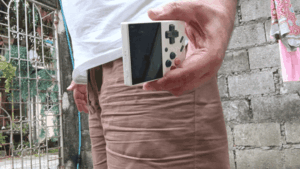
    The RG28XX absolutely wins in portability. It slips into my pocket and I don’t even feel it’s there until I need it. For quick sessions, it’s perfect.

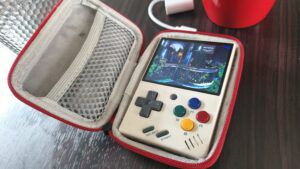
    That said, because of the size, long play sessions can get uncomfortable. My hands cramp after a while, especially with the small buttons and stacked triggers. My unit came with a black silicone case, which adds grip and protection, but it makes the already small buttons feel even more cramped. I usually play without it for comfort.

    Emulation & PSP Performance

    The RG28XX can handle all the classics — NES, SNES, Game Boy, Mega Drive, PC Engine, and PS1 — with no issues at all.

    But I got this for PSP emulation, so that’s where I focused. For 2D RPGs and JRPGs, the device does well enough to be enjoyable. Some stutters appear in effect-heavy scenes, but with a little tweaking in PPSSPP, you can get most titles to run at playable speeds.

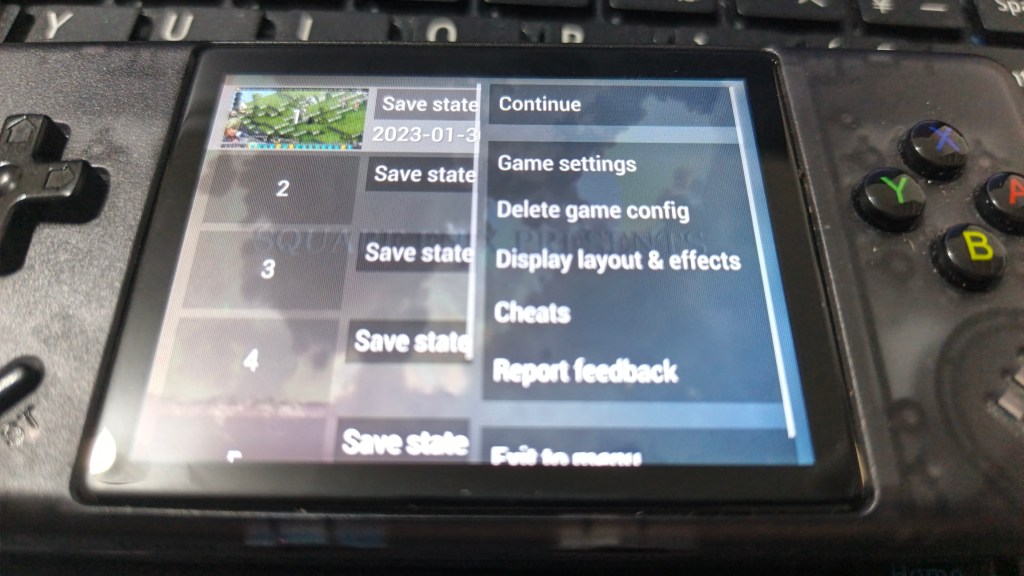
    I was able to play Final Fantasy Type-0 with some remapping. Since there’s no analog stick, you can toggle the D-pad to act as analog by quickly tapping the power button on the right. It takes some getting used to, but it works. Save states and the PSP menu work just like they do on mobile PPSSPP, which I love.

    Not all games run smoothly though. My favorite, Tactics Ogre: One Vision, slows down during dialogue scenes, and I’m still experimenting with settings to smooth it out. Turn-based games are generally playable, but heavier 3D titles will definitely push the limits.

    Pros & Cons

    Pros

    • Pocket-sized and ultra-lightweight
    • Bright 2.83-inch IPS screen
    • Handles retro systems up to PS1 smoothly
    • PSP emulation is playable with tweaks
    • Save states via PPSSPP
    • Solid build quality for the price
    • Comes with a silicone case for protection

    Cons

    • Cramped controls; small, pointy D-pad and tiny face buttons
    • Triggers and select/start buttons are too clicky
    • No analog stick — remapping required for many PSP games
    • Occasional rattling inside
    • PSP performance is hit or miss, with stutters in some titles
    • Long sessions can cause hand cramps

    Final Thoughts

    After a week with the RG28XX, I can say this: it’s a fun little handheld. If what you want is something super portable, pocket-friendly, and affordable, it gets the job done. It lets me carry PSP and retro classics in my pocket, and that alone makes it worth it for me.

    But it’s not perfect. The 4:3 screen doesn’t play nice with PSP’s native 16:9 aspect ratio, which means black bars or stretched visuals. The text also feels smaller than it should, especially compared to the Miyoo Mini, and I notice it every time. Controls are also cramped and take time to get used to.

    If you’re serious about PSP emulation and want a more authentic experience with analog sticks, widescreen support, and stronger performance, then honestly something like the Retroid Pocket 4 is the better option. It’s bigger, sharper, and more comfortable for longer play sessions.

    But if your priority is a tiny handheld that slips into your pocket and still lets you enjoy your favorite RPGs and PSP titles on the go, the RG28XX absolutely delivers on that promise. For me, that balance makes it a keeper.

  • Gunhound – My Go-To PSP Mecha Game for Short Bursts

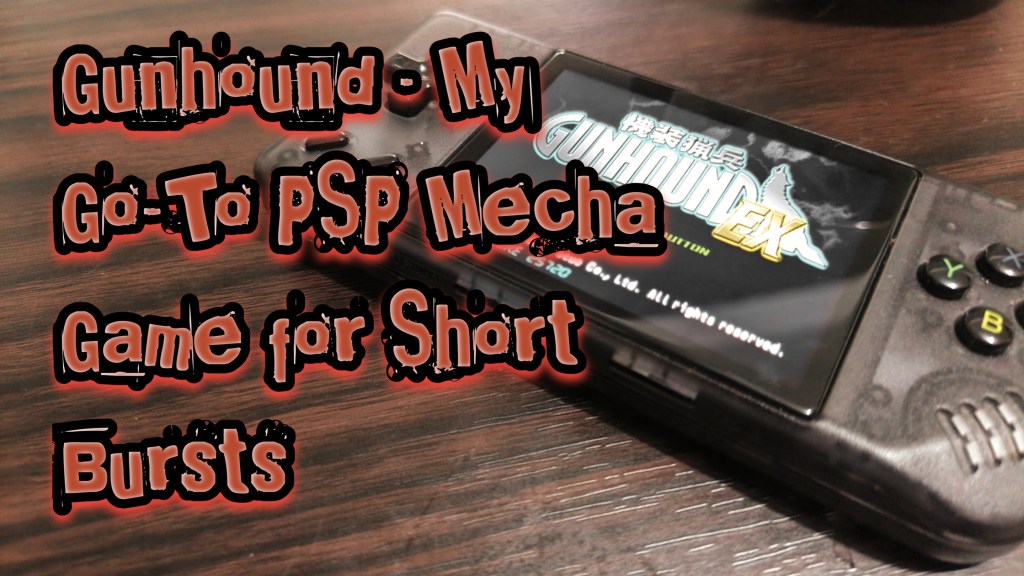
    Gunhound – My Go-To PSP Mecha Game for Short Bursts

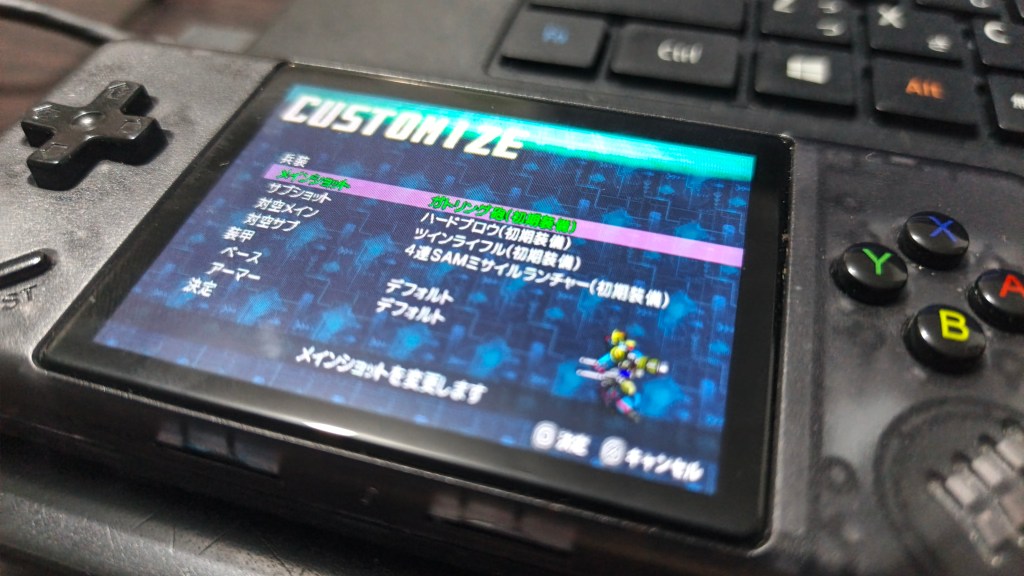
    When I need a quick break in between tasks, Gunhound on PSP is the game I usually go to. It’s fast, it’s exciting, and it scratches that itch for a mecha action experience without needing hours of commitment. It’s not available on smaller retro handhelds like the Miyoo Mini since those can’t run PSP games, but if you’ve got a Miyoo Mini Plus, Flip, or any other handheld that supports PSP, it plays beautifully.

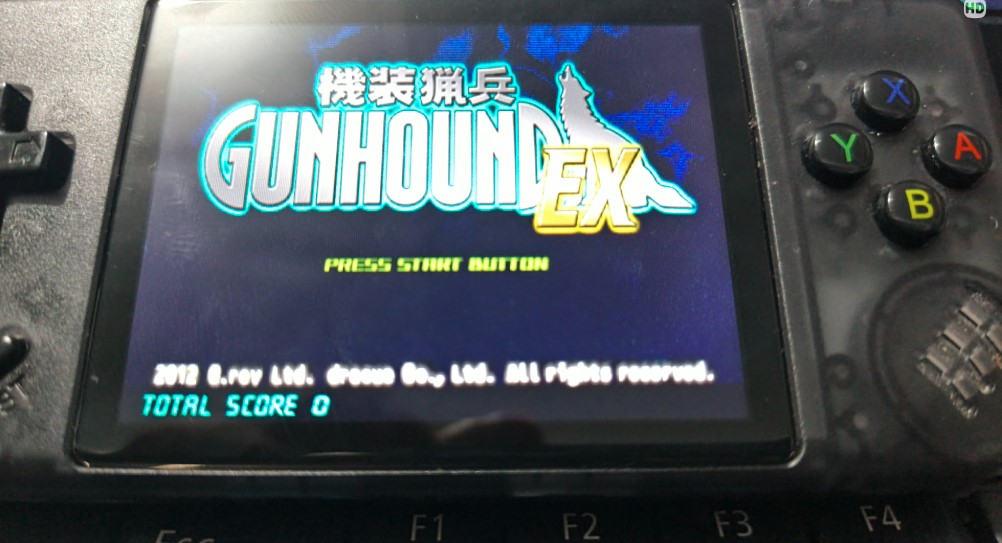
    I actually just picked up the Anbernic RG28XX recently. I was looking for the Miyoo A30 but couldn’t find one locally, so this became my alternative. Luckily, it runs PSP titles smoothly, and Gunhound feels right at home on it.

    A Bit of History

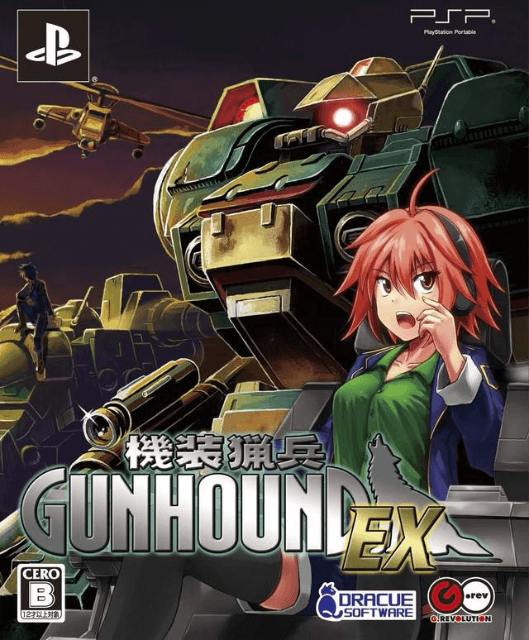
    Gunhound EX (full title: Kisou Ryouhei Gunhound EX) came out in Japan back in 2013 for the PSP. It was developed by a small Osaka-based team called Dracue Software, a doujin (indie) studio known for loving mecha games. Later on, the game got a Windows PC port in 2014 with the title Armored Hunter Gunhound EX.

    The reception was decent, especially from fans of old-school mecha shooters like Assault Suit Valken (Cybernator) and Assault Suit Leynos. Famitsu gave the PSP version a 29 out of 40, and Western reviews of the PC port hovered around 7 to 8 out of 10. Reviewers praised the fast-paced action and anime-style presentation, though some said it felt like the ideas could’ve gone even further.

    As for sales, there’s no reliable number out there — it was a niche release, after all, and never really broke into the mainstream. That’s also one of the reasons it isn’t famous: it was a Japan-only release on PSP, with no official English localization. But honestly, who needs a full translation when your main job is to pilot a mech and fire at anything that moves?

    Dracue didn’t become a big studio after this either. Gunhound EX remains their standout game — more of a cult classic than a widely recognized PSP hit.

    The Story

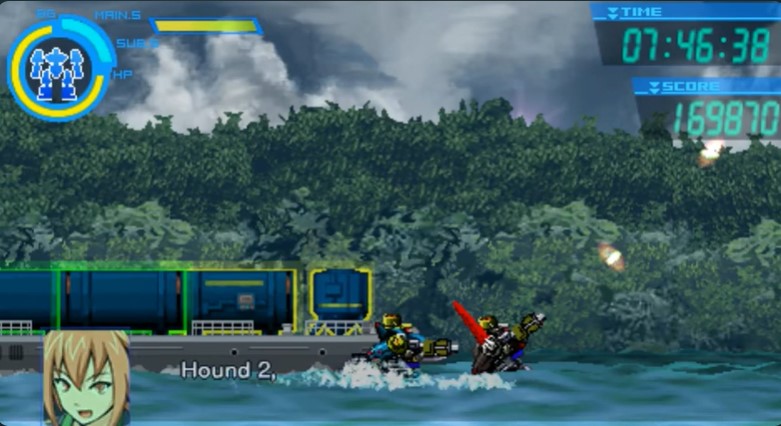
    The game’s setup is straight out of a 90s mecha anime. You pilot a heavy combat machine through different missions, fighting waves of enemies, giant bosses, and military hardware that just keeps coming. The story isn’t super detailed, but it’s enough to push you forward between battles and cutscenes. The real fun is in the action, not reading walls of text.
    Game Mechanics

    The mix of mechanics makes Gunhound really stand out. You get machine guns, missiles, and one of the coolest parts — a grappling hook. It’s not just for climbing but also for swinging and repositioning during fights. That little touch changes how you approach stages, giving it a different flavor compared to standard run-and-gun games.
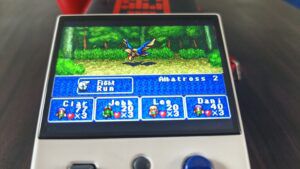
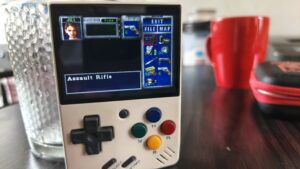
    The game captures that heavy mech feeling while still staying responsive. You’re not zipping around like a ninja; you’re piloting a powerful machine that has weight to it, and learning that rhythm is half the fun.

    Controls

    The controls feel surprisingly smooth for a PSP mecha game. Swapping weapons, firing, and using the grappling hook all click into place once you’ve played a couple of missions. On handhelds with good buttons and a d-pad, like the RG28XX or Miyoo Mini Plus, the game plays almost like it was built for these smaller devices.

    Why It Fits on a Small Retro Handheld

    This is where Gunhound really shines for me. The missions are short enough to pick up and play in between tasks, and the anime-inspired visuals scale perfectly to smaller screens. The intensity is still there, but it feels tighter and more personal when played on a handheld. For a game that’s all about quick bursts of action, portable is the way to go.

    Every time I load this up, it gives me that mix of anime mecha excitement and arcade-style quick action. It doesn’t need hours of play, and the grappling hook always makes the combat feel fresh. I’ll tell myself “just one mission,” and then end up playing two or three because it’s so hard to put down once you’re in the zone.

    Final Thoughts

    Gunhound EX may not be a mainstream PSP classic, but it’s one of those hidden gems that deserves more attention. Between its anime-inspired mecha action, simple pick-up-and-play missions, and perfect fit for retro handhelds, it’s a game I recommend to anyone looking for something different on PSP. The lack of an English release probably held it back, but if you enjoy action that doesn’t waste your time, you’ll feel right at home with Gunhound.

  • EZRetro Review: Miyoo Mini in 2025 – Does the OG Retro Handheld Still Hold Up Today?

    EZRetro Review: Miyoo Mini in 2025 – Does the OG Retro Handheld Still Hold Up Today?

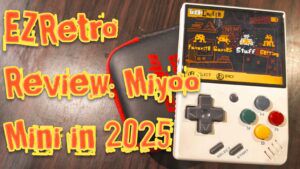
    The Miyoo Mini retro handheld is a nifty little device capable of playing classic 8-bit and 16-bit games up to PlayStation 1 ROMs. Released in late 2021, it was well-received by avid retro gaming fans worldwide. Many would argue that this device jump-started the compact retro handheld market at an affordable price point.

    While other players like Anbernic and Powkiddy existed at the time, the Miyoo Mini managed to make waves due to its pocketability, build quality, and competitive pricing.

    That doesn’t mean it’s without flaws, but many consider (ourselves included) that the original Mini has the perfect size if you want something lightweight and compact that doesn’t significantly impact the gaming experience. This is subjective, of course—people with larger hands will find the device cramped. I have medium-sized hands, so while it took some adjustment, it works really well for me.

    Another main concern is the 2.8″ screen, which many consider quite small for comfortable gameplay. If you’re into text-heavy games, there will be plenty of squinting involved. However, for most games, it works fine and screen size won’t be much of an issue.

    Since its 2021 debut, the Miyoo has undergone three version upgrades. If you’re looking to purchase one now, you’ll likely get the latest Version 4 model, which comes in white, grey, black, transparent blue and yellow colors.

    Hardware Specifications

    Before we dive in, here’s a breakdown of the Miyoo Mini’s hardware (note: we’re reviewing Version 4, but hardware specifications remain similar across versions):

    Device Name: Miyoo Mini (all versions)

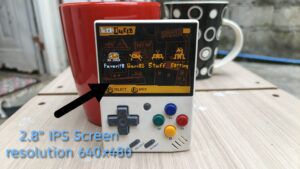
    Display: 2.8″ IPS, 640×480 resolution

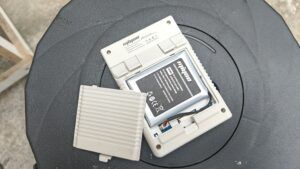
    Battery: ~2000 mAh (4-6 hours depending on emulation)

    Storage: MicroSD (up to 128GB)

    CPU: ARM Cortex A7, 1.2GHz dual-core

    RAM: 128MB

    OS Support: Stock OS (Mini UI) or Onion OS (custom firmware)

    Emulation Support: 8-bit/16-bit systems up to PlayStation 1

    Wi-Fi: None

    (Note: The original Miyoo Mini lacks Wi-Fi support, but the Miyoo Mini+ does include it)

    Size and Weight: 93.5×65×18mm, ~107g

    Emulation Performance

    Since the Miyoo Mini is primarily a retro handheld, let’s examine how well it performs across different emulation platforms.

    I accidentally reformatted the SD card that came with my Miyoo Mini, so I had to start from scratch. I’ve installed my own ROM collection, which is somewhat limited compared to the pre-loaded selection, but I’ve personalized it with games I actually play on the Mini.

    NES/Famicom

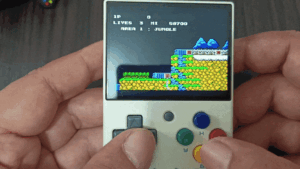
    One standout feature of Miyoo’s NES emulation is its compatibility with modded and homebrew ROMs. For this review, I tested Contra, one of my all-time favorite games on this system and a childhood classic.

    Controls

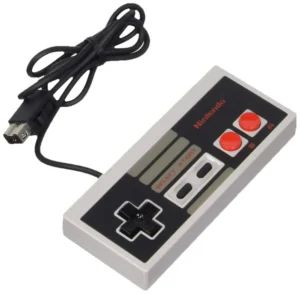
    Standard Famicom controller

    For those unfamiliar with the NES, the control scheme consists of two buttons plus the directional pad (not counting Select and Start). This translates perfectly to the Miyoo Mini’s B and A buttons with the D-pad. While it’s a bit cramped, it remains very playable. You can also customize the X and Y buttons to act as turbo buttons.

    Sound

    The audio is surprisingly loud for such a small device—I had to lower the volume to avoid it being jarring. The single speaker, located on the bottom-right face, is well-positioned. I didn’t experience any sound muffling issues with my thumb placement over the B and A buttons, though this could be problematic for users who rest their thumbs below the buttons.

    The directional pad works excellently. While on the smaller side, I experienced no false inputs or difficulties with this button layout.

    Games to play on Nes/Famicom

    Megaman on famicom

    I play plenty of NES games on the Mini during my free time. Turn-based RPGs work best since they can be played one-handed and don’t require precise inputs. However, platformers also perform well. I recommend Contra, Super Mario Bros. 3, Darkwing Duck, and Mega Man 1 & 2. Generally, any NES game works excellently on the Mini.

    Super Nintendo (Snes)

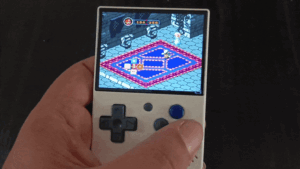
    Super Mario RPG on Snes

    When it comes to RPGs and JRPGs, the Super Nintendo reigns supreme. Throughout its lifespan, it produced numerous RPG titles that continue to inspire modern games, not to mention the remakes and remasters we’ve received over the years.

    The Miyoo Mini delivers exceptional SNES emulation performance. Beyond smooth gameplay, the Mini offers save states for quality-of-life improvements and filter effects to enhance visual appeal or nostalgia.

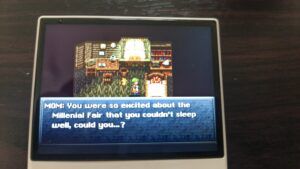
    Chrono Trigger complete hack on Snes

    For this review, I tested Chrono Trigger: Complete, a popular modification for the SNES version. The 2.8″ screen performs admirably—text remains readable, and I experienced no slowdown or noticeable screen tearing.

    This addresses a long-standing issue I’ve had with SNES emulation on mobile devices, where I’ve never found a perfect emulator. The Mini’s compact size also allows for comfortable one-handed gameplay.

    controls

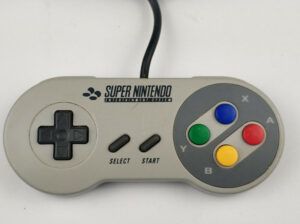
    The SNES control scheme includes four buttons, a D-pad, and left/right triggers. These translate well to the Mini, though I admit the L and R buttons feel somewhat awkward to press. This requires adjustment, but for games that rarely use these triggers (like RPGs and JRPGs), it shouldn’t pose significant issues.

    Sound

    Audio performance is generally solid. I’ve noticed occasional sound crackling or slowdown in demanding games with heavy on-screen action. A classic example is the Super Mario World 30th Anniversary ROM hack. While there are reportedly RetroArch workarounds, I’m not particularly tech-savvy and let it run as-is. These issues only affect specific game sections, and overall performance remains excellent.

    Games to play (Snes)

    While I could recommend every RPG/JRPG on SNES, turn-based games truly shine on the Miyoo Mini. Chrono Trigger, Final Fantasy IV & VI, Shin Megami Tensei mods—if it’s turn-based, it’s perfect for the Mini. Other notable recommendations include Mega Man X, Tales series games, Front Mission: Gun Hazard, Castlevania (especially mods), and Yu Yu Hakusho Tokubetsu Hen.

    Game Boy, Game Boy Color, Game Boy Advance

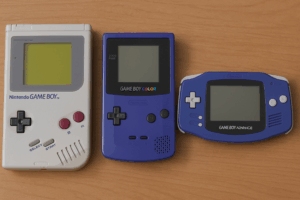
    Gameboy handhheld series by Nintendo

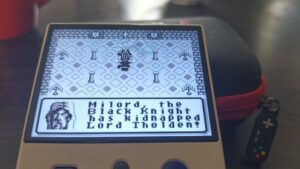
    Modern retro handhelds draw inspiration from the Game Boy family—the concept of portable gaming began with the Game Boy and evolved through the Game Boy Advance. Naturally, the Miyoo Mini excels at emulating these Nintendo handhelds, and with years of homebrew ROMs and mods available, there’s an extensive game library across these three platforms.

    Game Boy

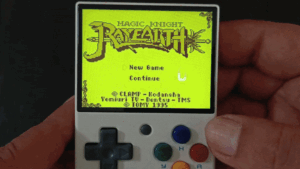
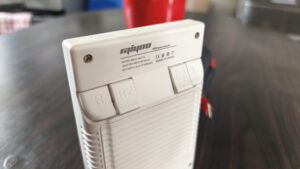
    I tested Magic Knight Rayearth, my all-time favorite Game Boy title. With the simple control scheme of B and A buttons plus the D-pad, you can remap additional buttons for functions like save/load or create combination inputs. A neat Onion OS feature allows you to change screen filters by tapping the rear R1 and R2 buttons, offering up to 26 preset filters instead of the classic green Game Boy display.

    Gameboy Color

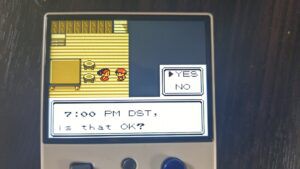
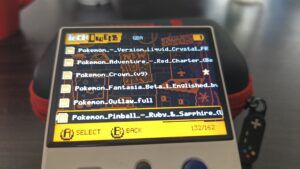
    This is where Pokémon first made its impact. The control scheme remains similar to the original Game Boy but now includes color support and essential features like save states and speed-up toggles (especially useful for Pokémon games). Games display excellently on the 2.8″ screen, with text remaining readable even for those with vision difficulties.

    I tested Pokémon Crystal Legacy, a ROM hack of the original Crystal, and everything ran smoothly with proper internal clock functionality—essential for Game Boy and Game Boy Advance Pokémon games.

    Gameboy Advance

    Harry Potter 1 on GBA

    I have nothing additional to note regarding controls, sound, and quality-of-life features for GBA emulation—everything works excellently. I primarily play Pokémon ROM hacks, RPGs, and strategy games, all of which perform great on the Mini.

    Gba solar sensor

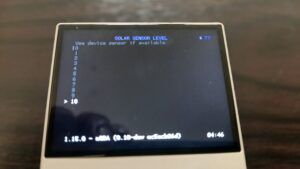
    Solar sensor settings via retroarch

    One standout feature is the solar sensor support, which works beautifully and is easily accessible through the RetroArch emulator.

    For those unfamiliar, certain GBA games utilized a solar sensor hardware feature. The prime example is Boktai (Solar Boy Django), where you charge weapons via the solar sensor to create solar-powered attacks. I previously struggled with solar sensor setup on PC emulators, but it functions flawlessly on the Mini.

    Game recommendations

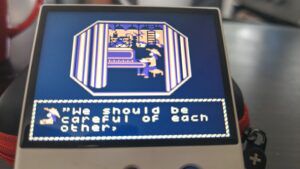
    Honestly, every game works well across these three handhelds on the Mini. Currently, I’m enjoying Magic Knight Rayearth, Darkwing Duck, and Ultima II: Runes of Virtue.

    For Game Boy Color, I highly recommend Pokémon Crystal Legacy, Queen of Fighting 2000 (a fun Chinese homebrew fighting game with easy move execution), Sakura Wars GB, and a newly discovered homebrew called “The Way to Dusty Death”—a compelling text-based RPG.

    For GBA, Pokémon Unbound stands out as the best Pokémon ROM hack available. I also recommend Super Robot Wars OG & OG2, Fire Emblem games and hacks, Boktai 1 & 2 (requiring the solar sensor), and Mega Man Zero 1-4.

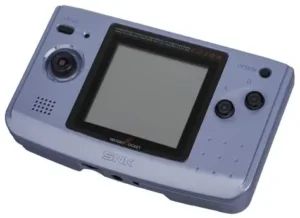
    Neo Geo Pocket

    If you’ve followed my previous emulation reviews, you know I consider the Neo Geo Pocket an underrated handheld, especially for fighting games. NGP emulators are scarce on mobile and PC platforms, making the Miyoo Mini one of the best retro handhelds for NGP ROM emulation. Its compact size isn’t a drawback since the original Neo Geo Pocket was also small, and with only two buttons plus the D-pad, your hands won’t feel cramped.

    I regularly play fighting games like SNK vs. Capcom, SNK Gals’ Fighters, and King of Fighters R-2, executing super moves without issues.

    The Mini’s small D-pad works perfectly for sliding movements required for half-circles and precise forward-down-forward signature moves.

    The only adjustment needed was adapting to low punch/kick inputs—tapping for low attacks and holding for high/heavy attacks. This isn’t a hardware limitation but rather the original Neo Geo Pocket design. Other notable non-fighting games I enjoy include Faselei!, Metal Slug 1st & 2nd Mission, and Dark Arms.

    Wonder Swan Color

    WonderSwan games run excellently on the Mini. However, most online retailers don’t include pre-installed WonderSwan ROMs—you’ll need to manually add the system via package manager and source your own ROMs.

    This might be due to most WonderSwan games being Japanese-only or the handheld’s limited popularity. I’ve purchased two Minis from different shops, and neither included WonderSwan ROMs.

    I tested Makai Toshi Saga, which performed flawlessly—unsurprising given the simple two-button plus D-pad control scheme. As a Gundam fan, I also tried various Gundam WonderSwan ROMs.

    While lacking English translations required some exploration to understand gameplay mechanics, I thoroughly enjoyed the experience.

    Playstation 1

    PlayStation emulation proves hit-or-miss depending on the specific game. While some titles run with minor slowdowns or stutters, others become unplayable or difficult on the Mini.

    Resident Evil exemplifies the challenges—requiring you to hold the R2 button for aiming and tapping the X button for firing. With rear buttons positioned at the device’s back, these combinations feel downright frustrating on such a small device.

    I often accidentally drop the Mini when dealing with multiple on-screen zombies while frantically attempting to aim and fire as they close in on me. This problem is the same for any 3rd and first person shooters like Dino crisis or medal of honor.

    Turn-based games or titles that don’t heavily rely on shoulder buttons provide acceptable experiences, depending on the game type. For dedicated PlayStation 1 gaming, I recommend the Miyoo Mini+ or Miyoo A30, as the original Mini’s size and form factor can create frustrating experiences.

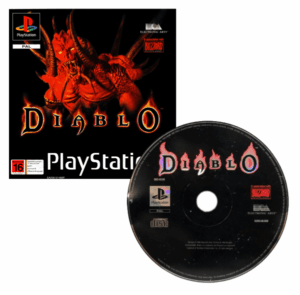
    Note that Diablo 1 and Diablo Devilution won’t run directly—the only workaround involves installing through the Onion OS ports collection, though available tutorials target the Miyoo Mini+ rather than the original Mini.

    Game recommendations

    I typically play Final Fantasy VII, VIII, and IX, plus fighting games like Bloody Roar 2 and Bushido Blade 2. While these run adequately, the awkward trigger button layout makes this less than ideal for such games.

    I’m missing coverage of several emulators like MAME, CPS1, CPS2, PICO, ports collection, and ScummVM due to my accidental card reformatting and lack of legal access to originally pre-installed ROMs. From memory, arcade games performed well, and retailers typically offer extensive ROM selections with Miyoo Mini purchases.

    Final Verdict

    Now in 2025, nearly four years after the Miyoo Mini’s debut, production has ceased in favor of the Miyoo Mini+, which features a larger screen, bigger body, and Wi-Fi connectivity. Is the original Miyoo Mini still worth purchasing? I’d say yes, but it depends entirely on your handheld gaming priorities.

    If you want something genuinely pocket-sized, the Miyoo Mini is perfect. While dozens of smaller handhelds exist, a 2.8″ screen represents the minimum playable size in my opinion.

    For quick gaming sessions during free time, the Mini excels at short play bursts.

    For extended gaming, you’ll need larger, more expensive handhelds for comfortable play, as the Mini’s compact body becomes cramped after an hour or more.

    For retro gaming focused on 8-bit and 16-bit titles, the Miyoo Mini performs excellently at a budget-friendly $60 starting price (at least on AliExpress). I purchased mine through TikTok from Gamecove PH for around $68 with a 64GB SD card option.

    Interestingly, the Mini+ and original Mini were identically priced, with the seller recommending the Mini+ for its larger size and Wi-Fi capability.

    If you’re seeking a compact, affordable retro handheld perfect for short gaming sessions, the Miyoo Mini delivers exactly that experience.

Design a site like this with WordPress.com
Get started