Tag: gaming nostalgia

  • Sony PSP: Lightning in a Bottle, Lost to Time

    Sony PSP: Lightning in a Bottle, Lost to Time

    A Pocket Full of Memories

    I was scrolling through my phone the other night, hopping between retro handheld pages and game lists trying to find something new to play.
    But as I kept going, I noticed something. Most of the games that caught my attention, the ones that made me stop and think, all pointed to one thing: the Sony PSP.

    Released in Japan on December 12, 2004, North America on March 24, 2005, and Europe on September 1, 2005, the PSP stayed around until 2014, a solid 10-year run.
    In that time, it built up over 1,300 game titles, which is insane when you think about it.
    You could play something new every week and still not run out for years.


    A Console in Your Pocket
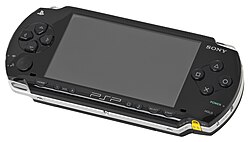
    SONY PSP 1000 model

    The PSP came out during the PS2’s prime years and somehow it kept pace.
    While the PS2 was out there delivering hits every month, the PSP was taking some of those worlds and putting them in your hands.

    You had games like Def Jam: Fight for New York, Fight Night Round 3, and even Tekken 6 running smooth on a handheld.
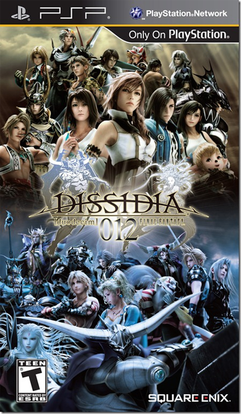
    And the exclusives? That’s where the PSP really showed off with Crisis Core: Final Fantasy VII, Final Fantasy Type-0, Dissidia 012 Duodecim, Patapon, and Half-Minute Hero.
    These weren’t watered-down versions, they were full experiences made for the PSP.

    Then there’s Monster Hunter, and honestly, that game changed everything.
    When Monster Hunter Freedom and Freedom Unite came out, the PSP turned into a real-life multiplayer hub.
    You’d see people hanging out in malls or cafés, PSPs in hand, connecting through ad-hoc to hunt rare monsters together.
    It wasn’t just about grinding or loot drops, it was community.
    That era was pure vibes, no Wi-Fi, no mic chat, just real people meeting up to play.
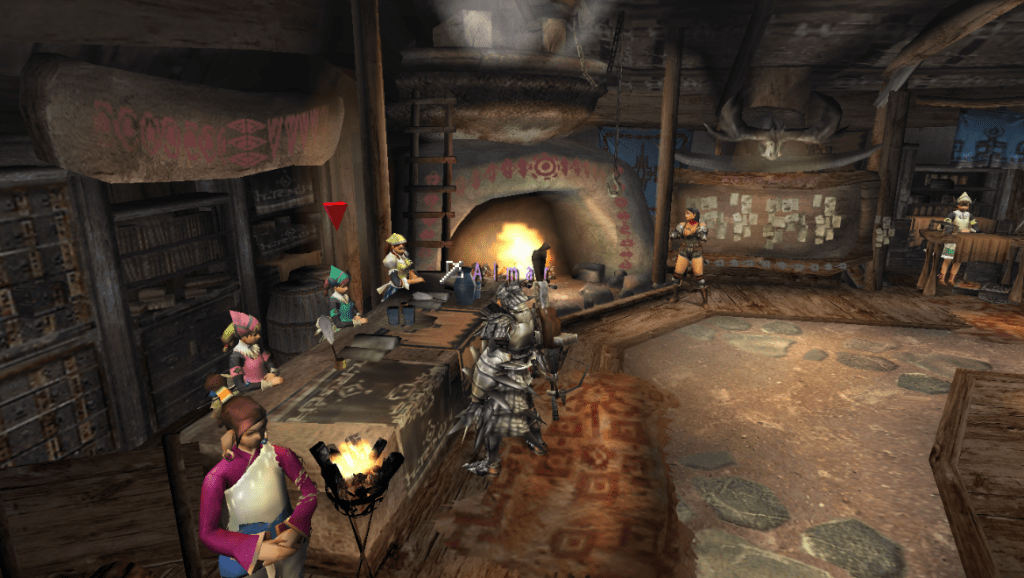
    monster hunter freedom unite guild hall

    “Everyone had a PSP in their bag.
    You’d walk by a table, hear the sound of a Great Sword swing, and know exactly what was going down.”


    Why I Still Love the PSP Today
    One of the coolest things about the PSP is how easy it is to play now.
    You don’t even need a fancy handheld or gaming phone because emulation runs smooth on almost anything.

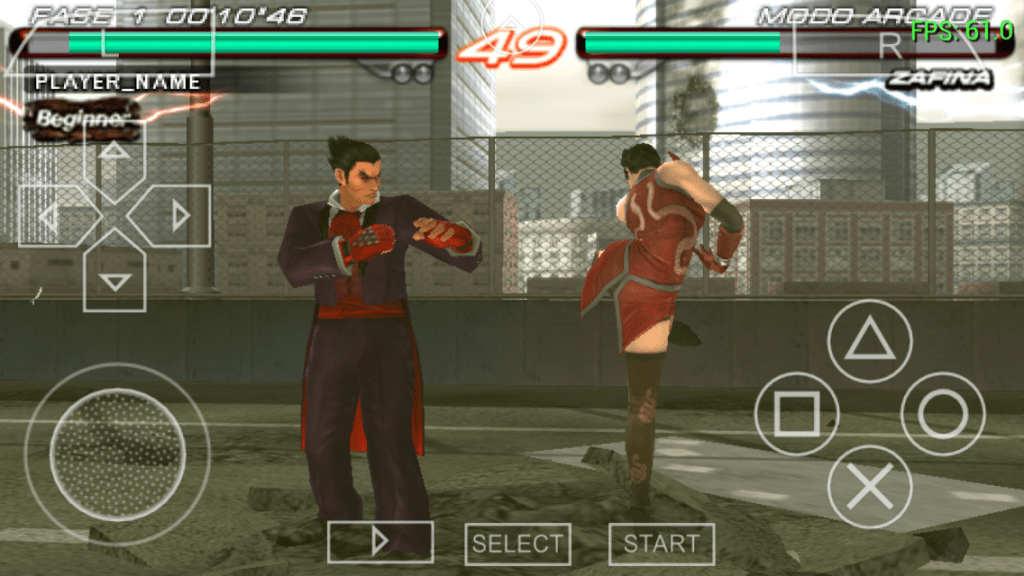
    I still play Tekken 6 on my phone, and honestly, I like it better that way.
    Sliding my combos on the touchscreen just feels smoother than mashing buttons on the real PSP or a controller.
    Might sound weird, but it just works for me.

    That’s the charm of the PSP. It still fits in today’s world.
    It’s not too old for new players, but it still hits that retro nostalgia we all chase.


    The Hype That Fell Flat
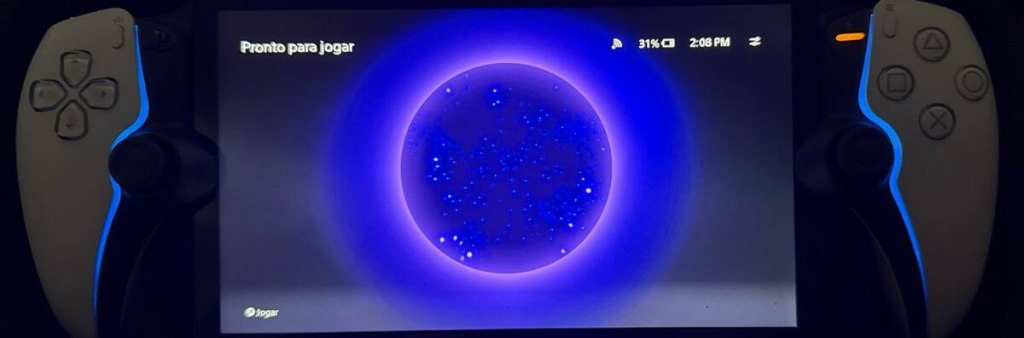
    When Sony announced the PlayStation Portal, I got hyped.
    I really thought, “This might be it. The PSP comeback. Maybe even a Switch killer.”

    But when it finally came out on November 15, 2023, the excitement turned into disappointment.
    It wasn’t a new handheld. It was basically a remote screen for the PS5.
    You can’t even use it without owning one.

    And man, that hurt.
    The PSP stood on its own. You didn’t need anything else, just the console, a UMD, and maybe a memory stick if you were lucky.
    The Portal, on the other hand, felt like half a step forward.

    “The PSP gave you freedom.
    The Portal gave you a reminder that you still need your PS5.”


    Why That Magic’s Hard to Find Now
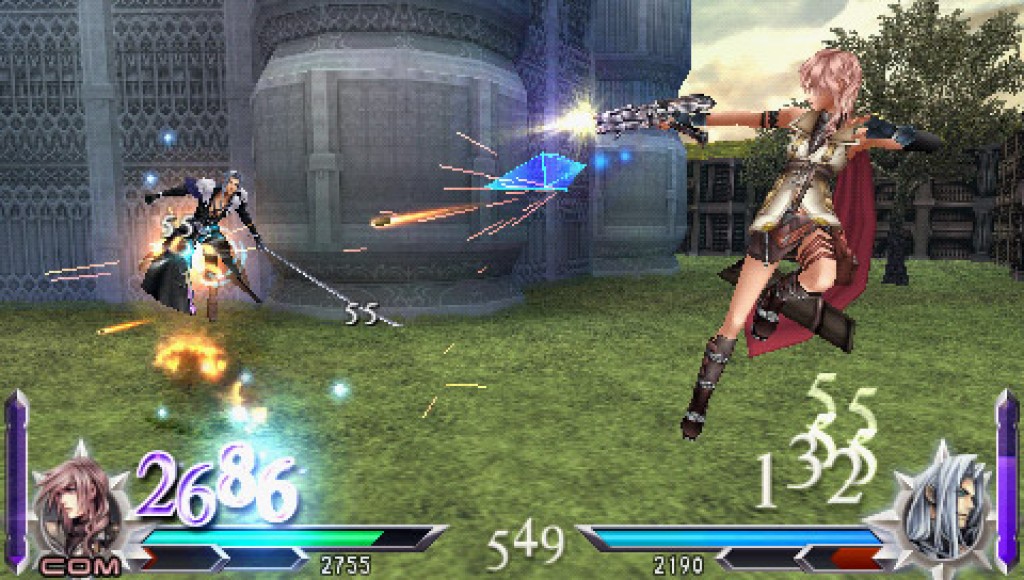
    The PSP hit different because developers back then were still experimenting.
    They were testing ideas, taking risks, and seeing how far they could push a handheld.
    Games felt like passion projects, not business plans.

    Now it’s mostly about monetization, DLCs, and keeping players spending.
    And that shift killed a lot of that creative fire.

    Even Sony’s follow-up, the PS Vita, proves that.
    On paper, it was the PSP’s smarter, faster sibling with dual analog sticks, touchscreen features, and those back-touch controls.
    And the games looked great, like they were really made for the Vita.
    Titles like Killzone Mercenary, Gravity Rush, and Soul Sacrifice were stunning for their time.

    But here’s where it dropped the ball, the price.
    Everything about the Vita was expensive.
    The handheld itself, the games, and especially that Sony-exclusive memory card you had to buy separately just to save anything.
    So imagine this: you buy the console, then you find out you need an overpriced memory card, then you realize there’s no free game included.
    That’s another trip to the store and another dent in your wallet.
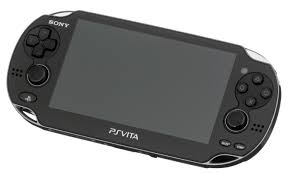
    Sony PS Vita

    To be fair, the PSP wasn’t cheap either, but the difference is, the PSP got hacked early on.
    Once custom firmware came in, people turned it into a do-everything handheld.
    You could emulate older consoles, load your own games, and basically carry your entire library on a single memory stick.
    It became the retro handheld before retro handhelds were even a thing.

    And honestly, that spirit, the whole “make it your own” vibe, carried over to the Vita too.
    Once that system got cracked, it came alive again.
    People used it to play PSP and PS1 titles, homebrew, emulators, everything.

    In a way, that just proves the point.
    The handhelds that lived on weren’t the ones with the best specs, they were the ones people could make personal.
    That’s what the PSP had.
    Freedom. Flexibility. A sense of ownership.
    Something modern handhelds just don’t give anymore.


    Looking Back, Still Ahead of Its Time
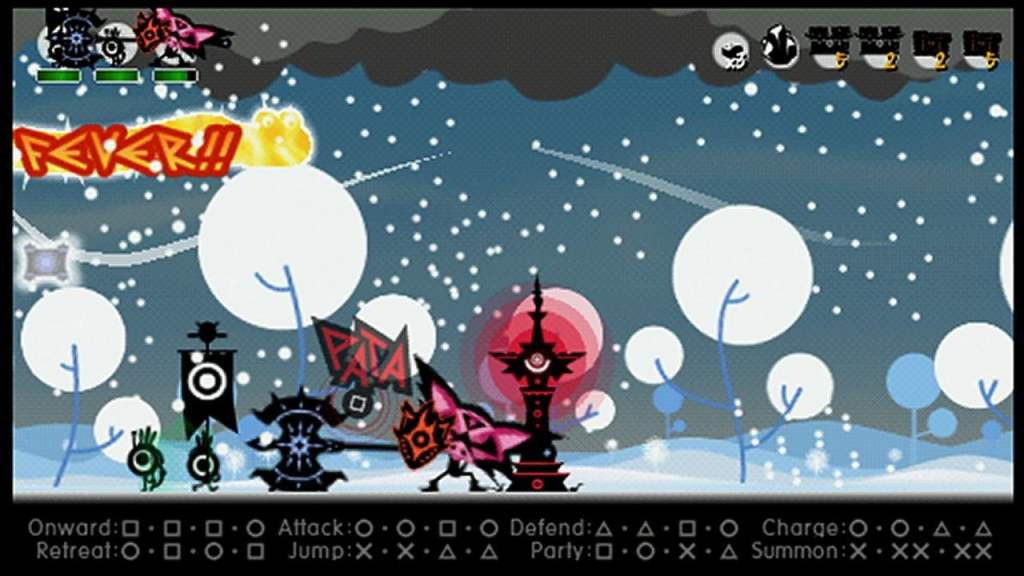
    The PSP wasn’t just another console, it was a moment.
    It gave us console-level games in our hands, real-world multiplayer before online took over, and a library that still holds up today.

    It wasn’t perfect, but it felt real.
    You could tell it was built by people who wanted to push gaming forward, not just chase trends.

    The PSP will always have the top spot on my retro list.
    Not because it’s perfect, but because it reminded us what gaming felt like when everything was new and exciting.
    It was lightning in a bottle, and no one’s managed to catch it again.
  • The Comfort of Pixels: Finding Calm in Retro Games

    The Comfort of Pixels: Finding Calm in Retro Games

    There’s something about old games that never fades. Maybe it’s the simple stories, the pixel art, or that familiar chiptune sound that instantly brings you back. No fancy graphics, no big explosions, just pure fun.

    We live in a time where everything moves too fast. Work, messages, deadlines, everything is always buzzing for your attention. So when I play something old and simple, it slows the world down a bit. It reminds me of when gaming was just about enjoying the moment.

    Comfort Mode On

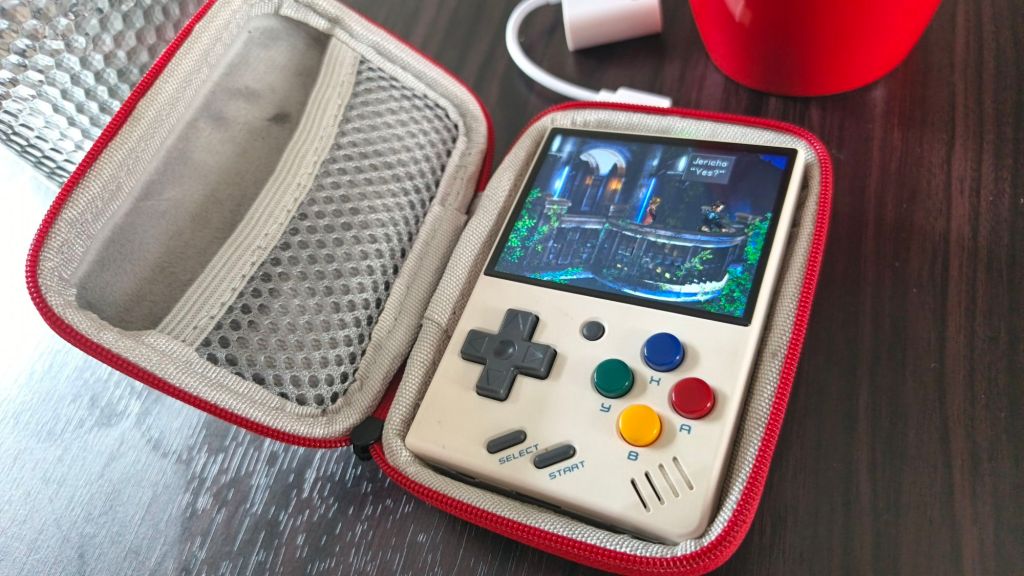
    When I play on a tiny handheld like the Miyoo Mini, I’m not looking for flashy visuals or new features, I’m just looking for comfort. There’s something deeply satisfying about that small screen lighting up with Castlevania or Final Fantasy IV. No loading, no updates, no nonsense. Just the game.

    The Miyoo Mini isn’t just a gadget; it’s a pocket-sized time machine. It fits in your hand, but somehow holds years of memories inside. Every D-pad click feels like turning the pages of my childhood, one stage, one level, one victory at a time.

    Its form factor is one of the best things about it. I can tuck it inside my shirt pocket or jeans, and most of the time, I don’t even notice it’s there. But the comfort it gives when I get a few minutes to play, whether I’m waiting for coffee or on a break, is unbeatable. It’s even more convenient than my phone or my Anbernic devices. The Miyoo Mini doesn’t demand attention. It quietly waits for the right moment, and that’s what makes it special.

    Life gets heavy sometimes, work, family, love, all of it. But spending even a couple of hours doing something that once made you happy as a kid, that’s peace right there.

    Sometimes, after a long day, I don’t want to think too much. I just want something familiar. That’s when I grab the Miyoo, dim the lights, and let that little screen take me somewhere calm.

    Memory and Meaning

    Retro games hit differently because they remind us of who we were. They’re not just games; they’re pieces of time. The startup sound of the PS1. The bloop when Mario jumps. The high score jingle from Space Impact.

    In a world that’s stressful, whether it’s work, relationships, or family, finding a few quiet hours to do something you loved as a kid feels almost therapeutic. It’s a small reminder that joy doesn’t always have to be complicated.

    Each sound, each pixel, is like opening a window to an easier time, when the only thing that mattered was getting past that one hard level.

    And now that devices like the Miyoo Mini make these games portable again, it’s like carrying a piece of your past with you wherever you go. You can pause modern life for a bit and just play, no guilt, no rush.

    Simple by Design

    Maybe it’s not really about nostalgia. Maybe it’s about balance. Retro games remind us that not everything has to be about achievements, unlocks, or endless updates.

    You don’t “finish” Tetris. You don’t “beat” Pac-Man. You just keep going. And somehow, that’s enough.

    When life feels noisy and crowded, a few minutes with something you loved as a child can feel like breathing again. It’s not running away, it’s returning to a part of yourself that’s been quiet for too long.
    And in a world that always wants more from you, that kind of simplicity is priceless.

    Press Start to Feel Again

    Retro gaming is still alive because we need it. We need that small reminder of when things were simple, fun, and full of wonder.

    Whether you’re playing on an old console, a modern port, or a Miyoo Mini loaded with classics, what matters is how it makes you feel.

    Maybe we don’t play retro games because they’re old.
    Maybe we play them because they remind us who we used to be, and who we still are.

    So go ahead. Charge that Miyoo, load up your favorite ROM, and give yourself a little escape tonight. Not to go back in time, but to remember how good it feels to just play.

  • The EZRetro plays Handbook: 10 Games to Get You Hooked on the RG28XX

    The EZRetro plays Handbook: 10 Games to Get You Hooked on the RG28XX

    It’s been barely two weeks since I got my RG28XX, and I’ve been completely glued to it. Like a kid with a new toy, I’ve been switching between games non-stop, quickly learning what plays well and what doesn’t. As a JRPG/RPG fan, I naturally gravitate toward that genre. But let’s be real about the PSP emulation: it’s a bit of a hit-and-miss.

    The Allwinner H700 chipset is powerful for a budget device, but most PSP games are a bit laggy, and some are downright unplayable due to the missing analog stick. Plus, the screen’s resolution isn’t a perfect 16:9 match for the original PSP, so you have to scale and fit it to fill the screen, which is a no-no for purists.

    But for someone not too picky about screen size and is more focused on playing something on a small retro handheld, it’s perfect.

    Even with the quirks, limiting recommendations to just RPGs doesn’t do this little handheld justice. It’s given me the chance to play other games, and after two weeks of non-stop play, here’s my top 10 games to try.

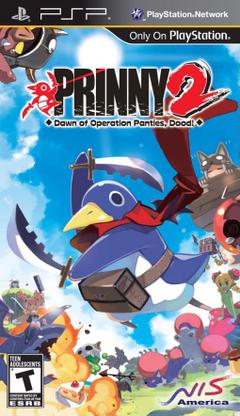
    Prinny 2: Dawn of Operation Panties, Dood!

    psp box art

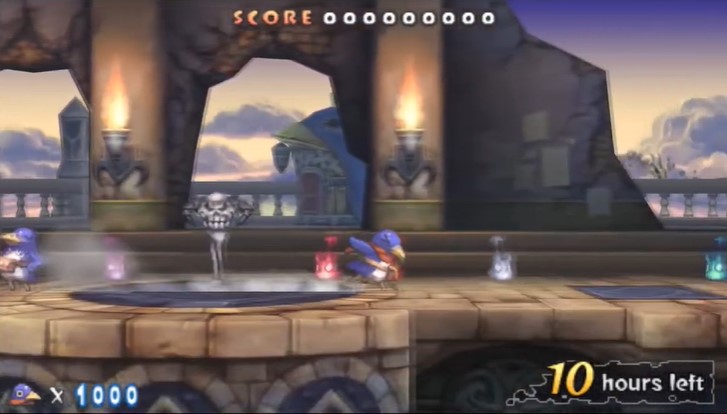
    I’ll be honest—I’ve never been great at platformers on PSP using my phone. The tiny screen, touch overlays, and lack of a proper controller made even basic levels frustrating. But on the RG28XX, everything changed. While the screen is a bit cramped and the buttons are small, I finally beat the first level and a saw Etna inside the castle. It felt like a real win.
    Gameplay-wise, Prinny 2 is a classic side-scrolling platformer, but Nippon Ichi Software adds its signature style. The animations are smooth, and the game’s humor is just absurd enough to keep you laughing even while dying repeatedly. You’ll really end up caring about the side characters and NPCs, dood!

    Fun Fact: Nippon Ichi’s dialogue is so ridiculous and over-the-top that even minor characters steal the spotlight. I’m not usually a fan of side-scrolling platformers, but Prinny 2 had me invested in the story and the laughs, and that’s what matters most.

    Kisou Ryuhei Gunhound

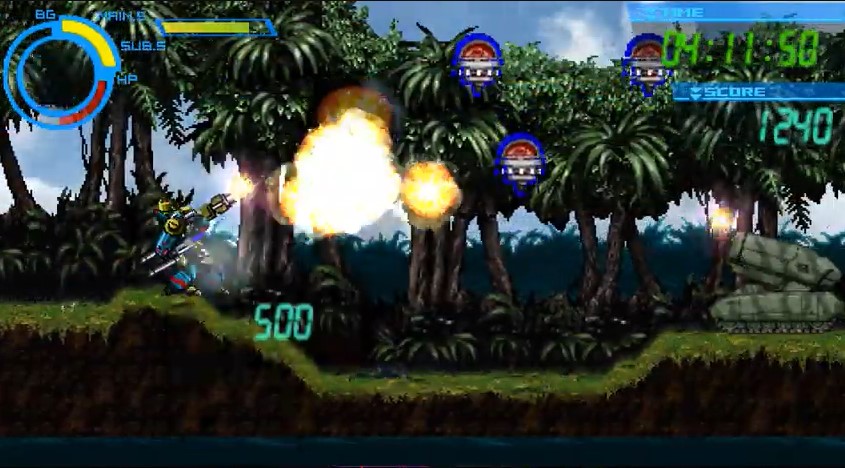
    Kisou Ryuhei Gunhound is a side-scrolling mecha shooter that had me glued from start to finish. You pilot your giant robot through futuristic stages filled with enemies and obstacles. The controls on the RG28XX are precise enough that even intense shooting sequences feel smooth.

    The story follows a world under siege, and while it’s not particularly deep, the excitement comes from blasting through waves of enemies and upgrading your mecha. For someone who enjoys mecha and action, this is a perfect handheld experience.

    Fun Fact: Despite its small screen, the RG28XX handles the visuals perfectly, making every boss fight feel as epic as it would on a console.

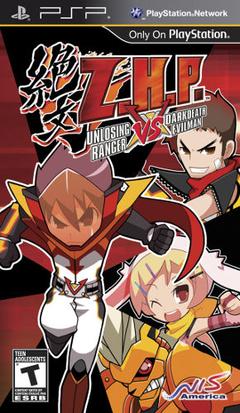
    ZHP: Unlosing Ranger vs. Darkdeath Evilman

    Unlosing Ranger psp box art

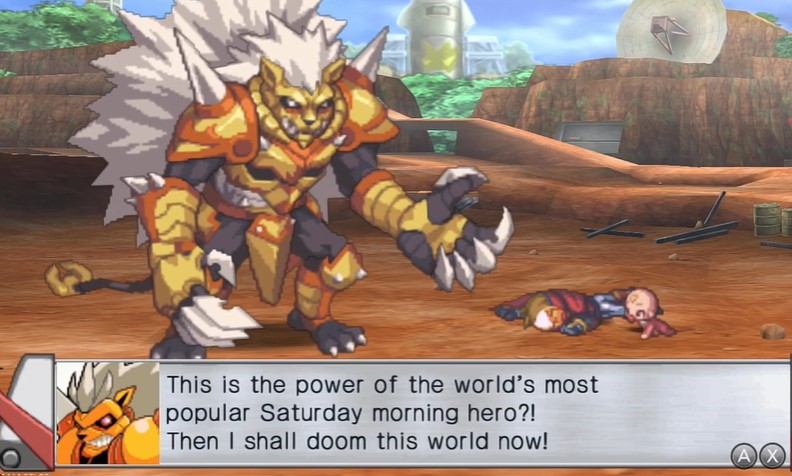
    ZHP is one of the quirkiest tactical RPGs I’ve ever played. You lead a colorful, bizarre team through strategic missions filled with absurd story beats and hilarious dialogues. On the RG28XX, it feels surprisingly comfortable, even during long grind sessions.

    The game’s humor is its standout feature, but don’t mistake it for a joke game—the strategy is real. Positioning your characters and timing your attacks can mean the difference between victory and defeat.

    Fun Fact: Some levels are so absurdly funny that you’ll spend more time laughing than strategizing, which is part of the charm. It’s a tactical RPG that doesn’t take itself too seriously.

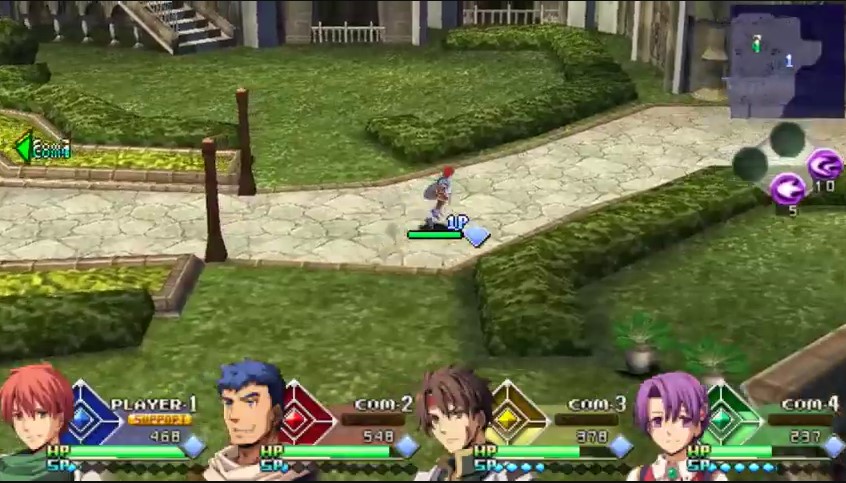
    Ys vs. Sora no Kiseki

    This one is a little different from the others on my list. Ys vs. Sora no Kiseki is a fighting game that’s a total love letter to fans of both the Trails and Ys series. You get to play through each character’s unique story arc, and you can upgrade their equipment and customize them, which really makes you want to keep playing long after the main story is over. That ability to customize is what gives it some serious replay value.

    Fun Fact: A worldwide release is scheduled for October 10, 2025, on PS4, PS5, Switch, and PC with enhanced features, according to the publisher refint/games.

    TwinBee Portable

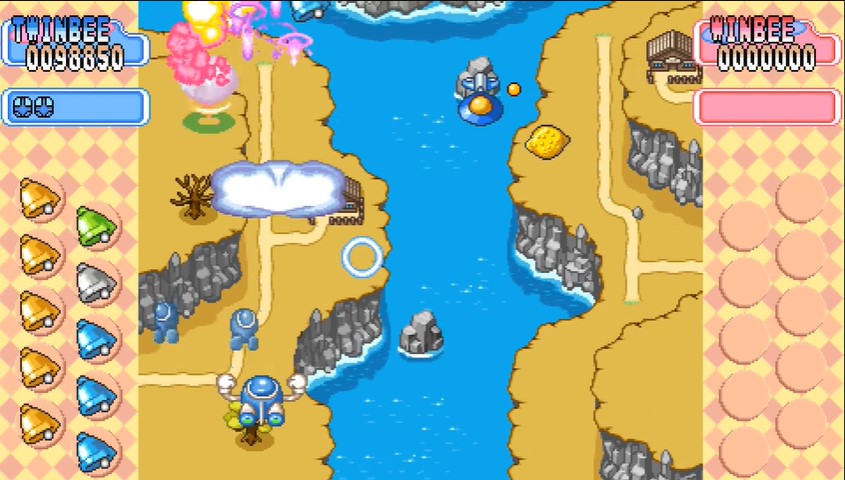
    TwinBee Portable is a vertical shooter with an aesthetic that’s so colorful it’s almost hypnotic. Controlling the ship is straightforward, making it easy to pick up on the RG28XX. The power-ups add a layer of strategy to the simple shooting mechanics, turning it into a deeper experience than it first appears. Since it’s a Japanese-only release, I’m just assuming the story is light and charming, but seriously, who needs a story when what hooked me to this game is the retro vibe and pure nostalgia? It’s the kind of game that’s easy to jump into for a quick session or a longer run.
    Fun Fact: TwinBee’s charm comes from its cheerful music and playful visuals—Konami really nailed that arcade vibe.
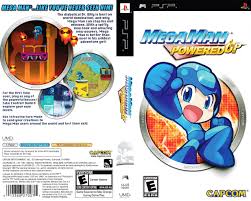
    Mega Man Powered Up

    megaman powered up psp cover

    Mega Man Powered Up is classic Mega Man with upgraded graphics and remade levels. It’s challenging but fair, and controlling the blue bomber on the RG28XX felt surprisingly natural. The satisfaction of finally defeating a tough boss never gets old.

    The story is minimal but fun, staying true to Mega Man’s roots as a robot hero battling evil. The level design is clever, and each stage has its own personality.

    Fun Fact: You can create and share your own levels, making it a mini creative outlet on the go.

    Yuusha 30 Seconds

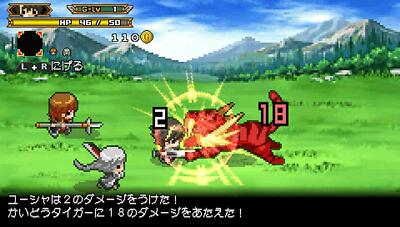
    Yuusha 30 Seconds is a fast-paced mini-RPG where battles and decisions happen in short, exciting bursts. Perfect for handheld play, it keeps you on edge while still being strategic. The story follows a hero who must make quick choices to save their world, making every second count.

    The gameplay of Yuusha 30 Seconds is what truly makes it a standout. Back when it was released, the concept was totally unique, and it still feels incredibly fresh today. The core loop is simple: you have 30 seconds to save the world. This crazy-fast timer forces you to make quick, strategic decisions. Every second counts as you run to level up, buy equipment, and defeat the final boss. It’s a genius concept that turns the traditional RPG grind on its head and keeps every moment filled with high-stakes action.

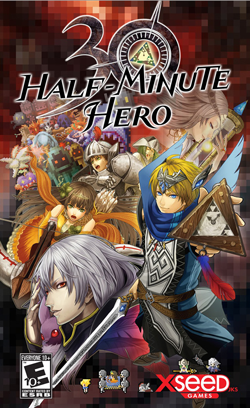
    Fun Fact: Another title, Half-Minute Hero, was also released for western audiences on PSP. Although that’s a great game, I would still recommend hunting down an English translation patch for Yuusha 30 Seconds because the Japanese release is more challenging and has more content.

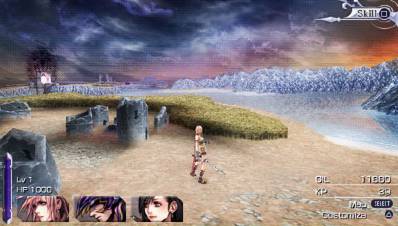
    Dissidia 012 Duodecim (RPG Mode)

    This one is a bit different. I play Dissidia 012 Duodecim in RPG Mode. There’s an option in the settings to switch from the usual action style to a more tactical RPG-style battle where you input attacks as the battle takes place.

    While I’ll be honest, I usually play this on PPSSPP on my phone since the touch controls and ability to set hotkeys make the game more fluid for me, the RG28XX still offers a great experience in RPG Mode. Even with the controls being a bit cramped and the absence of an analog stick, it’s a perfect fit for this little handheld.

    Fun Fact: Each character has a fully voiced story, and the massive cast includes heroes and villains from almost every major title in the series.

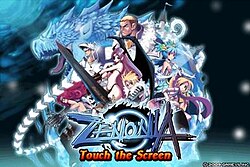
    Zenonia

    Zenonia is a classic hack-and-slash RPG that’s perfect for handheld sessions. You explore dungeons, fight enemies, and uncover a story of revenge and justice. The controls feel great on the RG28XX, making combat smooth and satisfying.

    The story is simple but effective, with multiple endings that encourage replayability. I love how easy it is to pick up and play without losing any of the RPG charm.

    Fun Fact: Zenonia was so popular that it eventually found its way to mobile devices, becoming one of the early success stories for JRPGs on the app store.

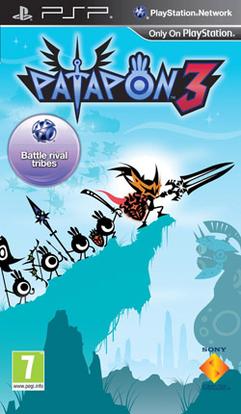
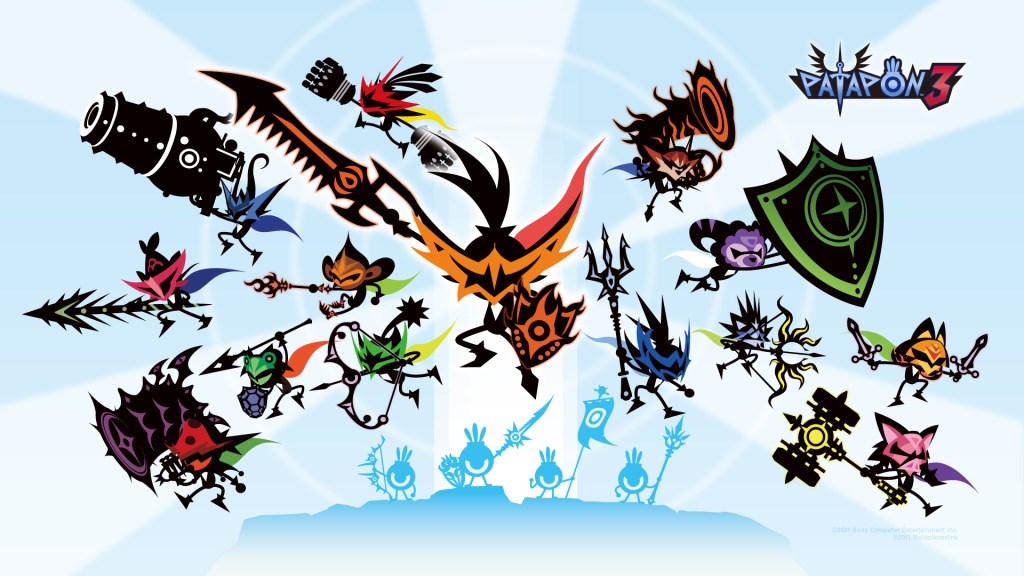
    Patapon 3

    Patapon 3 perfectly blends rhythm and strategy. You command a tiny Patapon tribe in battles that are essentially musical performances. The gameplay is simple, but timing your beats correctly feels incredibly satisfying.

    The story follows your tribe as they journey to conquer enemies and survive in a whimsical world. It’s easy to lose track of time because the rhythm-based gameplay is so addictive.

    Fun Fact: The unique rhythm-strategy gameplay of Patapon 3 has a rich history. The first game introduced the unique concept of commanding a tribe with drumbeats. Patapon 2 built on that with the introduction of hero units, new classes, and a multiplayer mode. Patapon 3 then evolved the formula even further with a persistent online focus, a more detailed leveling system, and an even deeper focus on the central hero character.

    Final Thoughts

    This list proves that the RG28XX can handle far more than just RPGs. From humor and platforming to epic storytelling and rhythm, this little handheld really delivers, and I can’t wait to see what other hidden gems I discover next.

  • Why I Keep Coming Back to Fire Emblem Heroes

    Why I Keep Coming Back to Fire Emblem Heroes

    There are games you play once and move on from, and then there are games you always find yourself coming back to, no matter how casually. For me, Fire Emblem Heroes falls in that second category. I don’t grind every event or chase every new unit, but even after all these years,

    I still return to it every now and then. To explain why, I need to go back a bit—back to where my connection with Fire Emblem really started.

    The spark that got me hooked

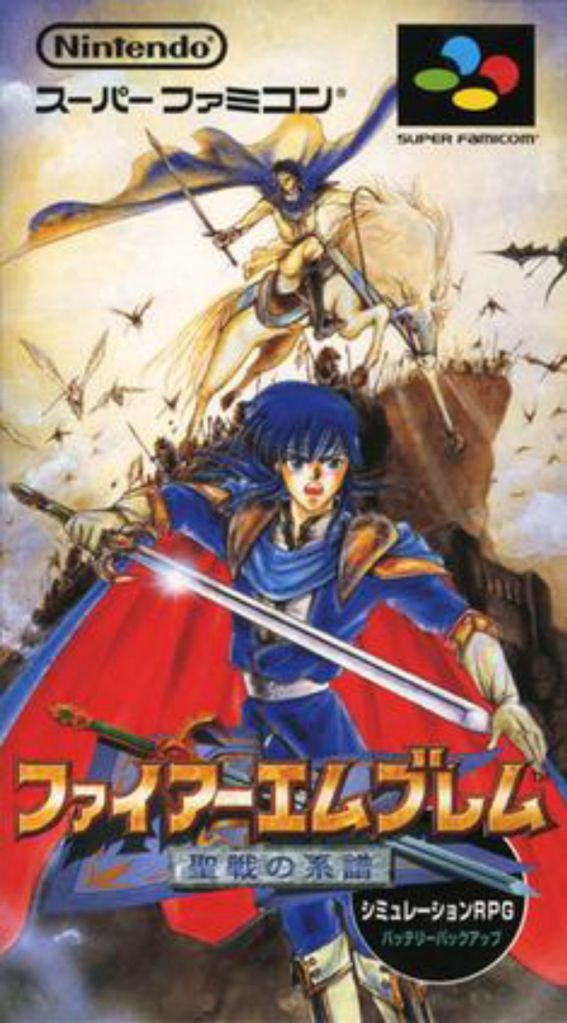
    Fire emblem 4 Genealogy of the holy war Snes box Art

    When Fire Emblem Heroes first came out back in 2017, it immediately caught my attention. I went out of my way just to find a way to download it.

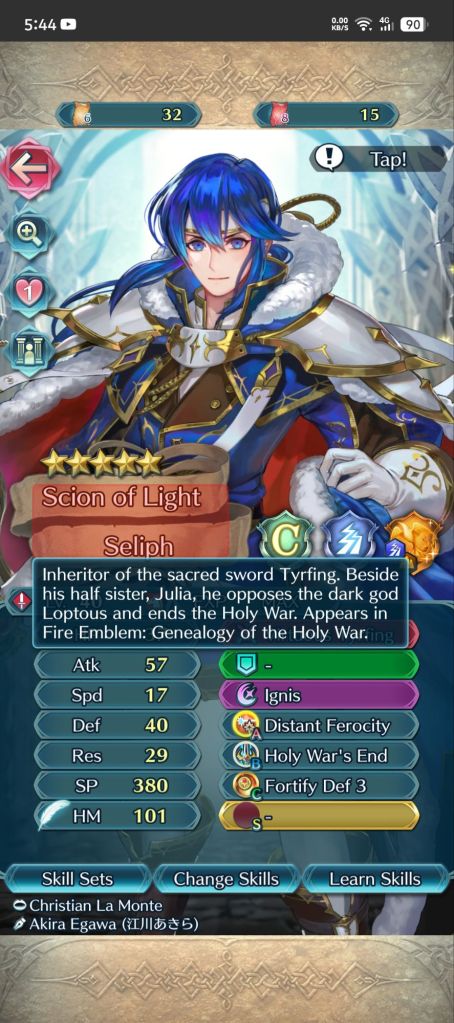
    Seliph, one of the main characters in fire emblem 4 (image from fire emblem heroes)

    Being a longtime fan of the series, it felt like something I couldn’t miss out on. My history with Fire Emblem goes way back to childhood with Fire Emblem 4, which many still call one of the greatest entries in terms of story. But for me, the moment I really got invested in the franchise was during my college years.

    My college fire emblem grind

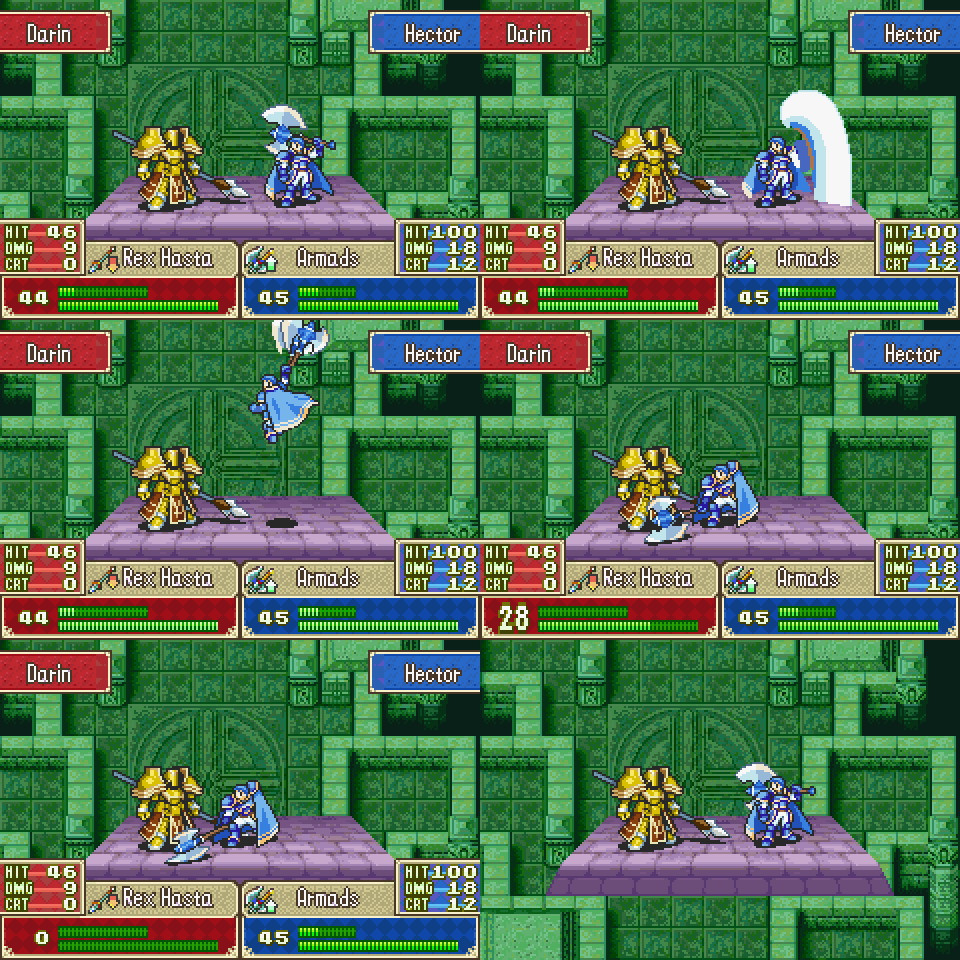
    Fire emblem the blazing blade Hector gameplay (GBA)

    I still remember sitting in my dorm room, skipping out on social gatherings, and just spending hours on my laptop running GBA Fire Emblem games through an emulator. Weekends would vanish as I replayed campaigns, mixed and matched different character supports, and dove into their backstories. That was my comfort zone—me, my desk, and the world of Fire Emblem.


    The one that almost ended it all

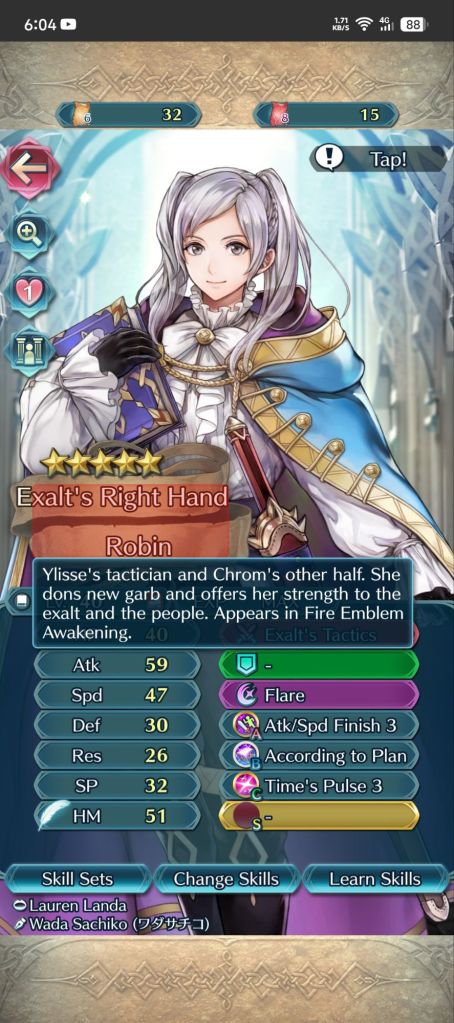
    Robin, female version of protagonist in fire emblem awakening (fire emblem heroes)

    Of course, I missed a few entries along the way, like Path of Radiance on the GameCube, since I never owned one. But I was always reading up on the series, watching how things were unfolding. When news spread online that Fire Emblem Awakening was in development, I followed it closely.

    What stood out to me was that this game was being built as a “make or break” moment for the franchise. The team basically poured everything into it, and in my opinion, the game is both approachable for newcomers and and exceeded expectations for old fans like myself.

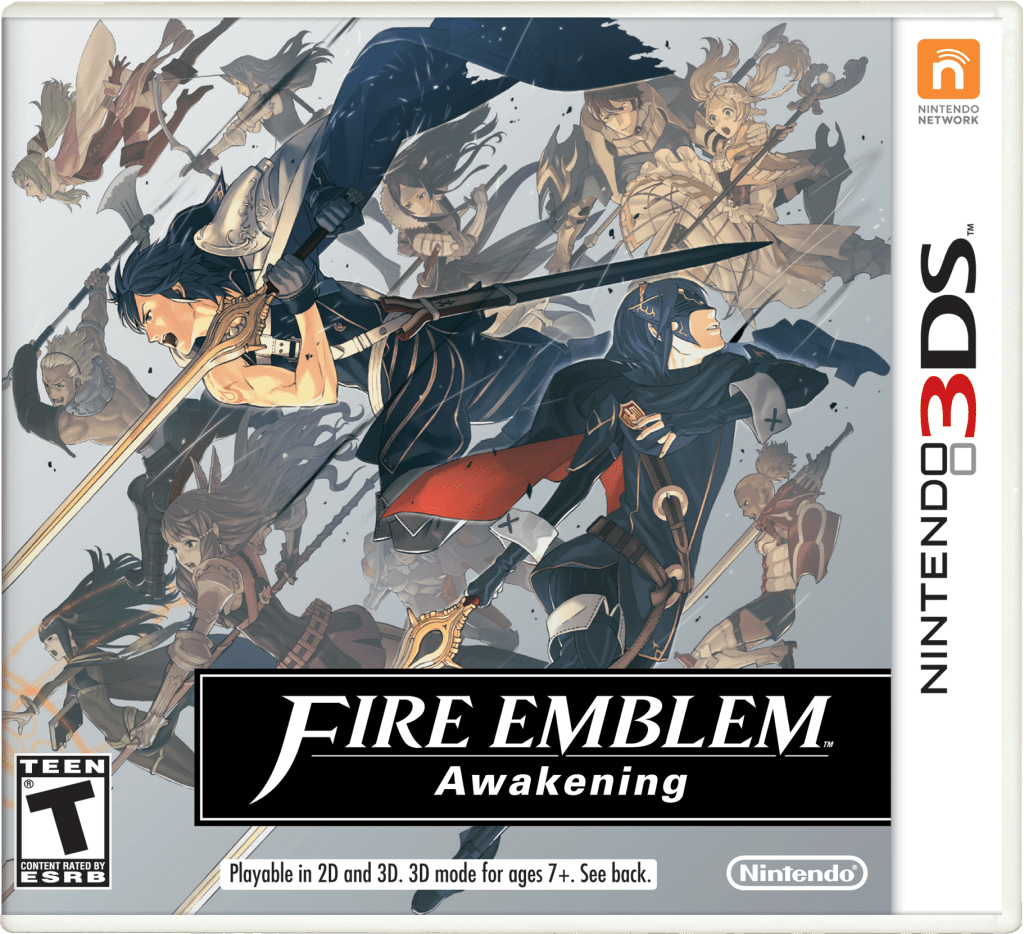
    Fire emblem awakening 3ds box art

    When Awakening finally dropped on the 3DS, the reviews were incredible. Never in my life had I wanted a 3DS so badly—but being a fresh young adult, money was tight.

    Handhelds were expensive, I was just starting to work, and whatever spare cash I had usually went into my side hobby of collecting PSPs. (For the record, I had the fat PSP, the 2000, and my most painful purchase ever—the PSP 3000 that I bricked within a day trying to install custom firmware. If you know, you know.)

    Finally getting to play awakening

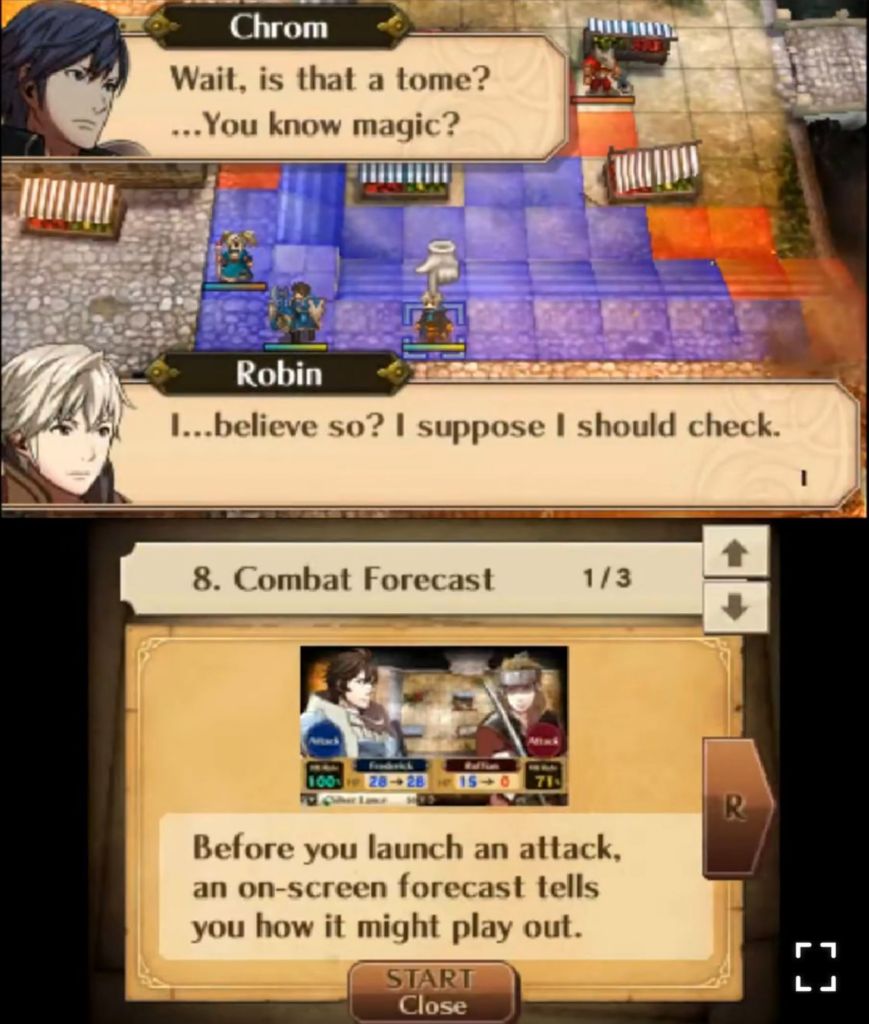
    Fire emblem awakening gameplay (citra emulator)

    It wasn’t until years later, when the Citra emulator became stable enough, that I finally got to play Awakening on mobile. Sure, it was laggy, it crashed a lot, and cutscenes were a gamble—but I pushed through and loved every second of it. That led me down the line to Fire Emblem Fates and Echoes, and by then, my love for the series had reignited in full.

    Enter Fire Emblem Heroes

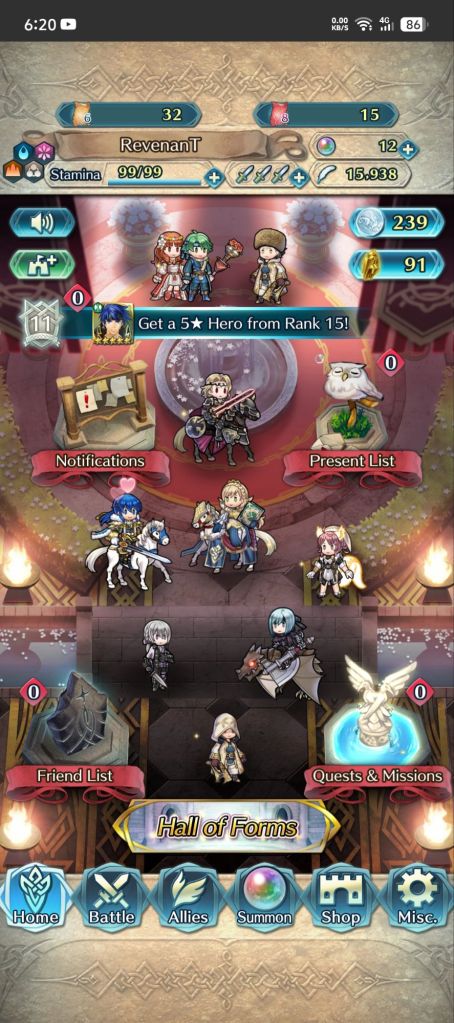
    Fire emblem Heroes home screen

    So when Fire Emblem Heroes launched, I had to try it. The timing wasn’t great for me—I had spotty internet, and the game requires a stable connection—but even then, I was hooked. The story chapters pulled me in, and the gacha system felt surprisingly fair.

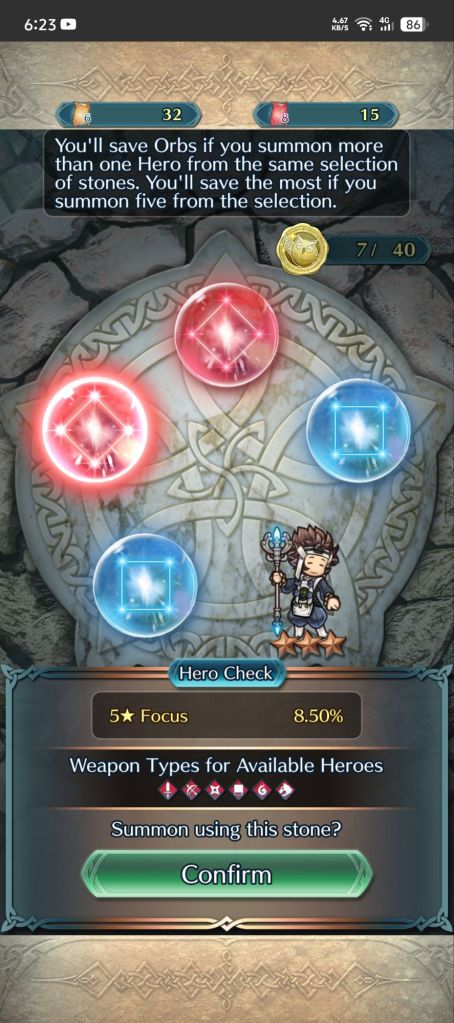
    Fire emblem heroes summon screen

    Summoning only costs 5 orbs, and if you go for a full five-pull on a banner, the cost per pull actually drops. On top of that, the game gives out free summon tickets and even first-pull freebies on banners. It never felt like it was pushing me to spend, which is rare for a mobile game (and believe me, I’ve played a lot of mobile gacha games).

    Why I’m still here after 8 years

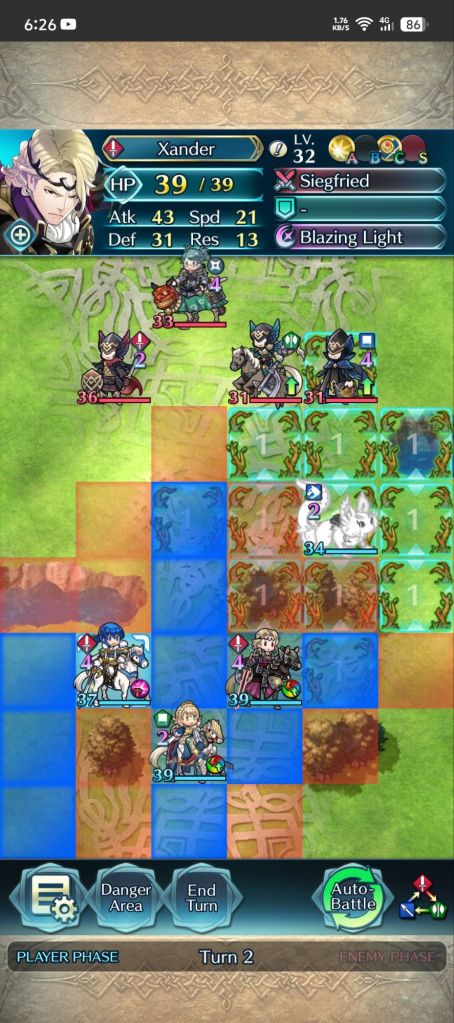
    Fire emblem heroes map battle screen

    Now, don’t get me wrong—Heroes still has its challenges. Some maps definitely require you to know your tactics, and yes, there’s always the option to whale and max out top-tier characters. But I’ve been playing casually for over eight years now—since February 2017, without spending a single cent—and I’m still enjoying it.
    Sure, I don’t get to pick the heroes I want to have (I’m looking at you Hector) but it really doesn’t matter since I love the franchise and getting low tier side characters from the fire emblem universe is like seeing a long lost friend after he’s been gone for a long time.

    A Love letter to Fire Emblem fans

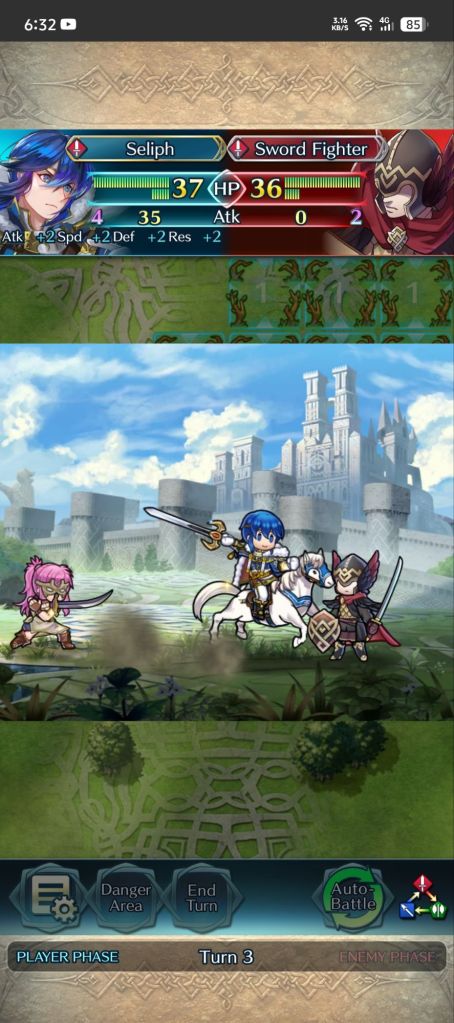
    Seliph and Marissa battle screen (Fire Emblem Heroes)

    For me, Fire Emblem Heroes feels like a love letter to fans. It celebrates the series’ history, keeps things fresh with constant updates, and yet never punishes you for just playing at your own pace.

    I don’t grind every event, I don’t chase every new banner, but I keep coming back. And honestly, I see myself playing casually until the servers shut down—or until the day I can’t pick up my phone anymore, whichever comes first.

  • 30 Lives Later: The Konami Code and My Contra Memories

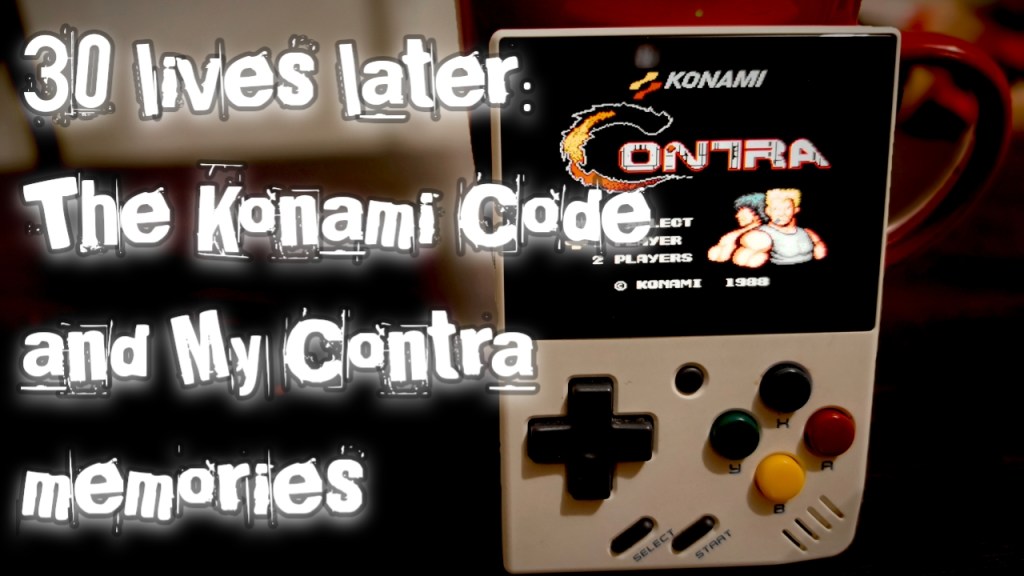
    30 Lives Later: The Konami Code and My Contra Memories

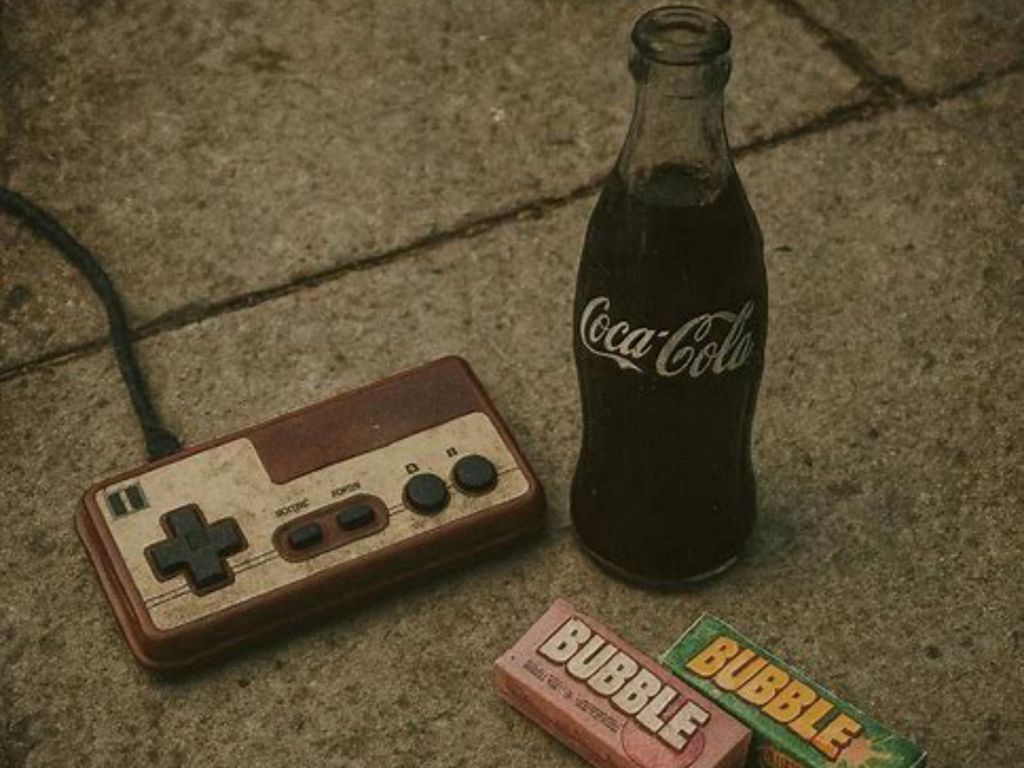
    If you grew up gaming in the late ’80s or early ’90s, chances are you’ve heard of the Konami Code. For many of us, it wasn’t just a cheat code—it was a rite of passage. And for me, it all started with a bottle of Coke, two packs of bubblegum, and a little red Famicom.

    The Coke-and-Gum Deal That Changed Everything

    Weekends at my house always meant Contra. My cousin and I would play for hours, but there was one problem—he was two years younger, and his hand-eye coordination was terrible. He’d blow through his two lives in minutes, then respawn using mine, and before long we’d both get wiped out at the dreaded waterfall stage.

    This was the pre-internet era, when game secrets were traded like playground currency. One afternoon at a local “computer shop,” we noticed this one kid tearing through Contra like he had an infinite number of lives. No matter how many times he went down, he just kept coming back—calm, confident, unstoppable.

    Naturally, we had to know his secret. After some bargaining, he finally agreed to share it—if we paid up. Our final offer? One cold bottle of Coke and two packs of bubblegum.


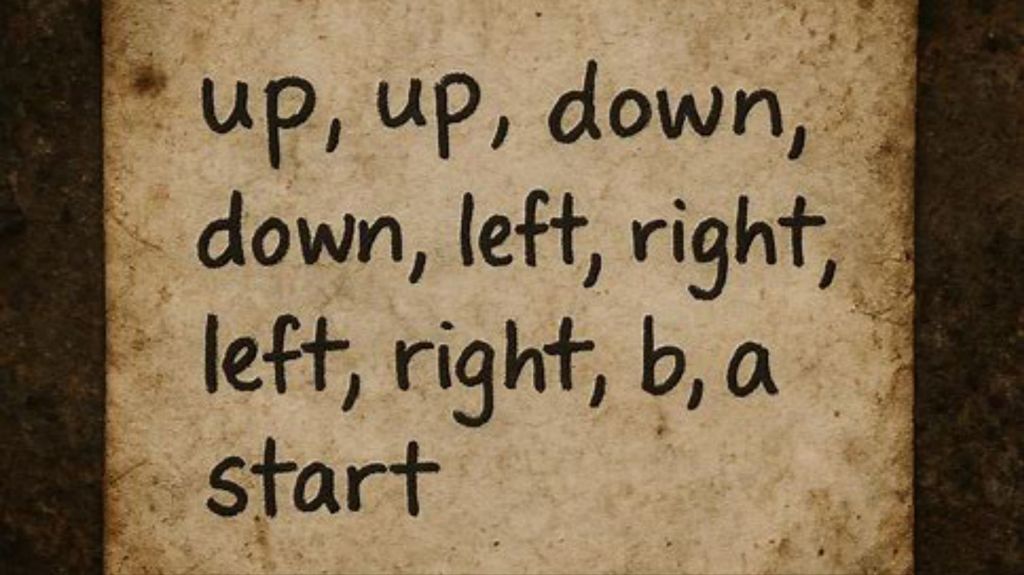
    After our transaction, he pulled out a tiny folded scrap of paper covered in pencil marks. It read:

    Up, Up, Down, Down, Left, Right, Left, Right, B, A, Start.

    Turning Contra into Dark Souls?

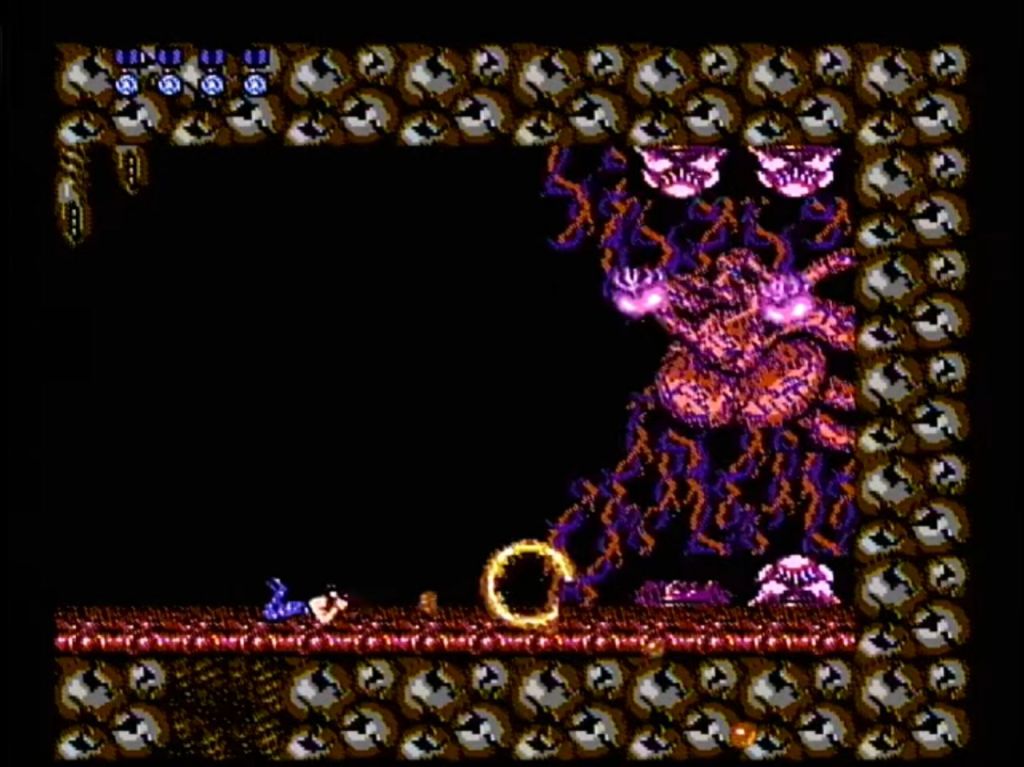
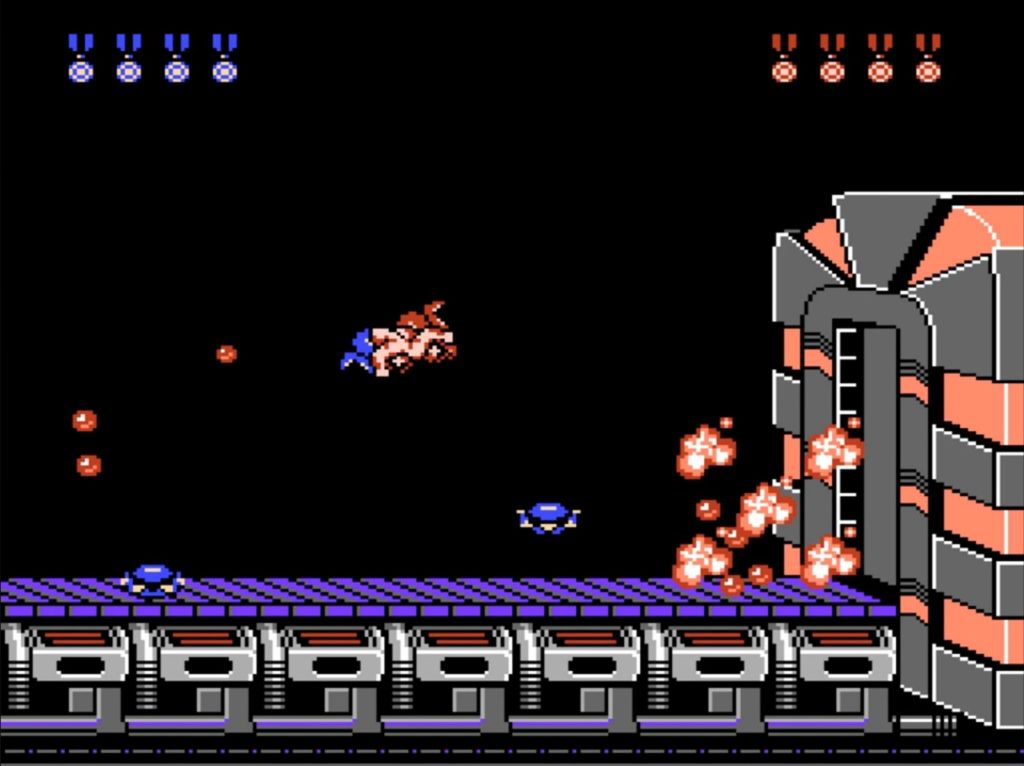
    We were broke after the bribe, so instead of playing at the shop, we sprinted home and fired up the red Famicom. After a few failed attempts, we finally nailed the input, and suddenly there it was—30 lives staring back at us on the screen.

    In that moment, Contra wasn’t the same game anymore. It stopped being a careful, punishing platformer and turned into absolute madness. We weren’t just trying to beat levels—we were seeing who could pull off the craziest stunts or rack up the dumbest “epic death.” Looking back, it felt like we’d turned Contra into the Dark Souls of dumb fails, and the funny part there was we loved every minute of it.

    From Test Tool to Gaming Icon

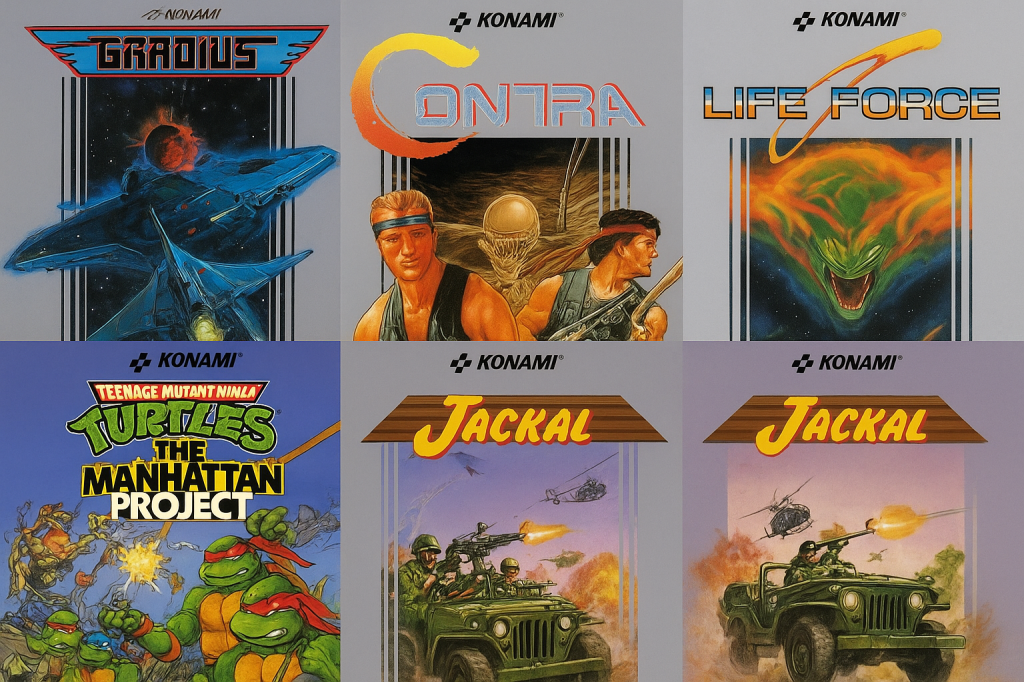
    The Konami Code wasn’t meant to be legendary. Developer Kazuhisa Hashimoto originally created it in 1986 while testing Gradius on the Famicom. He added extra lives to make debugging easier and forgot to remove the code before release. Konami decided to leave it in, and before long it became a running tradition in their games.

    Contra made the code famous, but it popped up in all kinds of Konami titles—Castlevania, Teenage Mutant Ninja Turtles, Metal Gear—and later escaped gaming altogether, appearing in websites, TV shows, and even Fortnite.

    A Cheat Code That Became a Memory

    Decades later, the Konami Code is more than a set of button presses—it’s a piece of gaming history. For retro gamers, it’s a badge of honor, a reminder of a time when secrets spread by word of mouth, scraps of paper, or in my case, a Coke-and-gum trade.

    For me, the Konami Code will always bring back that memory: two broke kids, a red Famicom, and the day we discovered that 30 lives could turn a tough-as-nails shooter into the most fun chaos we’d ever had.

  • Top 10 Nes games to play on the Miyoo Mini

    Top 10 Nes games to play on the Miyoo Mini

    Just because the Miyoo Mini can emulate retro games really well doesn’t mean all of these games are playable or offer the best experience on this handheld. We have to take into consideration the 2.8″ display screen, the button layout, and overall ergonomics. With that said, here are my top 10 NES games to play on the Mini.

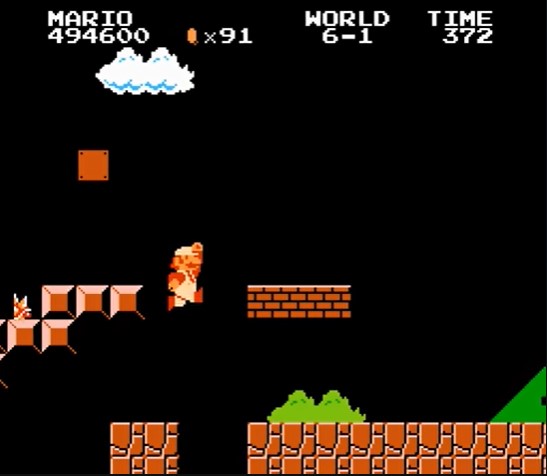
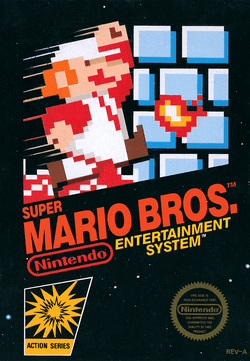
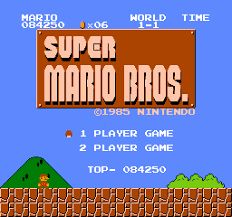
    10. Super Mario Bros. (JP: Sept 1985, US: Oct 1985)

    The first on this list is an all-time classic. Super Mario Bros. put Nintendo on the map and gave birth to the Mario franchise that endures to this day.

    The Mini’s small screen isn’t much of an issue while playing since you can see where you’re going pretty easily, and the game’s 8 world structure with optional warp zones means you can finish the entire adventure before the Mini’s control layout becomes cramped in your hands. If you’re looking for something you can complete in one sitting, then Super Mario Bros. is the game for you.

    **Fun Fact:** The character was originally called “Jumpman” and was renamed Mario after Nintendo of America’s landlord, Mario Segale.

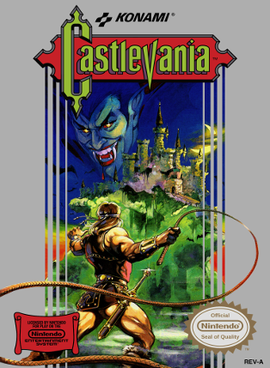
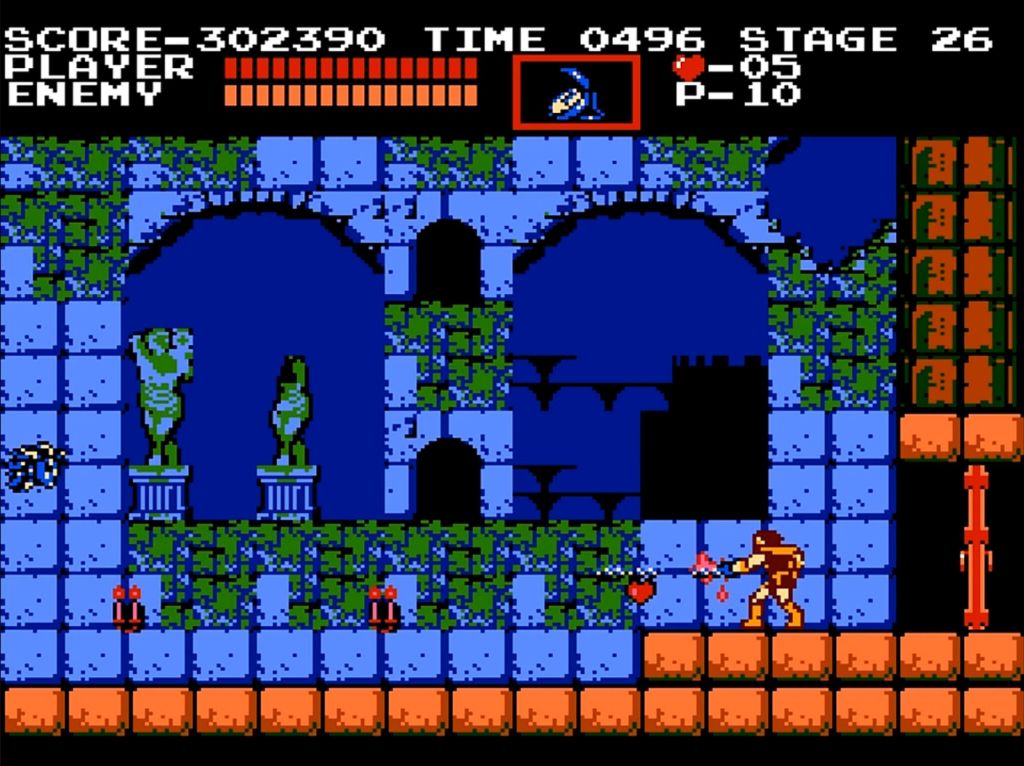
    Castlevania (JP: Sept 1986, US: May 1987)

    Castlevania is one of the games I got hooked on growing up. It’s a 2D platformer but more action-focused, and it was a really addictive game back in the day. I had to learn about the lore through those old game magazines and my imagination while playing.

    With the NES’s 2-button layout, the game is very playable on the Miyoo Mini, and the small screen won’t strain your eyes since there’s not much dialogue text to read. The gothic atmosphere and tight controls translate perfectly to the handheld format.

    **Fun Fact:** The original Castlevania was inspired by classic Universal Monster movies from the 1930s and 40s.

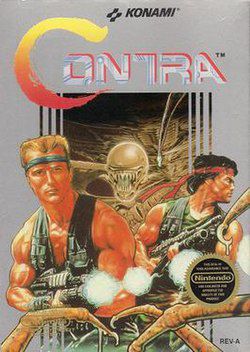
    Contra (JP: Feb 1987, US: Feb 1988)

    Contra admittedly is best played with 2 players, but that doesn’t mean it’s not good playing solo. This game spawned dozens of clones and hacks, but the classic Contra is by far the best in my opinion.

    The controls and screen on the Miyoo Mini don’t hamper the game experience even when things get hectic, and it’s a perfect game to play and finish on the portable system.

    **Fun Fact:** Contra is home to the legendary Konami Code (Up, Up, Down, Down, Left, Right, Left, Right, B, A, Start), which grants you 30 lives instead of the brutal default of 3.

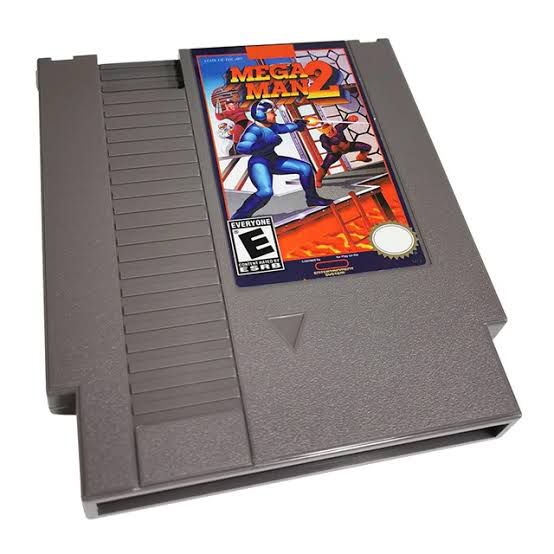
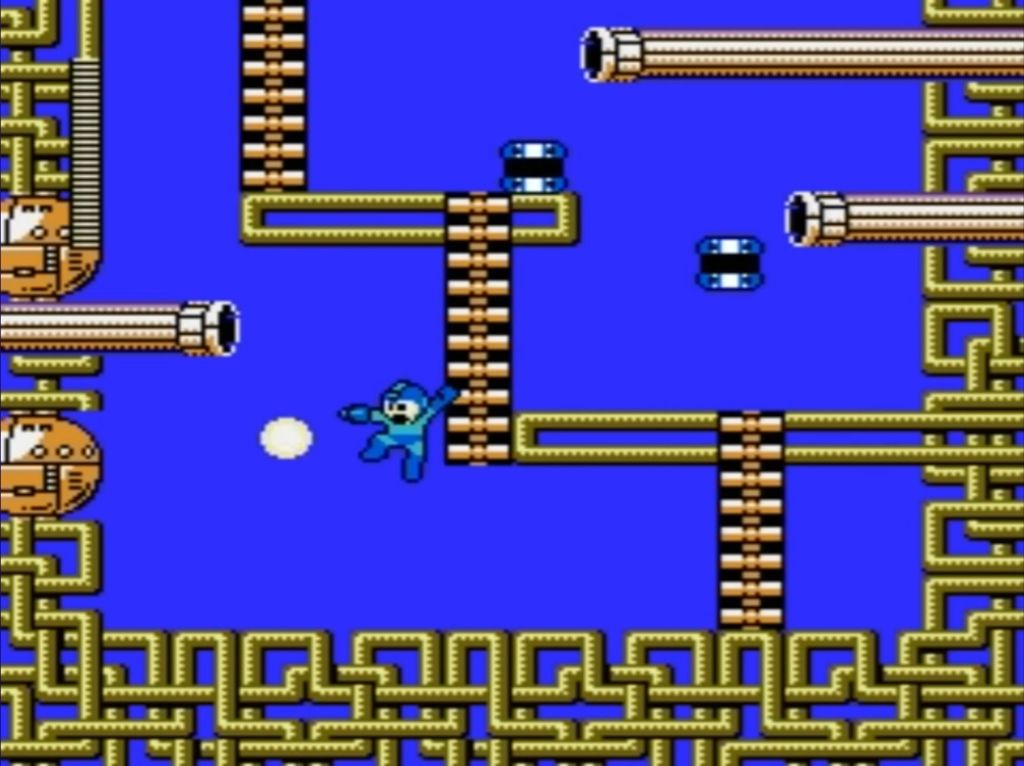
    Mega Man 2 (JP: Dec 1988, US: Jul 1989)


    With 3 Mega Man games on the NES, my pick is Mega Man 2, and it’s not just because of the gameplay but the incredible sound and vibe of the game. I usually play this for the nostalgia factor, and if we’re talking about NES emulation, then this is by far the best option.

    Difficulty-wise, the game is brutal with its precise button inputs for jumping. I don’t know if you can actually finish the game on the Miyoo Mini with its cramped controls, but it’s still a worthwhile experience, especially if you use the Miyoo’s save state feature.

    **Fun Fact:** The infamous US box art showed a middle-aged man in yellow armor that looked nothing like Mega Man. This became so legendary that Capcom included him in Street Fighter X Tekken.

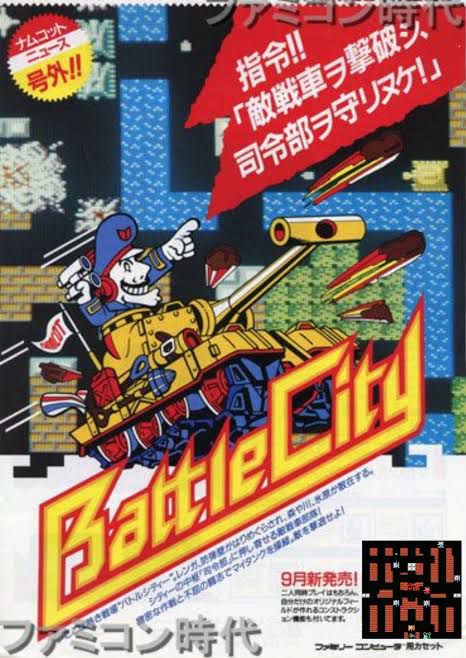
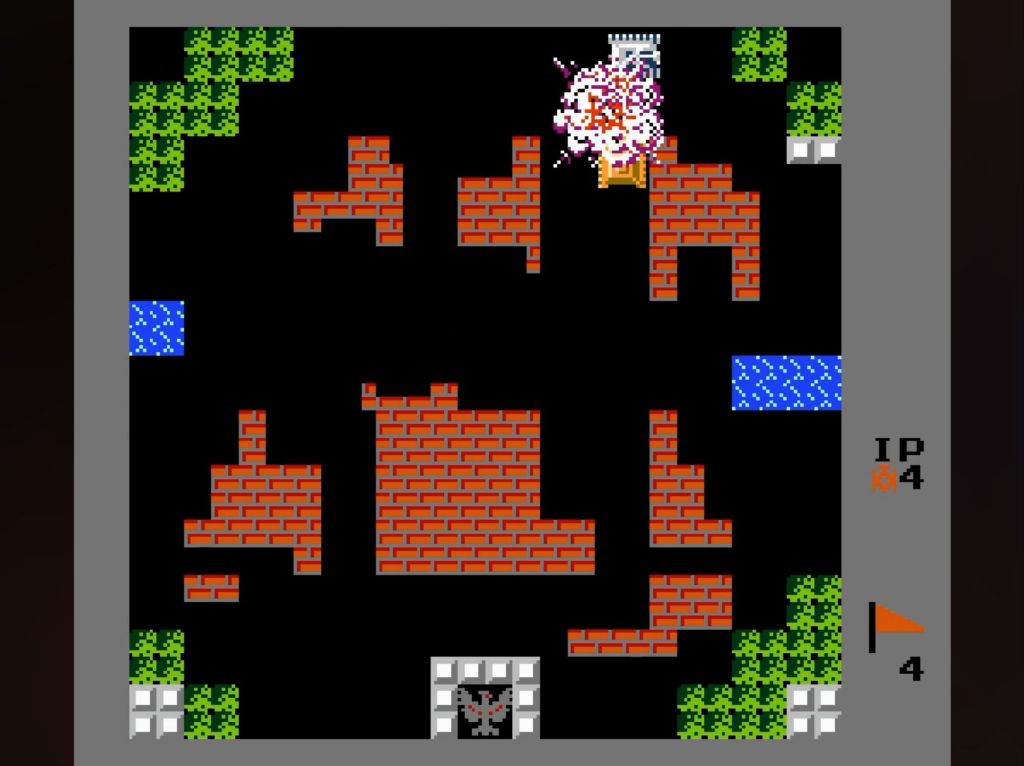
    Battle City (JP: Sept 1985, US: Not Released)

    Another game that’s best played in co-op and spawned multiple hacks even during the NES era. I had a hard time looking for the original NES ROM with all the mods available – from starting with metal walls to having upgraded enemies that can use power-ups.

    This recommendation is perfect for short bursts of gameplay throughout the day. I usually play this while commuting to places like the grocery store or appointments. The small screen and button layout is actually an advantage since you’re just using the direction pad and one button for firing.

    **Fun Fact:** Battle City was hugely popular in Eastern Europe and Russia, where it’s often considered one of the greatest NES games of all time.

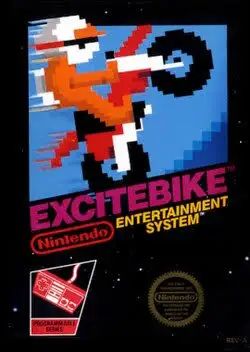
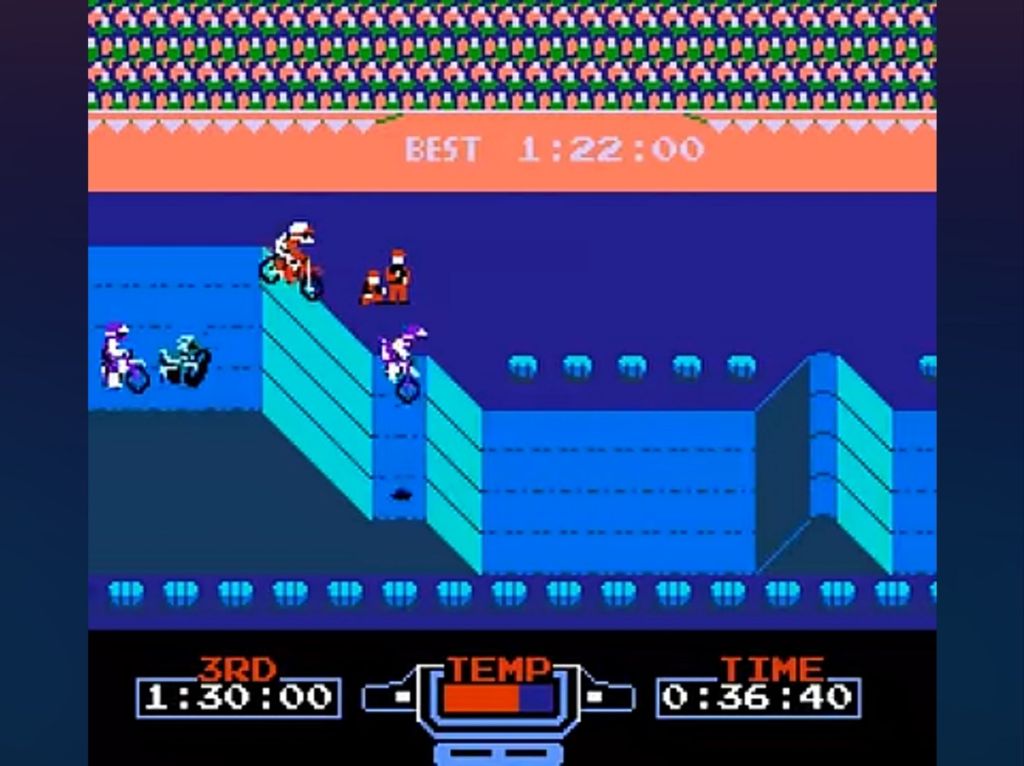
    Excitebike (JP: Nov 1984, US: Oct 1985)

    Sure, there are racing games that are good on the NES, but my pick is Excitebike. One thing that stands out is the design creator where you can make your own course, and with the Miyoo’s save state feature, you can replay your course without worrying about it being deleted.

    Easy controls and very easy to pick up and play – the only skill you need to learn is when to use turbo versus normal speed without your bike overheating. Perfect for the Miyoo Mini.

    **Fun Fact:** Excitebike was one of the 18 NES launch titles and featured one of the earliest console track editors, pioneering user-generated content decades before it became mainstream.

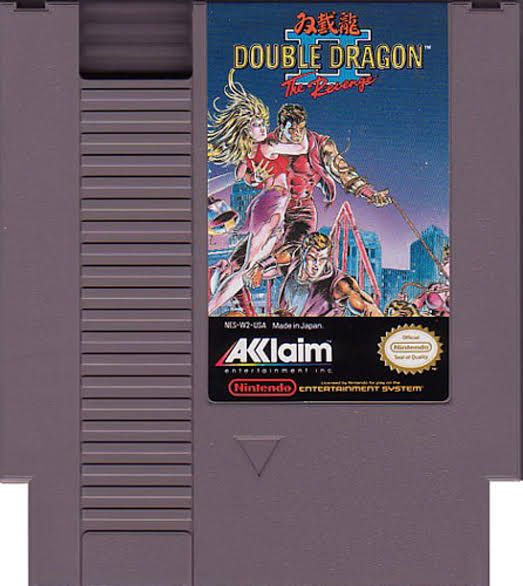
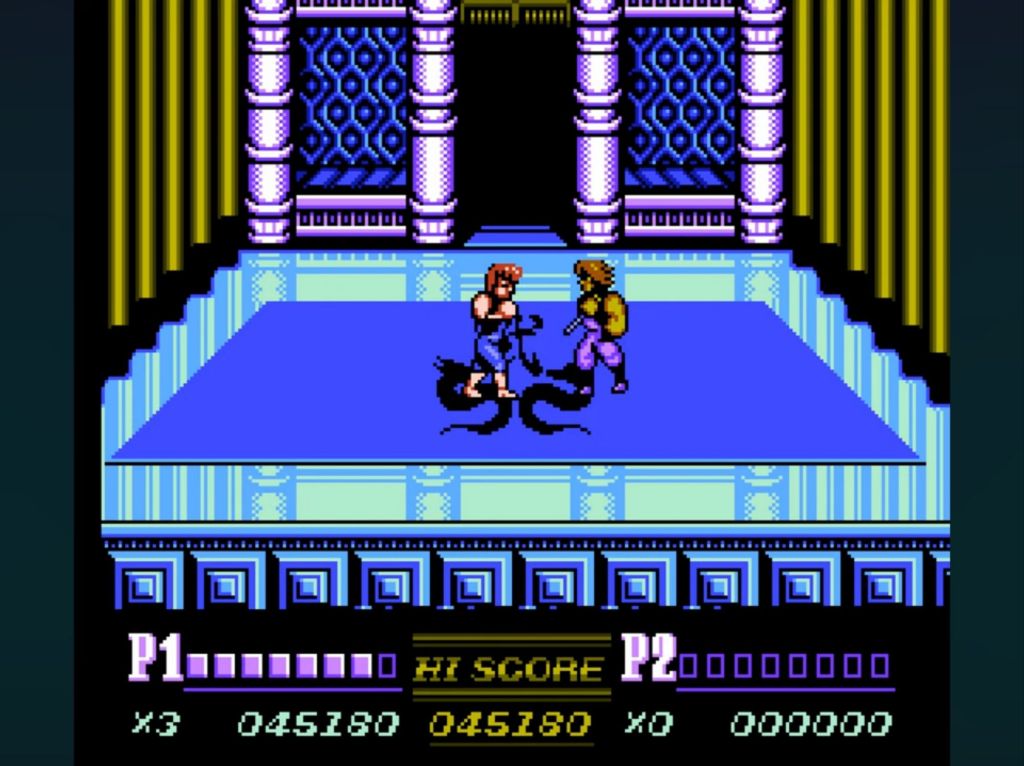
    Double Dragon 2 (JP: Apr 1989, US: Jan 1990)

    Switching up to beat ’em ups, my pick would be Double Dragon 2 (Double Dragon 1 was my first choice, but I got a bad ROM that doesn’t run on my Miyoo). It’s your classic beat ’em up with button inputs depending on where you’re facing – B attacks left, A attacks right, and pressing both makes you jump.

    What makes it stand out is the story, which was pretty dark for its time. Billy’s girlfriend was killed by a shadow organization, and now it’s up to the Lee brothers to avenge her. The side-scrolling action works perfectly on the portable format.

    **Fun Fact:** Double Dragon 2 controversially removed two-player co-op from the main story, making players fight each other after completing single-player. This was so unpopular that future entries returned to co-op.

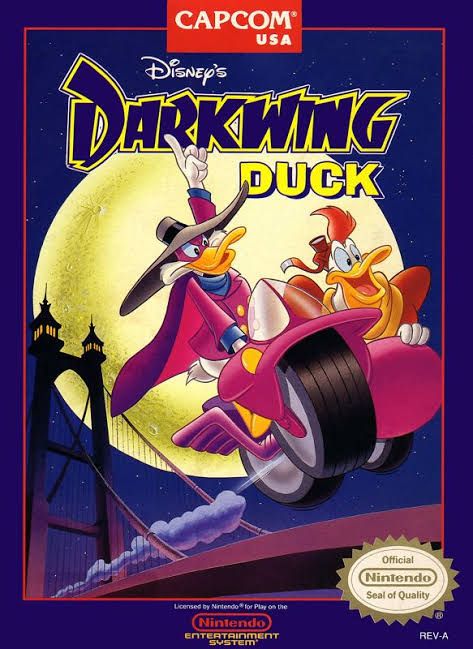
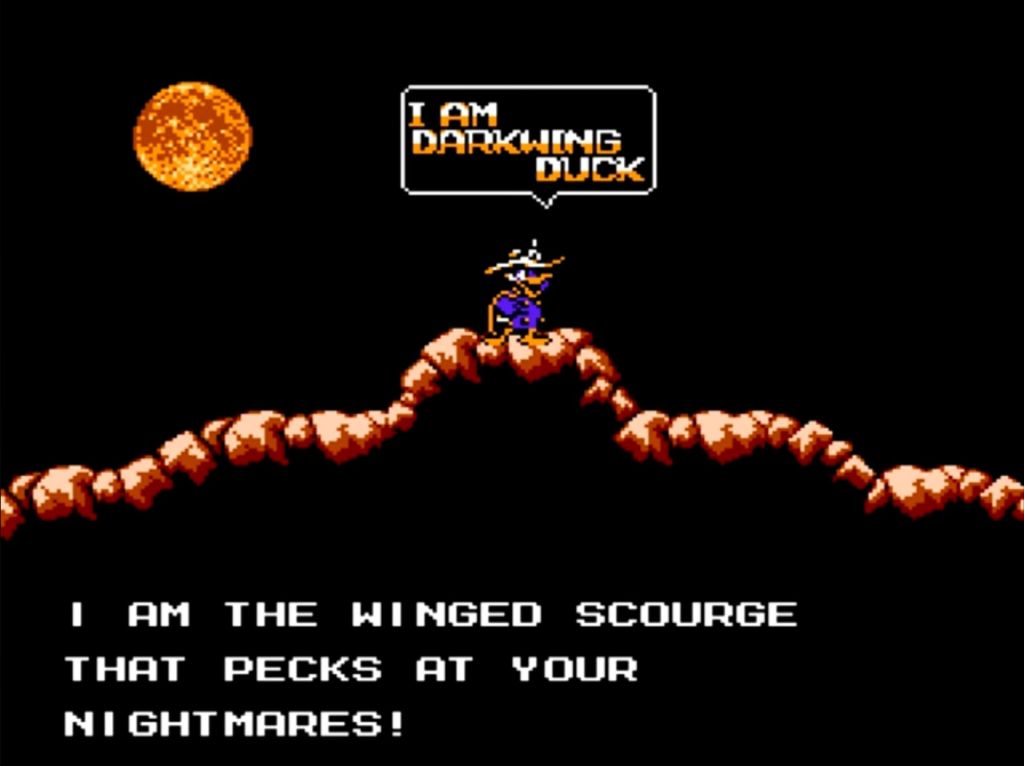
    Darkwing Duck (JP: Not Released, US: Jun 1992)

    Being a fan of the Darkwing Duck cartoons, it’s no secret that I’d choose this NES game. A side-scrolling platformer with a Batman-like hero using gadgets was quite enjoyable back in the day. Playing it on the Miyoo Mini now is more enjoyable than when I first played it as a kid.

    I didn’t get to enjoy this game as much as I wanted before since the cartridge conked out on me just a few days after I got it. As soon as I got the Miyoo Mini, I looked for this ROM first. The colorful graphics look great on the small screen.

    **Fun Fact:** Darkwing Duck was developed by Capcom using the same engine as the Mega Man series, which explains the tight, polished gameplay.

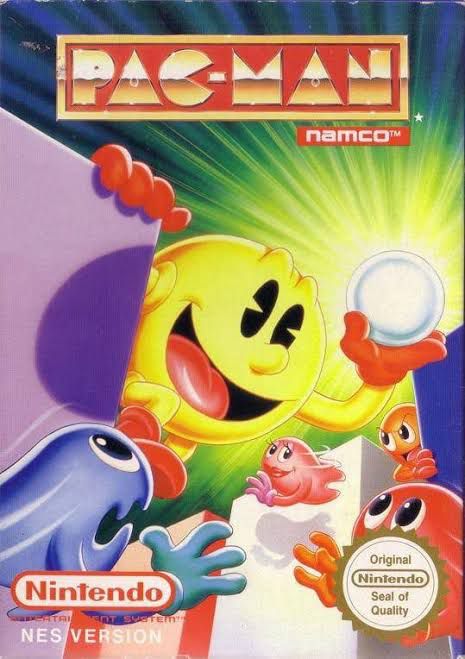
    Pac-Man Championship Edition (ROM Hack)

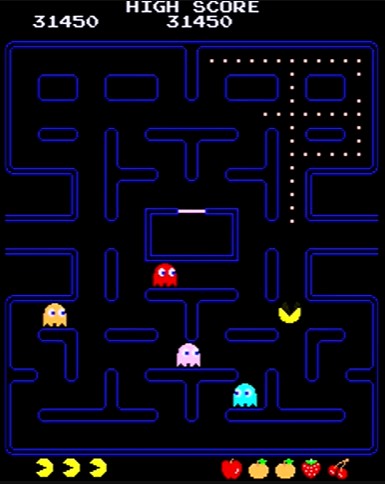
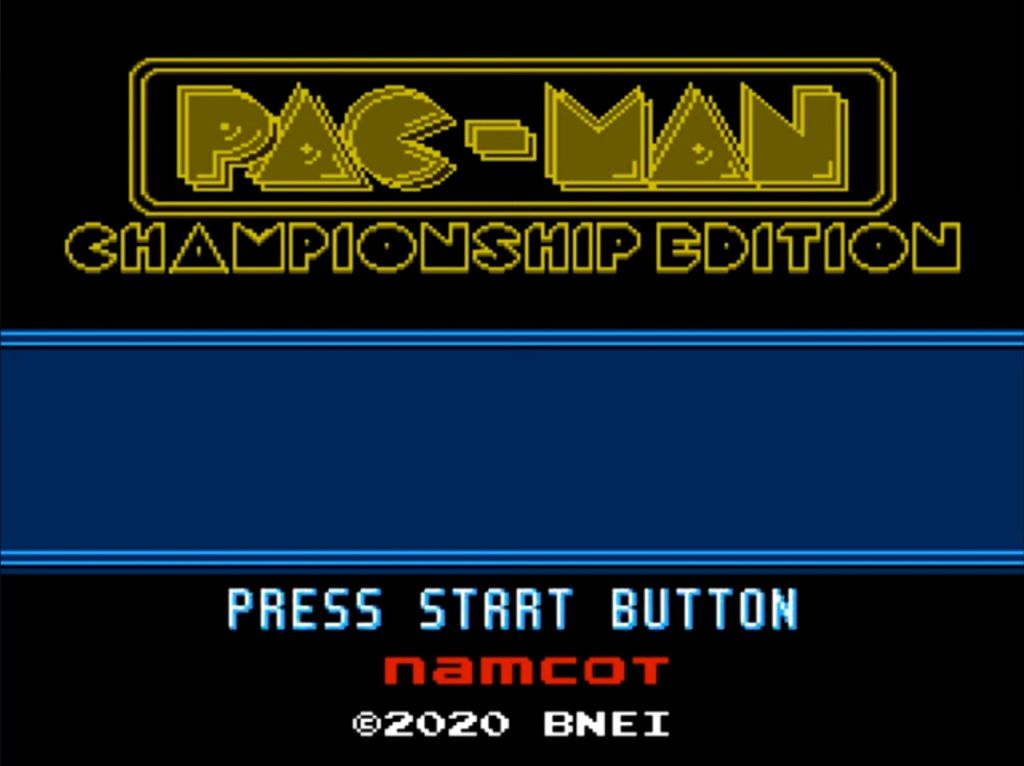
    No top 10 NES game pick would be complete without Pac-Man. For my pick I’m recommending the Pac-Man Championship Edition ROM hack, which tries to emulate the modern version on the NES and is one of the greatest Pac-Man experiences available.

    You might think the small screen would be difficult, but based on experience, it’s just the perfect size to see the tight corners and dots you need to grab. The Miyoo’s controls are super responsive with no false inputs whatsoever.

    **Fun Fact:** The original Pac-Man Championship Edition was created by series creator Toru Iwatani in 2007, over 25 years after the original game.

    Urban Champion (JP: Nov 1984, US: Aug 1986)

    Let me just say that this list is in no particular order, and I’m sure others will complain that I didn’t include their favorite games like Ghosts ‘n Goblins, Dragon Warrior, or Final Fantasy. Here’s the thing – those are great games, but I think they’re much better experienced on a bigger screen, so if I offended anyone, sorry, but this is my list.

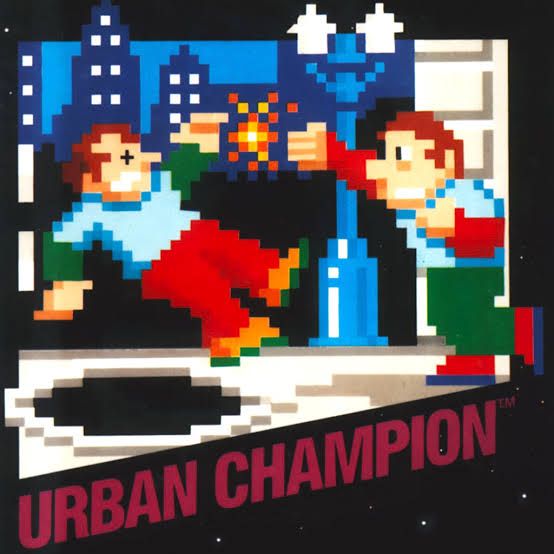
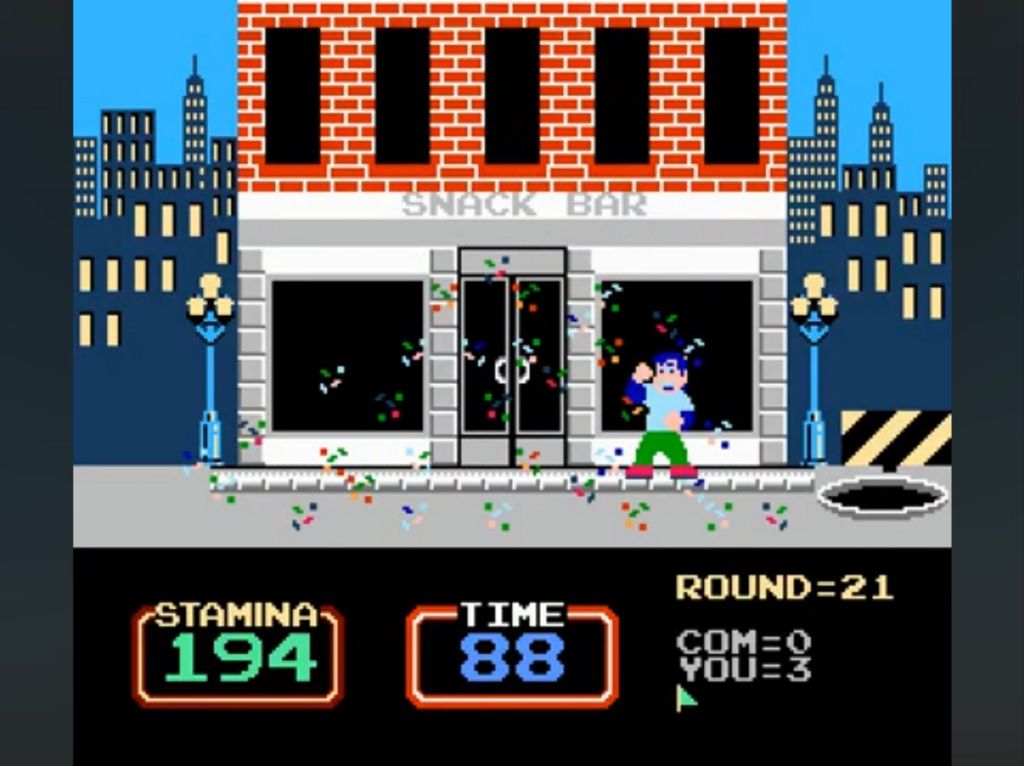
    Last one is another game that works best with 2 players, but as a single player experience this also translates well on the Miyoo Mini. Urban Champion is a fighting game where you and the computer beat each other up in the middle of the street. There are no life bars, just stamina. A round ends if you beat your opponent to their side of the screen.

    There are police cruisers passing by from time to time, so you should avoid fighting unless you want a trip to jail. Also avoid neighbors throwing potted plants from windows above. Simple game with no story, but the gameplay is somewhat addictive in my opinion.

    **Fun Fact:** Urban Champion was one of Nintendo’s earliest fighting games from 1984, and it’s often considered one of the worst NES games ever made – but that’s exactly what gives it cult appeal.


    Conclusion

    The Miyoo Mini proves that great gaming experiences don’t always need the biggest screen or the most complex controls. These 10 NES classics showcase how perfectly suited retro games are for portable play, whether you’re looking for quick arcade action or longer adventure sessions with save states to help you through the tough spots.

    What makes these picks special isn’t just their quality as games, but how well they adapt to the Mini’s form factor. From the responsive controls of Pac-Man Championship Edition to the simple joy of creating tracks in Excitebike, each game feels like it was meant to be played on a handheld device.

Design a site like this with WordPress.com
Get started