
After Black Beacon announced that it would end service on global servers, I honestly thought it was time for me to take a break from mobile gaming and just go back to retro titles. Funny, but that’s how it felt.
I was genuinely excited for the world Black Beacon promised to build, only for the game to fizzle out before anything meaningful even happened. I had already uninstalled it before the November 4 announcement because something told me it wasn’t going to last.
So I shifted gears, binge-watched anime for a while, and decided that for my next mobile review, I’d explore anime-licensed games instead.
I downloaded several of them—from Tokyo Ghoul to One Punch Man: World to Lord of Nazarick. But out of everything I tried, Kaiju No. 8 stood out immediately.
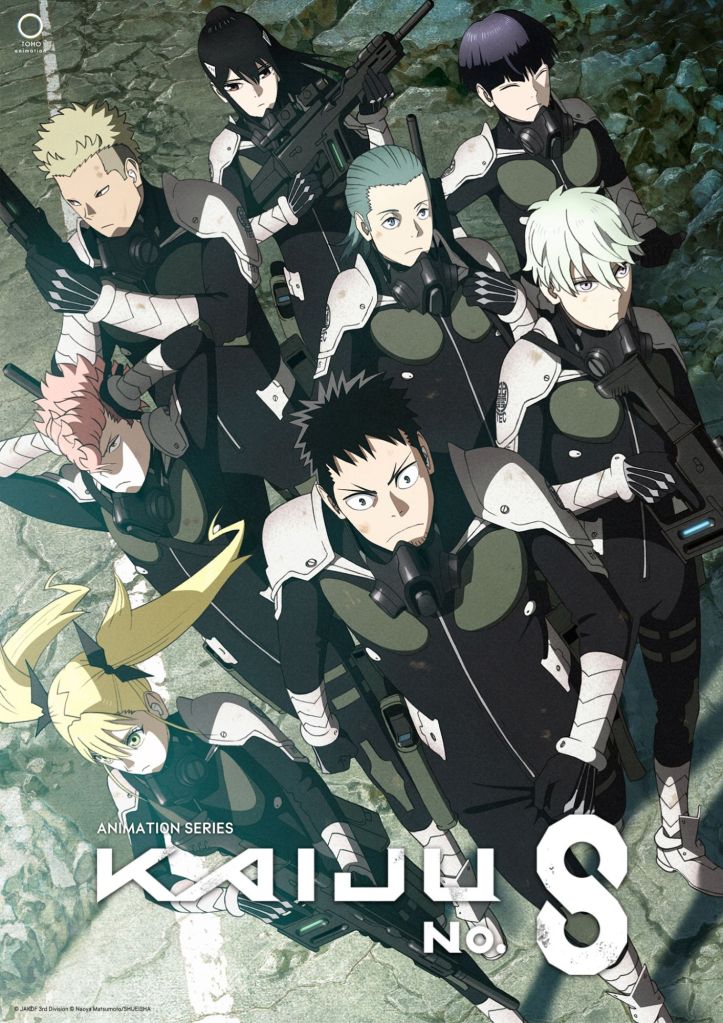
Co-produced by Akatsuki Games, TOHO, and Production I.G, the game’s visual identity screams anime from the first loading screen.
What surprised me most was how much I enjoyed it—even if it’s a turn-based gacha. I’ve played my share of gachas, but enjoying a turn-based one this much? Definitely unexpected. Looking back, I kind of wish I had played this in September instead of putting my hopes on Black Beacon.
A big part of why Kaiju No. 8 hits differently is because each studio contributes something meaningful. Production I.G injects the anime DNA—the sharp expressions, the cinematic cut-ins, the pacing.
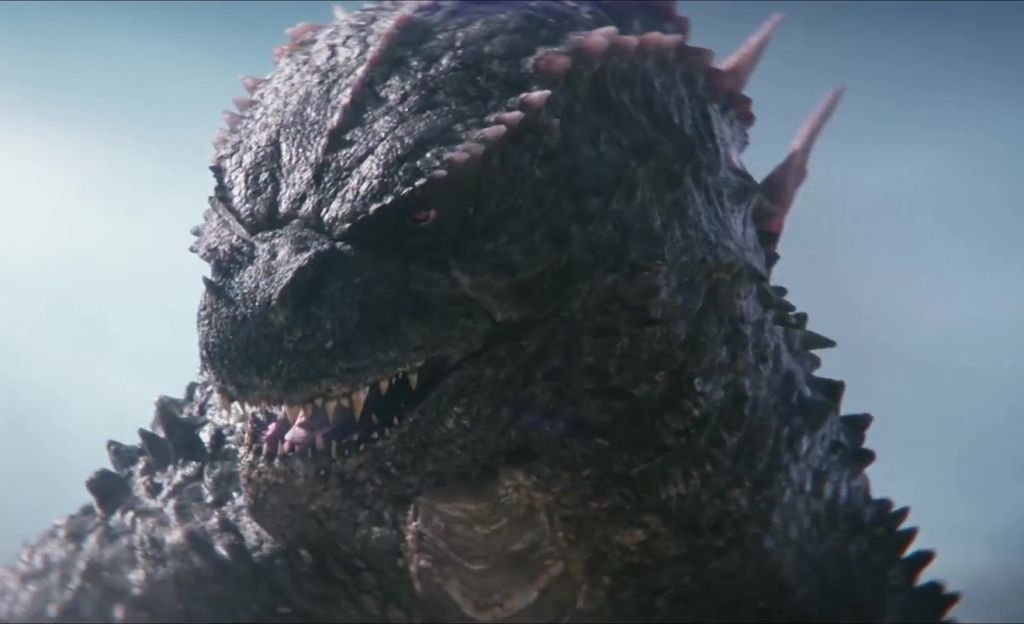
TOHO, being the veteran behind Godzilla and practically every iconic kaiju, gives the monsters and world that familiar, polished feel you don’t see in most mobile games.
Meanwhile, Akatsuki Games, known for character-focused mobile titles, brings progression systems that make each character feel more than just a unit to level up. Combined with the turn-based format, the whole thing ends up feeling less like a cash grab and more like a continuation of the anime and manga.
Everything, from the lore to the presentation is steeped in Kaiju No. 8’s world, and it will hook fans of the series as well as anyone who loves the military-vs-monster genre.
Visuals and Presentation
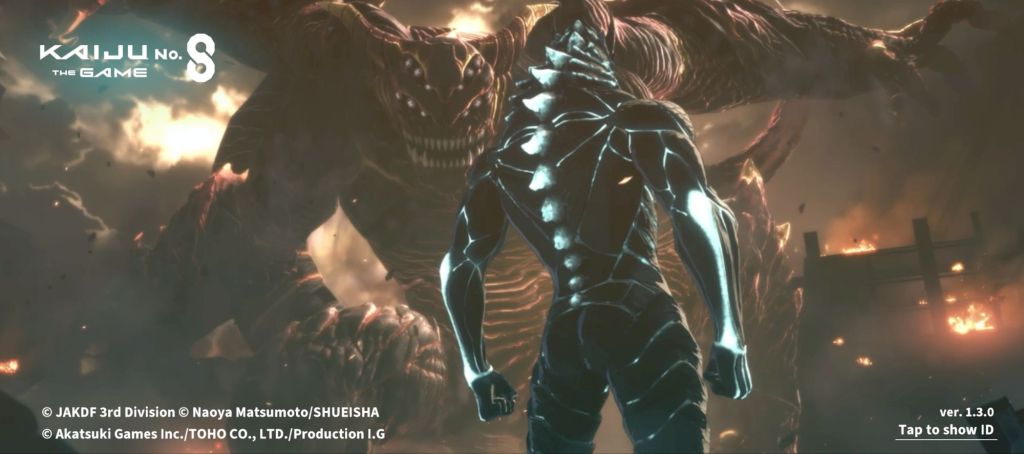
Visually, Kaiju No. 8 captures the anime look effortlessly. The character models are crisp, the animations have personality, and the overall art direction sticks close to the vibe of the show.
The only small nitpick is that character lips don’t move during dialogue, but with how good the voice delivery is, you stop noticing almost instantly. The style and presentation are strong enough to carry the immersion without any problem.
Gacha and Progression
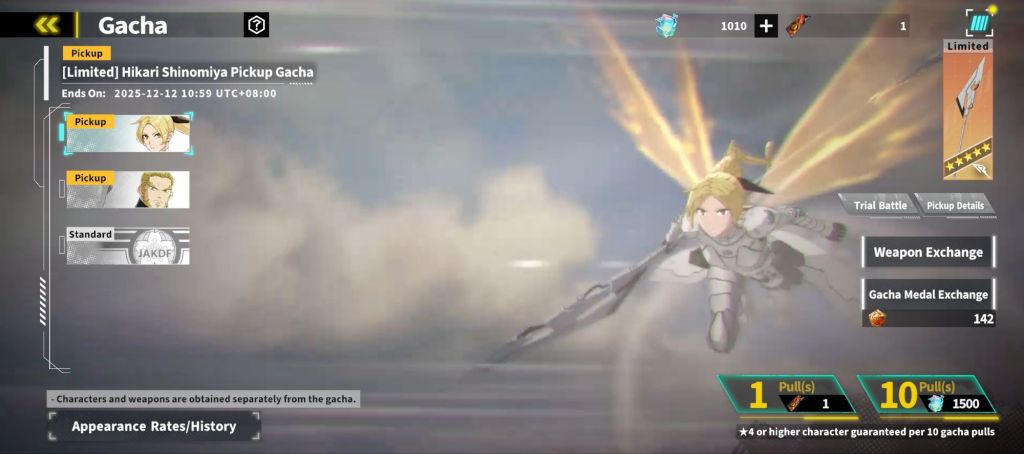
Kaiju No. 8 is still a gacha game, and yes, pulls can feel unfair. With only a limited number of characters and SSR weapons available at a time, it really can feel like the game throws more junk at you than anything actually useful.
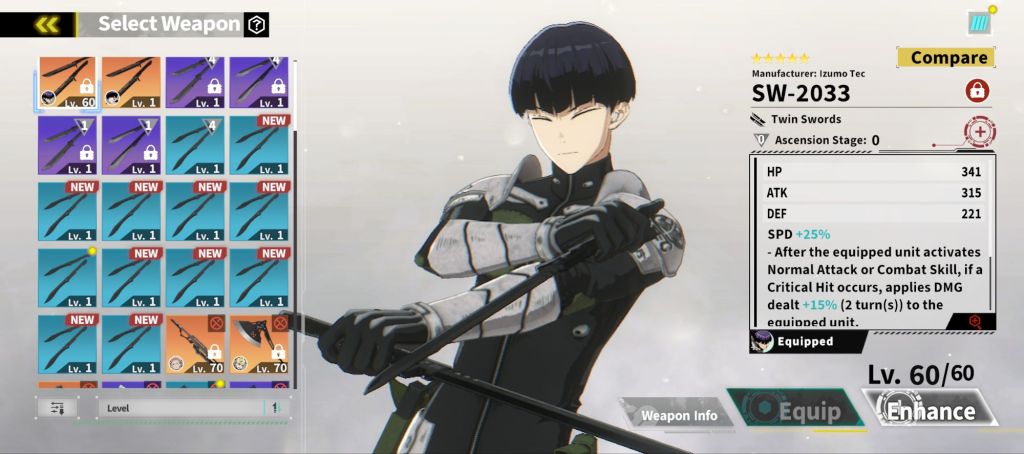
But the story and content pull their own weight, so even when the gacha frustrates you, there’s always something to go back to.
Sometimes it even feels like you’re pulling just to complete achievements instead of genuinely wanting the units, because once you’re done rolling, you’ll probably jump straight back into the content anyway.
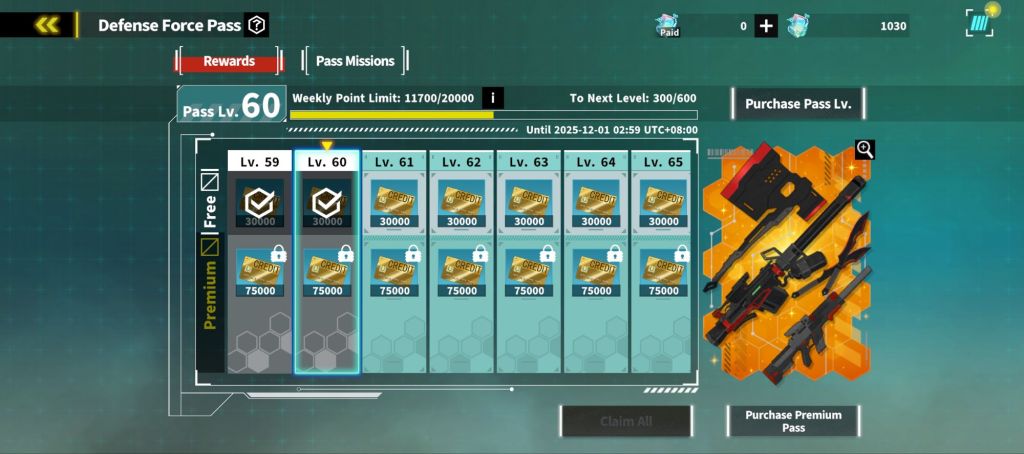
The turn-based combat can get repetitive if you blast through it nonstop, but at a steady pace, it stays enjoyable and the grind becomes rewarding rather than tiring.
Gameplay and Content
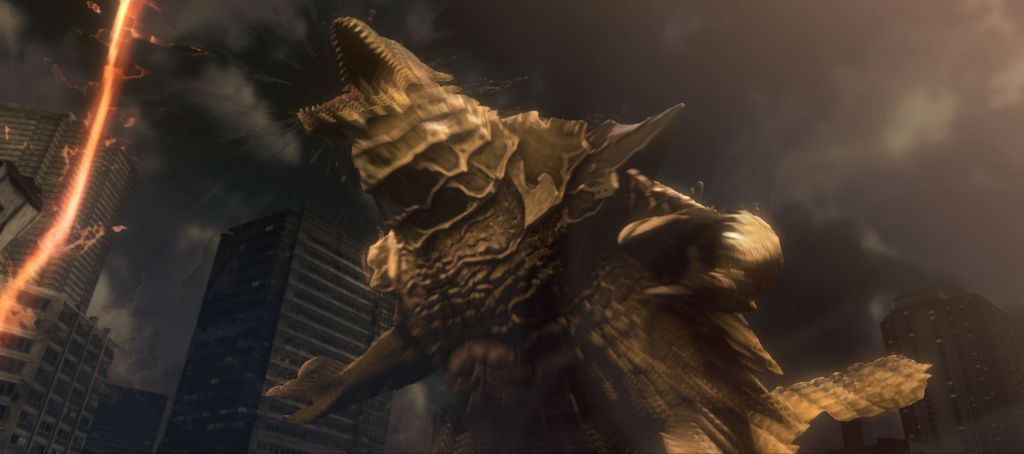
Kaiju No. 8’s structure is built around multiple modes, each focusing on different aspects of the story and characters.
Main Story
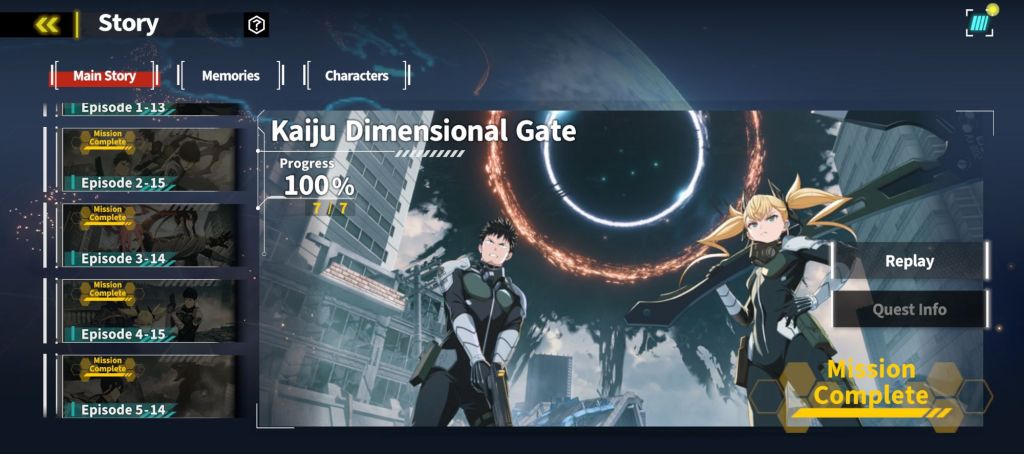
The main story is pretty substantial. It features six episodes, each divided into stages from Episode 0 to Episode 5. As far as I can tell, this storyline is original and made specifically for the game.
What’s impressive is how committed the developers are to giving fans something worth reading. With the anime having just ended Season 2, fans are craving more material while waiting for Season 3, and this game fills that gap nicely.
I haven’t read the manga, so I can’t tell which parts are adapted from it, but the writing fits the Kaiju No. 8 universe well.
Memory Stages
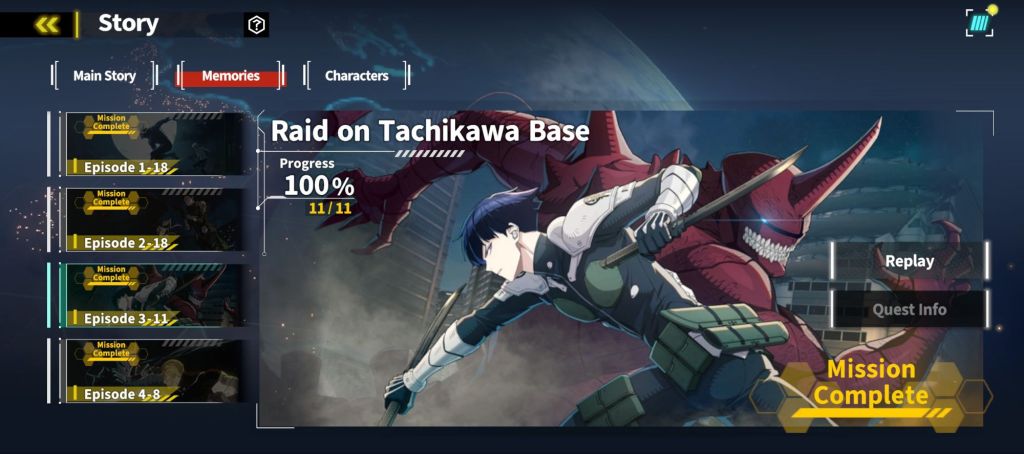
Memory Stages tackle key moments from the anime. These aren’t direct retellings of Season 1 or 2, but condensed highlight episodes that cover Kafka gaining his kaiju abilities all the way to the Season 1 finale where he gets captured. No spoilers, but these scenes are faithful enough that anime fans will recognize everything instantly. It’s a great way to relive the show inside the game.
Character Stories
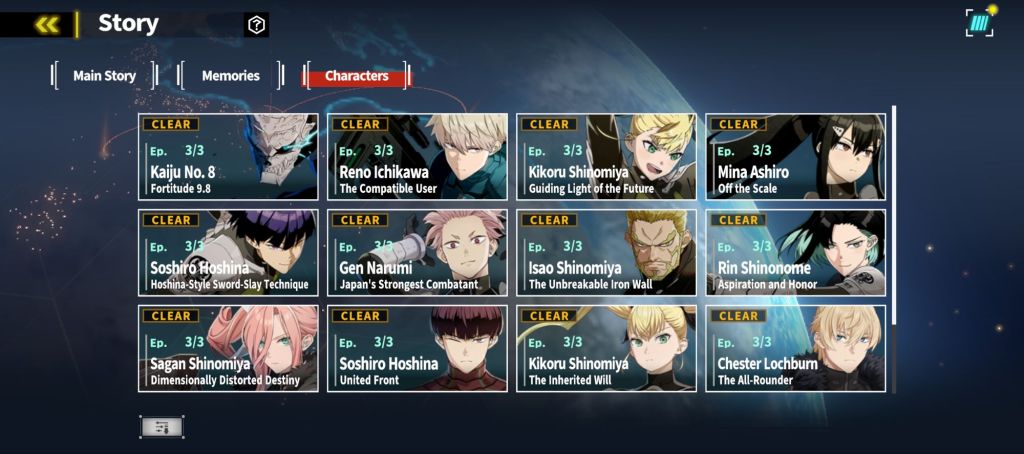
Every time you get a new character through the gacha, the game unlocks their set of character stories. These are short, text-based segments that explore their personalities more. Each character has three episodes, and reading through them gives small rewards and sometimes wallpapers you can use on your home screen. They don’t affect gameplay, but they add charm and deepen the world-building, which I really enjoyed.
JAKDF Messages and Special Requests
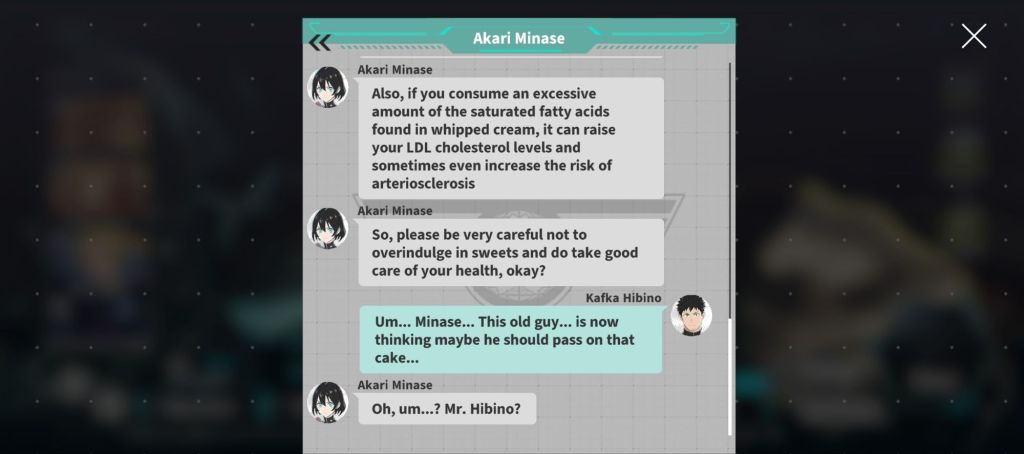
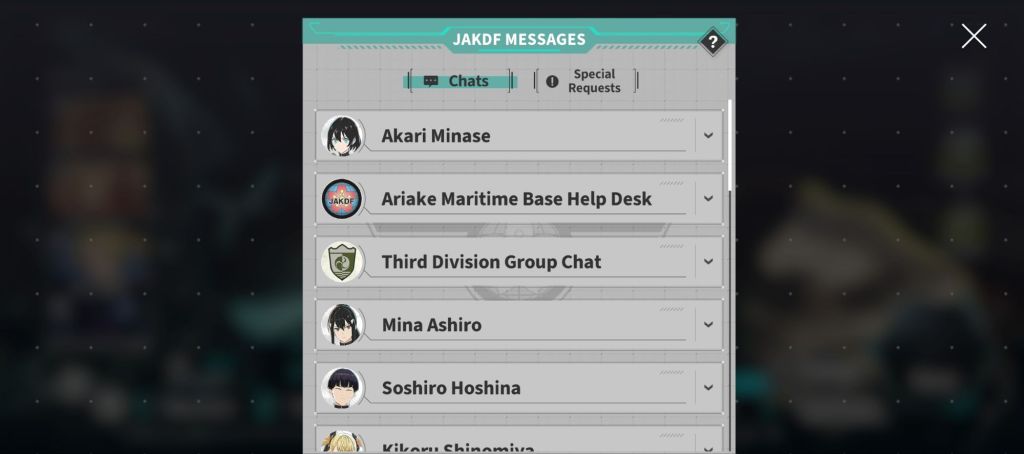
JAKDF Messages act like a group chat where the characters interact with Kafka (you). The responses are linear, but the writing is entertaining and helps flesh out character dynamics.
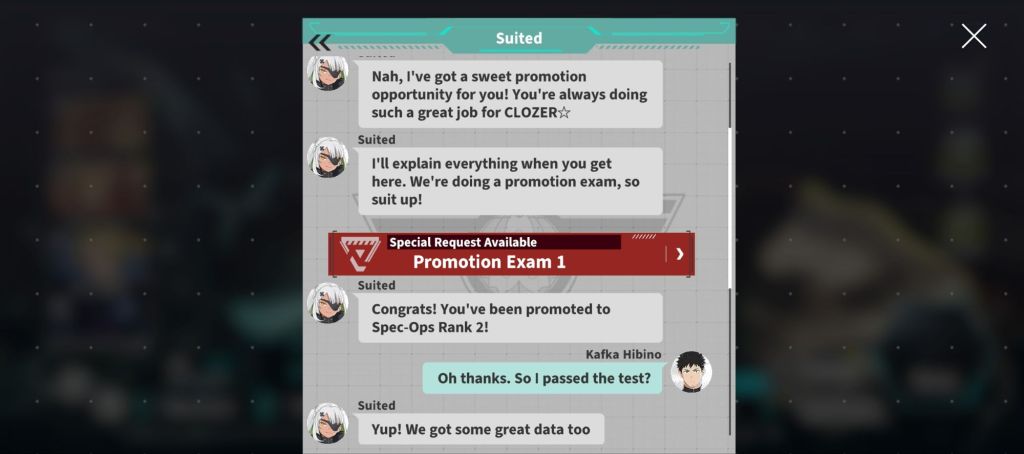
This mode is also tied to Special Requests, which give you extra battles to raise your team rank and player rank.
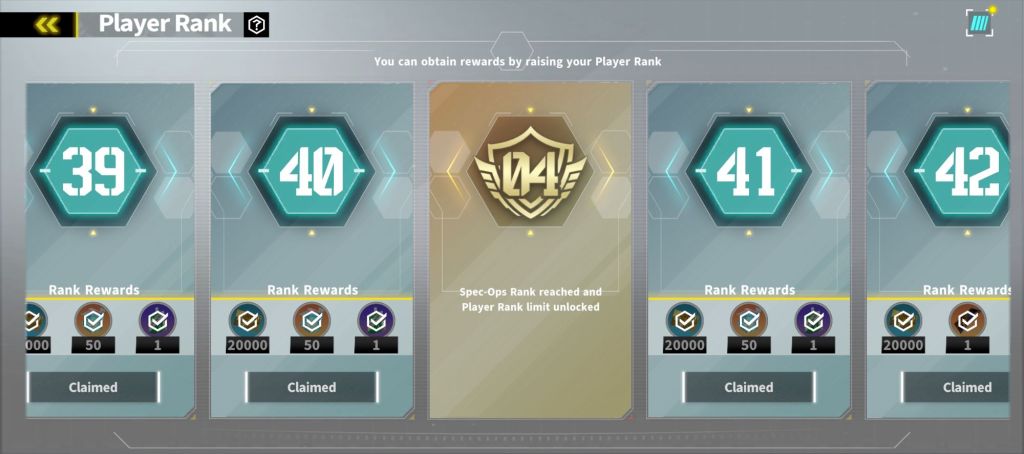
As a free-to-play player, my only difficulty spike happened around level 40. I had to grind materials for about two days to push my team up to level 90 and break through the wall. I was tempted to spend money, but the game is generous enough with farming that you can progress without paying.
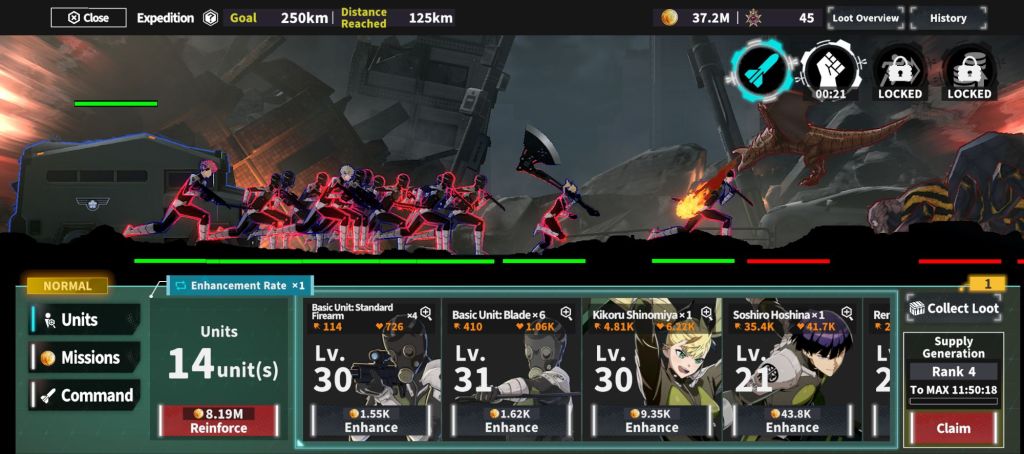
Right now, I’ve cleared the main story and memory content and am waiting for the next version update, which should drop soon. If the developers keep this pace, I’ll be playing this game for quite a while.
My only concern is whether future characters will be locked behind season passes or paid-only packs, but that’s something I’ll revisit when more content arrives.
Performance and Sound
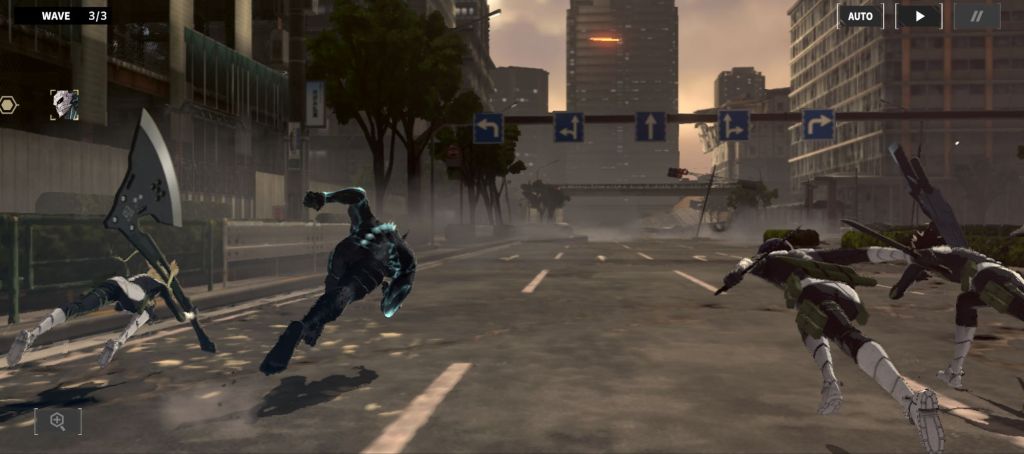
With three studios backing this project, the sound design is exactly what you’d expect: sharp, clean, and fitting. The voice lines are delivered with emotion and energy, and one detail I appreciated is how each character says a line when switching in for a follow-up attack.
Sometimes the line changes too, which keeps it from sounding repetitive. It’s a small touch, but a really smart one.
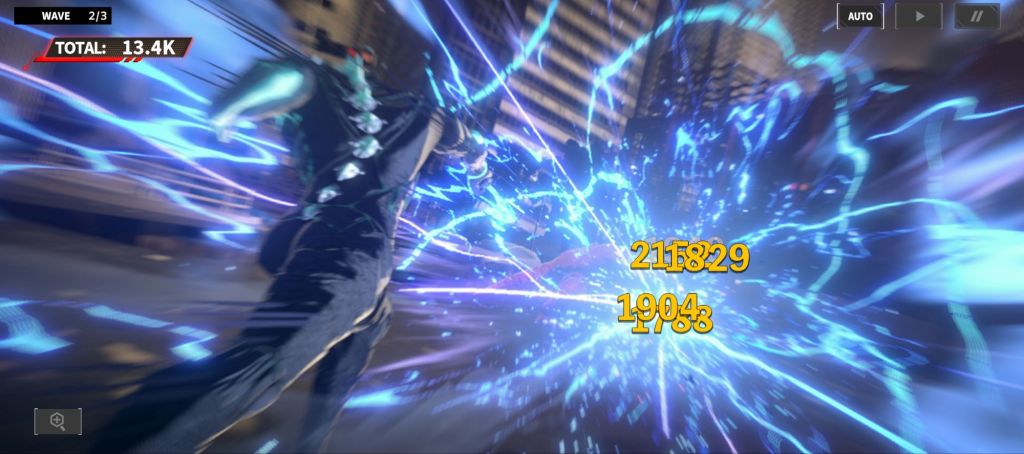
Performance-wise, some mid-range phones reportedly experience overheating during long sessions. I didn’t encounter this personally because I usually stick to low graphic settings.
Even on low, the game looks good and runs smoothly for me. So depending on your device, tweaking the settings a bit might be all you need for a stable experience.
Final Verdict
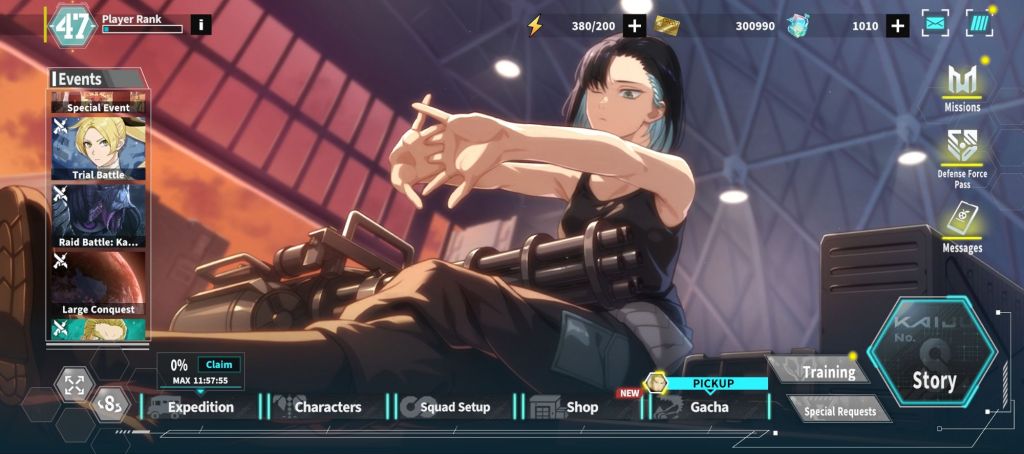
Should you play Kaiju No. 8 on mobile?
If you’re a fan of Kaiju No. 8 or just looking for a polished anime-based game that doesn’t feel like a lazy tie-in, then yes—absolutely play it. This is one of the few anime mobile games that actually tries. TOHO brings the kaiju legacy, Production I.G brings the anime DNA, and Akatsuki brings the character-driven systems that make the whole thing feel alive. It’s a strong combination that pays off.
The content is substantial, the story is engaging, and even when the gacha pulls annoy you, there’s always something interesting to dive back into. The turn-based gameplay can get dull when rushed, but at a steady pace, it becomes a satisfying grind.
With more updates on the horizon and the next version coming soon, Kaiju No. 8 is shaping up to be one of the better anime mobile games out there. I’ll definitely be sticking with it.
 EZRetro Plays