When I first heard about Raven 2, I was hyped. Netmarble has always been one of those studios that knows how to make games look incredible. I still revisit Marvel Future Fight from time to time because it remains one of the best-looking mobile titles ever made. Even Marvel Future Revolution, despite being shut down, was a visual masterpiece — and honestly, it still stings that they closed its servers for good.
But enough nostalgia — let’s talk about Raven 2, which officially launched globally today, October 22, 2025. After spending a few hours with it, here are my first impressions — the good, the bad, and everything in between.
First Impressions – Dark, Cinematic, and Distinctly Atmospheric
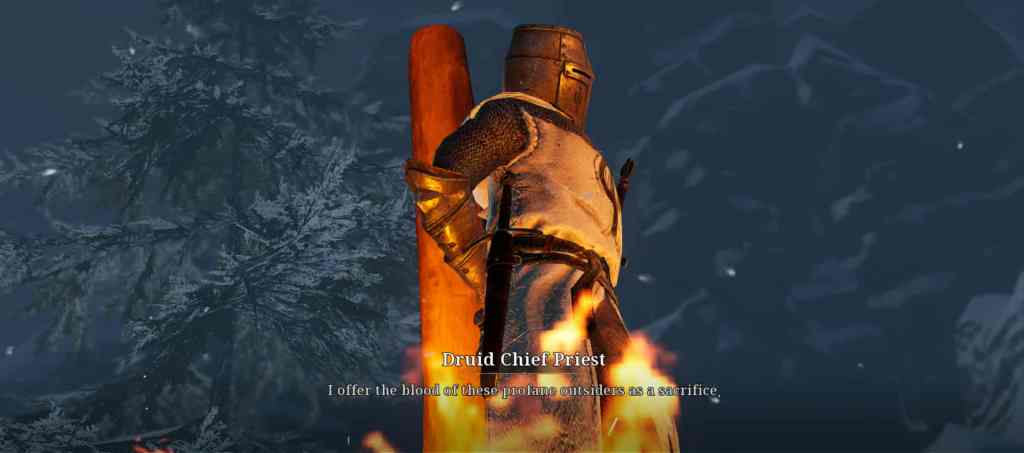
From the opening cinematic alone, Raven 2 makes a strong first impression. The visuals are gorgeous — dark, moody, and atmospheric, with that unmistakable Diablo-style tone that pulls you right in. It’s cinematic, dramatic, and absolutely dripping with polish, which is very much in line with Netmarble’s DNA.
Then came my first surprise: the voiceovers are entirely in Korean. Now, I don’t mind games using their native languages — in fact, it often makes them feel more authentic. But for a global launch, I did expect an English voice option, similar to what Wuthering Waves or Black Beacon offered.
Being an anime fan, I’d even settle for Japanese voiceovers — they’re familiar and easier for global audiences to connect with. Korean, on the other hand, is something I mostly hear in K-dramas like Goblin or My Sassy Girl. Still, once I got used to it, I have to admit: the voice acting, music, and sound design blend beautifully. It feels like watching a high-budget fantasy drama — only you’re part of the story this time.
Character Creation – Stylish and Customizable
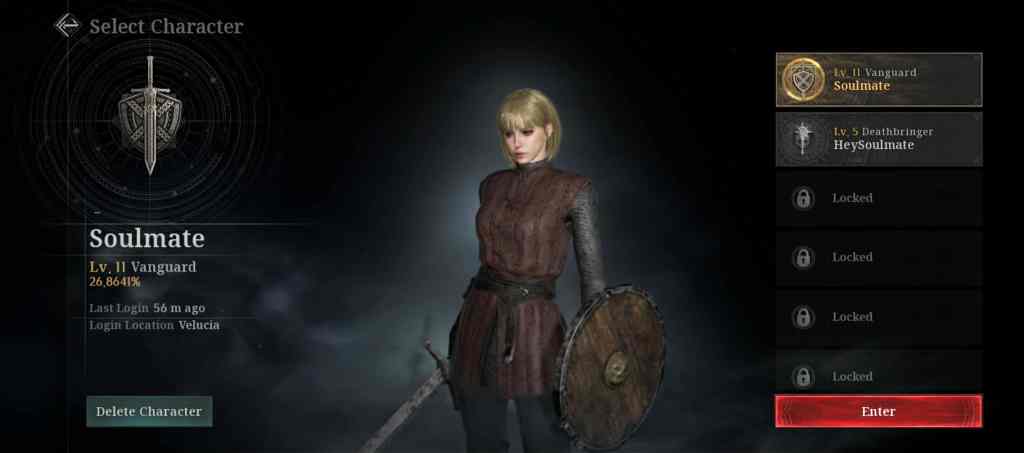
The character creation screen instantly impressed me. Raven 2 offers several classes: Assassin, Berserker, Elementalist, Vanguard, and others — each with unique aesthetics and playstyles.
Since I usually play tank roles, I went with the Vanguard class, creating a female character for my first run. I’ll be honest, I was tempted to pick one of the female-exclusive class looks — because wow, the designs here are stunning. Thankfully, every class allows both male and female options, so you can customize however you want without losing visual appeal.
Gameplay – When “Auto” Takes Control
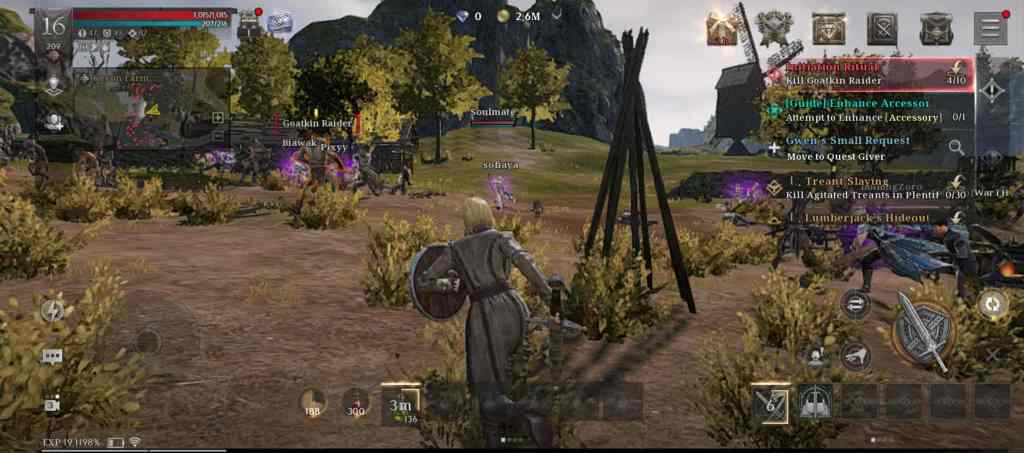
Here’s where things got interesting. I went into Raven 2 expecting something closer to Darkness Rises — a high-action, combo-driven hack-and-slash RPG with manual controls and dynamic combat. Instead, what I found was an idle MMORPG dressed in premium visuals.
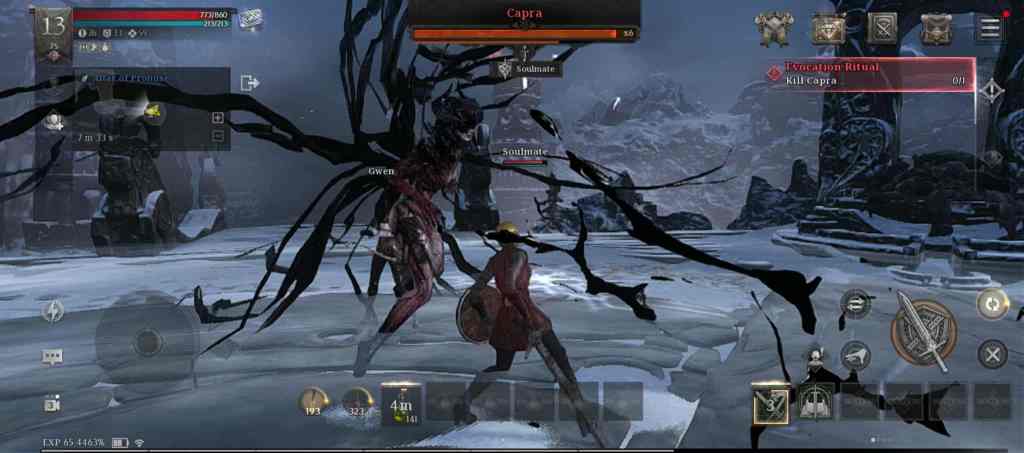
The game lets you switch between three camera perspectives — top-down, isometric, and over-the-shoulder — and the moment I saw the horizontal skill bar beneath the attack button, I knew what kind of experience this would be.
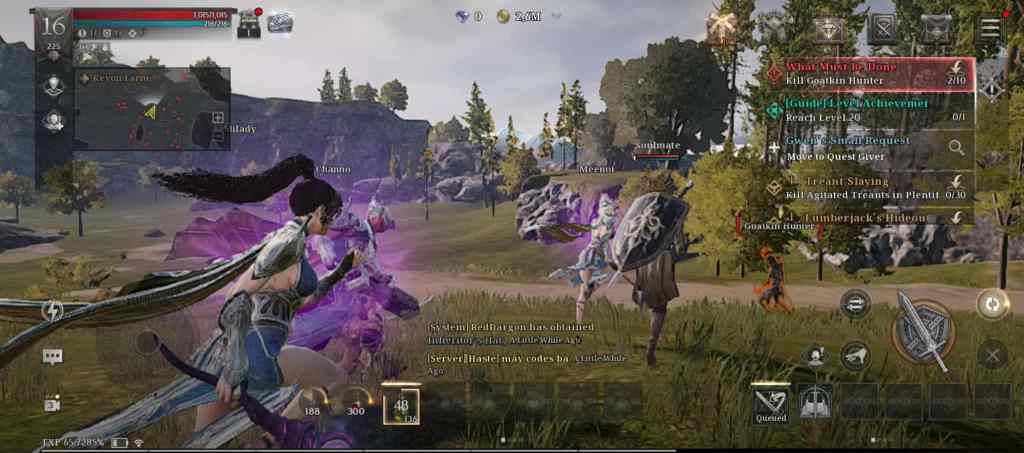
Combat can be manual, sure, but the auto-battle and auto-cast features quickly take over. You can literally sit back while your character chains skills, fights enemies, and completes quests on their own.
The quest tracker, found on the top-right corner, handles most navigation for you. Tap a quest, and your character automatically walks to the right NPC, triggers dialogue, hunts enemies, and even turns in objectives. A single tap afterward claims your rewards and pushes you straight to the next task.
For some, that’s a dream setup. It’s convenient, smooth, and perfect for mobile gaming — especially if you’re multitasking or just want to progress casually. But for players like me who crave hands-on action, it can feel like the game’s doing all the heavy lifting.
Raven 2 executes its systems well, but it often feels like watching a really good-looking game play itself.
Global Launch Rewards – Netmarble’s Welcome Package
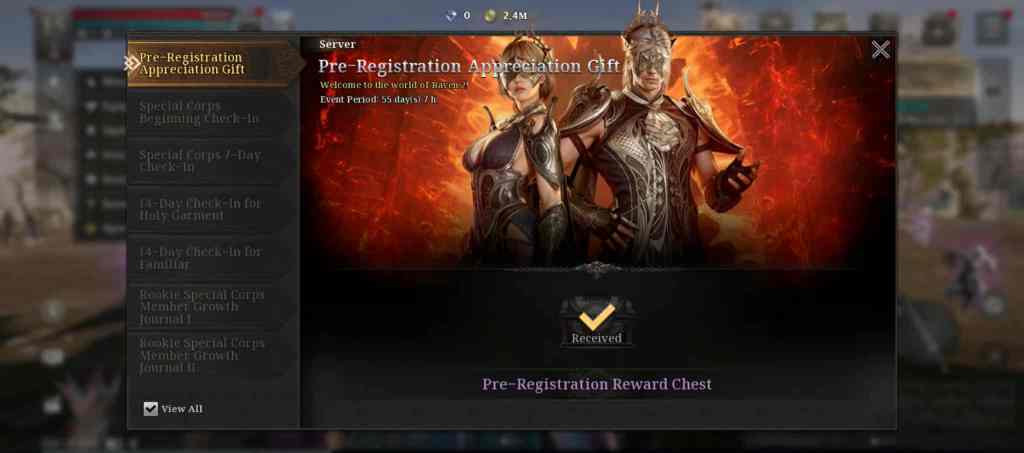
To celebrate the global launch, Netmarble rolled out some enticing bonuses and pre-registration rewards to kickstart your journey.
Official Pre-Registration Rewards
Heroic-grade Holy Garment – basically a character skin given automatically to all pre-registered players at launch. I tried it out for a bit, but honestly, I ditched it quickly. Everyone I ran into was wearing the same outfit, and it completely killed the sense of individuality for me. I actually prefer my default look — I intentionally made my character resemble Clare from the anime and manga Claymore, because… well, I’m a huge fan.
Special Pre-Registration Package – a bonus bundle sent through in-game mail (contents not officially detailed and may vary by region).
Global Launch Events
In addition to the pre-reg rewards, several time-limited events are live now:
Daily Login Rewards – includes gold, enhancement materials, and consumables.
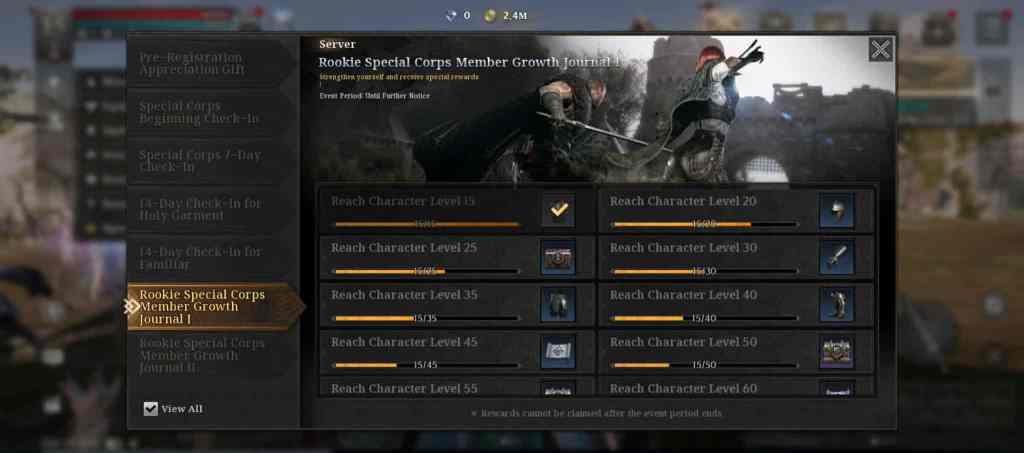
Level Milestone Rewards – designed to help new players gear up faster.
Global Celebration Bonuses – mount tickets, costumes, and premium currency for early progression.
These incentives definitely make the early game smoother and give players plenty of reasons to log in daily.
Verdict – An Eastern Take on a Western Celtic-Inspired World
At the end of the day, Raven 2 is a visual powerhouse — and if you doubt that, just notice your phone overheating while it’s running. It’s that demanding. The game drains battery fast, and even on lower visual settings, it still looks absolutely stunning.
If you love graphically impressive games with a dark, bloody fantasy atmosphere, this one’s a dream come true. It’s a perfect blend — an Eastern developer’s take on a Western, Celtic-inspired world. The tone is grim and mystical, the armor and landscapes evoke pagan energy, and the soundtrack feels like it was pulled straight from a medieval battlefield. It’s that unique fusion of styles that gives Raven 2 its distinct identity.
That said, all that style comes with a trade-off. The auto-play heavy design still holds it back from being truly engaging. I’ve never been a fan of games that rely on an “Auto” button to do most of the work. It’s convenient and great for grinding, but it takes away the thrill of mastering combat and controlling every move yourself.
If Netmarble had followed the Dragon Nest approach — tight, skill-based combat with real control — Raven 2 could’ve easily outshined most mobile titles this year.
For now, I’m setting it aside. Not because it’s bad — far from it — but because it’s built for a different audience. It’s made for players who love beautiful, cinematic MMOs and don’t mind trading depth for spectacle.
If that sounds like you, Raven 2 will absolutely deliver. But if you’re the kind of gamer who values interaction over automation, you might find it all flash and little substance.
Some games scare you with monsters. Others disturb you with atmosphere. But then there are games like the Galerians series — games that make you uncomfortable because of the ideas underneath.
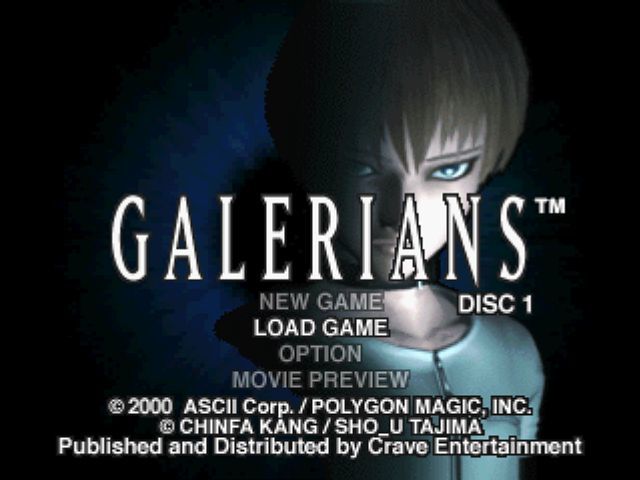
Spanning the original Galerians on PS1 (1999) and its direct sequel Galerians: Ash on PS2 (2002/2003), the series is a one-two punch of sci-fi horror, drug-fueled survival mechanics, and tragic storytelling. For me, these games remain some of the most unique — and frankly disturbing — experiences I’ve ever had in gaming.
1999: Horror Boom on the PS1
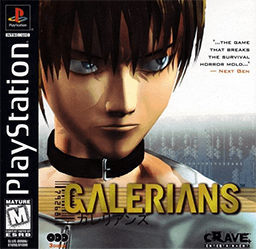
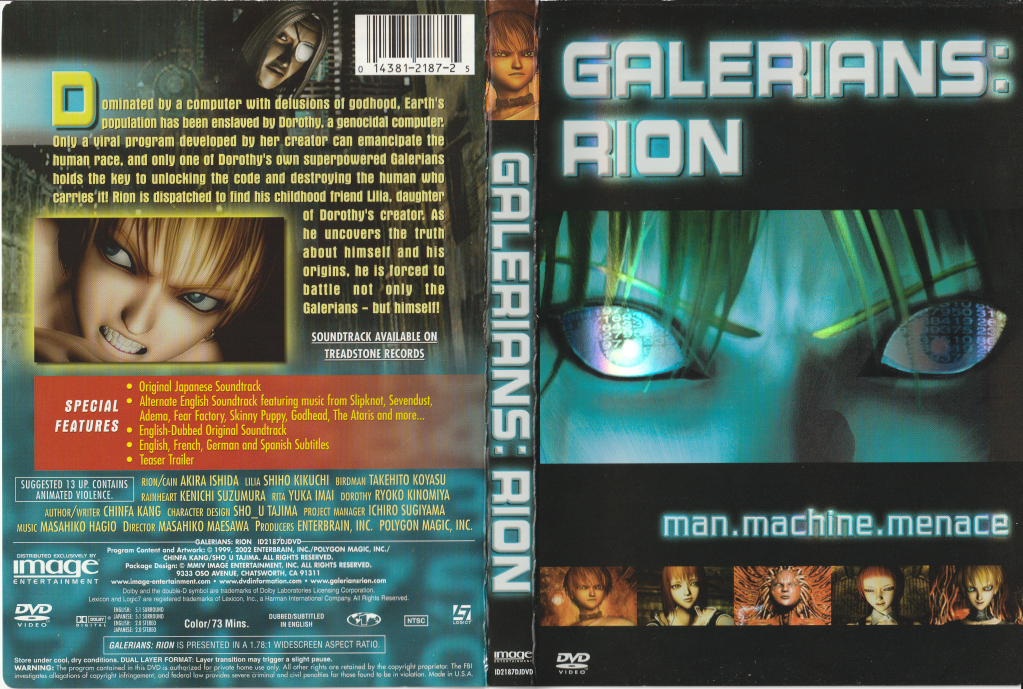
Galerians Ps1 cover art
By the time Galerians released in 1999 (Japan) and 2000 (US/EU), the PlayStation was already knee-deep in a survival horror golden age.
Capcom had just dropped Resident Evil 2 (1998) and Nemesis (1999).
Konami unleashed Silent Hill (1999) — redefining psychological horror.
Square dabbled with cinematic horror-RPG hybrids like Parasite Eve II (1999).
Capcom even turned dinosaurs into horror with Dino Crisis (1999).
Everyone wanted a slice of the horror pie.
So where did Galerians fit? Developed by Polygon Magic and published in the West by Crave Entertainment, the game wasn’t coming from the heavyweights. Crave was mostly known for mid-tier and niche projects — sports titles, racing games, even quirky experiments. But in the late ’90s, even they leaned into the horror trend, picking up Galerians because it stood out: no guns, no zombies, just psychic powers fueled by dangerous drug use.
While the big publishers were polishing cinematic experiences, Crave doubled down on something raw and unsettling. It wasn’t the mainstream choice, but it gave Galerians its cult edge.
My First Steps Into Galerians
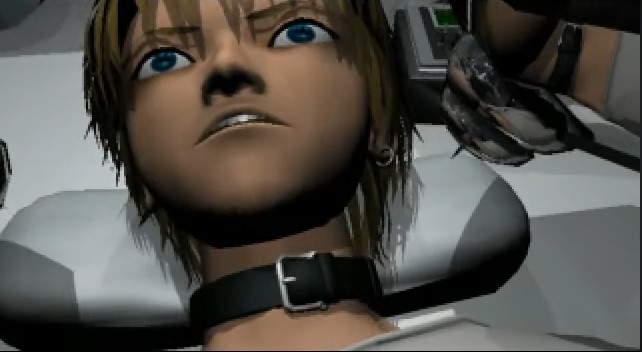
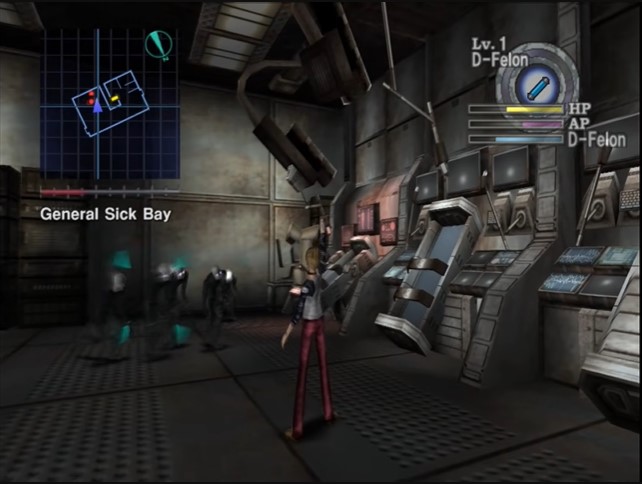
Booting up Galerians for the first time was like waking up inside someone else’s nightmare. The screen fades in, and you’re just… there. A sterile hospital room, cold and empty, and you have no idea who you are or why you’re strapped into this world of machines.
Then it happens: a girl’s voice inside your head.
“Rion… help me… find me…”
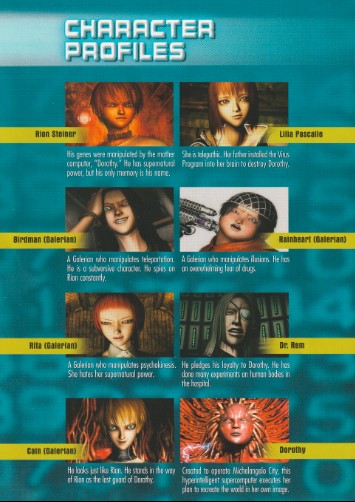
It’s faint, desperate, and unsettlingly personal. You don’t know her. You don’t even know yourself. But that voice becomes your compass, sparking your journey into the unknown. (Later, the game reveals this telepathic voice belongs to Lilia Pascalle, Rion’s childhood friend — but at the start, you only feel the mystery.)
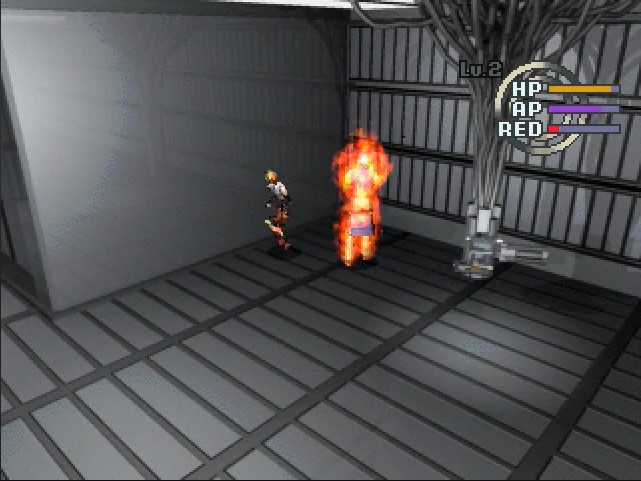
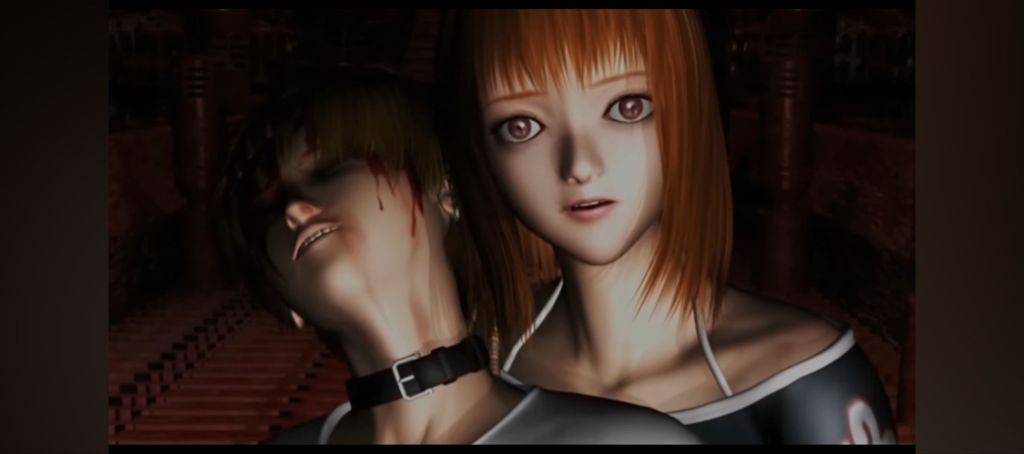
And what a brutal start it is. Within minutes, I was already dying — overdosing on my own psychic powers, burning myself out with attacks I didn’t fully understand. Galerians didn’t want you to feel strong. It wanted you to feel fragile, broken, like a failed experiment stumbling forward.
Each scrap of the world you uncover — medical files, cryptic documents, and eerie computer logs — becomes your only guide. There are no quest arrows, no tutorials, just survival and that haunting voice urging you onward.
Stages and Bosses
What makes Galerians so distinct is how each stage feels like a test, both in difficulty and in theme:
Michelangelo Memorial Hospital – sterile halls filled with former caretakers turned threats, a twisted introduction to your fragile powers.
Rion’s House – once a place of safety, now twisted by confrontation with Birdman, one of Dorothy’s “children.”
Babylon Hotel – chaotic, stylish, and home to brutal encounters with Rainheart and Rita, psychic foes as unstable as you are.
Mushroom Tower – the final climb toward Dorothy, the cold, godlike AI that orchestrates your suffering.
Each boss isn’t just an obstacle; they’re living embodiments of Dorothy’s experiments, mirrors of what Rion could become. The game’s final stage, drenched in sterile dread, leaves you exhausted both mechanically and emotionally — and that’s before the ending revelations about Rion’s true nature.
Galerians: Rion (2002 CGI Movie)
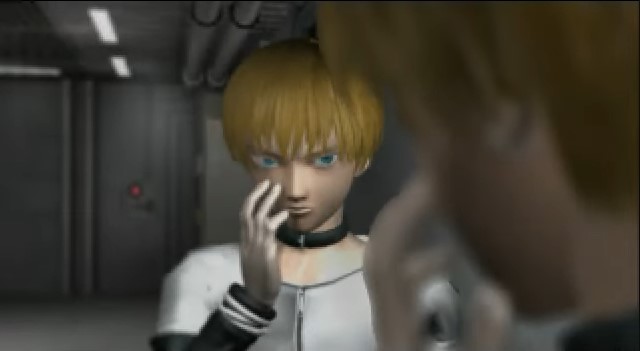
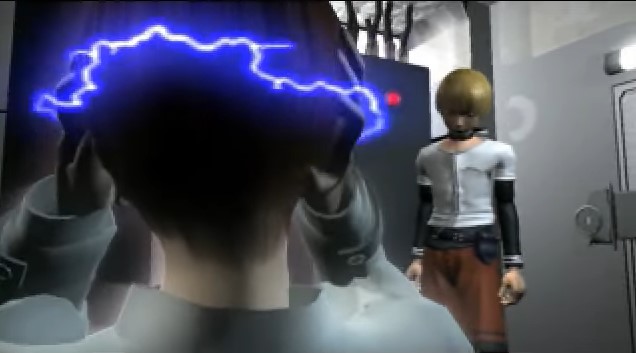
A couple years later, fans got something unexpected: Galerians: Rion, a full CGI movie.
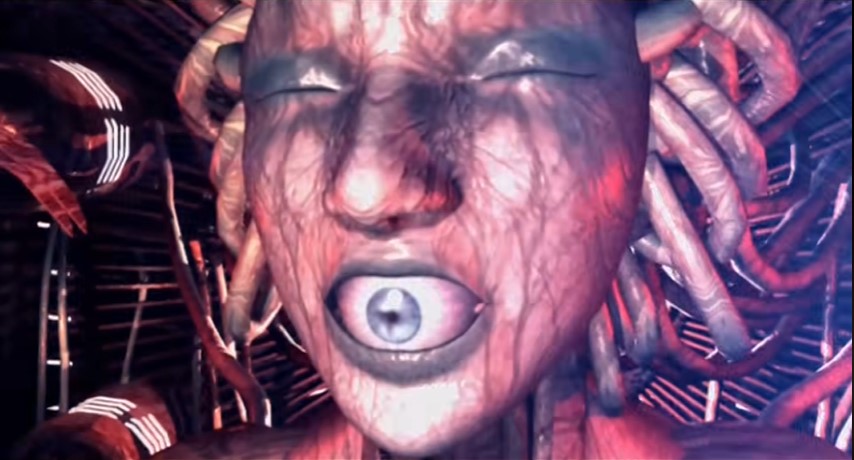
Think Final Fantasy: The Spirits Within style visuals — glossy, cinematic, and way ahead of its time for such a niche horror property. The movie retold the first game’s story but streamlined it, cutting much of the exploration and emphasizing flashy psychic battles instead.
The most controversial change was the ending. Where the PS1 game gave us one of the bleakest conclusions in survival horror, the film rewrote it to keep Rion alive — clearly paving the way for Galerians: Ash. For newcomers, it was a more digestible, “cleaned-up” retelling, but for players like me, it lost some of the raw edge that made the original unforgettable.
2002–2003: Horror Evolves on PS2
By the time Galerians: Ash launched on PS2 (2002 in Japan, 2003 in the West), the genre had shifted. Survival horror wasn’t just popular — it was splitting into blockbusters vs. experiments.
Silent Hill 2 (2001) rewrote the rulebook for psychological horror.
Fatal Frame (2001) introduced ghost photography as combat.
Resident Evil Code: Veronica X (2001) and Resident Evil Zero (2002) kept Capcom’s dominance strong.
Enter Sammy Studios, who published Ash outside Japan. Sammy, better known for arcade hits, was making a push into console publishing. Backing a cult sequel like Ash was a gamble — but one that kept Polygon Magic’s vision alive.
In Ash, Rion returns to face Ash, Dorothy’s terrifying final “child.” The environments are bigger, the visuals cleaner, and combat more polished — but the mechanics of psychic dependency remain. If anything, the sequel leans harder into the disturbing edge of the original, at a time when most horror games were chasing cinematic prestige.
Why the Galerians Series Faded
Both Galerians and Ash were outsiders in their eras.
On PS1, Galerians got lost among juggernauts like Resident Evil and Silent Hill.
On PS2, Ash was overshadowed by games that redefined the genre’s future.
But more importantly:
Drug dependency as gameplay – Brilliant but controversial.
Edgy, bleak storytelling – No power fantasy, just tragedy.
Cult status only – Without mainstream traction, the series couldn’t sustain sequels.
That’s why, in my opinion, Galerians won’t ever get a revival. It’s too raw, too edgy, and too tied to mechanics modern publishers wouldn’t dare touch.
Playing Galerians Today
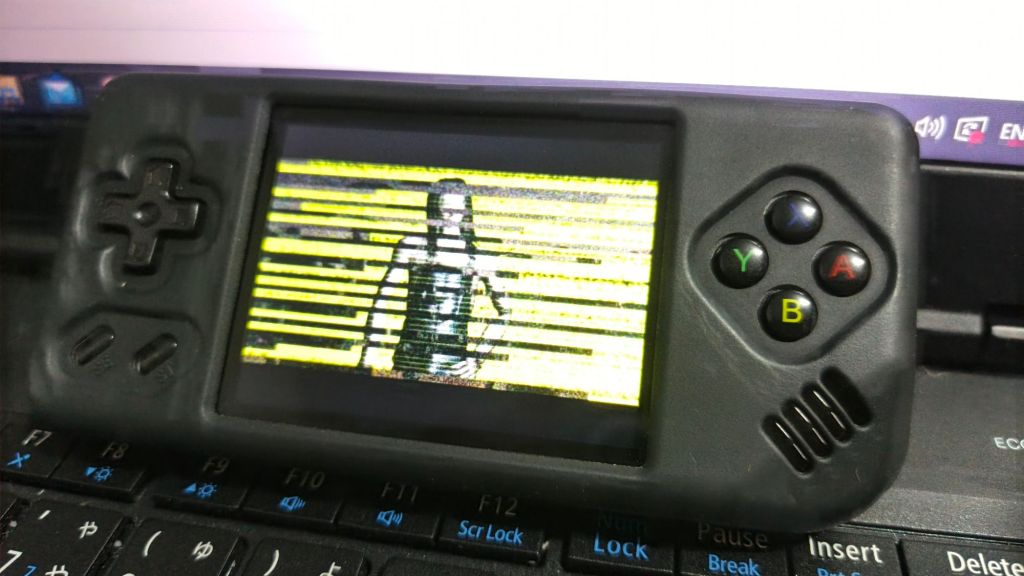
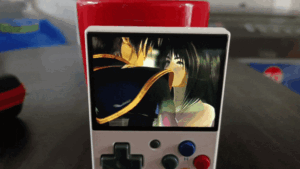
Even if the series is gone, I still revisit it. My Miyoo Mini makes replaying Galerians on the go super nostalgic, though to be honest, I prefer my RG28XX most of the time — the horizontal form factor just feels better for those tricky trigger-based psychic powers.
As for Ash, it’s comfortably sitting on my tablet and phone, where I chip away at it in short bursts. With Halloween around the corner, it’s the perfect time to step back into that bleak, oppressive world.
Final Thoughts
Galerians may never return, but maybe that’s for the best. It burned bright in its moment, dared to go where few games would, and left behind something unforgettable. For me, replaying it now isn’t just nostalgia — it’s a reminder of when horror games weren’t afraid to disturb you, not just scare you.
And honestly? In a genre packed with monsters and gore, I’ll take one tragic psychic teen overdosing his way through the apocalypse any day.
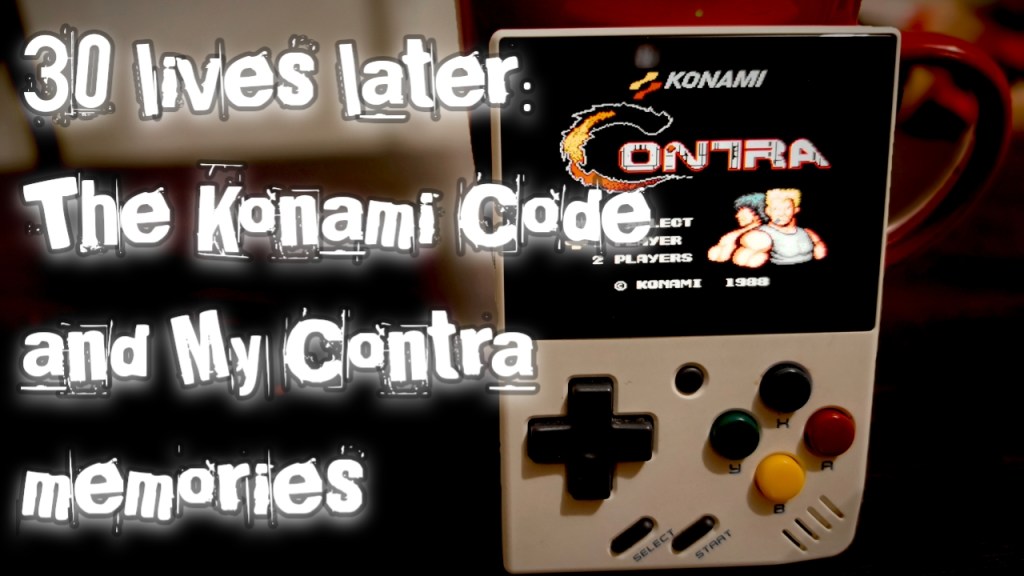
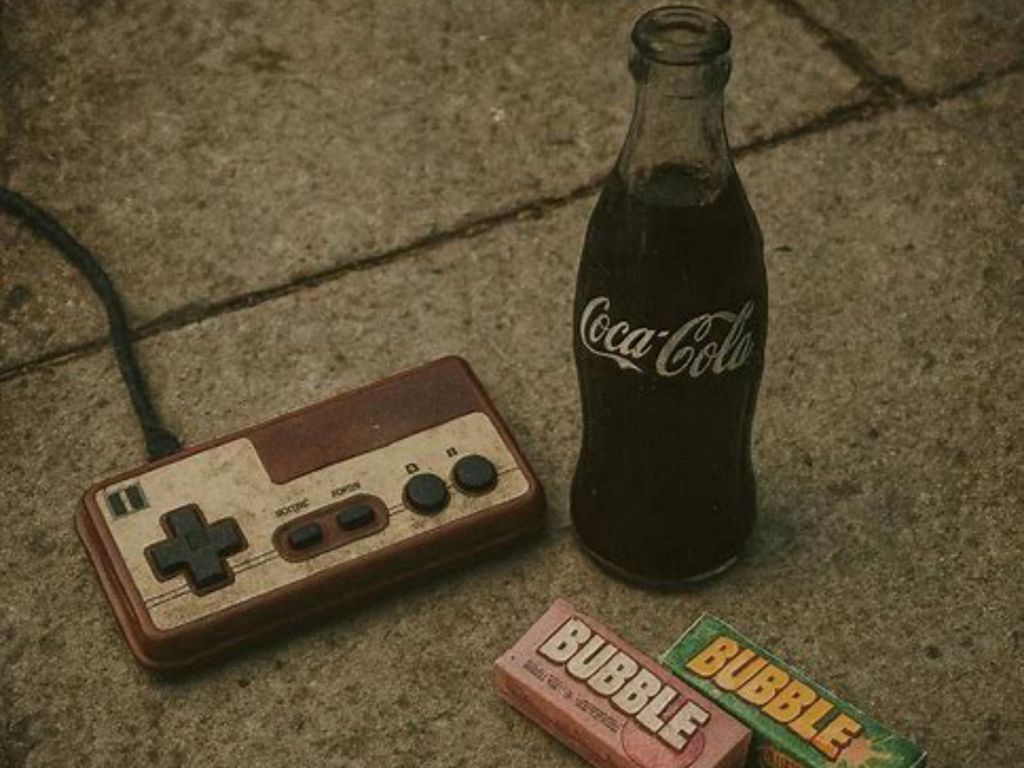
If you grew up gaming in the late ’80s or early ’90s, chances are you’ve heard of the Konami Code. For many of us, it wasn’t just a cheat code—it was a rite of passage. And for me, it all started with a bottle of Coke, two packs of bubblegum, and a little red Famicom.
The Coke-and-Gum Deal That Changed Everything
Weekends at my house always meant Contra. My cousin and I would play for hours, but there was one problem—he was two years younger, and his hand-eye coordination was terrible. He’d blow through his two lives in minutes, then respawn using mine, and before long we’d both get wiped out at the dreaded waterfall stage.
This was the pre-internet era, when game secrets were traded like playground currency. One afternoon at a local “computer shop,” we noticed this one kid tearing through Contra like he had an infinite number of lives. No matter how many times he went down, he just kept coming back—calm, confident, unstoppable.
Naturally, we had to know his secret. After some bargaining, he finally agreed to share it—if we paid up. Our final offer? One cold bottle of Coke and two packs of bubblegum.
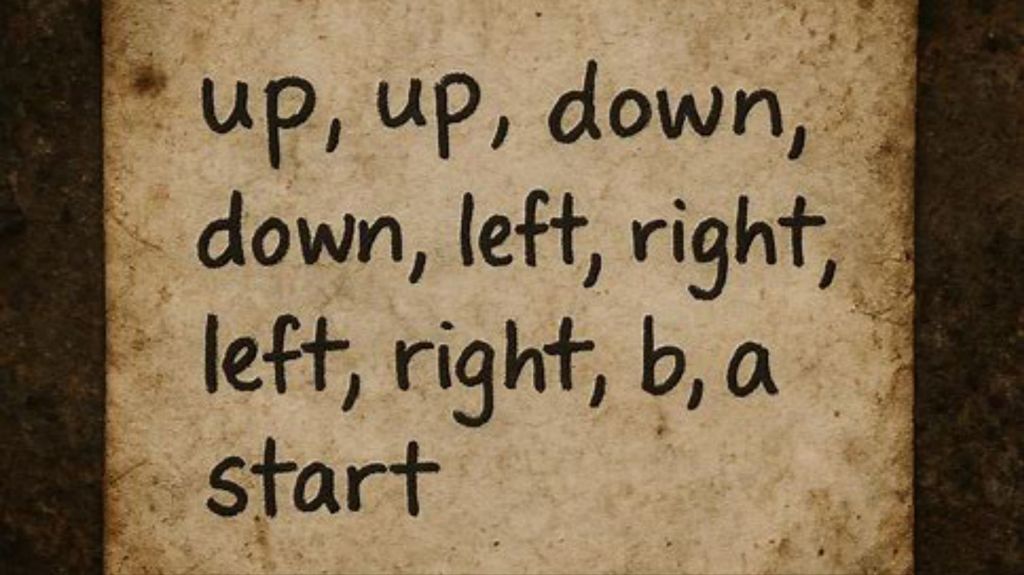
After our transaction, he pulled out a tiny folded scrap of paper covered in pencil marks. It read:
We were broke after the bribe, so instead of playing at the shop, we sprinted home and fired up the red Famicom. After a few failed attempts, we finally nailed the input, and suddenly there it was—30 lives staring back at us on the screen.
In that moment, Contra wasn’t the same game anymore. It stopped being a careful, punishing platformer and turned into absolute madness. We weren’t just trying to beat levels—we were seeing who could pull off the craziest stunts or rack up the dumbest “epic death.” Looking back, it felt like we’d turned Contra into the Dark Souls of dumb fails, and the funny part there was we loved every minute of it.
From Test Tool to Gaming Icon
The Konami Code wasn’t meant to be legendary. Developer Kazuhisa Hashimoto originally created it in 1986 while testing Gradius on the Famicom. He added extra lives to make debugging easier and forgot to remove the code before release. Konami decided to leave it in, and before long it became a running tradition in their games.
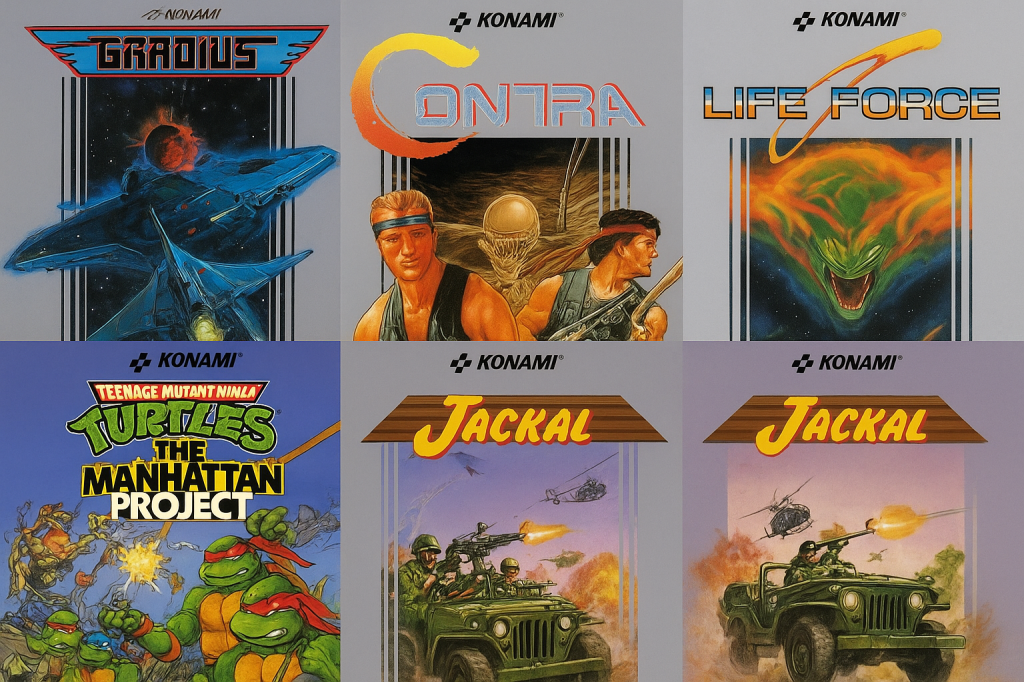
Contra made the code famous, but it popped up in all kinds of Konami titles—Castlevania, Teenage Mutant Ninja Turtles, Metal Gear—and later escaped gaming altogether, appearing in websites, TV shows, and even Fortnite.
A Cheat Code That Became a Memory
Decades later, the Konami Code is more than a set of button presses—it’s a piece of gaming history. For retro gamers, it’s a badge of honor, a reminder of a time when secrets spread by word of mouth, scraps of paper, or in my case, a Coke-and-gum trade.
For me, the Konami Code will always bring back that memory: two broke kids, a red Famicom, and the day we discovered that 30 lives could turn a tough-as-nails shooter into the most fun chaos we’d ever had.
The Miyoo Mini retro handheld is a nifty little device capable of playing classic 8-bit and 16-bit games up to PlayStation 1 ROMs. Released in late 2021, it was well-received by avid retro gaming fans worldwide. Many would argue that this device jump-started the compact retro handheld market at an affordable price point.
While other players like Anbernic and Powkiddy existed at the time, the Miyoo Mini managed to make waves due to its pocketability, build quality, and competitive pricing.
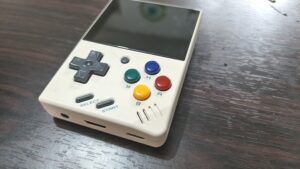
That doesn’t mean it’s without flaws, but many consider (ourselves included) that the original Mini has the perfect size if you want something lightweight and compact that doesn’t significantly impact the gaming experience. This is subjective, of course—people with larger hands will find the device cramped. I have medium-sized hands, so while it took some adjustment, it works really well for me.
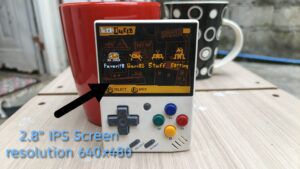
Another main concern is the 2.8″ screen, which many consider quite small for comfortable gameplay. If you’re into text-heavy games, there will be plenty of squinting involved. However, for most games, it works fine and screen size won’t be much of an issue.
Since its 2021 debut, the Miyoo has undergone three version upgrades. If you’re looking to purchase one now, you’ll likely get the latest Version 4 model, which comes in white, grey, black, transparent blue and yellow colors.
Hardware Specifications
Before we dive in, here’s a breakdown of the Miyoo Mini’s hardware (note: we’re reviewing Version 4, but hardware specifications remain similar across versions):
Device Name: Miyoo Mini (all versions)
Display: 2.8″ IPS, 640×480 resolution
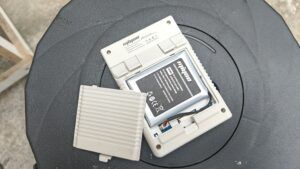
Battery: ~2000 mAh (4-6 hours depending on emulation)
Storage: MicroSD (up to 128GB)
CPU: ARM Cortex A7, 1.2GHz dual-core
RAM: 128MB
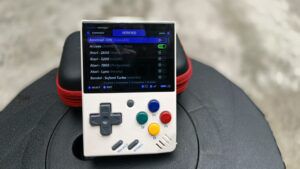
OS Support: Stock OS (Mini UI) or Onion OS (custom firmware)
Emulation Support: 8-bit/16-bit systems up to PlayStation 1
Wi-Fi: None
(Note: The original Miyoo Mini lacks Wi-Fi support, but the Miyoo Mini+ does include it)
Size and Weight: 93.5×65×18mm, ~107g
Emulation Performance
Since the Miyoo Mini is primarily a retro handheld, let’s examine how well it performs across different emulation platforms.
I accidentally reformatted the SD card that came with my Miyoo Mini, so I had to start from scratch. I’ve installed my own ROM collection, which is somewhat limited compared to the pre-loaded selection, but I’ve personalized it with games I actually play on the Mini.
NES/Famicom
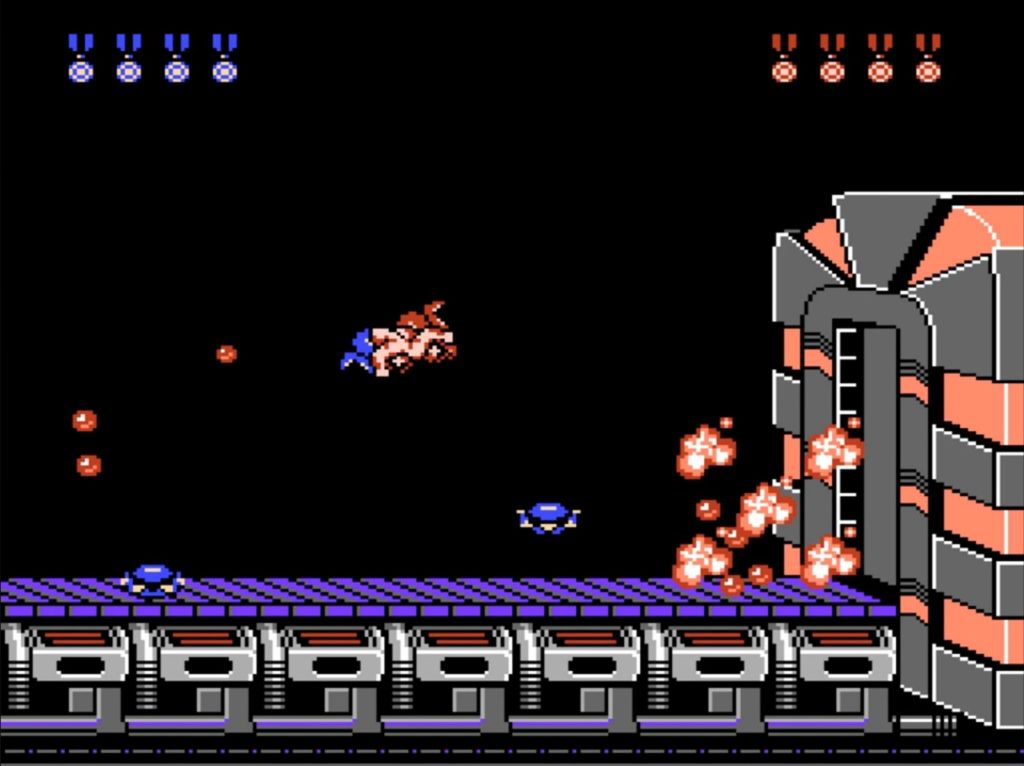
Contra on famicom
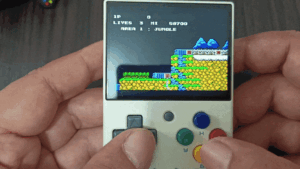
One standout feature of Miyoo’s NES emulation is its compatibility with modded and homebrew ROMs. For this review, I tested Contra, one of my all-time favorite games on this system and a childhood classic.
Controls
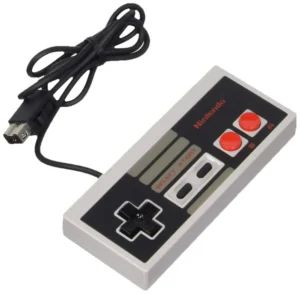
Standard Famicom controller
For those unfamiliar with the NES, the control scheme consists of two buttons plus the directional pad (not counting Select and Start). This translates perfectly to the Miyoo Mini’s B and A buttons with the D-pad. While it’s a bit cramped, it remains very playable. You can also customize the X and Y buttons to act as turbo buttons.
Sound
The audio is surprisingly loud for such a small device—I had to lower the volume to avoid it being jarring. The single speaker, located on the bottom-right face, is well-positioned. I didn’t experience any sound muffling issues with my thumb placement over the B and A buttons, though this could be problematic for users who rest their thumbs below the buttons.
The directional pad works excellently. While on the smaller side, I experienced no false inputs or difficulties with this button layout.
Games to play on Nes/Famicom
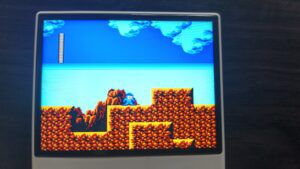
Megaman on famicom
I play plenty of NES games on the Mini during my free time. Turn-based RPGs work best since they can be played one-handed and don’t require precise inputs. However, platformers also perform well. I recommend Contra, Super Mario Bros. 3, Darkwing Duck, and Mega Man 1 & 2. Generally, any NES game works excellently on the Mini.
Super Nintendo (Snes)
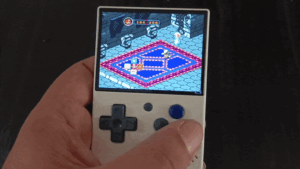
Super Mario RPG on Snes
When it comes to RPGs and JRPGs, the Super Nintendo reigns supreme. Throughout its lifespan, it produced numerous RPG titles that continue to inspire modern games, not to mention the remakes and remasters we’ve received over the years.
The Miyoo Mini delivers exceptional SNES emulation performance. Beyond smooth gameplay, the Mini offers save states for quality-of-life improvements and filter effects to enhance visual appeal or nostalgia.
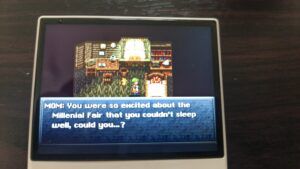
Chrono Trigger complete hack on Snes
For this review, I tested Chrono Trigger: Complete, a popular modification for the SNES version. The 2.8″ screen performs admirably—text remains readable, and I experienced no slowdown or noticeable screen tearing.
This addresses a long-standing issue I’ve had with SNES emulation on mobile devices, where I’ve never found a perfect emulator. The Mini’s compact size also allows for comfortable one-handed gameplay.
controls
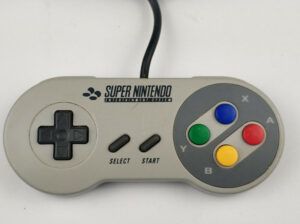
The SNES control scheme includes four buttons, a D-pad, and left/right triggers. These translate well to the Mini, though I admit the L and R buttons feel somewhat awkward to press. This requires adjustment, but for games that rarely use these triggers (like RPGs and JRPGs), it shouldn’t pose significant issues.
Sound
Audio performance is generally solid. I’ve noticed occasional sound crackling or slowdown in demanding games with heavy on-screen action. A classic example is the Super Mario World 30th Anniversary ROM hack. While there are reportedly RetroArch workarounds, I’m not particularly tech-savvy and let it run as-is. These issues only affect specific game sections, and overall performance remains excellent.
Games to play (Snes)
While I could recommend every RPG/JRPG on SNES, turn-based games truly shine on the Miyoo Mini. Chrono Trigger, Final Fantasy IV & VI, Shin Megami Tensei mods—if it’s turn-based, it’s perfect for the Mini. Other notable recommendations include Mega Man X, Tales series games, Front Mission: Gun Hazard, Castlevania (especially mods), and Yu Yu Hakusho Tokubetsu Hen.
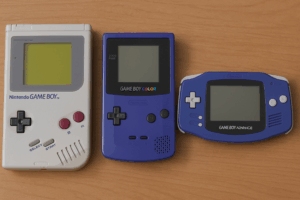
Game Boy, Game Boy Color, Game Boy Advance
Gameboy handhheld series by Nintendo
Modern retro handhelds draw inspiration from the Game Boy family—the concept of portable gaming began with the Game Boy and evolved through the Game Boy Advance. Naturally, the Miyoo Mini excels at emulating these Nintendo handhelds, and with years of homebrew ROMs and mods available, there’s an extensive game library across these three platforms.
Game Boy
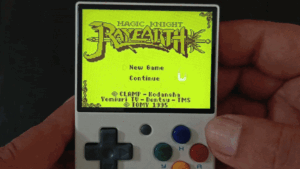
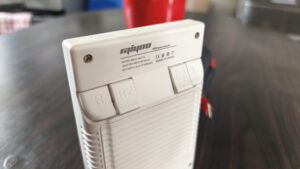
I tested Magic Knight Rayearth, my all-time favorite Game Boy title. With the simple control scheme of B and A buttons plus the D-pad, you can remap additional buttons for functions like save/load or create combination inputs. A neat Onion OS feature allows you to change screen filters by tapping the rear R1 and R2 buttons, offering up to 26 preset filters instead of the classic green Game Boy display.
Gameboy Color
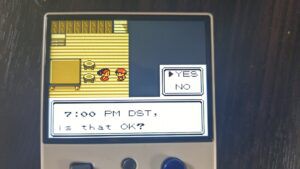
This is where Pokémon first made its impact. The control scheme remains similar to the original Game Boy but now includes color support and essential features like save states and speed-up toggles (especially useful for Pokémon games). Games display excellently on the 2.8″ screen, with text remaining readable even for those with vision difficulties.
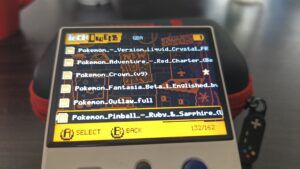
I tested Pokémon Crystal Legacy, a ROM hack of the original Crystal, and everything ran smoothly with proper internal clock functionality—essential for Game Boy and Game Boy Advance Pokémon games.
Gameboy Advance
Harry Potter 1 on GBA
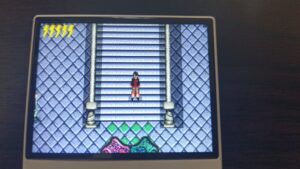
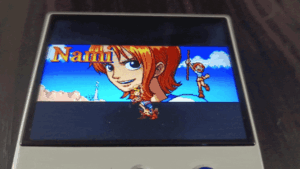
I have nothing additional to note regarding controls, sound, and quality-of-life features for GBA emulation—everything works excellently. I primarily play Pokémon ROM hacks, RPGs, and strategy games, all of which perform great on the Mini.
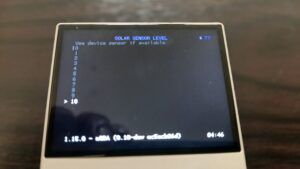
Gba solar sensor
Solar sensor settings via retroarch
One standout feature is the solar sensor support, which works beautifully and is easily accessible through the RetroArch emulator.
For those unfamiliar, certain GBA games utilized a solar sensor hardware feature. The prime example is Boktai (Solar Boy Django), where you charge weapons via the solar sensor to create solar-powered attacks. I previously struggled with solar sensor setup on PC emulators, but it functions flawlessly on the Mini.
Game recommendations
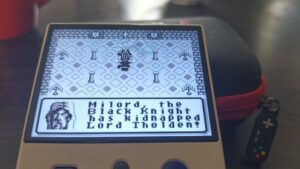
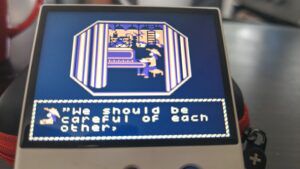
Honestly, every game works well across these three handhelds on the Mini. Currently, I’m enjoying Magic Knight Rayearth, Darkwing Duck, and Ultima II: Runes of Virtue.
For Game Boy Color, I highly recommend Pokémon Crystal Legacy, Queen of Fighting 2000 (a fun Chinese homebrew fighting game with easy move execution), Sakura Wars GB, and a newly discovered homebrew called “The Way to Dusty Death”—a compelling text-based RPG.
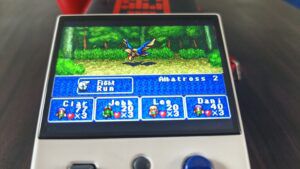
For GBA, Pokémon Unbound stands out as the best Pokémon ROM hack available. I also recommend Super Robot Wars OG & OG2, Fire Emblem games and hacks, Boktai 1 & 2 (requiring the solar sensor), and Mega Man Zero 1-4.
Neo Geo Pocket
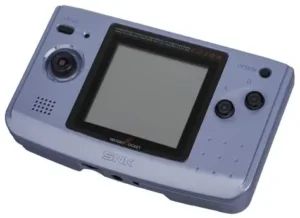
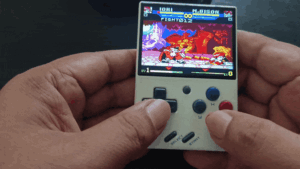
If you’ve followed my previous emulation reviews, you know I consider the Neo Geo Pocket an underrated handheld, especially for fighting games. NGP emulators are scarce on mobile and PC platforms, making the Miyoo Mini one of the best retro handhelds for NGP ROM emulation. Its compact size isn’t a drawback since the original Neo Geo Pocket was also small, and with only two buttons plus the D-pad, your hands won’t feel cramped.
I regularly play fighting games like SNK vs. Capcom, SNK Gals’ Fighters, and King of Fighters R-2, executing super moves without issues.
The Mini’s small D-pad works perfectly for sliding movements required for half-circles and precise forward-down-forward signature moves.
The only adjustment needed was adapting to low punch/kick inputs—tapping for low attacks and holding for high/heavy attacks. This isn’t a hardware limitation but rather the original Neo Geo Pocket design. Other notable non-fighting games I enjoy include Faselei!, Metal Slug 1st & 2nd Mission, and Dark Arms.
Wonder Swan Color
WonderSwan games run excellently on the Mini. However, most online retailers don’t include pre-installed WonderSwan ROMs—you’ll need to manually add the system via package manager and source your own ROMs.
This might be due to most WonderSwan games being Japanese-only or the handheld’s limited popularity. I’ve purchased two Minis from different shops, and neither included WonderSwan ROMs.
I tested Makai Toshi Saga, which performed flawlessly—unsurprising given the simple two-button plus D-pad control scheme. As a Gundam fan, I also tried various Gundam WonderSwan ROMs.
While lacking English translations required some exploration to understand gameplay mechanics, I thoroughly enjoyed the experience.
Playstation 1
PlayStation emulation proves hit-or-miss depending on the specific game. While some titles run with minor slowdowns or stutters, others become unplayable or difficult on the Mini.
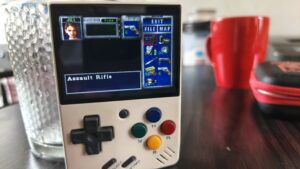
Resident Evil exemplifies the challenges—requiring you to hold the R2 button for aiming and tapping the X button for firing. With rear buttons positioned at the device’s back, these combinations feel downright frustrating on such a small device.
I often accidentally drop the Mini when dealing with multiple on-screen zombies while frantically attempting to aim and fire as they close in on me. This problem is the same for any 3rd and first person shooters like Dino crisis or medal of honor.
Turn-based games or titles that don’t heavily rely on shoulder buttons provide acceptable experiences, depending on the game type. For dedicated PlayStation 1 gaming, I recommend the Miyoo Mini+ or Miyoo A30, as the original Mini’s size and form factor can create frustrating experiences.
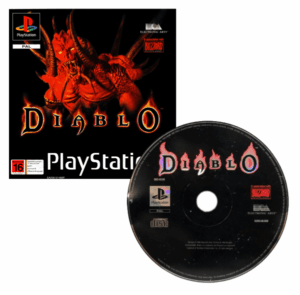
Note that Diablo 1 and Diablo Devilution won’t run directly—the only workaround involves installing through the Onion OS ports collection, though available tutorials target the Miyoo Mini+ rather than the original Mini.
Game recommendations
I typically play Final Fantasy VII, VIII, and IX, plus fighting games like Bloody Roar 2 and Bushido Blade 2. While these run adequately, the awkward trigger button layout makes this less than ideal for such games.
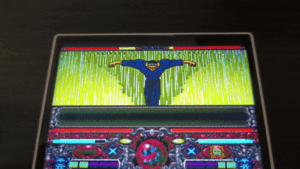
I’m missing coverage of several emulators like MAME, CPS1, CPS2, PICO, ports collection, and ScummVM due to my accidental card reformatting and lack of legal access to originally pre-installed ROMs. From memory, arcade games performed well, and retailers typically offer extensive ROM selections with Miyoo Mini purchases.
Final Verdict
Now in 2025, nearly four years after the Miyoo Mini’s debut, production has ceased in favor of the Miyoo Mini+, which features a larger screen, bigger body, and Wi-Fi connectivity. Is the original Miyoo Mini still worth purchasing? I’d say yes, but it depends entirely on your handheld gaming priorities.
If you want something genuinely pocket-sized, the Miyoo Mini is perfect. While dozens of smaller handhelds exist, a 2.8″ screen represents the minimum playable size in my opinion.
For quick gaming sessions during free time, the Mini excels at short play bursts.
For extended gaming, you’ll need larger, more expensive handhelds for comfortable play, as the Mini’s compact body becomes cramped after an hour or more.
For retro gaming focused on 8-bit and 16-bit titles, the Miyoo Mini performs excellently at a budget-friendly $60 starting price (at least on AliExpress). I purchased mine through TikTok from Gamecove PH for around $68 with a 64GB SD card option.
Interestingly, the Mini+ and original Mini were identically priced, with the seller recommending the Mini+ for its larger size and Wi-Fi capability.
If you’re seeking a compact, affordable retro handheld perfect for short gaming sessions, the Miyoo Mini delivers exactly that experience.


 EZRetro Plays