Tag: EZRetro blog

  • Kaiju No. 8 Mobile Review

    Kaiju No. 8 Mobile Review

    After Black Beacon announced that it would end service on global servers, I honestly thought it was time for me to take a break from mobile gaming and just go back to retro titles. Funny, but that’s how it felt.

    I was genuinely excited for the world Black Beacon promised to build, only for the game to fizzle out before anything meaningful even happened. I had already uninstalled it before the November 4 announcement because something told me it wasn’t going to last.

    So I shifted gears, binge-watched anime for a while, and decided that for my next mobile review, I’d explore anime-licensed games instead.

    I downloaded several of them—from Tokyo Ghoul to One Punch Man: World to Lord of Nazarick. But out of everything I tried, Kaiju No. 8 stood out immediately.
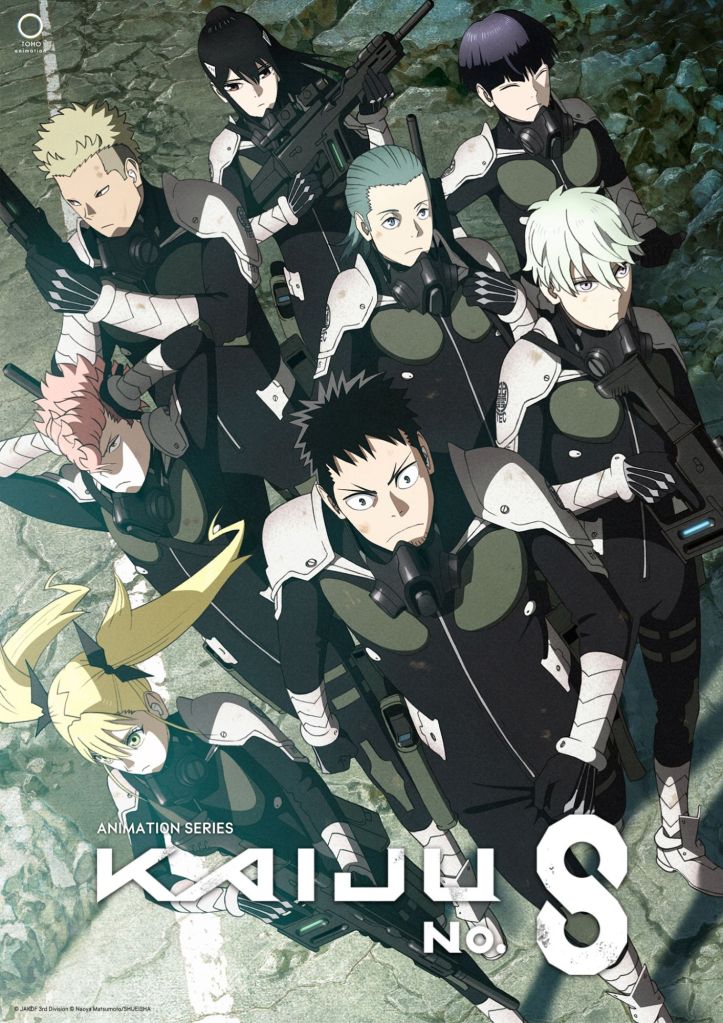
    Kaiju no. 8 anime cover art

    Co-produced by Akatsuki Games, TOHO, and Production I.G, the game’s visual identity screams anime from the first loading screen.

    What surprised me most was how much I enjoyed it—even if it’s a turn-based gacha. I’ve played my share of gachas, but enjoying a turn-based one this much? Definitely unexpected. Looking back, I kind of wish I had played this in September instead of putting my hopes on Black Beacon.

    Kaiju no. 8 the game loading logo

    A big part of why Kaiju No. 8 hits differently is because each studio contributes something meaningful. Production I.G injects the anime DNA—the sharp expressions, the cinematic cut-ins, the pacing.
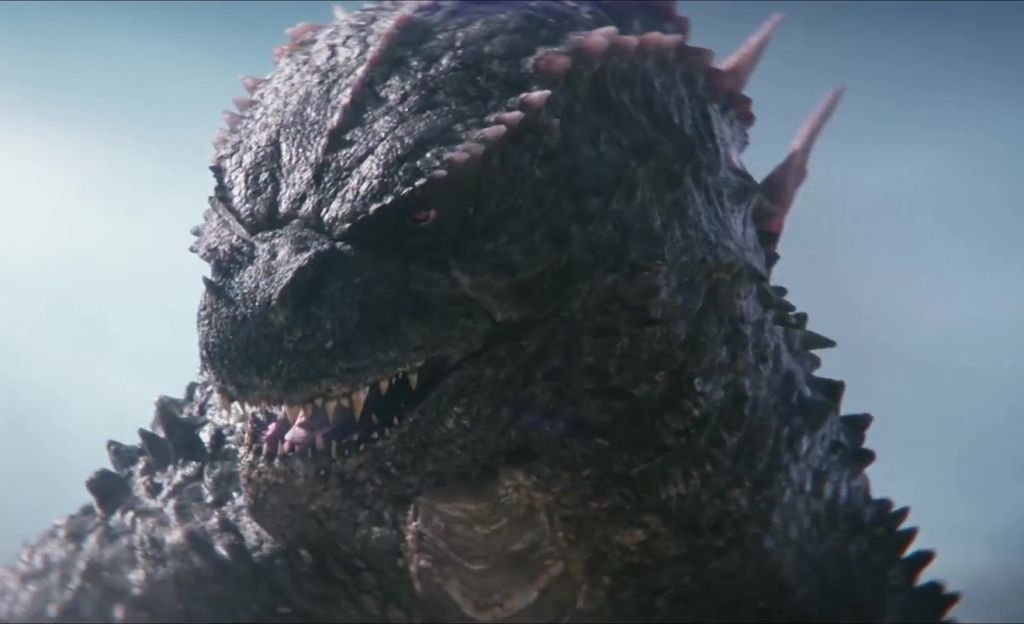
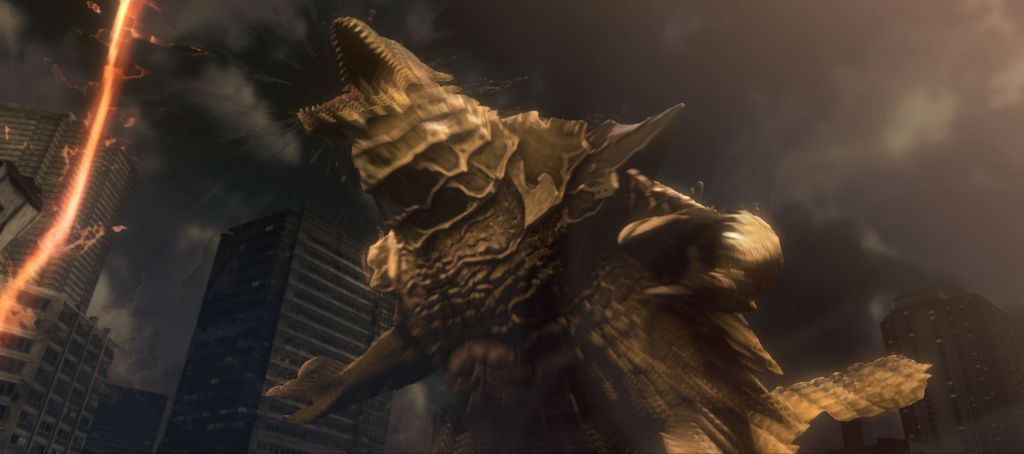
    Godzilla

    TOHO, being the veteran behind Godzilla and practically every iconic kaiju, gives the monsters and world that familiar, polished feel you don’t see in most mobile games.
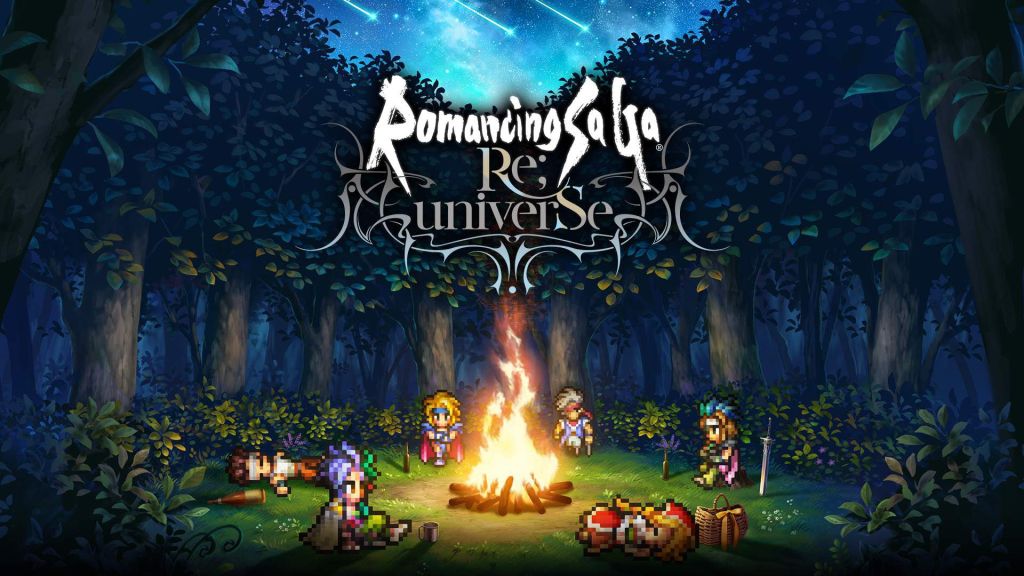
    Akatsuki games co-produced a number of character driven games like Romancing Saga Re Universe

    Meanwhile, Akatsuki Games, known for character-focused mobile titles, brings progression systems that make each character feel more than just a unit to level up. Combined with the turn-based format, the whole thing ends up feeling less like a cash grab and more like a continuation of the anime and manga.

    Everything, from the lore to the presentation is steeped in Kaiju No. 8’s world, and it will hook fans of the series as well as anyone who loves the military-vs-monster genre.


    Visuals and Presentation
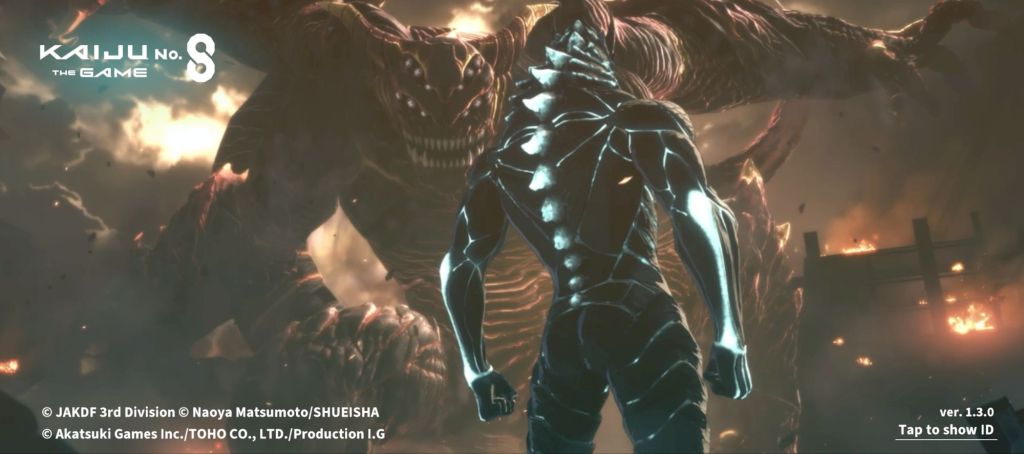
    Visually, Kaiju No. 8 captures the anime look effortlessly. The character models are crisp, the animations have personality, and the overall art direction sticks close to the vibe of the show.

    The only small nitpick is that character lips don’t move during dialogue, but with how good the voice delivery is, you stop noticing almost instantly. The style and presentation are strong enough to carry the immersion without any problem.


    Gacha and Progression
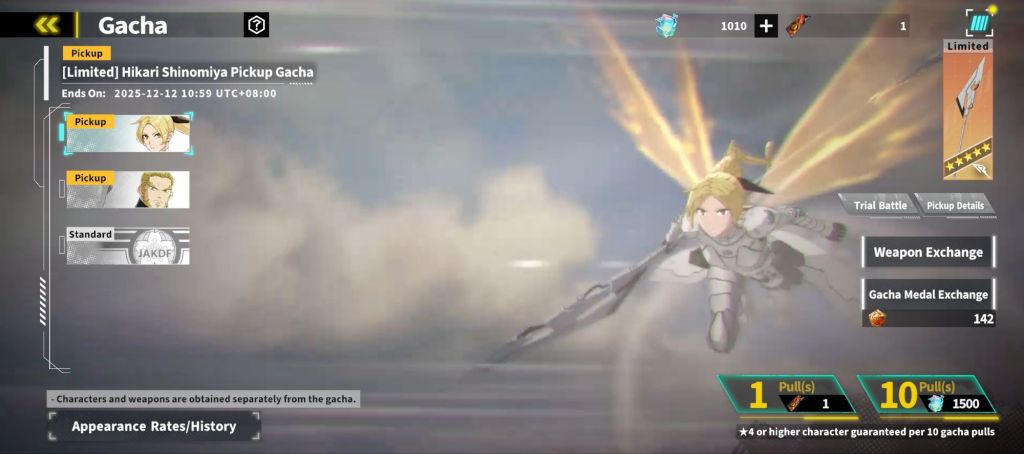
    Gacha tab in kaiju no. 8

    Kaiju No. 8 is still a gacha game, and yes, pulls can feel unfair. With only a limited number of characters and SSR weapons available at a time, it really can feel like the game throws more junk at you than anything actually useful.
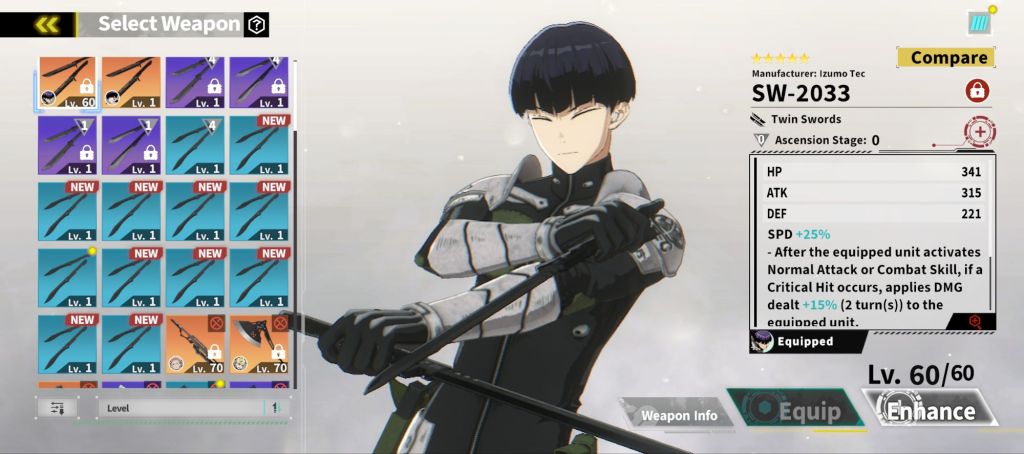
    But the story and content pull their own weight, so even when the gacha frustrates you, there’s always something to go back to.

    Sometimes it even feels like you’re pulling just to complete achievements instead of genuinely wanting the units, because once you’re done rolling, you’ll probably jump straight back into the content anyway.
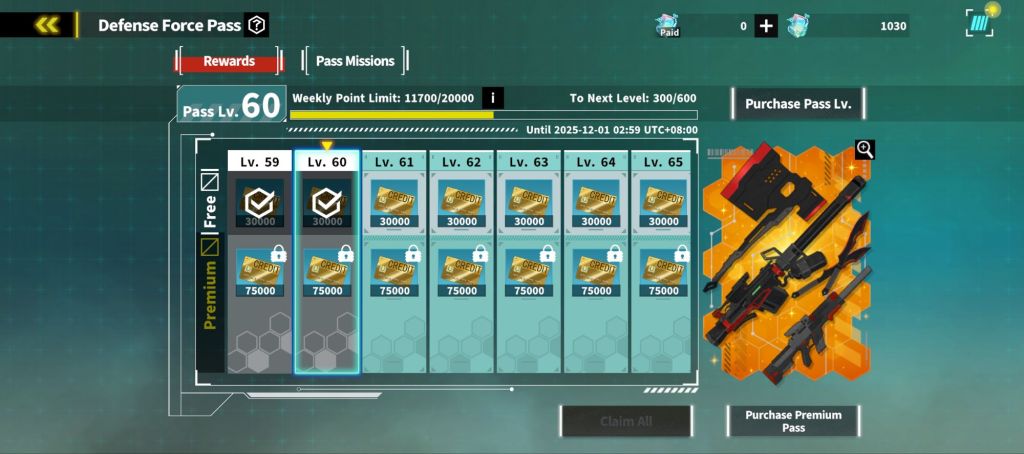
    The turn-based combat can get repetitive if you blast through it nonstop, but at a steady pace, it stays enjoyable and the grind becomes rewarding rather than tiring.


    Gameplay and Content
    Kaiju No. 8’s structure is built around multiple modes, each focusing on different aspects of the story and characters.

    Main Story
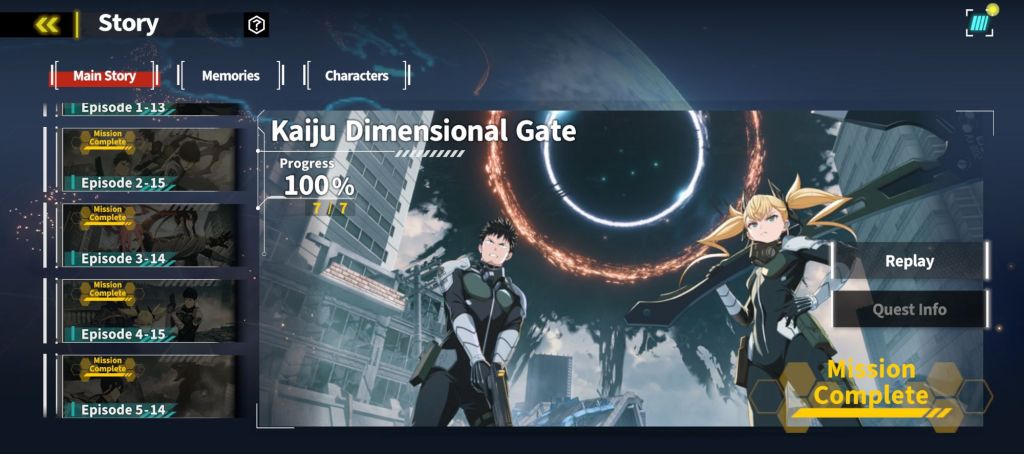
    The main story is pretty substantial. It features six episodes, each divided into stages from Episode 0 to Episode 5. As far as I can tell, this storyline is original and made specifically for the game.
    What’s impressive is how committed the developers are to giving fans something worth reading. With the anime having just ended Season 2, fans are craving more material while waiting for Season 3, and this game fills that gap nicely.

    I haven’t read the manga, so I can’t tell which parts are adapted from it, but the writing fits the Kaiju No. 8 universe well.

    Memory Stages
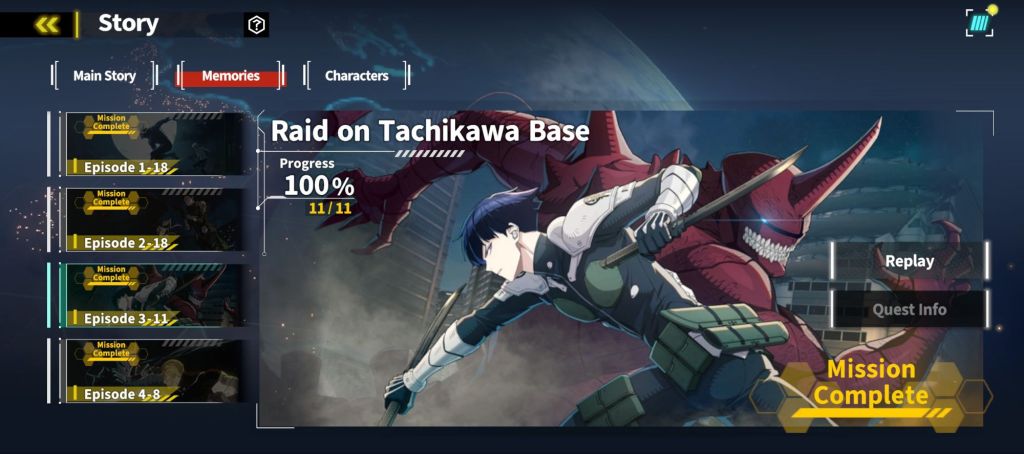
    Memory Stages tackle key moments from the anime. These aren’t direct retellings of Season 1 or 2, but condensed highlight episodes that cover Kafka gaining his kaiju abilities all the way to the Season 1 finale where he gets captured. No spoilers, but these scenes are faithful enough that anime fans will recognize everything instantly. It’s a great way to relive the show inside the game.

    Character Stories
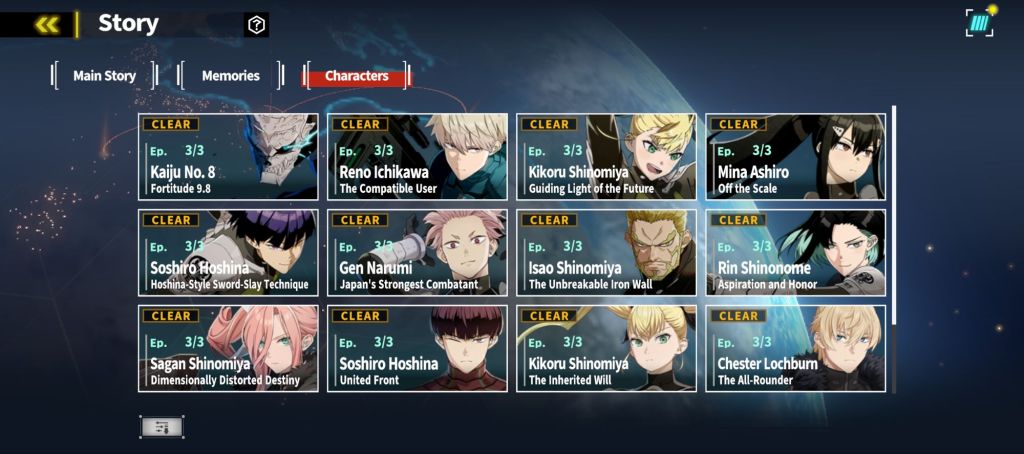
    Every time you get a new character through the gacha, the game unlocks their set of character stories. These are short, text-based segments that explore their personalities more. Each character has three episodes, and reading through them gives small rewards and sometimes wallpapers you can use on your home screen. They don’t affect gameplay, but they add charm and deepen the world-building, which I really enjoyed.

    JAKDF Messages and Special Requests
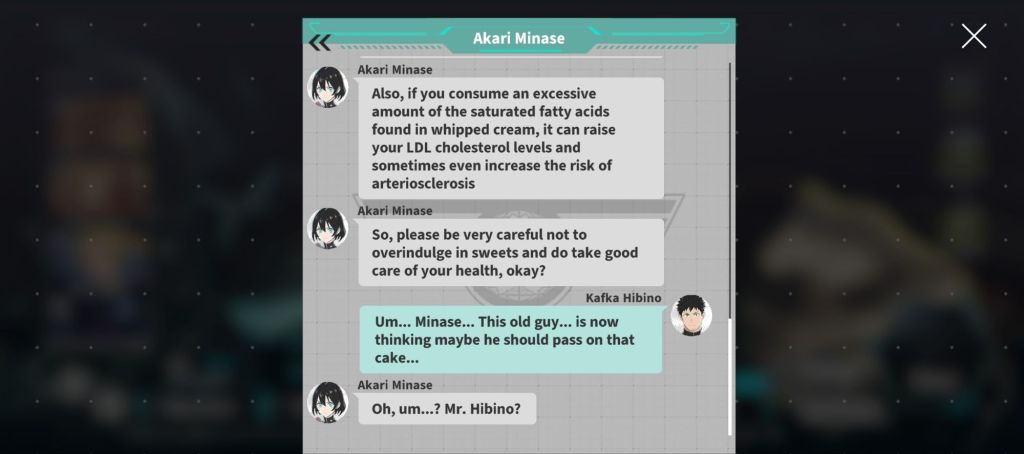
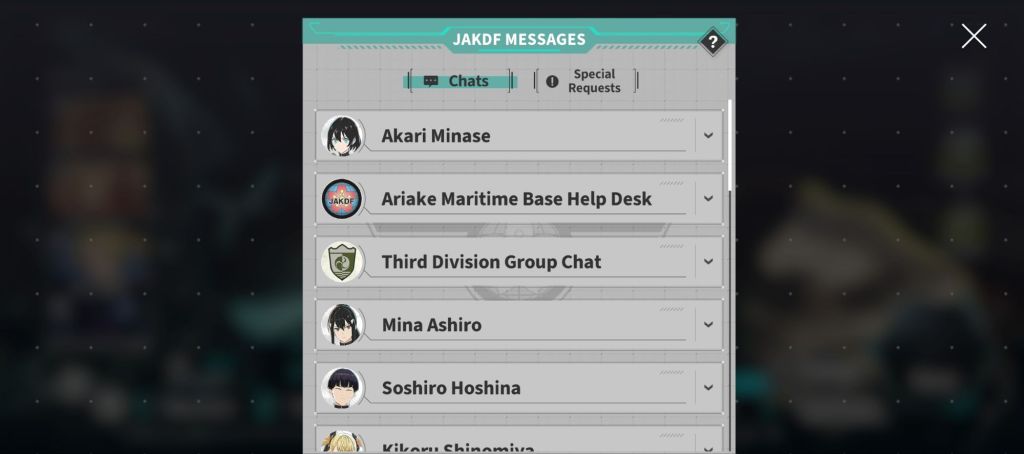
    JAKDF Messages act like a group chat where the characters interact with Kafka (you). The responses are linear, but the writing is entertaining and helps flesh out character dynamics.
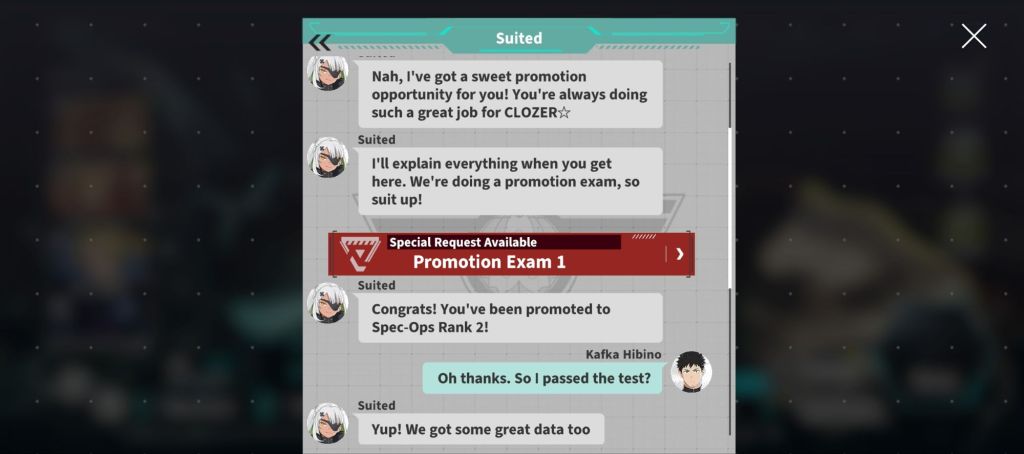
    This mode is also tied to Special Requests, which give you extra battles to raise your team rank and player rank.
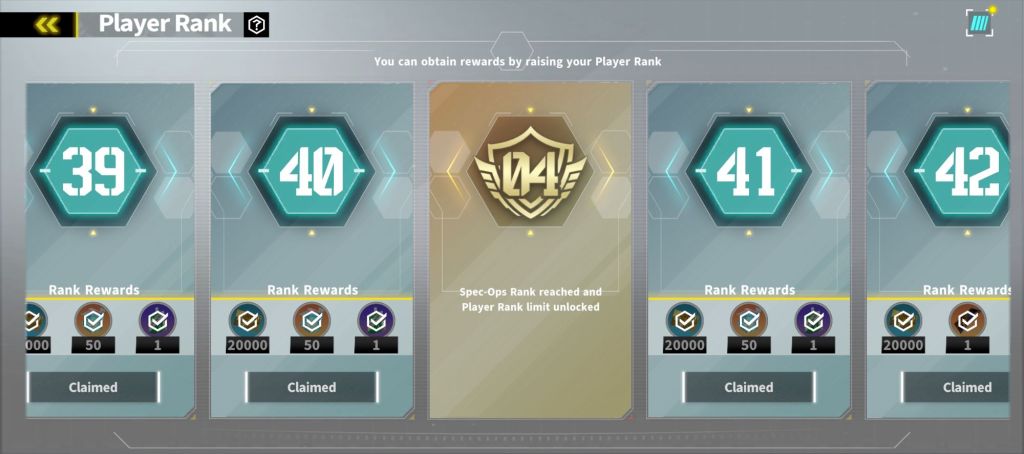
    As a free-to-play player, my only difficulty spike happened around level 40. I had to grind materials for about two days to push my team up to level 90 and break through the wall. I was tempted to spend money, but the game is generous enough with farming that you can progress without paying.
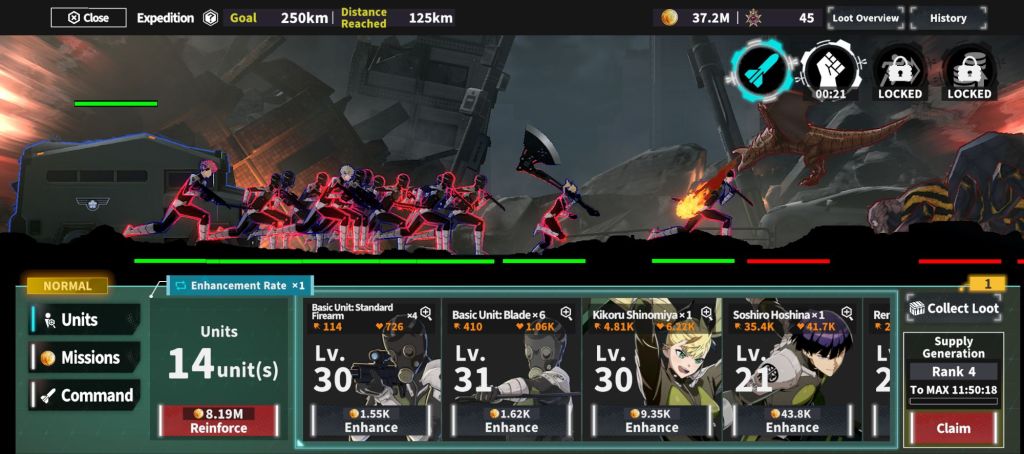
    One thing I forgot to mention is expedition mode. It’s like a idle game where you clear out endless waves that can earn you supplies and energy for when you log out.

    Right now, I’ve cleared the main story and memory content and am waiting for the next version update, which should drop soon. If the developers keep this pace, I’ll be playing this game for quite a while.

    My only concern is whether future characters will be locked behind season passes or paid-only packs, but that’s something I’ll revisit when more content arrives.


    Performance and Sound
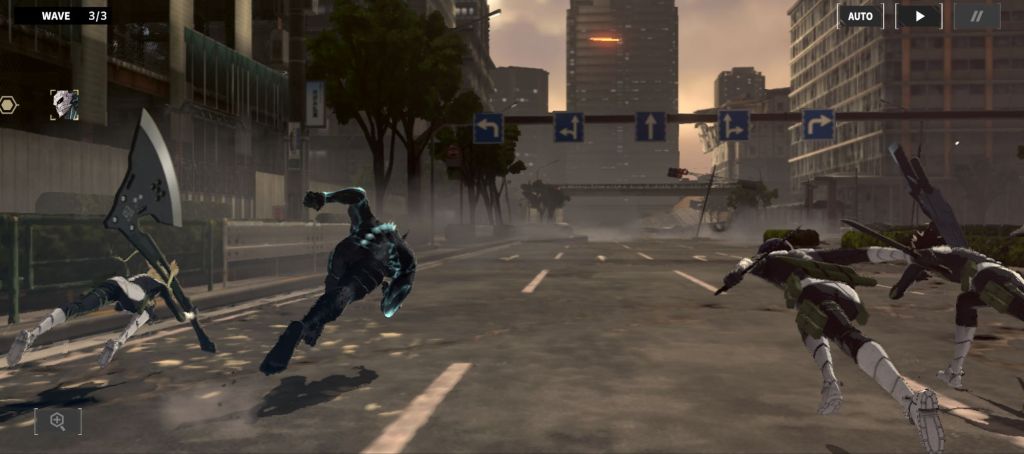
    With three studios backing this project, the sound design is exactly what you’d expect: sharp, clean, and fitting. The voice lines are delivered with emotion and energy, and one detail I appreciated is how each character says a line when switching in for a follow-up attack.

    Sometimes the line changes too, which keeps it from sounding repetitive. It’s a small touch, but a really smart one.
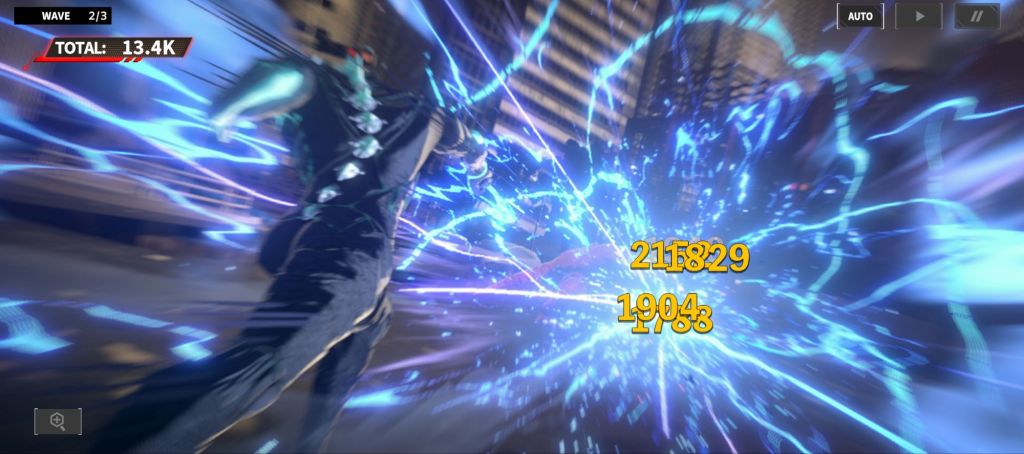
    Performance-wise, some mid-range phones reportedly experience overheating during long sessions. I didn’t encounter this personally because I usually stick to low graphic settings.
    Even on low, the game looks good and runs smoothly for me. So depending on your device, tweaking the settings a bit might be all you need for a stable experience.


    Final Verdict
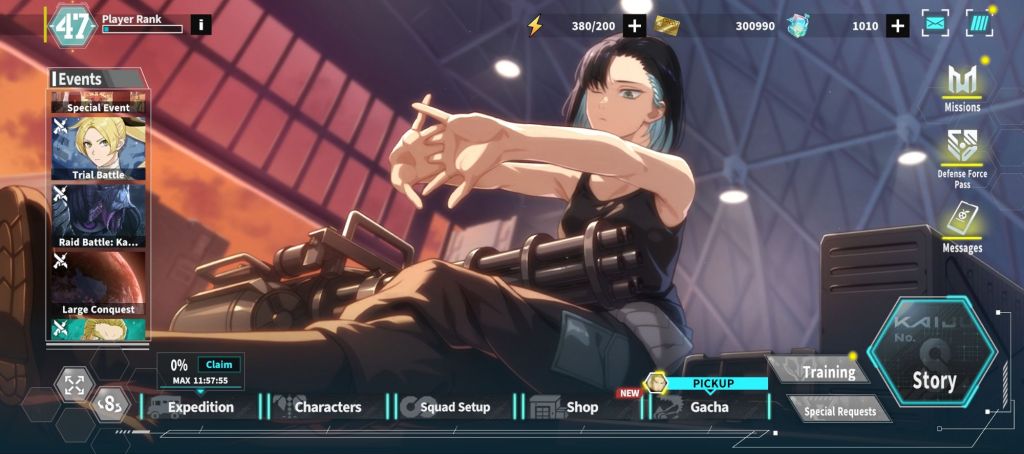
    Should you play Kaiju No. 8 on mobile?

    If you’re a fan of Kaiju No. 8 or just looking for a polished anime-based game that doesn’t feel like a lazy tie-in, then yes—absolutely play it. This is one of the few anime mobile games that actually tries. TOHO brings the kaiju legacy, Production I.G brings the anime DNA, and Akatsuki brings the character-driven systems that make the whole thing feel alive. It’s a strong combination that pays off.

    The content is substantial, the story is engaging, and even when the gacha pulls annoy you, there’s always something interesting to dive back into. The turn-based gameplay can get dull when rushed, but at a steady pace, it becomes a satisfying grind.

    With more updates on the horizon and the next version coming soon, Kaiju No. 8 is shaping up to be one of the better anime mobile games out there. I’ll definitely be sticking with it.
  • The Comfort of Pixels: Finding Calm in Retro Games

    The Comfort of Pixels: Finding Calm in Retro Games

    There’s something about old games that never fades. Maybe it’s the simple stories, the pixel art, or that familiar chiptune sound that instantly brings you back. No fancy graphics, no big explosions, just pure fun.

    We live in a time where everything moves too fast. Work, messages, deadlines, everything is always buzzing for your attention. So when I play something old and simple, it slows the world down a bit. It reminds me of when gaming was just about enjoying the moment.

    Comfort Mode On

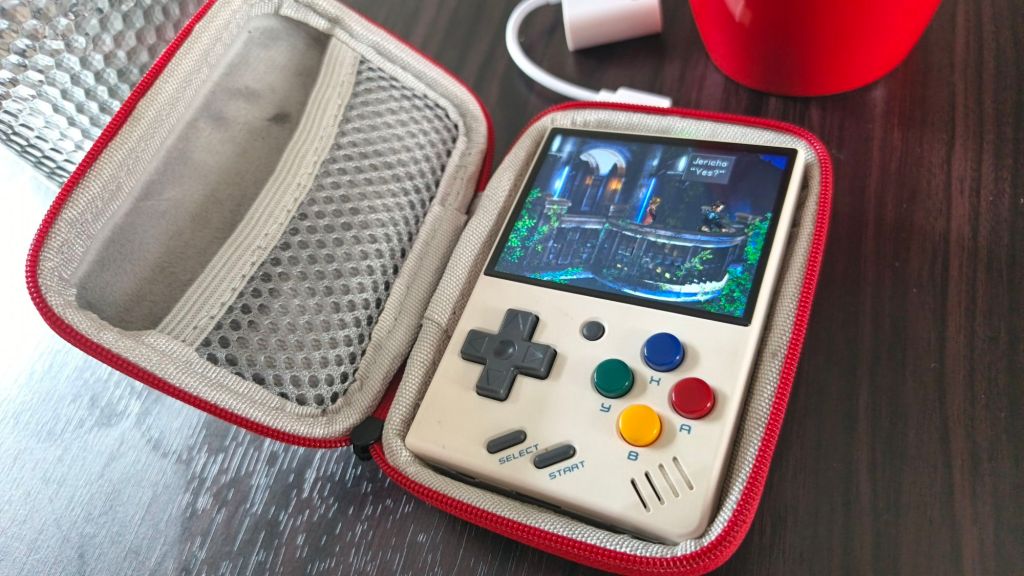
    When I play on a tiny handheld like the Miyoo Mini, I’m not looking for flashy visuals or new features, I’m just looking for comfort. There’s something deeply satisfying about that small screen lighting up with Castlevania or Final Fantasy IV. No loading, no updates, no nonsense. Just the game.

    The Miyoo Mini isn’t just a gadget; it’s a pocket-sized time machine. It fits in your hand, but somehow holds years of memories inside. Every D-pad click feels like turning the pages of my childhood, one stage, one level, one victory at a time.

    Its form factor is one of the best things about it. I can tuck it inside my shirt pocket or jeans, and most of the time, I don’t even notice it’s there. But the comfort it gives when I get a few minutes to play, whether I’m waiting for coffee or on a break, is unbeatable. It’s even more convenient than my phone or my Anbernic devices. The Miyoo Mini doesn’t demand attention. It quietly waits for the right moment, and that’s what makes it special.

    Life gets heavy sometimes, work, family, love, all of it. But spending even a couple of hours doing something that once made you happy as a kid, that’s peace right there.

    Sometimes, after a long day, I don’t want to think too much. I just want something familiar. That’s when I grab the Miyoo, dim the lights, and let that little screen take me somewhere calm.

    Memory and Meaning

    Retro games hit differently because they remind us of who we were. They’re not just games; they’re pieces of time. The startup sound of the PS1. The bloop when Mario jumps. The high score jingle from Space Impact.

    In a world that’s stressful, whether it’s work, relationships, or family, finding a few quiet hours to do something you loved as a kid feels almost therapeutic. It’s a small reminder that joy doesn’t always have to be complicated.

    Each sound, each pixel, is like opening a window to an easier time, when the only thing that mattered was getting past that one hard level.

    And now that devices like the Miyoo Mini make these games portable again, it’s like carrying a piece of your past with you wherever you go. You can pause modern life for a bit and just play, no guilt, no rush.

    Simple by Design

    Maybe it’s not really about nostalgia. Maybe it’s about balance. Retro games remind us that not everything has to be about achievements, unlocks, or endless updates.

    You don’t “finish” Tetris. You don’t “beat” Pac-Man. You just keep going. And somehow, that’s enough.

    When life feels noisy and crowded, a few minutes with something you loved as a child can feel like breathing again. It’s not running away, it’s returning to a part of yourself that’s been quiet for too long.

    And in a world that always wants more from you, that kind of simplicity is priceless.

    Press Start to Feel Again

    Retro gaming is still alive because we need it. We need that small reminder of when things were simple, fun, and full of wonder.

    Whether you’re playing on an old console, a modern port, or a Miyoo Mini loaded with classics, what matters is how it makes you feel.

    Maybe we don’t play retro games because they’re old.
    Maybe we play them because they remind us who we used to be, and who we still are.

    So go ahead. Charge that Miyoo, load up your favorite ROM, and give yourself a little escape tonight. Not to go back in time, but to remember how good it feels to just play.

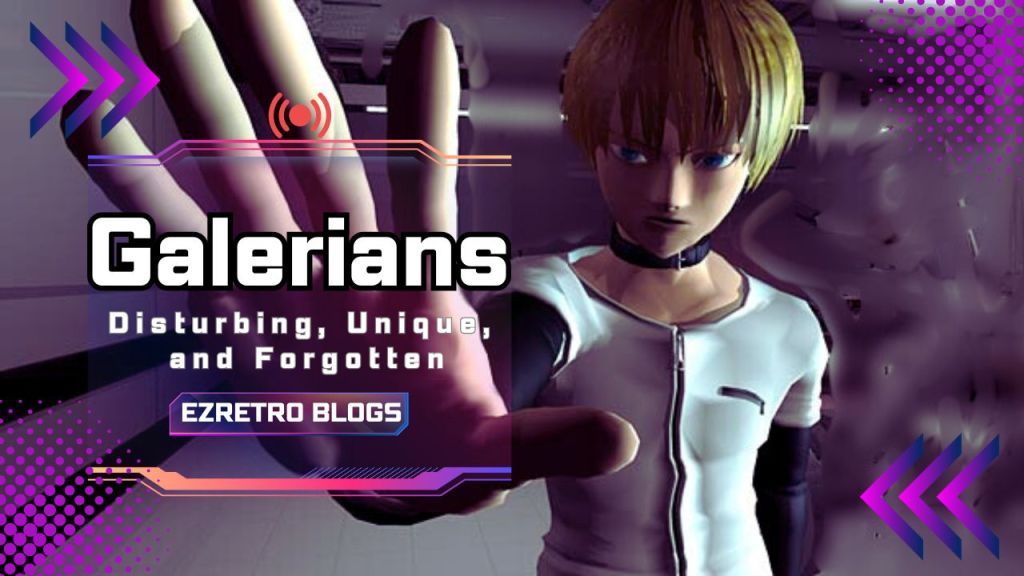
  • The Galerians Series – Disturbing, Unique, and Forgotten

    The Galerians Series – Disturbing, Unique, and Forgotten

    Some games scare you with monsters. Others disturb you with atmosphere. But then there are games like the Galerians series — games that make you uncomfortable because of the ideas underneath.

    Spanning the original Galerians on PS1 (1999) and its direct sequel Galerians: Ash on PS2 (2002/2003), the series is a one-two punch of sci-fi horror, drug-fueled survival mechanics, and tragic storytelling. For me, these games remain some of the most unique — and frankly disturbing — experiences I’ve ever had in gaming.


    1999: Horror Boom on the PS1

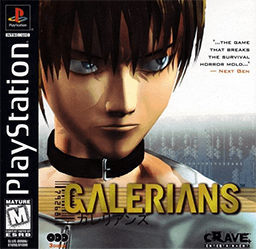
    Galerians Ps1 cover art

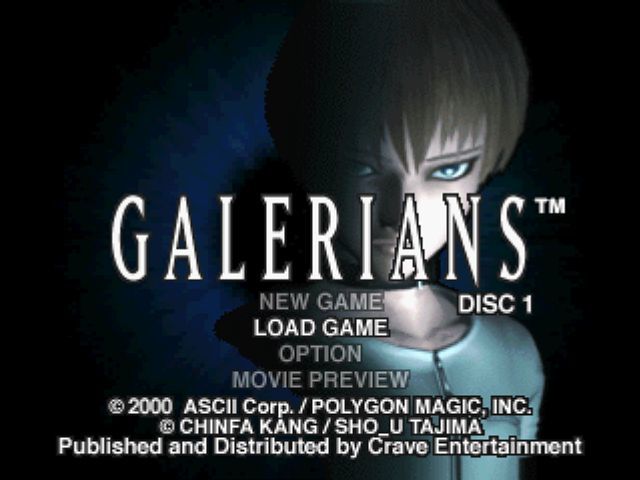
    By the time Galerians released in 1999 (Japan) and 2000 (US/EU), the PlayStation was already knee-deep in a survival horror golden age.

    • Capcom had just dropped Resident Evil 2 (1998) and Nemesis (1999).
    • Konami unleashed Silent Hill (1999) — redefining psychological horror.
    • Square dabbled with cinematic horror-RPG hybrids like Parasite Eve II (1999).
    • Capcom even turned dinosaurs into horror with Dino Crisis (1999).

    Everyone wanted a slice of the horror pie.

    So where did Galerians fit? Developed by Polygon Magic and published in the West by Crave Entertainment, the game wasn’t coming from the heavyweights. Crave was mostly known for mid-tier and niche projects — sports titles, racing games, even quirky experiments. But in the late ’90s, even they leaned into the horror trend, picking up Galerians because it stood out: no guns, no zombies, just psychic powers fueled by dangerous drug use.

    While the big publishers were polishing cinematic experiences, Crave doubled down on something raw and unsettling. It wasn’t the mainstream choice, but it gave Galerians its cult edge.


    My First Steps Into Galerians

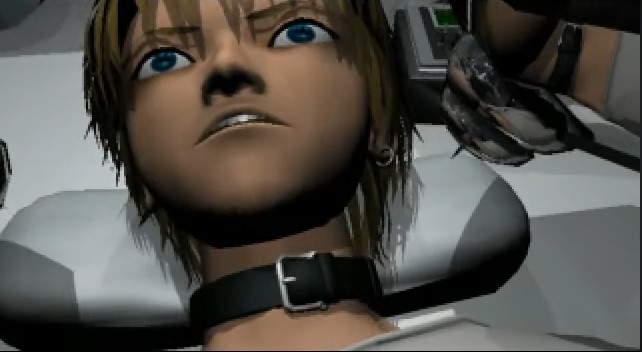
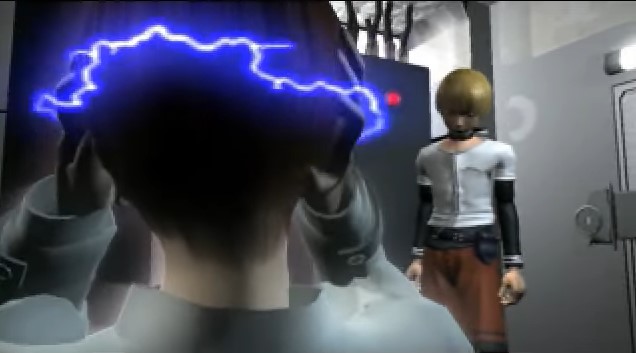
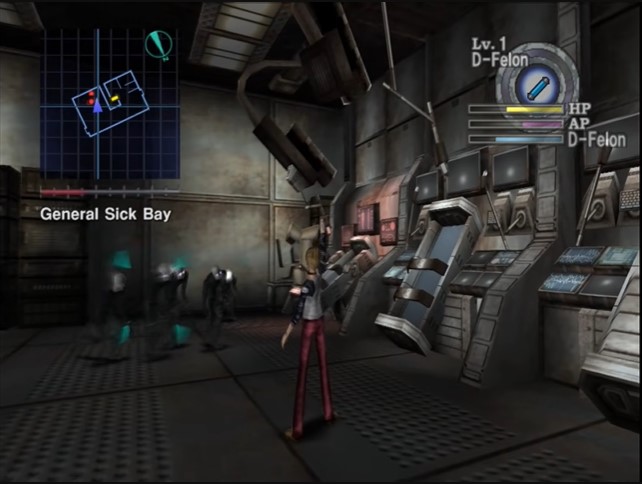
    Booting up Galerians for the first time was like waking up inside someone else’s nightmare. The screen fades in, and you’re just… there. A sterile hospital room, cold and empty, and you have no idea who you are or why you’re strapped into this world of machines.

    Then it happens: a girl’s voice inside your head.

    “Rion… help me… find me…”

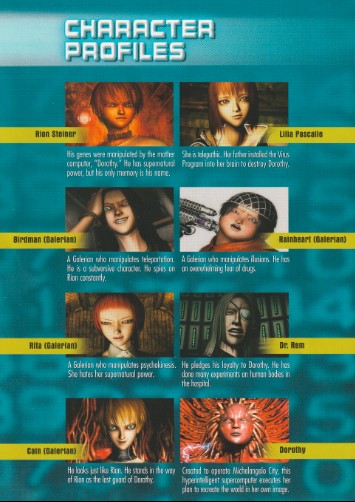
    It’s faint, desperate, and unsettlingly personal. You don’t know her. You don’t even know yourself. But that voice becomes your compass, sparking your journey into the unknown. (Later, the game reveals this telepathic voice belongs to Lilia Pascalle, Rion’s childhood friend — but at the start, you only feel the mystery.)

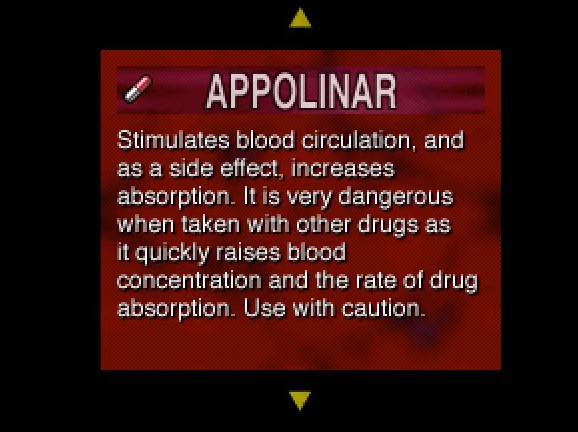
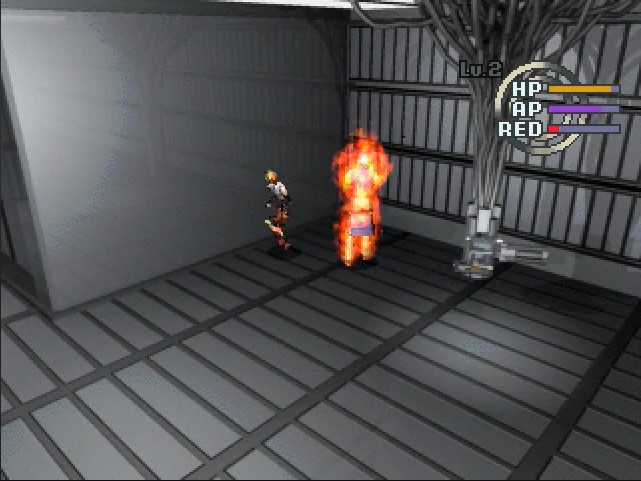
    And what a brutal start it is. Within minutes, I was already dying — overdosing on my own psychic powers, burning myself out with attacks I didn’t fully understand. Galerians didn’t want you to feel strong. It wanted you to feel fragile, broken, like a failed experiment stumbling forward.

    Each scrap of the world you uncover — medical files, cryptic documents, and eerie computer logs — becomes your only guide. There are no quest arrows, no tutorials, just survival and that haunting voice urging you onward.


    Stages and Bosses

    What makes Galerians so distinct is how each stage feels like a test, both in difficulty and in theme:

    • Michelangelo Memorial Hospital – sterile halls filled with former caretakers turned threats, a twisted introduction to your fragile powers.
    • Rion’s House – once a place of safety, now twisted by confrontation with Birdman, one of Dorothy’s “children.”
    • Babylon Hotel – chaotic, stylish, and home to brutal encounters with Rainheart and Rita, psychic foes as unstable as you are.
    • Mushroom Tower – the final climb toward Dorothy, the cold, godlike AI that orchestrates your suffering.

    Each boss isn’t just an obstacle; they’re living embodiments of Dorothy’s experiments, mirrors of what Rion could become. The game’s final stage, drenched in sterile dread, leaves you exhausted both mechanically and emotionally — and that’s before the ending revelations about Rion’s true nature.


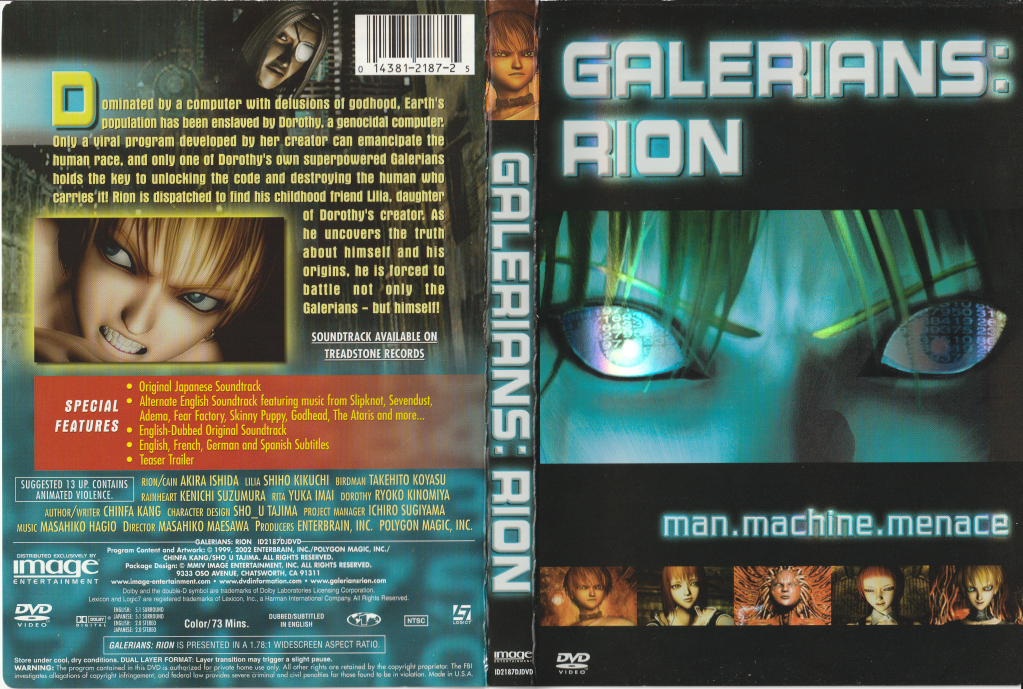
    Galerians: Rion (2002 CGI Movie)

    A couple years later, fans got something unexpected: Galerians: Rion, a full CGI movie.

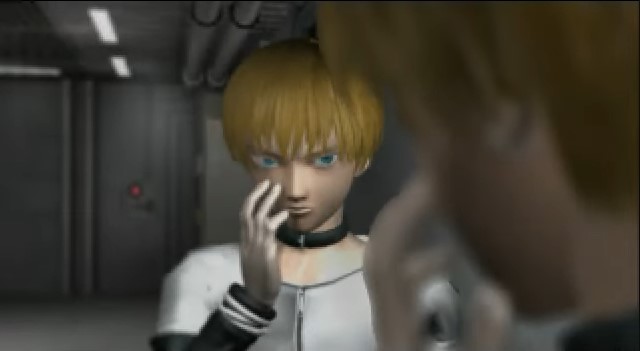
    Think Final Fantasy: The Spirits Within style visuals — glossy, cinematic, and way ahead of its time for such a niche horror property. The movie retold the first game’s story but streamlined it, cutting much of the exploration and emphasizing flashy psychic battles instead.

    The most controversial change was the ending. Where the PS1 game gave us one of the bleakest conclusions in survival horror, the film rewrote it to keep Rion alive — clearly paving the way for Galerians: Ash. For newcomers, it was a more digestible, “cleaned-up” retelling, but for players like me, it lost some of the raw edge that made the original unforgettable.


    2002–2003: Horror Evolves on PS2

    By the time Galerians: Ash launched on PS2 (2002 in Japan, 2003 in the West), the genre had shifted. Survival horror wasn’t just popular — it was splitting into blockbusters vs. experiments.

    • Silent Hill 2 (2001) rewrote the rulebook for psychological horror.
    • Fatal Frame (2001) introduced ghost photography as combat.
    • Resident Evil Code: Veronica X (2001) and Resident Evil Zero (2002) kept Capcom’s dominance strong.
    • Clock Tower 3 (2002) and Siren (2003) tried bold, experimental AI-driven scares.

    Enter Sammy Studios, who published Ash outside Japan. Sammy, better known for arcade hits, was making a push into console publishing. Backing a cult sequel like Ash was a gamble — but one that kept Polygon Magic’s vision alive.

    In Ash, Rion returns to face Ash, Dorothy’s terrifying final “child.” The environments are bigger, the visuals cleaner, and combat more polished — but the mechanics of psychic dependency remain. If anything, the sequel leans harder into the disturbing edge of the original, at a time when most horror games were chasing cinematic prestige.


    Why the Galerians Series Faded

    Both Galerians and Ash were outsiders in their eras.

    • On PS1, Galerians got lost among juggernauts like Resident Evil and Silent Hill.
    • On PS2, Ash was overshadowed by games that redefined the genre’s future.

    But more importantly:

    • Drug dependency as gameplay – Brilliant but controversial.
    • Edgy, bleak storytelling – No power fantasy, just tragedy.
    • Cult status only – Without mainstream traction, the series couldn’t sustain sequels.

    That’s why, in my opinion, Galerians won’t ever get a revival. It’s too raw, too edgy, and too tied to mechanics modern publishers wouldn’t dare touch.


    Playing Galerians Today

    Even if the series is gone, I still revisit it. My Miyoo Mini makes replaying Galerians on the go super nostalgic, though to be honest, I prefer my RG28XX most of the time — the horizontal form factor just feels better for those tricky trigger-based psychic powers.

    As for Ash, it’s comfortably sitting on my tablet and phone, where I chip away at it in short bursts. With Halloween around the corner, it’s the perfect time to step back into that bleak, oppressive world.


    Final Thoughts

    Galerians may never return, but maybe that’s for the best. It burned bright in its moment, dared to go where few games would, and left behind something unforgettable. For me, replaying it now isn’t just nostalgia — it’s a reminder of when horror games weren’t afraid to disturb you, not just scare you.

    And honestly? In a genre packed with monsters and gore, I’ll take one tragic psychic teen overdosing his way through the apocalypse any day.

Design a site like this with WordPress.com
Get started