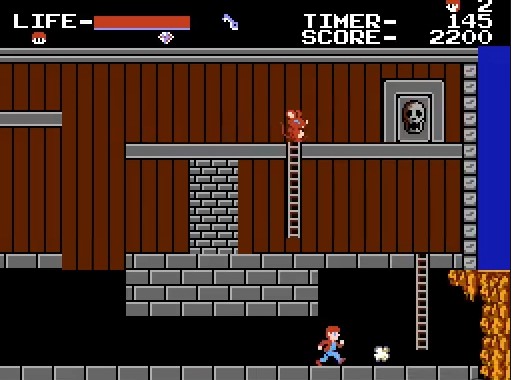
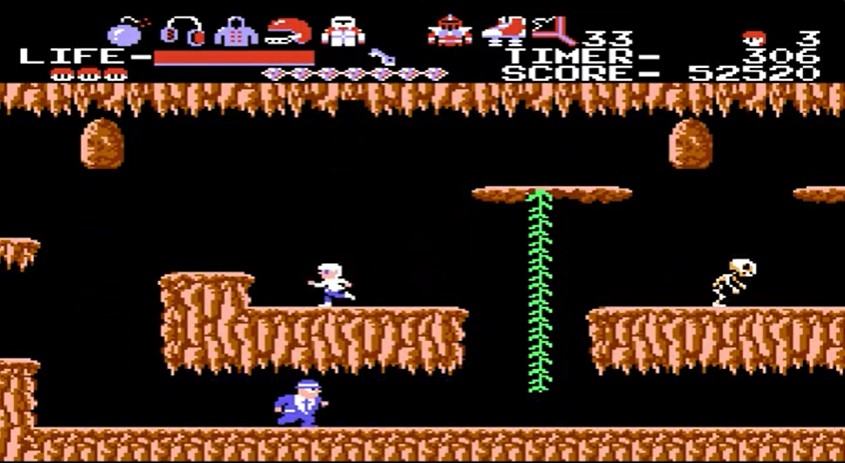
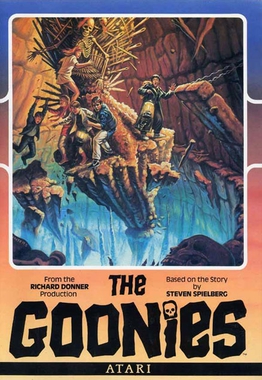
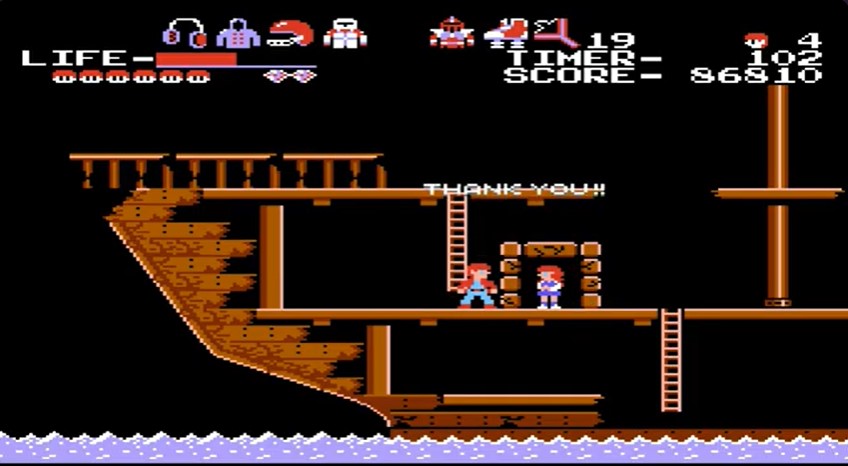
Back in the 8, 16, and 32-bit days, licensed games were everywhere. Some were just cheap cash grabs, but every now and then you’d hit a gem — games like Darkwing Duck, Chip ’n Dale Rescue Rangers, DuckTales, Tiny Toon Adventures, even The Goonies. They captured that Saturday morning cartoon magic and put it in your hands.
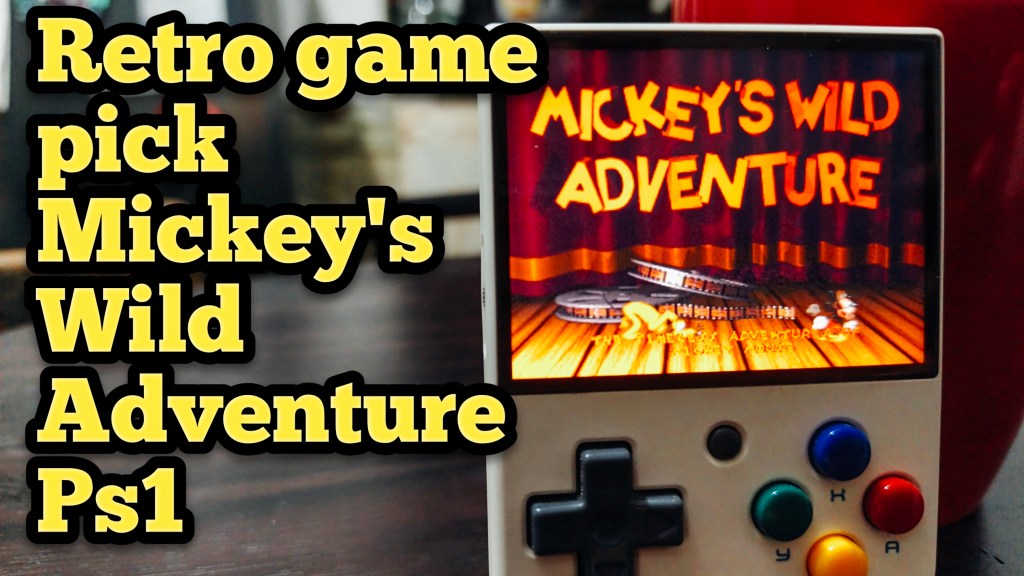
One I almost forgot about until recently was Mickey Mania. I played it back in the day on the Sega Genesis, but over the weekend while scrolling through my Miyoo Mini’s PS1 library, I stumbled on Mickey’s Wild Adventure — the upgraded remake. And wow, firing it up again reminded me why this one deserves more love.
A Quick History
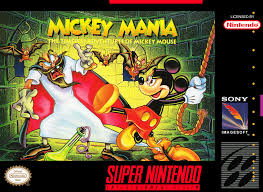
The original Mickey Mania: The Timeless Adventures of Mickey Mouse dropped in 1994 across Genesis, SNES, and Sega CD. It was built to celebrate Mickey’s 65th anniversary, which meant Traveller’s Tales really pulled out all the stops to make it feel like a playable piece of Disney history. Sony Imagesoft published it, but Disney themselves had a big hand in keeping it authentic.
When the PS1 rolled around, Traveller’s Tales revisited the game in 1996 with Mickey’s Wild Adventure. This wasn’t just a straight port — they reworked the visuals, added extra animation frames, cleaned up the audio, and gave it more polish. Even today, it holds up shockingly well.
Gameplay
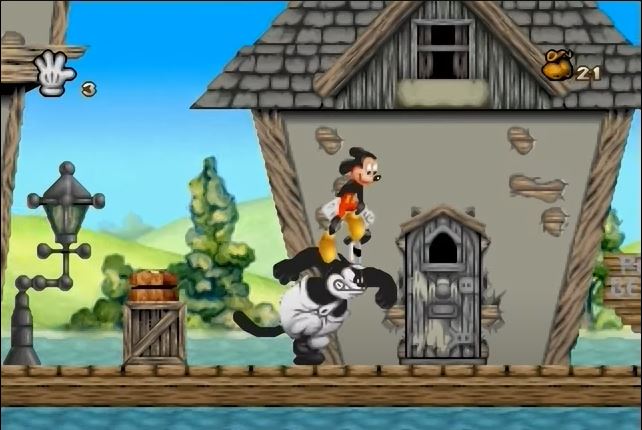
This is where Mickey’s Wild Adventure really shines. The game feels alive, like you’re actually inside one of Mickey’s cartoons. Take something simple: when you move Mickey near a ledge, he doesn’t just stop — he wobbles, arms flailing, in perfect Disney slapstick fashion. It’s the kind of detail that makes you smile every single time.
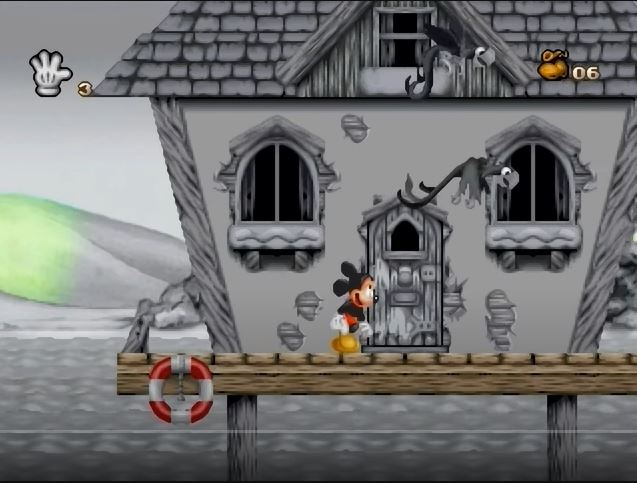
Then there’s the Steamboat Willie stage. On PS1, it starts in pure black-and-white, mimicking the original 1928 short. As you progress, the world slowly fills with color until the screen bursts into full animation. That moment alone makes the game feel like a celebration of Mickey’s journey through time.
Gameplay
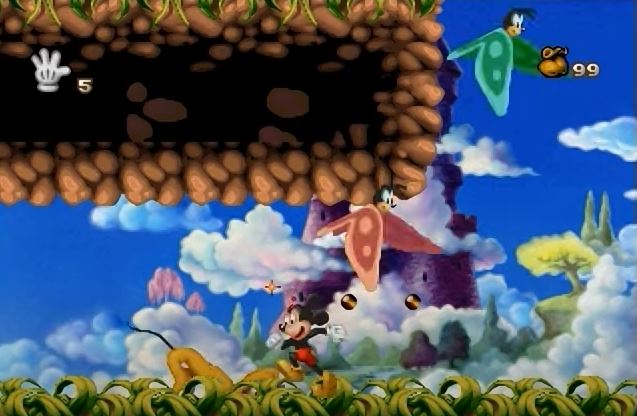
This is where Mickey’s Wild Adventure really shines. The game feels alive, like you’re actually inside one of Mickey’s cartoons. Take something simple: when you move Mickey near a ledge, he doesn’t just stop — he wobbles, arms flailing, in perfect Disney slapstick fashion. It’s the kind of detail that makes you smile every single time.
Then there’s the Steamboat Willie stage. On PS1, it starts in pure black-and-white, mimicking the original 1928 short. As you progress, the world slowly fills with color until the screen bursts into full animation. That moment alone makes the game feel like a celebration of Mickey’s journey through time.
Controls
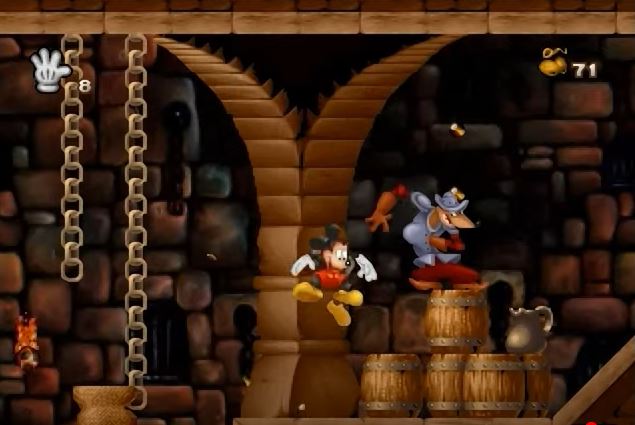
Controls are simple but snappy: you can jump, butt-bounce enemies, and throw marbles as your main attack. The PS1 version tightened everything up compared to the Genesis original, making movements feel smooth without losing that bit of challenge. Platforming is responsive, and when you take a hit, it’s usually on you, not the game.
Stages Inspired by Cartoons
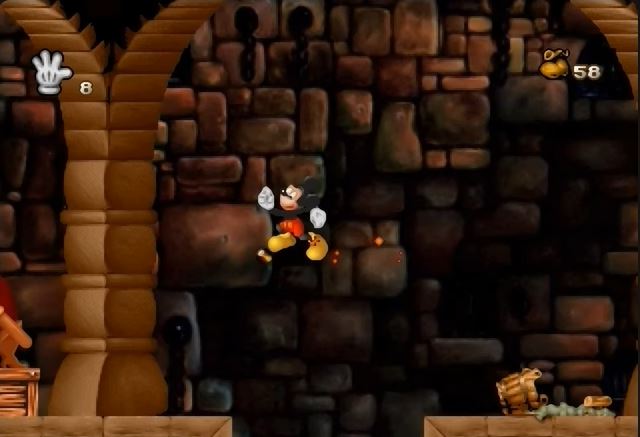
What really makes this game special is how every level is built around a Mickey cartoon, each one with its own flavor. It’s like walking through his filmography with a controller.
Steamboat Willie (1928)
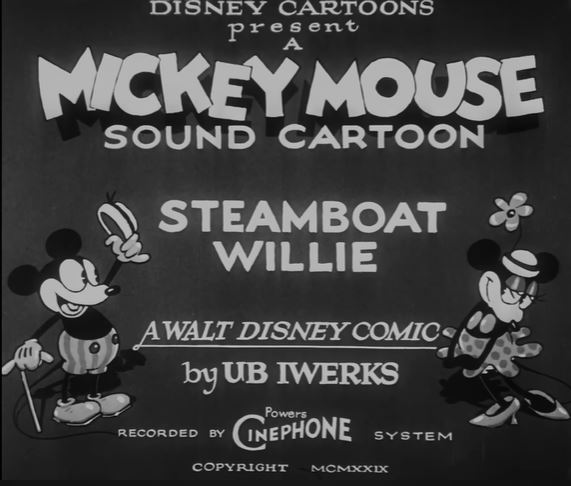
Starting black-and-white before shifting into color feels magical, like you’re watching Mickey’s evolution in real time. It’s both nostalgic and clever.
The Mad Doctor (1933)
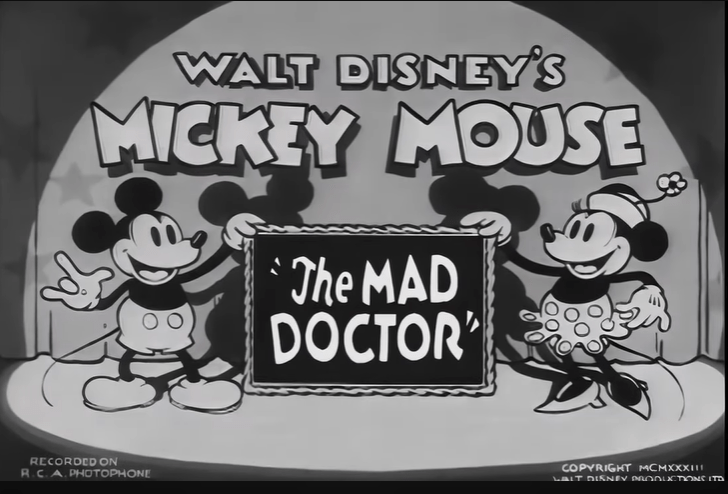
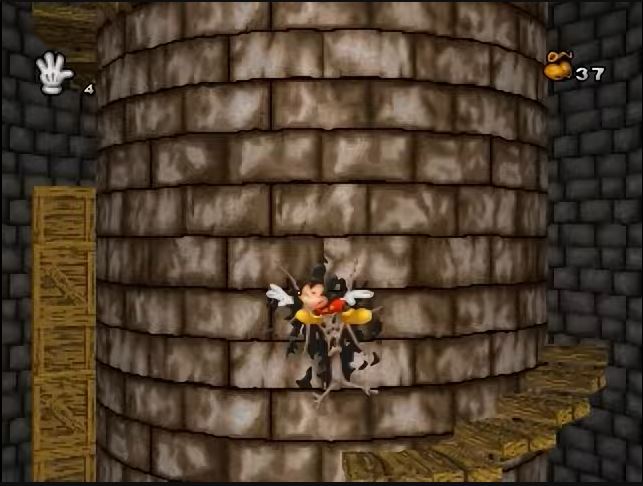
A darker level, with skeletons that literally fall apart and rebuild themselves. Creepy, funny, and very “30s Disney.”
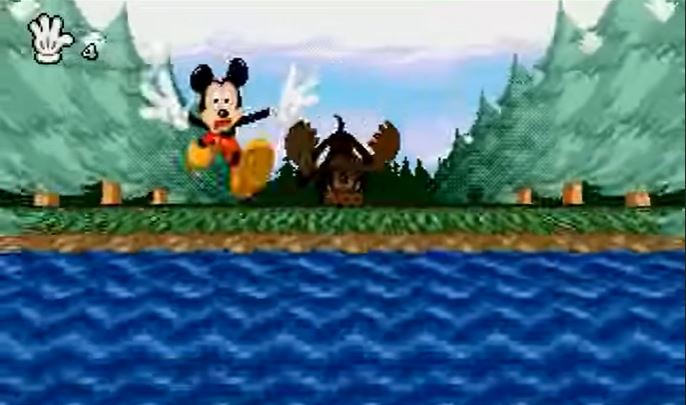
Moose Hunters (1937)
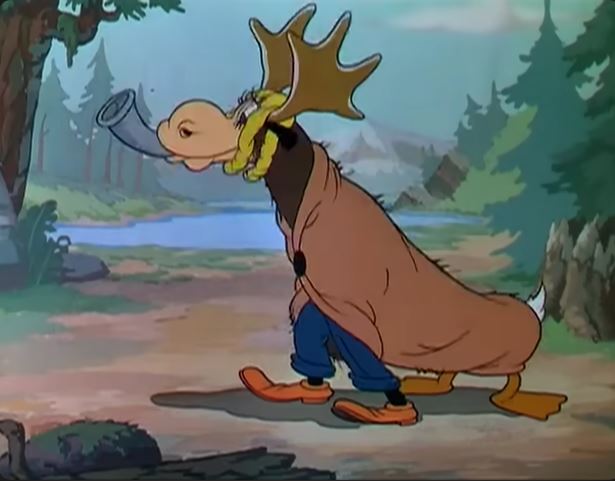
Easily one of my favorite moments. Instead of just side-scrolling, the perspective flips. You’re running toward the screen while a massive moose charges right behind you. It’s tense, fast, and a great showcase of Traveller’s Tales experimenting with camera angles before “2.5D” was even a thing.
Lonesome Ghosts (1937)
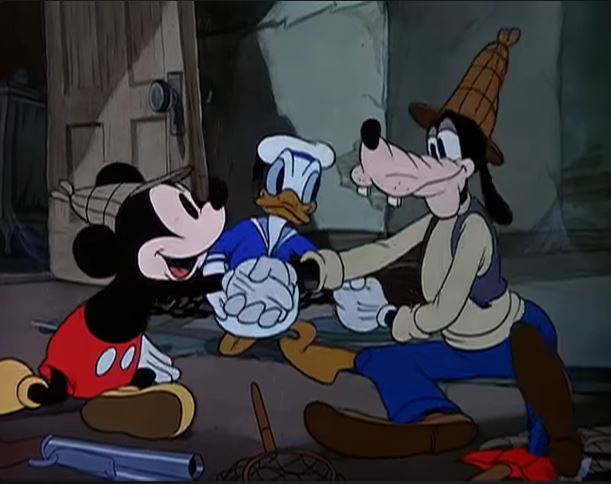
A haunted house filled with playful, prank-loving ghosts. If the cartoon feels like a proto-Ghostbusters, the stage plays the same way — comical scares with Mickey getting knocked around.
Mickey and the Beanstalk (1947)
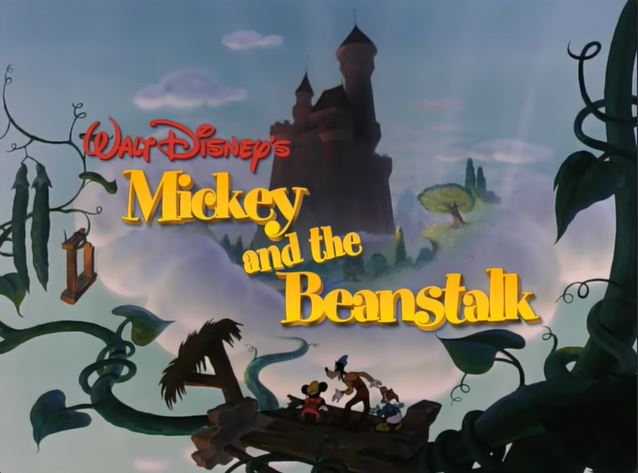
Oversized fruit and tall vines make Mickey look small against the world around him. It really nails the fairy tale vibe, with backgrounds that feel like a storybook come to life.
Prince and the Pauper (1990)
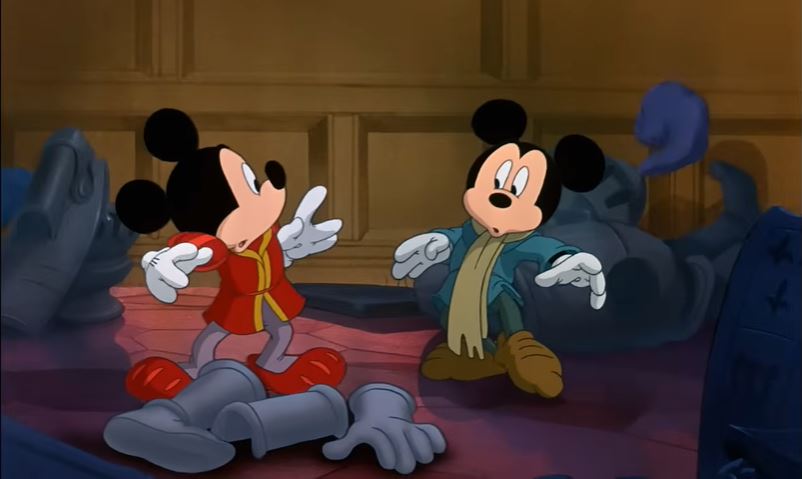
This later-era cartoon sets the stage for the grand finale. A full castle run with more hazards and tighter platforming, it ties the old shorts with Mickey’s then-modern identity.
Traveller’s Tales had actually considered a sequel (Mickey Mania 2), but with new opportunities like Toy Story, they moved on.
Final Thoughts
With thousands of retro games available across handhelds and emulators, it’s easy for a title like Mickey Mania to get lost in the shuffle. But don’t sleep on it. This isn’t just another Disney game — it’s literally Mickey’s history, animated and interactive.
In my opinion, the PS1 remake, Mickey’s Wild Adventure, is the definitive way to play. The enhanced animations, audio, and that magical Steamboat Willie transition make it the version to hunt down.
And if you’re going handheld, the Miyoo Mini Plus is the better pick. The animations are gorgeous and deserve a larger screen — the smaller Mini just doesn’t do it justice.
So if you’re looking for something that blends nostalgia with genuine quality, give Mickey’s Wild Adventure a spin. It’s proof that not all licensed games were throwaways — some, like this one, became timeless classics.
 EZRetro Plays