Tag: classic games

  • The Comfort of Pixels: Finding Calm in Retro Games

    The Comfort of Pixels: Finding Calm in Retro Games

    There’s something about old games that never fades. Maybe it’s the simple stories, the pixel art, or that familiar chiptune sound that instantly brings you back. No fancy graphics, no big explosions, just pure fun.

    We live in a time where everything moves too fast. Work, messages, deadlines, everything is always buzzing for your attention. So when I play something old and simple, it slows the world down a bit. It reminds me of when gaming was just about enjoying the moment.

    Comfort Mode On
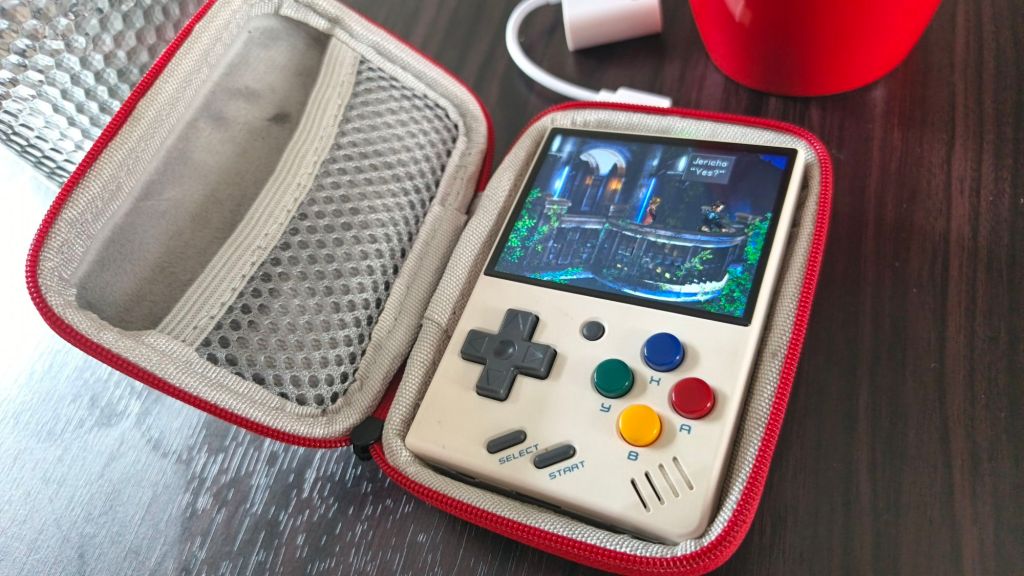
    When I play on a tiny handheld like the Miyoo Mini, I’m not looking for flashy visuals or new features, I’m just looking for comfort. There’s something deeply satisfying about that small screen lighting up with Castlevania or Final Fantasy IV. No loading, no updates, no nonsense. Just the game.

    The Miyoo Mini isn’t just a gadget; it’s a pocket-sized time machine. It fits in your hand, but somehow holds years of memories inside. Every D-pad click feels like turning the pages of my childhood, one stage, one level, one victory at a time.

    Its form factor is one of the best things about it. I can tuck it inside my shirt pocket or jeans, and most of the time, I don’t even notice it’s there. But the comfort it gives when I get a few minutes to play, whether I’m waiting for coffee or on a break, is unbeatable. It’s even more convenient than my phone or my Anbernic devices. The Miyoo Mini doesn’t demand attention. It quietly waits for the right moment, and that’s what makes it special.

    Life gets heavy sometimes, work, family, love, all of it. But spending even a couple of hours doing something that once made you happy as a kid, that’s peace right there.

    Sometimes, after a long day, I don’t want to think too much. I just want something familiar. That’s when I grab the Miyoo, dim the lights, and let that little screen take me somewhere calm.

    Memory and Meaning
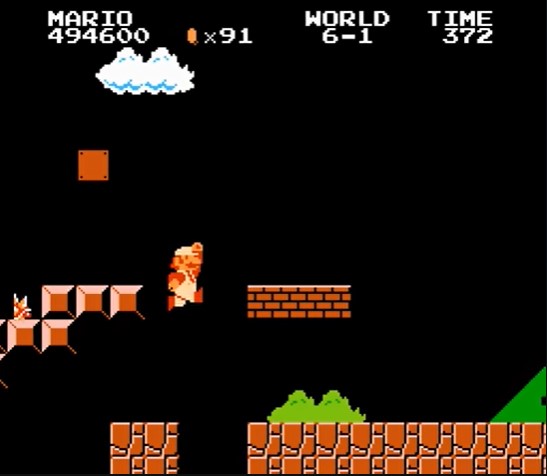
    Retro games hit differently because they remind us of who we were. They’re not just games; they’re pieces of time. The startup sound of the PS1. The bloop when Mario jumps. The high score jingle from Space Impact.

    In a world that’s stressful, whether it’s work, relationships, or family, finding a few quiet hours to do something you loved as a kid feels almost therapeutic. It’s a small reminder that joy doesn’t always have to be complicated.

    Each sound, each pixel, is like opening a window to an easier time, when the only thing that mattered was getting past that one hard level.

    And now that devices like the Miyoo Mini make these games portable again, it’s like carrying a piece of your past with you wherever you go. You can pause modern life for a bit and just play, no guilt, no rush.

    Simple by Design
    Maybe it’s not really about nostalgia. Maybe it’s about balance. Retro games remind us that not everything has to be about achievements, unlocks, or endless updates.

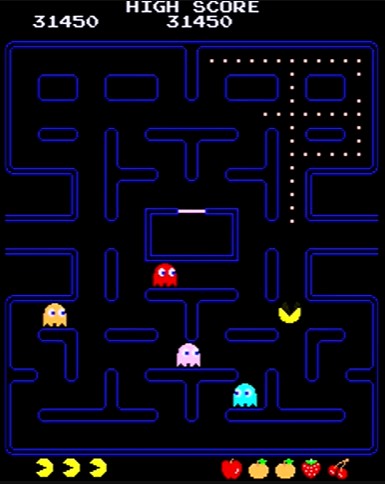
    You don’t “finish” Tetris. You don’t “beat” Pac-Man. You just keep going. And somehow, that’s enough.

    When life feels noisy and crowded, a few minutes with something you loved as a child can feel like breathing again. It’s not running away, it’s returning to a part of yourself that’s been quiet for too long.

    And in a world that always wants more from you, that kind of simplicity is priceless.

    Press Start to Feel Again
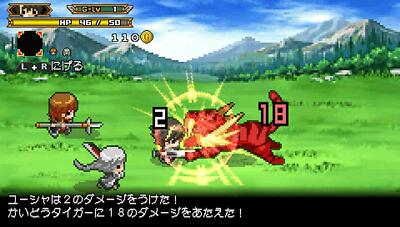
    Retro gaming is still alive because we need it. We need that small reminder of when things were simple, fun, and full of wonder.

    Whether you’re playing on an old console, a modern port, or a Miyoo Mini loaded with classics, what matters is how it makes you feel.

    Maybe we don’t play retro games because they’re old.
    Maybe we play them because they remind us who we used to be, and who we still are.

    So go ahead. Charge that Miyoo, load up your favorite ROM, and give yourself a little escape tonight. Not to go back in time, but to remember how good it feels to just play.

  • Top 10 Horror-Themed Games to Play on the Sega Genesis

    Top 10 Horror-Themed Games to Play on the Sega Genesis

    The Miyoo Mini might have a small 2.9-inch screen, but that’s exactly what makes it perfect. It’s a portal back to those quiet nights hiding under a blanket, playing in secret long after bedtime. You can almost feel that moment again, the dim light of the screen, the hum of the fan, the fear of hearing footsteps outside your door.

    And with Halloween coming, there’s no better way to relive that feeling than through the dark side of the Sega Genesis. The console may not have had realistic horror, but it mastered atmosphere and dread. These games didn’t rely on gore alone. They worked through tone, tension, and gameplay design that still holds up today.

    So get comfortable, dim the lights, and step into the shadows of 16-bit horror.


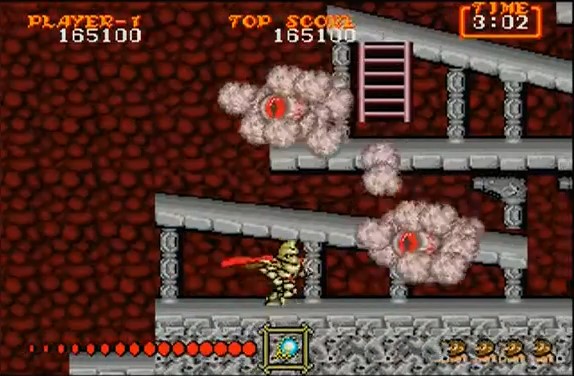
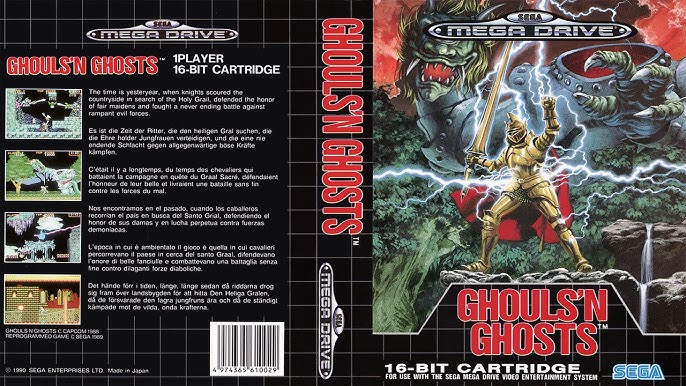
    10. Ghouls ’n Ghosts (1989)

    Capcom’s Ghouls ’n Ghosts is a brutal test of skill set in a world crawling with undead knights, demons, and grotesque monsters. As Arthur, you battle through crypts and cursed landscapes to rescue souls and reclaim your armor piece by piece.

    What stood out: It demanded precision and pattern recognition. Every enemy’s timing mattered, every jump had consequences, and the punishment for mistakes made victory feel monumental. It was horror through tension and vulnerability.

    Fun Fact: The Genesis version was one of the console’s first faithful arcade ports, helping cement Sega’s reputation for serious, challenging games.


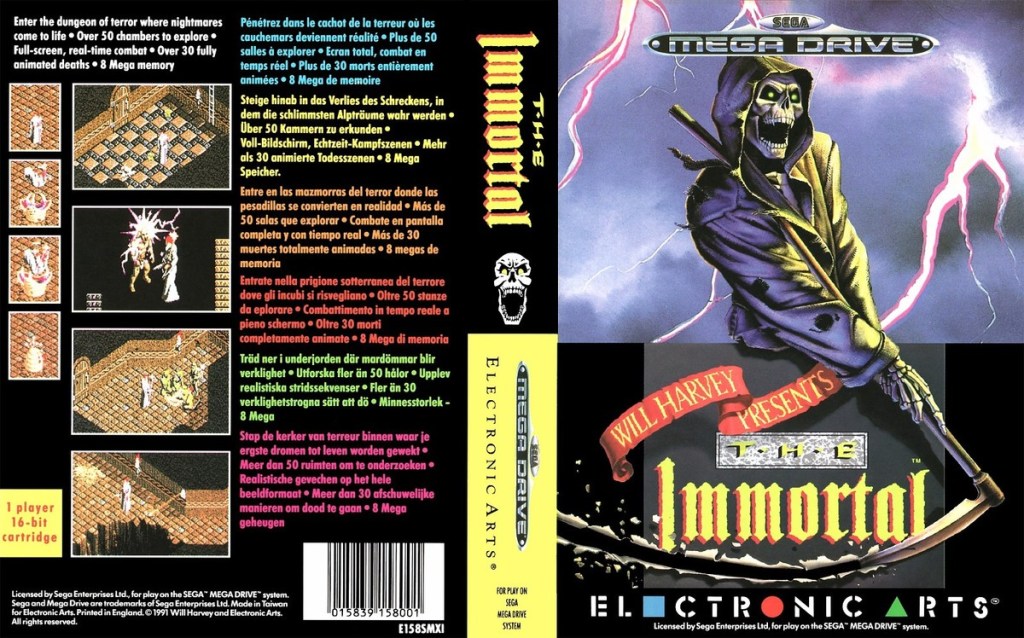
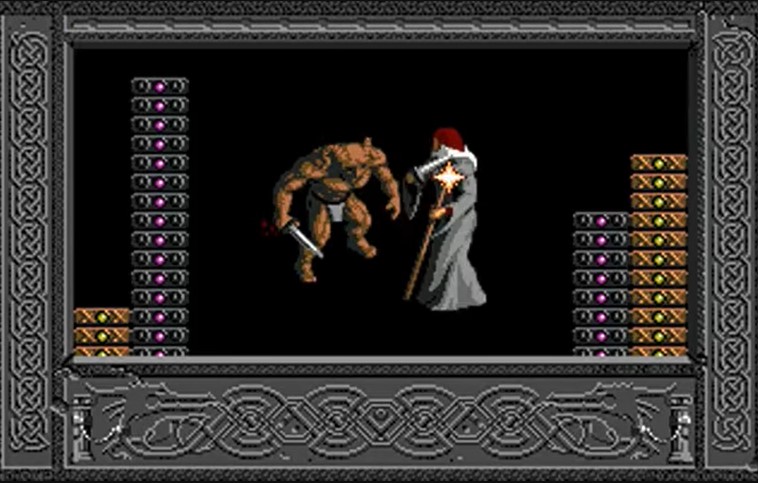
    9. The Immortal (1990)

    An isometric dungeon crawler drenched in darkness, The Immortal forces players to survive traps, monsters, and cruel puzzles in an underground labyrinth.

    What stood out: The focus on environmental hazards created genuine dread. Rooms weren’t just obstacles; they were death traps waiting for you to make a single wrong move. The sense of caution it inspired turned every step into a risk.

    Fun Fact: The game’s fight scenes used zoom-ins and blood animations rarely seen on the Genesis, adding an early cinematic feel to combat.


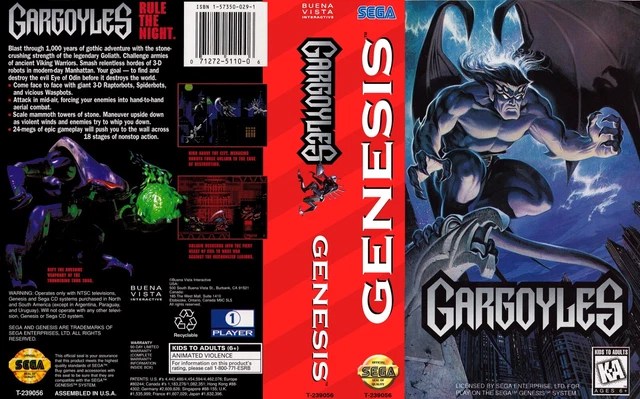
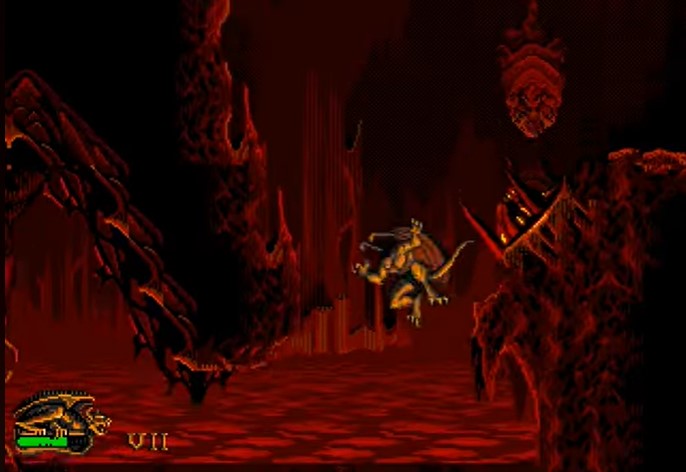
    8. Gargoyles (1995)

    Based on the darker Disney animated series, Gargoyles delivers gothic platforming at its best. You play as Goliath, a cursed stone warrior battling demonic enemies across medieval castles and stormy skylines.

    What stood out: The animation and movement system gave Goliath a real sense of weight and power. Climbing walls, gliding through the air, and smashing enemies felt tactile and brutal. The visual direction remains one of the Genesis’ most atmospheric achievements.

    Fun Fact: The developers used multiple parallax layers and shadow mapping to achieve its stormy, cinematic look, pushing the hardware late in its life cycle.


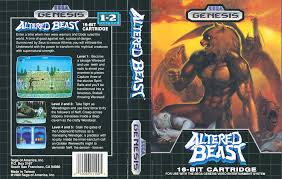
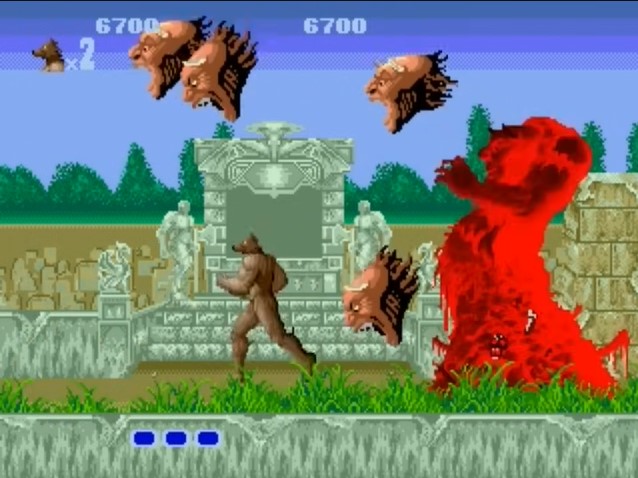
    7. Altered Beast (1988)

    One of Sega’s earliest Genesis titles, Altered Beast remains a haunting blend of mythology and horror. You rise from the grave as a resurrected warrior, transforming into werewolves, dragons, and other beasts to defeat the underworld’s creatures.

    What stood out: The transformation mechanic was the centerpiece. Each form had unique attacks and movement styles, forcing you to adapt on the fly. Its slow pacing and eerie resurrection theme gave it a mythical horror feel that still defines early Genesis identity.

    Fun Fact: Altered Beast was originally bundled with the Sega Genesis as a pack-in game before Sonic the Hedgehog took over the role in 1991.


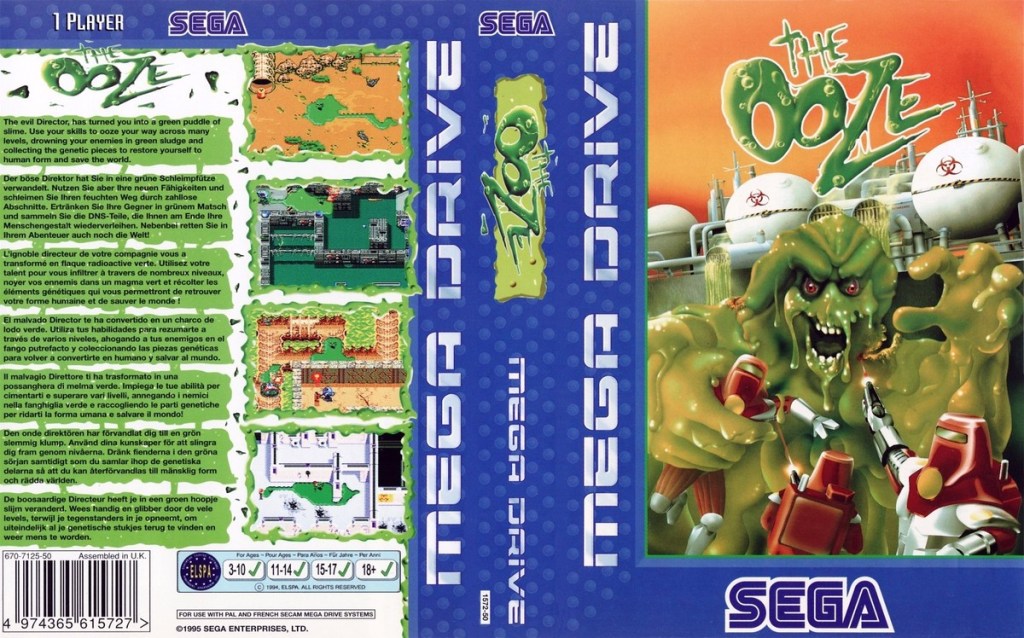
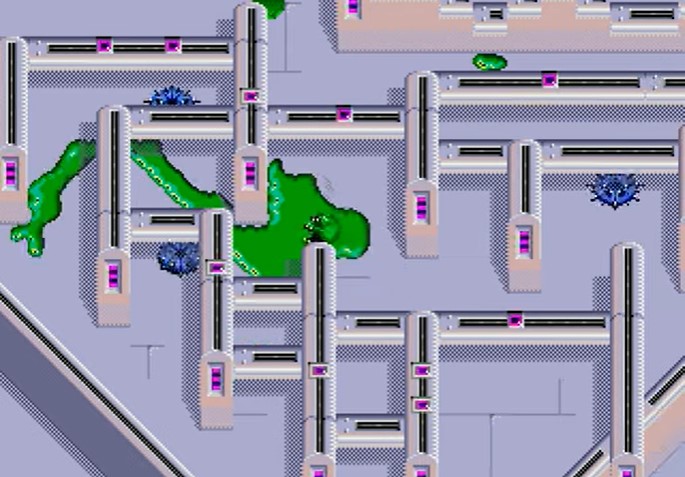
    6. The Ooze (1995)

    You play as a mutated scientist turned blob, crawling through labs and cities in search of revenge. The Ooze is grotesque, slow, and suffocating — perfect for horror.

    What stood out: The control system tied your health directly to your size. The more you moved or attacked, the smaller and weaker you became. It forced restraint and calculation, turning movement itself into a risk.

    Fun Fact: The developers wanted players to feel both powerful and helpless, a rare design goal that perfectly fit the game’s tragic tone.


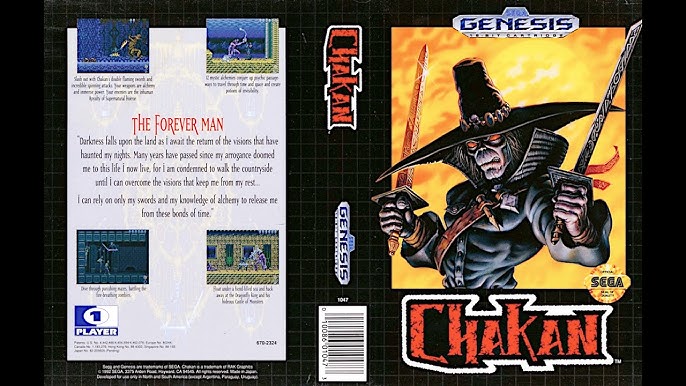
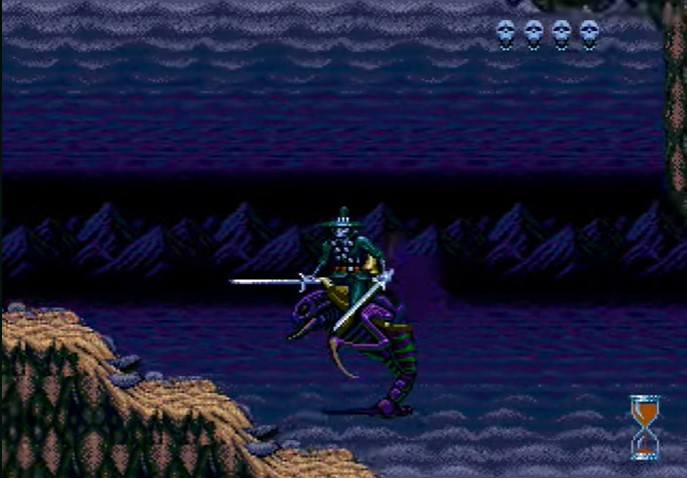
    5. Chakan: The Forever Man (1992)

    Adapted from Robert Kraus’ comic, Chakan follows an immortal warrior cursed to fight until every evil creature in existence is destroyed. It’s grim, relentless, and soaked in atmosphere.

    What stood out: The non-linear level design gave players the freedom to choose their path, but every stage was built to punish overconfidence. Its combat system demanded precise timing and mastery of weapon effects, making survival itself a victory.

    Fun Fact: True to its source, Chakan ends with the hero realizing that even eternal victory offers no peace, and he must continue fighting in the afterlife.


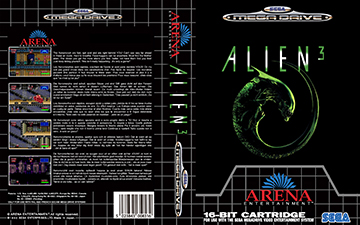
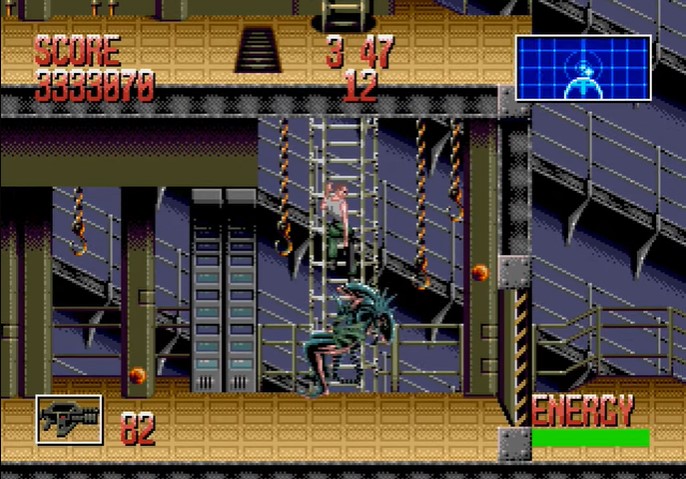
    4. Alien 3 (1993)

    Alien 3 delivered sci-fi horror with precision. As Ripley, you race through labyrinthine corridors to rescue prisoners before they’re consumed by xenomorphs.

    What stood out: The time-based mission structure made it feel more like survival horror than an action game. You couldn’t afford to waste time or ammunition. The result was a constant push-and-pull between urgency and fear of failure.

    Fun Fact: The randomization of alien encounters kept players tense, since you never knew when something might burst out of the shadows.


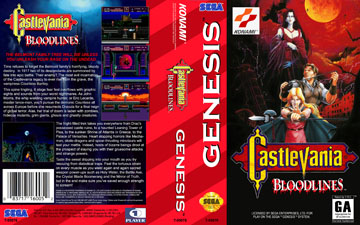
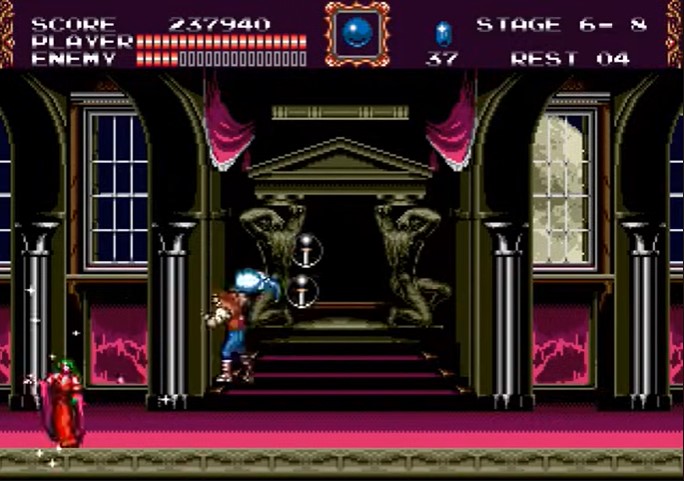
    3. Castlevania: Bloodlines (1994)

    Bloodlines was Konami’s answer to the question, “What does gothic horror look like on Genesis?” The result was a masterpiece of atmosphere and mechanical depth.

    What stood out: Its dual protagonists changed the traditional Castlevania formula. John Morris could swing across gaps, while Eric Lecarde used vertical spear thrusts for aerial combat. This gave every level two distinct ways to play, adding complexity without sacrificing the series’ haunting mood.

    Fun Fact: The European version, Castlevania: The New Generation, toned down violence and color palette due to censorship, making the U.S. version the definitive dark experience.


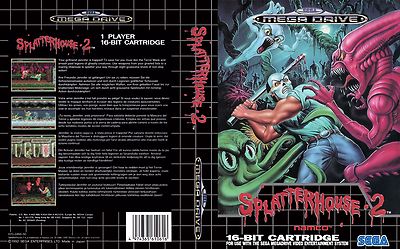
    2. Splatterhouse 2 (1992)

    No subtlety here. Splatterhouse 2 was horror incarnate, a side-scrolling bloodbath inspired by ’80s slasher films.

    What stood out: The slow, deliberate combat created tension in every movement. The physics of your attacks made you feel both powerful and vulnerable. Each strike and scream lingered, making progress feel like survival rather than victory.

    Fun Fact: The developers slowed the game down from its arcade counterpart to make combat heavier, emphasizing dread between each attack.


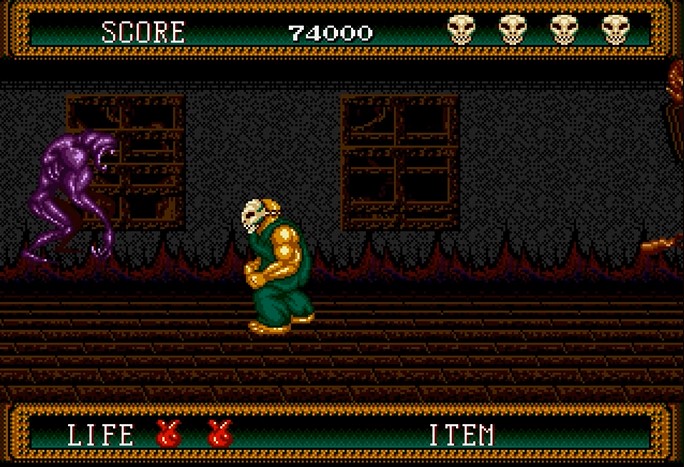
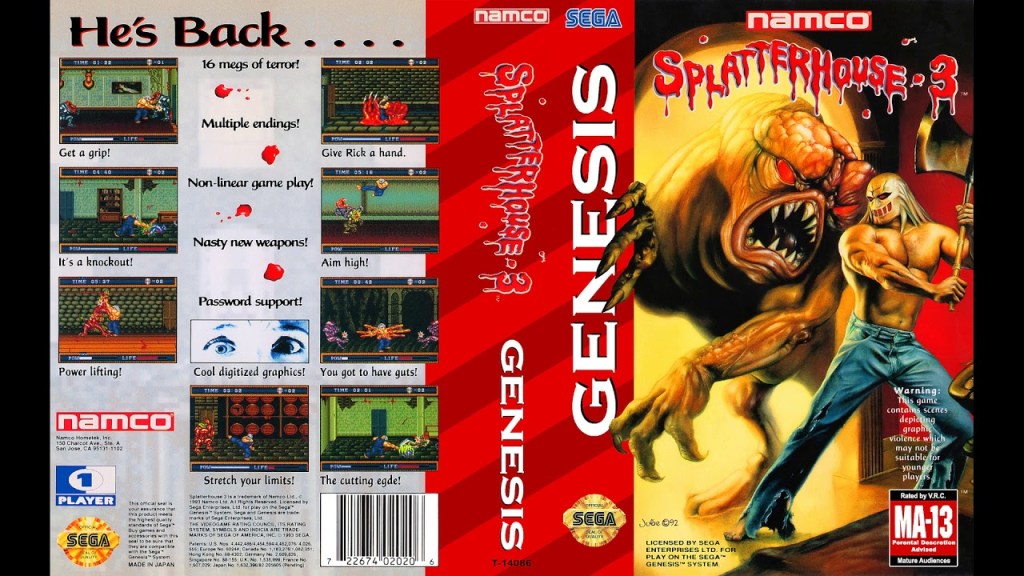
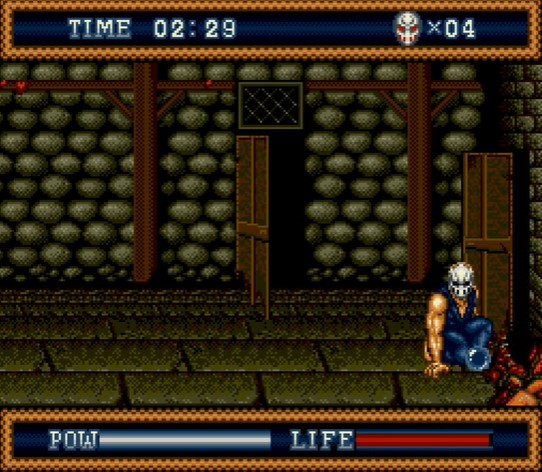
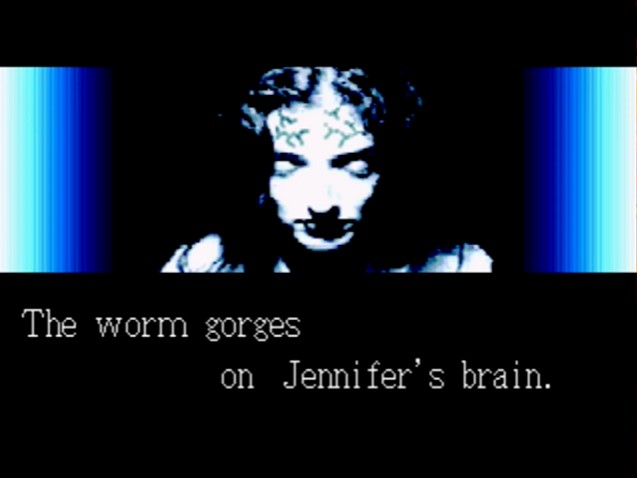
    1. Splatterhouse 3 (1993)

    The final and finest chapter of Genesis horror, Splatterhouse 3 evolved from a straightforward brawler into a psychological test. With branching paths, timed missions, and multiple endings, it turned horror into a moral struggle.

    What stood out: The time mechanic transformed the experience. Each minute you spent fighting or exploring changed who lived or died. It turned urgency into a narrative weapon, and that tension hasn’t aged a day.

    Fun Fact: Splatterhouse 3’s branching storylines made it one of the earliest console games to integrate player performance into narrative outcomes.


    Final Thoughts

    The Sega Genesis didn’t need realism or jump scares to create horror. Its best games relied on tone, challenge, and imagination to get under your skin. Whether it was through the slow dread of Splatterhouse, the gothic majesty of Castlevania, or the mythic resurrection of Altered Beast, these titles captured the essence of fear in 16-bit form.

    Playing them on a Miyoo Mini or any handheld today still feels just as eerie. There’s something timeless about these pixelated nightmares that modern games can’t quite replicate.

    So turn off the lights, pull the blanket over your head, and let the old horrors come alive again.

  • 30 Lives Later: The Konami Code and My Contra Memories

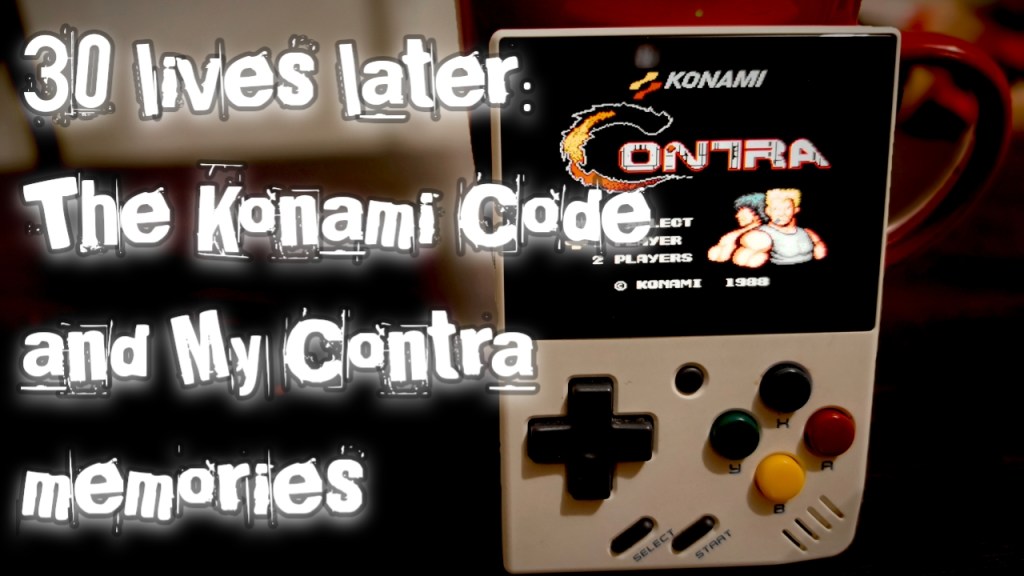
    30 Lives Later: The Konami Code and My Contra Memories

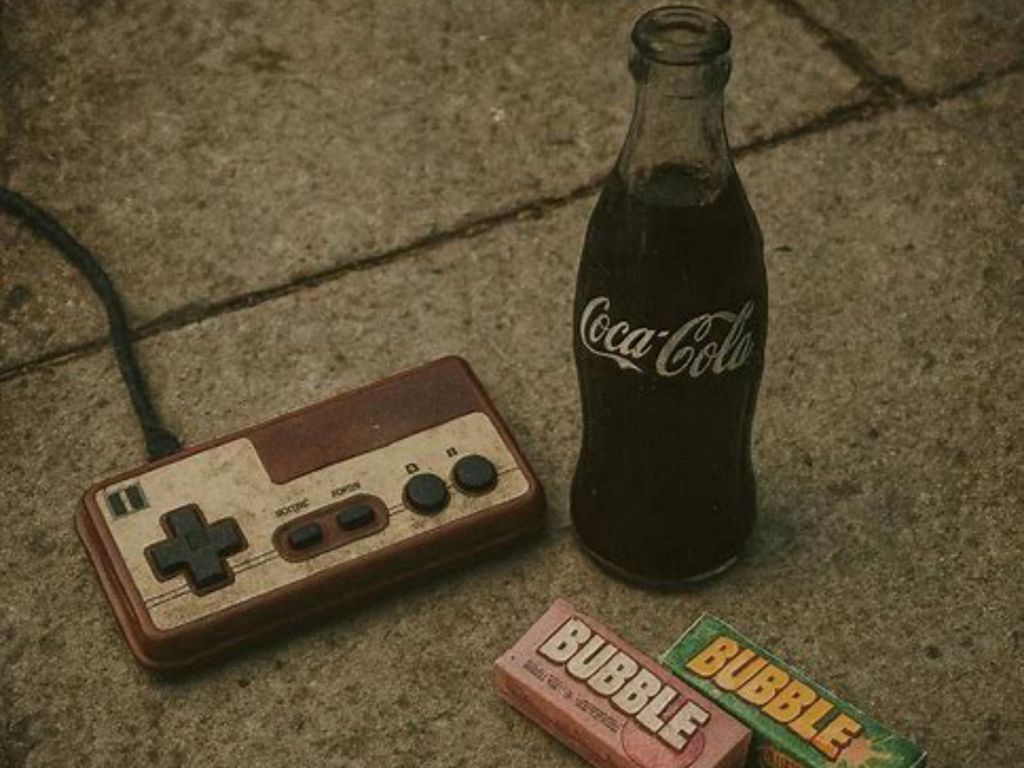
    If you grew up gaming in the late ’80s or early ’90s, chances are you’ve heard of the Konami Code. For many of us, it wasn’t just a cheat code—it was a rite of passage. And for me, it all started with a bottle of Coke, two packs of bubblegum, and a little red Famicom.

    The Coke-and-Gum Deal That Changed Everything

    Weekends at my house always meant Contra. My cousin and I would play for hours, but there was one problem—he was two years younger, and his hand-eye coordination was terrible. He’d blow through his two lives in minutes, then respawn using mine, and before long we’d both get wiped out at the dreaded waterfall stage.

    This was the pre-internet era, when game secrets were traded like playground currency. One afternoon at a local “computer shop,” we noticed this one kid tearing through Contra like he had an infinite number of lives. No matter how many times he went down, he just kept coming back—calm, confident, unstoppable.

    Naturally, we had to know his secret. After some bargaining, he finally agreed to share it—if we paid up. Our final offer? One cold bottle of Coke and two packs of bubblegum.


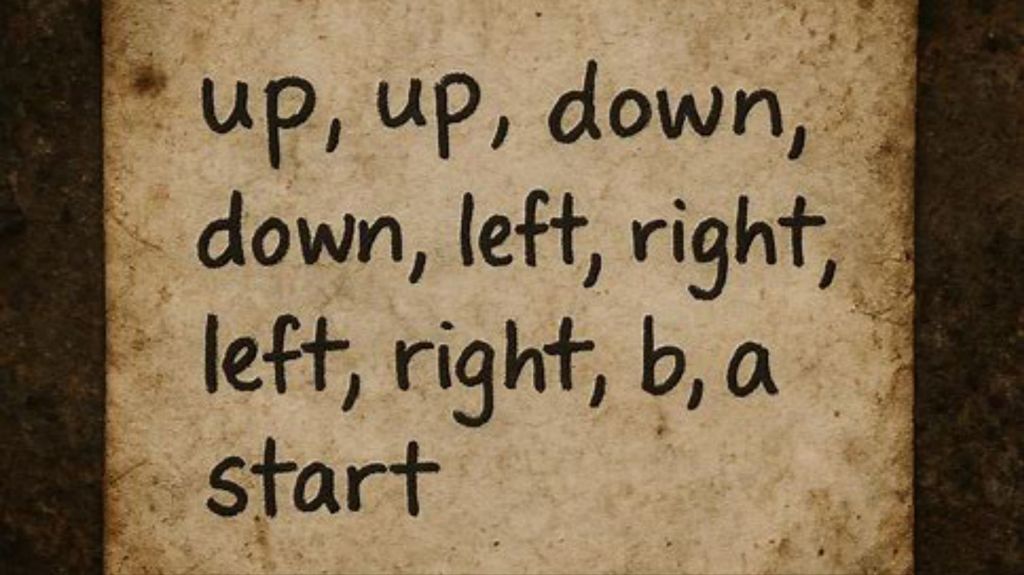
    After our transaction, he pulled out a tiny folded scrap of paper covered in pencil marks. It read:

    Up, Up, Down, Down, Left, Right, Left, Right, B, A, Start.

    Turning Contra into Dark Souls?

    We were broke after the bribe, so instead of playing at the shop, we sprinted home and fired up the red Famicom. After a few failed attempts, we finally nailed the input, and suddenly there it was—30 lives staring back at us on the screen.

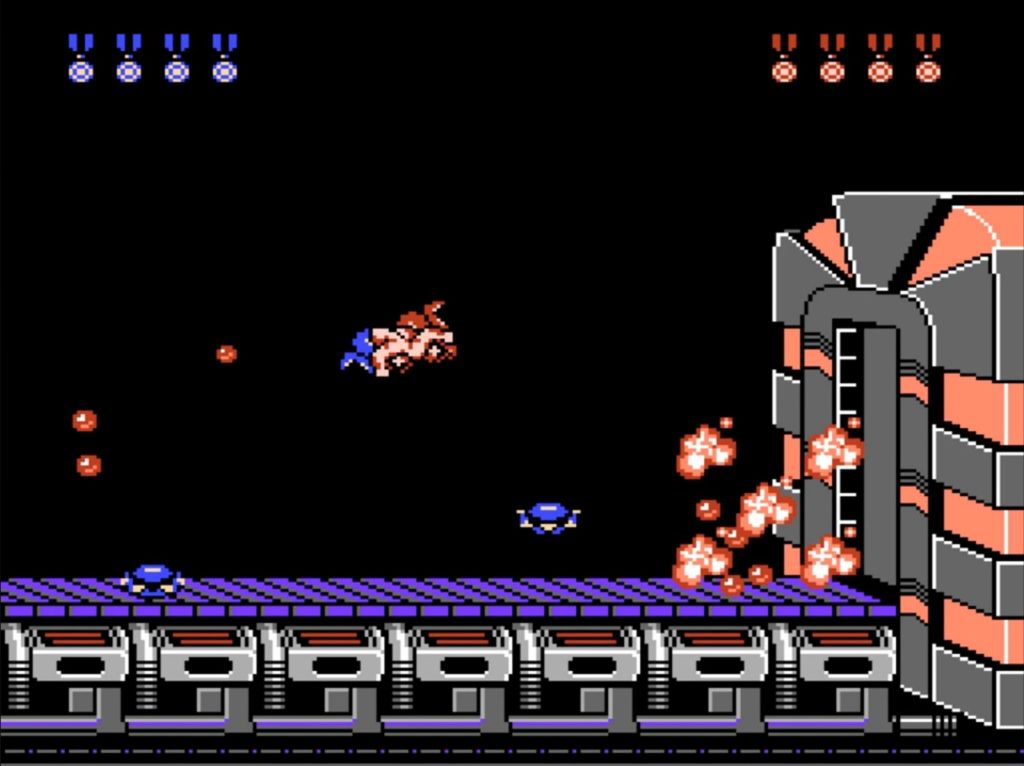
    In that moment, Contra wasn’t the same game anymore. It stopped being a careful, punishing platformer and turned into absolute madness. We weren’t just trying to beat levels—we were seeing who could pull off the craziest stunts or rack up the dumbest “epic death.” Looking back, it felt like we’d turned Contra into the Dark Souls of dumb fails, and the funny part there was we loved every minute of it.

    From Test Tool to Gaming Icon

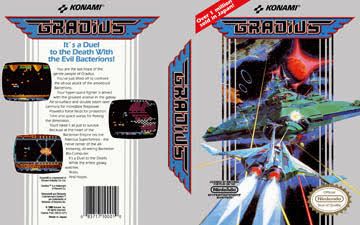
    The Konami Code wasn’t meant to be legendary. Developer Kazuhisa Hashimoto originally created it in 1986 while testing Gradius on the Famicom. He added extra lives to make debugging easier and forgot to remove the code before release. Konami decided to leave it in, and before long it became a running tradition in their games.

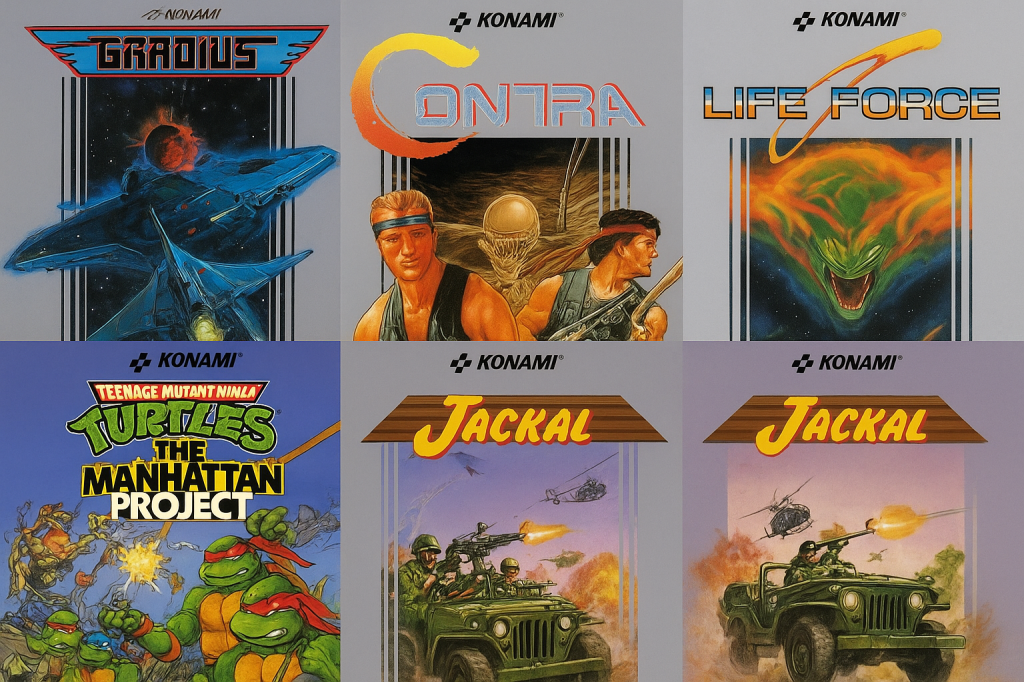
    Contra made the code famous, but it popped up in all kinds of Konami titles—Castlevania, Teenage Mutant Ninja Turtles, Metal Gear—and later escaped gaming altogether, appearing in websites, TV shows, and even Fortnite.

    A Cheat Code That Became a Memory

    Decades later, the Konami Code is more than a set of button presses—it’s a piece of gaming history. For retro gamers, it’s a badge of honor, a reminder of a time when secrets spread by word of mouth, scraps of paper, or in my case, a Coke-and-gum trade.

    For me, the Konami Code will always bring back that memory: two broke kids, a red Famicom, and the day we discovered that 30 lives could turn a tough-as-nails shooter into the most fun chaos we’d ever had.

  • Top 10 Nes games to play on the Miyoo Mini

    Top 10 Nes games to play on the Miyoo Mini

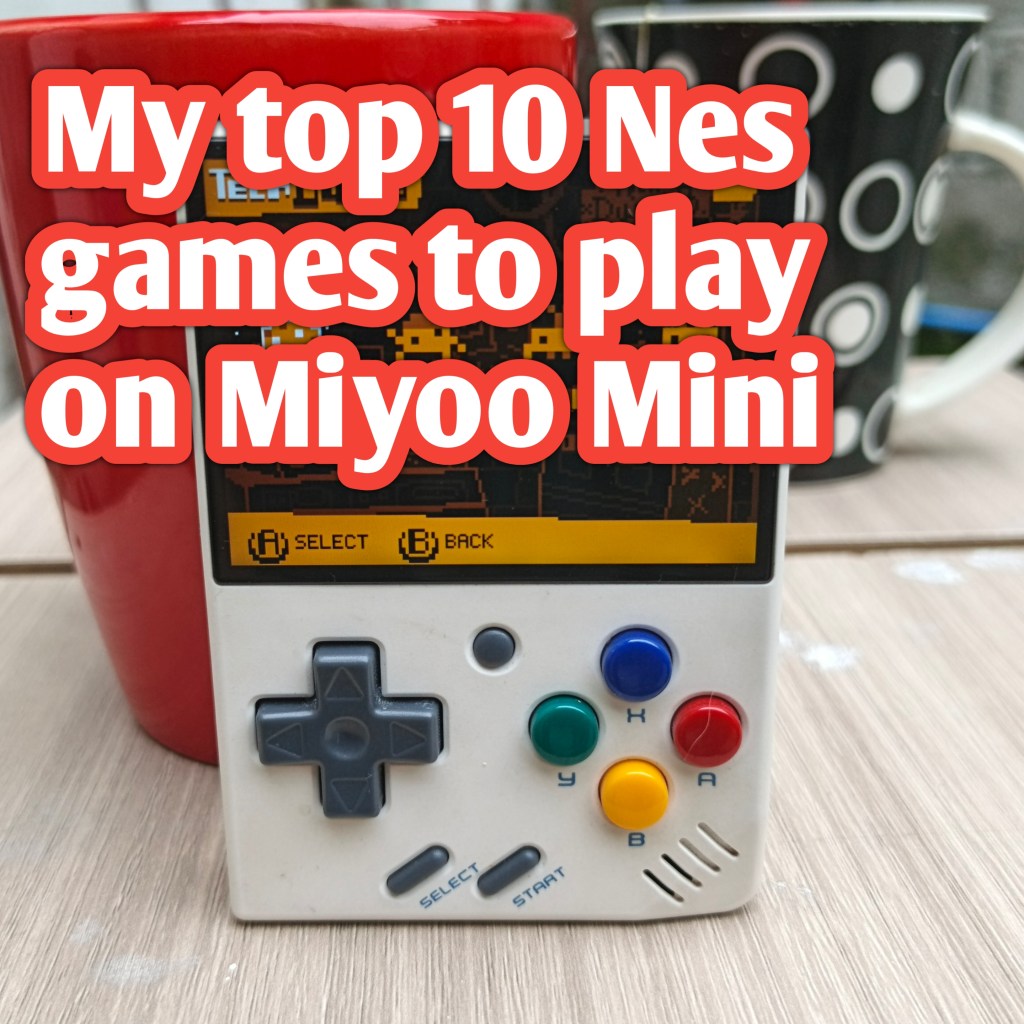
    Just because the Miyoo Mini can emulate retro games really well doesn’t mean all of these games are playable or offer the best experience on this handheld. We have to take into consideration the 2.8″ display screen, the button layout, and overall ergonomics. With that said, here are my top 10 NES games to play on the Mini.

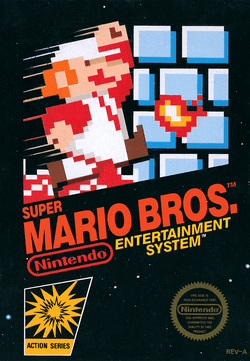
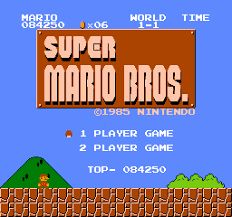
    10. Super Mario Bros. (JP: Sept 1985, US: Oct 1985)

    The first on this list is an all-time classic. Super Mario Bros. put Nintendo on the map and gave birth to the Mario franchise that endures to this day.

    The Mini’s small screen isn’t much of an issue while playing since you can see where you’re going pretty easily, and the game’s 8 world structure with optional warp zones means you can finish the entire adventure before the Mini’s control layout becomes cramped in your hands. If you’re looking for something you can complete in one sitting, then Super Mario Bros. is the game for you.

    **Fun Fact:** The character was originally called “Jumpman” and was renamed Mario after Nintendo of America’s landlord, Mario Segale.

    Castlevania (JP: Sept 1986, US: May 1987)

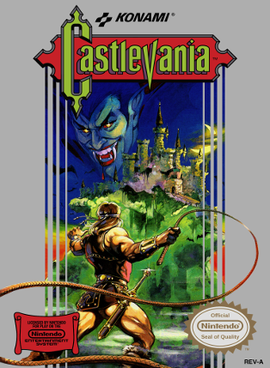
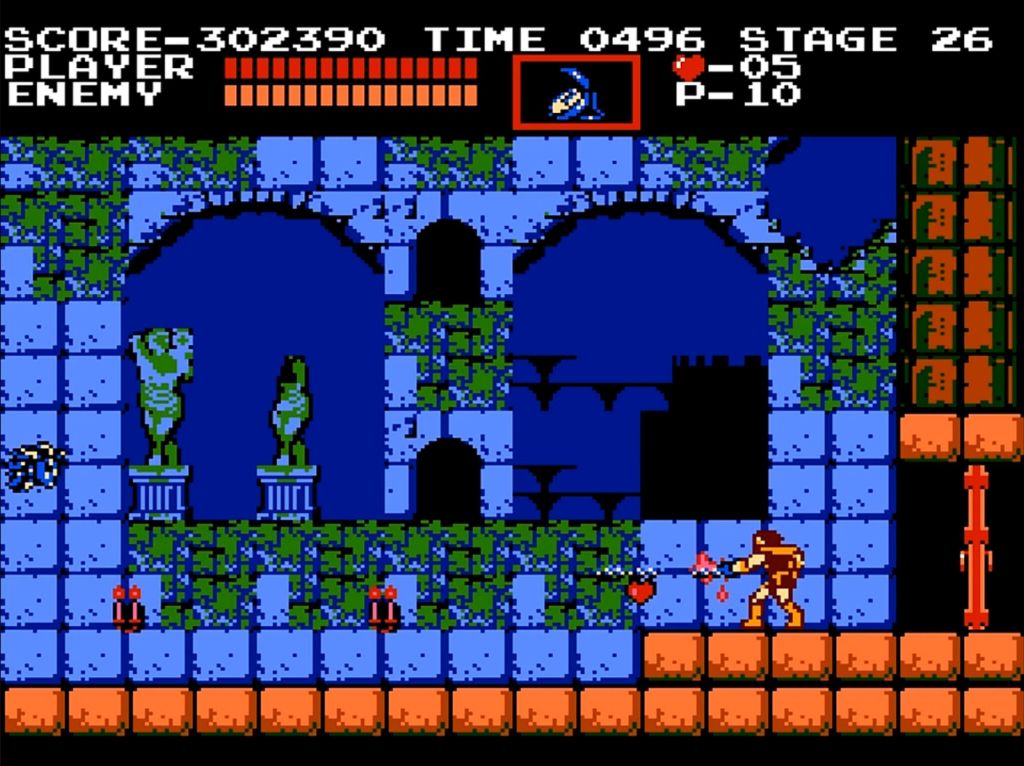
    Castlevania is one of the games I got hooked on growing up. It’s a 2D platformer but more action-focused, and it was a really addictive game back in the day. I had to learn about the lore through those old game magazines and my imagination while playing.

    With the NES’s 2-button layout, the game is very playable on the Miyoo Mini, and the small screen won’t strain your eyes since there’s not much dialogue text to read. The gothic atmosphere and tight controls translate perfectly to the handheld format.

    **Fun Fact:** The original Castlevania was inspired by classic Universal Monster movies from the 1930s and 40s.

    Contra (JP: Feb 1987, US: Feb 1988)

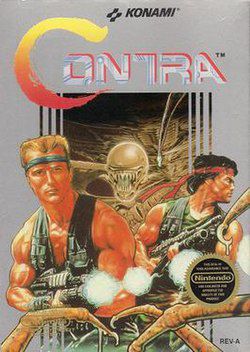
    Contra admittedly is best played with 2 players, but that doesn’t mean it’s not good playing solo. This game spawned dozens of clones and hacks, but the classic Contra is by far the best in my opinion.

    The controls and screen on the Miyoo Mini don’t hamper the game experience even when things get hectic, and it’s a perfect game to play and finish on the portable system.

    **Fun Fact:** Contra is home to the legendary Konami Code (Up, Up, Down, Down, Left, Right, Left, Right, B, A, Start), which grants you 30 lives instead of the brutal default of 3.

    Mega Man 2 (JP: Dec 1988, US: Jul 1989)


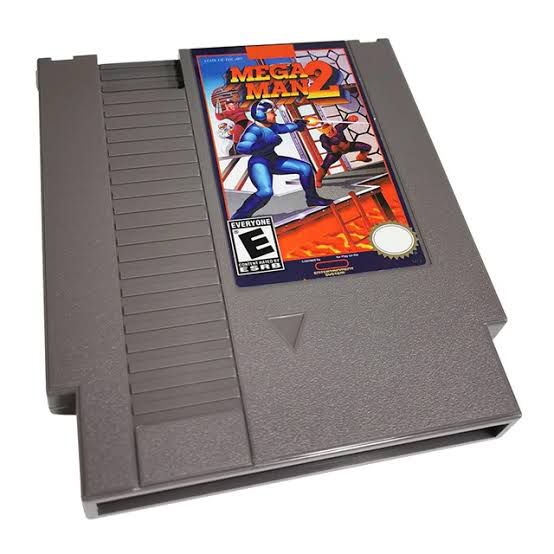
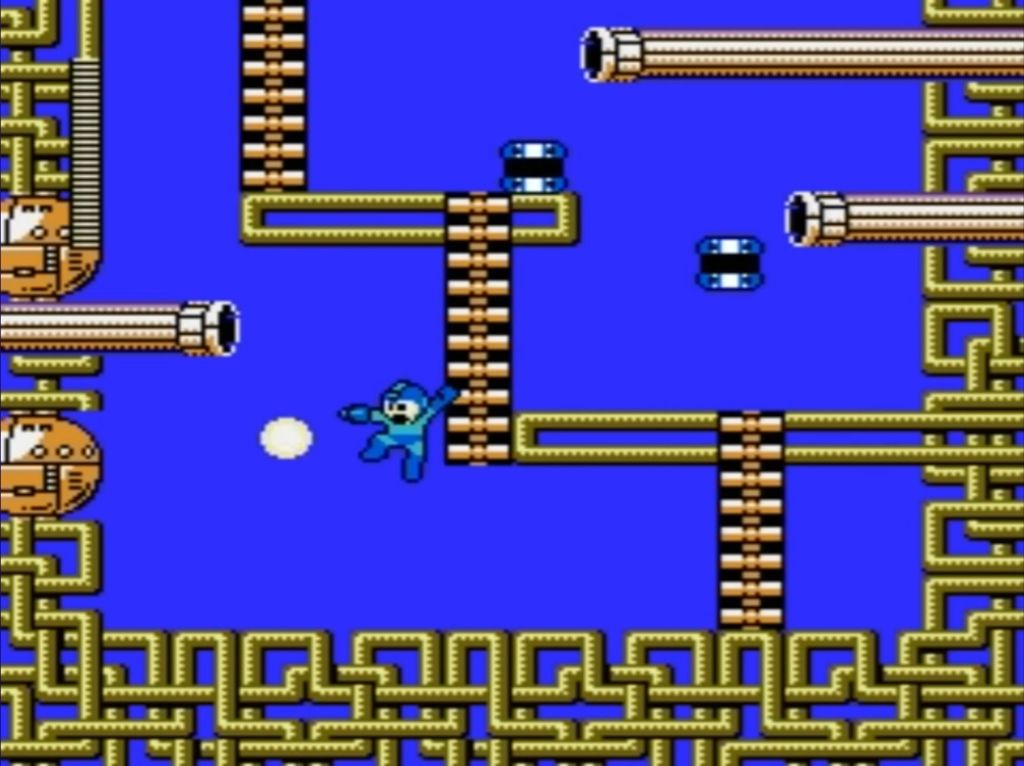
    With 3 Mega Man games on the NES, my pick is Mega Man 2, and it’s not just because of the gameplay but the incredible sound and vibe of the game. I usually play this for the nostalgia factor, and if we’re talking about NES emulation, then this is by far the best option.

    Difficulty-wise, the game is brutal with its precise button inputs for jumping. I don’t know if you can actually finish the game on the Miyoo Mini with its cramped controls, but it’s still a worthwhile experience, especially if you use the Miyoo’s save state feature.

    **Fun Fact:** The infamous US box art showed a middle-aged man in yellow armor that looked nothing like Mega Man. This became so legendary that Capcom included him in Street Fighter X Tekken.

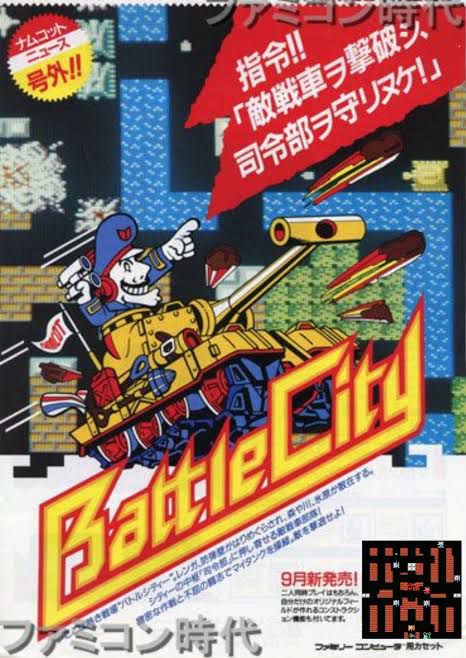
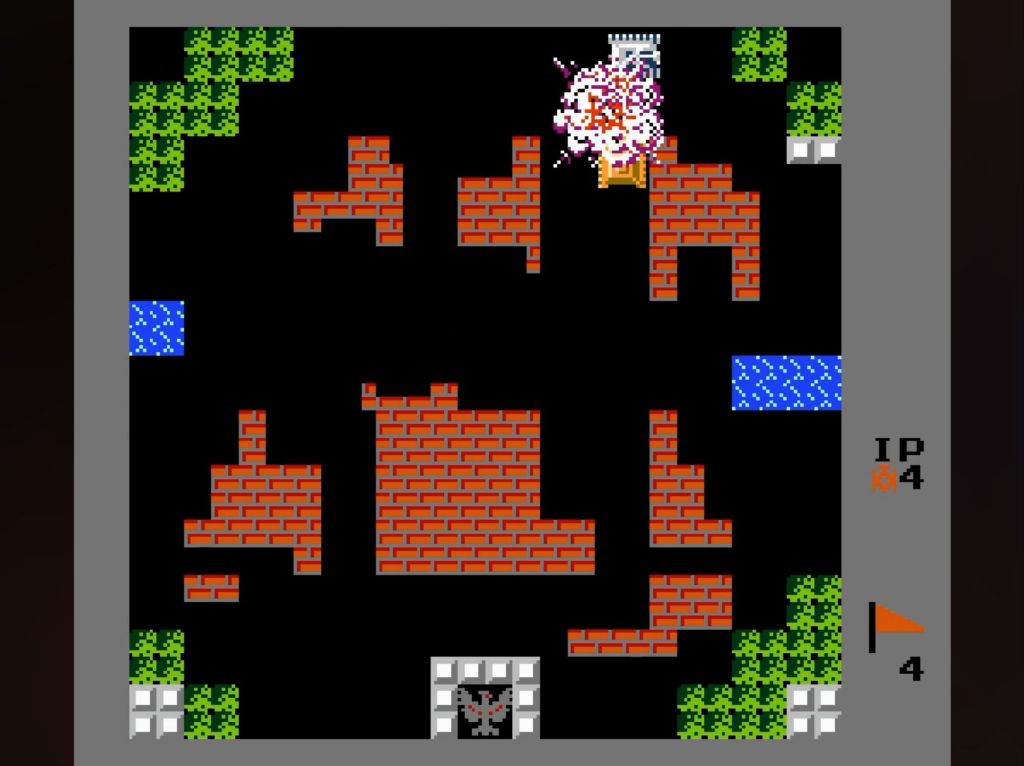
    Battle City (JP: Sept 1985, US: Not Released)

    Another game that’s best played in co-op and spawned multiple hacks even during the NES era. I had a hard time looking for the original NES ROM with all the mods available – from starting with metal walls to having upgraded enemies that can use power-ups.

    This recommendation is perfect for short bursts of gameplay throughout the day. I usually play this while commuting to places like the grocery store or appointments. The small screen and button layout is actually an advantage since you’re just using the direction pad and one button for firing.

    **Fun Fact:** Battle City was hugely popular in Eastern Europe and Russia, where it’s often considered one of the greatest NES games of all time.

    Excitebike (JP: Nov 1984, US: Oct 1985)

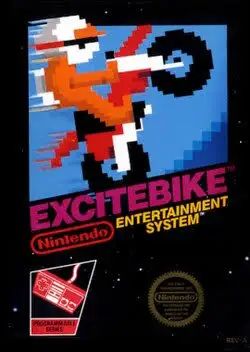
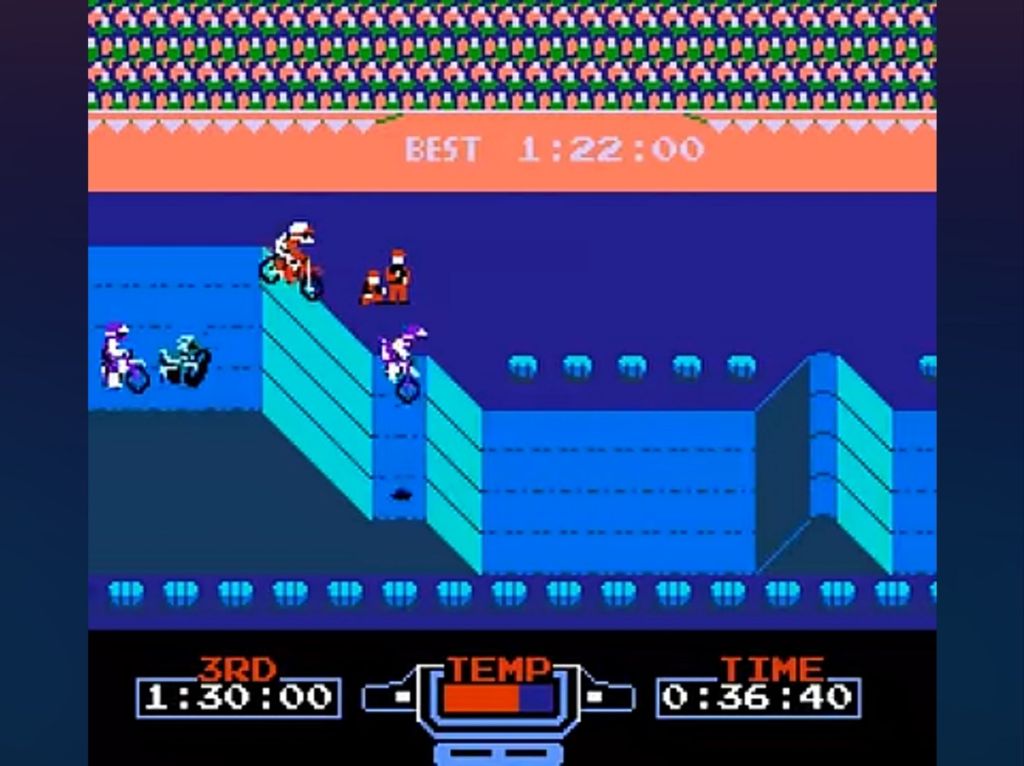
    Sure, there are racing games that are good on the NES, but my pick is Excitebike. One thing that stands out is the design creator where you can make your own course, and with the Miyoo’s save state feature, you can replay your course without worrying about it being deleted.

    Easy controls and very easy to pick up and play – the only skill you need to learn is when to use turbo versus normal speed without your bike overheating. Perfect for the Miyoo Mini.

    **Fun Fact:** Excitebike was one of the 18 NES launch titles and featured one of the earliest console track editors, pioneering user-generated content decades before it became mainstream.

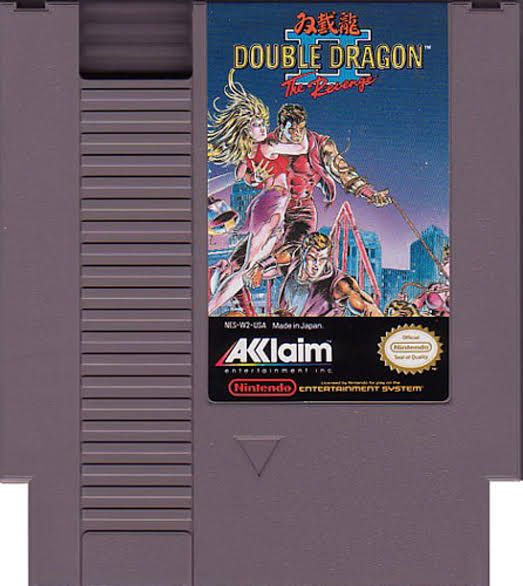
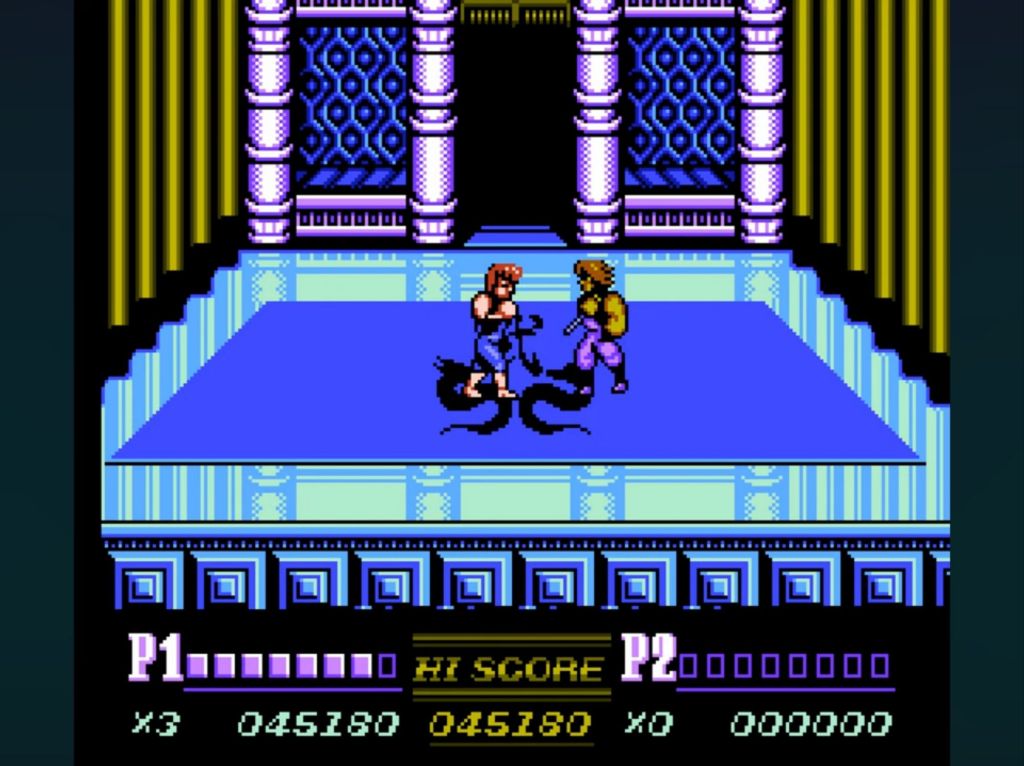
    Double Dragon 2 (JP: Apr 1989, US: Jan 1990)

    Switching up to beat ’em ups, my pick would be Double Dragon 2 (Double Dragon 1 was my first choice, but I got a bad ROM that doesn’t run on my Miyoo). It’s your classic beat ’em up with button inputs depending on where you’re facing – B attacks left, A attacks right, and pressing both makes you jump.

    What makes it stand out is the story, which was pretty dark for its time. Billy’s girlfriend was killed by a shadow organization, and now it’s up to the Lee brothers to avenge her. The side-scrolling action works perfectly on the portable format.

    **Fun Fact:** Double Dragon 2 controversially removed two-player co-op from the main story, making players fight each other after completing single-player. This was so unpopular that future entries returned to co-op.

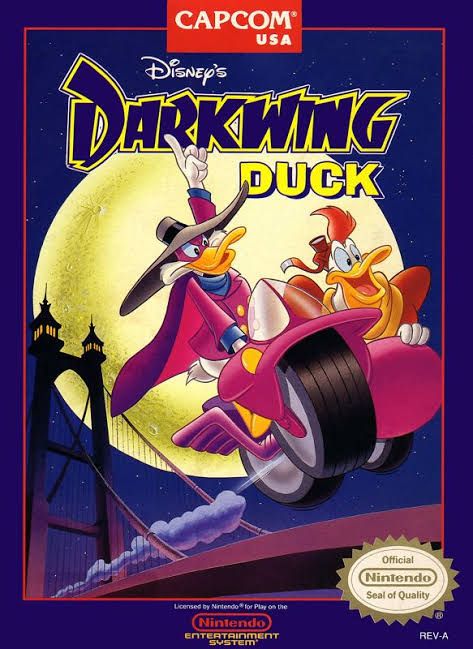
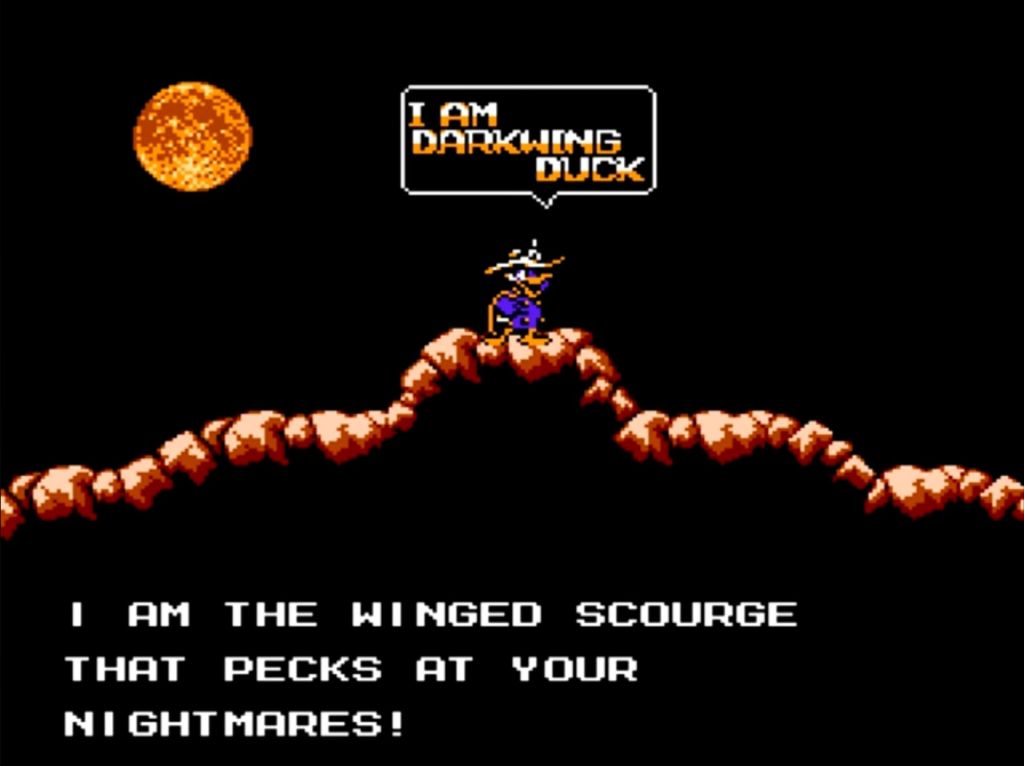
    Darkwing Duck (JP: Not Released, US: Jun 1992)

    Being a fan of the Darkwing Duck cartoons, it’s no secret that I’d choose this NES game. A side-scrolling platformer with a Batman-like hero using gadgets was quite enjoyable back in the day. Playing it on the Miyoo Mini now is more enjoyable than when I first played it as a kid.

    I didn’t get to enjoy this game as much as I wanted before since the cartridge conked out on me just a few days after I got it. As soon as I got the Miyoo Mini, I looked for this ROM first. The colorful graphics look great on the small screen.

    **Fun Fact:** Darkwing Duck was developed by Capcom using the same engine as the Mega Man series, which explains the tight, polished gameplay.
    Pac-Man Championship Edition (ROM Hack)

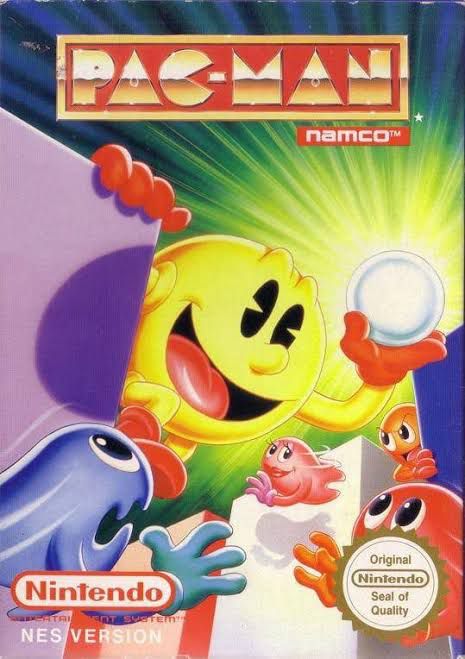
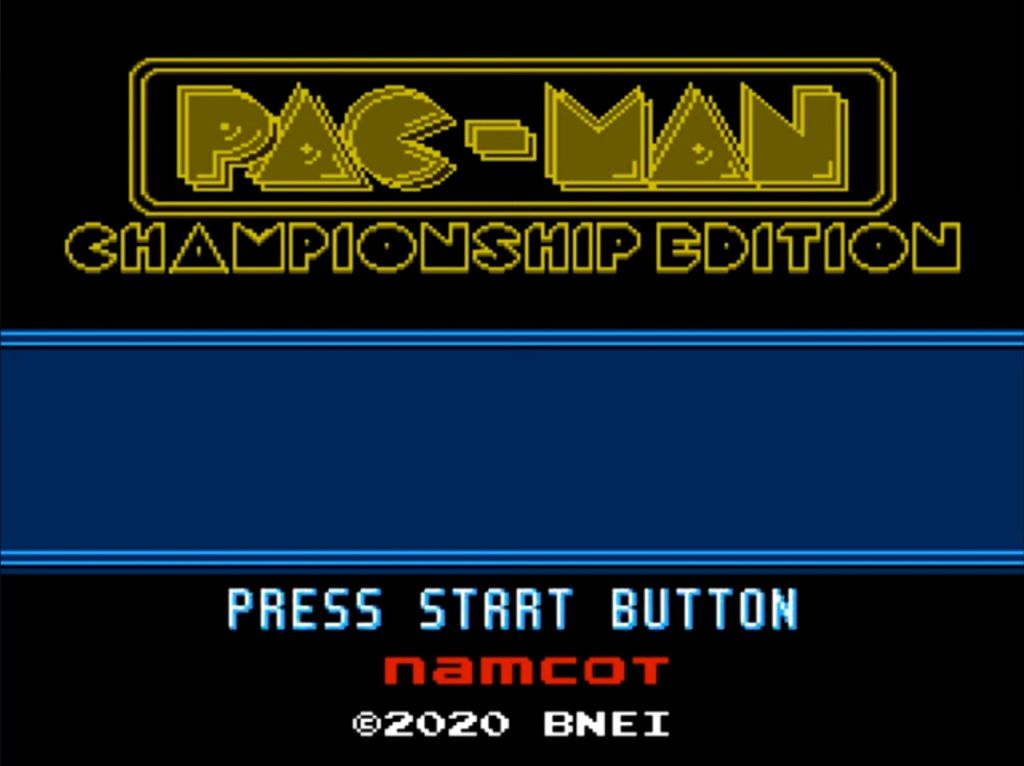
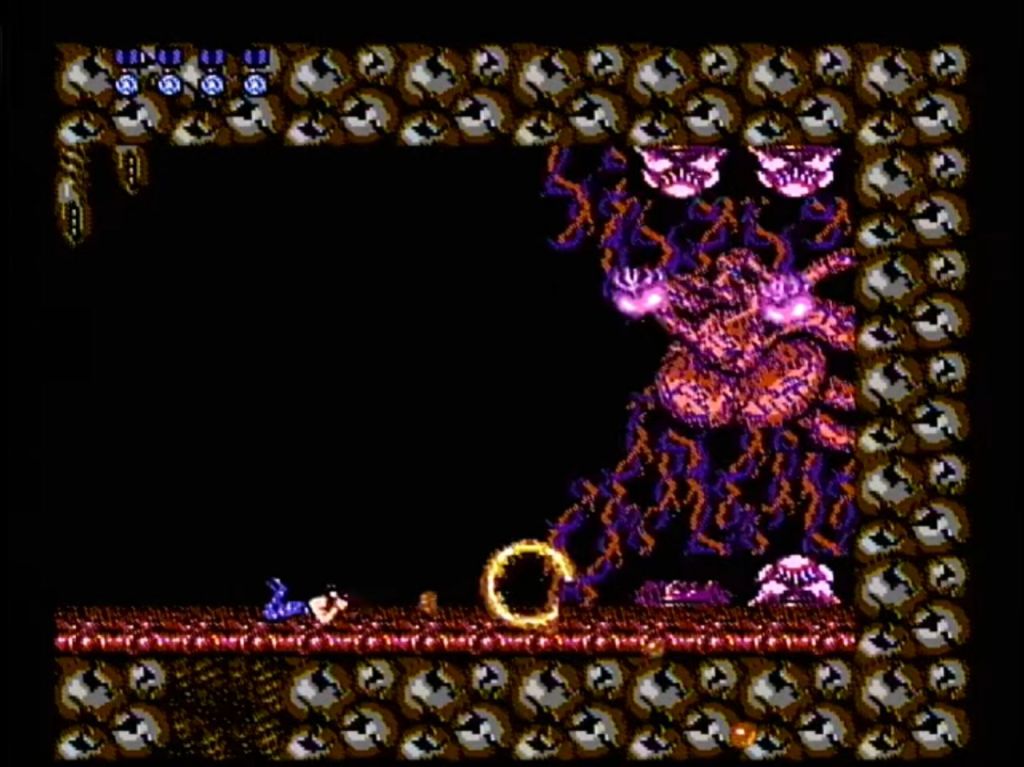
    No top 10 NES game pick would be complete without Pac-Man. For my pick I’m recommending the Pac-Man Championship Edition ROM hack, which tries to emulate the modern version on the NES and is one of the greatest Pac-Man experiences available.

    You might think the small screen would be difficult, but based on experience, it’s just the perfect size to see the tight corners and dots you need to grab. The Miyoo’s controls are super responsive with no false inputs whatsoever.

    **Fun Fact:** The original Pac-Man Championship Edition was created by series creator Toru Iwatani in 2007, over 25 years after the original game.

    Urban Champion (JP: Nov 1984, US: Aug 1986)

    Let me just say that this list is in no particular order, and I’m sure others will complain that I didn’t include their favorite games like Ghosts ‘n Goblins, Dragon Warrior, or Final Fantasy. Here’s the thing – those are great games, but I think they’re much better experienced on a bigger screen, so if I offended anyone, sorry, but this is my list.
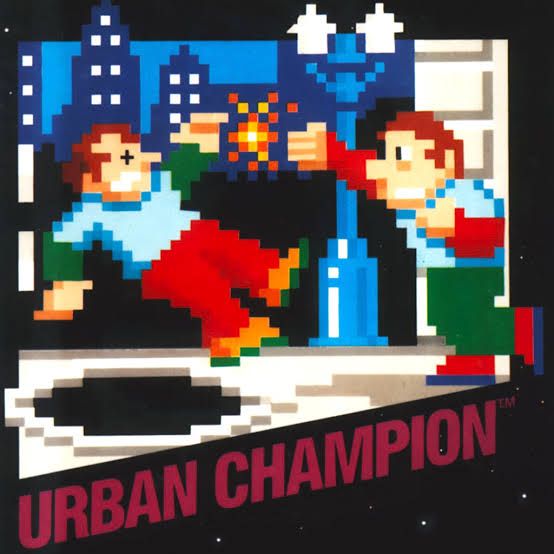
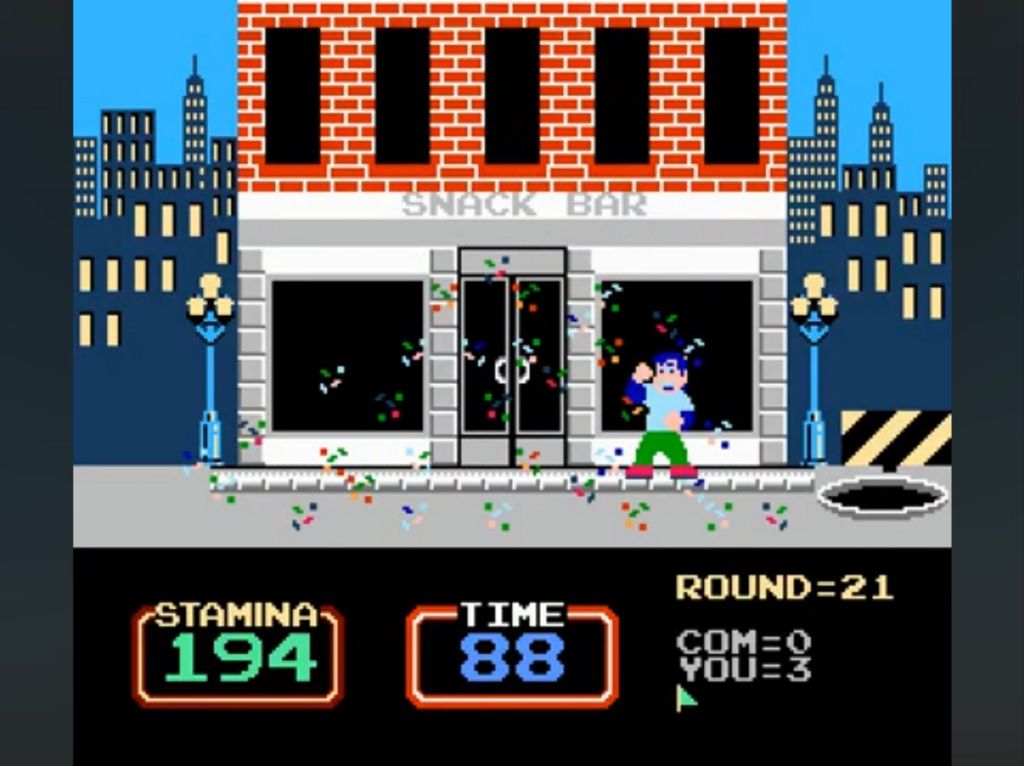
    Last one is another game that works best with 2 players, but as a single player experience this also translates well on the Miyoo Mini. Urban Champion is a fighting game where you and the computer beat each other up in the middle of the street. There are no life bars, just stamina. A round ends if you beat your opponent to their side of the screen.

    There are police cruisers passing by from time to time, so you should avoid fighting unless you want a trip to jail. Also avoid neighbors throwing potted plants from windows above. Simple game with no story, but the gameplay is somewhat addictive in my opinion.

    **Fun Fact:** Urban Champion was one of Nintendo’s earliest fighting games from 1984, and it’s often considered one of the worst NES games ever made – but that’s exactly what gives it cult appeal.


    Conclusion

    The Miyoo Mini proves that great gaming experiences don’t always need the biggest screen or the most complex controls. These 10 NES classics showcase how perfectly suited retro games are for portable play, whether you’re looking for quick arcade action or longer adventure sessions with save states to help you through the tough spots.

    What makes these picks special isn’t just their quality as games, but how well they adapt to the Mini’s form factor. From the responsive controls of Pac-Man Championship Edition to the simple joy of creating tracks in Excitebike, each game feels like it was meant to be played on a handheld device.

Design a site like this with WordPress.com
Get started