
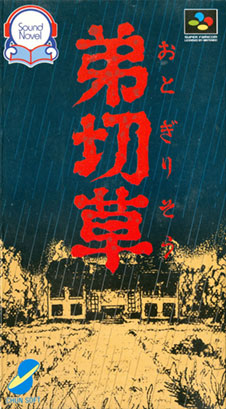
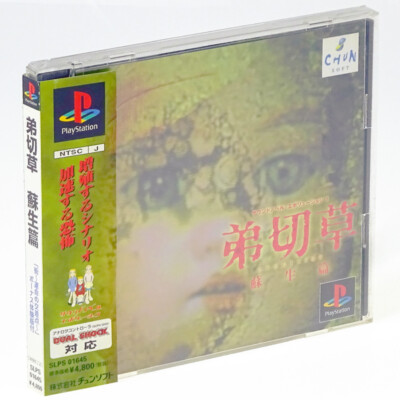
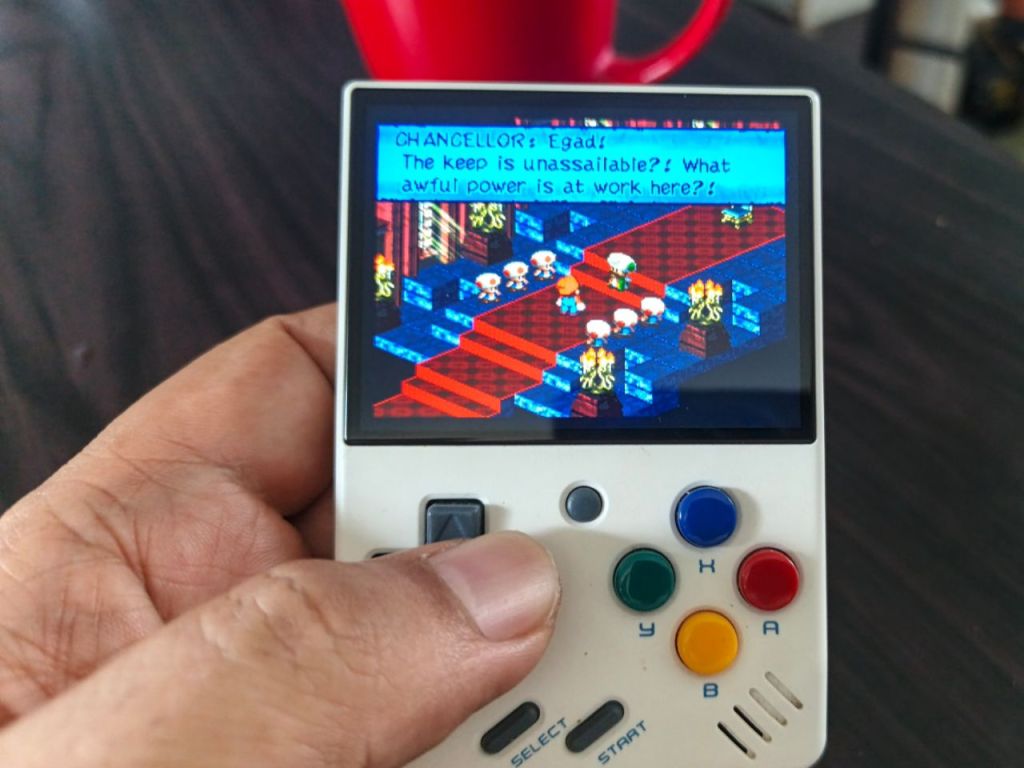
I first stumbled upon Otogirisō while browsing through old Super Famicom titles a few weeks ago. At first, I thought it was just another forgotten horror visual novel — until I learned it was actually one of the original sound novels, the very foundation for everything that came after from Chunsoft. With an English translation patch available, I decided to load it up on my Miyoo Mini, and it instantly became one of my favorite finds this October.
It’s perfect for the Halloween season, a game that doesn’t rely on visuals or gore but on atmosphere, sound, and storytelling. The kind of horror that creeps in slowly, like a whisper instead of a scream. And playing it with earphones on, in the dark, made it feel like I was sitting right there inside that mansion as the storm raged outside.

On the drive, the conversation turns to the roadside flowers, and the protagonist explains what they are. He tells Nami about the Otogirisō — St. John’s Wort — and the old legend that goes with it. The tale is simple and brutal: two brothers once lived together, betrayal ripped them apart, one killed the other, and from the ground where the blood spilled the Otogirisō bloomed. That moment, me telling Nami the story as the rain fell, hooked me immediately. It sets the tone, and the subtle sounds in the background — tires on wet asphalt, distant thunder, soft static — made the whole scene sink into my bones.
I named the protagonist Bob for my playthrough, after my favorite wrestler, Bob Backlund. Call him what you want, the game lets you, and that little choice made the nightmare feel oddly personal.
Inside the Mansion
From the moment Bob and Nami enter, you’re greeted by creaking wood, thunder rolling above, and faint music that seems to breathe with the house itself. You start to explore, and immediately you can sense the unease — the mansion feels alive.
Unlike modern horror games that rely on visuals, Otogirisō lets the sound design do the heavy lifting. Every pause between lines feels intentional, like the mansion itself is waiting for you to make the wrong move.
The story then splits into multiple routes based on your decisions — and this is where Otogirisō truly shines. Each route isn’t just a different ending; it’s a different truth about what’s happening in the mansion. The game contains many endings across multiple routes, and replaying is how you slowly assemble the full picture.
Route 1: The Curse of the Twins
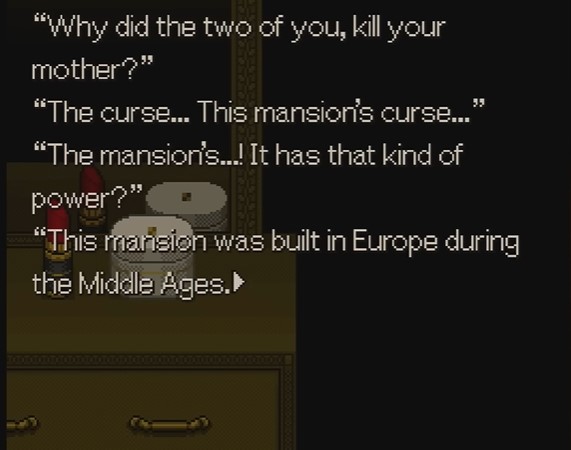
This is the route that hit me the hardest — not because it’s the scariest, but because it’s the most tragic.
If you comfort Nami, stay close, and focus on exploring personal rooms like bedrooms and the study, you begin to pull at threads of the family’s history. Dusty diaries and portraits reveal twin sisters, an uneven love, and a household that fell apart from jealousy. Nami’s memories come back in flashes, she recognizes corners of the house, and gradually it becomes clear that this once was her family home.
The final scenes are devastating: Nami confronting the twin she was never allowed to be, a sense of completion that’s more a claim than a cure. The Otogirisō flower imagery returns, blooming in scenes of rain and memory. The sound drops to a single soft note as the screen fades. It’s sorrow more than terror, and it lingers because it’s about loss, not spectacle.
What stands out: the emotional weight and how grief is foregrounded over cheap shocks. The slow pacing lets the player absorb the inevitability, which made it one of the most affecting endings I’ve experienced in a retro horror title.
Route 2: The Fire
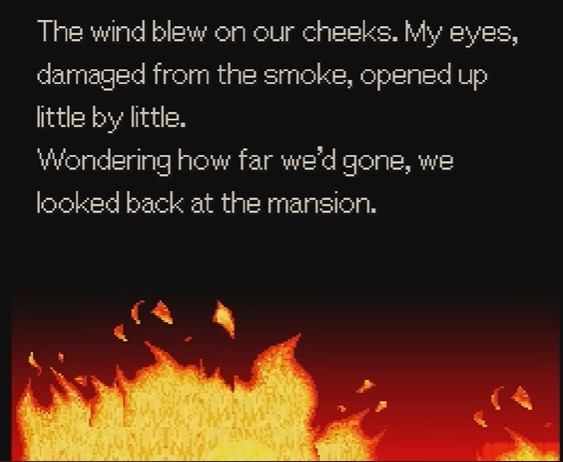
If you act boldly — exploring suspicious rooms, probing basements, and pressing on despite warnings — you unlock the Burned route.
This path centers on a night the mansion went up in flames. As Bob finds charred letters and witness fragments, a picture forms of betrayal that boils over into arson. The house’s blackened halls echo with the memory of fire, and the sound design leans into crackles and whispers that suggest the blaze never truly died.
The twist is how premeditated the violence turns out to be. It wasn’t a random catastrophe but an act of calculated revenge from the heart of the family. Nami’s sanity fractures as she relives those screams, and the ending can leave you trapped watching the fire consume everything while you’re helpless.
What stands out: the suffocating inevitability and the way the game uses environmental details to imply history. Flames are suggested rather than shown, and that suggestion becomes dread. The Burned route feels like punishment for curiosity, both for the characters and the player.
Route 3: The Well
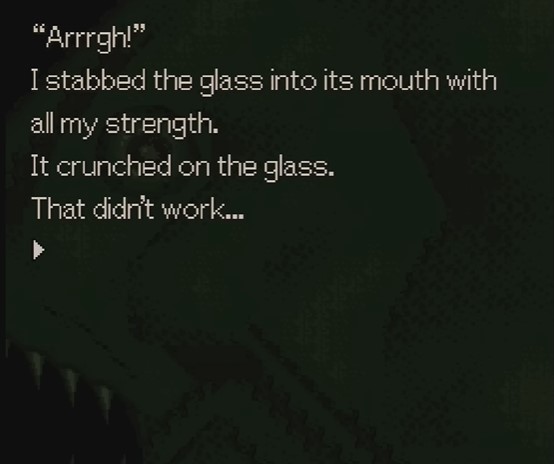
This one is the most unexpected and disturbing.
If you explore the grounds early and investigate the well, the tone shifts from gothic family drama to something more monstrous. You find notes that read like lab journals, sketches of malformed creatures, and entries hinting at ritual experiments. The story implies that someone in the household tried to bridge life and death with grotesque methods.
When the well is opened, the game leans into sound and pacing — wet, heavy noises, a rising heartbeat in the music track, text flashing faster — and the horror becomes physical. You don’t see the creature clearly; you hear it. The ending is abrupt and cosmic, with Nami dragged into something ancient beneath the house and the final line: “The Otogirisō blooms again.”
What stands out: how the game can pivot to cosmic horror within the same narrative framework, and how sound alone conjures an image far worse than literal spritework could manage. It’s one of the weirdest and most effective surprises I’ve seen in retro horror.
What makes it stand out
Otogirisō doesn’t rely on jump scares. Its horror is built from suggestion, from the space between lines. The storm, the piano that mimics a heartbeat, the way Nami’s voice trembles over static, these elements build a tension that’s more intimate than loud.
What makes the experience eerie and enjoyable:
- Personal stakes: because you name the protagonist and make choices about how to treat Nami, the horror feels intimate.
- Sound-first design: the noises and silence create a private theater in your head — you imagine the worst, and the game confirms it.
- Route-based truths: each route reveals a different facet of the mansion’s curse, so every playthrough reframes what you thought you knew.
Final Thoughts
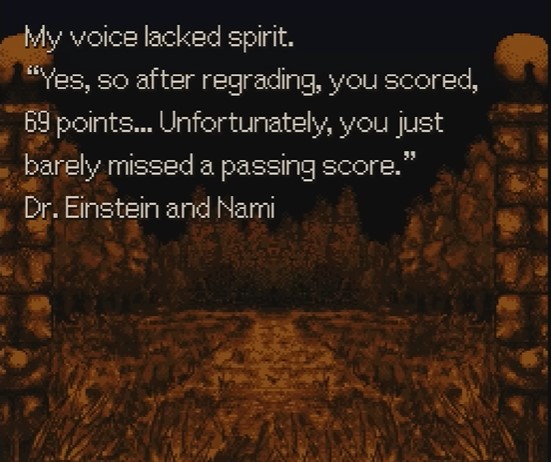
Otogirisō isn’t a game you play for jump scares. It’s a game you experience for atmosphere — the unease, the sorrow, and the weight of what’s left unsaid. Playing it on the Miyoo Mini with headphones made the story feel intimate and immediate, like a ghost story folded into a pocket-sized book.
The legend I told Nami on the road — of two brothers and the flower that grew from betrayal — isn’t just a setup. It’s the beating heart of the game. After seeing the routes, every ending felt like another stanza of that same lament. The image of the Otogirisō blooming from pain will stay with me, long after the rain has stopped in the game and in real life.
If you want something to play this Halloween that doesn’t just frighten but haunts, give Otogirisō a night. Name your protagonist, maybe call him Bob, and let the mansion whisper its stories into your headphones.
Because here, horror doesn’t scream, it whispers — and sometimes that’s far more terrifying.
























 EZRetro Plays