Category: rpg

  • The Galerians Series – Disturbing, Unique, and Forgotten

    The Galerians Series – Disturbing, Unique, and Forgotten

    Some games scare you with monsters. Others disturb you with atmosphere. But then there are games like the Galerians series — games that make you uncomfortable because of the ideas underneath.

    Spanning the original Galerians on PS1 (1999) and its direct sequel Galerians: Ash on PS2 (2002/2003), the series is a one-two punch of sci-fi horror, drug-fueled survival mechanics, and tragic storytelling. For me, these games remain some of the most unique — and frankly disturbing — experiences I’ve ever had in gaming.


    1999: Horror Boom on the PS1
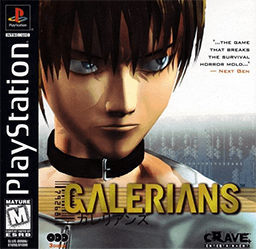
    Galerians Ps1 cover art

    By the time Galerians released in 1999 (Japan) and 2000 (US/EU), the PlayStation was already knee-deep in a survival horror golden age.

    • Capcom had just dropped Resident Evil 2 (1998) and Nemesis (1999).
    • Konami unleashed Silent Hill (1999) — redefining psychological horror.
    • Square dabbled with cinematic horror-RPG hybrids like Parasite Eve II (1999).
    • Capcom even turned dinosaurs into horror with Dino Crisis (1999).

    Everyone wanted a slice of the horror pie.
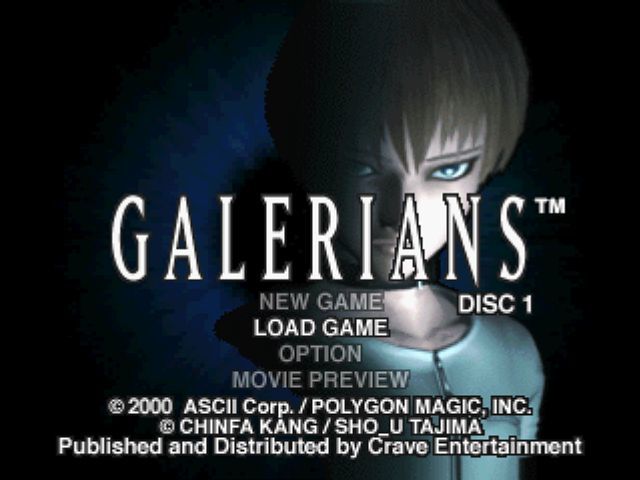
    So where did Galerians fit? Developed by Polygon Magic and published in the West by Crave Entertainment, the game wasn’t coming from the heavyweights. Crave was mostly known for mid-tier and niche projects — sports titles, racing games, even quirky experiments. But in the late ’90s, even they leaned into the horror trend, picking up Galerians because it stood out: no guns, no zombies, just psychic powers fueled by dangerous drug use.

    While the big publishers were polishing cinematic experiences, Crave doubled down on something raw and unsettling. It wasn’t the mainstream choice, but it gave Galerians its cult edge.


    My First Steps Into Galerians
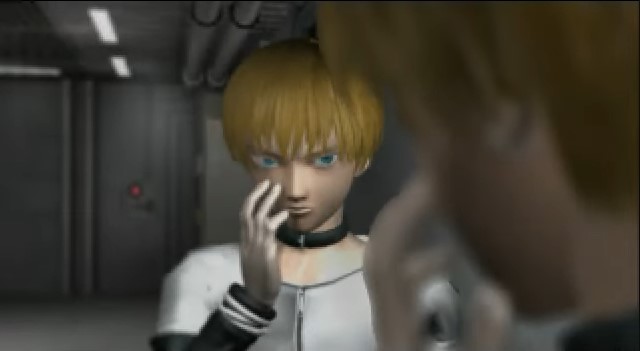
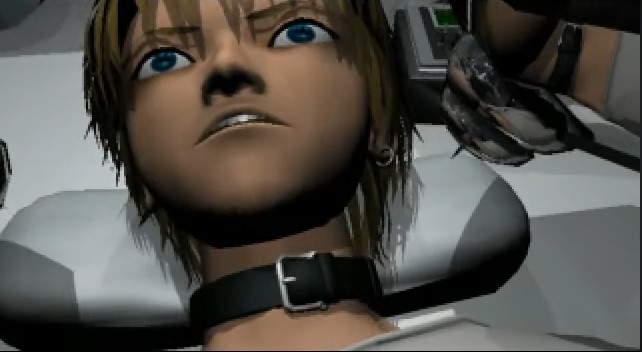
    Booting up Galerians for the first time was like waking up inside someone else’s nightmare. The screen fades in, and you’re just… there. A sterile hospital room, cold and empty, and you have no idea who you are or why you’re strapped into this world of machines.

    Then it happens: a girl’s voice inside your head.

    “Rion… help me… find me…”

    It’s faint, desperate, and unsettlingly personal. You don’t know her. You don’t even know yourself. But that voice becomes your compass, sparking your journey into the unknown. (Later, the game reveals this telepathic voice belongs to Lilia Pascalle, Rion’s childhood friend — but at the start, you only feel the mystery.)
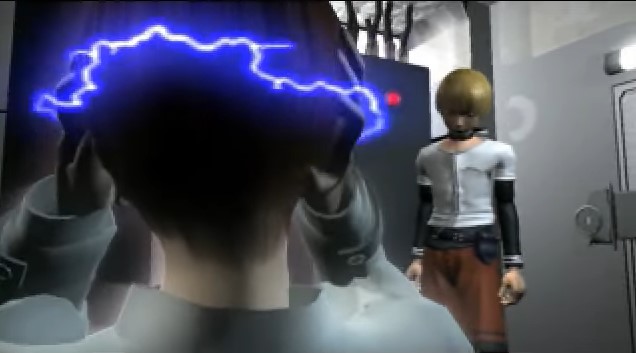
    And what a brutal start it is. Within minutes, I was already dying — overdosing on my own psychic powers, burning myself out with attacks I didn’t fully understand. Galerians didn’t want you to feel strong. It wanted you to feel fragile, broken, like a failed experiment stumbling forward.
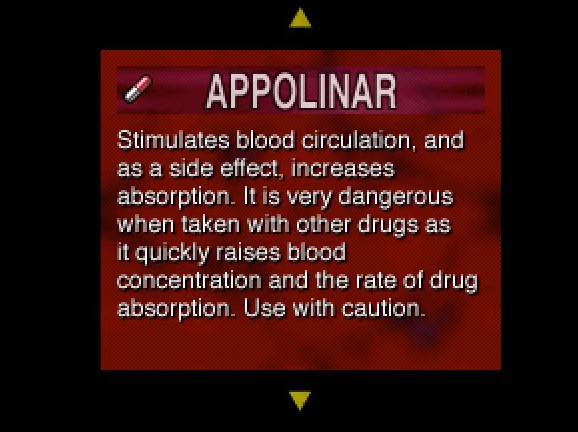
    Each scrap of the world you uncover — medical files, cryptic documents, and eerie computer logs — becomes your only guide. There are no quest arrows, no tutorials, just survival and that haunting voice urging you onward.


    Stages and Bosses
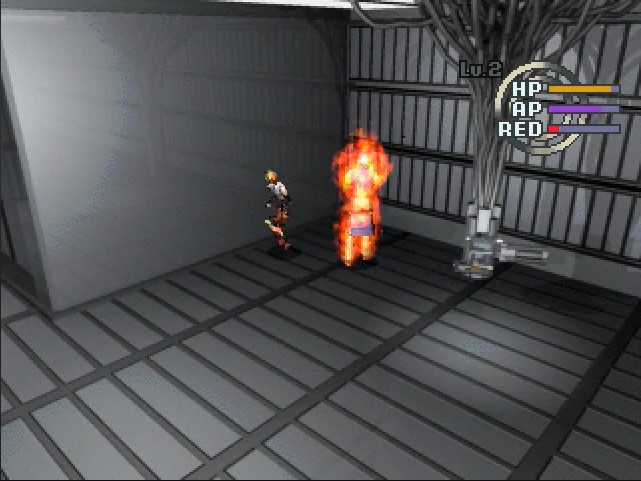
    What makes Galerians so distinct is how each stage feels like a test, both in difficulty and in theme:

    • Michelangelo Memorial Hospital – sterile halls filled with former caretakers turned threats, a twisted introduction to your fragile powers.
    • Rion’s House – once a place of safety, now twisted by confrontation with Birdman, one of Dorothy’s “children.”
    • Babylon Hotel – chaotic, stylish, and home to brutal encounters with Rainheart and Rita, psychic foes as unstable as you are.
    • Mushroom Tower – the final climb toward Dorothy, the cold, godlike AI that orchestrates your suffering.

    Each boss isn’t just an obstacle; they’re living embodiments of Dorothy’s experiments, mirrors of what Rion could become. The game’s final stage, drenched in sterile dread, leaves you exhausted both mechanically and emotionally — and that’s before the ending revelations about Rion’s true nature.


    Galerians: Rion (2002 CGI Movie)
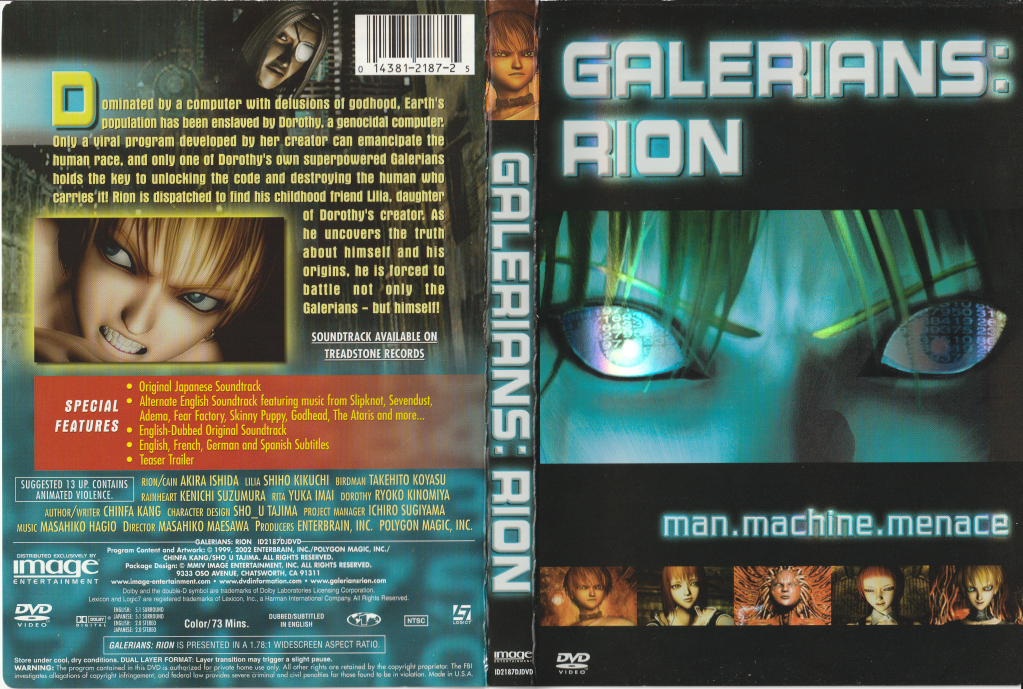
    A couple years later, fans got something unexpected: Galerians: Rion, a full CGI movie.

    Think Final Fantasy: The Spirits Within style visuals — glossy, cinematic, and way ahead of its time for such a niche horror property. The movie retold the first game’s story but streamlined it, cutting much of the exploration and emphasizing flashy psychic battles instead.
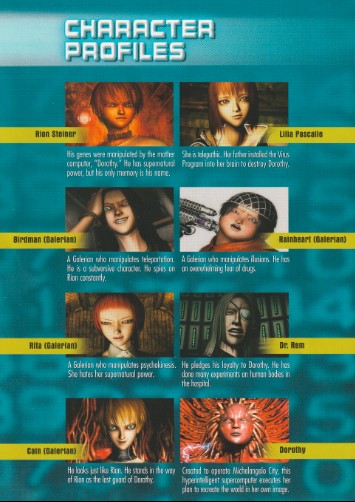
    The most controversial change was the ending. Where the PS1 game gave us one of the bleakest conclusions in survival horror, the film rewrote it to keep Rion alive — clearly paving the way for Galerians: Ash. For newcomers, it was a more digestible, “cleaned-up” retelling, but for players like me, it lost some of the raw edge that made the original unforgettable.


    2002–2003: Horror Evolves on PS2
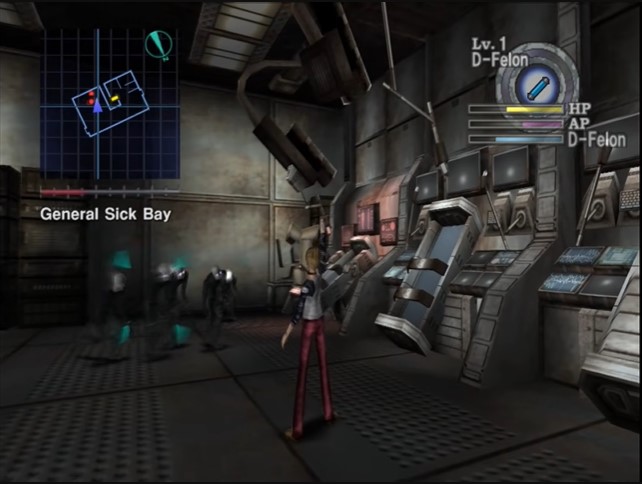
    By the time Galerians: Ash launched on PS2 (2002 in Japan, 2003 in the West), the genre had shifted. Survival horror wasn’t just popular — it was splitting into blockbusters vs. experiments.

    • Silent Hill 2 (2001) rewrote the rulebook for psychological horror.
    • Fatal Frame (2001) introduced ghost photography as combat.
    • Resident Evil Code: Veronica X (2001) and Resident Evil Zero (2002) kept Capcom’s dominance strong.
    • Clock Tower 3 (2002) and Siren (2003) tried bold, experimental AI-driven scares.

    Enter Sammy Studios, who published Ash outside Japan. Sammy, better known for arcade hits, was making a push into console publishing. Backing a cult sequel like Ash was a gamble — but one that kept Polygon Magic’s vision alive.

    In Ash, Rion returns to face Ash, Dorothy’s terrifying final “child.” The environments are bigger, the visuals cleaner, and combat more polished — but the mechanics of psychic dependency remain. If anything, the sequel leans harder into the disturbing edge of the original, at a time when most horror games were chasing cinematic prestige.


    Why the Galerians Series Faded
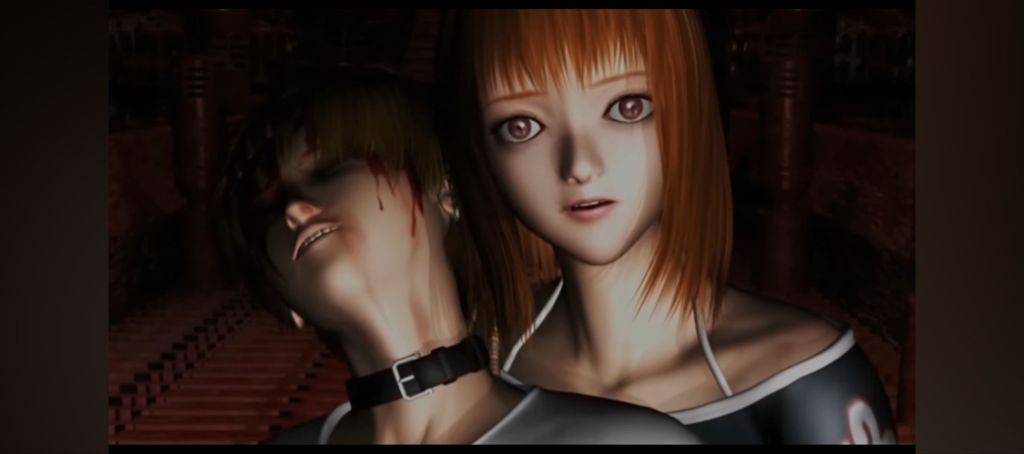
    Both Galerians and Ash were outsiders in their eras.

    • On PS1, Galerians got lost among juggernauts like Resident Evil and Silent Hill.
    • On PS2, Ash was overshadowed by games that redefined the genre’s future.

    But more importantly:

    • Drug dependency as gameplay – Brilliant but controversial.
    • Edgy, bleak storytelling – No power fantasy, just tragedy.
    • Cult status only – Without mainstream traction, the series couldn’t sustain sequels.

    That’s why, in my opinion, Galerians won’t ever get a revival. It’s too raw, too edgy, and too tied to mechanics modern publishers wouldn’t dare touch.


    Playing Galerians Today
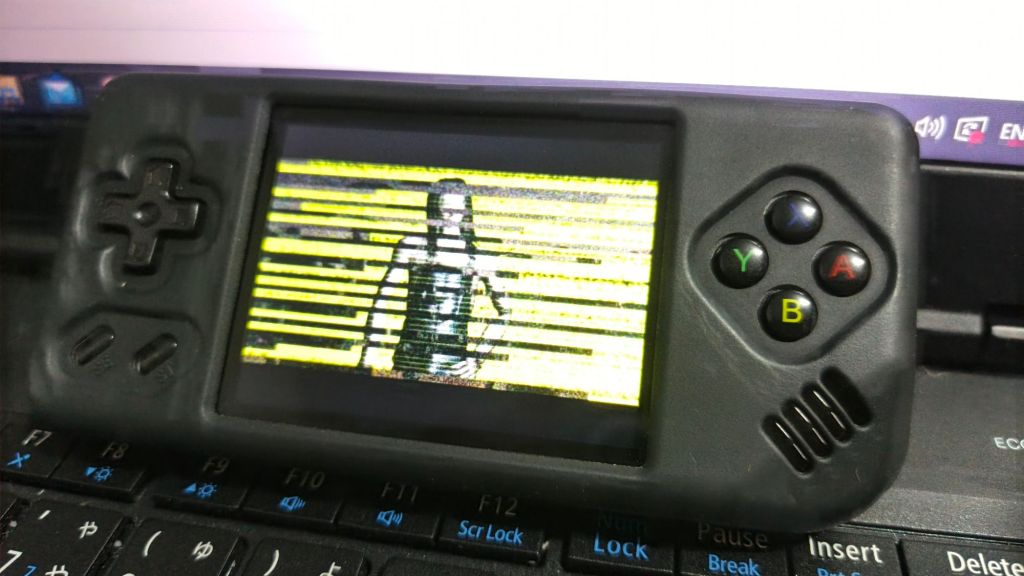
    Even if the series is gone, I still revisit it. My Miyoo Mini makes replaying Galerians on the go super nostalgic, though to be honest, I prefer my RG28XX most of the time — the horizontal form factor just feels better for those tricky trigger-based psychic powers.

    As for Ash, it’s comfortably sitting on my tablet and phone, where I chip away at it in short bursts. With Halloween around the corner, it’s the perfect time to step back into that bleak, oppressive world.


    Final Thoughts
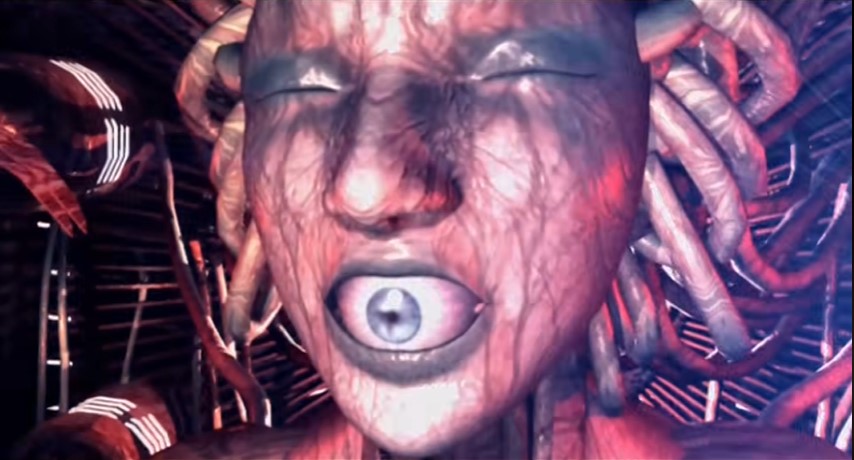
    Galerians may never return, but maybe that’s for the best. It burned bright in its moment, dared to go where few games would, and left behind something unforgettable. For me, replaying it now isn’t just nostalgia — it’s a reminder of when horror games weren’t afraid to disturb you, not just scare you.

    And honestly? In a genre packed with monsters and gore, I’ll take one tragic psychic teen overdosing his way through the apocalypse any day.
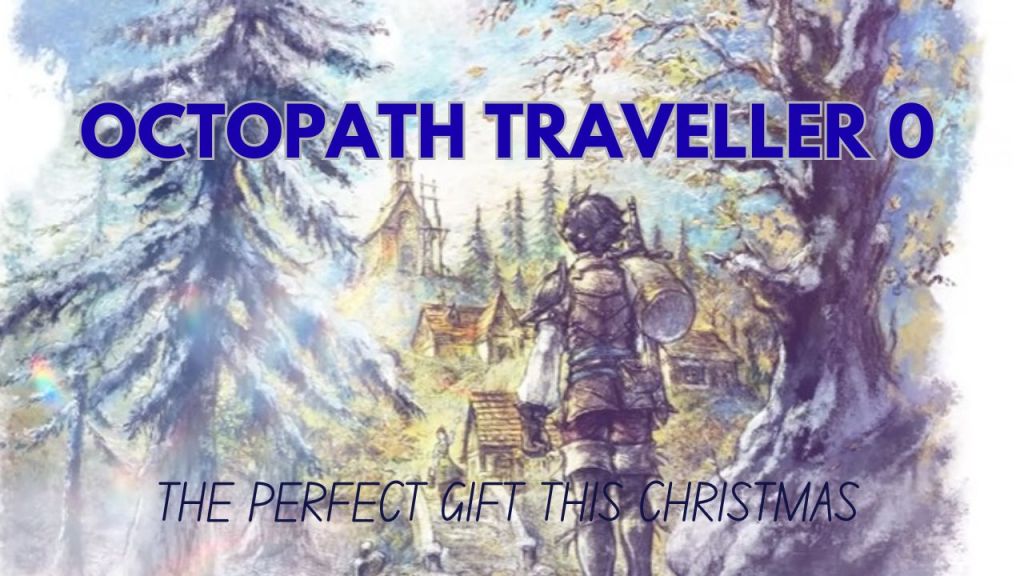
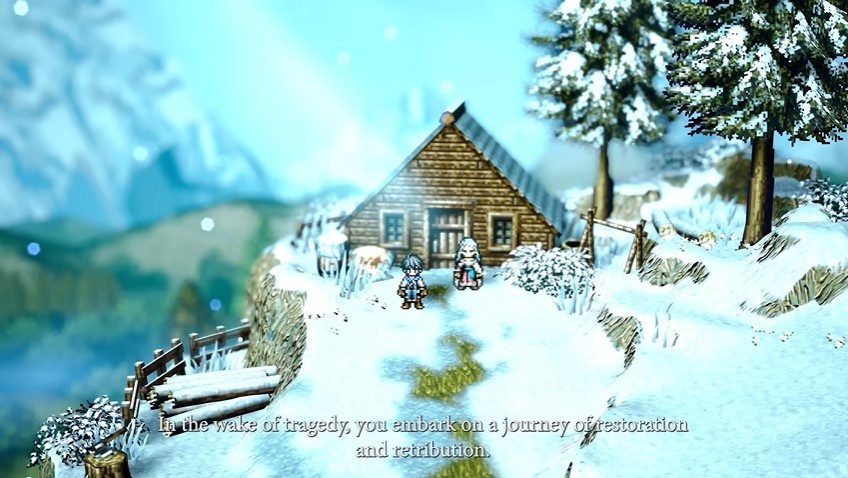
  • 🎄 Octopath Traveler 0: The JRPG Gift We’re Getting This Holiday 🎁

    🎄 Octopath Traveler 0: The JRPG Gift We’re Getting This Holiday 🎁

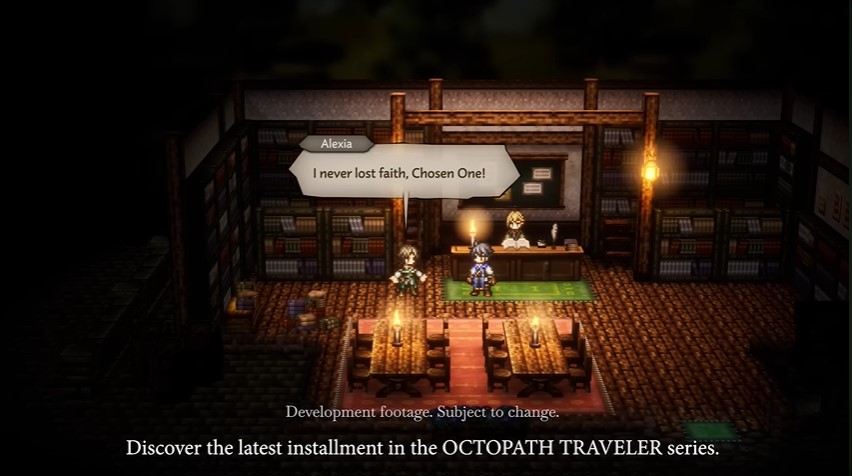
    Here’s some good holiday news for JRPG fans — Octopath Traveler 0 is officially releasing worldwide on December 4, 2025 for Nintendo Switch, Switch 2, PlayStation 5, PlayStation 4, Xbox Series X|S, and PC (Steam & Microsoft Store).

    I first got into Orsterra through Octopath Traveler: Champions of the Continent on mobile. Even if the series already had a big reputation thanks to the first Octopath Traveler back in 2018 on Switch (and later on PC, Xbox, and Stadia), CotC was my entry point. Honestly, it blew me away — not just because it was free-to-play, but because of how much heart it had.

    What really stuck with me wasn’t even the main story, but the character-driven side quests. With so many characters to meet and unlock, I found myself spending hours just following their stories instead of pushing the main plot. The gacha system? It didn’t bother me at all — the sheer number of characters made it feel like I always had something fresh to explore, and I never felt pressured to spend. Add in full voiceovers and an amazing soundtrack, and CotC became one of my favorite mobile RPG experiences.

    I played through three chapters before stepping away after the Solistia update dropped in May 2025. But now, with Octopath Traveler 0 on the horizon, I’m ready to dive back in.

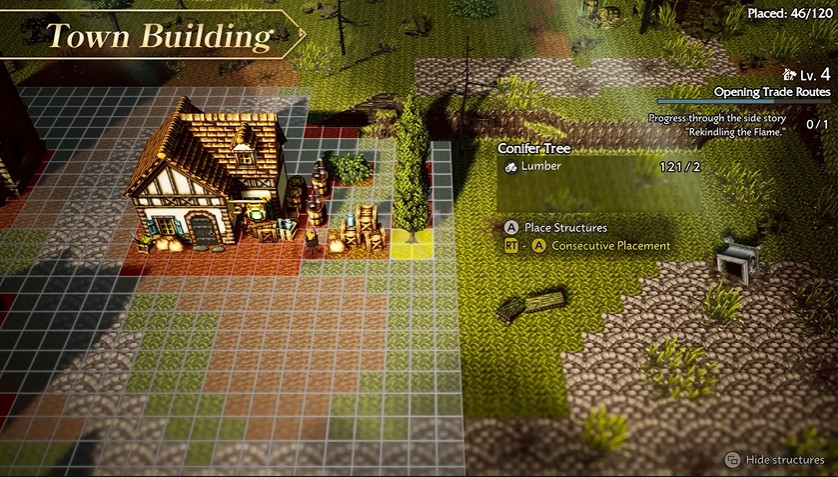
    This isn’t just CotC with the gacha stripped out — Square Enix is reimagining it as a premium, standalone JRPG. You’ll still build a party of eight, but now with more focus on creating your own custom protagonist, rebuilding the burned-down town of Wishvale, and pushing deeper into the series’ signature mix of tactical combat and branching stories.

    For me, Octopath Traveler 0 feels like a dream come true. Imagine a game that carries the spirit of Suikoden with its wide cast of recruitable characters, mixes in the Break & Boost combat system from CotC, and tops it off with pixel-style graphics that bring back memories of my old Final Fantasy favorites. It’s basically the perfect mix for the holidays — the kind of RPG I’d love to sink into with a cup of warm cocoa on a cold December night.

    And the timing? Perfect. Launching in December, it feels like Square Enix is setting Octopath Traveler 0 up to be the holiday JRPG event of the year. Hopefully, there won’t be any last-minute hiccups like what happened with Konami’s Suikoden I & II HD Remaster, which was supposed to drop in December but got pushed all the way to March.

    If you’ve been waiting for a story-driven JRPG without the gacha strings attached, Octopath Traveler 0 should definitely be in your holiday carts. This just might be the JRPG gift we all needed for 2025.

    🎅 Holiday Hype: Quick Facts on Octopath Traveler 0 🎄

    • Release Date: December 4, 2025 (worldwide)
    • Platforms: Nintendo Switch, Switch 2, PlayStation 5, PlayStation 4, Xbox Series X|S, PC (Steam & Microsoft Store)
    • Developer / Publisher: Acquire & Square Enix
    • Genre: Turn-based JRPG (premium, no gacha)
    • Story Setup: Starts in Wishvale, a burned town you’ll rebuild as part of your journey
    • Protagonist: Custom-created hero instead of 8 separate storylines
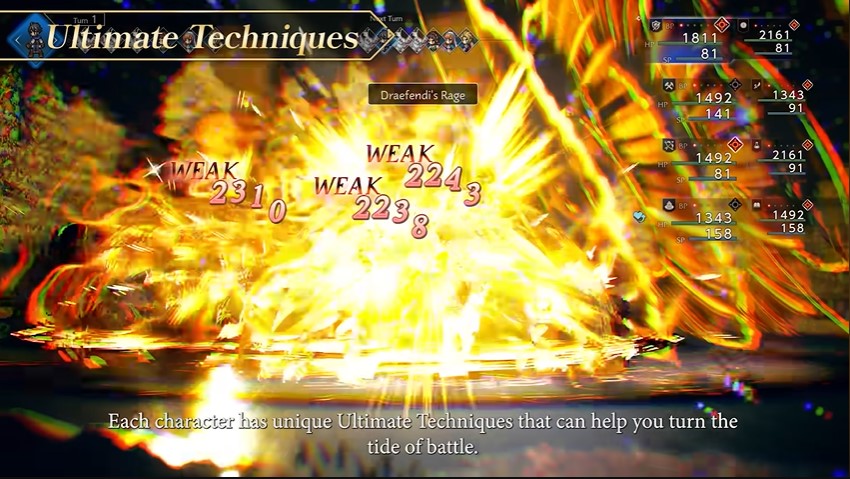
    • Combat: Break & Boost system returns, now with 8-character party battles
    • Town-Building: Place structures, recruit townsfolk, and expand your base
    • Presentation: Full voice acting, expanded soundtrack, and HD-2D pixel art visuals
    • Monetization: 100% premium, no gacha or RNG pulls

    🔥 I can already see this one being the perfect holiday binge — what about you? Planning to pick it up day one, or waiting to see first reviews?

  • A Beginner’s Guide to The Last Remnant’s Union System – Explained the Way I Understand It

    A Beginner’s Guide to The Last Remnant’s Union System – Explained the Way I Understand It

    Through the years, whenever my buddies ask me what game I’m grinding on my phone that feels long and epic, one of my top answers has been The Last Remnant Remastered on mobile.

    Now, don’t get it twisted—I’m no pro at this game. In fact, I’d still call myself a beginner even after all the hours I’ve sunk into it. But maybe that’s exactly why I want to talk about it. Because when I first picked it up, I was just as lost as anyone else, especially with the game’s biggest curveball: the Union System.

    This is my take on it—not as an expert, but as someone who slowly figured things out and wants to make it a little less confusing for the next beginner diving in.

    So What’s the Deal With the Union System?

    Before The Last Remnant, JRPGs mostly stuck to familiar formulas:

    • Classic Turn-Based (like Dragon Quest or Final Fantasy I–X) → You control each character one by one, pick from “attack, magic, item, defend,” and watch the turns play out. Simple and reliable.
    • ATB – Active Time Battle (popularized by Final Fantasy IV–IX) → Each character has a gauge that fills in real time. When it’s full, you act. It added pressure and speed to the turn-based formula.
    • FFXII’s Gambit System (2006) → This one let you pre-program AI behavior, like “if ally HP < 50%, then cast Cure.” It was revolutionary for letting battles play out more automatically but still under your rules.

    And then along comes The Last Remnant. It said: “Forget controlling individuals—what if you controlled squads instead?”

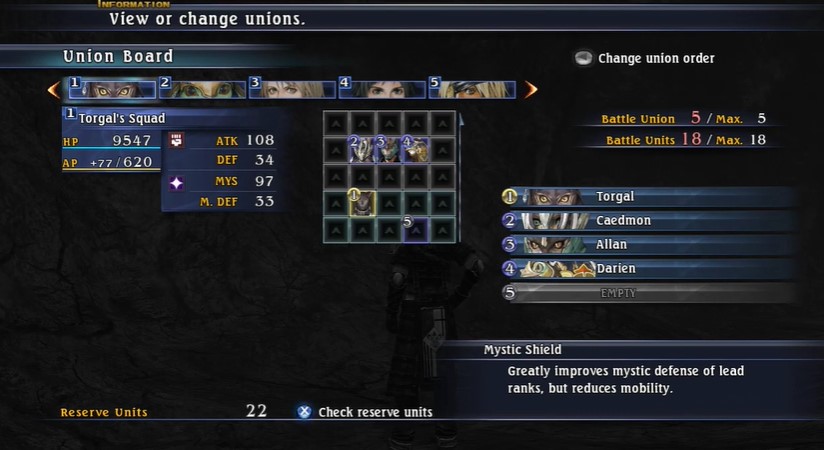
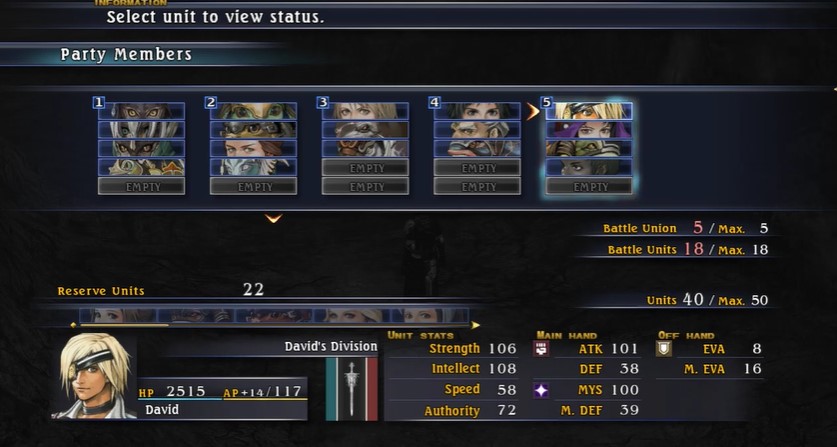
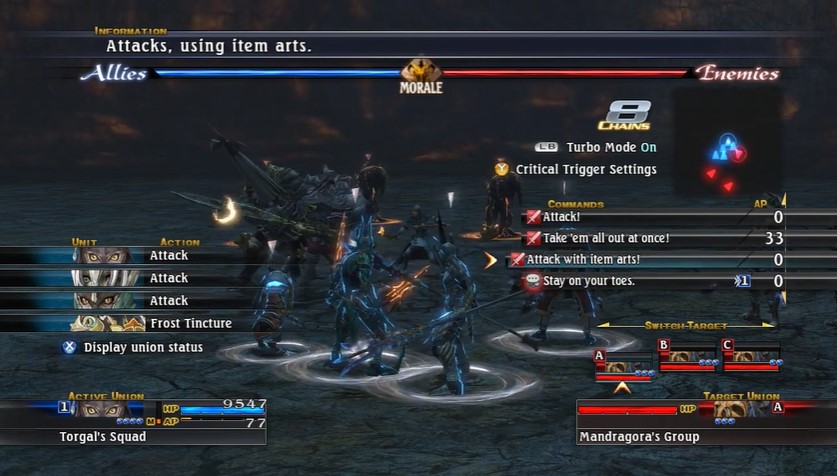
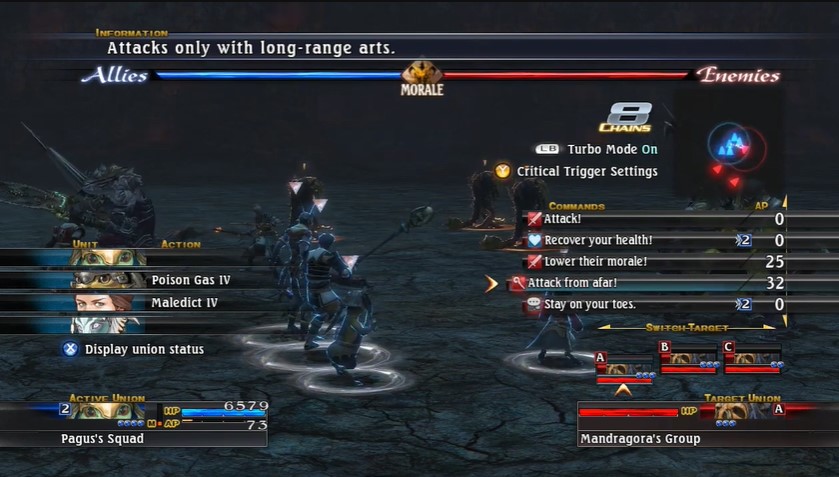
    That’s the Union System. Instead of giving commands to each party member, you organize them into unions (basically mini-teams). You don’t pick every spell or attack. You issue orders to the entire squad, and they act as one.

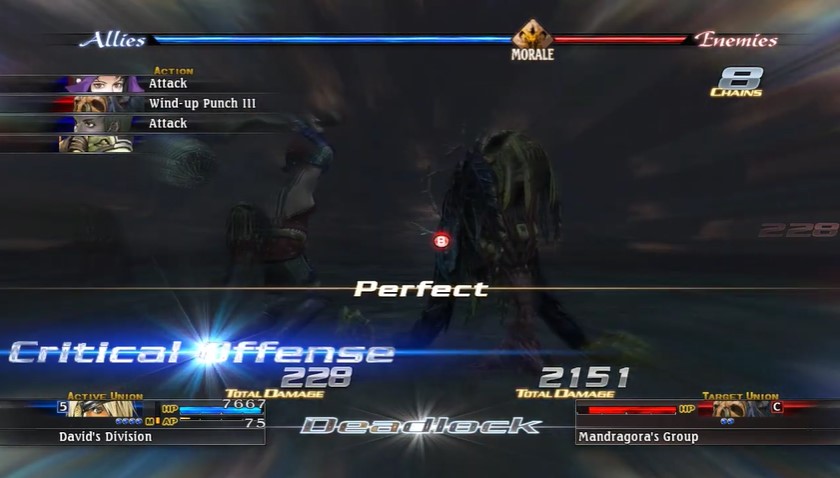
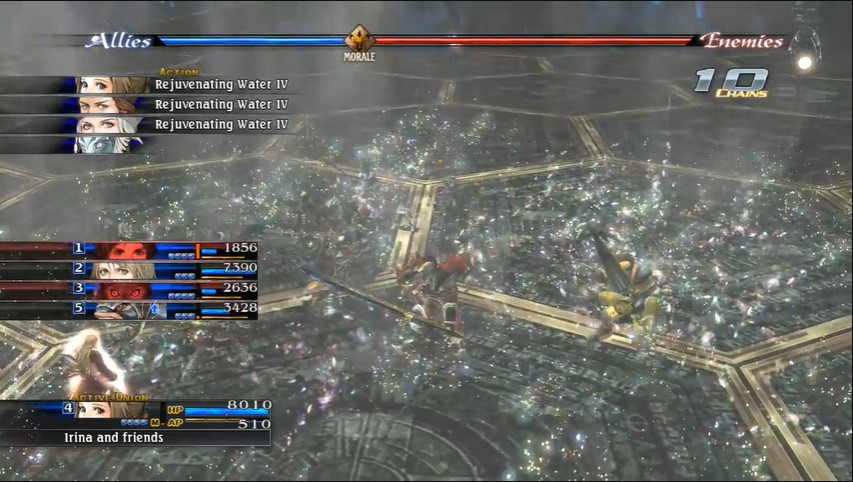
    This flipped combat into something totally different. Suddenly, you’re less like a hero leading a party and more like a commander directing armies. Positioning, morale, and squad synergy mattered just as much as raw stats.

    For some players, that shift felt groundbreaking. For others—me included when I first tried it—it felt confusing as hell.

    The Flow of Battle – What You Do Before You Even Swing

    The real fight doesn’t start when you press “attack”—it starts in how you set up your unions. As a beginner, this part felt overwhelming to me because you have to think about:

    • Who leads each union (leaders bring skills and arts)
    • Who fills the squad (soldiers add stats and stability)
    • What formation you’re using (offensive, defensive, or balanced setups)

    And then, once you’re in a dungeon or field, you also have to pay attention to enemy groups. Do you charge them head-on? Try to flank? Or split your unions to keep them from surrounding you?

    This whole “prep before action” makes fights feel more like mini war puzzles. If you mess up the setup, the battle feels 10x harder no matter how strong your characters are.

    Commands – The Clear and the Confusing Ones

    Once the fighting actually starts, the game gives you commands for your unions. Some are straightforward and easy to understand:

    • Attack with combat arts! → your melee moves
    • Attack with mystic arts! → your spells
    • Heal with remedies! → your items and recovery

    But then you get the vague stuff like:

    • Play it by ear
    • Go all out!
    • Wait and see

    And here’s where the frustration kicks in. As a beginner, I remember just staring at those and going, “What am I actually telling my squad to do?”

    How I Learned to Read the Vague Commands

    After a lot of trial and error (and a few rage quits), here’s how I’ve come to understand those vague orders:

    • Play it by ear → Think of it as “do what makes sense.” The union might attack, heal, or buff depending on the situation. Good for balanced teams.
    • Go all out! → Pure offense. They’ll blow AP, use their strongest moves, and ignore healing. Best for when the enemy’s on the ropes.
    • Wait and see → Defensive or conserving mode. They’ll defend, poke with weak moves, or just save AP. Use it when you’re setting up or trying to survive.
    • Save them no matter what! → Your emergency revive/heal button. Everyone drops offense to bring allies back.
    • Keep your HP up! → Focuses on healing and survival above all else.

    Once I started thinking of them like battle moods instead of strict commands, they made a lot more sense.

    Strategy – When to Use What

    Here’s my beginner advice on using these commands without losing your mind:

    • Use “Play it by ear” for balanced unions that can attack and heal. It gives the AI room to adapt.
    • Use “Go all out” when you know you’re safe or you just need raw damage to push through.
    • Use “Wait and see” to stall or when you’re trying to build AP for big moves later.
    • Use “Save them no matter what” sparingly, because sometimes it wastes turns if no one is actually down.
    • Use “Keep your HP up” when facing tough bosses or multiple enemy unions that can shred you in a turn.

    It’s not perfect—you’ll still sometimes scream at your squad for making dumb choices—but it’s part of the chaos that makes this system fun.

    Wrapping It Up – Why I Still Recommend This Game

    Here’s the truth: The Last Remnant is still hard to understand, even today. If you’re new, the Union System will feel overwhelming and the vague commands will confuse you. But once you get past that hump? The game transforms. Battles feel bigger, strategies feel deeper, and experimenting with different unions actually becomes addictive.

    That’s why I keep it on my phone. I’ve spent hours tweaking squads, retrying fights, and just enjoying the controlled chaos of this system. And yeah, the mobile remaster costs around $19.99, which isn’t exactly cheap. But for me? If I dropped twenty bucks and didn’t play it, that would be the real waste.

    So I keep coming back. And maybe that’s the magic of The Last Remnant: it doesn’t hold your hand, but once you start to get it, you’ll want to stick around and keep learning.

  • 5 Most Iconic JRPGs on the SNES (In My Opinion)

    5 Most Iconic JRPGs on the SNES (In My Opinion)

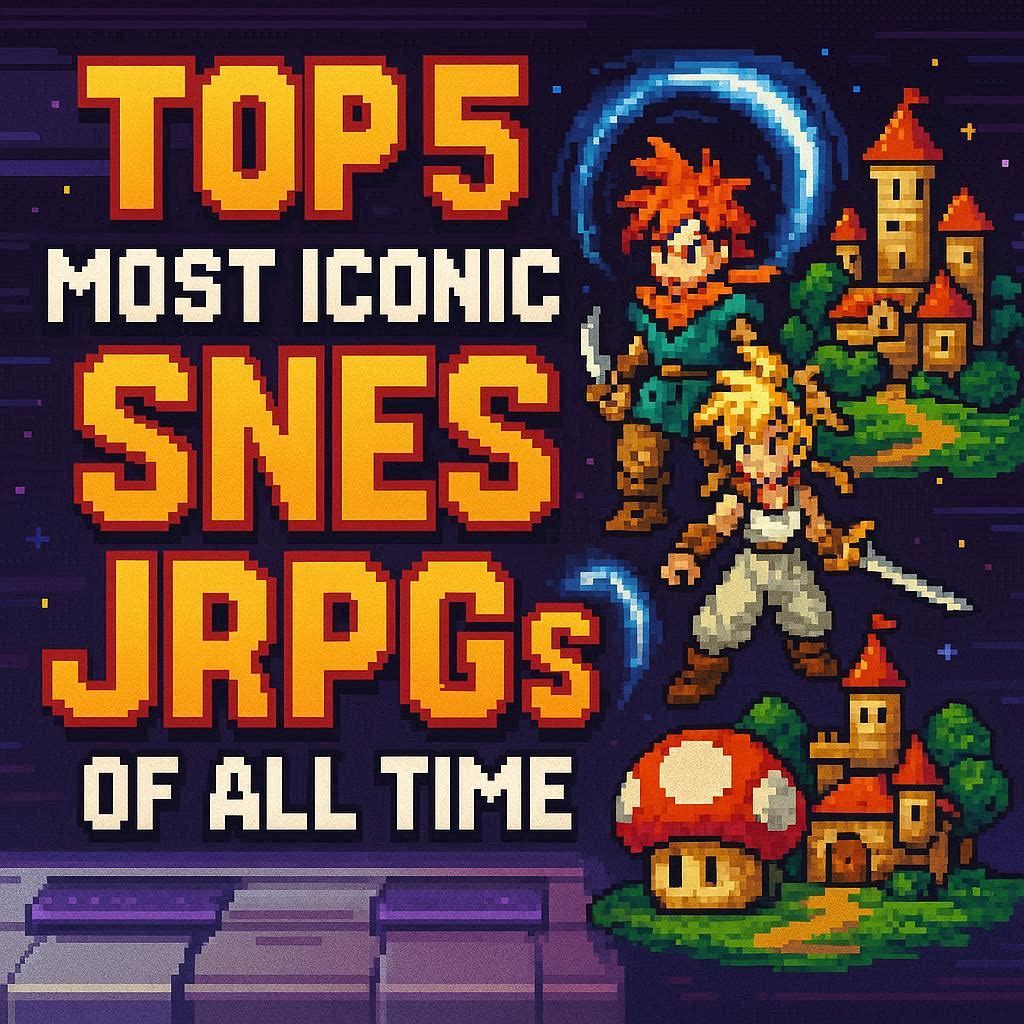
    When people talk about the golden age of JRPGs, the SNES almost always comes up—and for good reason. The 16-bit era was a time when RPGs weren’t just about grinding levels or saving the princess. Developers were experimenting, pushing boundaries, and proving that games could be more than simple adventures.

    Chrono trigger for Snes

    The SNES gave us innovative gameplay systems, like real-time combat, combo attacks, and even multiplayer RPG experiences. Its sound chip allowed composers to create some of the most memorable video game soundtracks ever made, from sweeping orchestras to catchy battle themes that still stick in your head today. Most importantly, it was an era where storytelling in games matured. We saw deeper characters, emotional twists, and moments of drama that rivaled books and movies—and that legacy is still felt in modern RPGs to this very day.

    So with all that in mind, here’s my personal top 5 most iconic JRPGs on the SNES—counting down from 5 all the way to my number 1 pick.

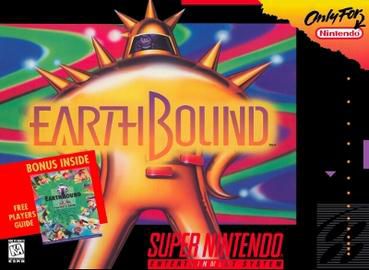
    5. EarthBound (1994)

    EarthBound box cover: Developed by Ape and HAL Laboratory, released in 1994.

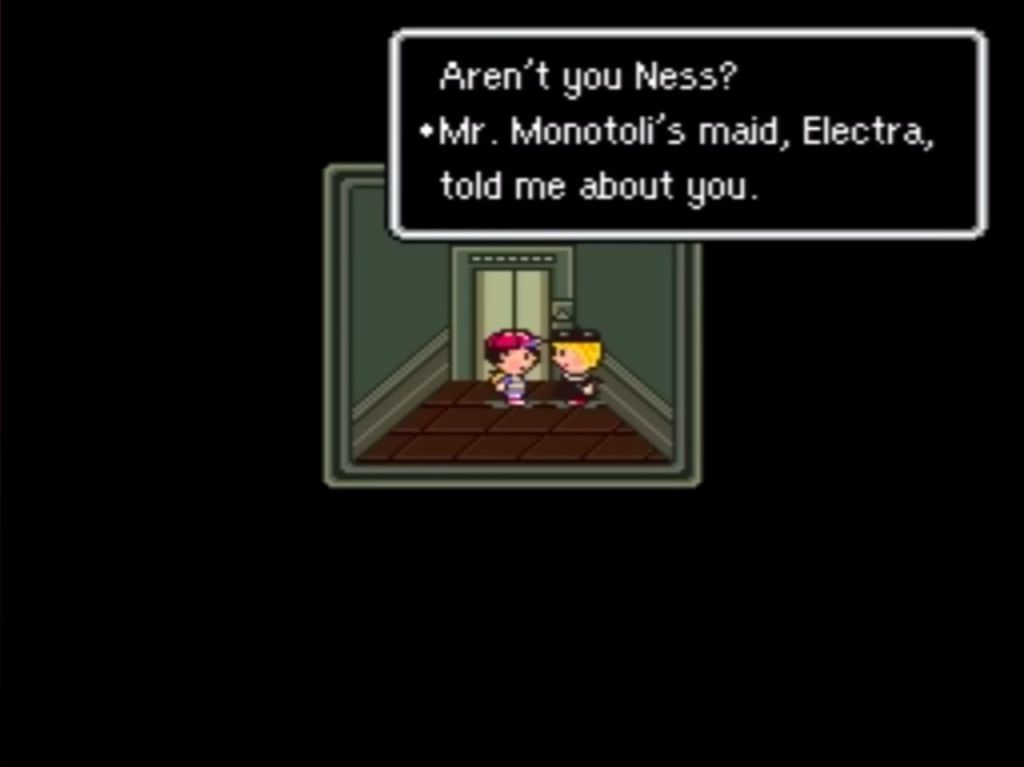
    At first glance, EarthBound looks silly. Kids fighting aliens with yo-yos and frying pans? But the deeper I went, the more I realized how smart and emotional this game really was. It’s funny, it’s weird, and it sneaks in life lessons when you least expect it.

    Earthbound gameplay

    💭 What I took away: EarthBound taught me that heroes don’t always need swords or armor. Sometimes courage comes in the simplest forms—friendship, family, and a belief that even ordinary kids can do extraordinary things.

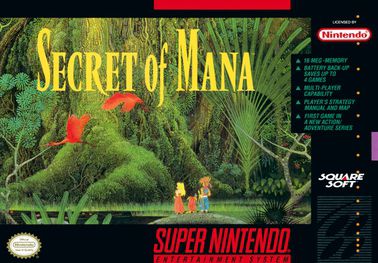
    4. Secret of Mana (1993)

    Secret of Mana, developed by Square Co., Ltd., released in 1993.

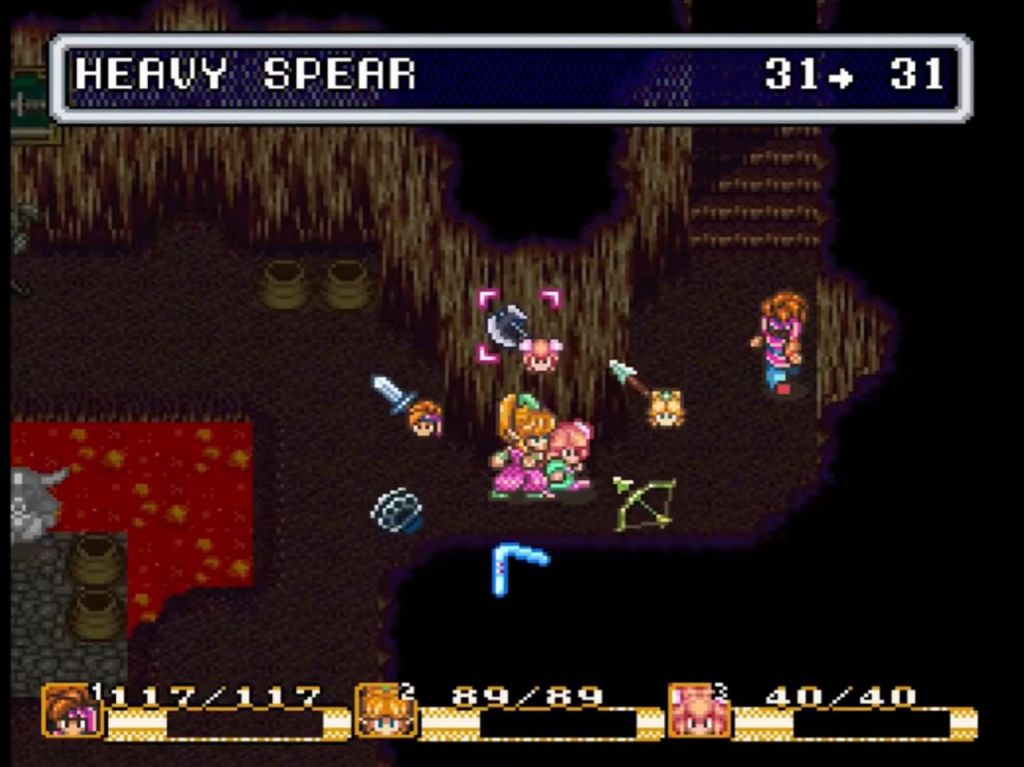
    I’ll never forget the first time I played Secret of Mana. The real-time combat felt alive compared to turn-based RPGs, and being able to share the adventure with friends was special. The bright world and enchanting soundtrack gave it a fairy tale quality.

    But what really stuck with me wasn’t just the combat or the music—it was the relationships. Traveling with the Girl and the Sprite made the journey feel alive, like I was part of a small family fighting through impossible odds. And when the story forced me to deal with loss, it hit me harder than I expected. That bond I’d built with the characters made it feel personal, and it’s one of the first times a game really made me feel that kind of emotional weight.

    Secret of mana Snes gameplay

    💭 What I took away: The story reminded me that even victories can come with sacrifice. It taught me that saving the world often means letting go, and that true strength is sometimes about moving forward despite loss.

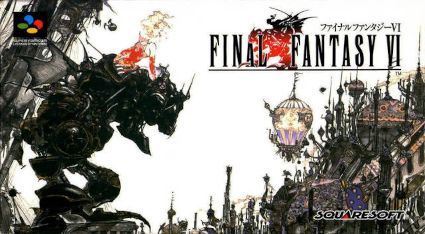
    3. Final Fantasy VI (1994)

    Final Fantasy VI for the SNES was developed by Square (now Square Enix) and released in Japan on April 2, 1994, and in North America on October 11, 1994

    This is one of the most ambitious RPGs I’ve ever played. A huge cast, an unforgettable villain, and moments that proved games could carry just as much weight as movies or novels.

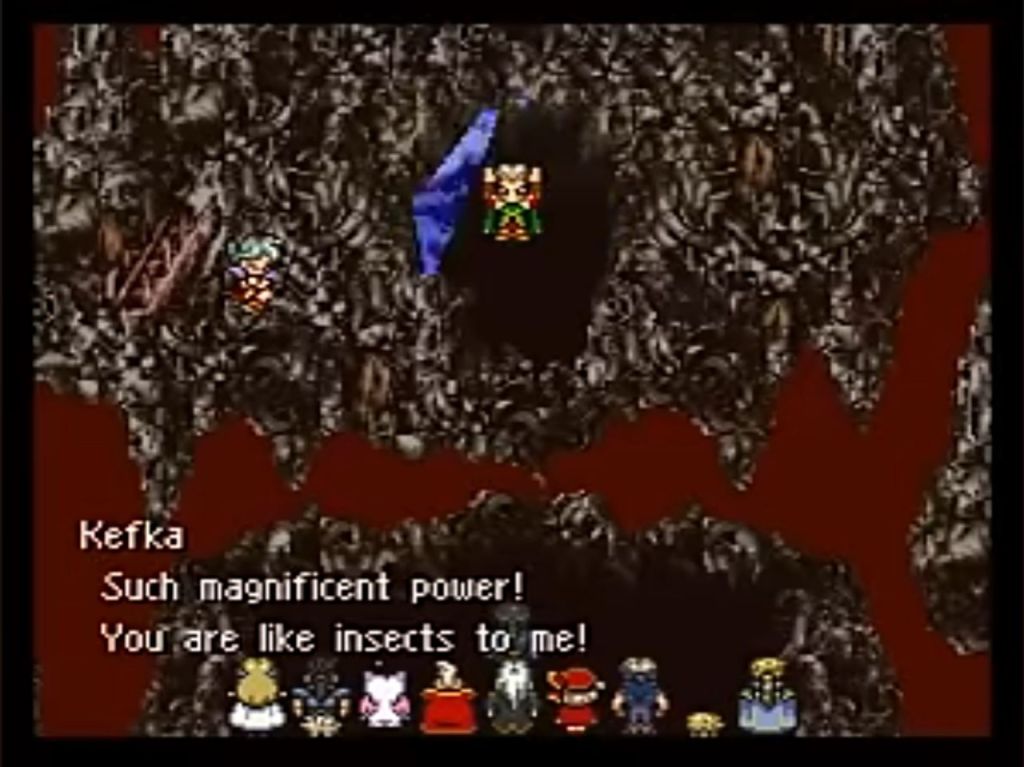
    And then there’s Kefka. Growing up, he honestly terrified me. At first, his clownish personality and over-the-top antics seemed funny—but the more the story unfolded, the more those moments felt chilling. He wasn’t just another villain with a plan; he was completely unhinged, unpredictable, and capable of things I didn’t think a video game character could do back then. Even now, looking back, those “comedic” moments just make his cruelty stand out more.

    Final Fantasy VI Kefka Bossfight

    💭 What I took away: For me, Final Fantasy VI is about hope. No matter how broken the world feels, or how overwhelming despair can be—even when someone like Kefka is pulling the strings—people can come together, rebuild, and find meaning again. That message stuck with me long after the credits rolled.

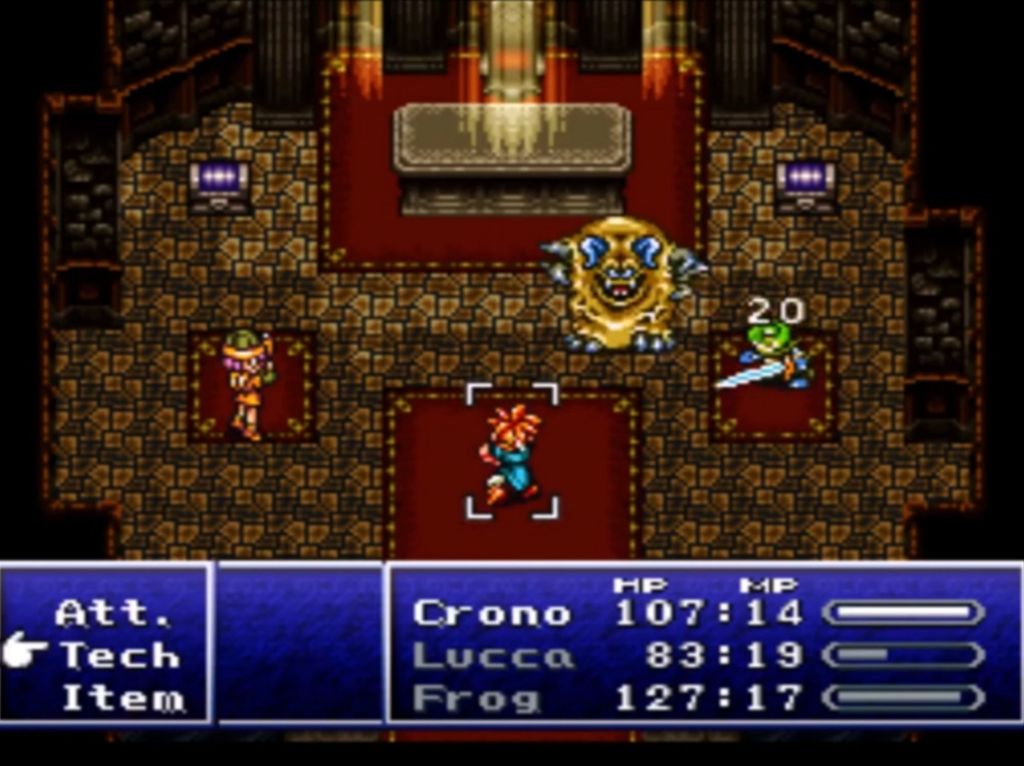
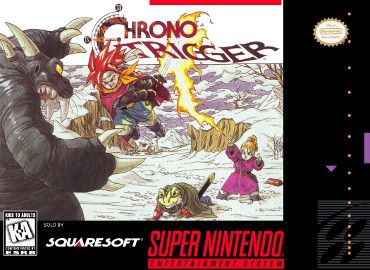
    2. Chrono Trigger (1995)

    Chrono Trigger for the Super Nintendo Entertainment System (SNES) was developed by Square and released in Japan on March 11, 1995, and in North America on August 22, 1995 .

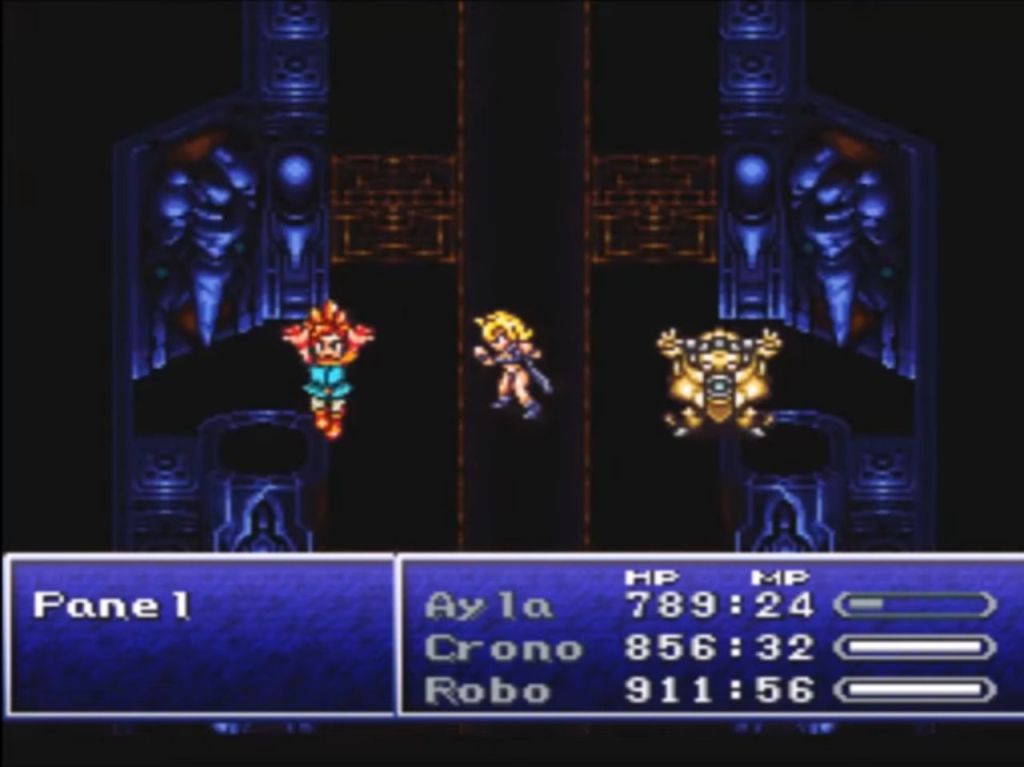
    Chrono Trigger is legendary for a reason. Time travel, branching choices, and combat that encouraged creative teamwork—it was ahead of its time. Every jump into the past or future made me feel like I was carrying the weight of history on my shoulders.

    Chrono trigger snes gameplay

    💭 What I took away: This game taught me that our choices matter. Even the smallest decisions can ripple across time and change everything. It reminded me to value every moment, because what we do today shapes tomorrow. Well, that and if you drop your grades the time you binge play Chrono trigger on weekends, you’re guaranteed to let your parents revoke gaming weekends altogether.

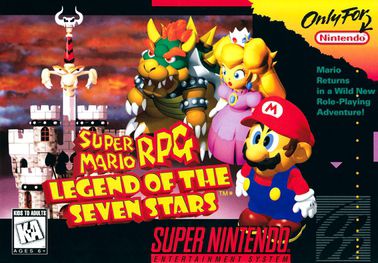
    1. Super Mario RPG: Legend of the Seven Stars (1996)

    Super Mario RPG for the SNES was developed by Squaresoft and published by Nintendo.

    My number one might surprise some people, but for me, it’s Super Mario RPG. Back then, the idea of Mario in an RPG felt impossible—but somehow, Nintendo and Square pulled it off. The humor, the button-timed combat, the quirky original characters—it was pure magic.

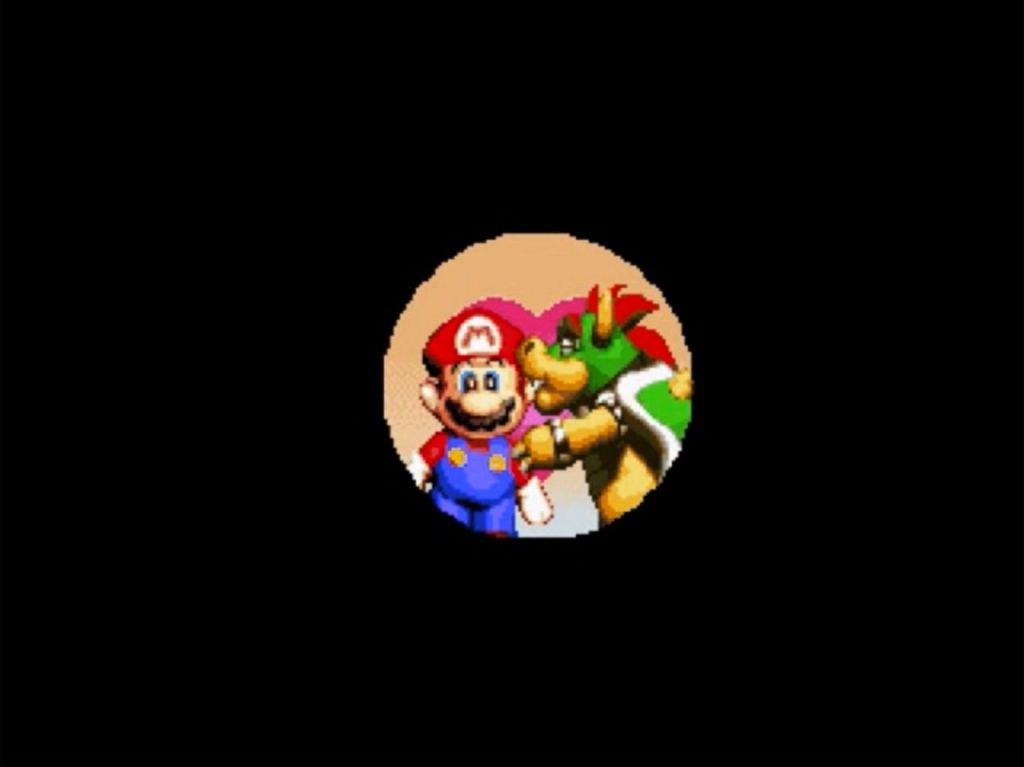
    One of the things that stood out to me the most was Bowser. Before this game, he was always just the silent, menacing villain who kidnapped Peach over and over again. But here, he was fleshed out like never before. His bossy antics, his over-the-top pride, and the way he reluctantly teamed up with Mario gave him a lovable side I never expected. Even when I play later Mario RPG titles, I sometimes miss that version of Bowser—the grumpy but endearing ally who added so much personality to the party.

    And then there’s Smithy. He may not be as famous as Kefka or Lavos, but as a kid, he left a strong impression on me. His factory world felt so different from anything I’d seen in a Mario game, and his sheer power made him feel like a true final boss. For me, he was proof that this wasn’t just a silly Mario spin-off—it was a real RPG with stakes.

    Another reason it’s my top pick is a little more personal—I once made a full walkthrough and guides online for this game. Sadly, the site’s gone now, but maybe one day I’ll make another one—this time in my own writing style—for the Super Mario RPG Remaster on the Switch.

    💭 What I took away: This game showed me that even familiar heroes like Mario can grow beyond what we expect. And Bowser, of all characters, reminded me that people (or villains) can surprise us if we give them the chance. It taught me to appreciate new sides of things I thought I already knew, and that sometimes the most unlikely team-ups make for the best adventures.

    Final Thoughts

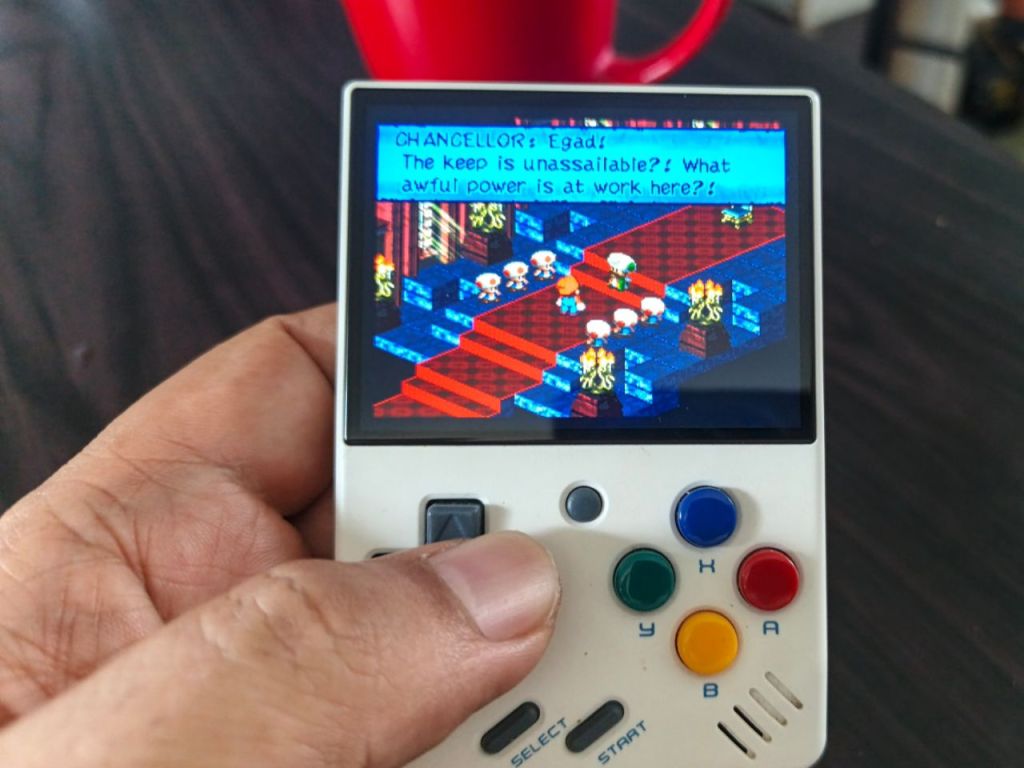
    Currently playing Super Mario Armaggedon. Romhack on my Miyoo Mini

    The SNES library is full of unforgettable RPGs, and picking just five wasn’t easy. Each one not only pushed gameplay and storytelling forward, but also left me with lessons I still think about today.

    And while I didn’t grow up playing most of these on the original SNES, I’ve been revisiting them through emulators and most recently on my Miyoo Mini. The Miyoo’s small ergonomics actually fit perfectly for one-handed play, so I often catch myself holding it in one hand and still enjoying these classics just fine. Honestly, I think these are some of the must-play games on the Miyoo Mini—it’s a perfect way to relive the magic of these iconic JRPGs today.

Design a site like this with WordPress.com
Get started