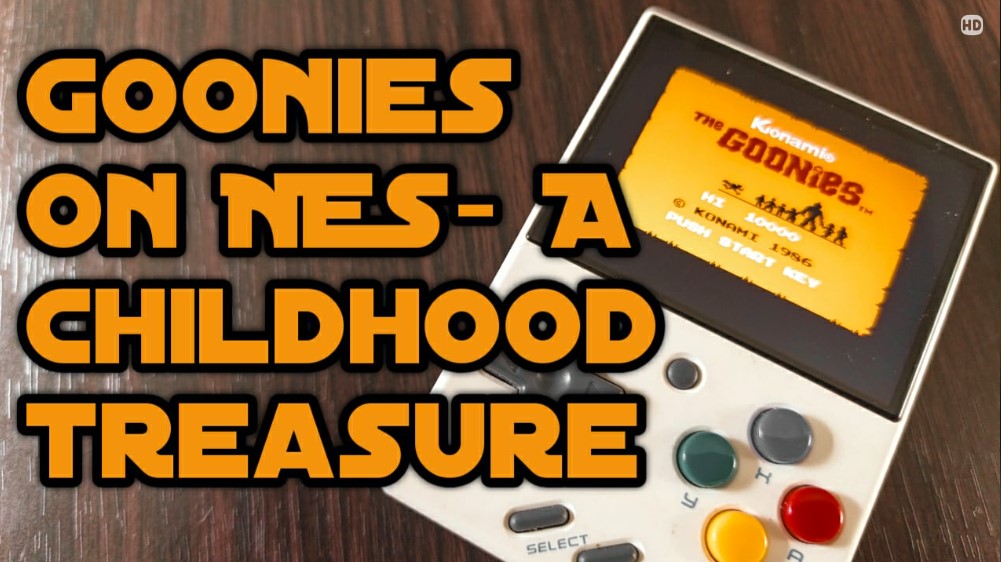
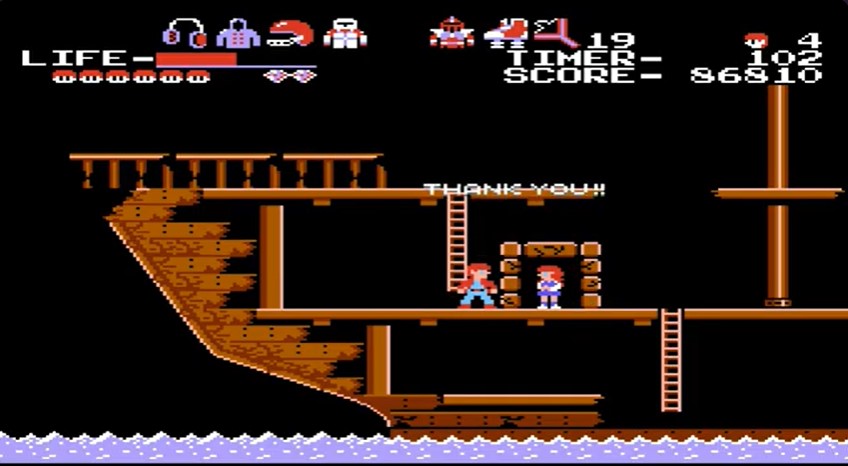
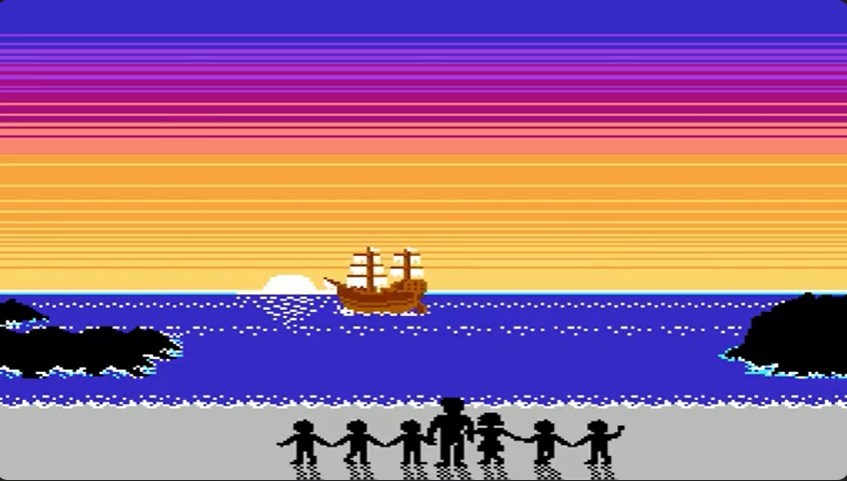
Growing up, one of the most-played games of my childhood was The Goonies on the NES. At the time, I had no idea it was connected to a movie. To me, it was just this mysterious little game with unforgettable music and fun gameplay. Even now, whenever I hear that chiptune intro theme, I’m instantly brought back to being seven or eight years old, sitting in my living room with my cousins, taking turns until we finally beat it.
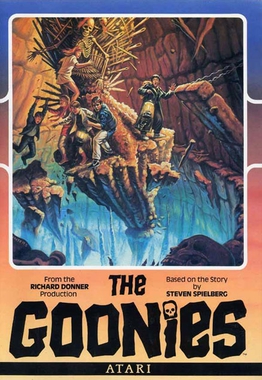
Konami developed and released the game in 1986, based on the 1985 movie. The strange part is that while the game came out on the Famicom in Japan, it never got a normal NES release in North America. Instead, many players only ever discovered the sequel, The Goonies II. But for me, this first game was the one that left a mark.
Controls and Objectives
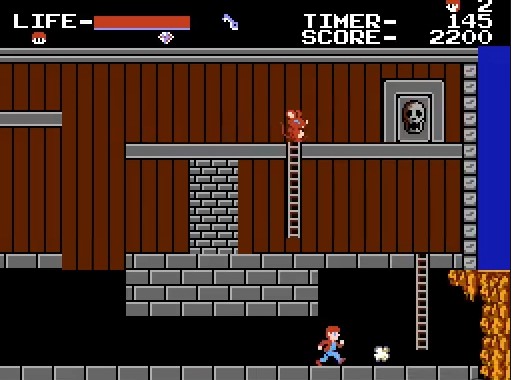
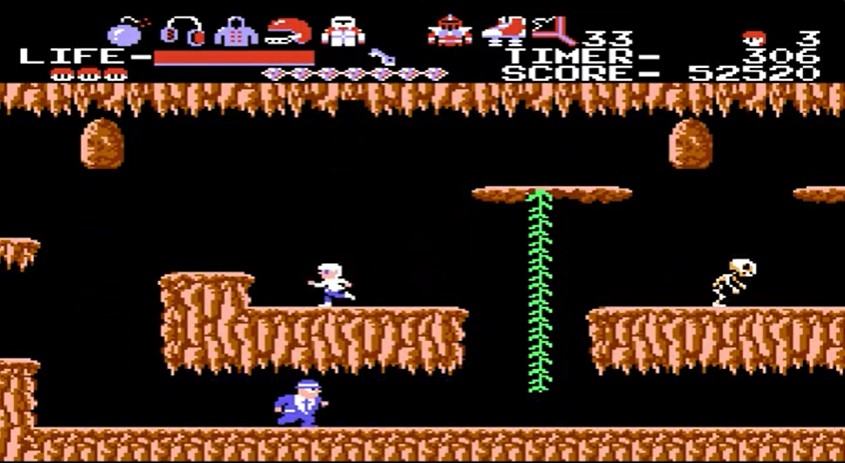
The beauty of The Goonies is how simple it is to pick up and play. You move Mikey with the D-pad, jump with A, and attack or place bombs with B. Each level has a clear goal:
Collect three keys to unlock the exit.
Rescue a captured Goonie hidden somewhere in the stage.
Survive enemies like bats, skeletons, rats, and of course the Fratellis.
That’s it — no long cutscenes, no walls of text, just pure action.
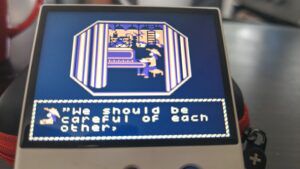
This is also why it feels perfect on the Miyoo Mini’s 2.8-inch screen. The game doesn’t rely on lots of text, so there’s nothing tedious to read. The NES’s simple A and B button layout matches the Miyoo Mini perfectly, making the game feel like it was made for handheld play.
The Nostalgia Factor
When I was a kid, I used to think the rats in this game were actually the size of children. They looked so huge and scary to me on the TV screen. Looking back, the graphics are pretty basic, but the way the game combined its music, enemies, and level design made it feel larger than life.
The difficulty also felt enormous at that age. What seems like a simple loop today — jump, bomb, collect, rescue — was one of the hardest games I had ever played as a kid. But that’s part of what made it so special.
And of course, what I remember most isn’t just the game itself but the feeling around it: the old TV buzzing in the living room, my cousins sitting beside me, all of us determined to beat the game together. That memory is what makes The Goonies stand out among all the other NES platformers.
Final Thoughts
Although there are many NES platformers that are just as good, or even better, The Goonies will always be one of my personal favorites. Not because it’s the most polished, but because it carries so many of my childhood memories.
I haven’t played The Goonies II, but for me, this first game feels just right. And playing it today on my Miyoo Mini is enough to keep that nostalgic spark alive. The Goonies is just one of many great platformers on the NES — but for me, it’s one of the most unforgettable.
When people talk about the golden age of JRPGs, the SNES almost always comes up—and for good reason. The 16-bit era was a time when RPGs weren’t just about grinding levels or saving the princess. Developers were experimenting, pushing boundaries, and proving that games could be more than simple adventures.
Chrono trigger for Snes
The SNES gave us innovative gameplay systems, like real-time combat, combo attacks, and even multiplayer RPG experiences. Its sound chip allowed composers to create some of the most memorable video game soundtracks ever made, from sweeping orchestras to catchy battle themes that still stick in your head today. Most importantly, it was an era where storytelling in games matured. We saw deeper characters, emotional twists, and moments of drama that rivaled books and movies—and that legacy is still felt in modern RPGs to this very day.
So with all that in mind, here’s my personal top 5 most iconic JRPGs on the SNES—counting down from 5 all the way to my number 1 pick.
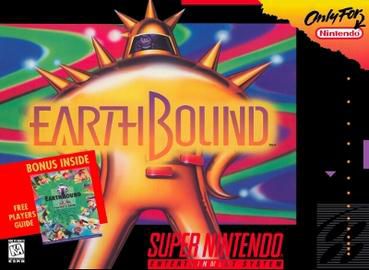
5. EarthBound (1994)
EarthBound box cover: Developed by Ape and HAL Laboratory, released in 1994.
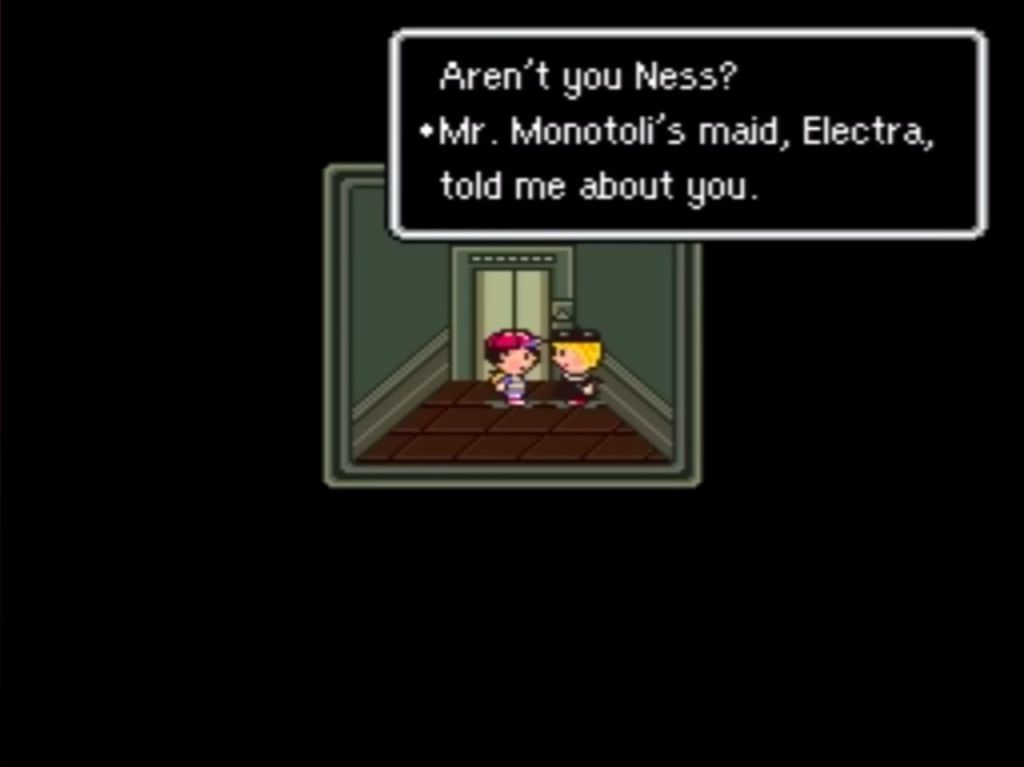
At first glance, EarthBound looks silly. Kids fighting aliens with yo-yos and frying pans? But the deeper I went, the more I realized how smart and emotional this game really was. It’s funny, it’s weird, and it sneaks in life lessons when you least expect it.
Earthbound gameplay
💭 What I took away: EarthBound taught me that heroes don’t always need swords or armor. Sometimes courage comes in the simplest forms—friendship, family, and a belief that even ordinary kids can do extraordinary things.
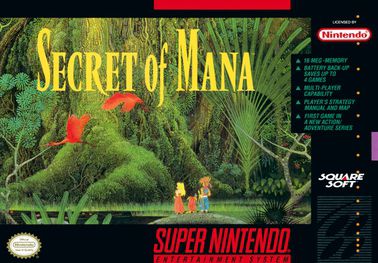
4. Secret of Mana (1993)
Secret of Mana, developed by Square Co., Ltd., released in 1993.
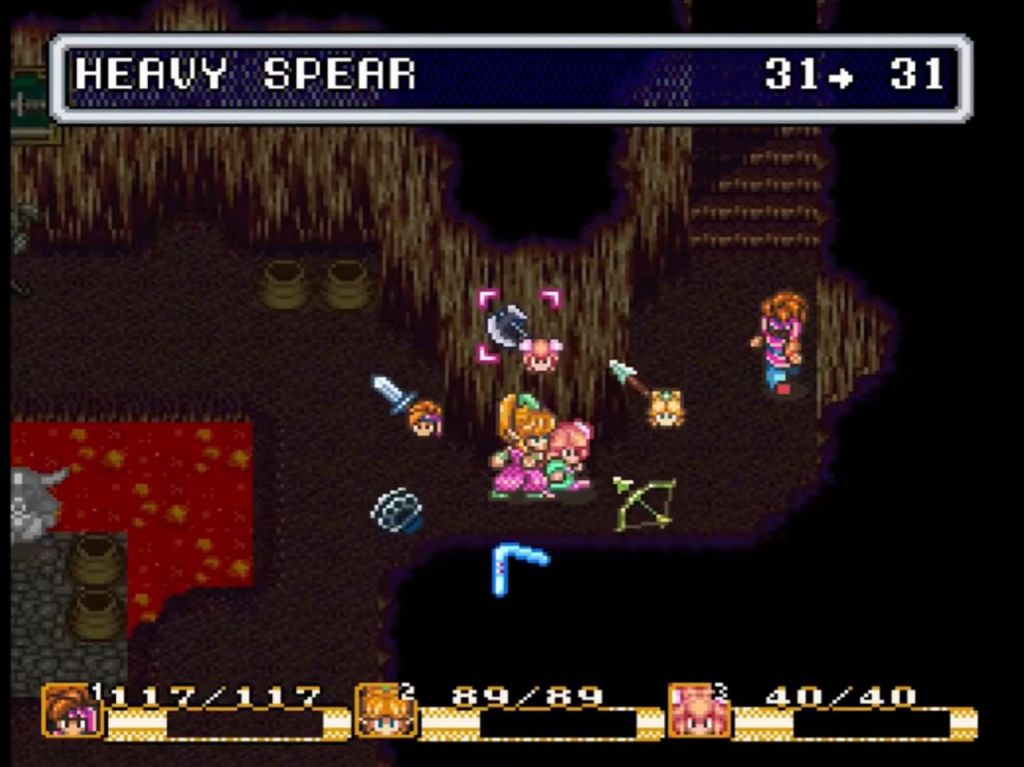
I’ll never forget the first time I played Secret of Mana. The real-time combat felt alive compared to turn-based RPGs, and being able to share the adventure with friends was special. The bright world and enchanting soundtrack gave it a fairy tale quality.
But what really stuck with me wasn’t just the combat or the music—it was the relationships. Traveling with the Girl and the Sprite made the journey feel alive, like I was part of a small family fighting through impossible odds. And when the story forced me to deal with loss, it hit me harder than I expected. That bond I’d built with the characters made it feel personal, and it’s one of the first times a game really made me feel that kind of emotional weight.
Secret of mana Snes gameplay
💭 What I took away: The story reminded me that even victories can come with sacrifice. It taught me that saving the world often means letting go, and that true strength is sometimes about moving forward despite loss.
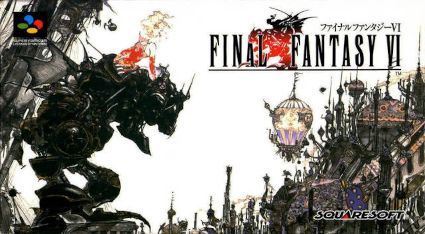
3. Final Fantasy VI (1994)
Final Fantasy VI for the SNES was developed by Square (now Square Enix) and released in Japan on April 2, 1994, and in North America on October 11, 1994
This is one of the most ambitious RPGs I’ve ever played. A huge cast, an unforgettable villain, and moments that proved games could carry just as much weight as movies or novels.
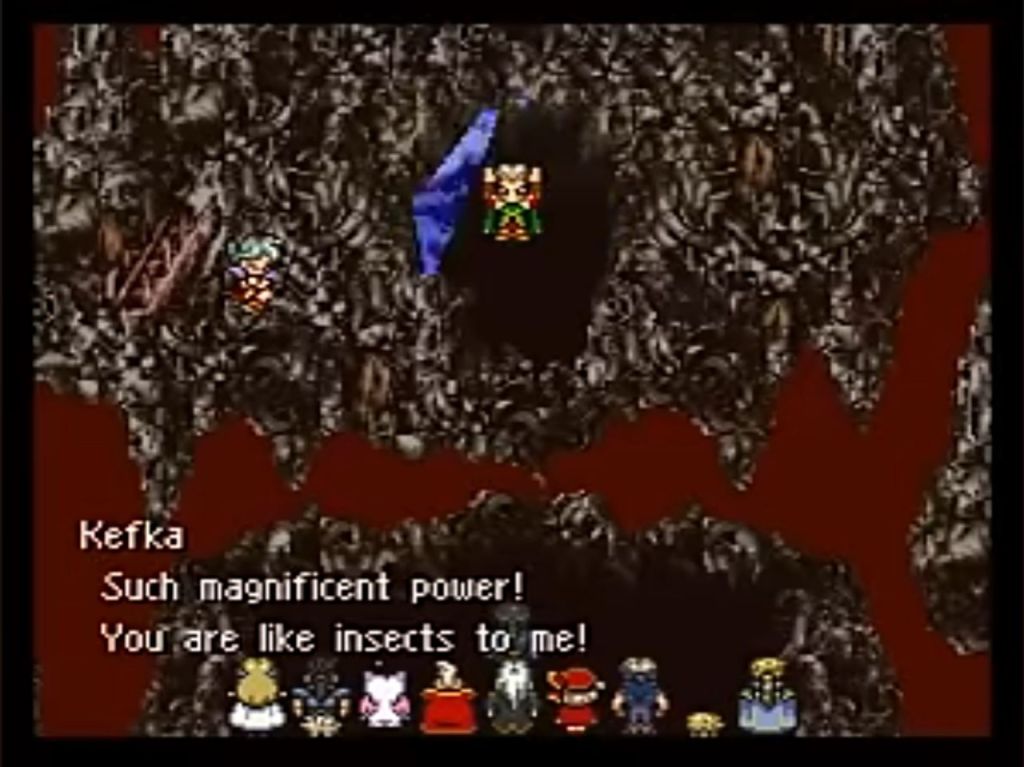
And then there’s Kefka. Growing up, he honestly terrified me. At first, his clownish personality and over-the-top antics seemed funny—but the more the story unfolded, the more those moments felt chilling. He wasn’t just another villain with a plan; he was completely unhinged, unpredictable, and capable of things I didn’t think a video game character could do back then. Even now, looking back, those “comedic” moments just make his cruelty stand out more.
Final Fantasy VI Kefka Bossfight
💭 What I took away: For me, Final Fantasy VI is about hope. No matter how broken the world feels, or how overwhelming despair can be—even when someone like Kefka is pulling the strings—people can come together, rebuild, and find meaning again. That message stuck with me long after the credits rolled.
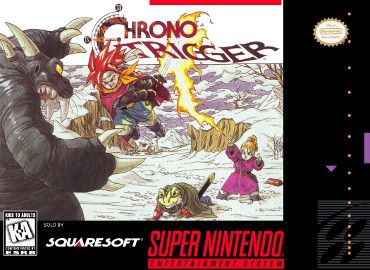
2. Chrono Trigger (1995)
Chrono Trigger for the Super Nintendo Entertainment System (SNES) was developed by Square and released in Japan on March 11, 1995, and in North America on August 22, 1995 .
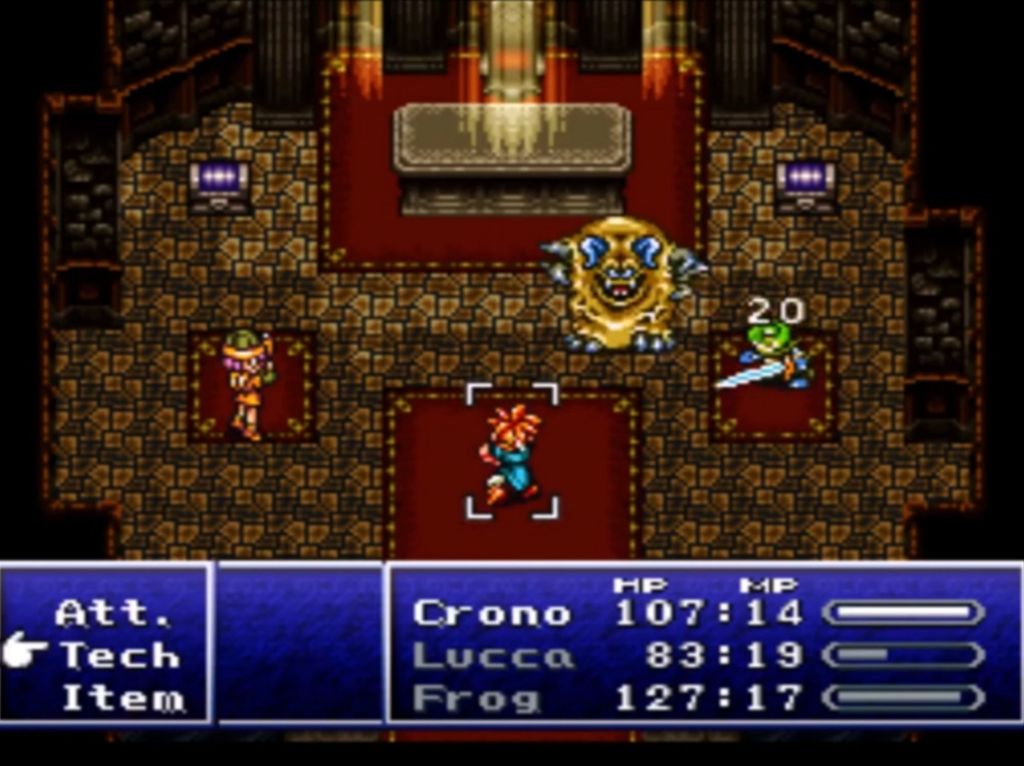
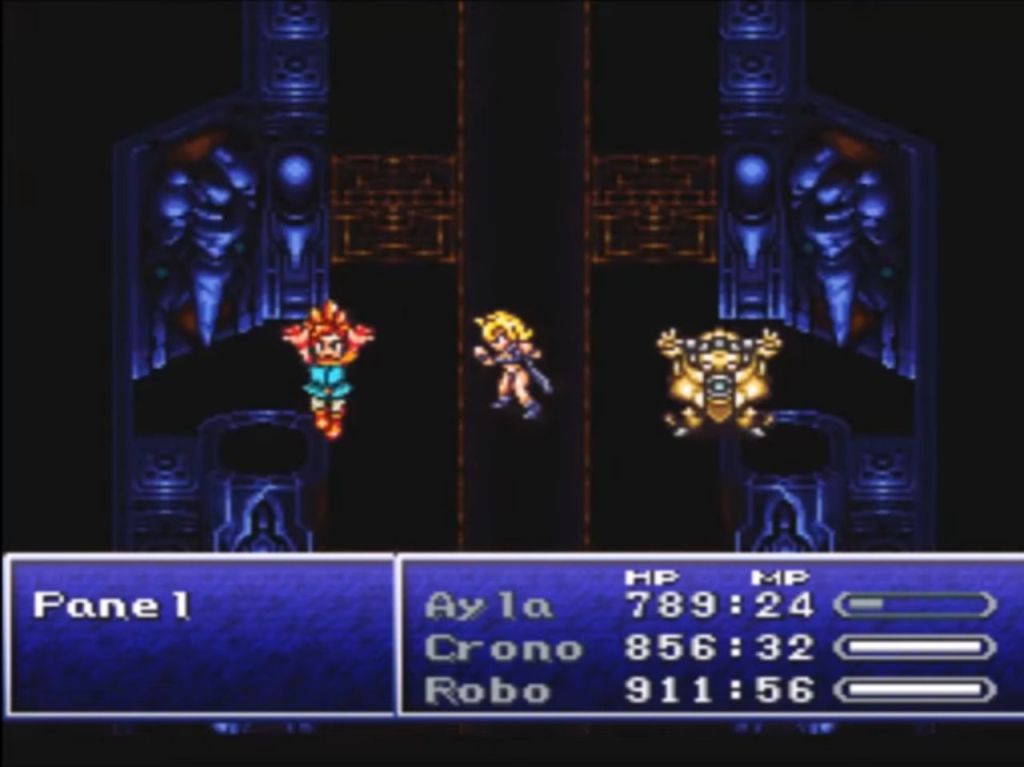
Chrono Trigger is legendary for a reason. Time travel, branching choices, and combat that encouraged creative teamwork—it was ahead of its time. Every jump into the past or future made me feel like I was carrying the weight of history on my shoulders.
Chrono trigger snes gameplay
💭 What I took away: This game taught me that our choices matter. Even the smallest decisions can ripple across time and change everything. It reminded me to value every moment, because what we do today shapes tomorrow. Well, that and if you drop your grades the time you binge play Chrono trigger on weekends, you’re guaranteed to let your parents revoke gaming weekends altogether.
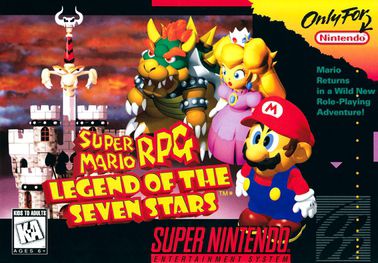
1. Super Mario RPG: Legend of the Seven Stars (1996)
Super Mario RPG for the SNES was developed by Squaresoft and published by Nintendo.
My number one might surprise some people, but for me, it’s Super Mario RPG. Back then, the idea of Mario in an RPG felt impossible—but somehow, Nintendo and Square pulled it off. The humor, the button-timed combat, the quirky original characters—it was pure magic.
One of the things that stood out to me the most was Bowser. Before this game, he was always just the silent, menacing villain who kidnapped Peach over and over again. But here, he was fleshed out like never before. His bossy antics, his over-the-top pride, and the way he reluctantly teamed up with Mario gave him a lovable side I never expected. Even when I play later Mario RPG titles, I sometimes miss that version of Bowser—the grumpy but endearing ally who added so much personality to the party.
And then there’s Smithy. He may not be as famous as Kefka or Lavos, but as a kid, he left a strong impression on me. His factory world felt so different from anything I’d seen in a Mario game, and his sheer power made him feel like a true final boss. For me, he was proof that this wasn’t just a silly Mario spin-off—it was a real RPG with stakes.
Another reason it’s my top pick is a little more personal—I once made a full walkthrough and guides online for this game. Sadly, the site’s gone now, but maybe one day I’ll make another one—this time in my own writing style—for the Super Mario RPG Remaster on the Switch.
💭 What I took away: This game showed me that even familiar heroes like Mario can grow beyond what we expect. And Bowser, of all characters, reminded me that people (or villains) can surprise us if we give them the chance. It taught me to appreciate new sides of things I thought I already knew, and that sometimes the most unlikely team-ups make for the best adventures.
Final Thoughts
Currently playing Super Mario Armaggedon. Romhack on my Miyoo Mini
The SNES library is full of unforgettable RPGs, and picking just five wasn’t easy. Each one not only pushed gameplay and storytelling forward, but also left me with lessons I still think about today.
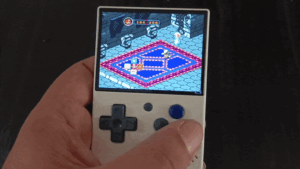
And while I didn’t grow up playing most of these on the original SNES, I’ve been revisiting them through emulators and most recently on my Miyoo Mini. The Miyoo’s small ergonomics actually fit perfectly for one-handed play, so I often catch myself holding it in one hand and still enjoying these classics just fine. Honestly, I think these are some of the must-play games on the Miyoo Mini—it’s a perfect way to relive the magic of these iconic JRPGs today.
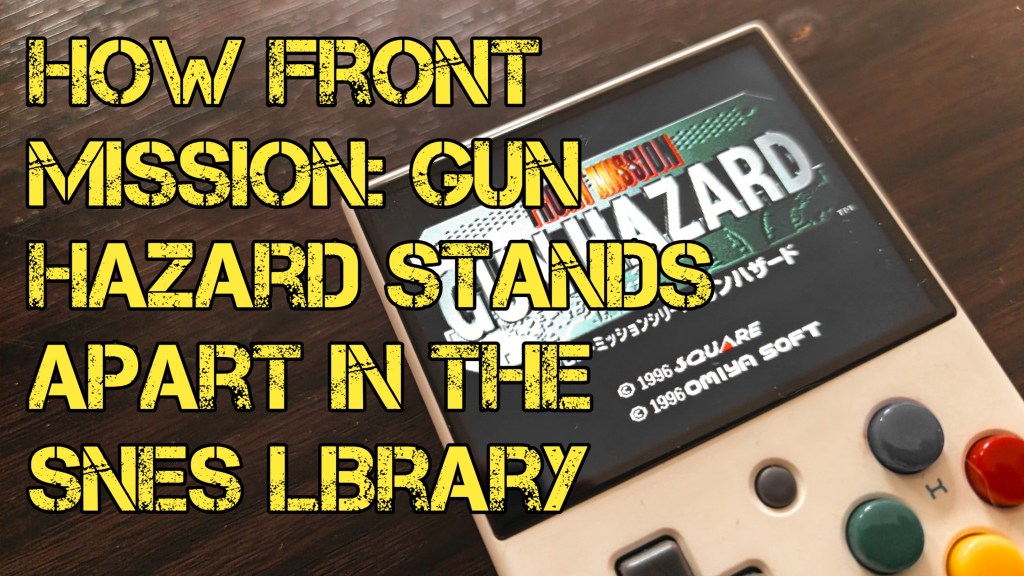
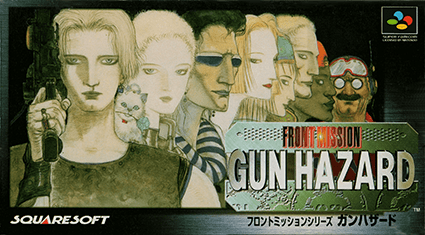
Just two days ago, I stumbled onto a game I had never given much thought to before: Front Mission: Gun Hazard. If you know me, my usual go-to SNES game with mecha and heavy action has always been Mega Man X. For me, nothing really topped that mix of speed, precision, and music. Because of that, I never really dove into titles like Assault Suits Valken (Cybernator) or other similar recommendations.
Front mission: Gun Hazard box art
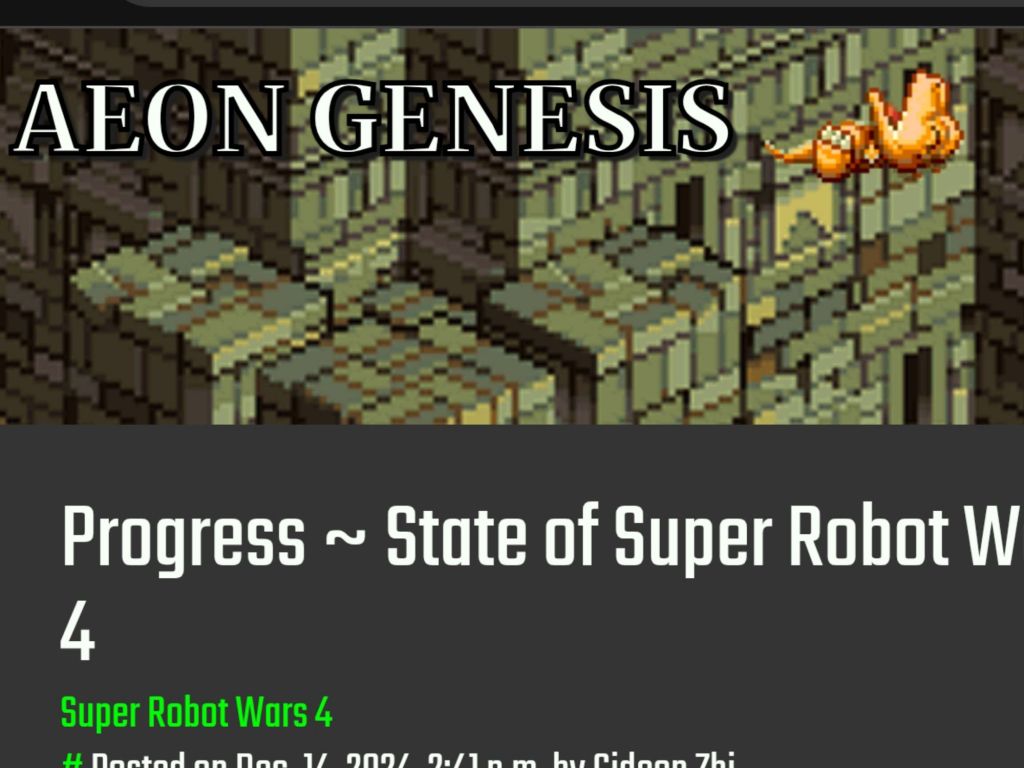
So what changed? Honestly, it wasn’t a review or gameplay clip that convinced me. It was the fact that the fan translation patch was done by Aeon Genesis, the same team I always trust when I want to play Super Robot Wars in English. Seeing their name tied to Gun Hazard was enough for me to fire it up on my Miyoo Mini. That decision opened the door to one of the most unique experiences I’ve had on the system.
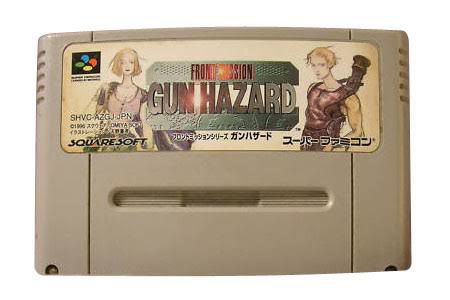
Gun hazard game cartridge
Another reason I gave this game a shot is because it was a Japan-only release. And if you’re into retro emulation, you know that’s usually a big sign the game is worth trying. Back in the 90s, Japanese developers often thought their games were too hard for Western audiences, so they’d create watered-down versions for overseas release. Honestly, most of those simplified versions stripped away what made the originals shine. That’s a real shame, because Japan was putting out some of the best and most ambitious games of that era—and Gun Hazard is proof of that.
Gameplay and Mechanics
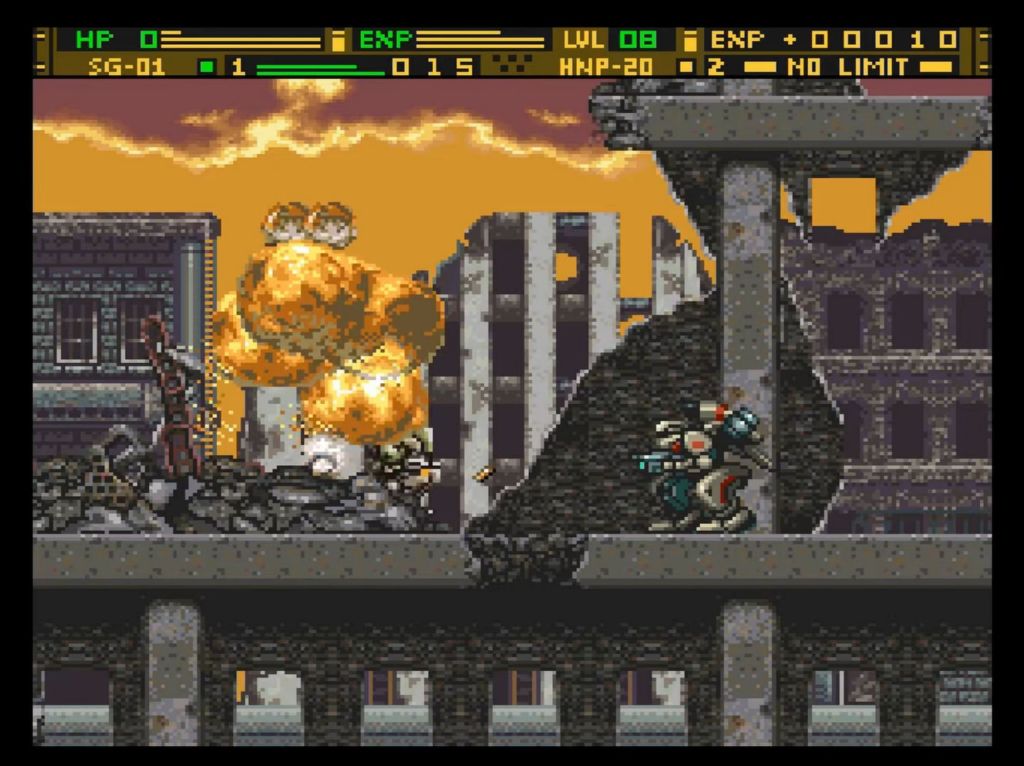
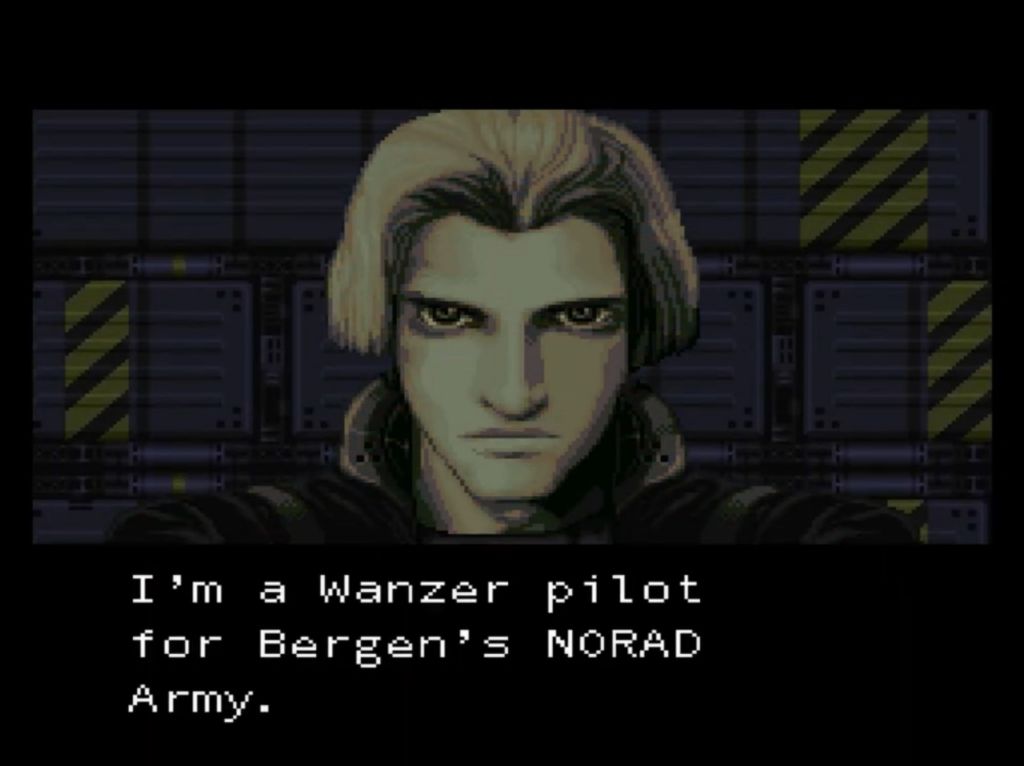
Some sections in the game can be played on foot instead of a wanzer
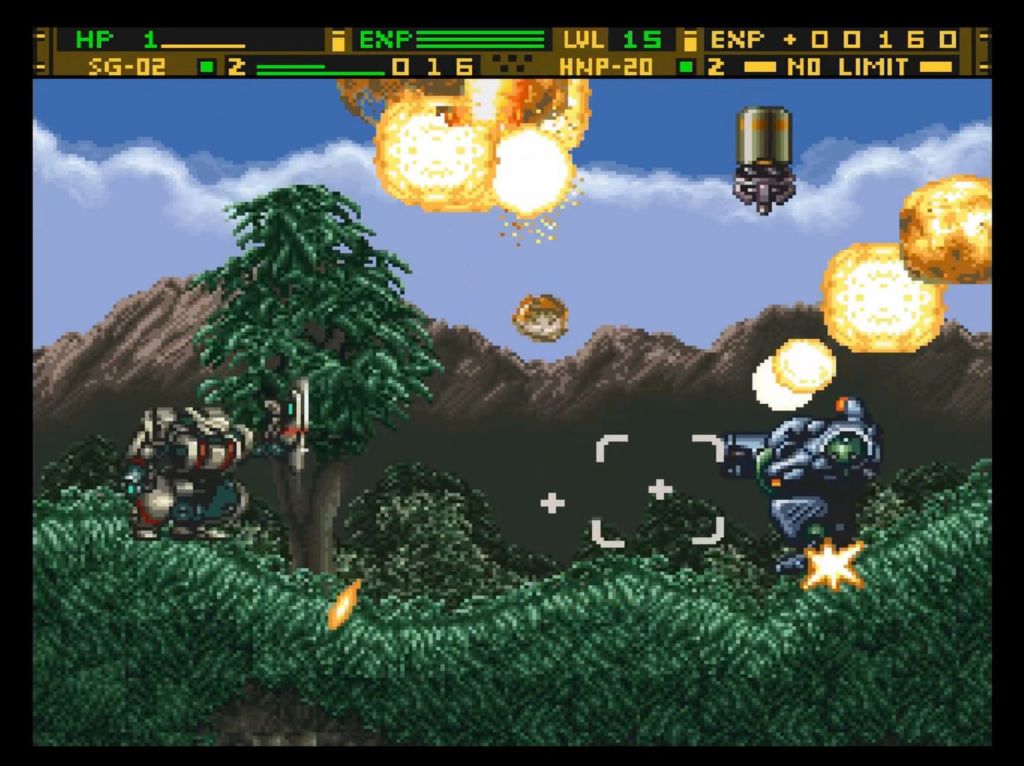
If you asked me what genre Front Mission: Gun Hazard belongs to, I’d have a hard time sticking to just one answer. On the surface, it looks like an action platformer or an action shooter. But then you add in the ability to level up, customize weapons, and upgrade parts, and suddenly it feels like an RPG.
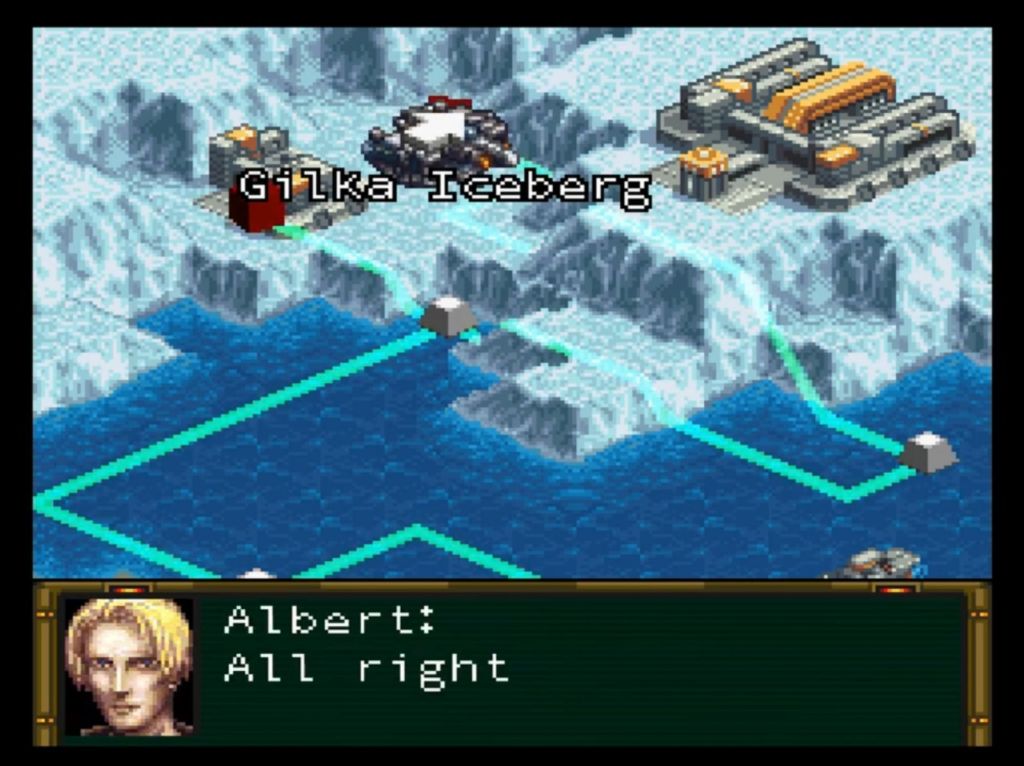
Story-wise, it leans even closer to being a JRPG, with its heavy themes of politics, betrayal, and emotional storytelling. Add in the world map where you can choose missions, side missions, and paths forward, and it starts to feel like an SRPG too.
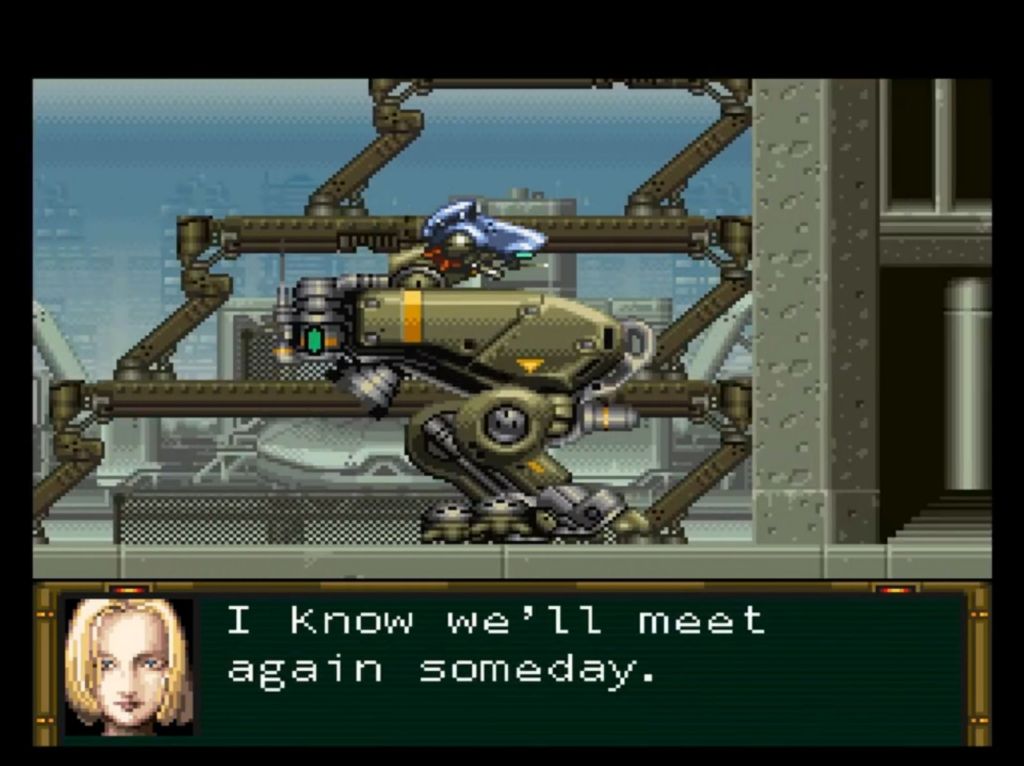
Wanzer combat
What we really have here is a hybrid, and a surprisingly smooth one at that. It’s action, it’s RPG, it’s strategy—all blended together in a way I haven’t seen matched, even in more modern titles. The presentation seals the deal: the background music and sound design feel richer than most SNES releases, which makes me think this was definitely not a low-budget project.
And yes, while it shares DNA with other mecha games of the era, Gun Hazard pushes the concept much further with its RPG systems and narrative depth.
Story and atmosphere
My bad, the sound plays if you leave the screen on and it gives you a backstory before you play. I was so hyped I avvidentwlly pressed start and did not see this.
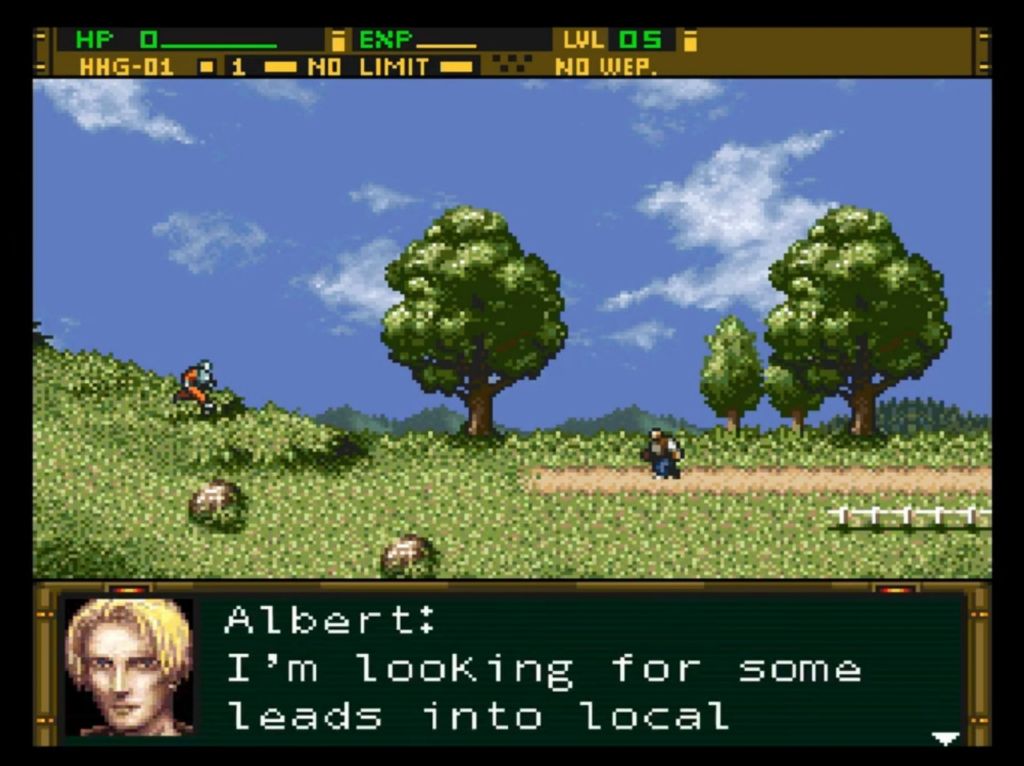
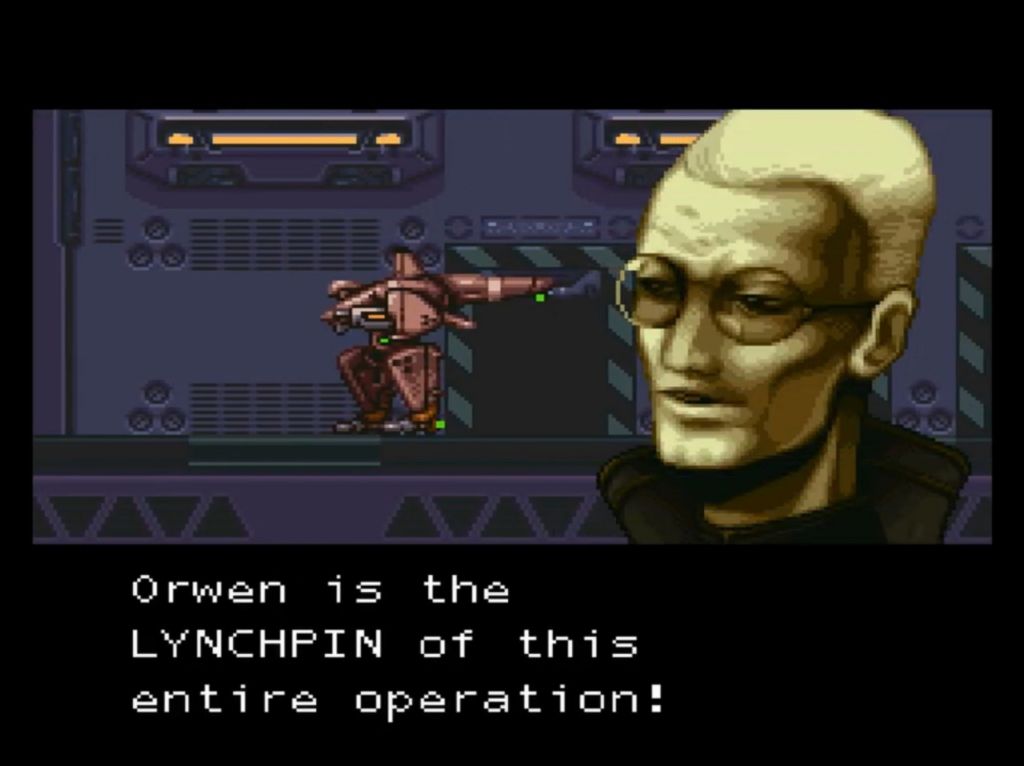
Booting up the game, I noticed something unusual right away—silence. I even cranked up the volume on my Miyoo Mini, thinking maybe the sound wasn’t working. The opening text explaining the backstory had no music. The character naming screen? Still silent. Then the first cutscene started, and even up to the ambush—the one where the rocket slams in and wipes out nearly everyone—there was no full soundtrack. Just the sound of seagulls and faint notes in the background. It created this eerie calm that made the eventual explosion hit so much harder.
Can’t get over the fact that Albert, the series protagonist looks like Christopher Lambert from the Highlander movies
From there, the story really takes off. You play as Albert Grabner, a wanzer pilot suddenly betrayed and hunted after a coup tears apart the very unit he trusted. Branded a traitor, Albert escapes and takes on work as a mercenary, traveling the globe and getting swept into conflicts much bigger than his own survival.
What makes Gun Hazard stand out isn’t just the “good guy vs bad guy” setup—it’s how the story dives into politics, alliances, betrayals, and moral struggles. Each mission feels alive with dialogue and character moments that push the plot forward. You’re not just blowing up enemy bases; you’re caught in a web of shifting power, trying to figure out where you really stand.
Without giving away spoilers, I’ll just say the game doesn’t stay small. It expands from one soldier’s desperate escape into a global conspiracy that keeps escalating until the very end.
As for the finale? Let’s just say you know you’re playing a front mission game through and through. I won’t add more to this because it’s best you guys experience it first hand to fully enjoy it.
Replay value and personal experience
Boss fights can be quite challenging but fun
I’m on my third playthrough now, and I still can’t put it down.
The first time, I rushed through to see where the story went.
The second time, I focused on tweaking weapons and experimenting with different loadouts.
Now, on my third run, I’m slowing down, enjoying the story beats, and really letting it all sink in.
I even tried playing it on my phone, but honestly, the button layout is perfect on the Miyoo Mini. It feels like this game was meant for that handheld. That’s where I’ve decided to keep playing it.
Tactical map screen where you choose the missions to take, shop for weapons and upgrade s or take on side missions
What keeps me coming back isn’t just the gameplay, but the mix of story, customization, and music. Even after finishing it, I still want to try new setups, explore missions in different orders, and revisit the world again. That’s rare for a retro title, and it’s what makes Gun Hazard such a special find.
Closing thoughts
Front Mission: Gun Hazard is a game I wish I had discovered years ago, but I’m glad I finally did. It’s a hidden gem that blends action, RPG depth, and storytelling in a way that feels timeless. Each playthrough offers something new, whether it’s experimenting with gear, savoring the narrative, or just soaking in the atmosphere.
If you own a retro handheld, even a tiny one like the Miyoo Mini, this game is absolutely worth your time. It runs beautifully and feels like it was made for handheld play.
One piece of advice: play it with headphones. The soundtrack was created by Nobuo Uematsu (Final Fantasy), Yasunori Mitsuda (Chrono Trigger, Xenogears), Masashi Hamauzu (Final Fantasy XIII), and Junya Nakano (Final Fantasy X). That lineup alone is legendary, and the way the score blends suspense with emotional depth gives the game an atmosphere far beyond the average 16-bit title.
If you’re looking for a new retro experience—something different in the SNES library that still feels fresh today—give Front Mission: Gun Hazard a try. Fire it up, put on some headphones, and let yourself be pulled into one of the most memorable rides the Super Famicom ever offered.
And of course, huge thanks to Aeon Genesis. Without their fan translation, this gem might have stayed locked away in Japan forever.
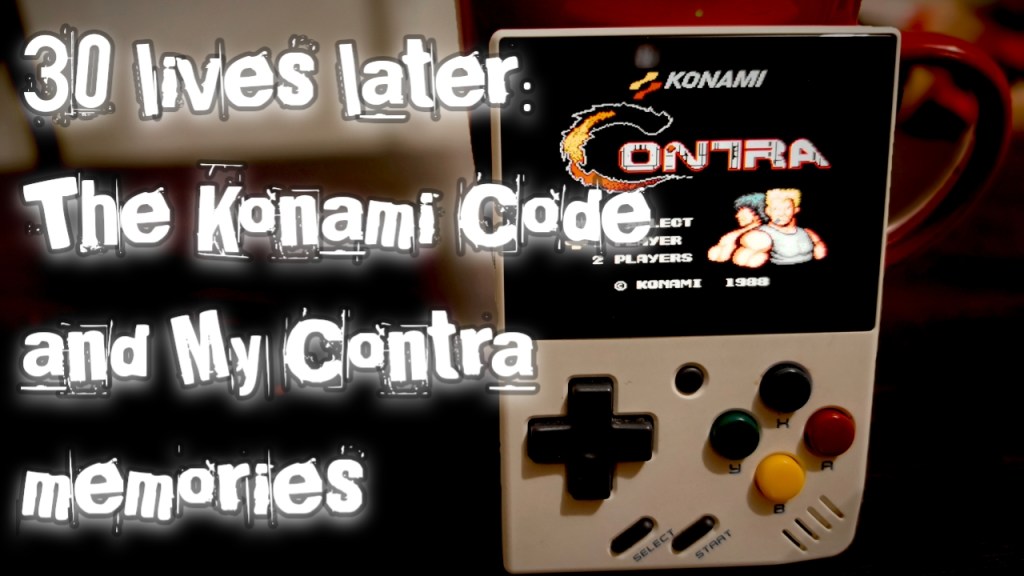
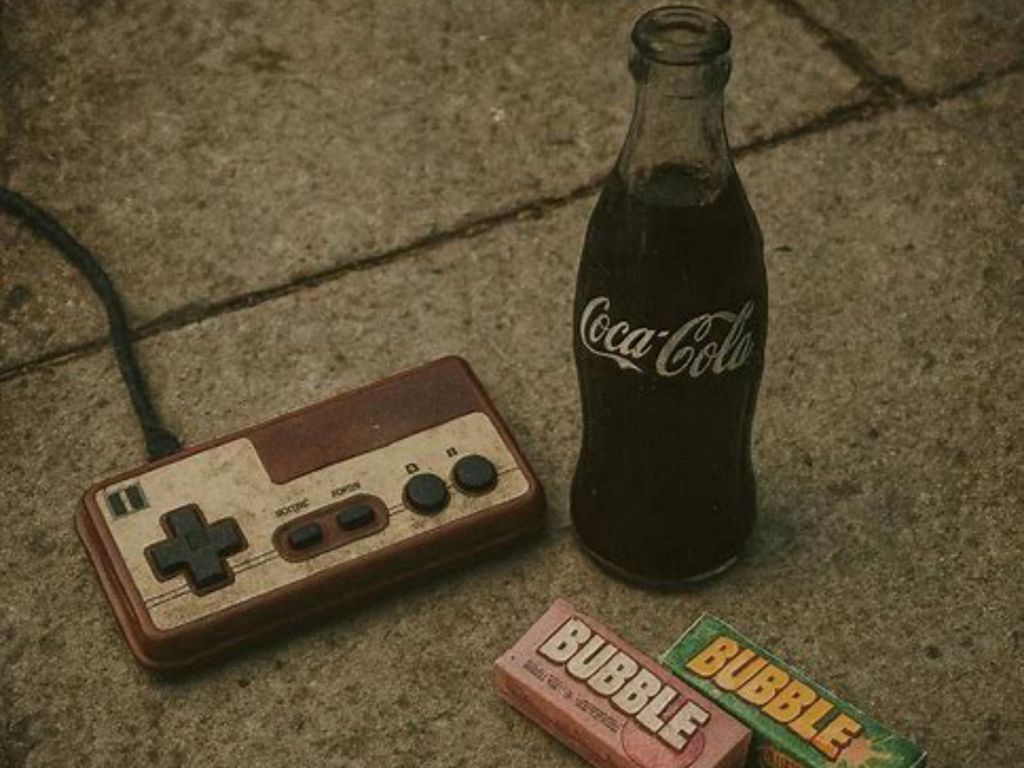
If you grew up gaming in the late ’80s or early ’90s, chances are you’ve heard of the Konami Code. For many of us, it wasn’t just a cheat code—it was a rite of passage. And for me, it all started with a bottle of Coke, two packs of bubblegum, and a little red Famicom.
The Coke-and-Gum Deal That Changed Everything
Weekends at my house always meant Contra. My cousin and I would play for hours, but there was one problem—he was two years younger, and his hand-eye coordination was terrible. He’d blow through his two lives in minutes, then respawn using mine, and before long we’d both get wiped out at the dreaded waterfall stage.
This was the pre-internet era, when game secrets were traded like playground currency. One afternoon at a local “computer shop,” we noticed this one kid tearing through Contra like he had an infinite number of lives. No matter how many times he went down, he just kept coming back—calm, confident, unstoppable.
Naturally, we had to know his secret. After some bargaining, he finally agreed to share it—if we paid up. Our final offer? One cold bottle of Coke and two packs of bubblegum.
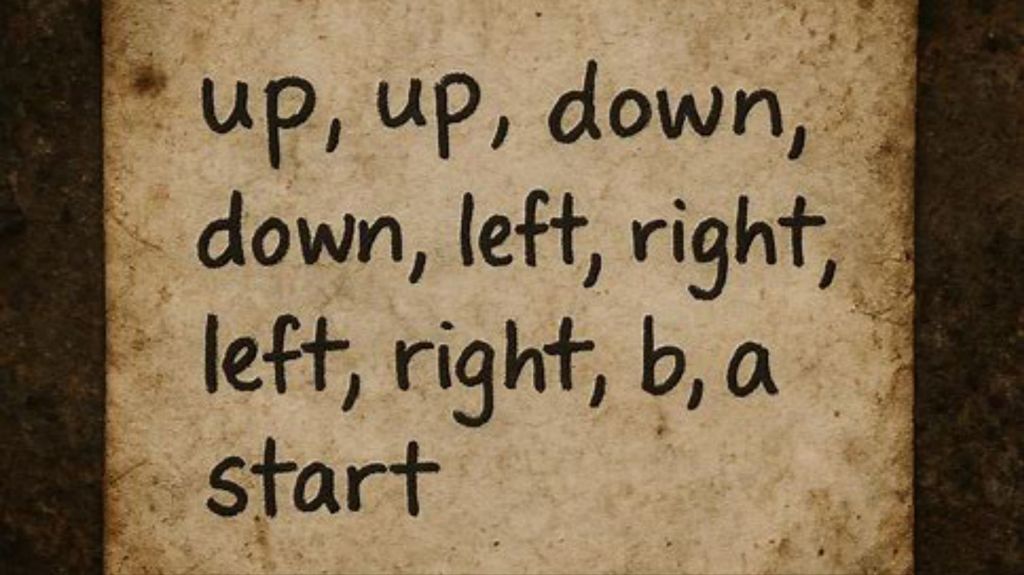
After our transaction, he pulled out a tiny folded scrap of paper covered in pencil marks. It read:
We were broke after the bribe, so instead of playing at the shop, we sprinted home and fired up the red Famicom. After a few failed attempts, we finally nailed the input, and suddenly there it was—30 lives staring back at us on the screen.
In that moment, Contra wasn’t the same game anymore. It stopped being a careful, punishing platformer and turned into absolute madness. We weren’t just trying to beat levels—we were seeing who could pull off the craziest stunts or rack up the dumbest “epic death.” Looking back, it felt like we’d turned Contra into the Dark Souls of dumb fails, and the funny part there was we loved every minute of it.
From Test Tool to Gaming Icon
The Konami Code wasn’t meant to be legendary. Developer Kazuhisa Hashimoto originally created it in 1986 while testing Gradius on the Famicom. He added extra lives to make debugging easier and forgot to remove the code before release. Konami decided to leave it in, and before long it became a running tradition in their games.
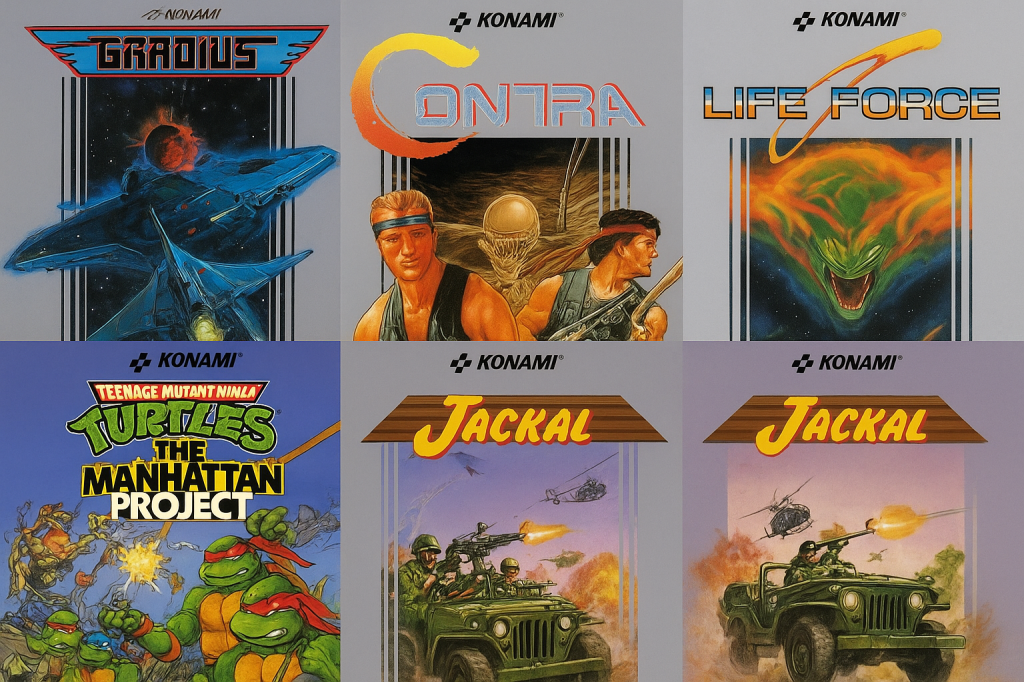
Contra made the code famous, but it popped up in all kinds of Konami titles—Castlevania, Teenage Mutant Ninja Turtles, Metal Gear—and later escaped gaming altogether, appearing in websites, TV shows, and even Fortnite.
A Cheat Code That Became a Memory
Decades later, the Konami Code is more than a set of button presses—it’s a piece of gaming history. For retro gamers, it’s a badge of honor, a reminder of a time when secrets spread by word of mouth, scraps of paper, or in my case, a Coke-and-gum trade.
For me, the Konami Code will always bring back that memory: two broke kids, a red Famicom, and the day we discovered that 30 lives could turn a tough-as-nails shooter into the most fun chaos we’d ever had.
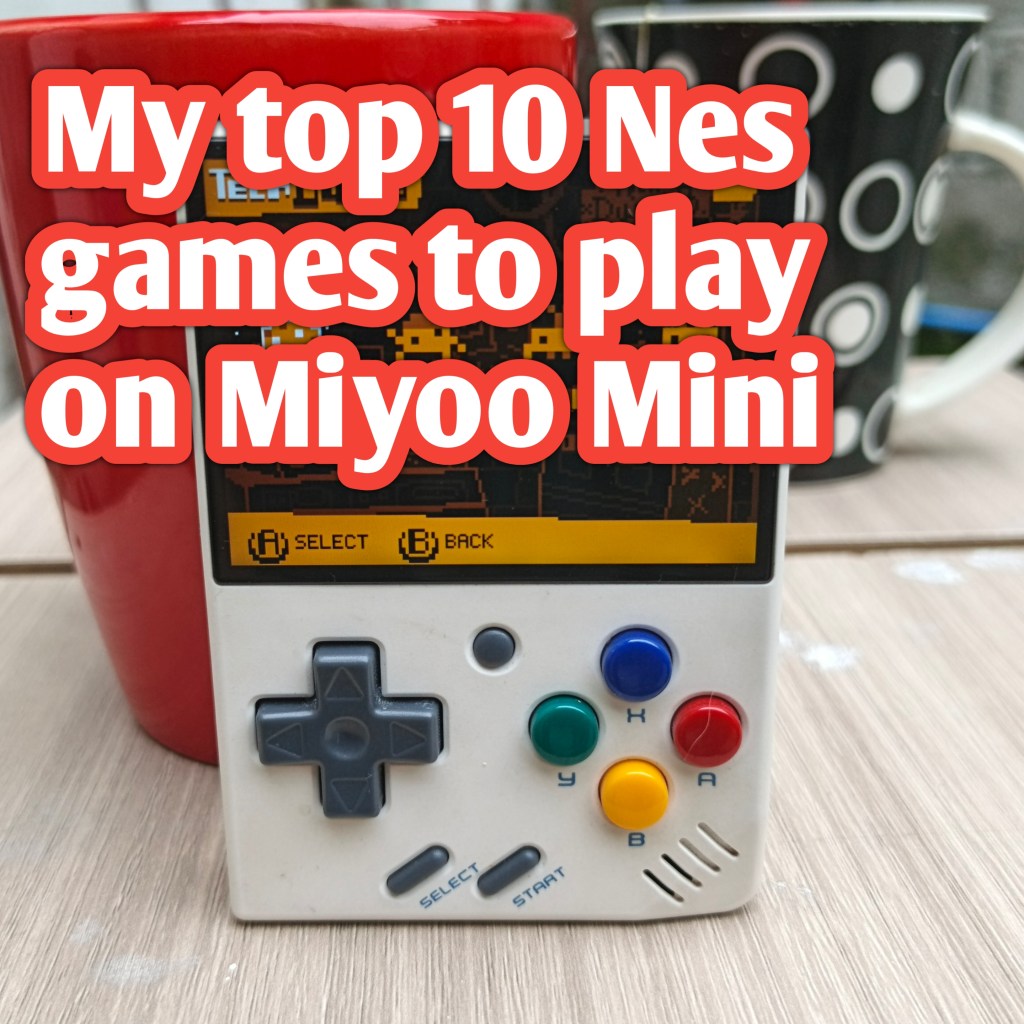
Just because the Miyoo Mini can emulate retro games really well doesn’t mean all of these games are playable or offer the best experience on this handheld. We have to take into consideration the 2.8″ display screen, the button layout, and overall ergonomics. With that said, here are my top 10 NES games to play on the Mini.
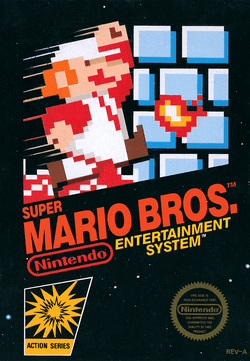
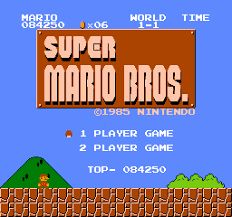
10. Super Mario Bros. (JP: Sept 1985, US: Oct 1985)
The first on this list is an all-time classic. Super Mario Bros. put Nintendo on the map and gave birth to the Mario franchise that endures to this day.
The Mini’s small screen isn’t much of an issue while playing since you can see where you’re going pretty easily, and the game’s 8 world structure with optional warp zones means you can finish the entire adventure before the Mini’s control layout becomes cramped in your hands. If you’re looking for something you can complete in one sitting, then Super Mario Bros. is the game for you.
**Fun Fact:** The character was originally called “Jumpman” and was renamed Mario after Nintendo of America’s landlord, Mario Segale.
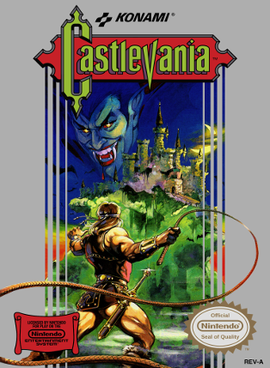
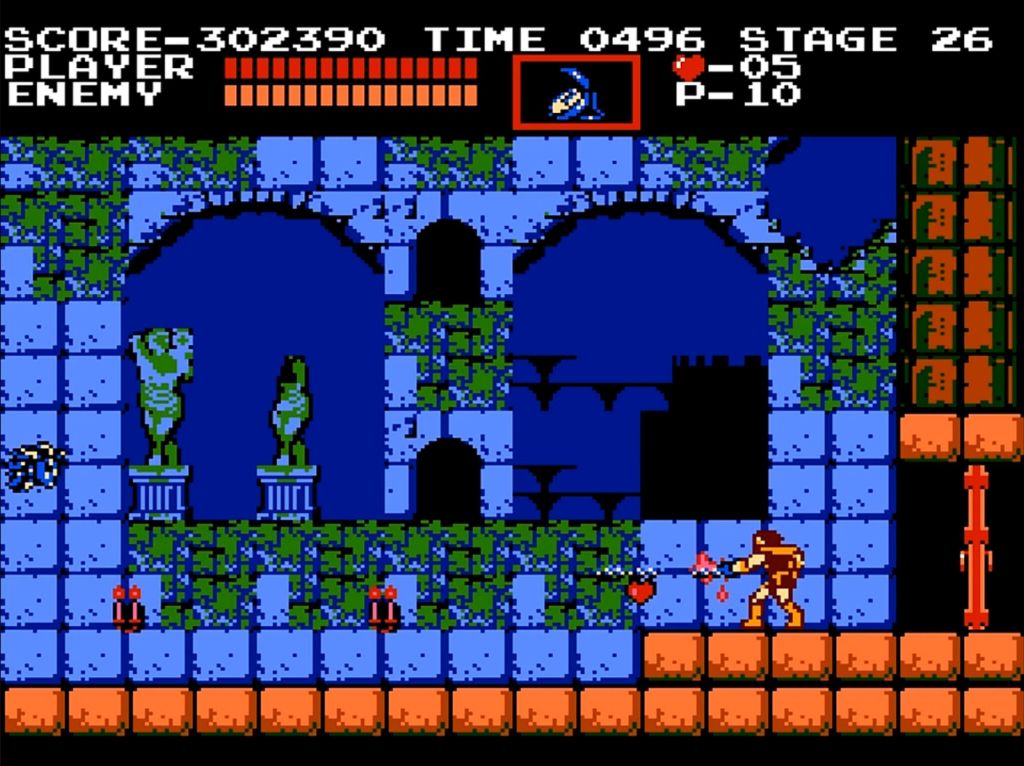
Castlevania (JP: Sept 1986, US: May 1987)
Castlevania is one of the games I got hooked on growing up. It’s a 2D platformer but more action-focused, and it was a really addictive game back in the day. I had to learn about the lore through those old game magazines and my imagination while playing.
With the NES’s 2-button layout, the game is very playable on the Miyoo Mini, and the small screen won’t strain your eyes since there’s not much dialogue text to read. The gothic atmosphere and tight controls translate perfectly to the handheld format.
**Fun Fact:** The original Castlevania was inspired by classic Universal Monster movies from the 1930s and 40s.
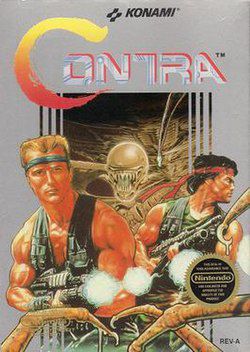
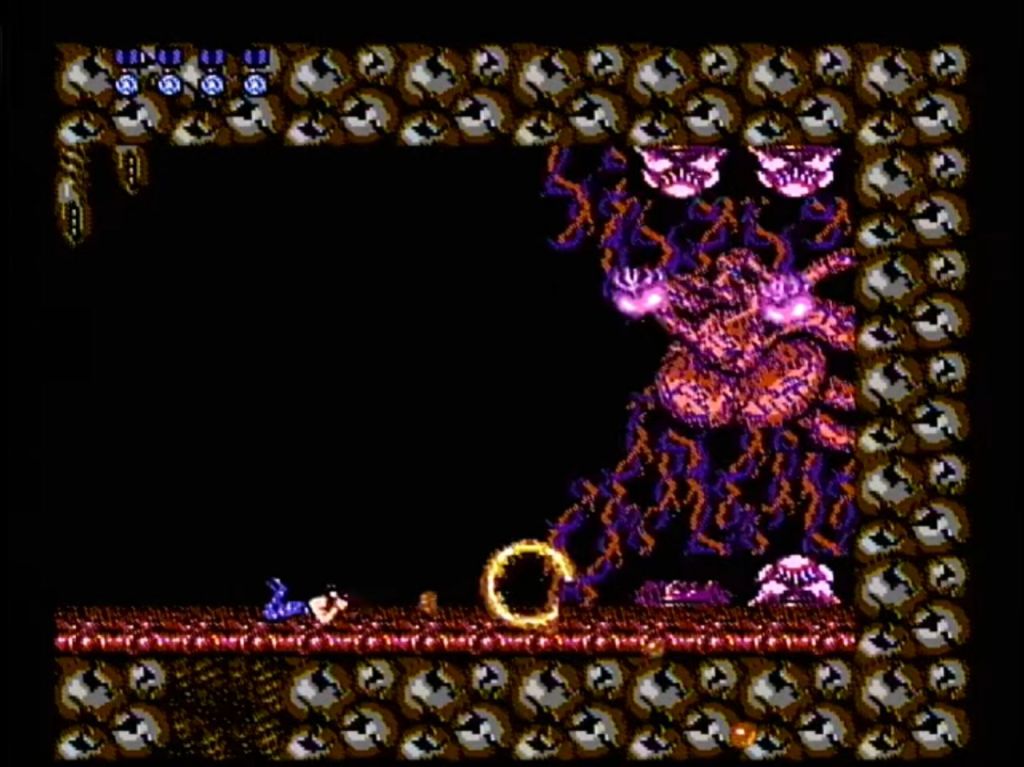
Contra (JP: Feb 1987, US: Feb 1988)
Contra admittedly is best played with 2 players, but that doesn’t mean it’s not good playing solo. This game spawned dozens of clones and hacks, but the classic Contra is by far the best in my opinion.
The controls and screen on the Miyoo Mini don’t hamper the game experience even when things get hectic, and it’s a perfect game to play and finish on the portable system.
**Fun Fact:** Contra is home to the legendary Konami Code (Up, Up, Down, Down, Left, Right, Left, Right, B, A, Start), which grants you 30 lives instead of the brutal default of 3.
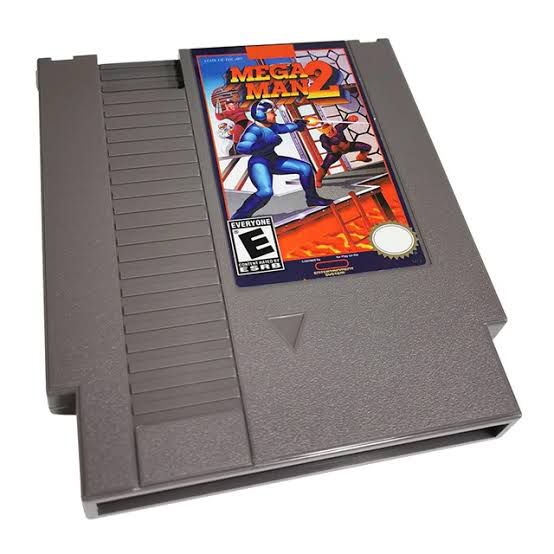
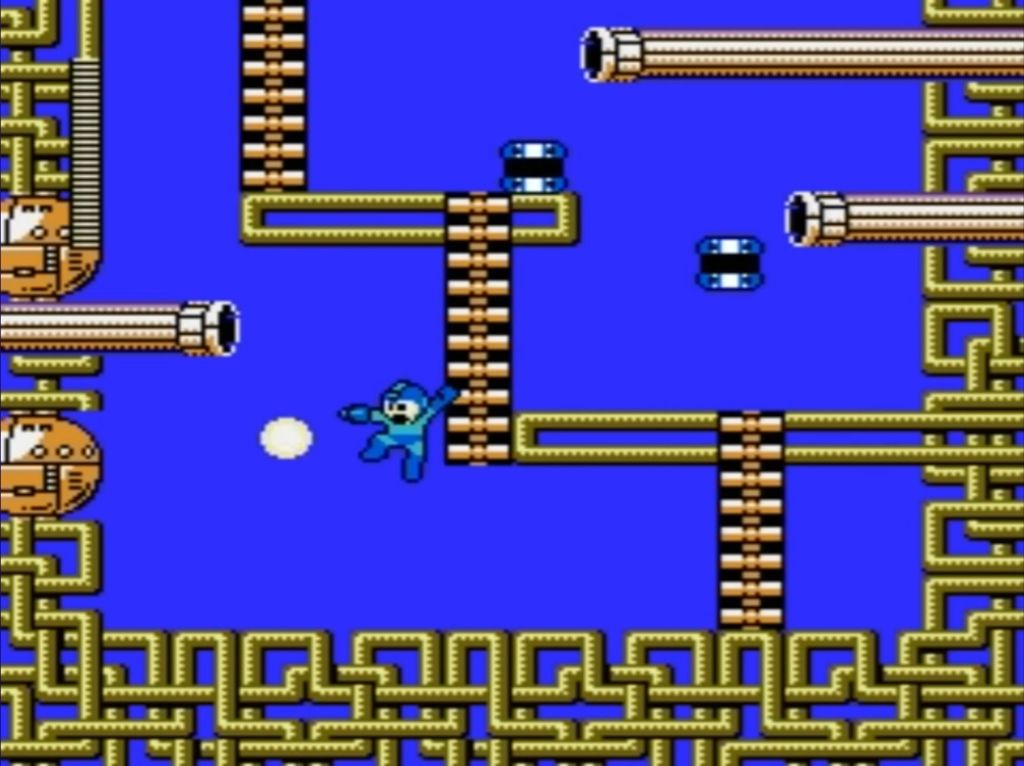
Mega Man 2 (JP: Dec 1988, US: Jul 1989)
With 3 Mega Man games on the NES, my pick is Mega Man 2, and it’s not just because of the gameplay but the incredible sound and vibe of the game. I usually play this for the nostalgia factor, and if we’re talking about NES emulation, then this is by far the best option.
Difficulty-wise, the game is brutal with its precise button inputs for jumping. I don’t know if you can actually finish the game on the Miyoo Mini with its cramped controls, but it’s still a worthwhile experience, especially if you use the Miyoo’s save state feature.
**Fun Fact:** The infamous US box art showed a middle-aged man in yellow armor that looked nothing like Mega Man. This became so legendary that Capcom included him in Street Fighter X Tekken.
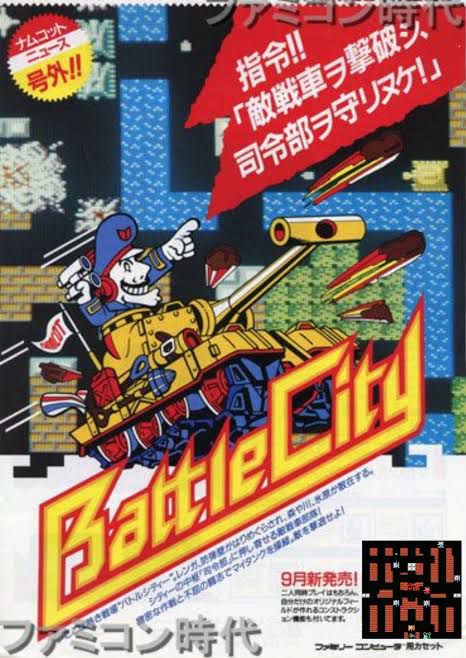
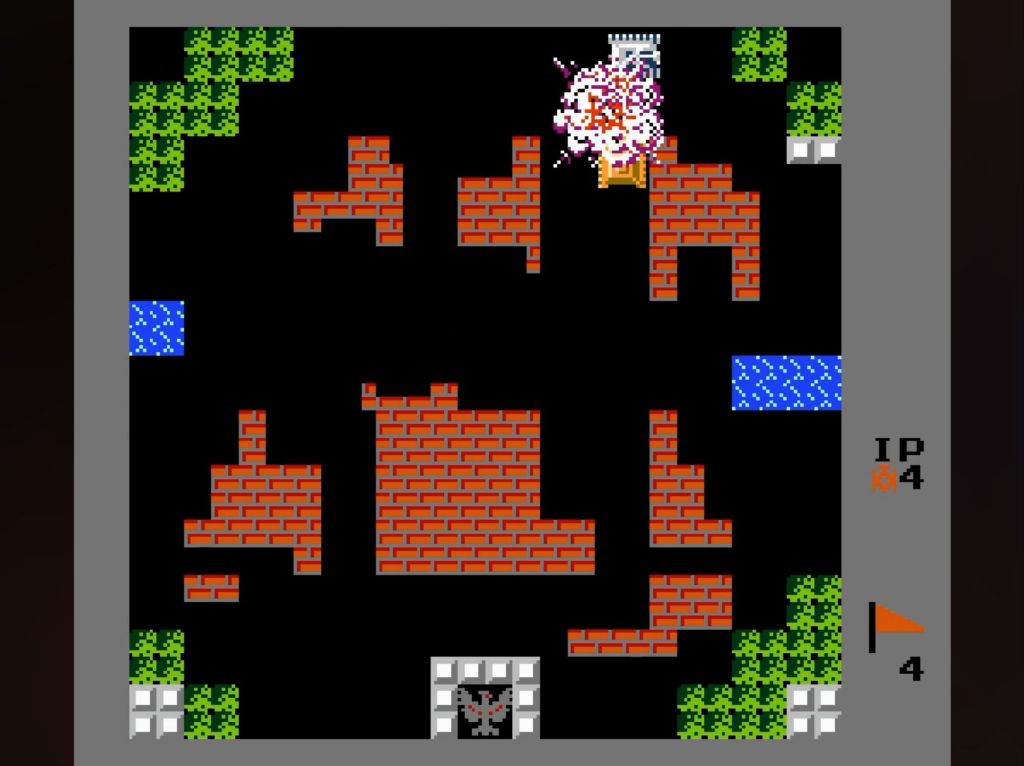
Battle City (JP: Sept 1985, US: Not Released)
Another game that’s best played in co-op and spawned multiple hacks even during the NES era. I had a hard time looking for the original NES ROM with all the mods available – from starting with metal walls to having upgraded enemies that can use power-ups.
This recommendation is perfect for short bursts of gameplay throughout the day. I usually play this while commuting to places like the grocery store or appointments. The small screen and button layout is actually an advantage since you’re just using the direction pad and one button for firing.
**Fun Fact:** Battle City was hugely popular in Eastern Europe and Russia, where it’s often considered one of the greatest NES games of all time.
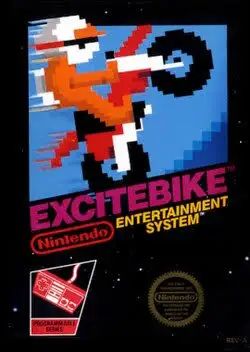
Excitebike (JP: Nov 1984, US: Oct 1985)
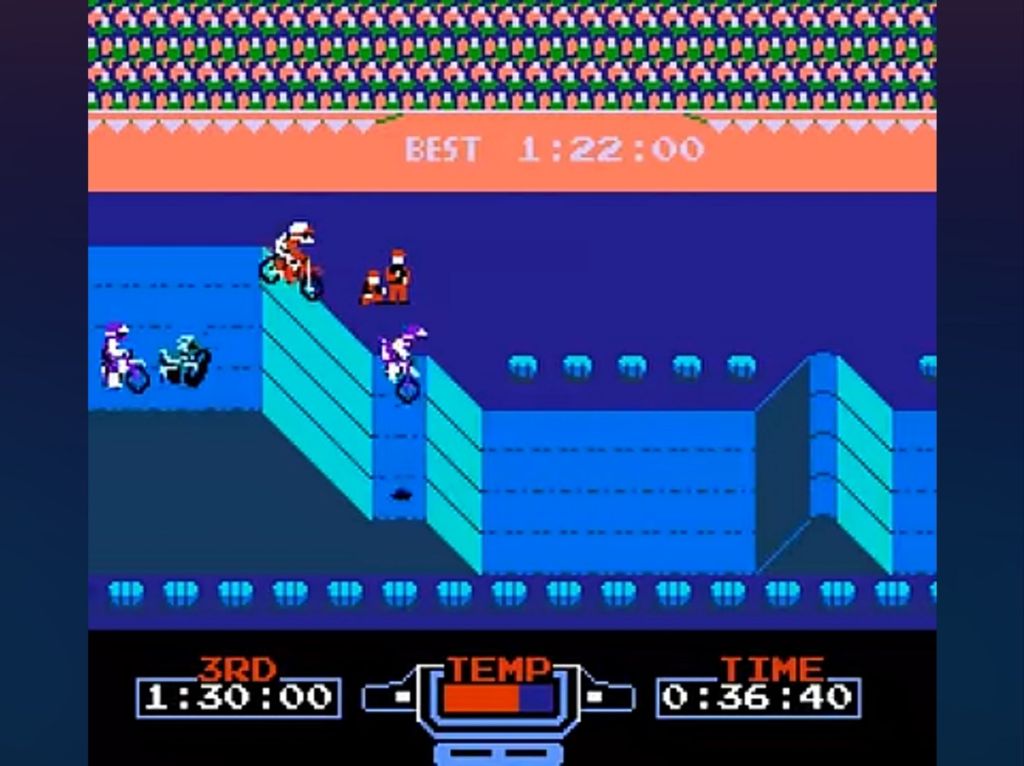
Sure, there are racing games that are good on the NES, but my pick is Excitebike. One thing that stands out is the design creator where you can make your own course, and with the Miyoo’s save state feature, you can replay your course without worrying about it being deleted.
Easy controls and very easy to pick up and play – the only skill you need to learn is when to use turbo versus normal speed without your bike overheating. Perfect for the Miyoo Mini.
**Fun Fact:** Excitebike was one of the 18 NES launch titles and featured one of the earliest console track editors, pioneering user-generated content decades before it became mainstream.
Double Dragon 2 (JP: Apr 1989, US: Jan 1990)
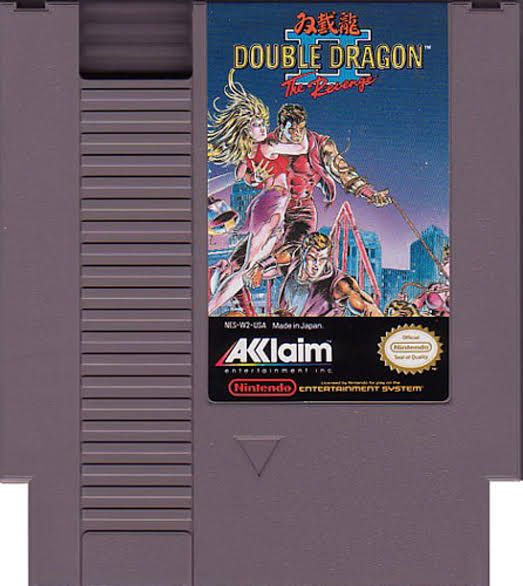
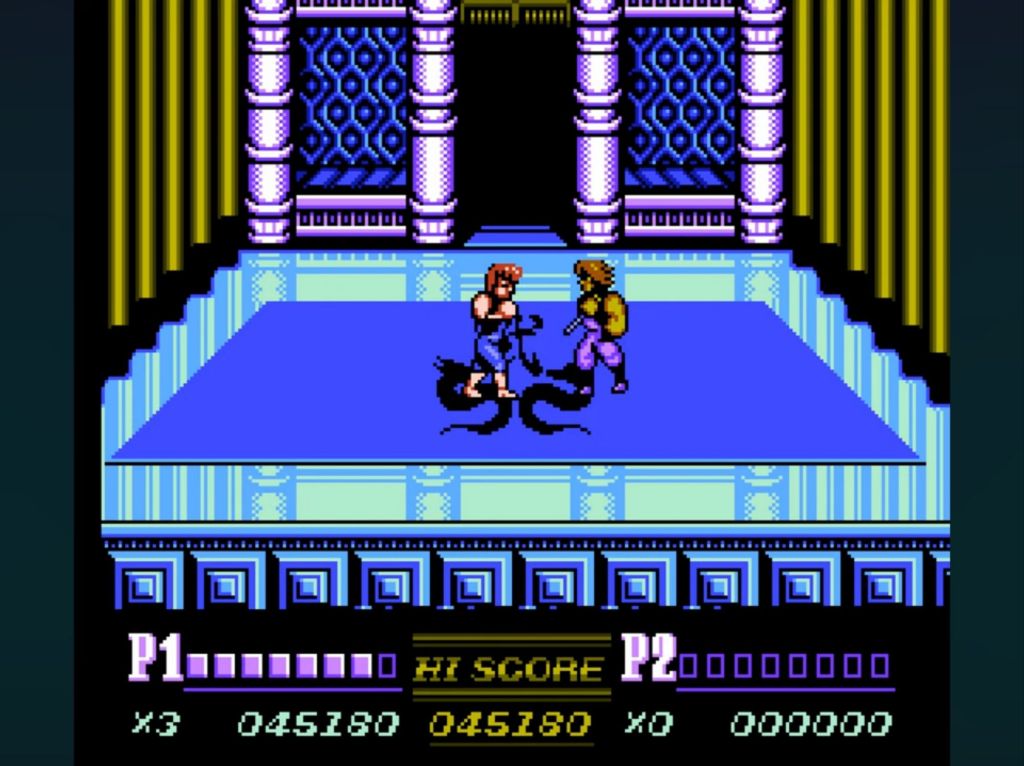
Switching up to beat ’em ups, my pick would be Double Dragon 2 (Double Dragon 1 was my first choice, but I got a bad ROM that doesn’t run on my Miyoo). It’s your classic beat ’em up with button inputs depending on where you’re facing – B attacks left, A attacks right, and pressing both makes you jump.
What makes it stand out is the story, which was pretty dark for its time. Billy’s girlfriend was killed by a shadow organization, and now it’s up to the Lee brothers to avenge her. The side-scrolling action works perfectly on the portable format.
**Fun Fact:** Double Dragon 2 controversially removed two-player co-op from the main story, making players fight each other after completing single-player. This was so unpopular that future entries returned to co-op.
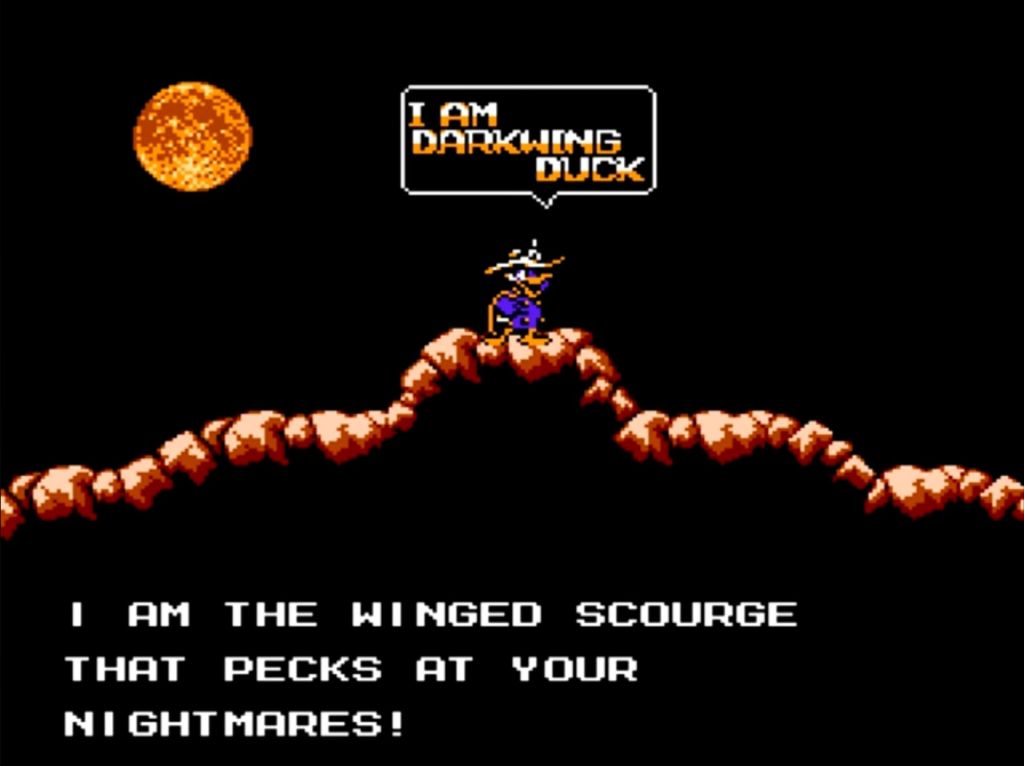
Darkwing Duck (JP: Not Released, US: Jun 1992)
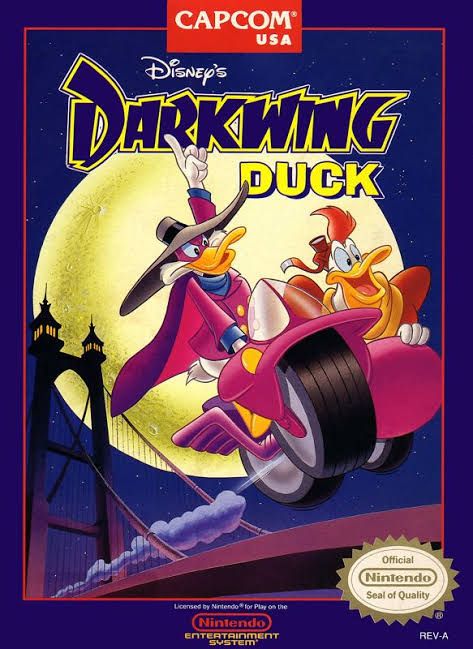
Being a fan of the Darkwing Duck cartoons, it’s no secret that I’d choose this NES game. A side-scrolling platformer with a Batman-like hero using gadgets was quite enjoyable back in the day. Playing it on the Miyoo Mini now is more enjoyable than when I first played it as a kid.
I didn’t get to enjoy this game as much as I wanted before since the cartridge conked out on me just a few days after I got it. As soon as I got the Miyoo Mini, I looked for this ROM first. The colorful graphics look great on the small screen.
**Fun Fact:** Darkwing Duck was developed by Capcom using the same engine as the Mega Man series, which explains the tight, polished gameplay.
Pac-Man Championship Edition (ROM Hack)
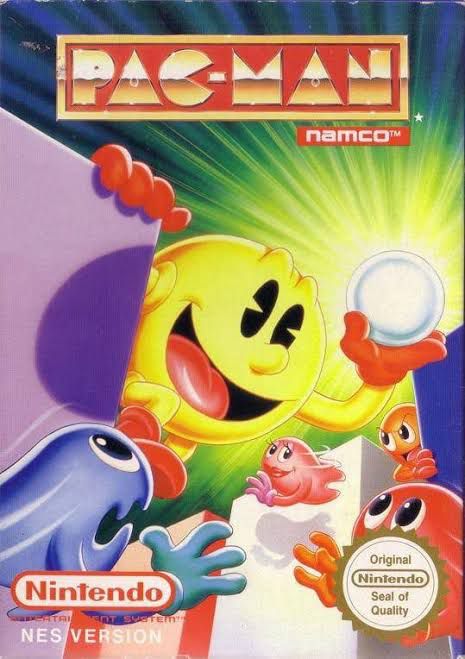
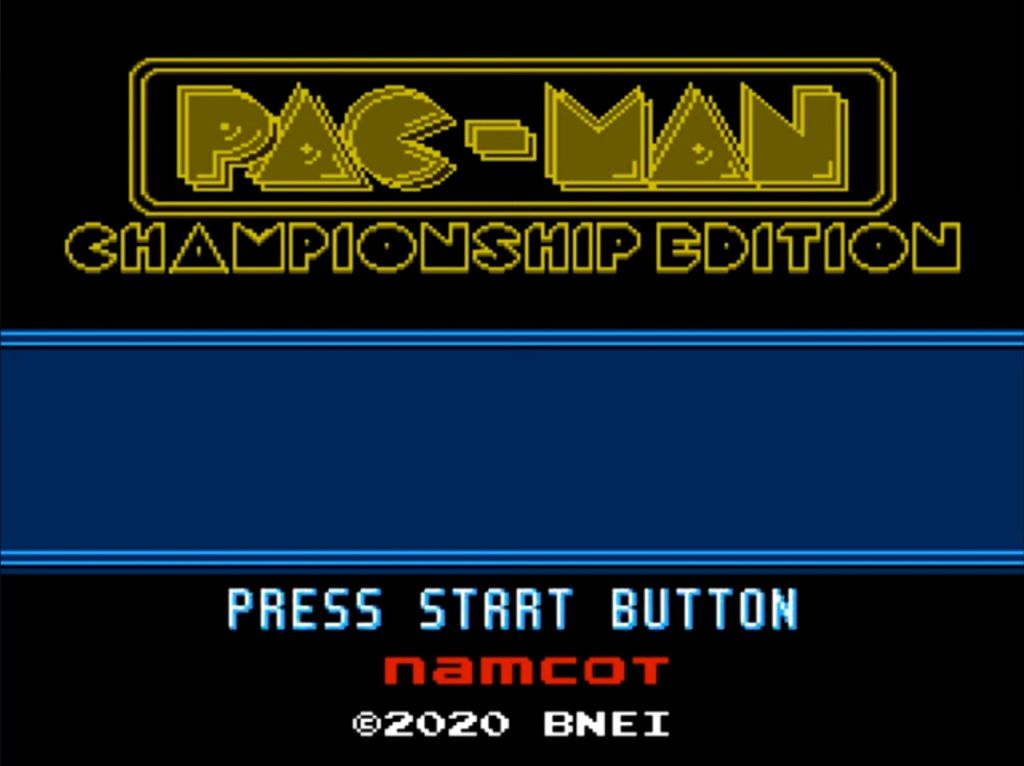
No top 10 NES game pick would be complete without Pac-Man. For my pick I’m recommending the Pac-Man Championship Edition ROM hack, which tries to emulate the modern version on the NES and is one of the greatest Pac-Man experiences available.
You might think the small screen would be difficult, but based on experience, it’s just the perfect size to see the tight corners and dots you need to grab. The Miyoo’s controls are super responsive with no false inputs whatsoever.
**Fun Fact:** The original Pac-Man Championship Edition was created by series creator Toru Iwatani in 2007, over 25 years after the original game.
Urban Champion (JP: Nov 1984, US: Aug 1986)
Let me just say that this list is in no particular order, and I’m sure others will complain that I didn’t include their favorite games like Ghosts ‘n Goblins, Dragon Warrior, or Final Fantasy. Here’s the thing – those are great games, but I think they’re much better experienced on a bigger screen, so if I offended anyone, sorry, but this is my list.
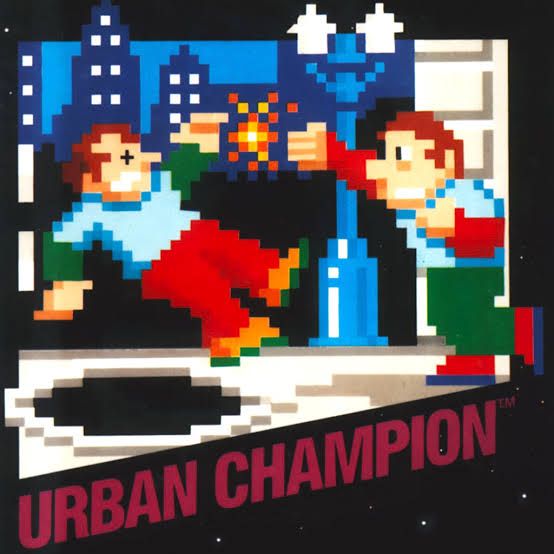
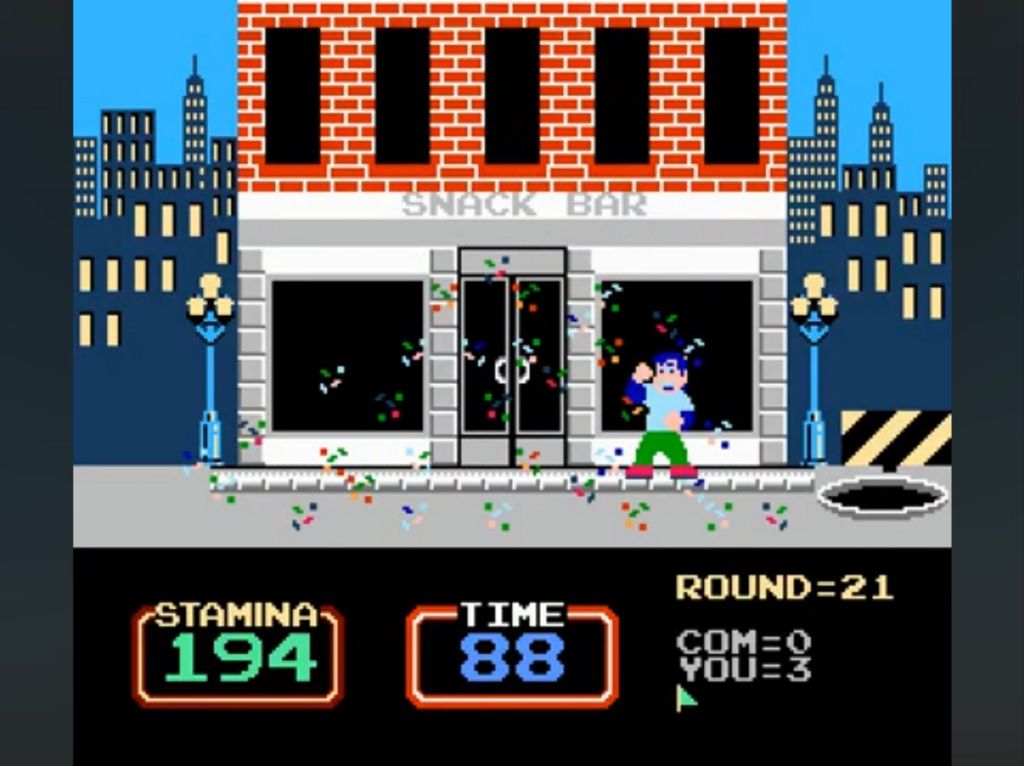
Last one is another game that works best with 2 players, but as a single player experience this also translates well on the Miyoo Mini. Urban Champion is a fighting game where you and the computer beat each other up in the middle of the street. There are no life bars, just stamina. A round ends if you beat your opponent to their side of the screen.
There are police cruisers passing by from time to time, so you should avoid fighting unless you want a trip to jail. Also avoid neighbors throwing potted plants from windows above. Simple game with no story, but the gameplay is somewhat addictive in my opinion.
**Fun Fact:** Urban Champion was one of Nintendo’s earliest fighting games from 1984, and it’s often considered one of the worst NES games ever made – but that’s exactly what gives it cult appeal.
Conclusion
The Miyoo Mini proves that great gaming experiences don’t always need the biggest screen or the most complex controls. These 10 NES classics showcase how perfectly suited retro games are for portable play, whether you’re looking for quick arcade action or longer adventure sessions with save states to help you through the tough spots.
What makes these picks special isn’t just their quality as games, but how well they adapt to the Mini’s form factor. From the responsive controls of Pac-Man Championship Edition to the simple joy of creating tracks in Excitebike, each game feels like it was meant to be played on a handheld device.
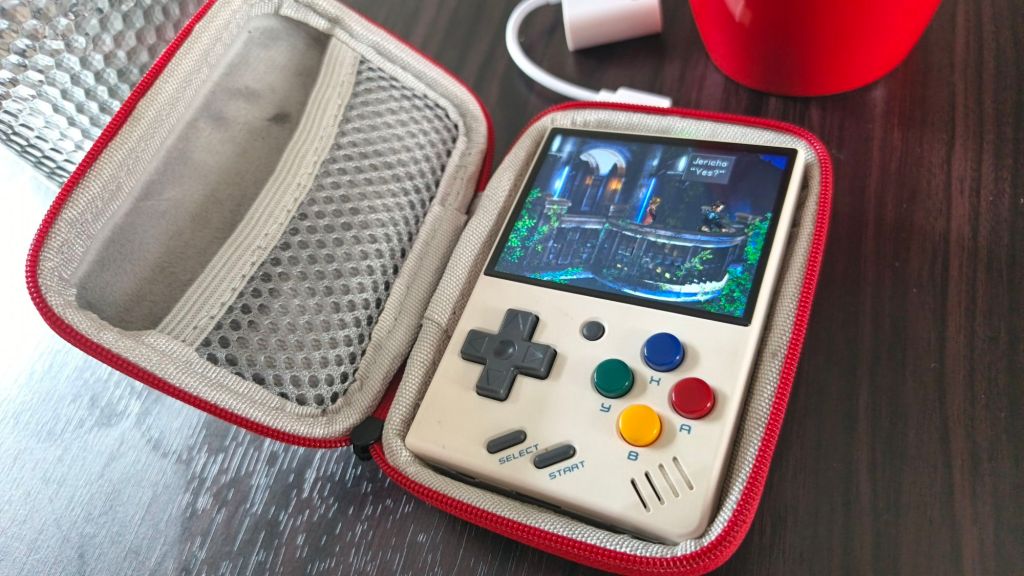
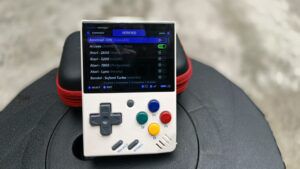
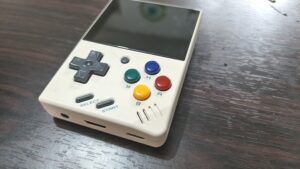
The Miyoo Mini retro handheld is a nifty little device capable of playing classic 8-bit and 16-bit games up to PlayStation 1 ROMs. Released in late 2021, it was well-received by avid retro gaming fans worldwide. Many would argue that this device jump-started the compact retro handheld market at an affordable price point.
While other players like Anbernic and Powkiddy existed at the time, the Miyoo Mini managed to make waves due to its pocketability, build quality, and competitive pricing.
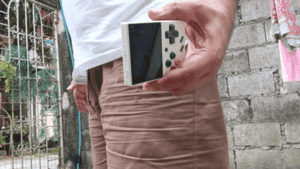
That doesn’t mean it’s without flaws, but many consider (ourselves included) that the original Mini has the perfect size if you want something lightweight and compact that doesn’t significantly impact the gaming experience. This is subjective, of course—people with larger hands will find the device cramped. I have medium-sized hands, so while it took some adjustment, it works really well for me.
Another main concern is the 2.8″ screen, which many consider quite small for comfortable gameplay. If you’re into text-heavy games, there will be plenty of squinting involved. However, for most games, it works fine and screen size won’t be much of an issue.
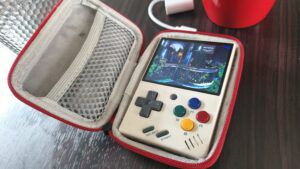
Since its 2021 debut, the Miyoo has undergone three version upgrades. If you’re looking to purchase one now, you’ll likely get the latest Version 4 model, which comes in white, grey, black, transparent blue and yellow colors.
Hardware Specifications
Before we dive in, here’s a breakdown of the Miyoo Mini’s hardware (note: we’re reviewing Version 4, but hardware specifications remain similar across versions):
Device Name: Miyoo Mini (all versions)
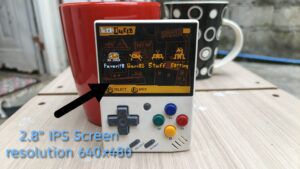
Display: 2.8″ IPS, 640×480 resolution
Battery: ~2000 mAh (4-6 hours depending on emulation)
Storage: MicroSD (up to 128GB)
CPU: ARM Cortex A7, 1.2GHz dual-core
RAM: 128MB
OS Support: Stock OS (Mini UI) or Onion OS (custom firmware)
Emulation Support: 8-bit/16-bit systems up to PlayStation 1
Wi-Fi: None
(Note: The original Miyoo Mini lacks Wi-Fi support, but the Miyoo Mini+ does include it)
Size and Weight: 93.5×65×18mm, ~107g
Emulation Performance
Since the Miyoo Mini is primarily a retro handheld, let’s examine how well it performs across different emulation platforms.
I accidentally reformatted the SD card that came with my Miyoo Mini, so I had to start from scratch. I’ve installed my own ROM collection, which is somewhat limited compared to the pre-loaded selection, but I’ve personalized it with games I actually play on the Mini.
NES/Famicom
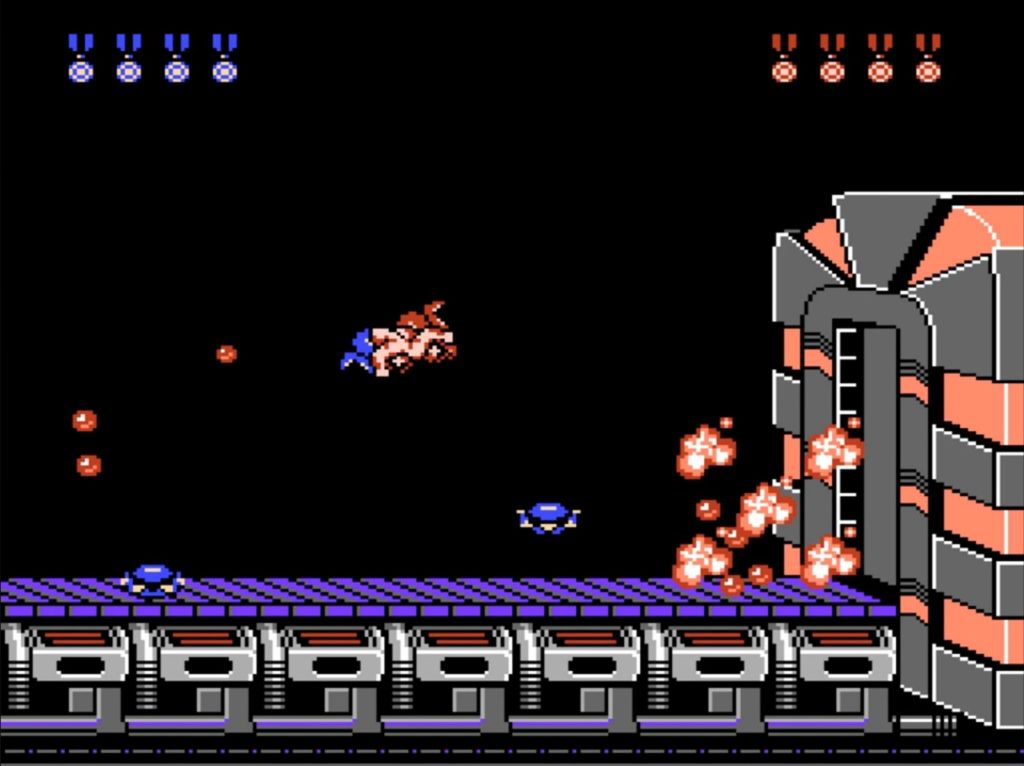
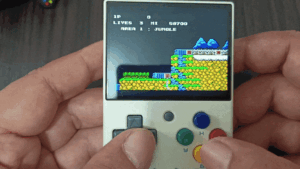
Contra on famicom
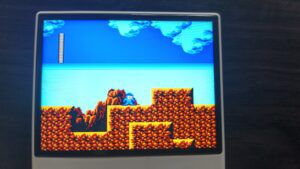
One standout feature of Miyoo’s NES emulation is its compatibility with modded and homebrew ROMs. For this review, I tested Contra, one of my all-time favorite games on this system and a childhood classic.
Controls
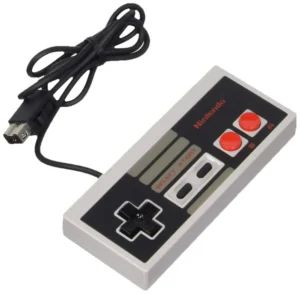
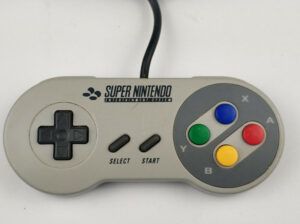
Standard Famicom controller
For those unfamiliar with the NES, the control scheme consists of two buttons plus the directional pad (not counting Select and Start). This translates perfectly to the Miyoo Mini’s B and A buttons with the D-pad. While it’s a bit cramped, it remains very playable. You can also customize the X and Y buttons to act as turbo buttons.
Sound
The audio is surprisingly loud for such a small device—I had to lower the volume to avoid it being jarring. The single speaker, located on the bottom-right face, is well-positioned. I didn’t experience any sound muffling issues with my thumb placement over the B and A buttons, though this could be problematic for users who rest their thumbs below the buttons.
The directional pad works excellently. While on the smaller side, I experienced no false inputs or difficulties with this button layout.
Games to play on Nes/Famicom
Megaman on famicom
I play plenty of NES games on the Mini during my free time. Turn-based RPGs work best since they can be played one-handed and don’t require precise inputs. However, platformers also perform well. I recommend Contra, Super Mario Bros. 3, Darkwing Duck, and Mega Man 1 & 2. Generally, any NES game works excellently on the Mini.
Super Nintendo (Snes)
Super Mario RPG on Snes
When it comes to RPGs and JRPGs, the Super Nintendo reigns supreme. Throughout its lifespan, it produced numerous RPG titles that continue to inspire modern games, not to mention the remakes and remasters we’ve received over the years.
The Miyoo Mini delivers exceptional SNES emulation performance. Beyond smooth gameplay, the Mini offers save states for quality-of-life improvements and filter effects to enhance visual appeal or nostalgia.
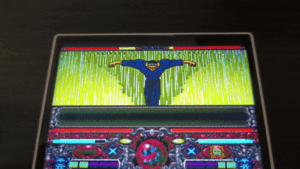
Chrono Trigger complete hack on Snes
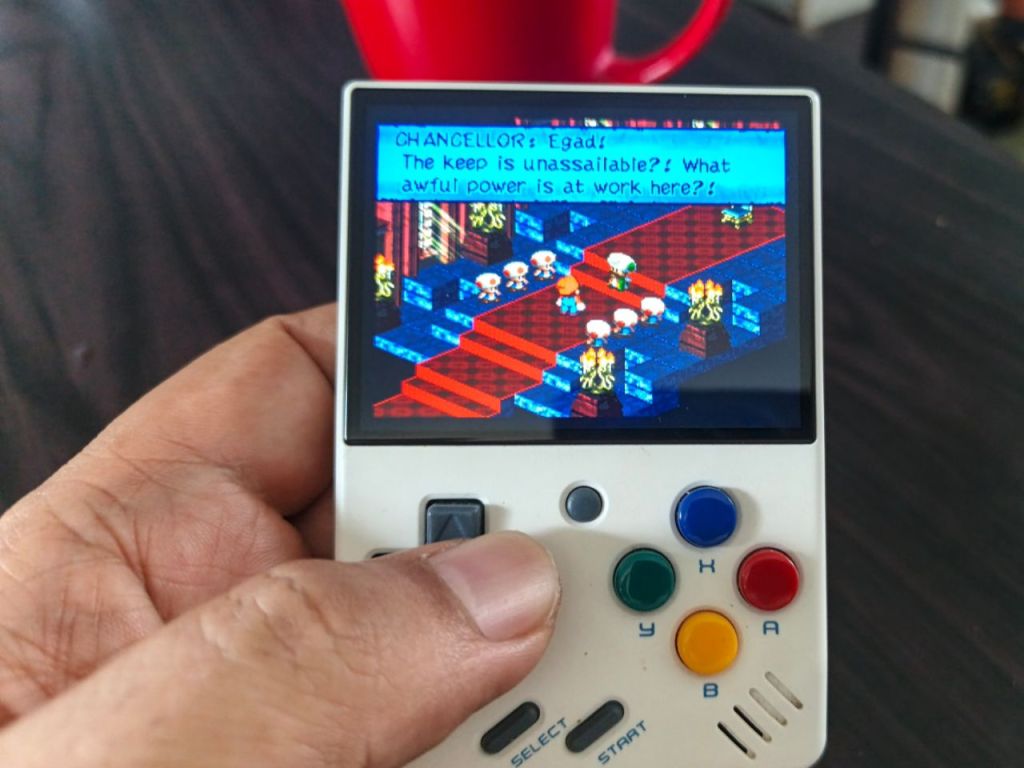
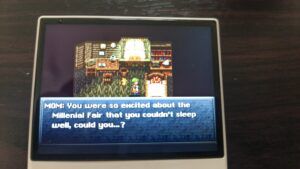
For this review, I tested Chrono Trigger: Complete, a popular modification for the SNES version. The 2.8″ screen performs admirably—text remains readable, and I experienced no slowdown or noticeable screen tearing.
This addresses a long-standing issue I’ve had with SNES emulation on mobile devices, where I’ve never found a perfect emulator. The Mini’s compact size also allows for comfortable one-handed gameplay.
controls
The SNES control scheme includes four buttons, a D-pad, and left/right triggers. These translate well to the Mini, though I admit the L and R buttons feel somewhat awkward to press. This requires adjustment, but for games that rarely use these triggers (like RPGs and JRPGs), it shouldn’t pose significant issues.
Sound
Audio performance is generally solid. I’ve noticed occasional sound crackling or slowdown in demanding games with heavy on-screen action. A classic example is the Super Mario World 30th Anniversary ROM hack. While there are reportedly RetroArch workarounds, I’m not particularly tech-savvy and let it run as-is. These issues only affect specific game sections, and overall performance remains excellent.
Games to play (Snes)
While I could recommend every RPG/JRPG on SNES, turn-based games truly shine on the Miyoo Mini. Chrono Trigger, Final Fantasy IV & VI, Shin Megami Tensei mods—if it’s turn-based, it’s perfect for the Mini. Other notable recommendations include Mega Man X, Tales series games, Front Mission: Gun Hazard, Castlevania (especially mods), and Yu Yu Hakusho Tokubetsu Hen.
Game Boy, Game Boy Color, Game Boy Advance
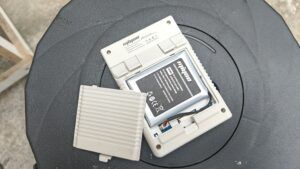
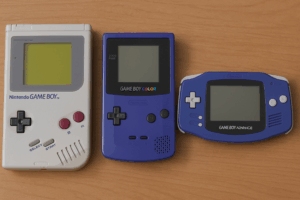
Gameboy handhheld series by Nintendo
Modern retro handhelds draw inspiration from the Game Boy family—the concept of portable gaming began with the Game Boy and evolved through the Game Boy Advance. Naturally, the Miyoo Mini excels at emulating these Nintendo handhelds, and with years of homebrew ROMs and mods available, there’s an extensive game library across these three platforms.
Game Boy
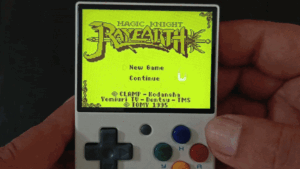
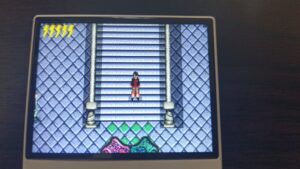
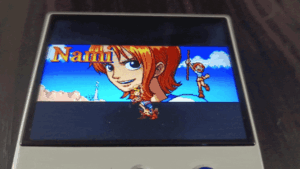
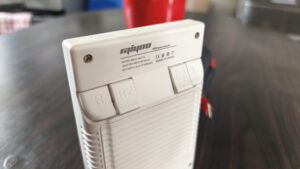
I tested Magic Knight Rayearth, my all-time favorite Game Boy title. With the simple control scheme of B and A buttons plus the D-pad, you can remap additional buttons for functions like save/load or create combination inputs. A neat Onion OS feature allows you to change screen filters by tapping the rear R1 and R2 buttons, offering up to 26 preset filters instead of the classic green Game Boy display.
Gameboy Color
This is where Pokémon first made its impact. The control scheme remains similar to the original Game Boy but now includes color support and essential features like save states and speed-up toggles (especially useful for Pokémon games). Games display excellently on the 2.8″ screen, with text remaining readable even for those with vision difficulties.
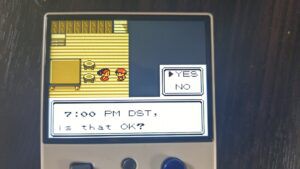
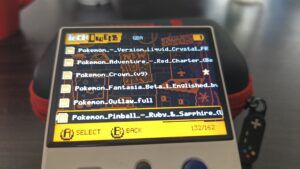
I tested Pokémon Crystal Legacy, a ROM hack of the original Crystal, and everything ran smoothly with proper internal clock functionality—essential for Game Boy and Game Boy Advance Pokémon games.
Gameboy Advance
Harry Potter 1 on GBA
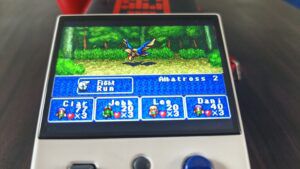
I have nothing additional to note regarding controls, sound, and quality-of-life features for GBA emulation—everything works excellently. I primarily play Pokémon ROM hacks, RPGs, and strategy games, all of which perform great on the Mini.
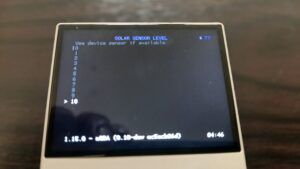
Gba solar sensor
Solar sensor settings via retroarch
One standout feature is the solar sensor support, which works beautifully and is easily accessible through the RetroArch emulator.
For those unfamiliar, certain GBA games utilized a solar sensor hardware feature. The prime example is Boktai (Solar Boy Django), where you charge weapons via the solar sensor to create solar-powered attacks. I previously struggled with solar sensor setup on PC emulators, but it functions flawlessly on the Mini.
Game recommendations
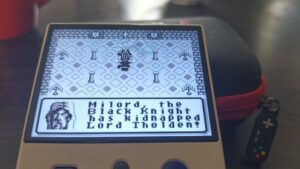
Honestly, every game works well across these three handhelds on the Mini. Currently, I’m enjoying Magic Knight Rayearth, Darkwing Duck, and Ultima II: Runes of Virtue.
For Game Boy Color, I highly recommend Pokémon Crystal Legacy, Queen of Fighting 2000 (a fun Chinese homebrew fighting game with easy move execution), Sakura Wars GB, and a newly discovered homebrew called “The Way to Dusty Death”—a compelling text-based RPG.
For GBA, Pokémon Unbound stands out as the best Pokémon ROM hack available. I also recommend Super Robot Wars OG & OG2, Fire Emblem games and hacks, Boktai 1 & 2 (requiring the solar sensor), and Mega Man Zero 1-4.
Neo Geo Pocket
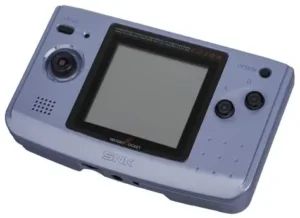
If you’ve followed my previous emulation reviews, you know I consider the Neo Geo Pocket an underrated handheld, especially for fighting games. NGP emulators are scarce on mobile and PC platforms, making the Miyoo Mini one of the best retro handhelds for NGP ROM emulation. Its compact size isn’t a drawback since the original Neo Geo Pocket was also small, and with only two buttons plus the D-pad, your hands won’t feel cramped.
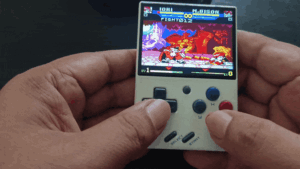
I regularly play fighting games like SNK vs. Capcom, SNK Gals’ Fighters, and King of Fighters R-2, executing super moves without issues.
The Mini’s small D-pad works perfectly for sliding movements required for half-circles and precise forward-down-forward signature moves.
The only adjustment needed was adapting to low punch/kick inputs—tapping for low attacks and holding for high/heavy attacks. This isn’t a hardware limitation but rather the original Neo Geo Pocket design. Other notable non-fighting games I enjoy include Faselei!, Metal Slug 1st & 2nd Mission, and Dark Arms.
Wonder Swan Color
WonderSwan games run excellently on the Mini. However, most online retailers don’t include pre-installed WonderSwan ROMs—you’ll need to manually add the system via package manager and source your own ROMs.
This might be due to most WonderSwan games being Japanese-only or the handheld’s limited popularity. I’ve purchased two Minis from different shops, and neither included WonderSwan ROMs.
I tested Makai Toshi Saga, which performed flawlessly—unsurprising given the simple two-button plus D-pad control scheme. As a Gundam fan, I also tried various Gundam WonderSwan ROMs.
While lacking English translations required some exploration to understand gameplay mechanics, I thoroughly enjoyed the experience.
Playstation 1
PlayStation emulation proves hit-or-miss depending on the specific game. While some titles run with minor slowdowns or stutters, others become unplayable or difficult on the Mini.
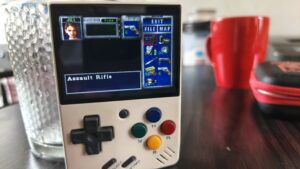
Resident Evil exemplifies the challenges—requiring you to hold the R2 button for aiming and tapping the X button for firing. With rear buttons positioned at the device’s back, these combinations feel downright frustrating on such a small device.
I often accidentally drop the Mini when dealing with multiple on-screen zombies while frantically attempting to aim and fire as they close in on me. This problem is the same for any 3rd and first person shooters like Dino crisis or medal of honor.
Turn-based games or titles that don’t heavily rely on shoulder buttons provide acceptable experiences, depending on the game type. For dedicated PlayStation 1 gaming, I recommend the Miyoo Mini+ or Miyoo A30, as the original Mini’s size and form factor can create frustrating experiences.
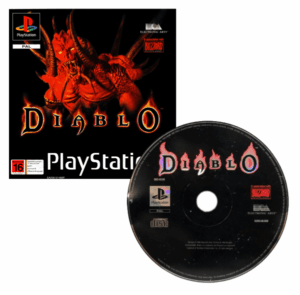
Note that Diablo 1 and Diablo Devilution won’t run directly—the only workaround involves installing through the Onion OS ports collection, though available tutorials target the Miyoo Mini+ rather than the original Mini.
Game recommendations
I typically play Final Fantasy VII, VIII, and IX, plus fighting games like Bloody Roar 2 and Bushido Blade 2. While these run adequately, the awkward trigger button layout makes this less than ideal for such games.
I’m missing coverage of several emulators like MAME, CPS1, CPS2, PICO, ports collection, and ScummVM due to my accidental card reformatting and lack of legal access to originally pre-installed ROMs. From memory, arcade games performed well, and retailers typically offer extensive ROM selections with Miyoo Mini purchases.
Final Verdict
Now in 2025, nearly four years after the Miyoo Mini’s debut, production has ceased in favor of the Miyoo Mini+, which features a larger screen, bigger body, and Wi-Fi connectivity. Is the original Miyoo Mini still worth purchasing? I’d say yes, but it depends entirely on your handheld gaming priorities.
If you want something genuinely pocket-sized, the Miyoo Mini is perfect. While dozens of smaller handhelds exist, a 2.8″ screen represents the minimum playable size in my opinion.
For quick gaming sessions during free time, the Mini excels at short play bursts.
For extended gaming, you’ll need larger, more expensive handhelds for comfortable play, as the Mini’s compact body becomes cramped after an hour or more.
For retro gaming focused on 8-bit and 16-bit titles, the Miyoo Mini performs excellently at a budget-friendly $60 starting price (at least on AliExpress). I purchased mine through TikTok from Gamecove PH for around $68 with a 64GB SD card option.
Interestingly, the Mini+ and original Mini were identically priced, with the seller recommending the Mini+ for its larger size and Wi-Fi capability.
If you’re seeking a compact, affordable retro handheld perfect for short gaming sessions, the Miyoo Mini delivers exactly that experience.
 EZRetro Plays