Category: Reflections

  • The EZRetro plays Handbook: 10 Games to Get You Hooked on the RG28XX

    The EZRetro plays Handbook: 10 Games to Get You Hooked on the RG28XX

    It’s been barely two weeks since I got my RG28XX, and I’ve been completely glued to it. Like a kid with a new toy, I’ve been switching between games non-stop, quickly learning what plays well and what doesn’t. As a JRPG/RPG fan, I naturally gravitate toward that genre. But let’s be real about the PSP emulation: it’s a bit of a hit-and-miss.

    The Allwinner H700 chipset is powerful for a budget device, but most PSP games are a bit laggy, and some are downright unplayable due to the missing analog stick. Plus, the screen’s resolution isn’t a perfect 16:9 match for the original PSP, so you have to scale and fit it to fill the screen, which is a no-no for purists.

    But for someone not too picky about screen size and is more focused on playing something on a small retro handheld, it’s perfect.

    Even with the quirks, limiting recommendations to just RPGs doesn’t do this little handheld justice. It’s given me the chance to play other games, and after two weeks of non-stop play, here’s my top 10 games to try.

    Prinny 2: Dawn of Operation Panties, Dood!
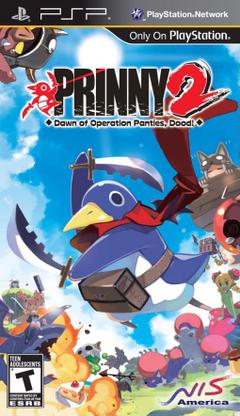
    psp box art

    I’ll be honest—I’ve never been great at platformers on PSP using my phone. The tiny screen, touch overlays, and lack of a proper controller made even basic levels frustrating. But on the RG28XX, everything changed. While the screen is a bit cramped and the buttons are small, I finally beat the first level and a saw Etna inside the castle. It felt like a real win.

    Gameplay-wise, Prinny 2 is a classic side-scrolling platformer, but Nippon Ichi Software adds its signature style. The animations are smooth, and the game’s humor is just absurd enough to keep you laughing even while dying repeatedly. You’ll really end up caring about the side characters and NPCs, dood!
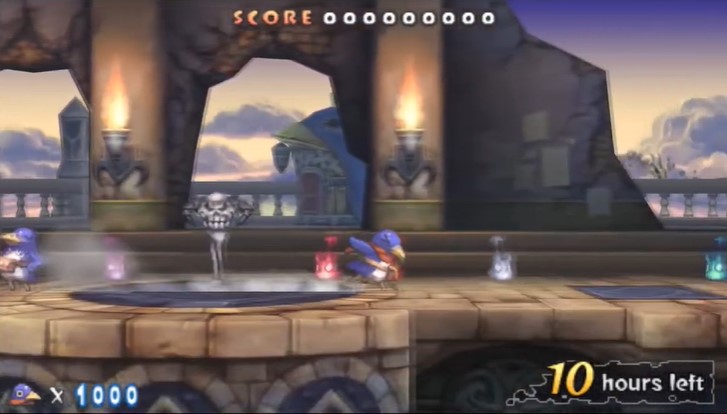
    Fun Fact: Nippon Ichi’s dialogue is so ridiculous and over-the-top that even minor characters steal the spotlight. I’m not usually a fan of side-scrolling platformers, but Prinny 2 had me invested in the story and the laughs, and that’s what matters most.

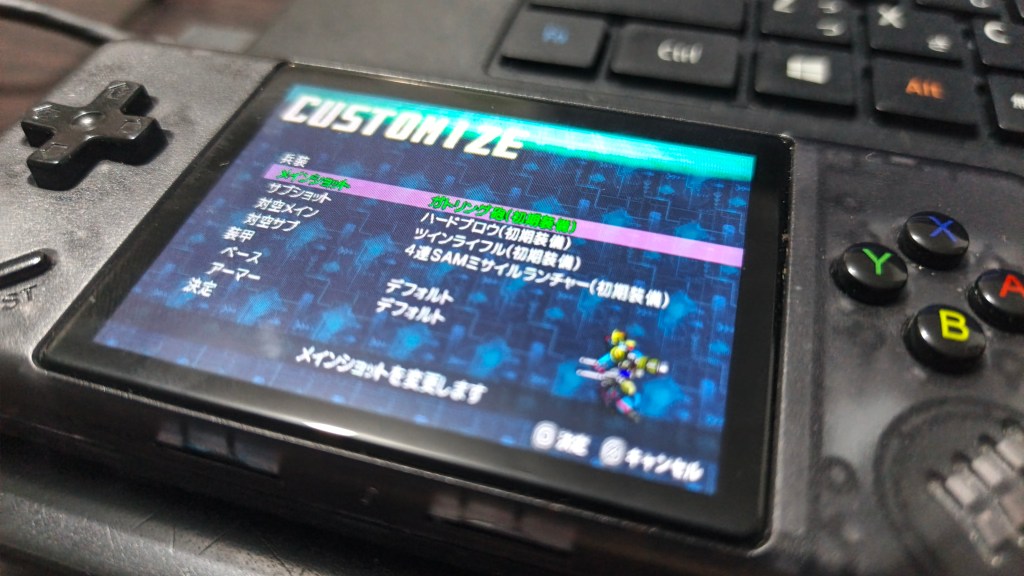
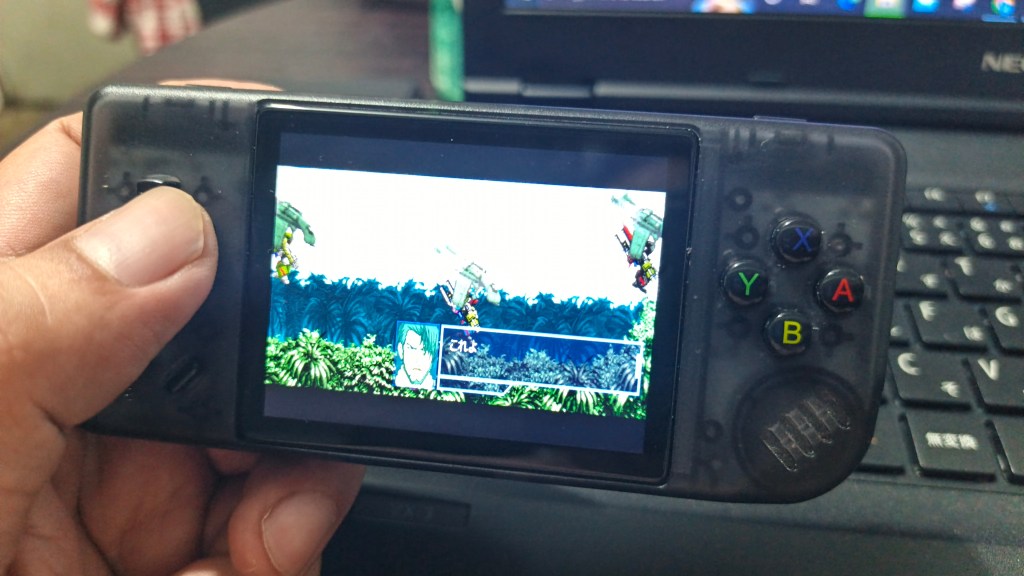
    Kisou Ryuhei Gunhound
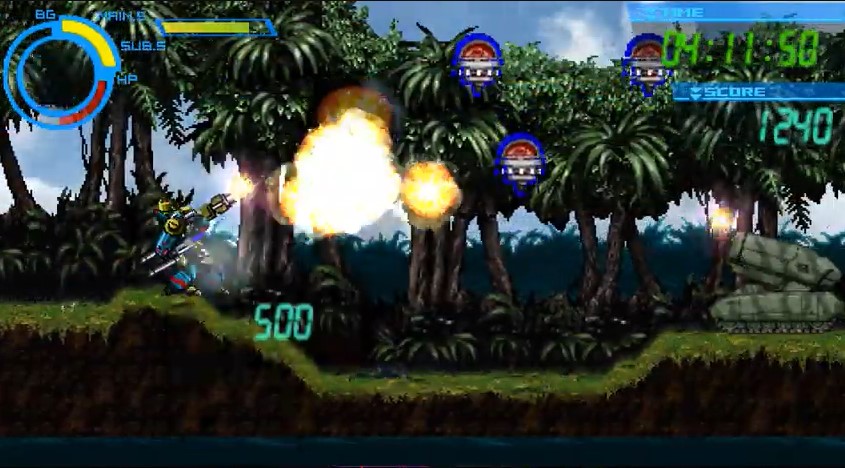
    Kisou Ryuhei Gunhound is a side-scrolling mecha shooter that had me glued from start to finish. You pilot your giant robot through futuristic stages filled with enemies and obstacles. The controls on the RG28XX are precise enough that even intense shooting sequences feel smooth.

    The story follows a world under siege, and while it’s not particularly deep, the excitement comes from blasting through waves of enemies and upgrading your mecha. For someone who enjoys mecha and action, this is a perfect handheld experience.

    Fun Fact: Despite its small screen, the RG28XX handles the visuals perfectly, making every boss fight feel as epic as it would on a console.

    ZHP: Unlosing Ranger vs. Darkdeath Evilman
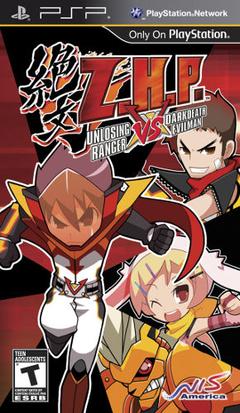
    Unlosing Ranger psp box art

    ZHP is one of the quirkiest tactical RPGs I’ve ever played. You lead a colorful, bizarre team through strategic missions filled with absurd story beats and hilarious dialogues. On the RG28XX, it feels surprisingly comfortable, even during long grind sessions.

    The game’s humor is its standout feature, but don’t mistake it for a joke game—the strategy is real. Positioning your characters and timing your attacks can mean the difference between victory and defeat.
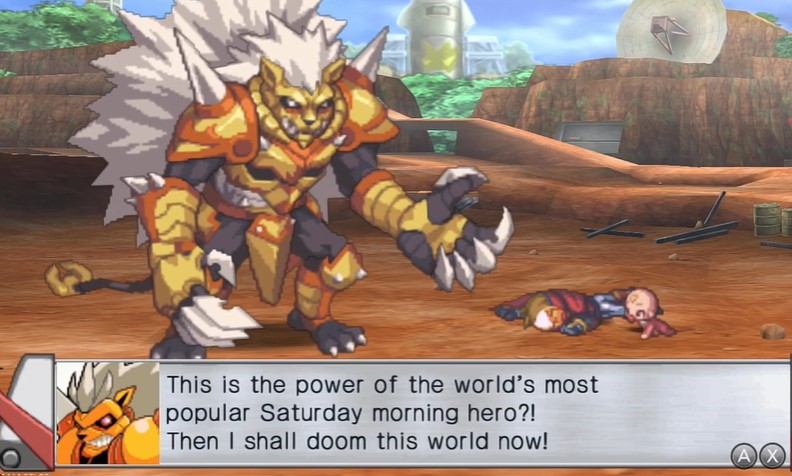
    Fun Fact: Some levels are so absurdly funny that you’ll spend more time laughing than strategizing, which is part of the charm. It’s a tactical RPG that doesn’t take itself too seriously.

    Ys vs. Sora no Kiseki
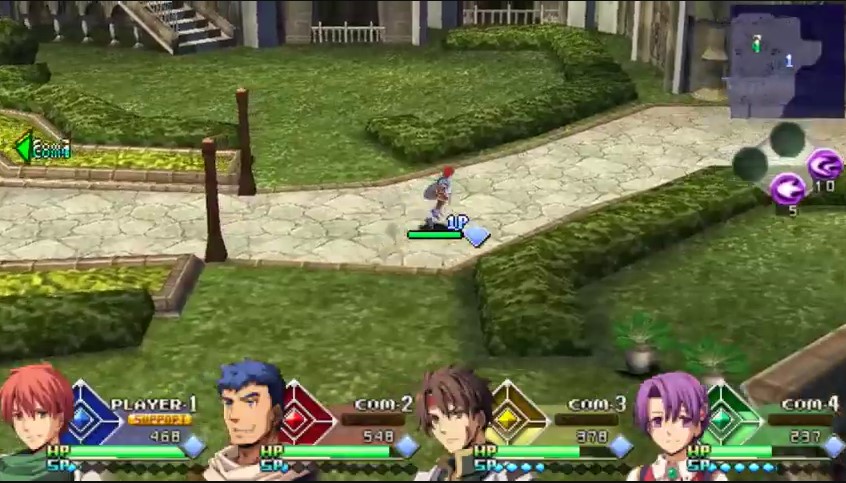
    This one is a little different from the others on my list. Ys vs. Sora no Kiseki is a fighting game that’s a total love letter to fans of both the Trails and Ys series. You get to play through each character’s unique story arc, and you can upgrade their equipment and customize them, which really makes you want to keep playing long after the main story is over. That ability to customize is what gives it some serious replay value.

    Fun Fact: A worldwide release is scheduled for October 10, 2025, on PS4, PS5, Switch, and PC with enhanced features, according to the publisher refint/games.

    TwinBee Portable
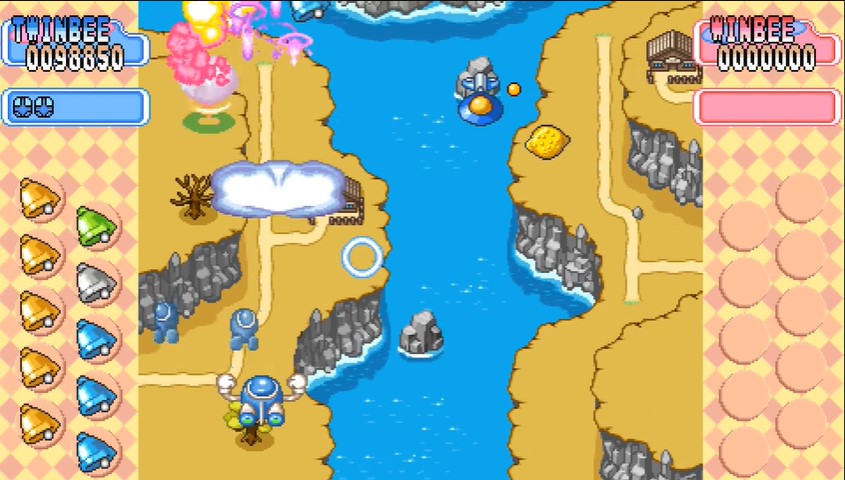
    TwinBee Portable is a vertical shooter with an aesthetic that’s so colorful it’s almost hypnotic. Controlling the ship is straightforward, making it easy to pick up on the RG28XX. The power-ups add a layer of strategy to the simple shooting mechanics, turning it into a deeper experience than it first appears. Since it’s a Japanese-only release, I’m just assuming the story is light and charming, but seriously, who needs a story when what hooked me to this game is the retro vibe and pure nostalgia? It’s the kind of game that’s easy to jump into for a quick session or a longer run.

    Fun Fact: TwinBee’s charm comes from its cheerful music and playful visuals—Konami really nailed that arcade vibe.

    Mega Man Powered Up
    megaman powered up psp cover

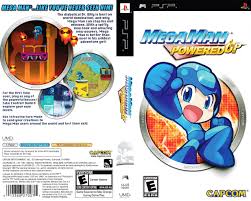
    Mega Man Powered Up is classic Mega Man with upgraded graphics and remade levels. It’s challenging but fair, and controlling the blue bomber on the RG28XX felt surprisingly natural. The satisfaction of finally defeating a tough boss never gets old.

    The story is minimal but fun, staying true to Mega Man’s roots as a robot hero battling evil. The level design is clever, and each stage has its own personality.
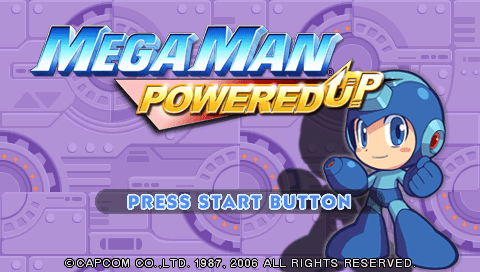
    Fun Fact: You can create and share your own levels, making it a mini creative outlet on the go.

    Yuusha 30 Seconds
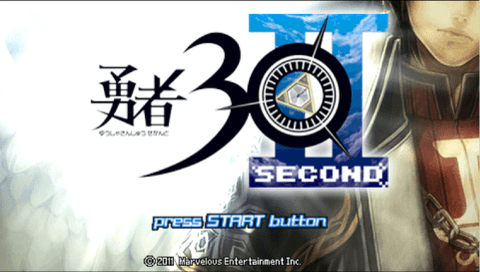
    Yuusha 30 Seconds is a fast-paced mini-RPG where battles and decisions happen in short, exciting bursts. Perfect for handheld play, it keeps you on edge while still being strategic. The story follows a hero who must make quick choices to save their world, making every second count.
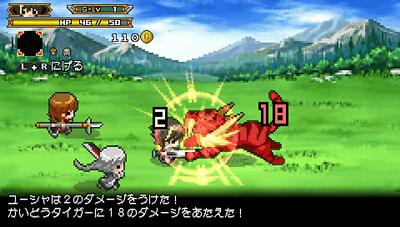
    The gameplay of Yuusha 30 Seconds is what truly makes it a standout. Back when it was released, the concept was totally unique, and it still feels incredibly fresh today. The core loop is simple: you have 30 seconds to save the world. This crazy-fast timer forces you to make quick, strategic decisions. Every second counts as you run to level up, buy equipment, and defeat the final boss. It’s a genius concept that turns the traditional RPG grind on its head and keeps every moment filled with high-stakes action.
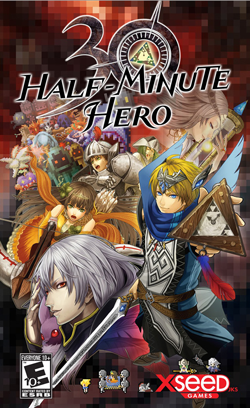
    Fun Fact: Another title, Half-Minute Hero, was also released for western audiences on PSP. Although that’s a great game, I would still recommend hunting down an English translation patch for Yuusha 30 Seconds because the Japanese release is more challenging and has more content.

    Dissidia 012 Duodecim (RPG Mode)
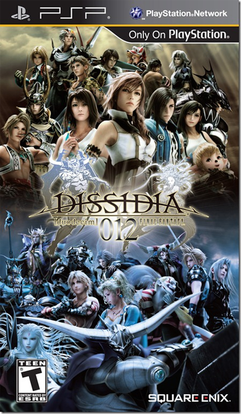
    This one is a bit different. I play Dissidia 012 Duodecim in RPG Mode. There’s an option in the settings to switch from the usual action style to a more tactical RPG-style battle where you input attacks as the battle takes place.

    While I’ll be honest, I usually play this on PPSSPP on my phone since the touch controls and ability to set hotkeys make the game more fluid for me, the RG28XX still offers a great experience in RPG Mode. Even with the controls being a bit cramped and the absence of an analog stick, it’s a perfect fit for this little handheld.
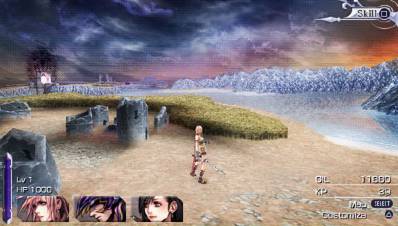
    Fun Fact: Each character has a fully voiced story, and the massive cast includes heroes and villains from almost every major title in the series.

    Zenonia
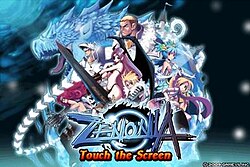
    Zenonia is a classic hack-and-slash RPG that’s perfect for handheld sessions. You explore dungeons, fight enemies, and uncover a story of revenge and justice. The controls feel great on the RG28XX, making combat smooth and satisfying.

    The story is simple but effective, with multiple endings that encourage replayability. I love how easy it is to pick up and play without losing any of the RPG charm.

    Fun Fact: Zenonia was so popular that it eventually found its way to mobile devices, becoming one of the early success stories for JRPGs on the app store.

    Patapon 3
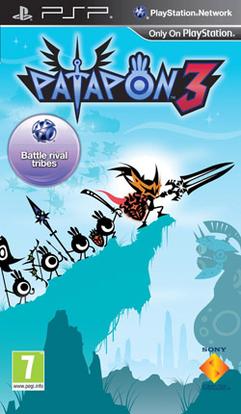
    Patapon 3 perfectly blends rhythm and strategy. You command a tiny Patapon tribe in battles that are essentially musical performances. The gameplay is simple, but timing your beats correctly feels incredibly satisfying.

    The story follows your tribe as they journey to conquer enemies and survive in a whimsical world. It’s easy to lose track of time because the rhythm-based gameplay is so addictive.
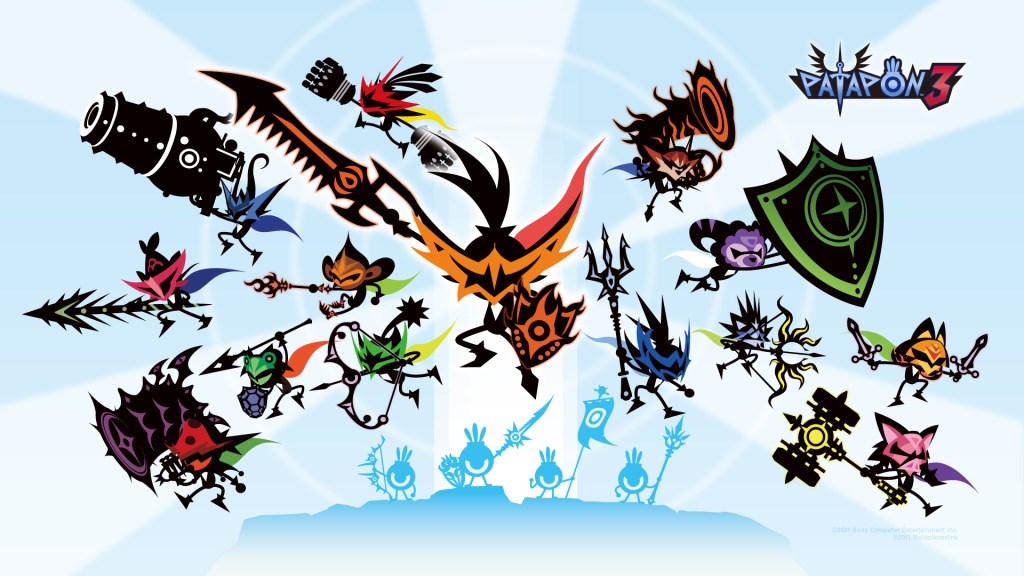
    Fun Fact: The unique rhythm-strategy gameplay of Patapon 3 has a rich history. The first game introduced the unique concept of commanding a tribe with drumbeats. Patapon 2 built on that with the introduction of hero units, new classes, and a multiplayer mode. Patapon 3 then evolved the formula even further with a persistent online focus, a more detailed leveling system, and an even deeper focus on the central hero character.

    Final Thoughts

    This list proves that the RG28XX can handle far more than just RPGs. From humor and platforming to epic storytelling and rhythm, this little handheld really delivers, and I can’t wait to see what other hidden gems I discover next.
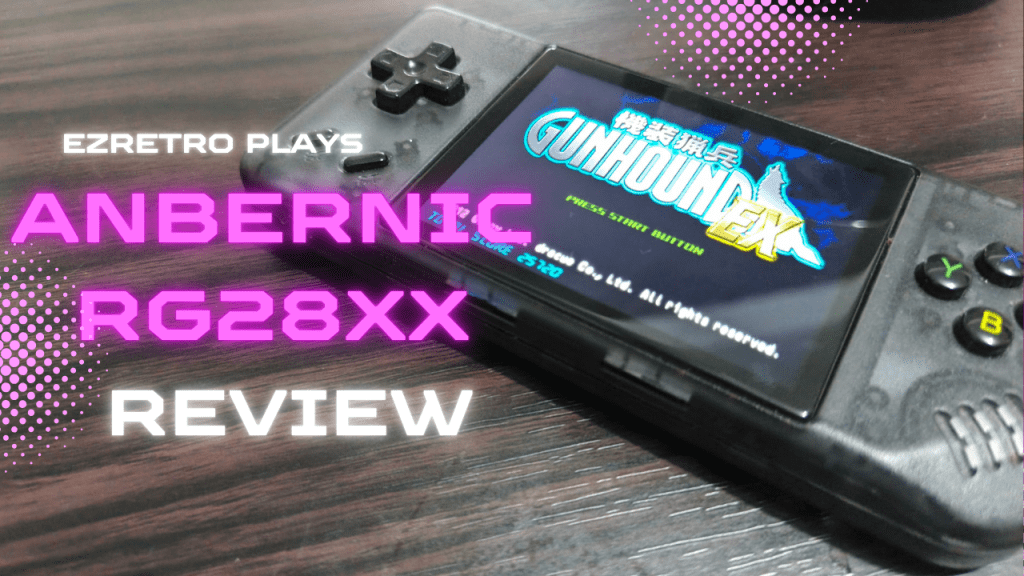
  • Anbernic RG28XX Review – A Pocket-Sized PSP Machine?

    Anbernic RG28XX Review – A Pocket-Sized PSP Machine?

    Lately, I’ve been on the lookout for a small device to play JRPGs and RPGs on the go. Being a fan of the Miyoo Mini, I first decided to get the Miyoo A30 since the Miyoo Mini was the handheld that originally got me into retro handheld emulation. Sadly, I only had it for about a day. I was just getting used to the Spruce OS when I lost it on my way home from work.

    After that, I made a second purchase—the Miyoo Mini V4—and it became my only handheld for quite some time. I absolutely love this little device. It’s powerful enough to play up to PS1 games, and I’ve been having a blast playing in short bursts throughout the day. The only drawback for me was the lack of PSP emulation.

    Back in my young adult years, the Sony PSP defined a lot of my gaming moments. I loved it so much that I actually owned three of the four PSP models—the Phat, the PSP-2000, and the PSP-3000. Naturally, I wanted to relive those moments on a small retro handheld that fits perfectly in my pocket. These days, I don’t have much free time to play, so I needed something small, powerful enough to handle PSP, and affordable.
    That’s when the Anbernic RG28XX was recommended to me. Since it was also the only device available near me, I finally went ahead and made the purchase.

    Specs

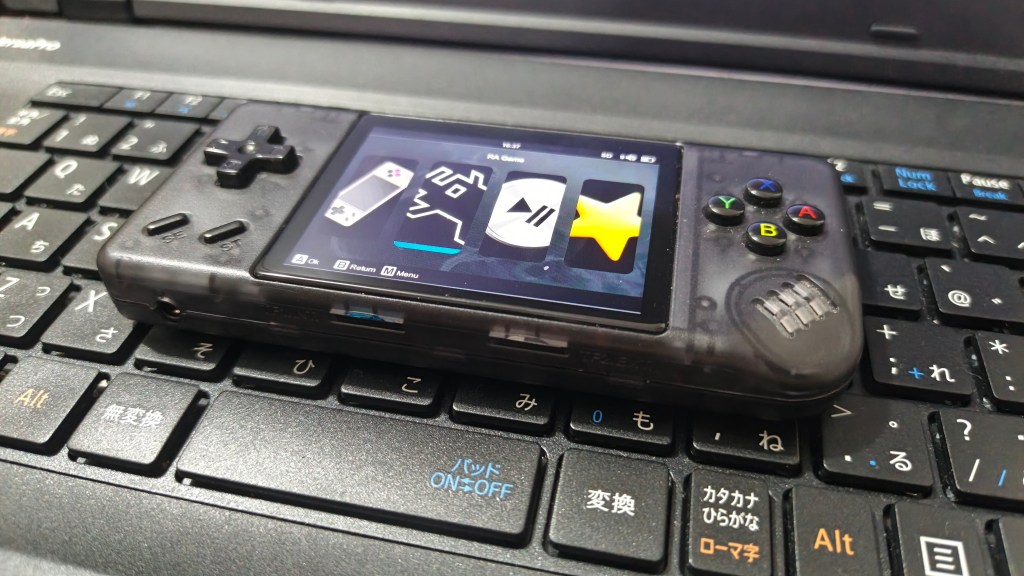
    The Anbernic RG28XX is designed as a compact retro handheld that balances portability with enough power to emulate systems up to PSP. It runs on the Allwinner H700 chip with 1GB of RAM, and comes with a 2.83-inch IPS screen at 640×480 resolution. Storage is handled through dual microSD slots — one for the system and one for your games — making it easy to expand or swap your library.

    Battery life is rated around 5–6 hours, though this depends on what you’re playing.

    Screen & Firmware

    On paper, the RG28XX’s 2.83-inch IPS display is about the same size as the Miyoo Mini, and brightness is solid enough indoors while staying usable outdoors unless you’re in direct sunlight. Colors pop nicely, and RPG text is generally clear.

    But since I mainly use this for PSP emulation, the aspect ratio difference really stands out. PSP games were designed for 16:9, while the RG28XX screen is a square 4:3. That means you’ll either play with black bars on the top and bottom or stretch the image, which doesn’t look quite right. On top of that, because of the device’s horizontal form factor, text in PSP games feels a little smaller than it should. It’s subtle enough not to ruin the experience, but it nags at me every time I play.

    The stock firmware works fine but takes some getting used to. Coming from Onion OS on the Miyoo Mini, which was simple and intuitive, this felt a bit clunky at first. There are a lot of hotkeys to memorize, and I’m not the type who enjoys flipping through an instruction manual just to figure things out. After a week, I’m still adjusting, but once you learn the shortcuts it’s manageable.

    Controls

    When I first got the RG28XX in hand, I immediately noticed how small everything feels. The D-pad is a bit pointy for my taste, and the face buttons are tiny — I really wish they felt more like the Miyoo Mini’s, which are softer and more comfortable.

    The trigger buttons (L1/L2 & R1/R2) and the select/start buttons are also on the clicky side. They work fine, but they don’t feel as smooth as I’d like. After a week, I’m still not fully adjusted. There’s also a slight rattle inside the unit — not enough to break the experience, but noticeable if you shake it.

    Sound

    For a device this small, the sound is decent but not amazing. The bottom-facing speaker is fine for quiet rooms, but your palm can cover it up depending on how you hold the handheld. Volume is enough indoors, but outdoors or in noisy areas, headphones are a must.

    Thankfully, the headphone jack gives a much better experience. RPG soundtracks really come alive with headphones, pulling me back to the PSP days.

    Battery Life

    On paper, the RG28XX is rated for 5 to 6 hours of gameplay, especially with lighter systems like NES or PS1. PSP drains it faster.

    But since I don’t play in marathon sessions, my real-world use is different. I usually play in short bursts — maybe 20–30 minutes here and there — and with that, I can run it for about two days without charging. Charging via USB-C is quick and convenient, and since most of my devices already use USB-C, it’s hassle-free.

    Ergonomics

    The RG28XX absolutely wins in portability. It slips into my pocket and I don’t even feel it’s there until I need it. For quick sessions, it’s perfect.

    That said, because of the size, long play sessions can get uncomfortable. My hands cramp after a while, especially with the small buttons and stacked triggers. My unit came with a black silicone case, which adds grip and protection, but it makes the already small buttons feel even more cramped. I usually play without it for comfort.

    Emulation & PSP Performance

    The RG28XX can handle all the classics — NES, SNES, Game Boy, Mega Drive, PC Engine, and PS1 — with no issues at all.

    But I got this for PSP emulation, so that’s where I focused. For 2D RPGs and JRPGs, the device does well enough to be enjoyable. Some stutters appear in effect-heavy scenes, but with a little tweaking in PPSSPP, you can get most titles to run at playable speeds.

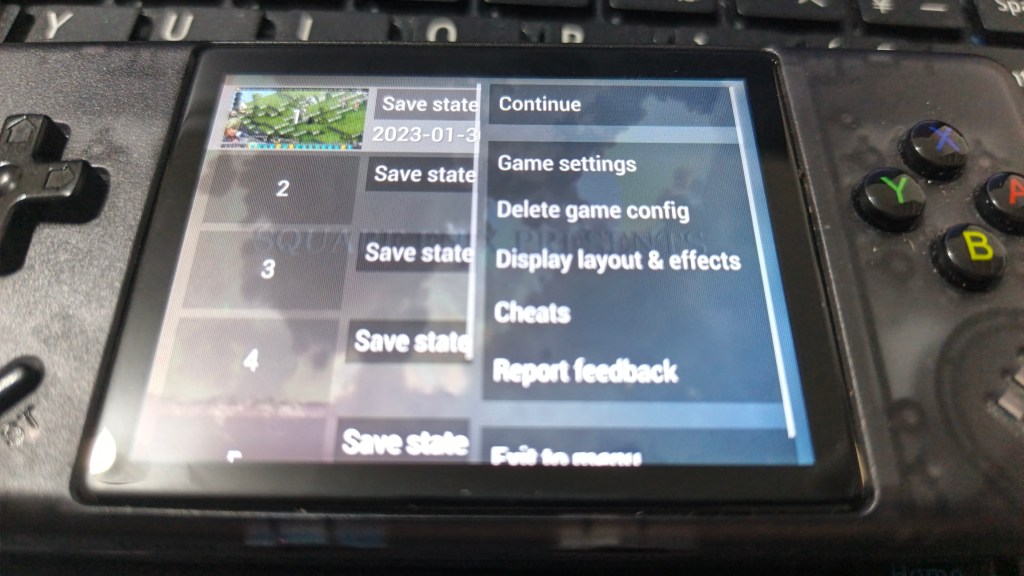
    I was able to play Final Fantasy Type-0 with some remapping. Since there’s no analog stick, you can toggle the D-pad to act as analog by quickly tapping the power button on the right. It takes some getting used to, but it works. Save states and the PSP menu work just like they do on mobile PPSSPP, which I love.

    Not all games run smoothly though. My favorite, Tactics Ogre: One Vision, slows down during dialogue scenes, and I’m still experimenting with settings to smooth it out. Turn-based games are generally playable, but heavier 3D titles will definitely push the limits.

    Pros & Cons

    Pros

    • Pocket-sized and ultra-lightweight
    • Bright 2.83-inch IPS screen
    • Handles retro systems up to PS1 smoothly
    • PSP emulation is playable with tweaks
    • Save states via PPSSPP
    • Solid build quality for the price
    • Comes with a silicone case for protection

    Cons

    • Cramped controls; small, pointy D-pad and tiny face buttons
    • Triggers and select/start buttons are too clicky
    • No analog stick — remapping required for many PSP games
    • Occasional rattling inside
    • PSP performance is hit or miss, with stutters in some titles
    • Long sessions can cause hand cramps

    Final Thoughts

    After a week with the RG28XX, I can say this: it’s a fun little handheld. If what you want is something super portable, pocket-friendly, and affordable, it gets the job done. It lets me carry PSP and retro classics in my pocket, and that alone makes it worth it for me.

    But it’s not perfect. The 4:3 screen doesn’t play nice with PSP’s native 16:9 aspect ratio, which means black bars or stretched visuals. The text also feels smaller than it should, especially compared to the Miyoo Mini, and I notice it every time. Controls are also cramped and take time to get used to.

    If you’re serious about PSP emulation and want a more authentic experience with analog sticks, widescreen support, and stronger performance, then honestly something like the Retroid Pocket 4 is the better option. It’s bigger, sharper, and more comfortable for longer play sessions.

    But if your priority is a tiny handheld that slips into your pocket and still lets you enjoy your favorite RPGs and PSP titles on the go, the RG28XX absolutely delivers on that promise. For me, that balance makes it a keeper.

  • Rediscovering Mickey Mania – A Disney Classic Worth Playing Again

    Rediscovering Mickey Mania – A Disney Classic Worth Playing Again

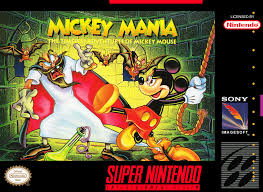
    Mickey Mania SNES box art

    Back in the 8, 16, and 32-bit days, licensed games were everywhere. Some were just cheap cash grabs, but every now and then you’d hit a gem — games like Darkwing Duck, Chip ’n Dale Rescue Rangers, DuckTales, Tiny Toon Adventures, even The Goonies. They captured that Saturday morning cartoon magic and put it in your hands.

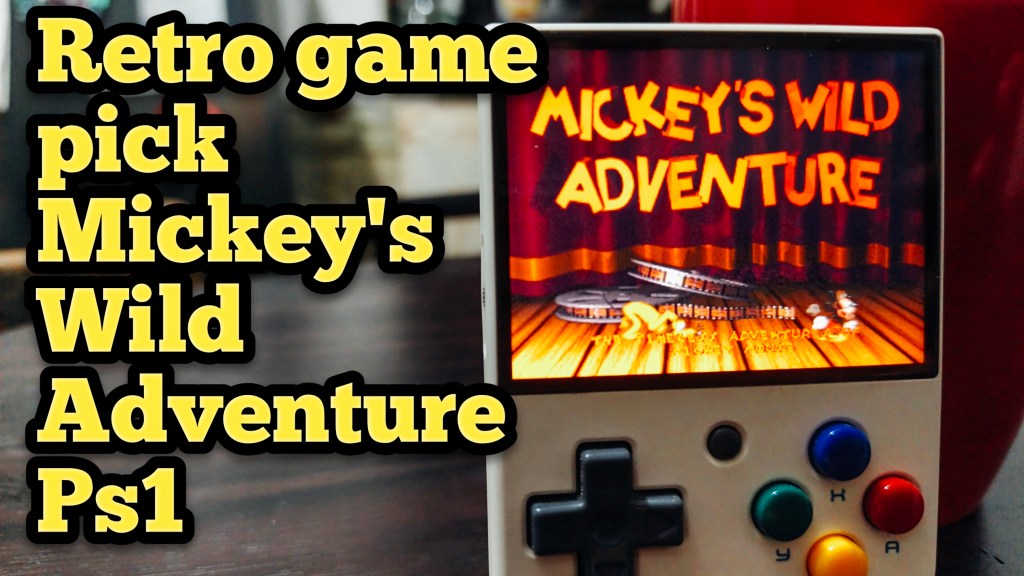
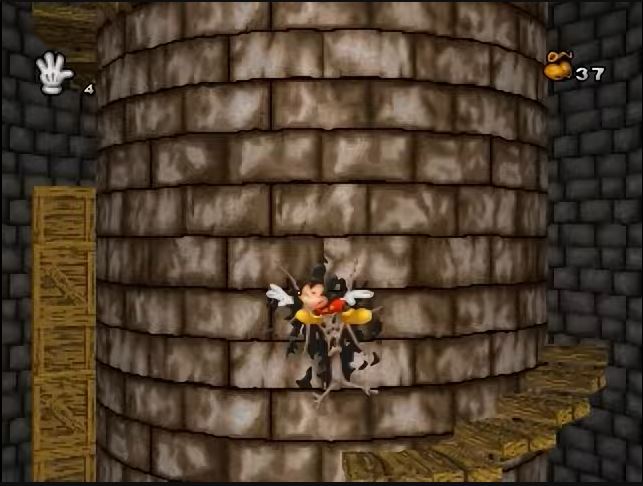
    One I almost forgot about until recently was Mickey Mania. I played it back in the day on the Sega Genesis, but over the weekend while scrolling through my Miyoo Mini’s PS1 library, I stumbled on Mickey’s Wild Adventure — the upgraded remake. And wow, firing it up again reminded me why this one deserves more love.

    A Quick History

    Fun Fact: The PS1 remake added new animations and audio polish.

    The original Mickey Mania: The Timeless Adventures of Mickey Mouse dropped in 1994 across Genesis, SNES, and Sega CD. It was built to celebrate Mickey’s 65th anniversary, which meant Traveller’s Tales really pulled out all the stops to make it feel like a playable piece of Disney history. Sony Imagesoft published it, but Disney themselves had a big hand in keeping it authentic.

    When the PS1 rolled around, Traveller’s Tales revisited the game in 1996 with Mickey’s Wild Adventure. This wasn’t just a straight port — they reworked the visuals, added extra animation frames, cleaned up the audio, and gave it more polish. Even today, it holds up shockingly well.

    Gameplay

    Fun Fact: Programmer Jon Burton later created the LEGO games.

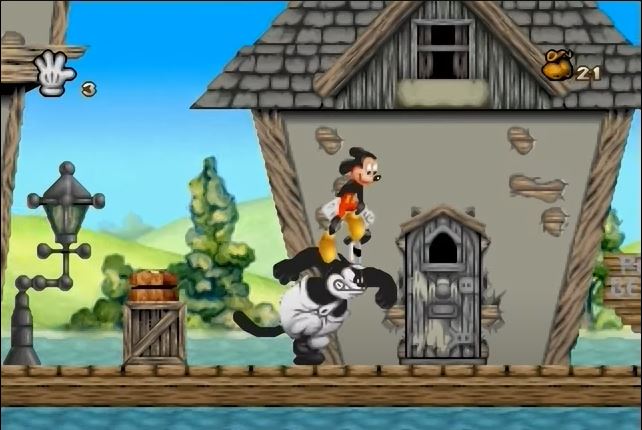
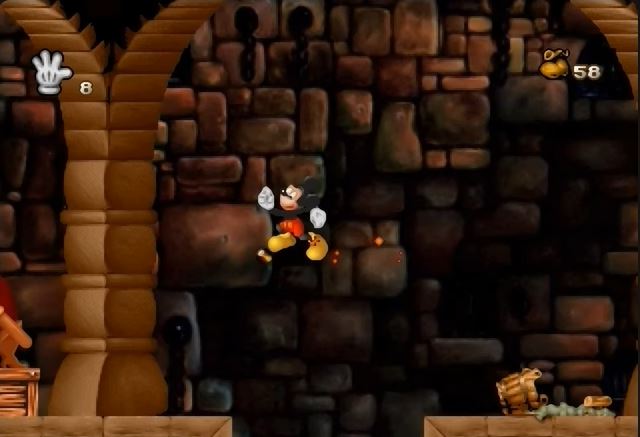
    This is where Mickey’s Wild Adventure really shines. The game feels alive, like you’re actually inside one of Mickey’s cartoons. Take something simple: when you move Mickey near a ledge, he doesn’t just stop — he wobbles, arms flailing, in perfect Disney slapstick fashion. It’s the kind of detail that makes you smile every single time.

    Fun Fact: Steamboat Willie shifts from black-and-white to color.

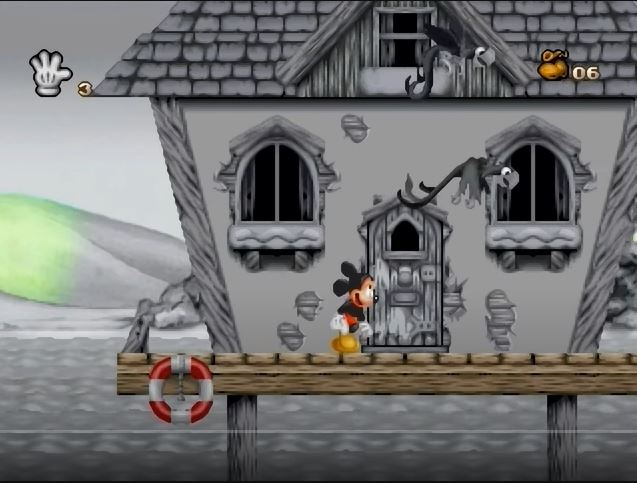
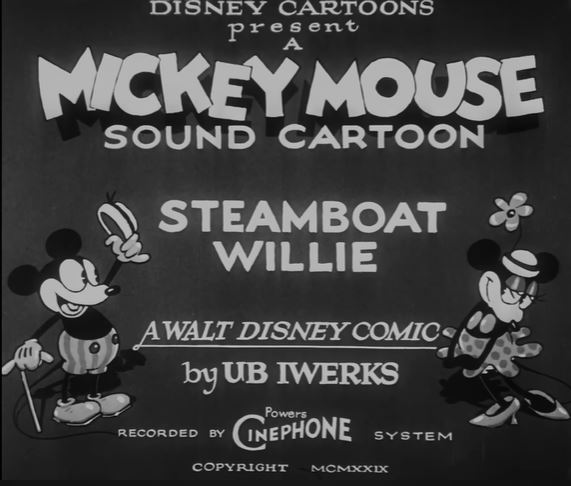
    Then there’s the Steamboat Willie stage. On PS1, it starts in pure black-and-white, mimicking the original 1928 short. As you progress, the world slowly fills with color until the screen bursts into full animation. That moment alone makes the game feel like a celebration of Mickey’s journey through time.

    Gameplay

    Fun Fact: The PS1 version tightened up movement and jumps.

    This is where Mickey’s Wild Adventure really shines. The game feels alive, like you’re actually inside one of Mickey’s cartoons. Take something simple: when you move Mickey near a ledge, he doesn’t just stop — he wobbles, arms flailing, in perfect Disney slapstick fashion. It’s the kind of detail that makes you smile every single time.

    Then there’s the Steamboat Willie stage. On PS1, it starts in pure black-and-white, mimicking the original 1928 short. As you progress, the world slowly fills with color until the screen bursts into full animation. That moment alone makes the game feel like a celebration of Mickey’s journey through time.

    Controls

    Controls are simple but snappy: you can jump, butt-bounce enemies, and throw marbles as your main attack. The PS1 version tightened everything up compared to the Genesis original, making movements feel smooth without losing that bit of challenge. Platforming is responsive, and when you take a hit, it’s usually on you, not the game.

    Stages Inspired by Cartoons

    What really makes this game special is how every level is built around a Mickey cartoon, each one with its own flavor. It’s like walking through his filmography with a controller.

    Steamboat Willie (1928)

    Fun Fact: The PS1 version brings Mickey’s first short to life in full color.

    Starting black-and-white before shifting into color feels magical, like you’re watching Mickey’s evolution in real time. It’s both nostalgic and clever.

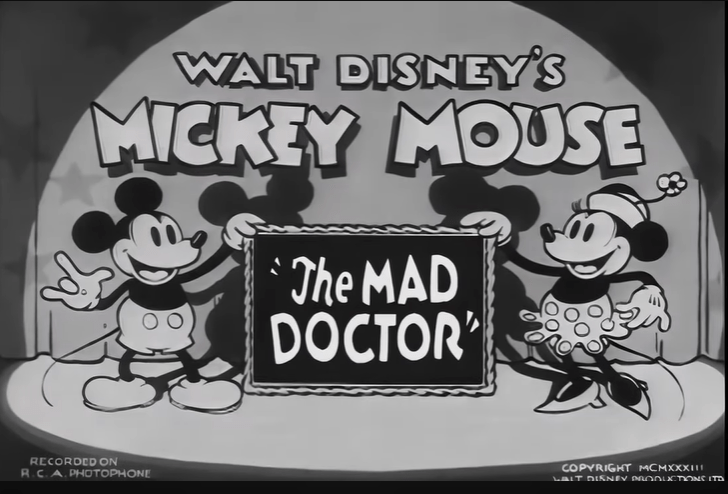
    The Mad Doctor (1933)

    Fun Fact: This cartoon was once considered too scary for kids.

    A darker level, with skeletons that literally fall apart and rebuild themselves. Creepy, funny, and very “30s Disney.”

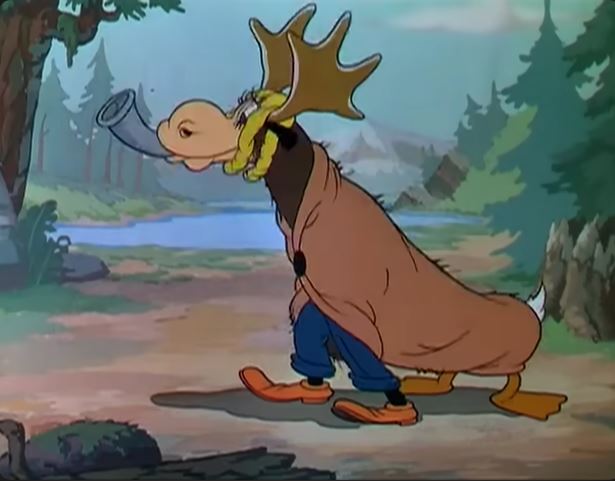
    Moose Hunters (1937)

    Fun Fact: This level used an early “fake 3D” chase effect.

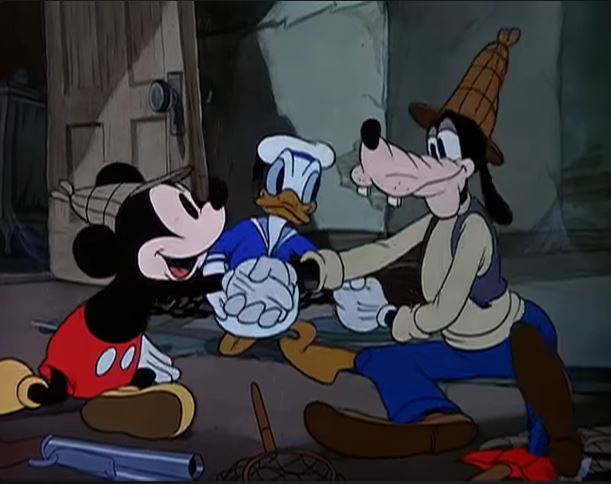
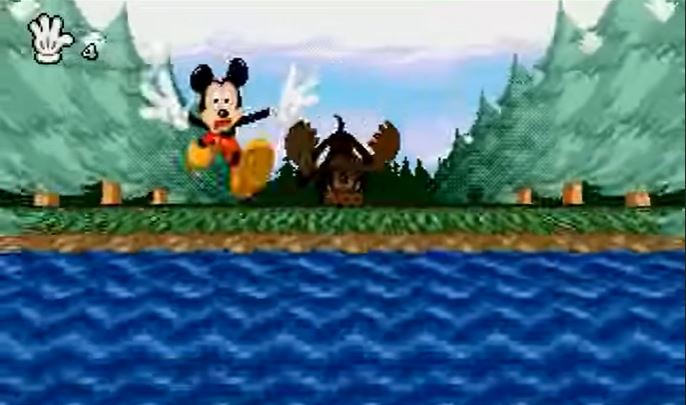
    Easily one of my favorite moments. Instead of just side-scrolling, the perspective flips. You’re running toward the screen while a massive moose charges right behind you. It’s tense, fast, and a great showcase of Traveller’s Tales experimenting with camera angles before “2.5D” was even a thing.

    Lonesome Ghosts (1937)

    Fun Fact: This short later inspired Ghostbusters.

    A haunted house filled with playful, prank-loving ghosts. If the cartoon feels like a proto-Ghostbusters, the stage plays the same way — comical scares with Mickey getting knocked around.

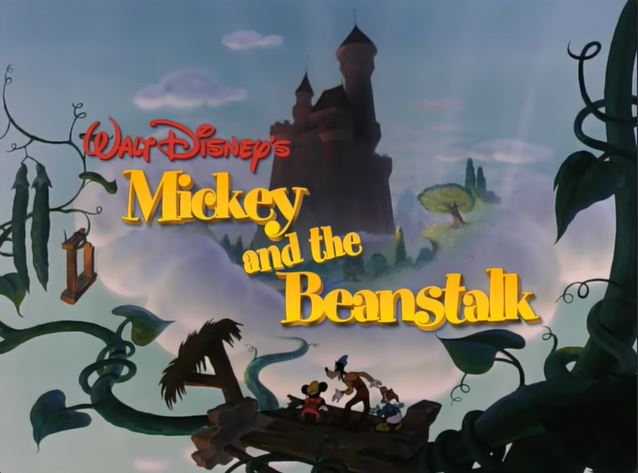
    Mickey and the Beanstalk (1947)

    Fun Fact: Oversized fruit and props make Mickey feel tiny.

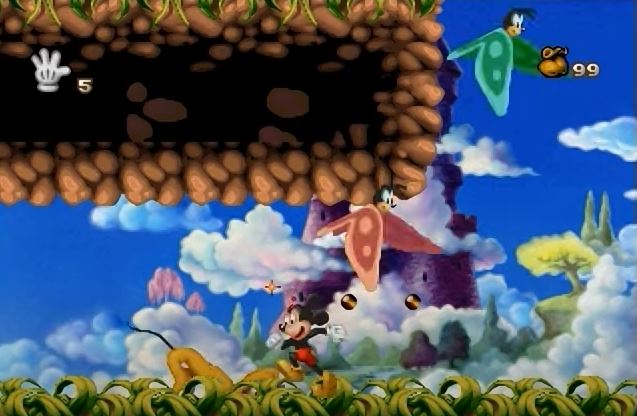
    Oversized fruit and tall vines make Mickey look small against the world around him. It really nails the fairy tale vibe, with backgrounds that feel like a storybook come to life.

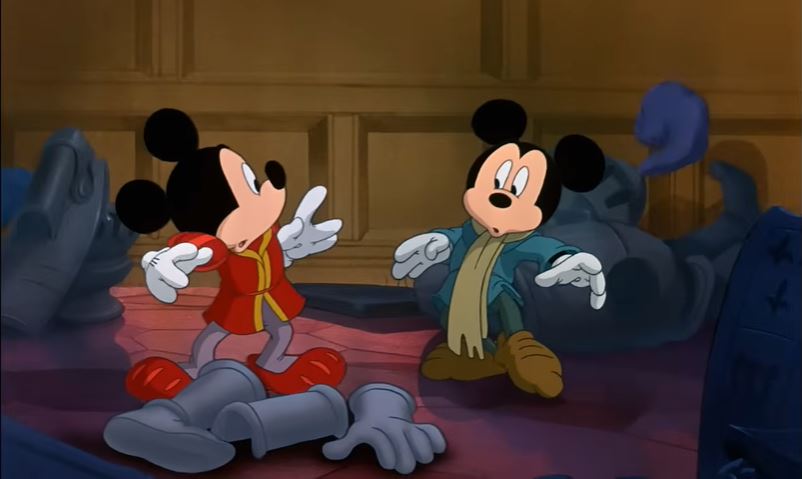
    Prince and the Pauper (1990)

    Fun Fact: This was Mickey’s “modern” short before the remake.

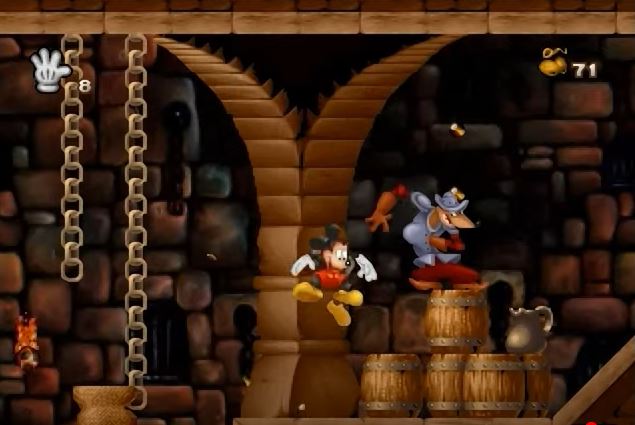
    This later-era cartoon sets the stage for the grand finale. A full castle run with more hazards and tighter platforming, it ties the old shorts with Mickey’s then-modern identity.

    Traveller’s Tales had actually considered a sequel (Mickey Mania 2), but with new opportunities like Toy Story, they moved on.

    Final Thoughts

    With thousands of retro games available across handhelds and emulators, it’s easy for a title like Mickey Mania to get lost in the shuffle. But don’t sleep on it. This isn’t just another Disney game — it’s literally Mickey’s history, animated and interactive.

    In my opinion, the PS1 remake, Mickey’s Wild Adventure, is the definitive way to play. The enhanced animations, audio, and that magical Steamboat Willie transition make it the version to hunt down.

    And if you’re going handheld, the Miyoo Mini Plus is the better pick. The animations are gorgeous and deserve a larger screen — the smaller Mini just doesn’t do it justice.

    So if you’re looking for something that blends nostalgia with genuine quality, give Mickey’s Wild Adventure a spin. It’s proof that not all licensed games were throwaways — some, like this one, became timeless classics.

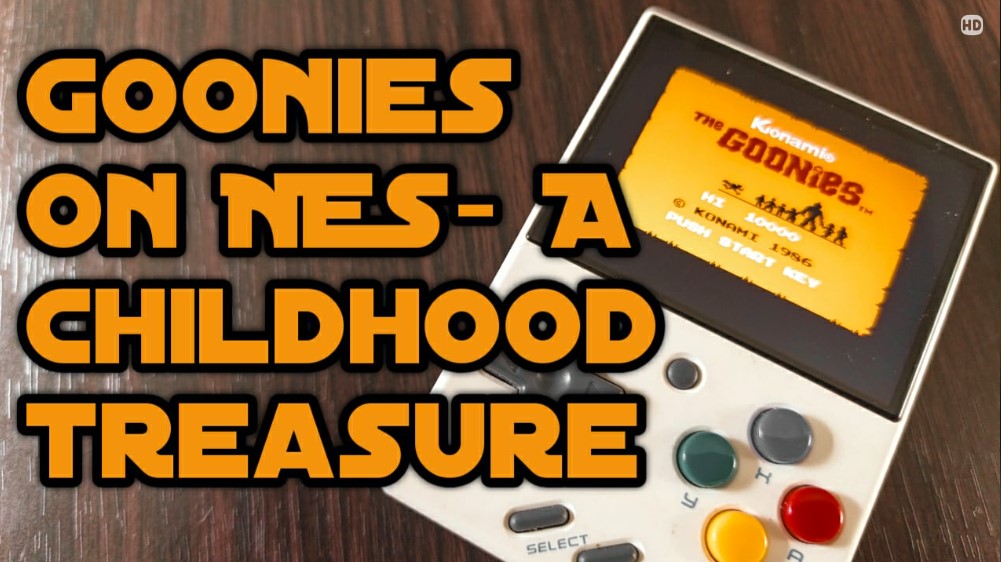
  • The Goonies on NES – A Childhood Treasure

    The Goonies on NES – A Childhood Treasure

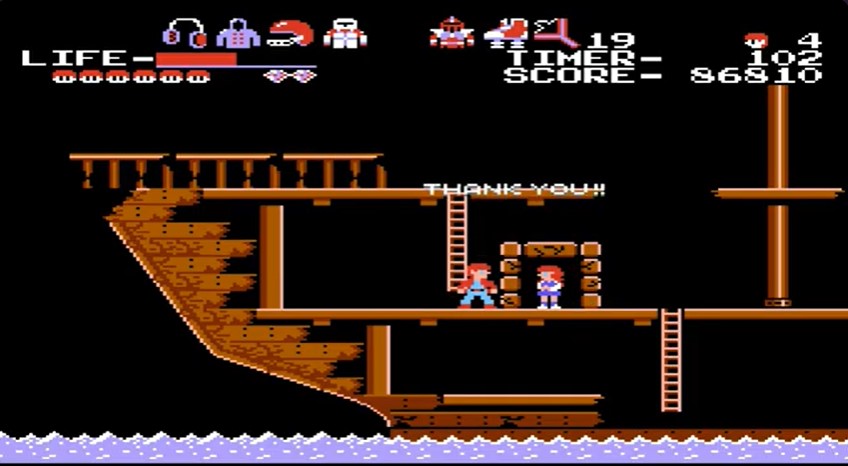
    Growing up, one of the most-played games of my childhood was The Goonies on the NES. At the time, I had no idea it was connected to a movie. To me, it was just this mysterious little game with unforgettable music and fun gameplay. Even now, whenever I hear that chiptune intro theme, I’m instantly brought back to being seven or eight years old, sitting in my living room with my cousins, taking turns until we finally beat it.

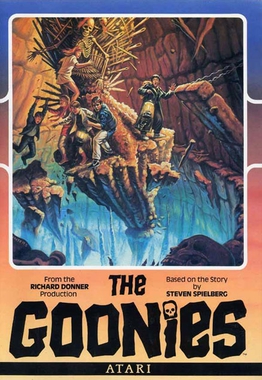
    Konami developed and released the game in 1986, based on the 1985 movie. The strange part is that while the game came out on the Famicom in Japan, it never got a normal NES release in North America. Instead, many players only ever discovered the sequel, The Goonies II. But for me, this first game was the one that left a mark.

    Controls and Objectives

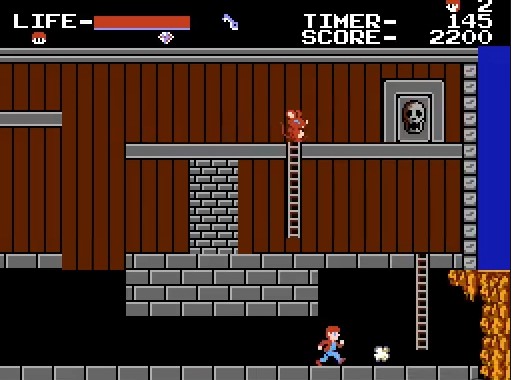
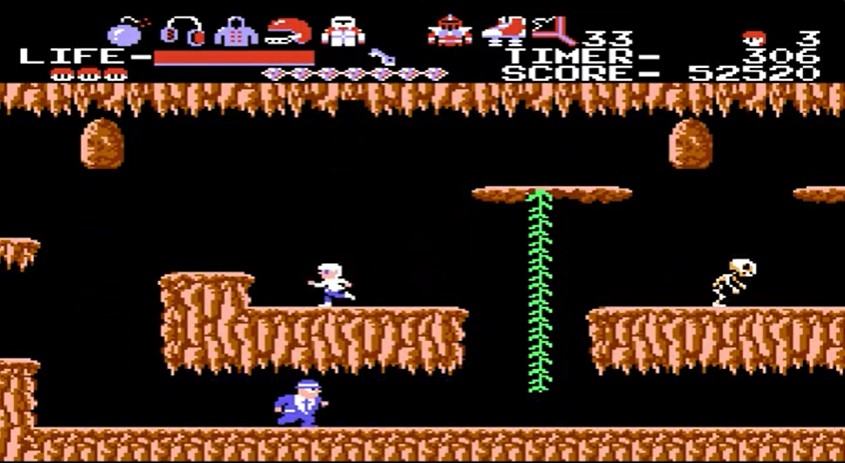
    The beauty of The Goonies is how simple it is to pick up and play. You move Mikey with the D-pad, jump with A, and attack or place bombs with B. Each level has a clear goal:

    • Collect three keys to unlock the exit.
    • Rescue a captured Goonie hidden somewhere in the stage.
    • Survive enemies like bats, skeletons, rats, and of course the Fratellis.

    That’s it — no long cutscenes, no walls of text, just pure action.

    This is also why it feels perfect on the Miyoo Mini’s 2.8-inch screen. The game doesn’t rely on lots of text, so there’s nothing tedious to read. The NES’s simple A and B button layout matches the Miyoo Mini perfectly, making the game feel like it was made for handheld play.

    The Nostalgia Factor

    When I was a kid, I used to think the rats in this game were actually the size of children. They looked so huge and scary to me on the TV screen. Looking back, the graphics are pretty basic, but the way the game combined its music, enemies, and level design made it feel larger than life.

    The difficulty also felt enormous at that age. What seems like a simple loop today — jump, bomb, collect, rescue — was one of the hardest games I had ever played as a kid. But that’s part of what made it so special.

    And of course, what I remember most isn’t just the game itself but the feeling around it: the old TV buzzing in the living room, my cousins sitting beside me, all of us determined to beat the game together. That memory is what makes The Goonies stand out among all the other NES platformers.

    Final Thoughts

    Although there are many NES platformers that are just as good, or even better, The Goonies will always be one of my personal favorites. Not because it’s the most polished, but because it carries so many of my childhood memories.

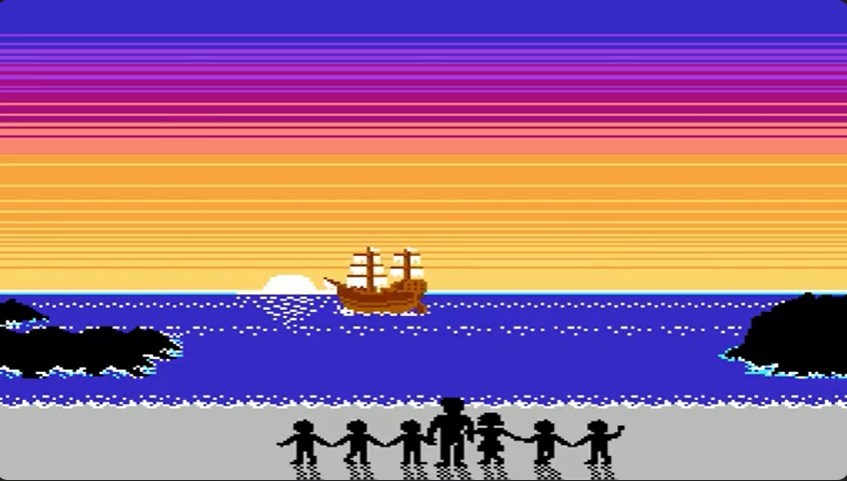
    I haven’t played The Goonies II, but for me, this first game feels just right. And playing it today on my Miyoo Mini is enough to keep that nostalgic spark alive. The Goonies is just one of many great platformers on the NES — but for me, it’s one of the most unforgettable.

  • 5 Most Iconic JRPGs on the SNES (In My Opinion)

    5 Most Iconic JRPGs on the SNES (In My Opinion)

    When people talk about the golden age of JRPGs, the SNES almost always comes up—and for good reason. The 16-bit era was a time when RPGs weren’t just about grinding levels or saving the princess. Developers were experimenting, pushing boundaries, and proving that games could be more than simple adventures.

    Chrono trigger for Snes

    The SNES gave us innovative gameplay systems, like real-time combat, combo attacks, and even multiplayer RPG experiences. Its sound chip allowed composers to create some of the most memorable video game soundtracks ever made, from sweeping orchestras to catchy battle themes that still stick in your head today. Most importantly, it was an era where storytelling in games matured. We saw deeper characters, emotional twists, and moments of drama that rivaled books and movies—and that legacy is still felt in modern RPGs to this very day.

    So with all that in mind, here’s my personal top 5 most iconic JRPGs on the SNES—counting down from 5 all the way to my number 1 pick.

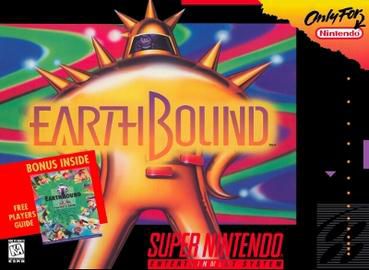
    5. EarthBound (1994)

    EarthBound box cover: Developed by Ape and HAL Laboratory, released in 1994.

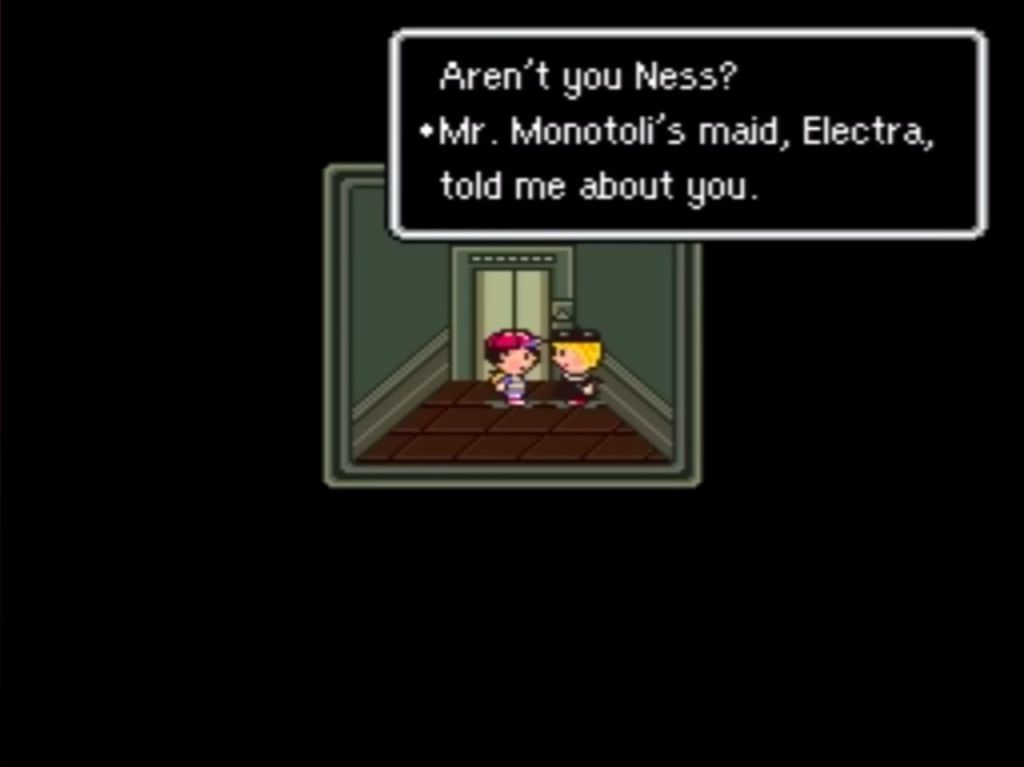
    At first glance, EarthBound looks silly. Kids fighting aliens with yo-yos and frying pans? But the deeper I went, the more I realized how smart and emotional this game really was. It’s funny, it’s weird, and it sneaks in life lessons when you least expect it.

    Earthbound gameplay

    💭 What I took away: EarthBound taught me that heroes don’t always need swords or armor. Sometimes courage comes in the simplest forms—friendship, family, and a belief that even ordinary kids can do extraordinary things.

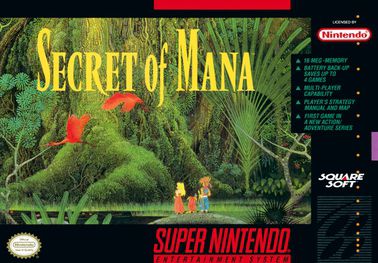
    4. Secret of Mana (1993)

    Secret of Mana, developed by Square Co., Ltd., released in 1993.

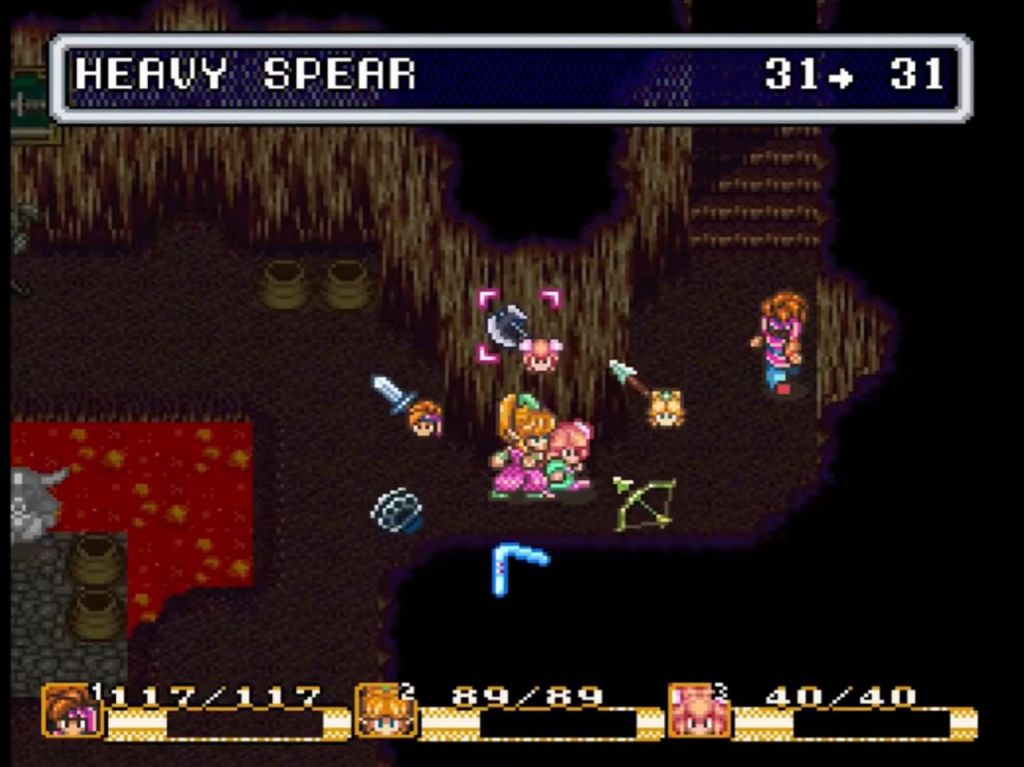
    I’ll never forget the first time I played Secret of Mana. The real-time combat felt alive compared to turn-based RPGs, and being able to share the adventure with friends was special. The bright world and enchanting soundtrack gave it a fairy tale quality.

    But what really stuck with me wasn’t just the combat or the music—it was the relationships. Traveling with the Girl and the Sprite made the journey feel alive, like I was part of a small family fighting through impossible odds. And when the story forced me to deal with loss, it hit me harder than I expected. That bond I’d built with the characters made it feel personal, and it’s one of the first times a game really made me feel that kind of emotional weight.

    Secret of mana Snes gameplay

    💭 What I took away: The story reminded me that even victories can come with sacrifice. It taught me that saving the world often means letting go, and that true strength is sometimes about moving forward despite loss.

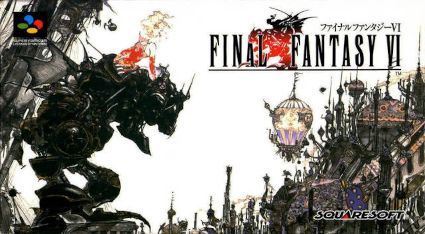
    3. Final Fantasy VI (1994)

    Final Fantasy VI for the SNES was developed by Square (now Square Enix) and released in Japan on April 2, 1994, and in North America on October 11, 1994

    This is one of the most ambitious RPGs I’ve ever played. A huge cast, an unforgettable villain, and moments that proved games could carry just as much weight as movies or novels.

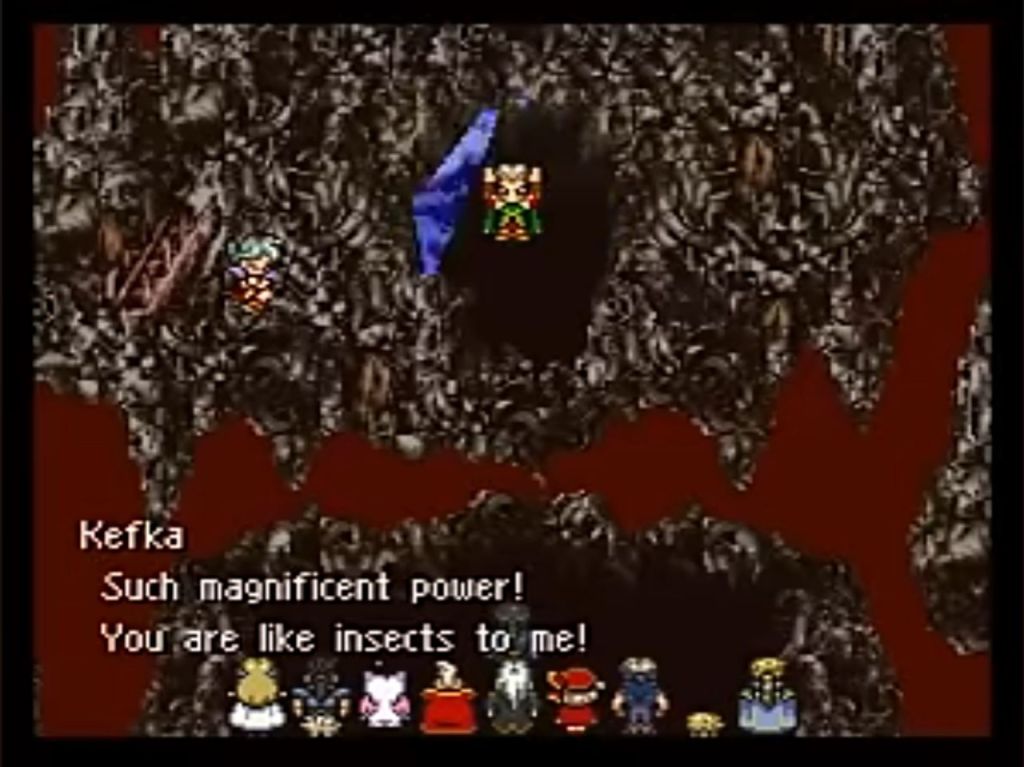
    And then there’s Kefka. Growing up, he honestly terrified me. At first, his clownish personality and over-the-top antics seemed funny—but the more the story unfolded, the more those moments felt chilling. He wasn’t just another villain with a plan; he was completely unhinged, unpredictable, and capable of things I didn’t think a video game character could do back then. Even now, looking back, those “comedic” moments just make his cruelty stand out more.

    Final Fantasy VI Kefka Bossfight

    💭 What I took away: For me, Final Fantasy VI is about hope. No matter how broken the world feels, or how overwhelming despair can be—even when someone like Kefka is pulling the strings—people can come together, rebuild, and find meaning again. That message stuck with me long after the credits rolled.

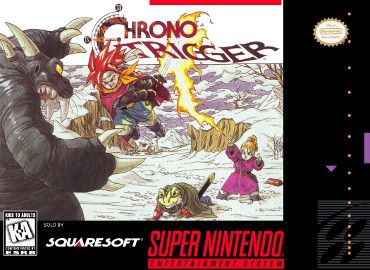
    2. Chrono Trigger (1995)

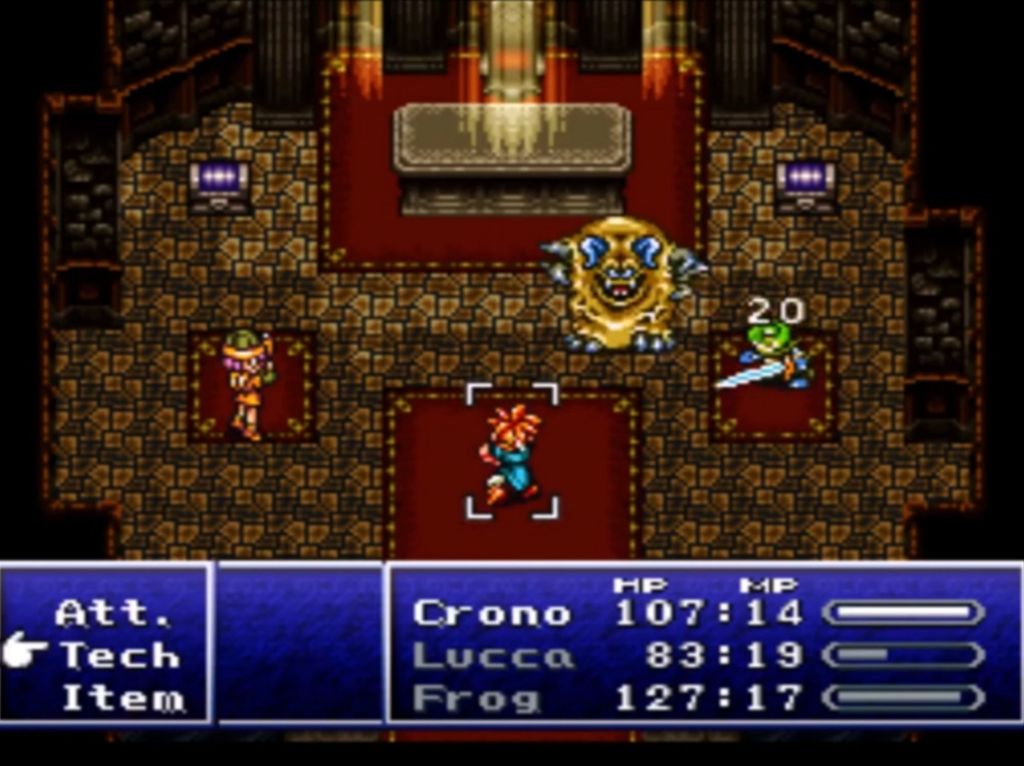
    Chrono Trigger for the Super Nintendo Entertainment System (SNES) was developed by Square and released in Japan on March 11, 1995, and in North America on August 22, 1995 .

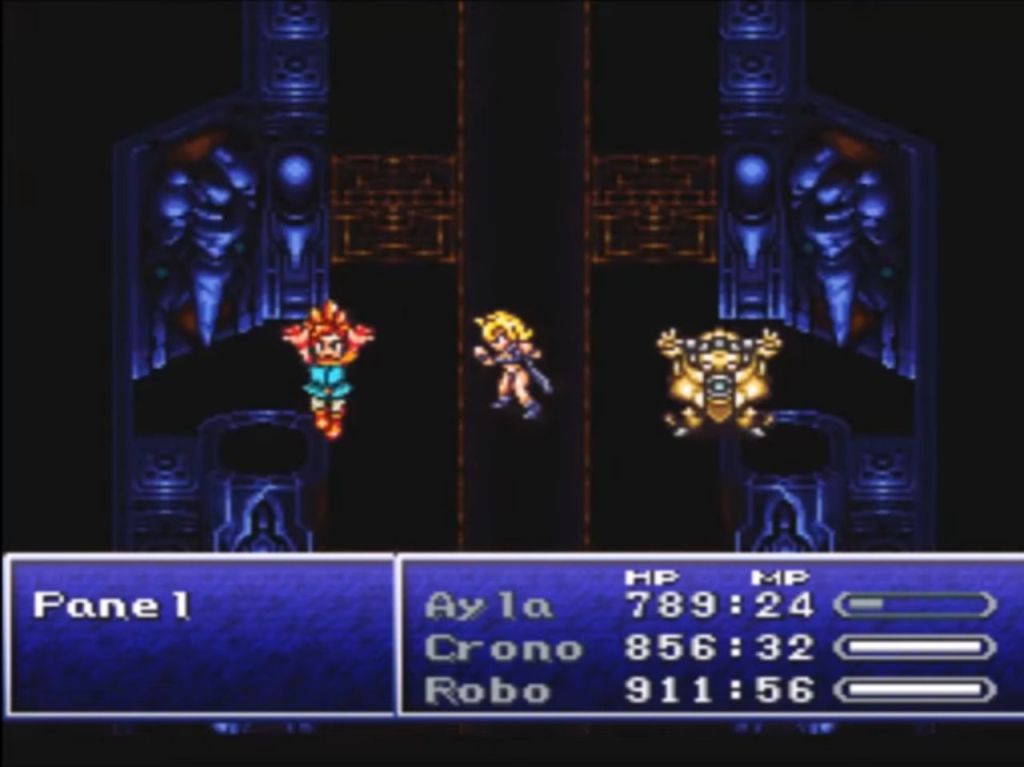
    Chrono Trigger is legendary for a reason. Time travel, branching choices, and combat that encouraged creative teamwork—it was ahead of its time. Every jump into the past or future made me feel like I was carrying the weight of history on my shoulders.

    Chrono trigger snes gameplay

    💭 What I took away: This game taught me that our choices matter. Even the smallest decisions can ripple across time and change everything. It reminded me to value every moment, because what we do today shapes tomorrow. Well, that and if you drop your grades the time you binge play Chrono trigger on weekends, you’re guaranteed to let your parents revoke gaming weekends altogether.

    1. Super Mario RPG: Legend of the Seven Stars (1996)

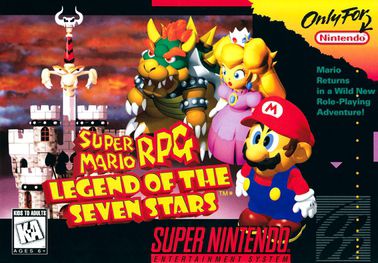
    Super Mario RPG for the SNES was developed by Squaresoft and published by Nintendo.

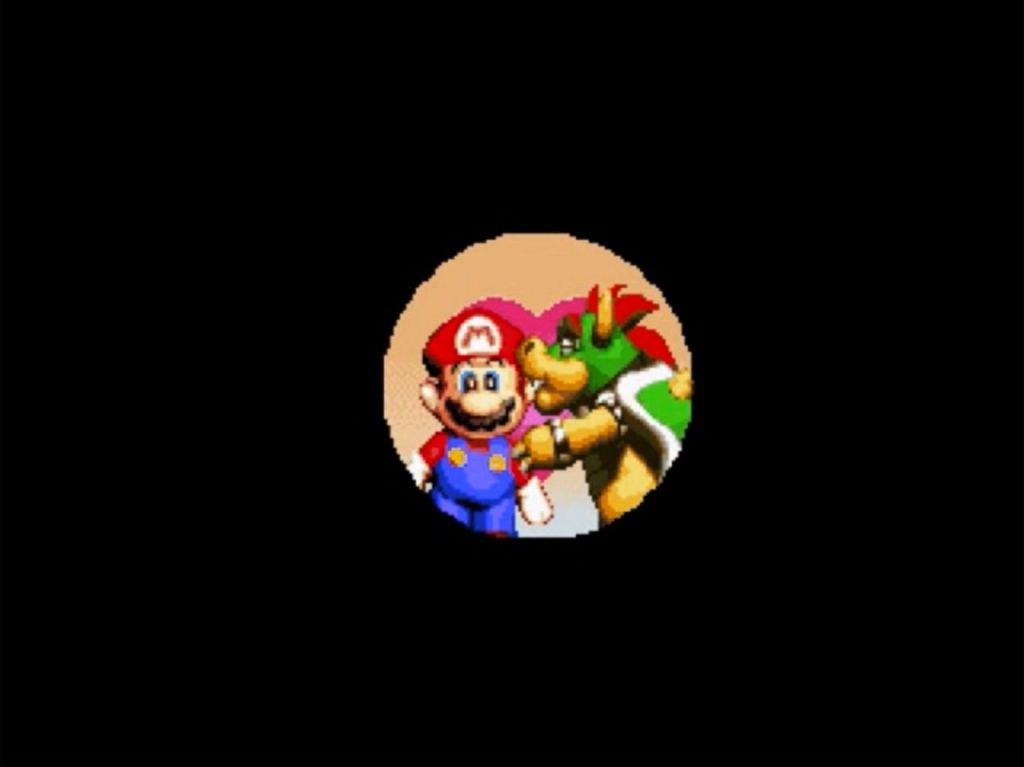
    My number one might surprise some people, but for me, it’s Super Mario RPG. Back then, the idea of Mario in an RPG felt impossible—but somehow, Nintendo and Square pulled it off. The humor, the button-timed combat, the quirky original characters—it was pure magic.

    One of the things that stood out to me the most was Bowser. Before this game, he was always just the silent, menacing villain who kidnapped Peach over and over again. But here, he was fleshed out like never before. His bossy antics, his over-the-top pride, and the way he reluctantly teamed up with Mario gave him a lovable side I never expected. Even when I play later Mario RPG titles, I sometimes miss that version of Bowser—the grumpy but endearing ally who added so much personality to the party.

    And then there’s Smithy. He may not be as famous as Kefka or Lavos, but as a kid, he left a strong impression on me. His factory world felt so different from anything I’d seen in a Mario game, and his sheer power made him feel like a true final boss. For me, he was proof that this wasn’t just a silly Mario spin-off—it was a real RPG with stakes.

    Another reason it’s my top pick is a little more personal—I once made a full walkthrough and guides online for this game. Sadly, the site’s gone now, but maybe one day I’ll make another one—this time in my own writing style—for the Super Mario RPG Remaster on the Switch.

    💭 What I took away: This game showed me that even familiar heroes like Mario can grow beyond what we expect. And Bowser, of all characters, reminded me that people (or villains) can surprise us if we give them the chance. It taught me to appreciate new sides of things I thought I already knew, and that sometimes the most unlikely team-ups make for the best adventures.

    Final Thoughts

    Currently playing Super Mario Armaggedon. Romhack on my Miyoo Mini

    The SNES library is full of unforgettable RPGs, and picking just five wasn’t easy. Each one not only pushed gameplay and storytelling forward, but also left me with lessons I still think about today.

    And while I didn’t grow up playing most of these on the original SNES, I’ve been revisiting them through emulators and most recently on my Miyoo Mini. The Miyoo’s small ergonomics actually fit perfectly for one-handed play, so I often catch myself holding it in one hand and still enjoying these classics just fine. Honestly, I think these are some of the must-play games on the Miyoo Mini—it’s a perfect way to relive the magic of these iconic JRPGs today.

  • How Front Mission: Gun Hazard Stands Apart in the SNES Library

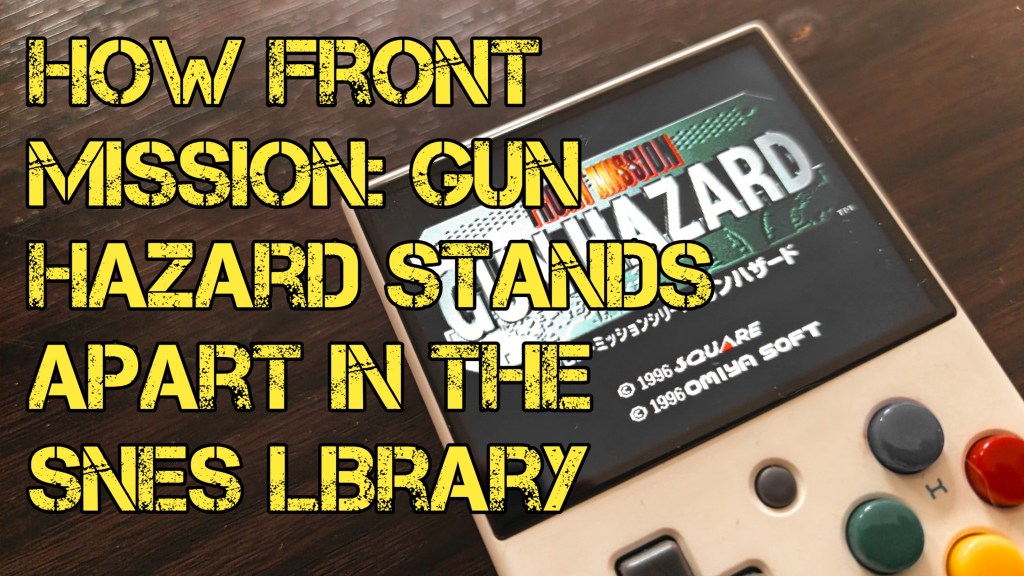
    How Front Mission: Gun Hazard Stands Apart in the SNES Library

    Just two days ago, I stumbled onto a game I had never given much thought to before: Front Mission: Gun Hazard. If you know me, my usual go-to SNES game with mecha and heavy action has always been Mega Man X. For me, nothing really topped that mix of speed, precision, and music. Because of that, I never really dove into titles like Assault Suits Valken (Cybernator) or other similar recommendations.

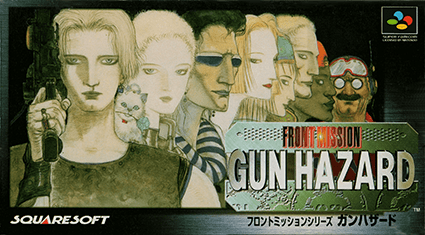
    Front mission: Gun Hazard  box art

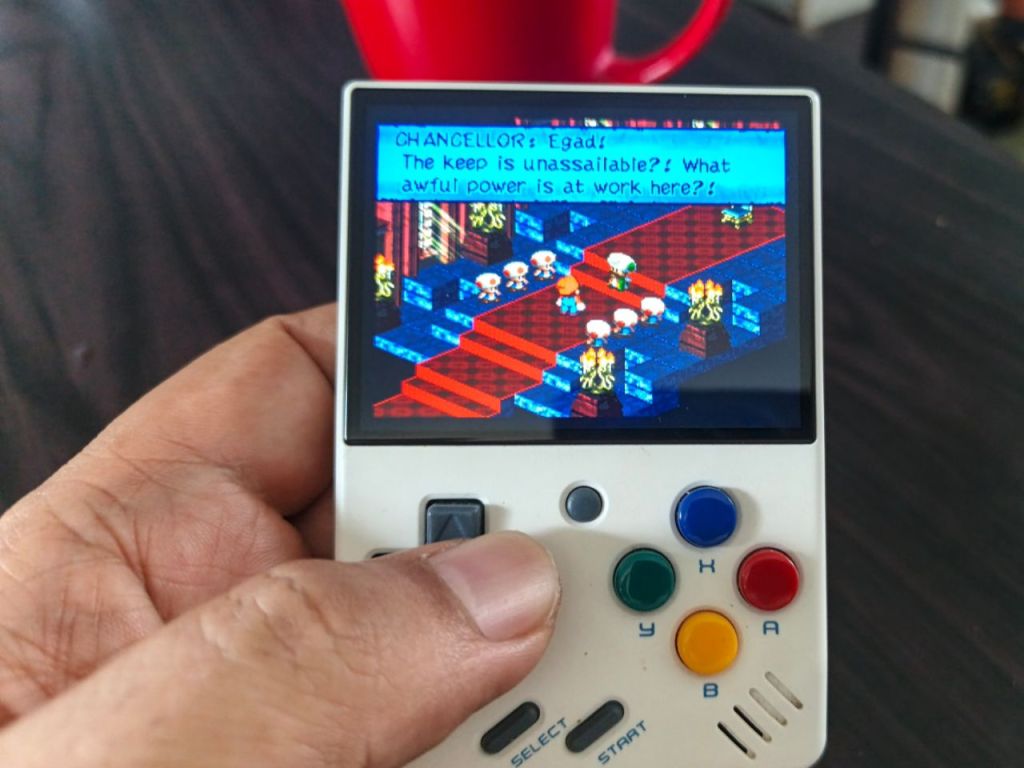
    So what changed? Honestly, it wasn’t a review or gameplay clip that convinced me. It was the fact that the fan translation patch was done by Aeon Genesis, the same team I always trust when I want to play Super Robot Wars in English. Seeing their name tied to Gun Hazard was enough for me to fire it up on my Miyoo Mini. That decision opened the door to one of the most unique experiences I’ve had on the system.

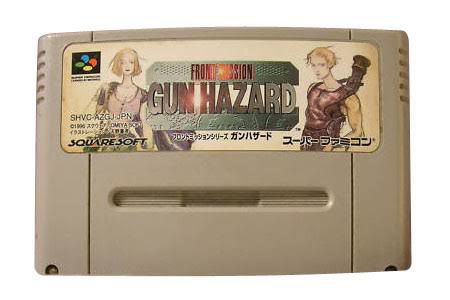
    Gun hazard game cartridge

    Another reason I gave this game a shot is because it was a Japan-only release. And if you’re into retro emulation, you know that’s usually a big sign the game is worth trying. Back in the 90s, Japanese developers often thought their games were too hard for Western audiences, so they’d create watered-down versions for overseas release. Honestly, most of those simplified versions stripped away what made the originals shine. That’s a real shame, because Japan was putting out some of the best and most ambitious games of that era—and Gun Hazard is proof of that.

    Gameplay and Mechanics

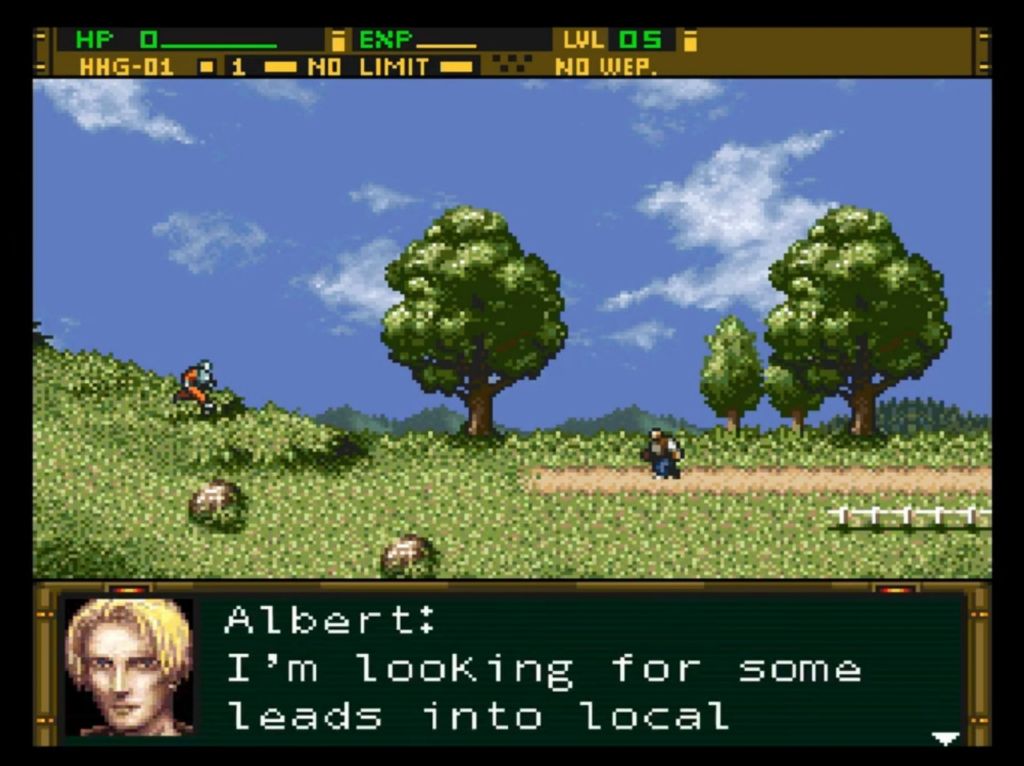
    Some sections in the game can be played on foot instead of a wanzer

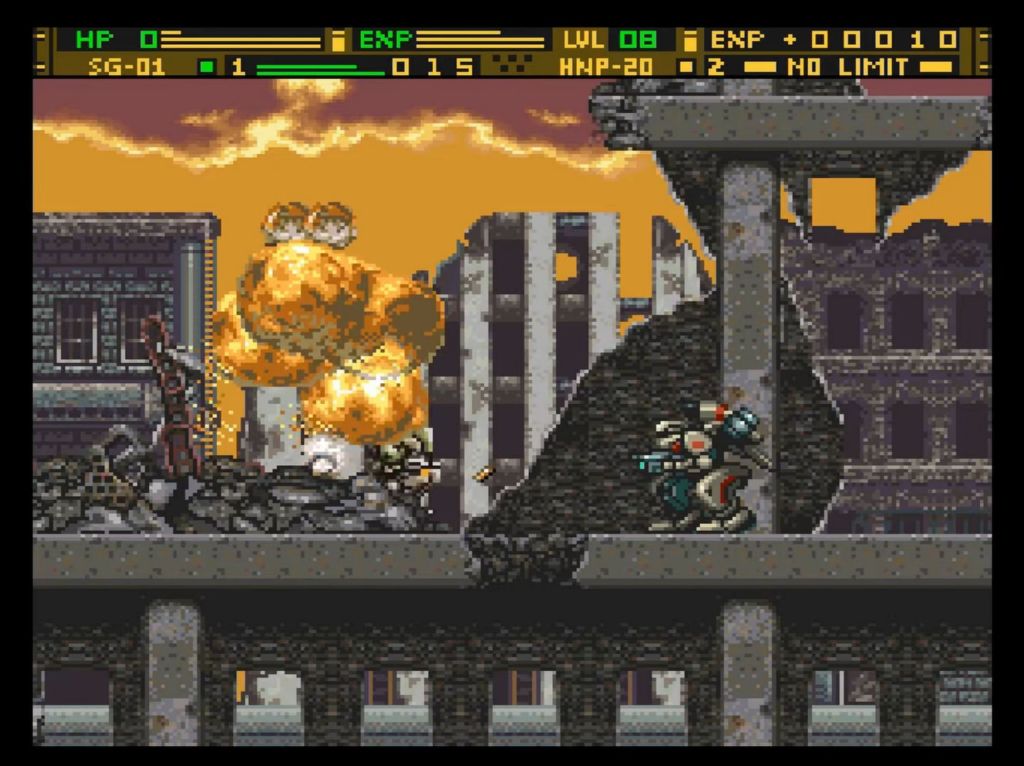
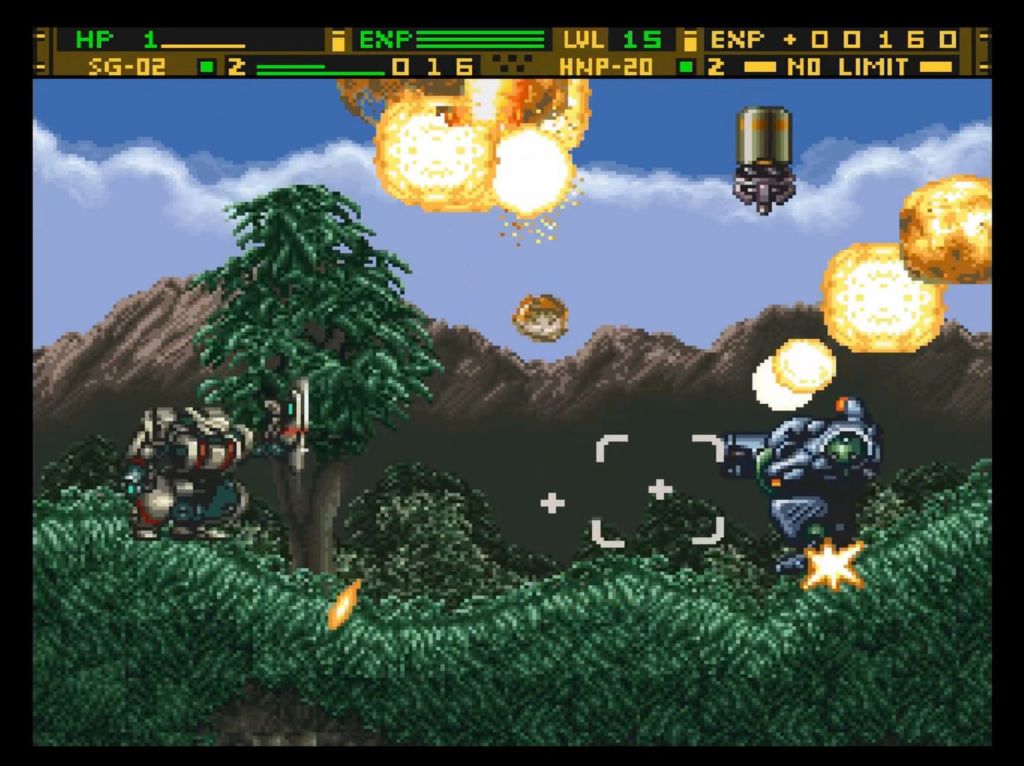
    If you asked me what genre Front Mission: Gun Hazard belongs to, I’d have a hard time sticking to just one answer. On the surface, it looks like an action platformer or an action shooter. But then you add in the ability to level up, customize weapons, and upgrade parts, and suddenly it feels like an RPG.

    Story-wise, it leans even closer to being a JRPG, with its heavy themes of politics, betrayal, and emotional storytelling. Add in the world map where you can choose missions, side missions, and paths forward, and it starts to feel like an SRPG too.

    Wanzer combat

    What we really have here is a hybrid, and a surprisingly smooth one at that. It’s action, it’s RPG, it’s strategy—all blended together in a way I haven’t seen matched, even in more modern titles. The presentation seals the deal: the background music and sound design feel richer than most SNES releases, which makes me think this was definitely not a low-budget project.

    And yes, while it shares DNA with other mecha games of the era, Gun Hazard pushes the concept much further with its RPG systems and narrative depth.

    Story and atmosphere

    My bad, the sound plays if you leave the screen on and it gives you a backstory before you play. I was so hyped I avvidentwlly pressed start and did not see this.

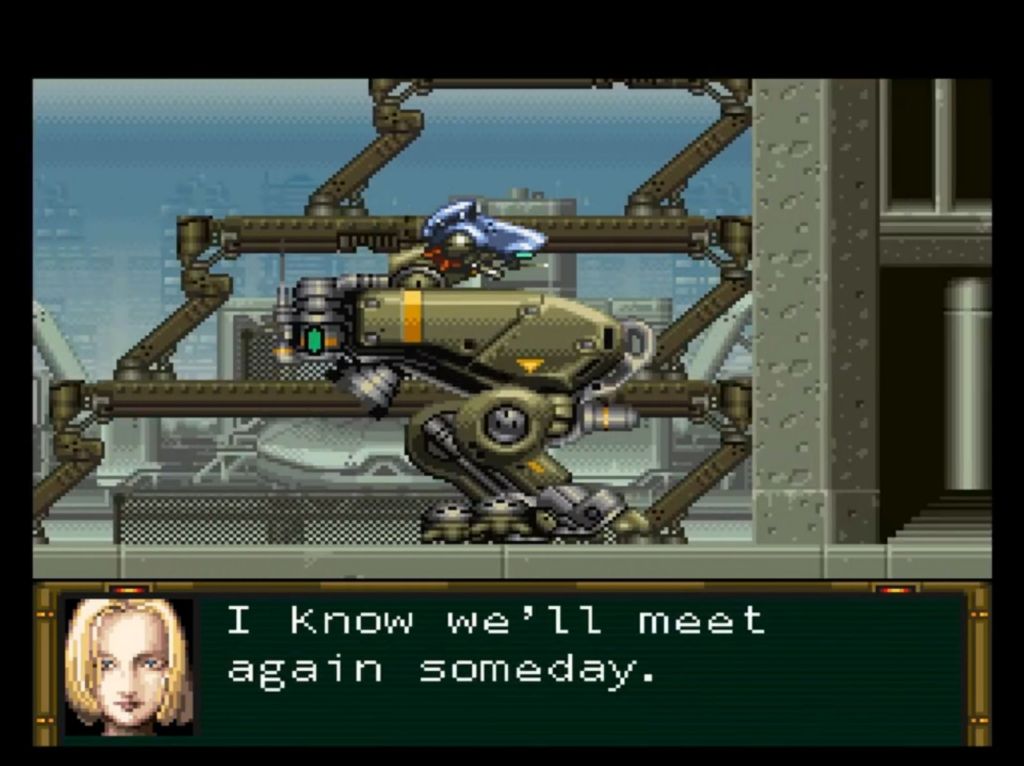
    Booting up the game, I noticed something unusual right away—silence. I even cranked up the volume on my Miyoo Mini, thinking maybe the sound wasn’t working. The opening text explaining the backstory had no music. The character naming screen? Still silent. Then the first cutscene started, and even up to the ambush—the one where the rocket slams in and wipes out nearly everyone—there was no full soundtrack. Just the sound of seagulls and faint notes in the background. It created this eerie calm that made the eventual explosion hit so much harder.

    Can’t get over the fact that Albert, the series protagonist looks like Christopher Lambert from the Highlander movies

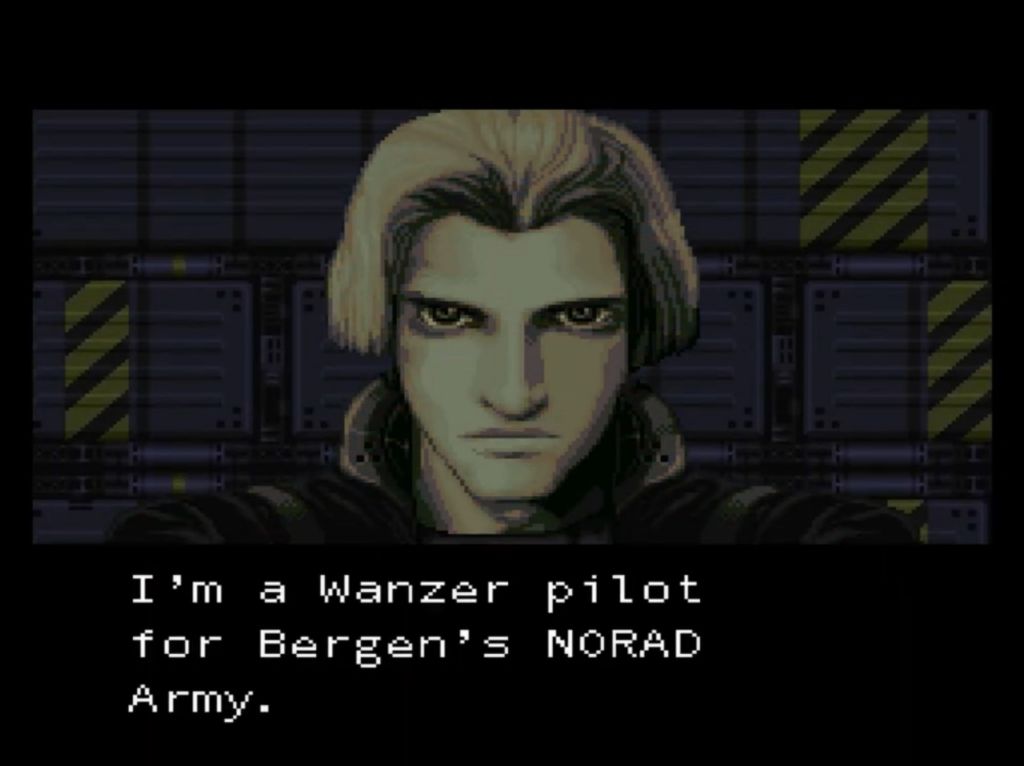
    From there, the story really takes off. You play as Albert Grabner, a wanzer pilot suddenly betrayed and hunted after a coup tears apart the very unit he trusted. Branded a traitor, Albert escapes and takes on work as a mercenary, traveling the globe and getting swept into conflicts much bigger than his own survival.

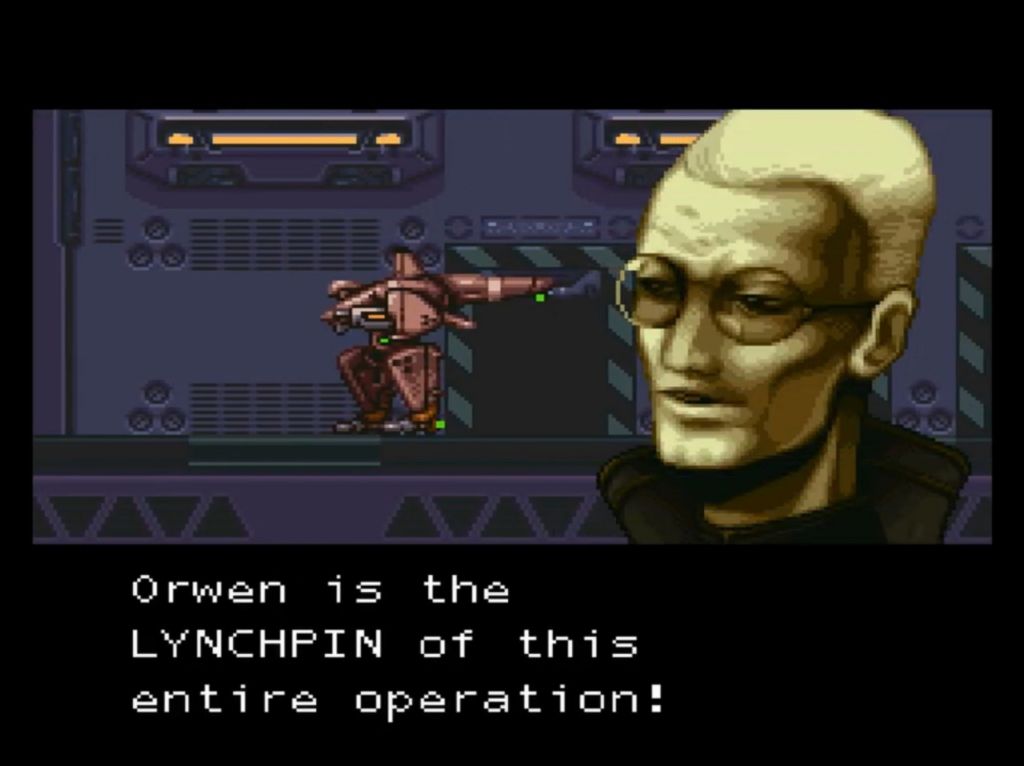
    What makes Gun Hazard stand out isn’t just the “good guy vs bad guy” setup—it’s how the story dives into politics, alliances, betrayals, and moral struggles. Each mission feels alive with dialogue and character moments that push the plot forward. You’re not just blowing up enemy bases; you’re caught in a web of shifting power, trying to figure out where you really stand.

    Without giving away spoilers, I’ll just say the game doesn’t stay small. It expands from one soldier’s desperate escape into a global conspiracy that keeps escalating until the very end.

    As for the finale? Let’s just say you know you’re playing a front mission game through and through. I won’t add more to this because it’s best you guys experience it first hand to fully enjoy it.

    Replay value and personal experience

    Boss fights can be quite challenging but fun

    I’m on my third playthrough now, and I still can’t put it down.

    • The first time, I rushed through to see where the story went.
    • The second time, I focused on tweaking weapons and experimenting with different loadouts.
    • Now, on my third run, I’m slowing down, enjoying the story beats, and really letting it all sink in.

    I even tried playing it on my phone, but honestly, the button layout is perfect on the Miyoo Mini. It feels like this game was meant for that handheld. That’s where I’ve decided to keep playing it.

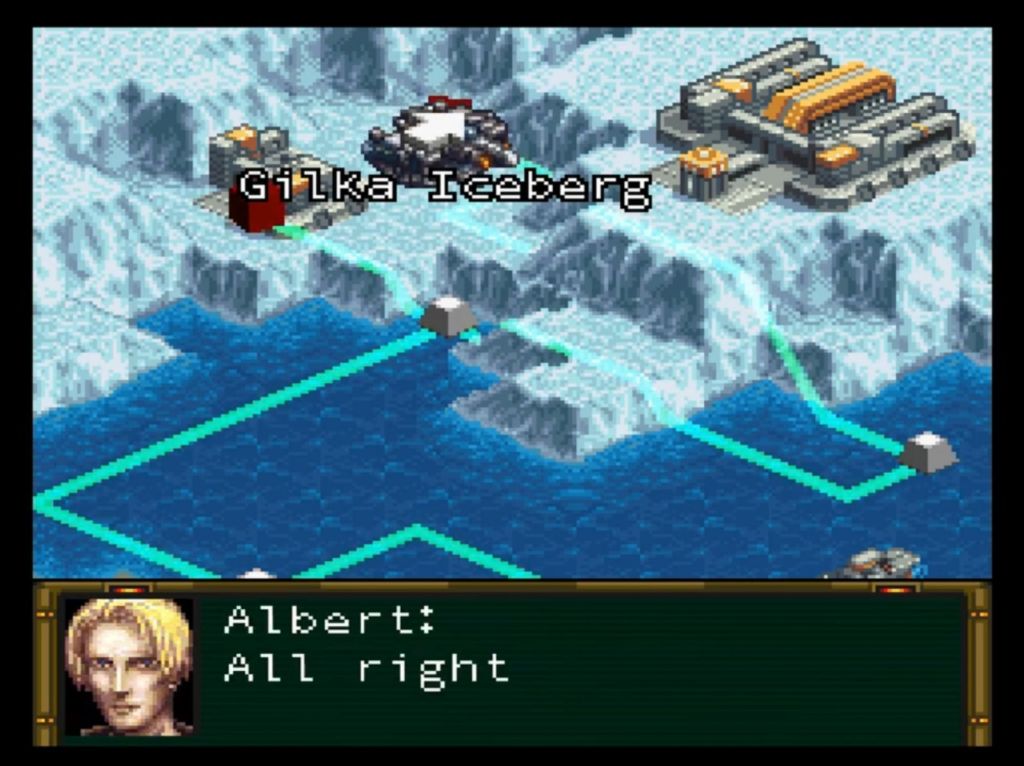
    Tactical map screen where you choose the missions to take, shop for weapons and upgrade s or take on side missions

    What keeps me coming back isn’t just the gameplay, but the mix of story, customization, and music. Even after finishing it, I still want to try new setups, explore missions in different orders, and revisit the world again. That’s rare for a retro title, and it’s what makes Gun Hazard such a special find.

    Closing thoughts

    Front Mission: Gun Hazard is a game I wish I had discovered years ago, but I’m glad I finally did. It’s a hidden gem that blends action, RPG depth, and storytelling in a way that feels timeless. Each playthrough offers something new, whether it’s experimenting with gear, savoring the narrative, or just soaking in the atmosphere.

    If you own a retro handheld, even a tiny one like the Miyoo Mini, this game is absolutely worth your time. It runs beautifully and feels like it was made for handheld play.

    One piece of advice: play it with headphones. The soundtrack was created by Nobuo Uematsu (Final Fantasy), Yasunori Mitsuda (Chrono Trigger, Xenogears), Masashi Hamauzu (Final Fantasy XIII), and Junya Nakano (Final Fantasy X). That lineup alone is legendary, and the way the score blends suspense with emotional depth gives the game an atmosphere far beyond the average 16-bit title.

    If you’re looking for a new retro experience—something different in the SNES library that still feels fresh today—give Front Mission: Gun Hazard a try. Fire it up, put on some headphones, and let yourself be pulled into one of the most memorable rides the Super Famicom ever offered.

    And of course, huge thanks to Aeon Genesis. Without their fan translation, this gem might have stayed locked away in Japan forever.

  • Why I Keep Coming Back to Fire Emblem Heroes

    Why I Keep Coming Back to Fire Emblem Heroes

    There are games you play once and move on from, and then there are games you always find yourself coming back to, no matter how casually. For me, Fire Emblem Heroes falls in that second category. I don’t grind every event or chase every new unit, but even after all these years,

    I still return to it every now and then. To explain why, I need to go back a bit—back to where my connection with Fire Emblem really started.

    The spark that got me hooked

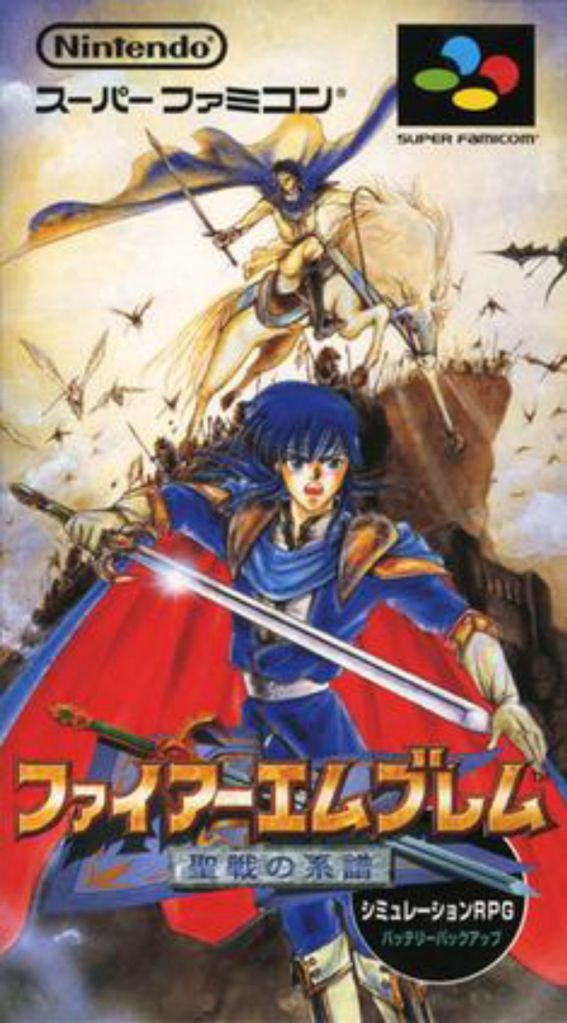
    Fire emblem 4 Genealogy of the holy war Snes box Art

    When Fire Emblem Heroes first came out back in 2017, it immediately caught my attention. I went out of my way just to find a way to download it.

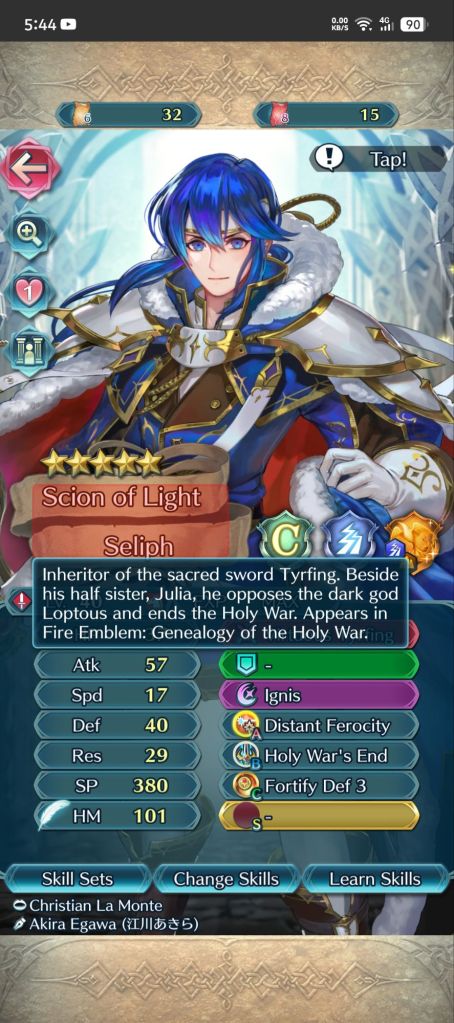
    Seliph, one of the main characters in fire emblem 4 (image from fire emblem heroes)

    Being a longtime fan of the series, it felt like something I couldn’t miss out on. My history with Fire Emblem goes way back to childhood with Fire Emblem 4, which many still call one of the greatest entries in terms of story. But for me, the moment I really got invested in the franchise was during my college years.

    My college fire emblem grind

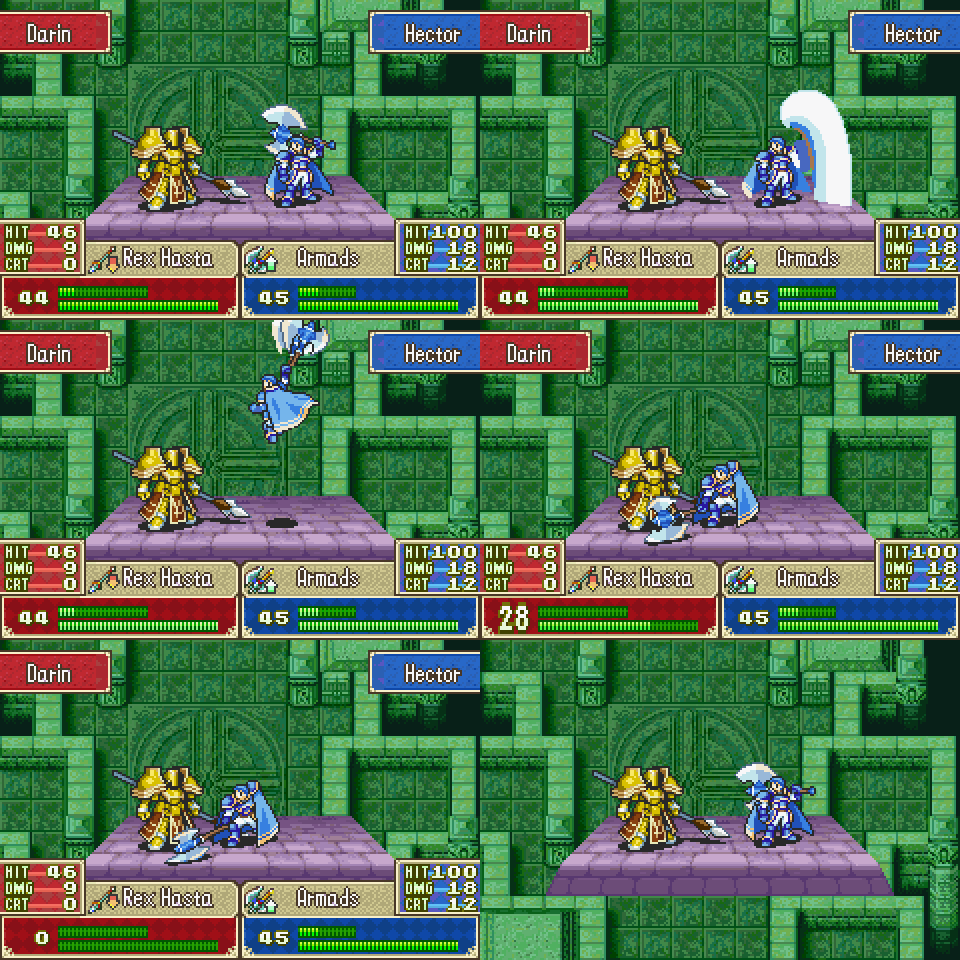
    Fire emblem the blazing blade Hector gameplay (GBA)

    I still remember sitting in my dorm room, skipping out on social gatherings, and just spending hours on my laptop running GBA Fire Emblem games through an emulator. Weekends would vanish as I replayed campaigns, mixed and matched different character supports, and dove into their backstories. That was my comfort zone—me, my desk, and the world of Fire Emblem.


    The one that almost ended it all

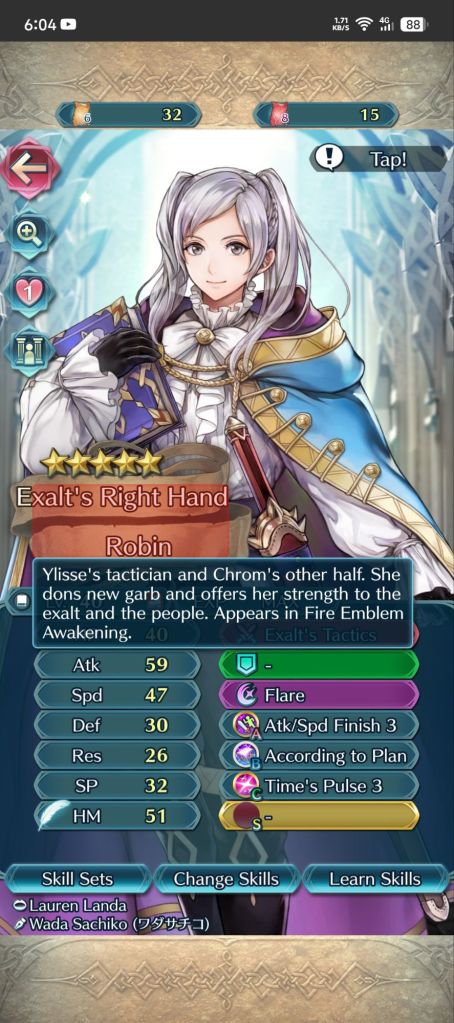
    Robin, female version of protagonist in fire emblem awakening (fire emblem heroes)

    Of course, I missed a few entries along the way, like Path of Radiance on the GameCube, since I never owned one. But I was always reading up on the series, watching how things were unfolding. When news spread online that Fire Emblem Awakening was in development, I followed it closely.

    What stood out to me was that this game was being built as a “make or break” moment for the franchise. The team basically poured everything into it, and in my opinion, the game is both approachable for newcomers and and exceeded expectations for old fans like myself.

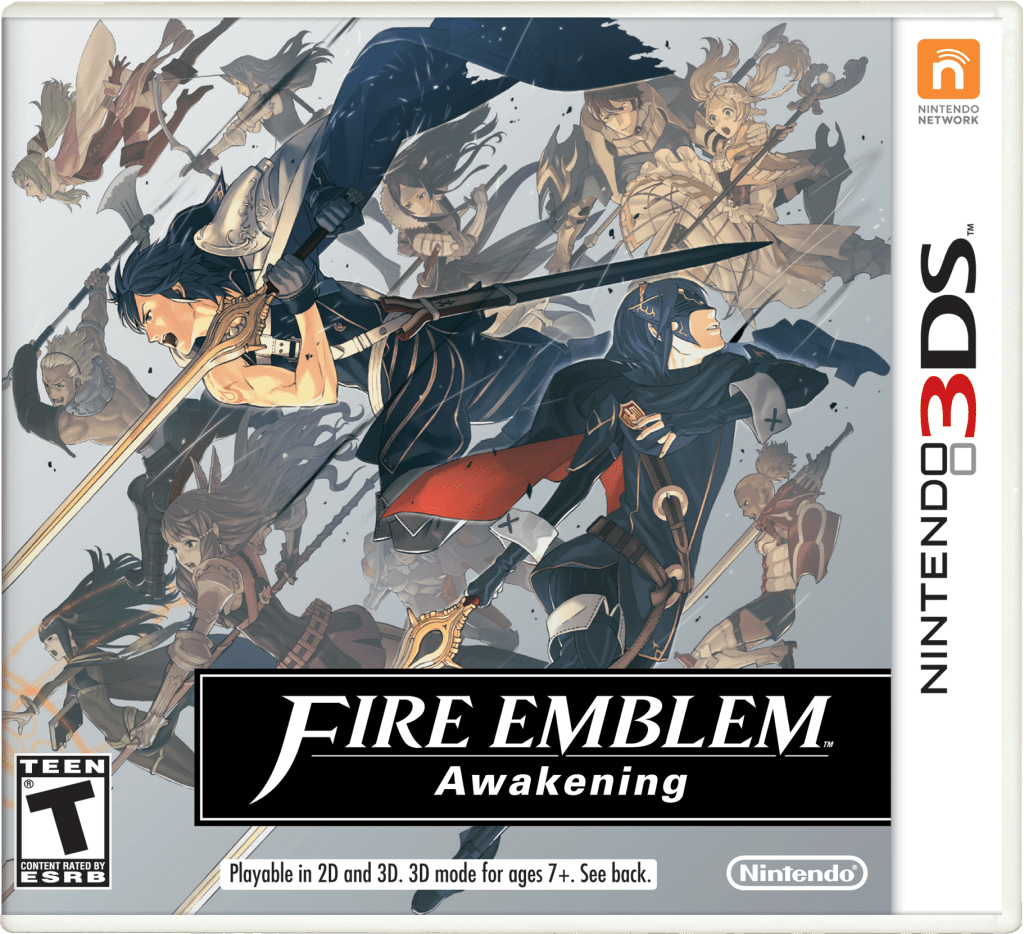
    Fire emblem awakening 3ds box art

    When Awakening finally dropped on the 3DS, the reviews were incredible. Never in my life had I wanted a 3DS so badly—but being a fresh young adult, money was tight.

    Handhelds were expensive, I was just starting to work, and whatever spare cash I had usually went into my side hobby of collecting PSPs. (For the record, I had the fat PSP, the 2000, and my most painful purchase ever—the PSP 3000 that I bricked within a day trying to install custom firmware. If you know, you know.)

    Finally getting to play awakening

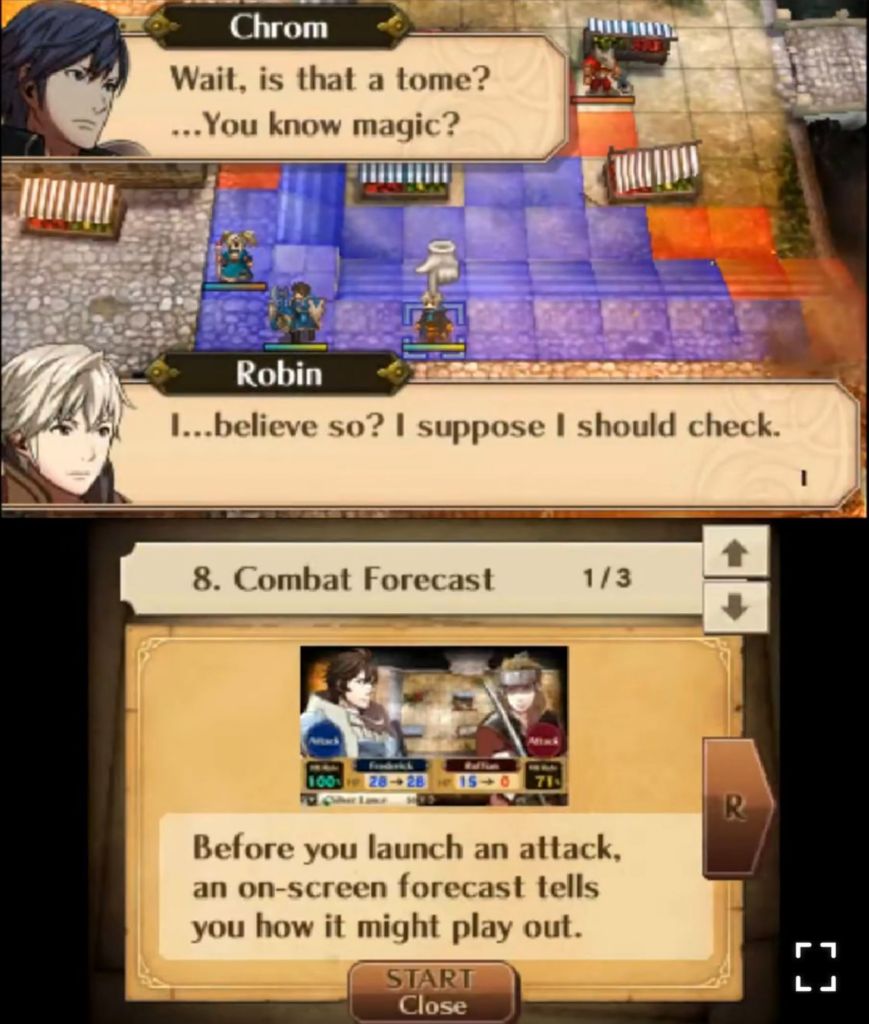
    Fire emblem awakening gameplay (citra emulator)

    It wasn’t until years later, when the Citra emulator became stable enough, that I finally got to play Awakening on mobile. Sure, it was laggy, it crashed a lot, and cutscenes were a gamble—but I pushed through and loved every second of it. That led me down the line to Fire Emblem Fates and Echoes, and by then, my love for the series had reignited in full.

    Enter Fire Emblem Heroes

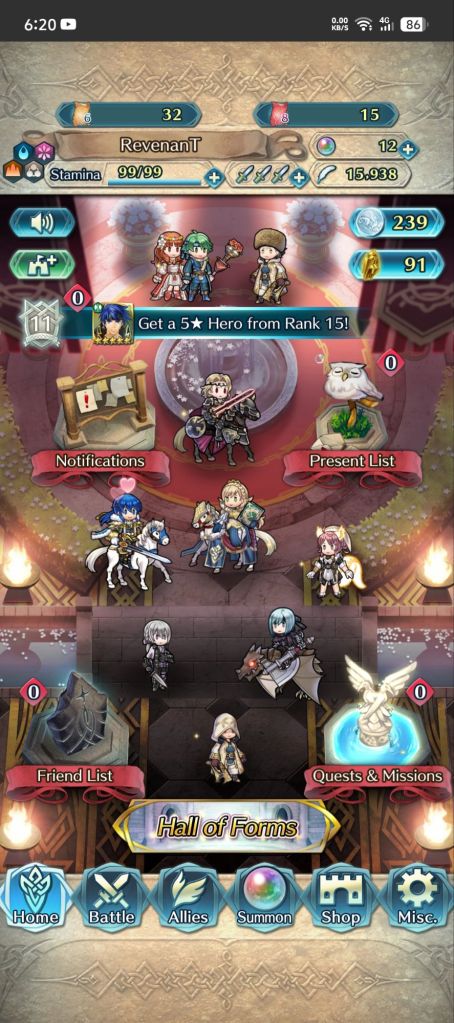
    Fire emblem Heroes home screen

    So when Fire Emblem Heroes launched, I had to try it. The timing wasn’t great for me—I had spotty internet, and the game requires a stable connection—but even then, I was hooked. The story chapters pulled me in, and the gacha system felt surprisingly fair.

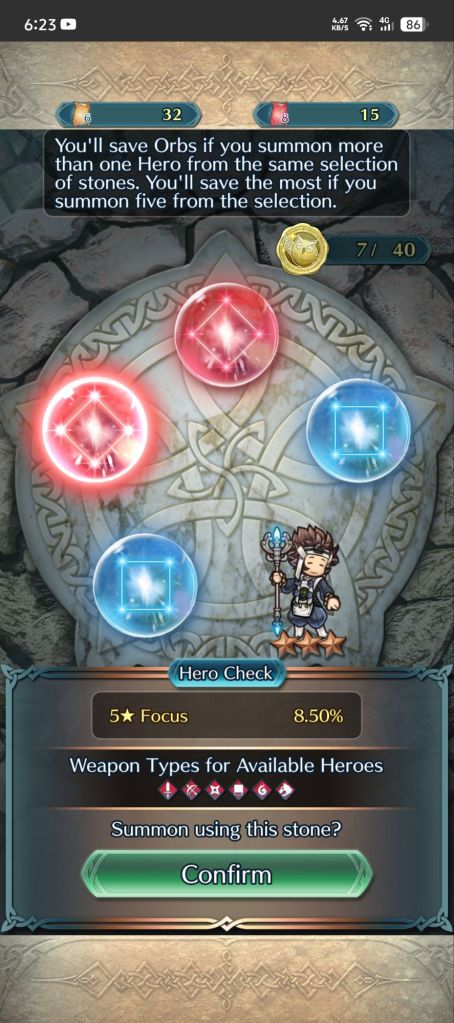
    Fire emblem heroes summon screen

    Summoning only costs 5 orbs, and if you go for a full five-pull on a banner, the cost per pull actually drops. On top of that, the game gives out free summon tickets and even first-pull freebies on banners. It never felt like it was pushing me to spend, which is rare for a mobile game (and believe me, I’ve played a lot of mobile gacha games).

    Why I’m still here after 8 years

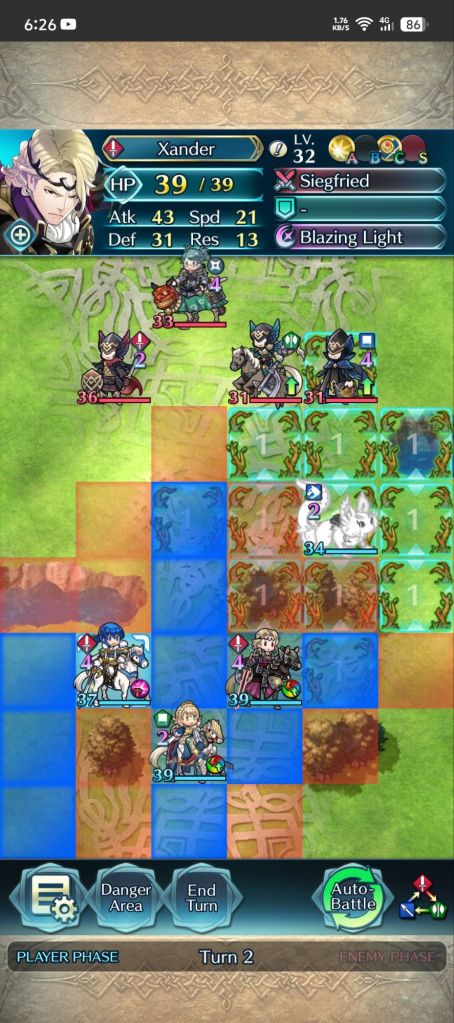
    Fire emblem heroes map battle screen

    Now, don’t get me wrong—Heroes still has its challenges. Some maps definitely require you to know your tactics, and yes, there’s always the option to whale and max out top-tier characters. But I’ve been playing casually for over eight years now—since February 2017, without spending a single cent—and I’m still enjoying it.
    Sure, I don’t get to pick the heroes I want to have (I’m looking at you Hector) but it really doesn’t matter since I love the franchise and getting low tier side characters from the fire emblem universe is like seeing a long lost friend after he’s been gone for a long time.

    A Love letter to Fire Emblem fans

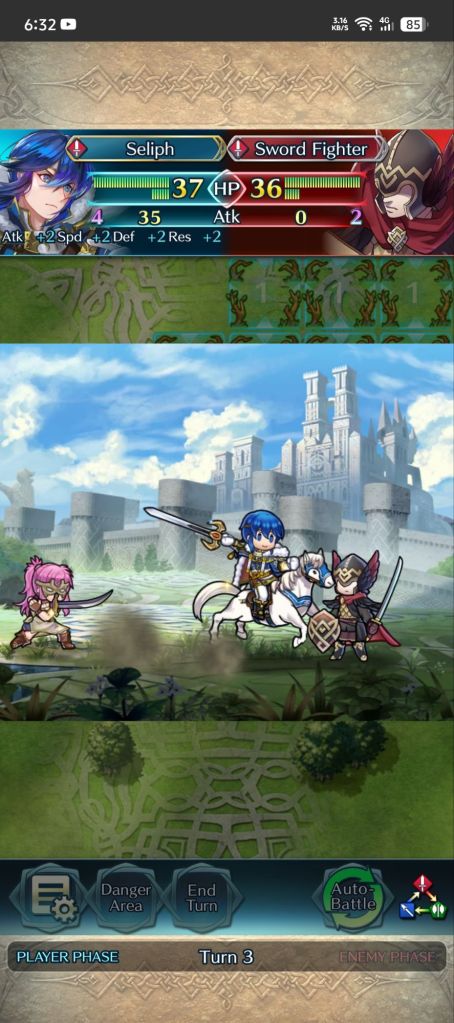
    Seliph and Marissa battle screen (Fire Emblem Heroes)

    For me, Fire Emblem Heroes feels like a love letter to fans. It celebrates the series’ history, keeps things fresh with constant updates, and yet never punishes you for just playing at your own pace.

    I don’t grind every event, I don’t chase every new banner, but I keep coming back. And honestly, I see myself playing casually until the servers shut down—or until the day I can’t pick up my phone anymore, whichever comes first.

Design a site like this with WordPress.com
Get started