Category: Game Recommendations

  • Kaiju No. 8 Mobile Review

    Kaiju No. 8 Mobile Review

    After Black Beacon announced that it would end service on global servers, I honestly thought it was time for me to take a break from mobile gaming and just go back to retro titles. Funny, but that’s how it felt.

    I was genuinely excited for the world Black Beacon promised to build, only for the game to fizzle out before anything meaningful even happened. I had already uninstalled it before the November 4 announcement because something told me it wasn’t going to last.

    So I shifted gears, binge-watched anime for a while, and decided that for my next mobile review, I’d explore anime-licensed games instead.

    I downloaded several of them—from Tokyo Ghoul to One Punch Man: World to Lord of Nazarick. But out of everything I tried, Kaiju No. 8 stood out immediately.

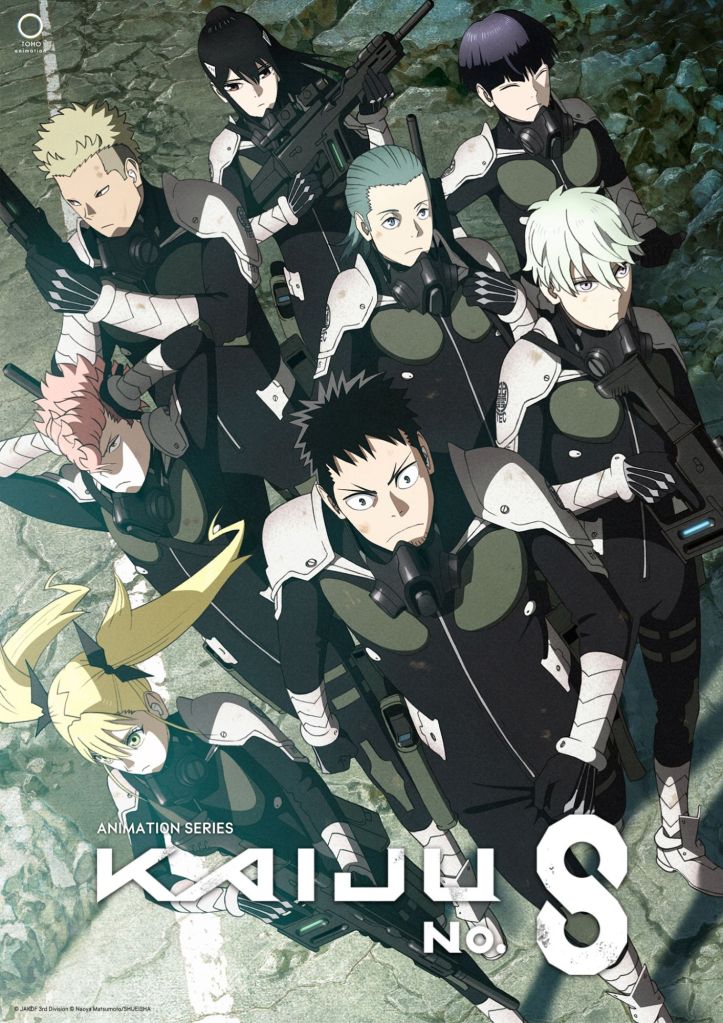
    Kaiju no. 8 anime cover art

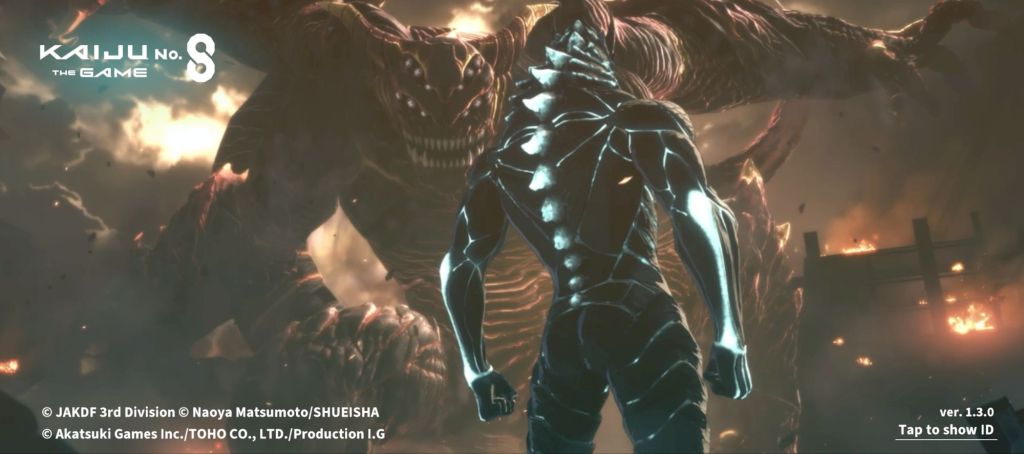
    Co-produced by Akatsuki Games, TOHO, and Production I.G, the game’s visual identity screams anime from the first loading screen.

    What surprised me most was how much I enjoyed it—even if it’s a turn-based gacha. I’ve played my share of gachas, but enjoying a turn-based one this much? Definitely unexpected. Looking back, I kind of wish I had played this in September instead of putting my hopes on Black Beacon.

    Kaiju no. 8 the game loading logo

    A big part of why Kaiju No. 8 hits differently is because each studio contributes something meaningful. Production I.G injects the anime DNA—the sharp expressions, the cinematic cut-ins, the pacing.

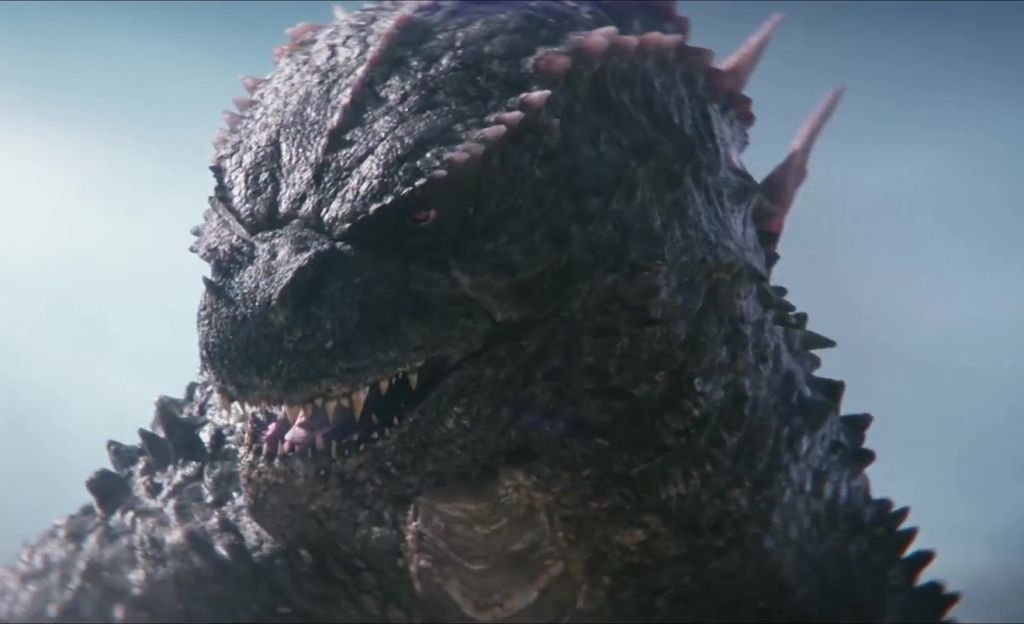
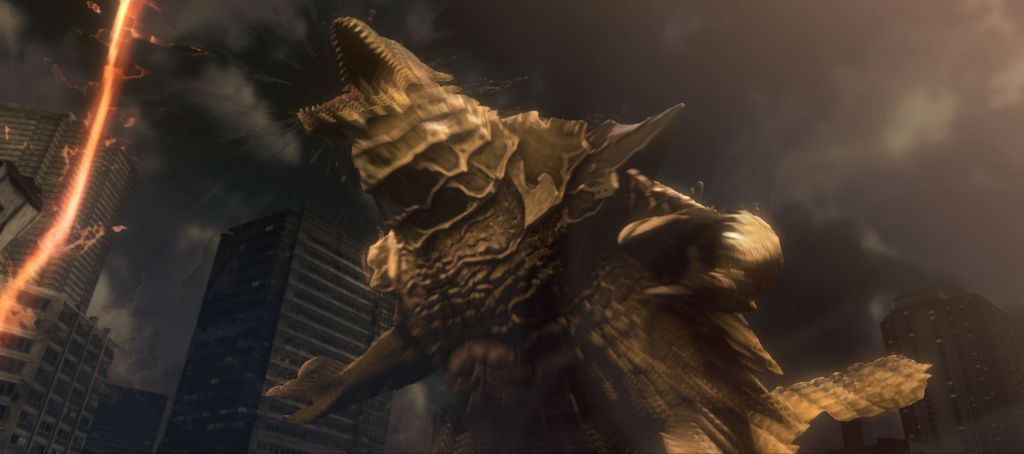
    Godzilla

    TOHO, being the veteran behind Godzilla and practically every iconic kaiju, gives the monsters and world that familiar, polished feel you don’t see in most mobile games.

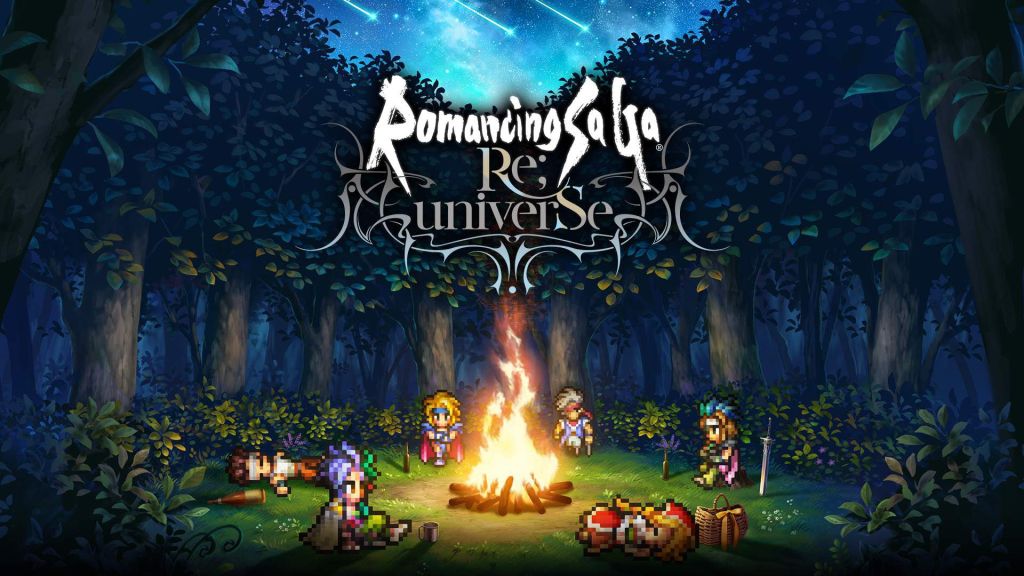
    Akatsuki games co-produced a number of character driven games like Romancing Saga Re Universe

    Meanwhile, Akatsuki Games, known for character-focused mobile titles, brings progression systems that make each character feel more than just a unit to level up. Combined with the turn-based format, the whole thing ends up feeling less like a cash grab and more like a continuation of the anime and manga.

    Everything, from the lore to the presentation is steeped in Kaiju No. 8’s world, and it will hook fans of the series as well as anyone who loves the military-vs-monster genre.


    Visuals and Presentation

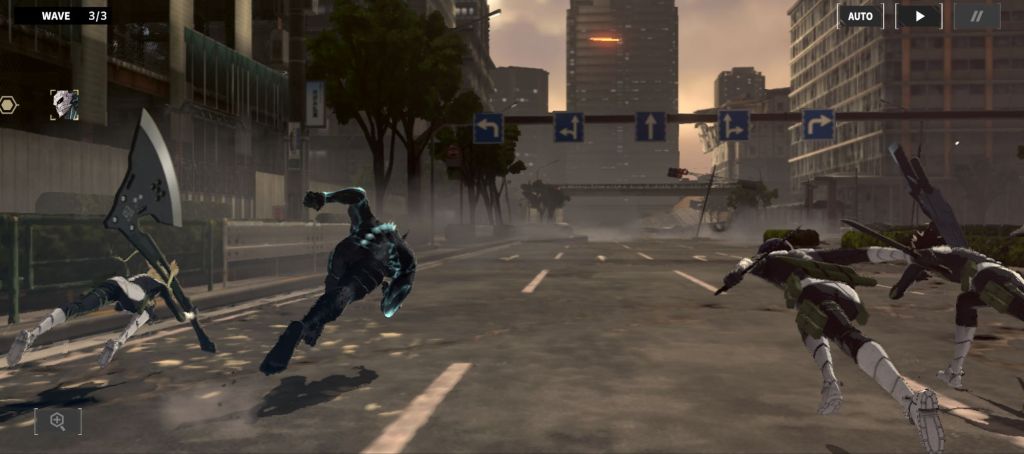
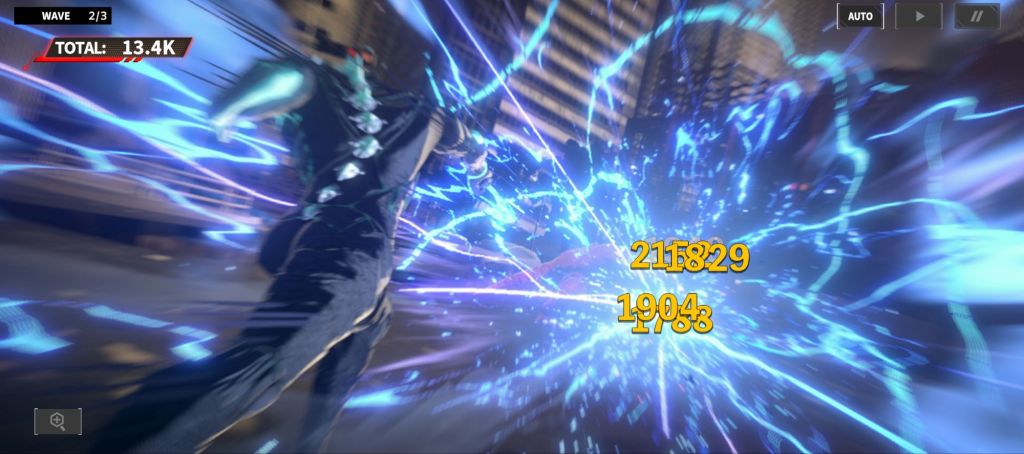
    Visually, Kaiju No. 8 captures the anime look effortlessly. The character models are crisp, the animations have personality, and the overall art direction sticks close to the vibe of the show.

    The only small nitpick is that character lips don’t move during dialogue, but with how good the voice delivery is, you stop noticing almost instantly. The style and presentation are strong enough to carry the immersion without any problem.


    Gacha and Progression

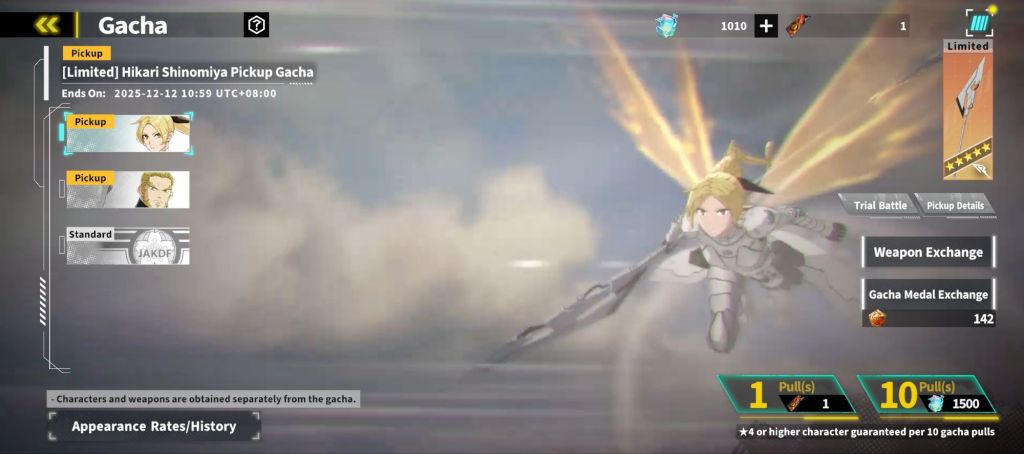
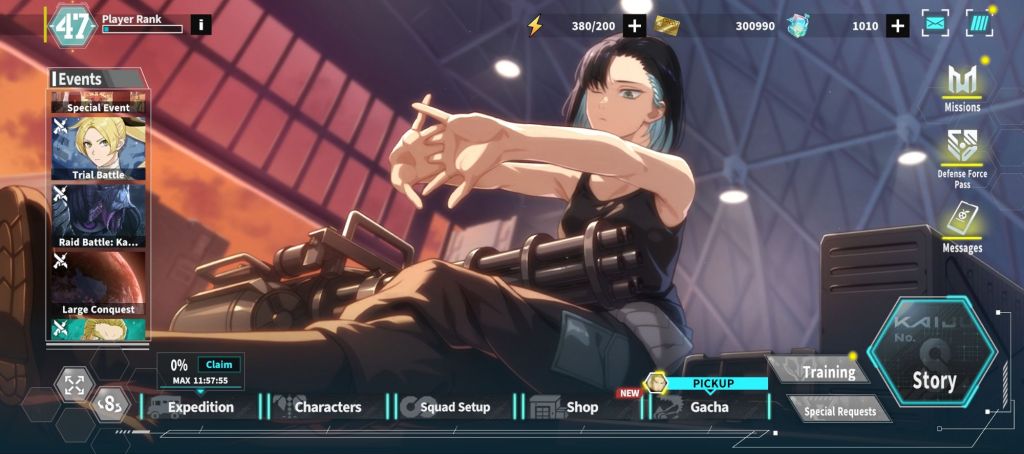
    Gacha tab in kaiju no. 8

    Kaiju No. 8 is still a gacha game, and yes, pulls can feel unfair. With only a limited number of characters and SSR weapons available at a time, it really can feel like the game throws more junk at you than anything actually useful.

    But the story and content pull their own weight, so even when the gacha frustrates you, there’s always something to go back to.

    Sometimes it even feels like you’re pulling just to complete achievements instead of genuinely wanting the units, because once you’re done rolling, you’ll probably jump straight back into the content anyway.

    The turn-based combat can get repetitive if you blast through it nonstop, but at a steady pace, it stays enjoyable and the grind becomes rewarding rather than tiring.


    Gameplay and Content

    Kaiju No. 8’s structure is built around multiple modes, each focusing on different aspects of the story and characters.

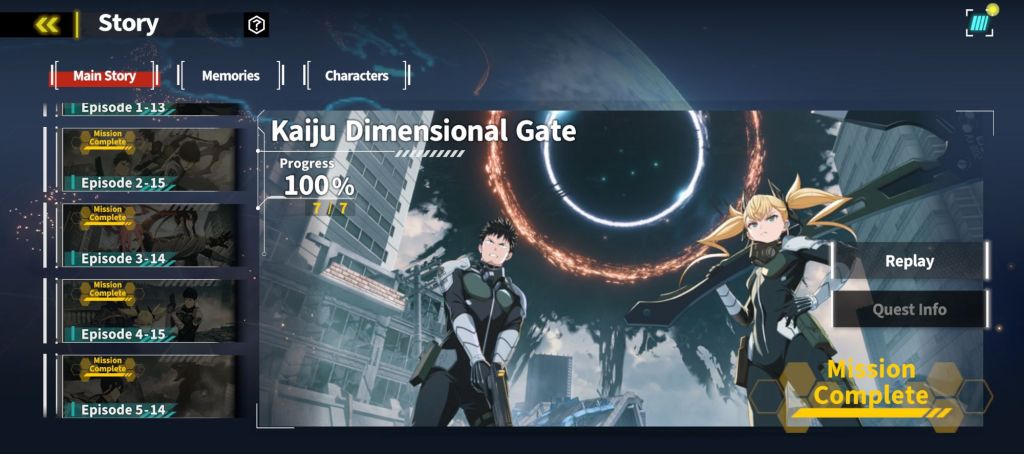
    Main Story

    The main story is pretty substantial. It features six episodes, each divided into stages from Episode 0 to Episode 5. As far as I can tell, this storyline is original and made specifically for the game.

    What’s impressive is how committed the developers are to giving fans something worth reading. With the anime having just ended Season 2, fans are craving more material while waiting for Season 3, and this game fills that gap nicely.

    I haven’t read the manga, so I can’t tell which parts are adapted from it, but the writing fits the Kaiju No. 8 universe well.

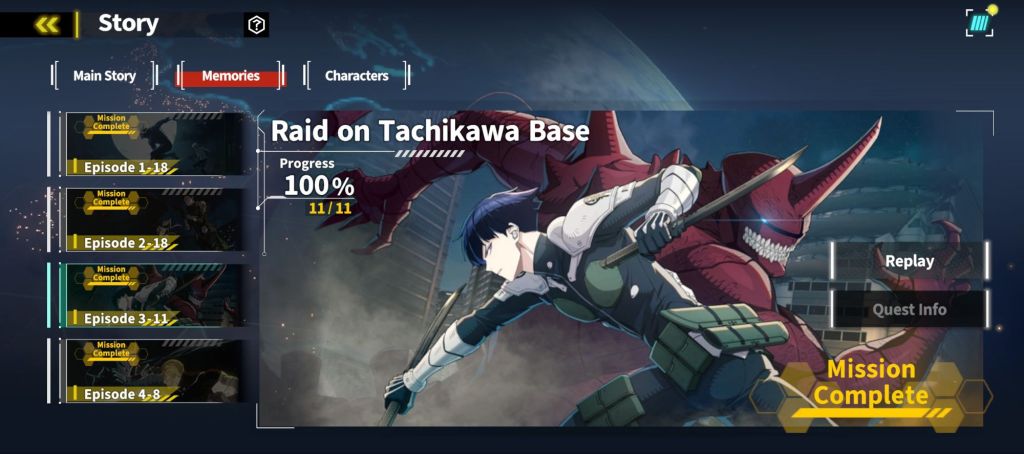
    Memory Stages

    Memory Stages tackle key moments from the anime. These aren’t direct retellings of Season 1 or 2, but condensed highlight episodes that cover Kafka gaining his kaiju abilities all the way to the Season 1 finale where he gets captured. No spoilers, but these scenes are faithful enough that anime fans will recognize everything instantly. It’s a great way to relive the show inside the game.

    Character Stories

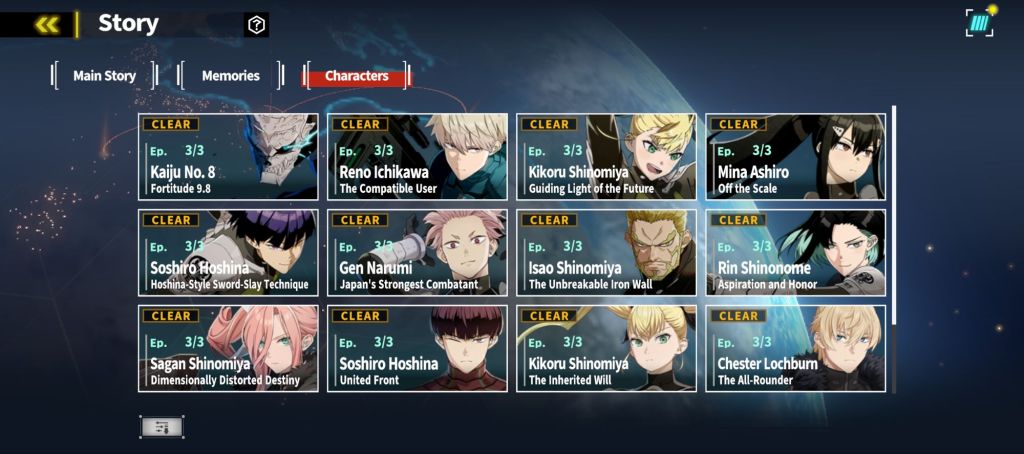
    Every time you get a new character through the gacha, the game unlocks their set of character stories. These are short, text-based segments that explore their personalities more. Each character has three episodes, and reading through them gives small rewards and sometimes wallpapers you can use on your home screen. They don’t affect gameplay, but they add charm and deepen the world-building, which I really enjoyed.

    JAKDF Messages and Special Requests

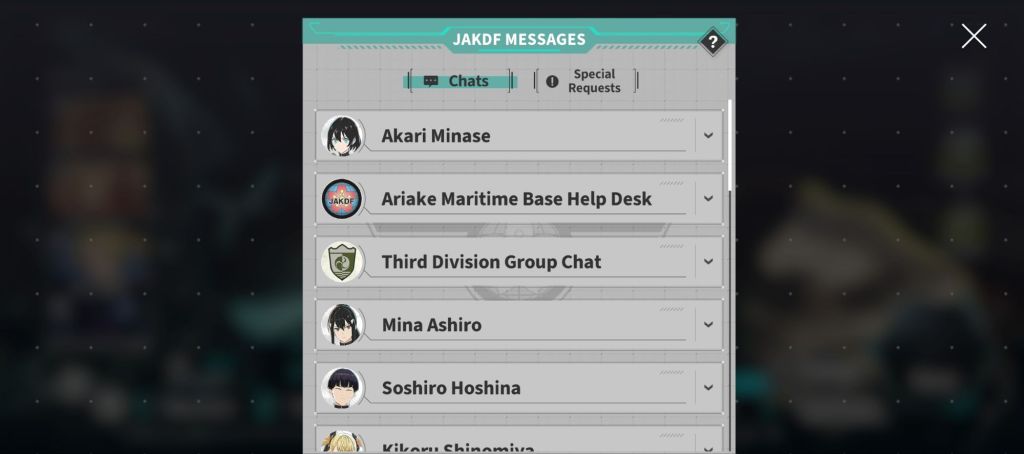
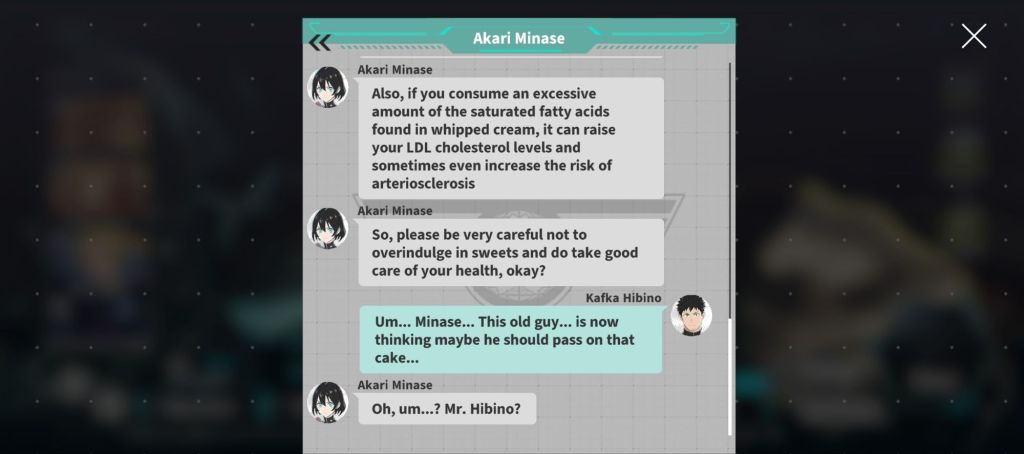
    JAKDF Messages act like a group chat where the characters interact with Kafka (you). The responses are linear, but the writing is entertaining and helps flesh out character dynamics.

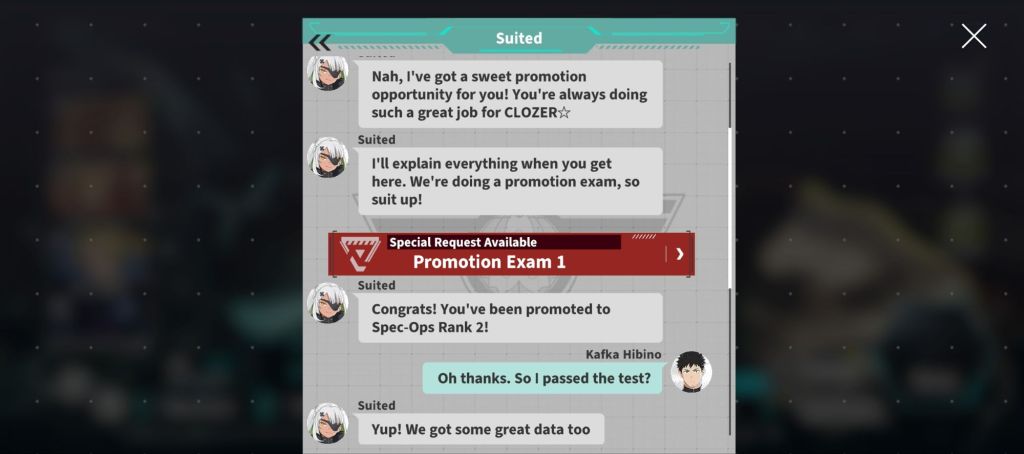
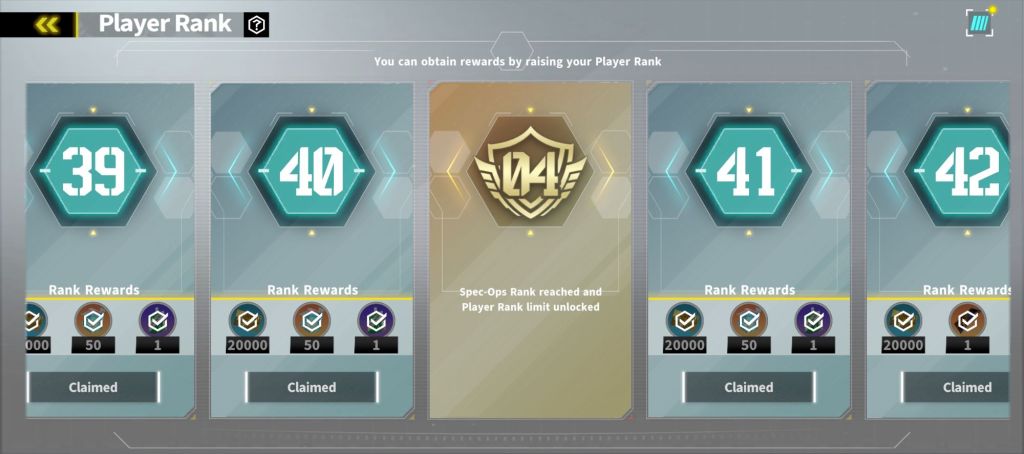
    This mode is also tied to Special Requests, which give you extra battles to raise your team rank and player rank.

    As a free-to-play player, my only difficulty spike happened around level 40. I had to grind materials for about two days to push my team up to level 90 and break through the wall. I was tempted to spend money, but the game is generous enough with farming that you can progress without paying.

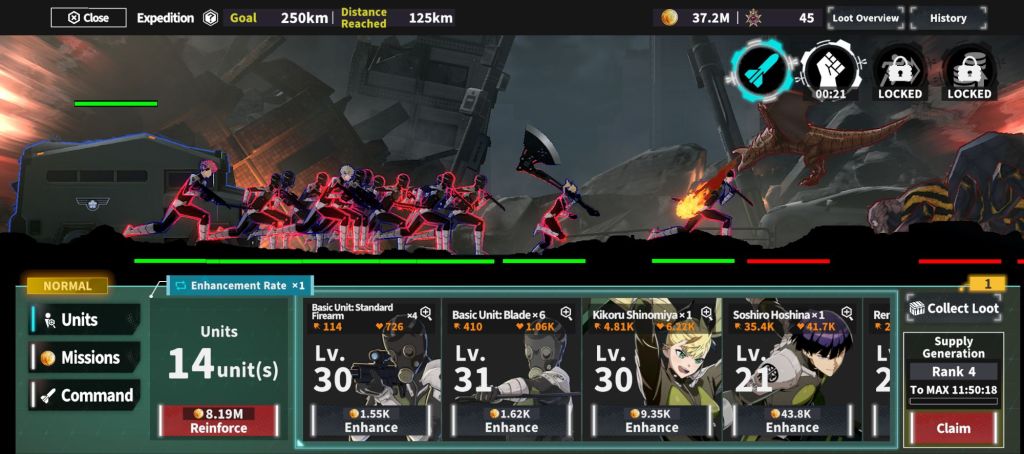
    One thing I forgot to mention is expedition mode. It’s like a idle game where you clear out endless waves that can earn you supplies and energy for when you log out.

    Right now, I’ve cleared the main story and memory content and am waiting for the next version update, which should drop soon. If the developers keep this pace, I’ll be playing this game for quite a while.

    My only concern is whether future characters will be locked behind season passes or paid-only packs, but that’s something I’ll revisit when more content arrives.


    Performance and Sound

    With three studios backing this project, the sound design is exactly what you’d expect: sharp, clean, and fitting. The voice lines are delivered with emotion and energy, and one detail I appreciated is how each character says a line when switching in for a follow-up attack.

    Sometimes the line changes too, which keeps it from sounding repetitive. It’s a small touch, but a really smart one.

    Performance-wise, some mid-range phones reportedly experience overheating during long sessions. I didn’t encounter this personally because I usually stick to low graphic settings.

    Even on low, the game looks good and runs smoothly for me. So depending on your device, tweaking the settings a bit might be all you need for a stable experience.


    Final Verdict

    Should you play Kaiju No. 8 on mobile?

    If you’re a fan of Kaiju No. 8 or just looking for a polished anime-based game that doesn’t feel like a lazy tie-in, then yes—absolutely play it. This is one of the few anime mobile games that actually tries. TOHO brings the kaiju legacy, Production I.G brings the anime DNA, and Akatsuki brings the character-driven systems that make the whole thing feel alive. It’s a strong combination that pays off.

    The content is substantial, the story is engaging, and even when the gacha pulls annoy you, there’s always something interesting to dive back into. The turn-based gameplay can get dull when rushed, but at a steady pace, it becomes a satisfying grind.

    With more updates on the horizon and the next version coming soon, Kaiju No. 8 is shaping up to be one of the better anime mobile games out there. I’ll definitely be sticking with it.

  • Top 10 Horror-Themed Games to Play on the Sega Genesis

    Top 10 Horror-Themed Games to Play on the Sega Genesis

    The Miyoo Mini might have a small 2.9-inch screen, but that’s exactly what makes it perfect. It’s a portal back to those quiet nights hiding under a blanket, playing in secret long after bedtime. You can almost feel that moment again, the dim light of the screen, the hum of the fan, the fear of hearing footsteps outside your door.

    And with Halloween coming, there’s no better way to relive that feeling than through the dark side of the Sega Genesis. The console may not have had realistic horror, but it mastered atmosphere and dread. These games didn’t rely on gore alone. They worked through tone, tension, and gameplay design that still holds up today.

    So get comfortable, dim the lights, and step into the shadows of 16-bit horror.


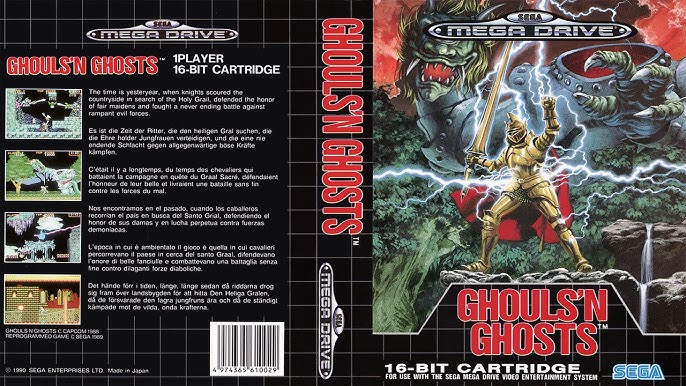
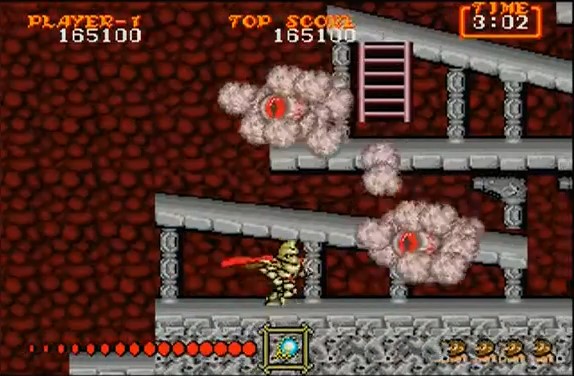
    10. Ghouls ’n Ghosts (1989)

    Capcom’s Ghouls ’n Ghosts is a brutal test of skill set in a world crawling with undead knights, demons, and grotesque monsters. As Arthur, you battle through crypts and cursed landscapes to rescue souls and reclaim your armor piece by piece.

    What stood out: It demanded precision and pattern recognition. Every enemy’s timing mattered, every jump had consequences, and the punishment for mistakes made victory feel monumental. It was horror through tension and vulnerability.

    Fun Fact: The Genesis version was one of the console’s first faithful arcade ports, helping cement Sega’s reputation for serious, challenging games.


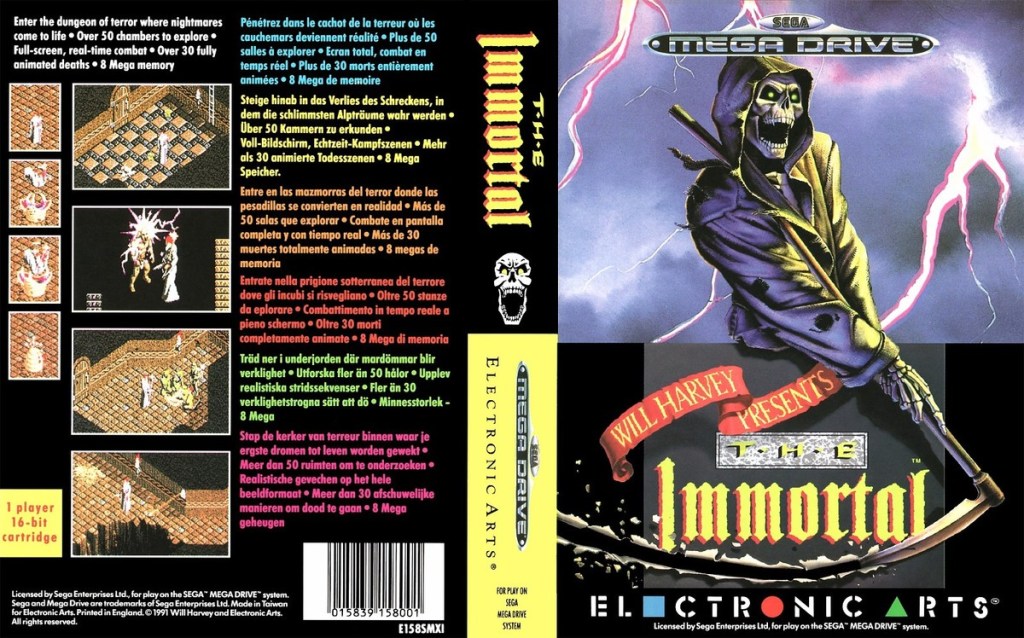
    9. The Immortal (1990)

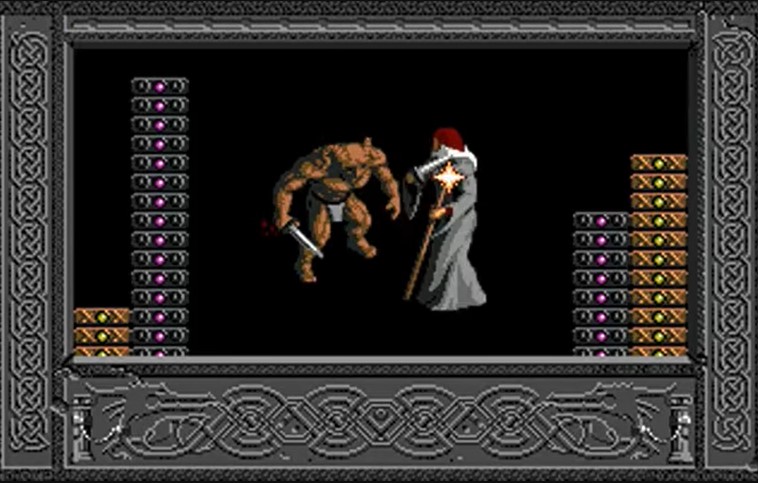
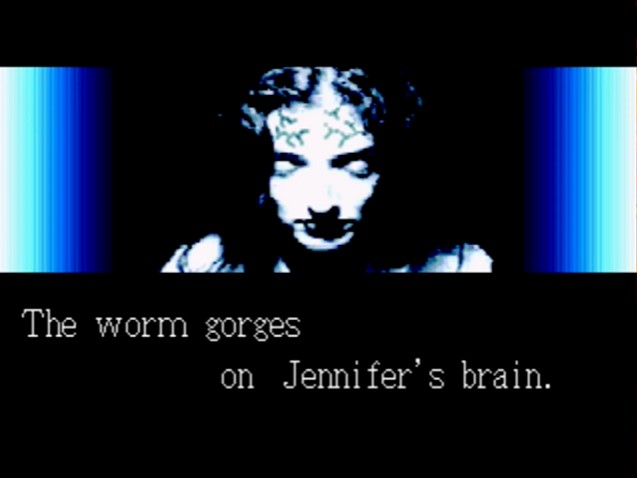
    An isometric dungeon crawler drenched in darkness, The Immortal forces players to survive traps, monsters, and cruel puzzles in an underground labyrinth.

    What stood out: The focus on environmental hazards created genuine dread. Rooms weren’t just obstacles; they were death traps waiting for you to make a single wrong move. The sense of caution it inspired turned every step into a risk.

    Fun Fact: The game’s fight scenes used zoom-ins and blood animations rarely seen on the Genesis, adding an early cinematic feel to combat.


    8. Gargoyles (1995)

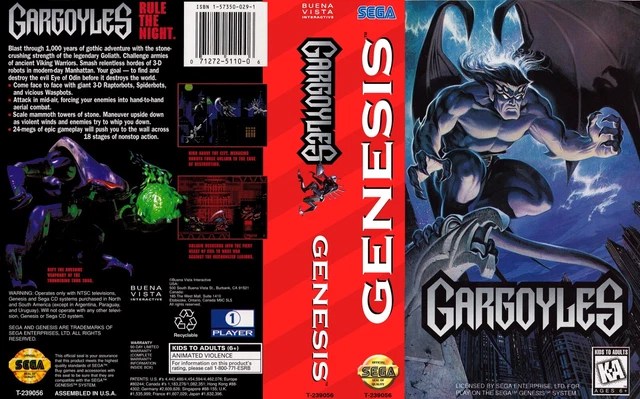
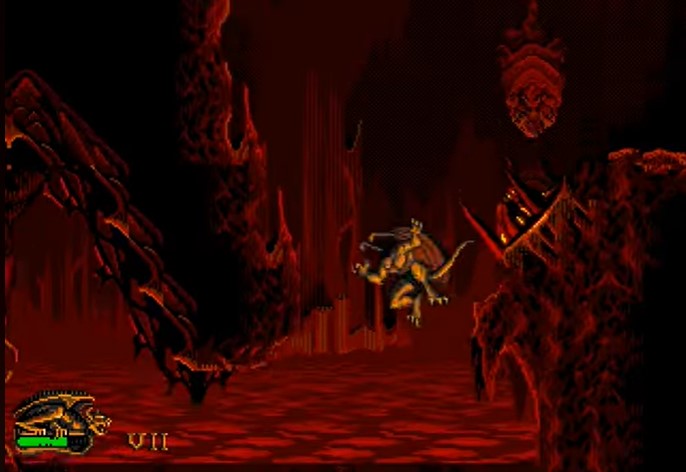
    Based on the darker Disney animated series, Gargoyles delivers gothic platforming at its best. You play as Goliath, a cursed stone warrior battling demonic enemies across medieval castles and stormy skylines.

    What stood out: The animation and movement system gave Goliath a real sense of weight and power. Climbing walls, gliding through the air, and smashing enemies felt tactile and brutal. The visual direction remains one of the Genesis’ most atmospheric achievements.

    Fun Fact: The developers used multiple parallax layers and shadow mapping to achieve its stormy, cinematic look, pushing the hardware late in its life cycle.


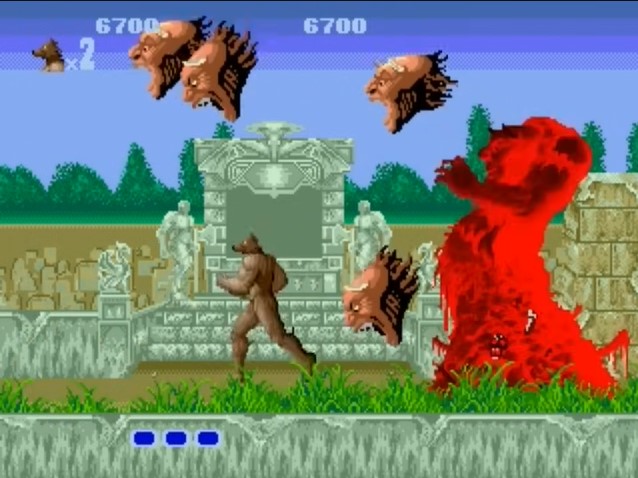
    7. Altered Beast (1988)

    One of Sega’s earliest Genesis titles, Altered Beast remains a haunting blend of mythology and horror. You rise from the grave as a resurrected warrior, transforming into werewolves, dragons, and other beasts to defeat the underworld’s creatures.

    What stood out: The transformation mechanic was the centerpiece. Each form had unique attacks and movement styles, forcing you to adapt on the fly. Its slow pacing and eerie resurrection theme gave it a mythical horror feel that still defines early Genesis identity.

    Fun Fact: Altered Beast was originally bundled with the Sega Genesis as a pack-in game before Sonic the Hedgehog took over the role in 1991.


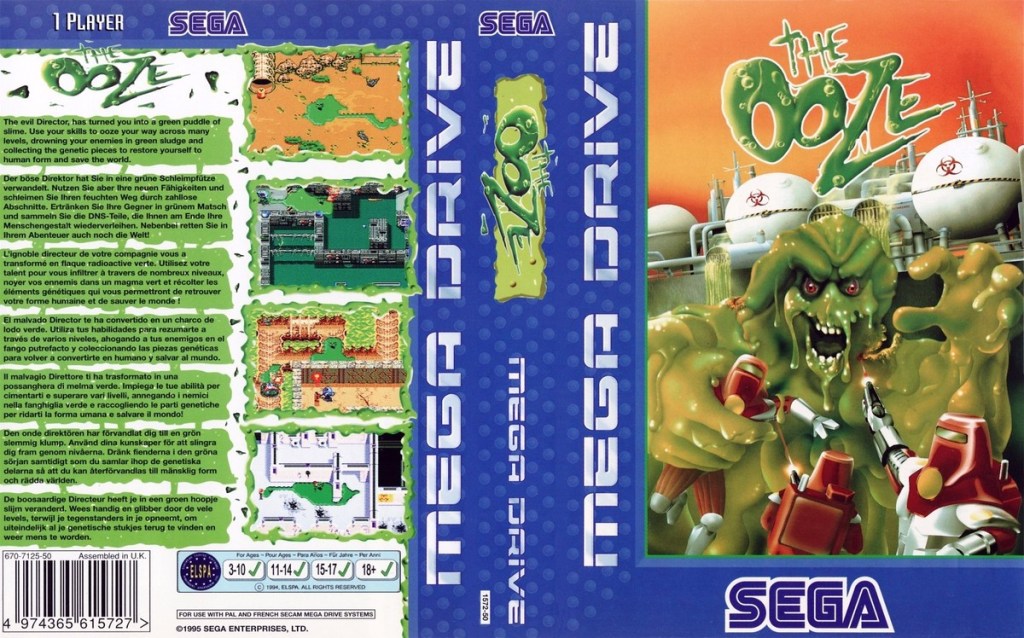
    6. The Ooze (1995)

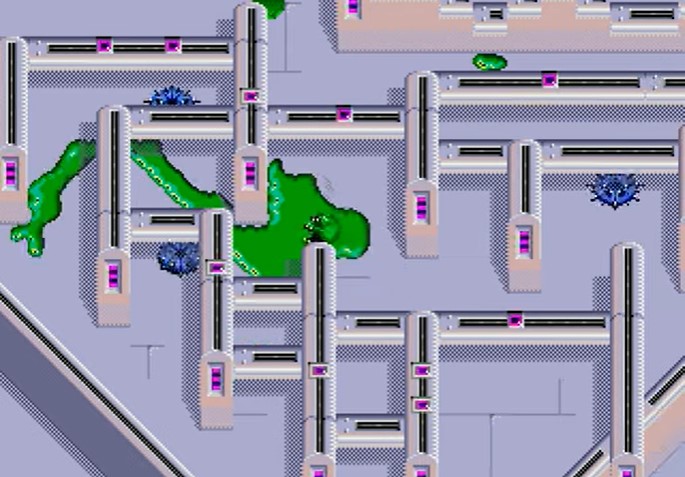
    You play as a mutated scientist turned blob, crawling through labs and cities in search of revenge. The Ooze is grotesque, slow, and suffocating — perfect for horror.

    What stood out: The control system tied your health directly to your size. The more you moved or attacked, the smaller and weaker you became. It forced restraint and calculation, turning movement itself into a risk.

    Fun Fact: The developers wanted players to feel both powerful and helpless, a rare design goal that perfectly fit the game’s tragic tone.


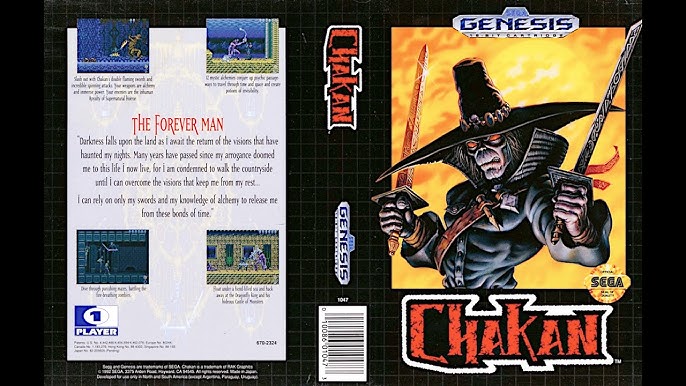
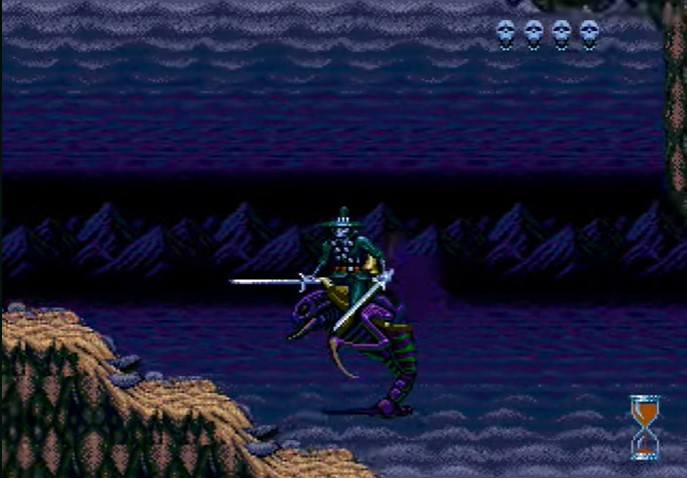
    5. Chakan: The Forever Man (1992)

    Adapted from Robert Kraus’ comic, Chakan follows an immortal warrior cursed to fight until every evil creature in existence is destroyed. It’s grim, relentless, and soaked in atmosphere.

    What stood out: The non-linear level design gave players the freedom to choose their path, but every stage was built to punish overconfidence. Its combat system demanded precise timing and mastery of weapon effects, making survival itself a victory.

    Fun Fact: True to its source, Chakan ends with the hero realizing that even eternal victory offers no peace, and he must continue fighting in the afterlife.


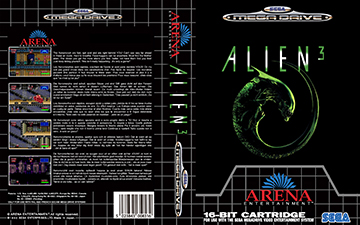
    4. Alien 3 (1993)

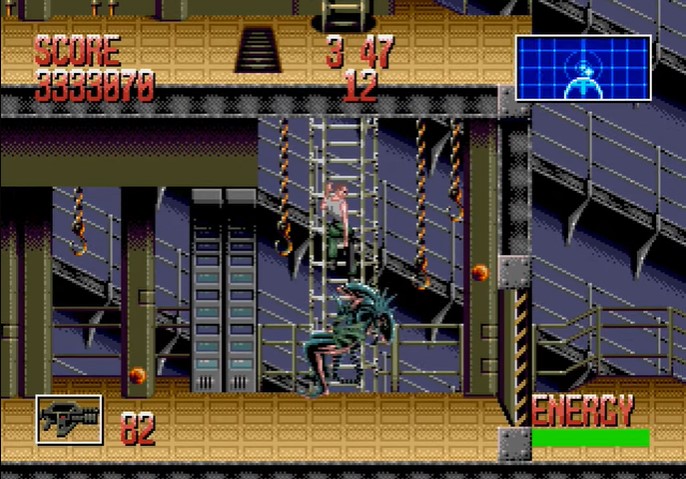
    Alien 3 delivered sci-fi horror with precision. As Ripley, you race through labyrinthine corridors to rescue prisoners before they’re consumed by xenomorphs.

    What stood out: The time-based mission structure made it feel more like survival horror than an action game. You couldn’t afford to waste time or ammunition. The result was a constant push-and-pull between urgency and fear of failure.

    Fun Fact: The randomization of alien encounters kept players tense, since you never knew when something might burst out of the shadows.


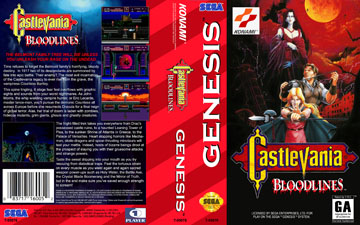
    3. Castlevania: Bloodlines (1994)

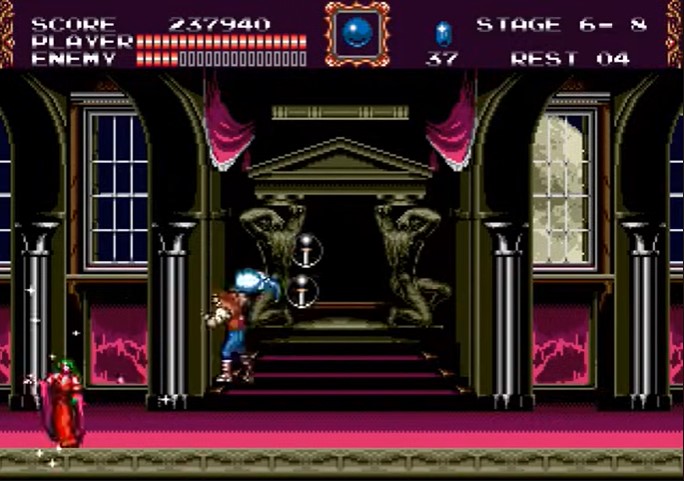
    Bloodlines was Konami’s answer to the question, “What does gothic horror look like on Genesis?” The result was a masterpiece of atmosphere and mechanical depth.

    What stood out: Its dual protagonists changed the traditional Castlevania formula. John Morris could swing across gaps, while Eric Lecarde used vertical spear thrusts for aerial combat. This gave every level two distinct ways to play, adding complexity without sacrificing the series’ haunting mood.

    Fun Fact: The European version, Castlevania: The New Generation, toned down violence and color palette due to censorship, making the U.S. version the definitive dark experience.


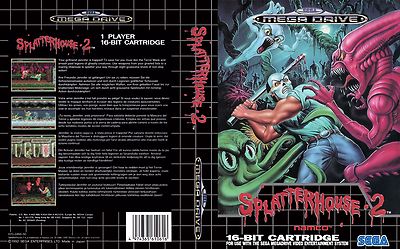
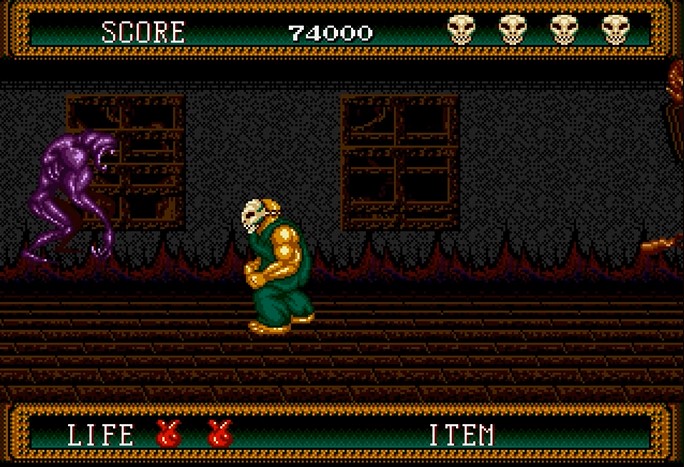
    2. Splatterhouse 2 (1992)

    No subtlety here. Splatterhouse 2 was horror incarnate, a side-scrolling bloodbath inspired by ’80s slasher films.

    What stood out: The slow, deliberate combat created tension in every movement. The physics of your attacks made you feel both powerful and vulnerable. Each strike and scream lingered, making progress feel like survival rather than victory.

    Fun Fact: The developers slowed the game down from its arcade counterpart to make combat heavier, emphasizing dread between each attack.


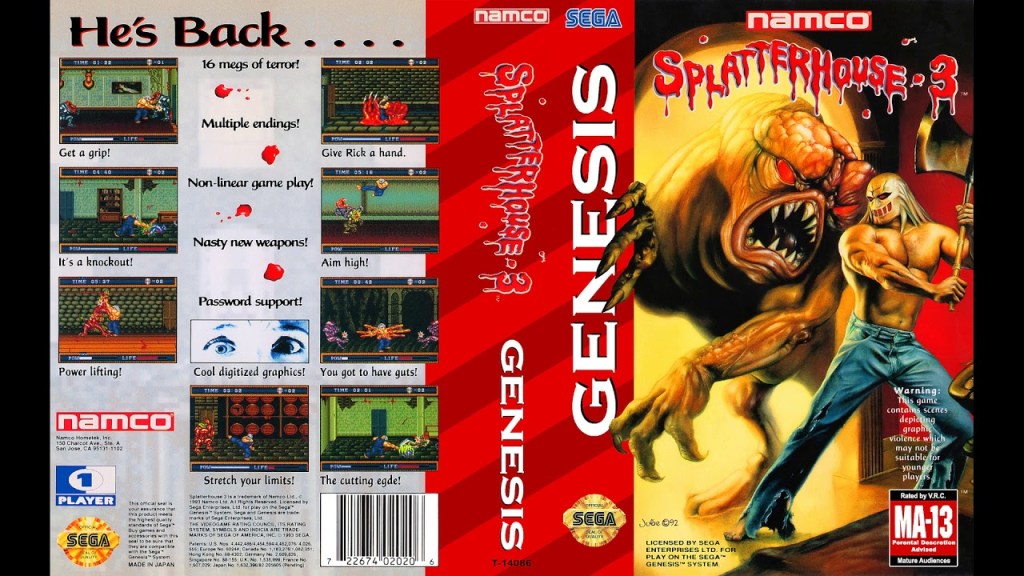
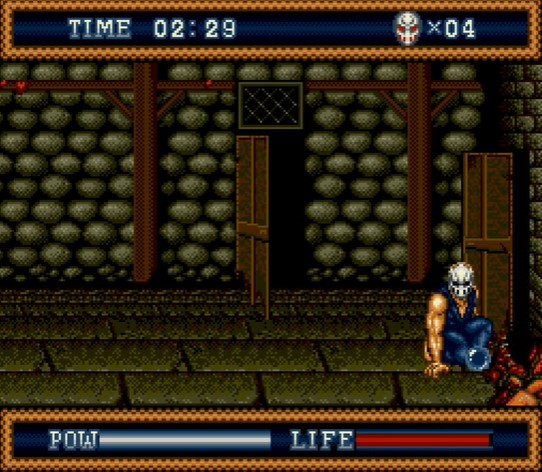
    1. Splatterhouse 3 (1993)

    The final and finest chapter of Genesis horror, Splatterhouse 3 evolved from a straightforward brawler into a psychological test. With branching paths, timed missions, and multiple endings, it turned horror into a moral struggle.

    What stood out: The time mechanic transformed the experience. Each minute you spent fighting or exploring changed who lived or died. It turned urgency into a narrative weapon, and that tension hasn’t aged a day.

    Fun Fact: Splatterhouse 3’s branching storylines made it one of the earliest console games to integrate player performance into narrative outcomes.


    Final Thoughts

    The Sega Genesis didn’t need realism or jump scares to create horror. Its best games relied on tone, challenge, and imagination to get under your skin. Whether it was through the slow dread of Splatterhouse, the gothic majesty of Castlevania, or the mythic resurrection of Altered Beast, these titles captured the essence of fear in 16-bit form.

    Playing them on a Miyoo Mini or any handheld today still feels just as eerie. There’s something timeless about these pixelated nightmares that modern games can’t quite replicate.

    So turn off the lights, pull the blanket over your head, and let the old horrors come alive again.

  • Top 20 Sega Genesis Beat ’Em Ups You Can Play on the Miyoo Mini

    Top 20 Sega Genesis Beat ’Em Ups You Can Play on the Miyoo Mini

    I made this list originally for my Miyoo Mini, that pocket-sized retro handheld that’s perfect for quick gaming breaks. These Genesis titles are ideal for short bursts — just enough time to clear a few stages, save, and come back later. Of course, you can play them on PC or mobile too, but the Miyoo Mini makes them shine in bite-sized sessions.

    This is my countdown of the Top 20 Sega Genesis-exclusive (and Japan-only) beat ’em ups, ranked from 20 to 1. One game per franchise, all of them packed with that 16-bit energy Sega was known for.


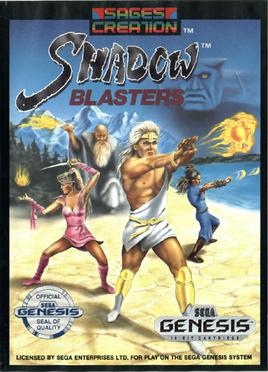
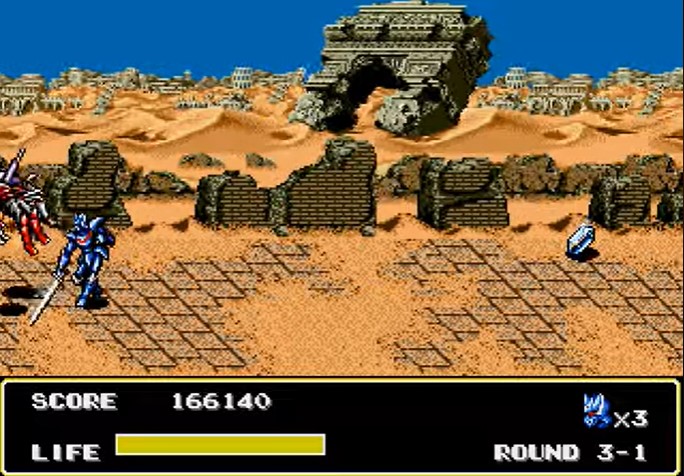
    20. Shadow Blasters (1990)

    If you’ve never heard of Shadow Blasters, don’t worry you’re not alone. This Genesis-exclusive action brawler lets you switch between four warriors, each harnessing elemental powers to clean up a post-apocalyptic Earth. It’s rough around the edges, but the variety and frantic pace make it a hidden gem for Miyoo Mini short sessions.

    Fun fact: The game was published by Sage’s Creation, one of the first companies to localize smaller Japanese titles for the Genesis — giving us oddball cult classics like this one.


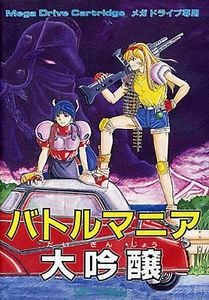
    19. Battle Mania: Daiginjou (1993, Japan)

    Technically a shooter, but its crazy boss fights and melee energy fit right in here. Bursting with attitude and chaotic energy — pure early ’90s Sega spirit.

    Fun fact: It was developed by a small all-female team at Vic Tokai, which was unusual for the time.


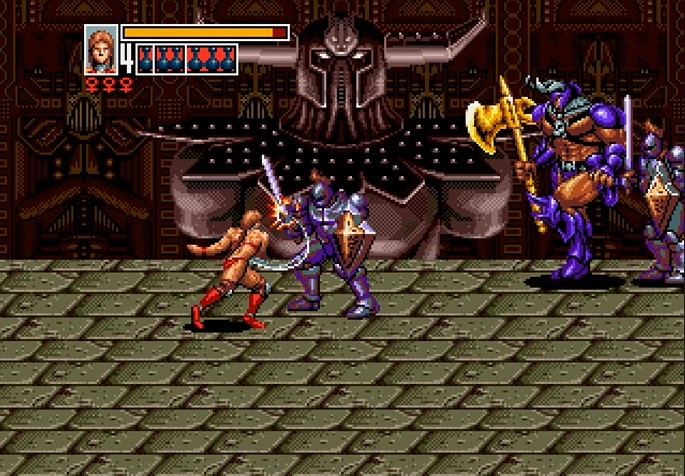
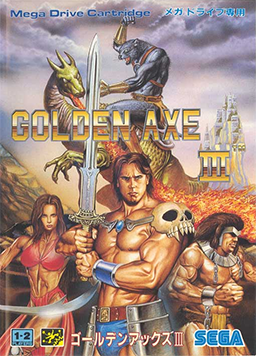
    18. Golden Axe III (1993, Japan)

    The last Genesis Golden Axe game, never officially released in the West. It adds new moves and smoother animation, even if it lacks the polish of II.


    Fun fact: It was originally meant for international release, but Sega of America rejected it for being “too similar” to its predecessors.


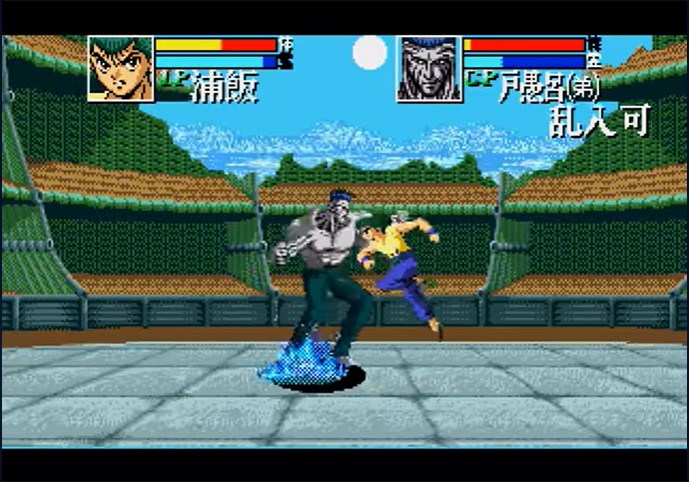
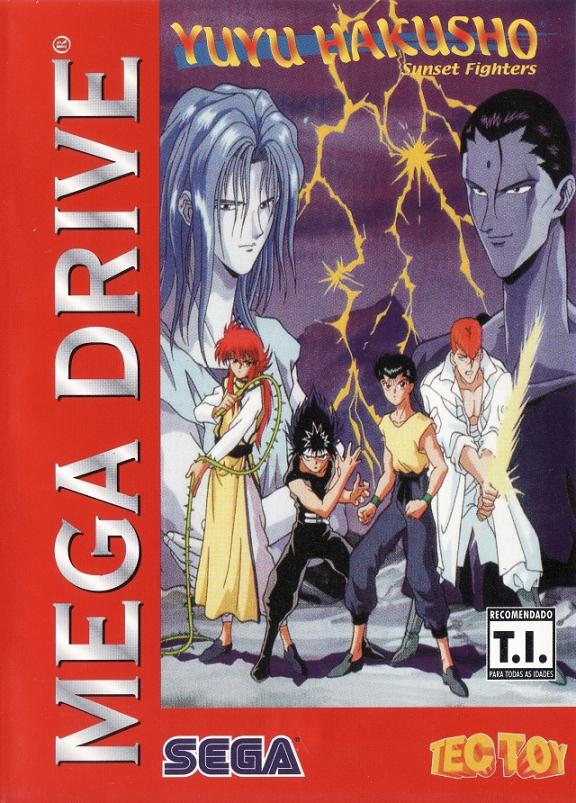
    17. Yu Yu Hakusho: Makyo Toitsusen (1994, Treasure)

    Four-player brawling madness with fluid animation and surprising depth. You don’t need to know the anime to have fun — just start swinging.


    Fun fact: This was one of the first console games to allow four players to fight at once, predating Smash Bros. by years.


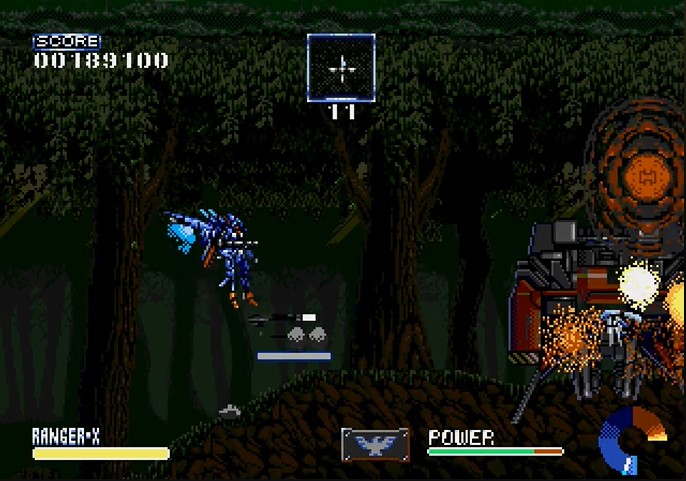
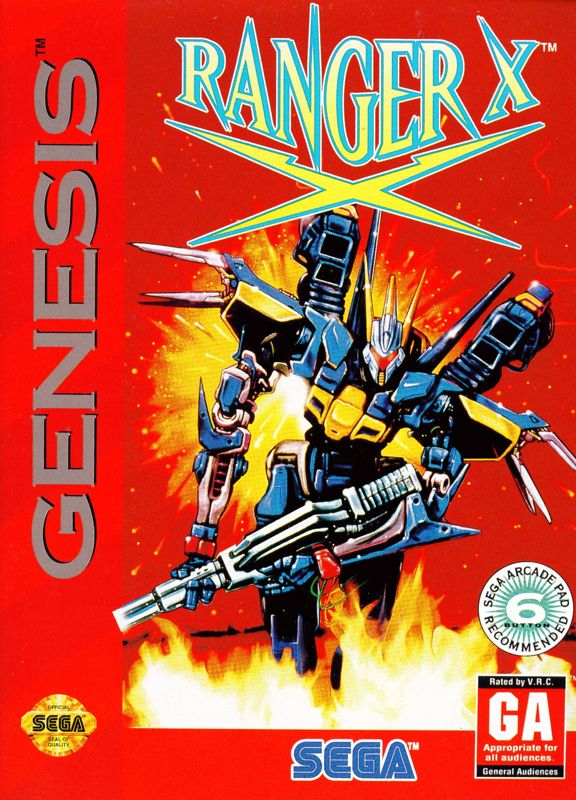
    16. Ranger X (1993, Sega)

    A mecha brawler that mixes shooting and close combat. Its visuals are still impressive today, and the controls are shockingly fluid for a Genesis title.


    Fun fact: The developer, GAU Entertainment, created a custom tool to simulate lighting and shadows — years before the Genesis supported such effects.


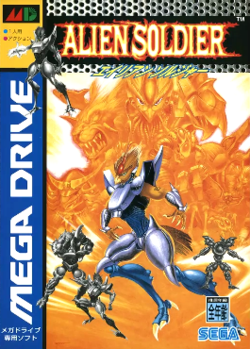
    15. Alien Soldier (1995, Treasure)

    A boss rush masterpiece with lightning-fast combat and high difficulty. It’s short but intense, and perfect for quick bursts on the Miyoo Mini.


    Fun fact: Treasure intentionally limited physical production in Japan, making original copies one of the rarest Genesis releases.


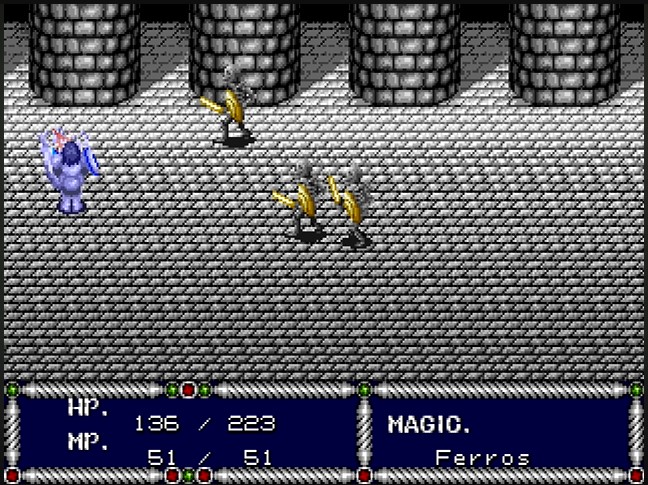
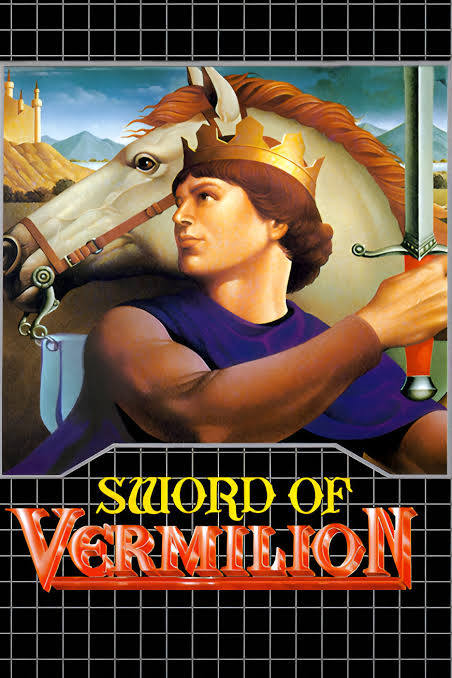
    14. Sword of Vermilion (1990, Sega)

    A strange mix of RPG and beat ’em up where battles shift into side-view brawls. It’s rough, but charming — a reminder of when Sega loved to experiment.


    Fun fact: Yu Suzuki, the creator of Shenmue and OutRun, produced this game early in his career.


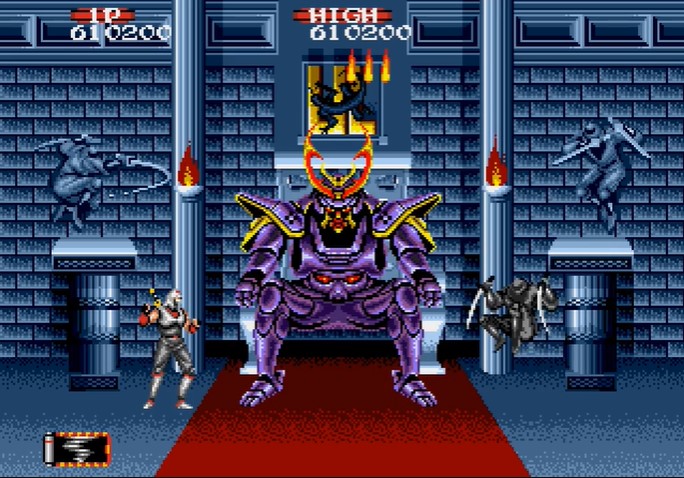
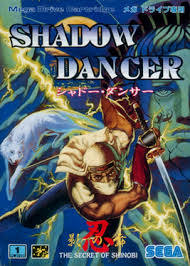
    13. Shadow Dancer: The Secret of Shinobi (1990, Sega)

    A slick ninja action game where your dog companion attacks enemies on command. It’s fast, satisfying, and plays beautifully in short sessions.


    Fun fact: The Genesis version is completely different from the arcade release — a rare case where the home port is its own game.


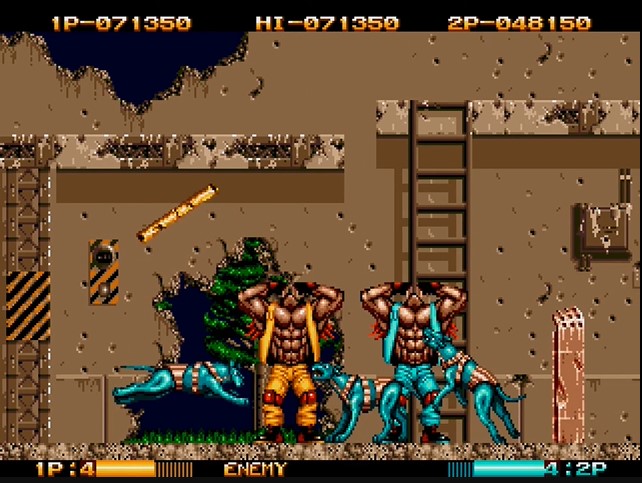
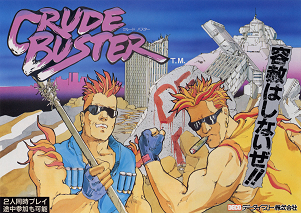
    12. Two Crude Dudes (1992, Sega)

    A loud, over-the-top brawler where musclebound heroes clean up a ruined city. You can lift cars and toss enemies around like ragdolls.


    Fun fact: The game’s U.S. title was changed from Crude Buster to Two Crude Dudes to make it sound more like an action comedy.


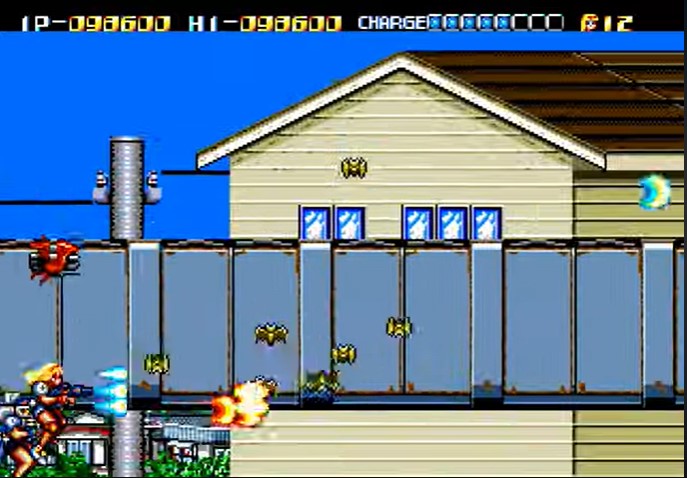
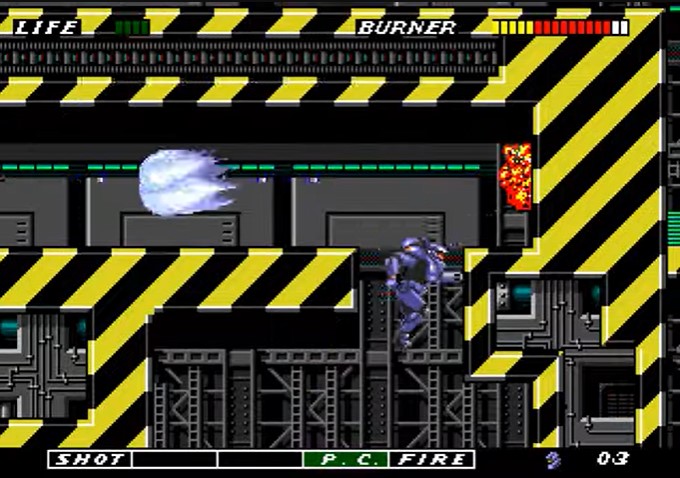
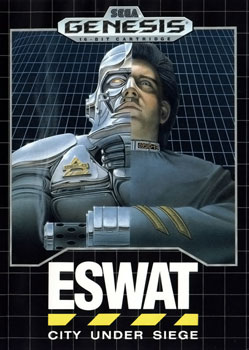
    11. ESWAT: City Under Siege (1990, Sega)

    Half shooter, half brawler — you’re a cyber cop taking down gangs with heavy armor and a jetpack. It feels like Robocop with a Sega twist.


    Fun fact: ESWAT began life as an arcade beat ’em up before Sega rebuilt it from scratch for Genesis as a more action-platformer hybrid.


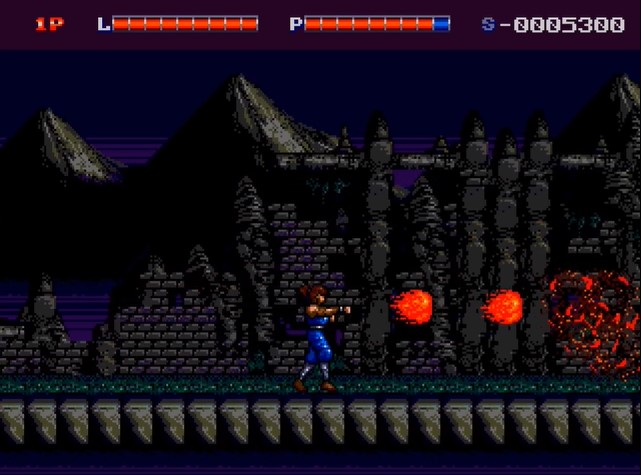
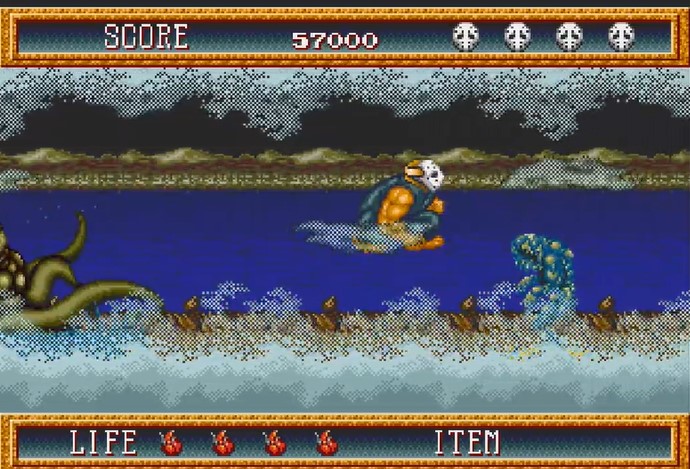
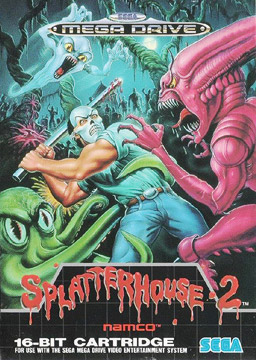
    10. Splatterhouse 2 (1992, Namco/Sega)

    A gory, horror-themed brawler with simple mechanics and an unforgettable mood. It’s creepy, violent, and strangely satisfying.


    Fun fact: Sega toned down the gore slightly for the Western version, but fans later restored it through fan translations.


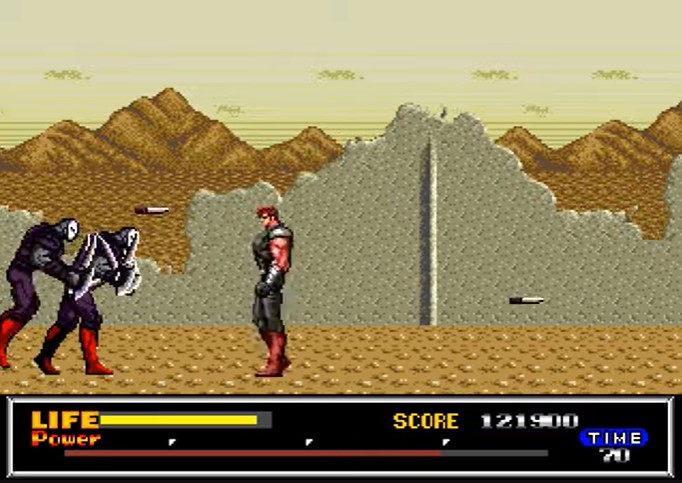
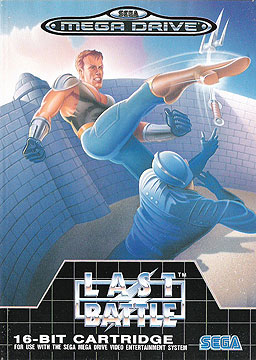
    9. Last Battle (1989, Sega)

    A launch title that wears its Fist of the North Star inspiration proudly — punch enemies and watch them literally explode. Primitive but iconic.


    Fun fact: The Western release censored the blood and removed Kenshiro references, turning it into a completely new story.


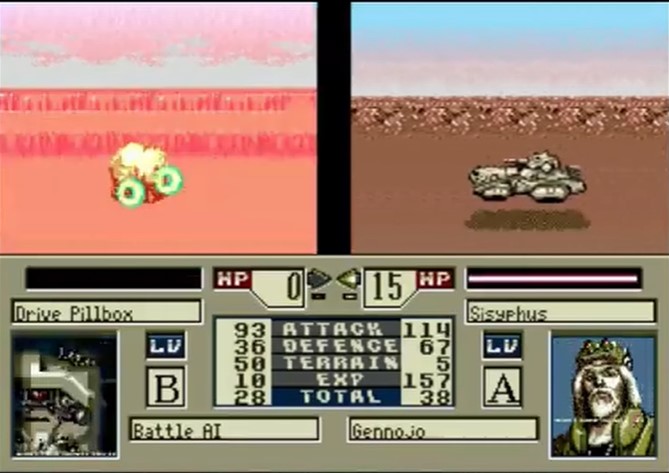
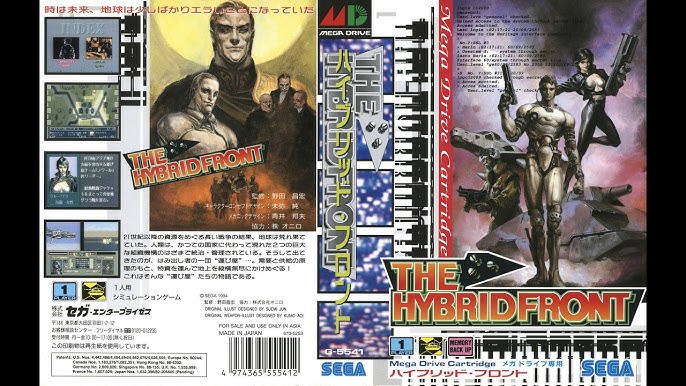
    8. The Hybrid Front (1994, Sega Japan)

    Part strategy, part brawler, and totally unique. It’s a strange mix that works best for players who like experimentation in their Genesis games.


    Fun fact: Sega’s internal dev team reused parts of its code years later for Shining Force II’s tactical systems.


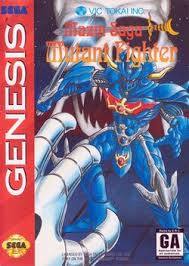
    7. Mazin Saga: Mutant Fighter (1993, Sega)

    A hybrid of side-scrolling combat and giant robot duels. You fight as a human first, then transform into a mech for boss battles.


    Fun fact: The game is based on Go Nagai’s manga Mazin Saga, which was still running in Japan when this came out.


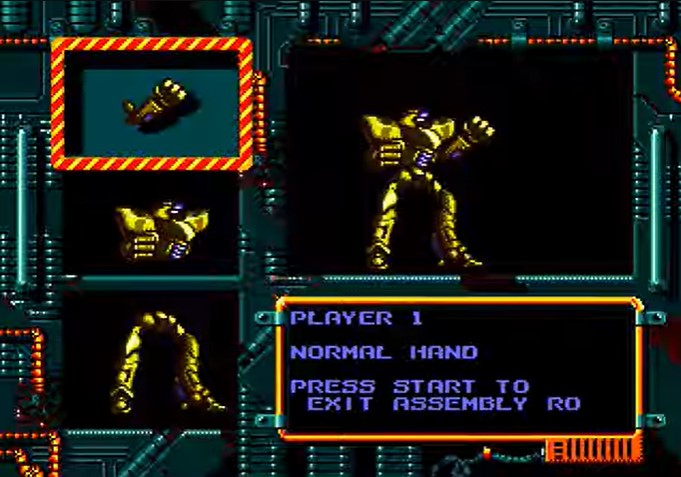
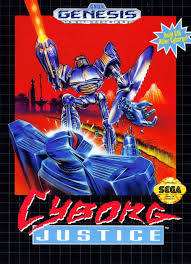
    6. Cyborg Justice (1993, Sega)

    You build your own robot fighter, rip off enemy parts, and graft them onto yourself. It’s chaotic but addictive.


    Fun fact: The devs wanted destructible environments, but Sega cut the feature to keep the frame rate stable.


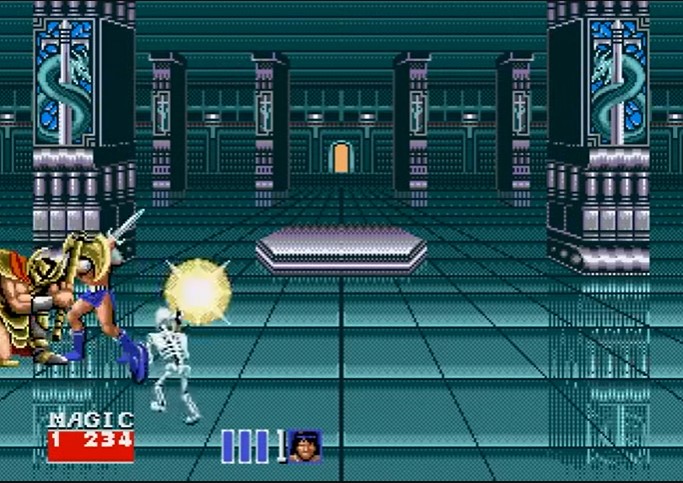
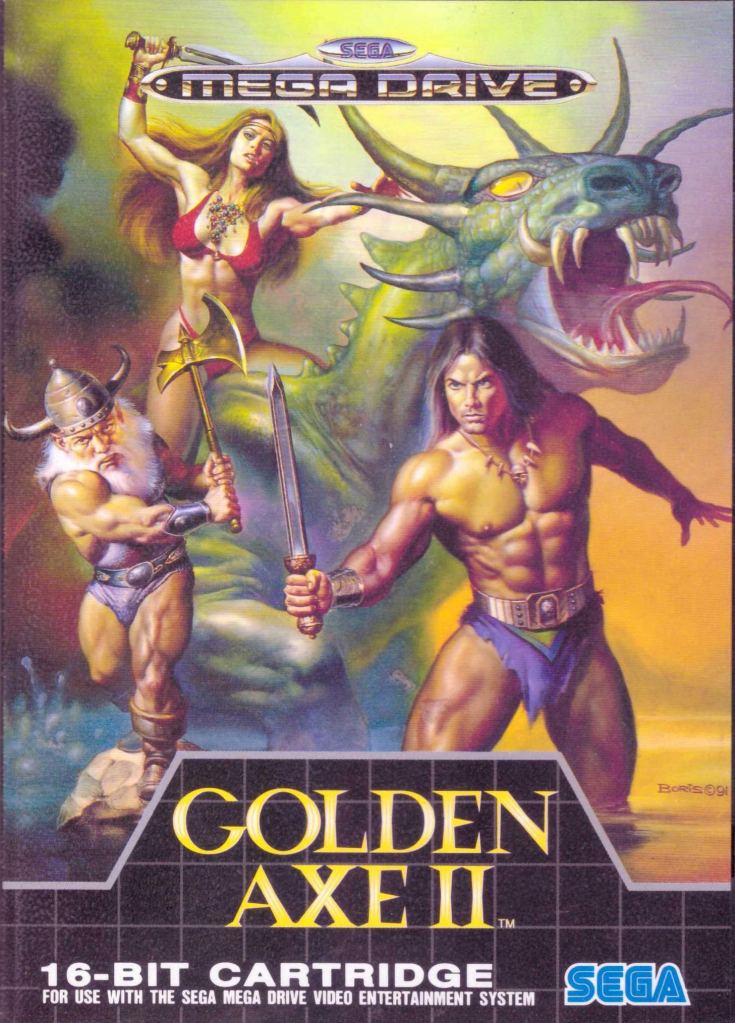
    5. Golden Axe II (1991, Sega)

    Classic fantasy co-op done right. Ride beasts, cast magic, and swing axes through medieval mayhem — still one of Sega’s best.


    Fun fact: The team reused the same engine as the first Golden Axe but doubled the animation frames to make attacks smoother.


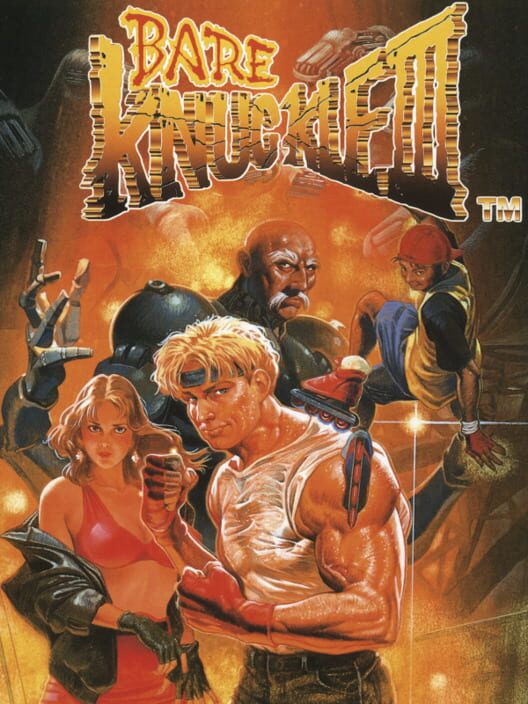
    4. Bare Knuckle III (1994, Sega Japan)

    The original, uncensored version of Streets of Rage 3. Faster and grittier than the Western release, with deeper combat and new mechanics.


    Fun fact: The English version removed one entire level and toned down character designs to avoid controversy overseas.


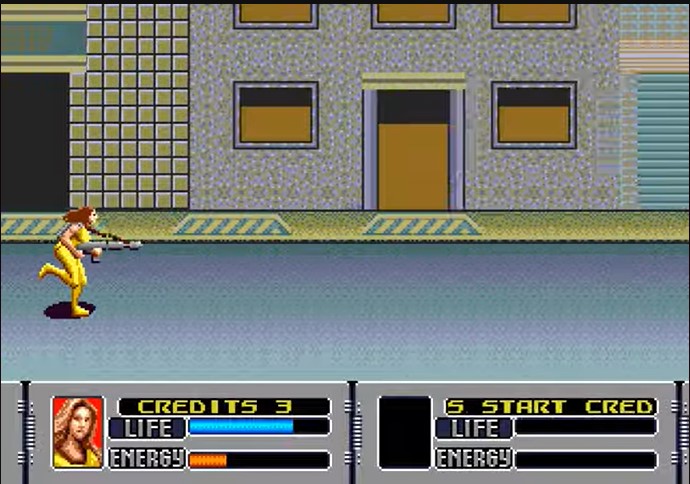
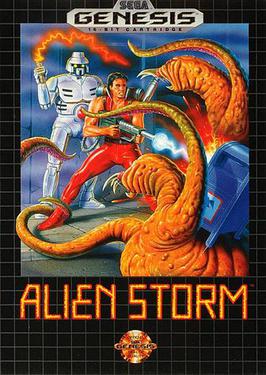
    3. Alien Storm (1991, Sega)

    A fast-paced alien-busting brawler with co-op and shooting stages that break up the action. It’s quirky, colorful, and pure Sega fun.


    Fun fact: Alien Storm was built on a modified Golden Axe engine — you can feel it in the combat flow.


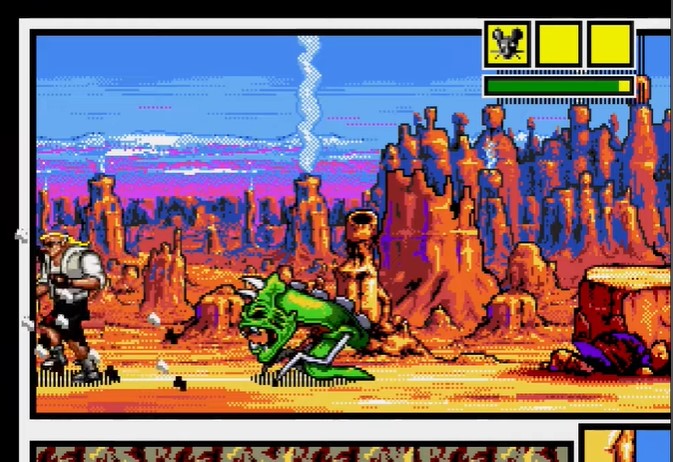
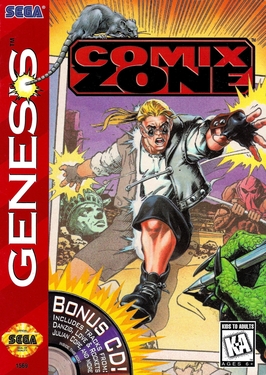
    2. Comix Zone (1995, Sega)

    You’re a comic artist trapped in your own creation, literally punching your way through panels. Stylish, short, and endlessly creative.


    Fun fact: Sega’s dev team studied Marvel and DC comics to nail the page transitions — all drawn by hand before being digitized.


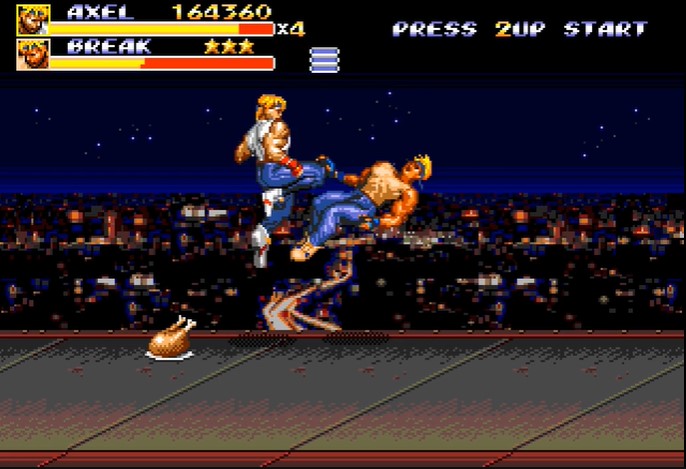
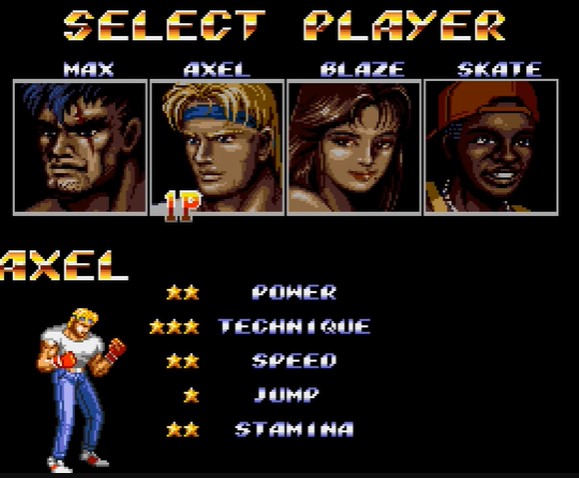
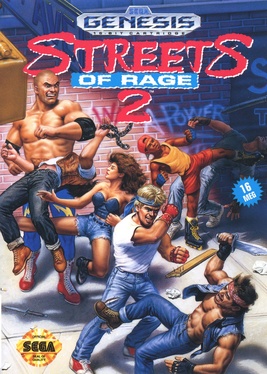
    1. Streets of Rage II (1992, Sega)

    The ultimate Genesis brawler and one of the best beat ’em ups ever made. Tight controls, iconic visuals, and Yuzo Koshiro’s unforgettable soundtrack.


    Fun fact: The composer reportedly used actual nightclub tracks as references, mixing early techno and house influences to get that signature sound.


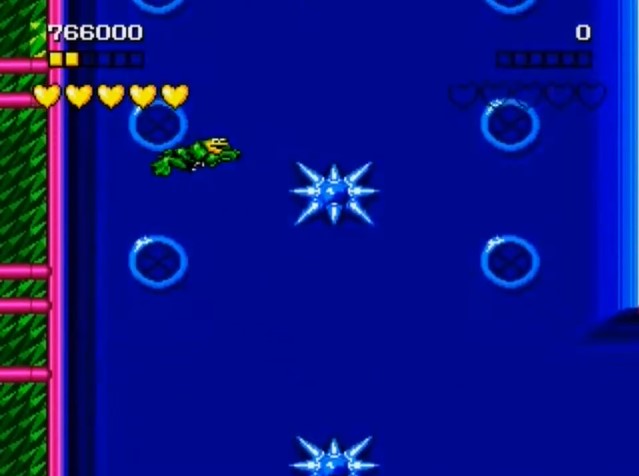
    Why Battletoads Isn’t Here

    You might be wondering where Battletoads is. The Genesis version looks and plays great, but it’s not an original Sega title since it started on the NES. So while it’s not part of this countdown, it’s still worth playing on your Miyoo Mini if you’re ready for the infamous speeder bike level.


    Other Great Brawlers That Didn’t Make the Cut

    These didn’t make the list but are still fun to revisit:

    • Mighty Morphin Power Rangers – flashy and straightforward.
    • Captain America and the Avengers – chaotic superhero fun.
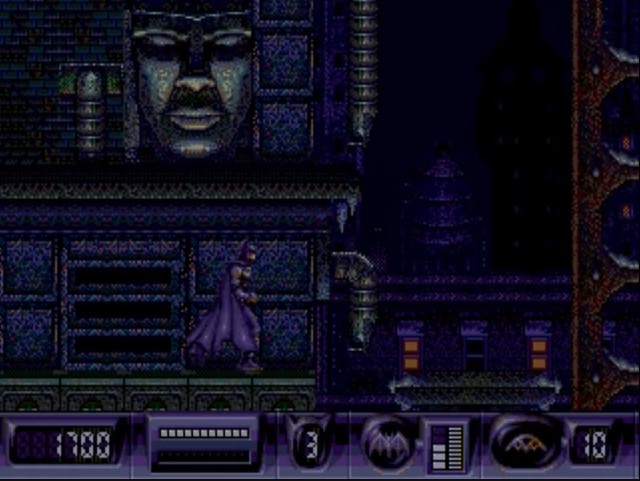
    • Batman Returns – dark, moody, and solid.
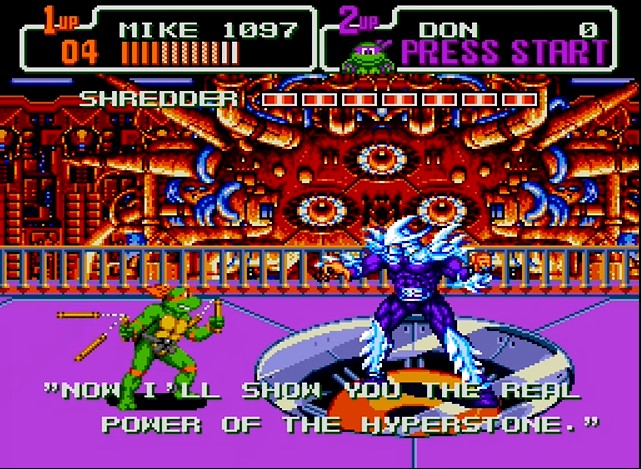
    • TMNT: The Hyperstone Heist – not exclusive, but essential.
    • Battletoads & Double Dragon – crossover madness, but again, not Genesis-exclusive.

    Final Thoughts

    The Sega Genesis library was full of attitude, and its beat ’em ups were the loudest of them all. Whether you’re revisiting these on a Miyoo Mini or firing them up on an emulator, they still deliver that same 16-bit punch that made Sega’s glory days unforgettable.

    Thanks for reading my vlogs and posts. Got a Genesis brawler I missed? Drop it in the comments — I’m always looking for the next hidden gem.

  • Otogirisō (1992): The Flower That Haunts — Revisiting Chunsoft’s Sound Novel That Defined Retro Horror

    Otogirisō (1992): The Flower That Haunts — Revisiting Chunsoft’s Sound Novel That Defined Retro Horror

    I first stumbled upon Otogirisō while browsing through old Super Famicom titles a few weeks ago. At first, I thought it was just another forgotten horror visual novel — until I learned it was actually one of the original sound novels, the very foundation for everything that came after from Chunsoft. With an English translation patch available, I decided to load it up on my Miyoo Mini, and it instantly became one of my favorite finds this October.

    It’s perfect for the Halloween season, a game that doesn’t rely on visuals or gore but on atmosphere, sound, and storytelling. The kind of horror that creeps in slowly, like a whisper instead of a scream. And playing it with earphones on, in the dark, made it feel like I was sitting right there inside that mansion as the storm raged outside.

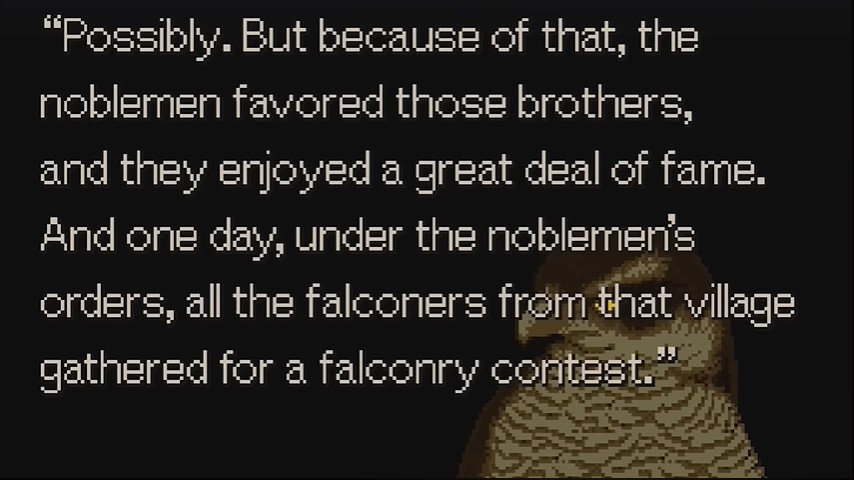
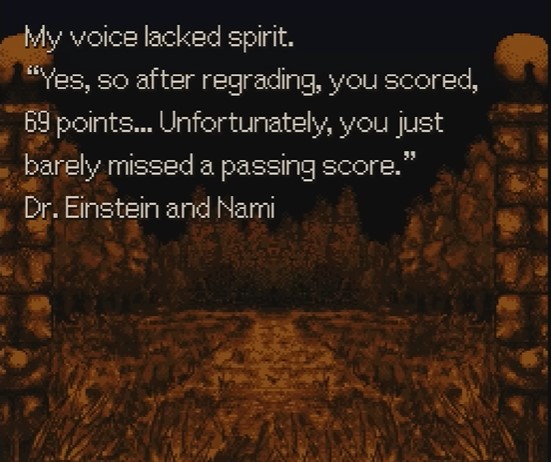
    On the drive, the conversation turns to the roadside flowers, and the protagonist explains what they are. He tells Nami about the Otogirisō — St. John’s Wort — and the old legend that goes with it. The tale is simple and brutal: two brothers once lived together, betrayal ripped them apart, one killed the other, and from the ground where the blood spilled the Otogirisō bloomed. That moment, me telling Nami the story as the rain fell, hooked me immediately. It sets the tone, and the subtle sounds in the background — tires on wet asphalt, distant thunder, soft static — made the whole scene sink into my bones.

    I named the protagonist Bob for my playthrough, after my favorite wrestler, Bob Backlund. Call him what you want, the game lets you, and that little choice made the nightmare feel oddly personal.


    Inside the Mansion

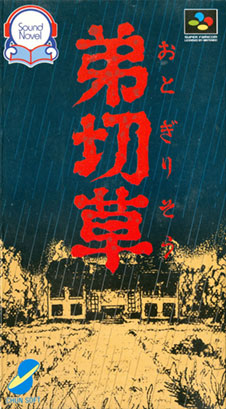
    Otogirisou snes cover

    From the moment Bob and Nami enter, you’re greeted by creaking wood, thunder rolling above, and faint music that seems to breathe with the house itself. You start to explore, and immediately you can sense the unease — the mansion feels alive.

    Unlike modern horror games that rely on visuals, Otogirisō lets the sound design do the heavy lifting. Every pause between lines feels intentional, like the mansion itself is waiting for you to make the wrong move.

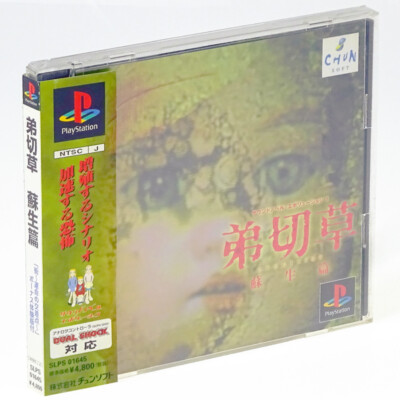
    Ps1 cover for Otogirisou

    The story then splits into multiple routes based on your decisions — and this is where Otogirisō truly shines. Each route isn’t just a different ending; it’s a different truth about what’s happening in the mansion. The game contains many endings across multiple routes, and replaying is how you slowly assemble the full picture.


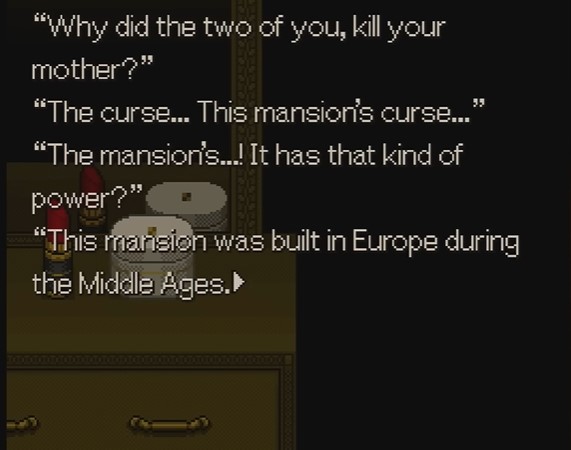
    Route 1: The Curse of the Twins

    This is the route that hit me the hardest — not because it’s the scariest, but because it’s the most tragic.

    If you comfort Nami, stay close, and focus on exploring personal rooms like bedrooms and the study, you begin to pull at threads of the family’s history. Dusty diaries and portraits reveal twin sisters, an uneven love, and a household that fell apart from jealousy. Nami’s memories come back in flashes, she recognizes corners of the house, and gradually it becomes clear that this once was her family home.

    The final scenes are devastating: Nami confronting the twin she was never allowed to be, a sense of completion that’s more a claim than a cure. The Otogirisō flower imagery returns, blooming in scenes of rain and memory. The sound drops to a single soft note as the screen fades. It’s sorrow more than terror, and it lingers because it’s about loss, not spectacle.

    What stands out: the emotional weight and how grief is foregrounded over cheap shocks. The slow pacing lets the player absorb the inevitability, which made it one of the most affecting endings I’ve experienced in a retro horror title.


    Route 2: The Fire

    If you act boldly — exploring suspicious rooms, probing basements, and pressing on despite warnings — you unlock the Burned route.

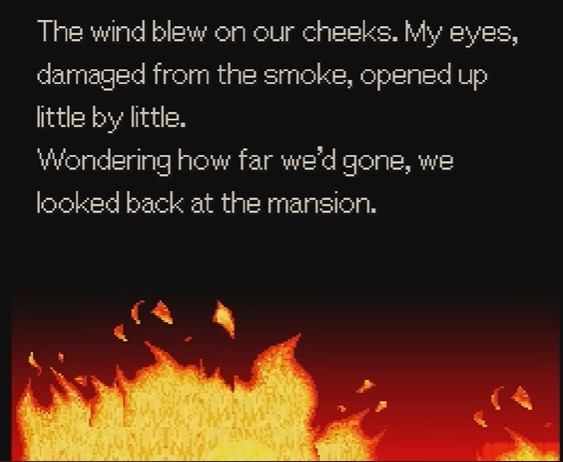
    This path centers on a night the mansion went up in flames. As Bob finds charred letters and witness fragments, a picture forms of betrayal that boils over into arson. The house’s blackened halls echo with the memory of fire, and the sound design leans into crackles and whispers that suggest the blaze never truly died.

    The twist is how premeditated the violence turns out to be. It wasn’t a random catastrophe but an act of calculated revenge from the heart of the family. Nami’s sanity fractures as she relives those screams, and the ending can leave you trapped watching the fire consume everything while you’re helpless.

    What stands out: the suffocating inevitability and the way the game uses environmental details to imply history. Flames are suggested rather than shown, and that suggestion becomes dread. The Burned route feels like punishment for curiosity, both for the characters and the player.


    Route 3: The Well

    This one is the most unexpected and disturbing.

    If you explore the grounds early and investigate the well, the tone shifts from gothic family drama to something more monstrous. You find notes that read like lab journals, sketches of malformed creatures, and entries hinting at ritual experiments. The story implies that someone in the household tried to bridge life and death with grotesque methods.

    When the well is opened, the game leans into sound and pacing — wet, heavy noises, a rising heartbeat in the music track, text flashing faster — and the horror becomes physical. You don’t see the creature clearly; you hear it. The ending is abrupt and cosmic, with Nami dragged into something ancient beneath the house and the final line: “The Otogirisō blooms again.”

    What stands out: how the game can pivot to cosmic horror within the same narrative framework, and how sound alone conjures an image far worse than literal spritework could manage. It’s one of the weirdest and most effective surprises I’ve seen in retro horror.


    What makes it stand out

    Otogirisō doesn’t rely on jump scares. Its horror is built from suggestion, from the space between lines. The storm, the piano that mimics a heartbeat, the way Nami’s voice trembles over static, these elements build a tension that’s more intimate than loud.

    What makes the experience eerie and enjoyable:

    • Personal stakes: because you name the protagonist and make choices about how to treat Nami, the horror feels intimate.
    • Sound-first design: the noises and silence create a private theater in your head — you imagine the worst, and the game confirms it.
    • Route-based truths: each route reveals a different facet of the mansion’s curse, so every playthrough reframes what you thought you knew.

    Final Thoughts

    Otogirisō isn’t a game you play for jump scares. It’s a game you experience for atmosphere — the unease, the sorrow, and the weight of what’s left unsaid. Playing it on the Miyoo Mini with headphones made the story feel intimate and immediate, like a ghost story folded into a pocket-sized book.

    The legend I told Nami on the road — of two brothers and the flower that grew from betrayal — isn’t just a setup. It’s the beating heart of the game. After seeing the routes, every ending felt like another stanza of that same lament. The image of the Otogirisō blooming from pain will stay with me, long after the rain has stopped in the game and in real life.

    If you want something to play this Halloween that doesn’t just frighten but haunts, give Otogirisō a night. Name your protagonist, maybe call him Bob, and let the mansion whisper its stories into your headphones.

    Because here, horror doesn’t scream, it whispers — and sometimes that’s far more terrifying.

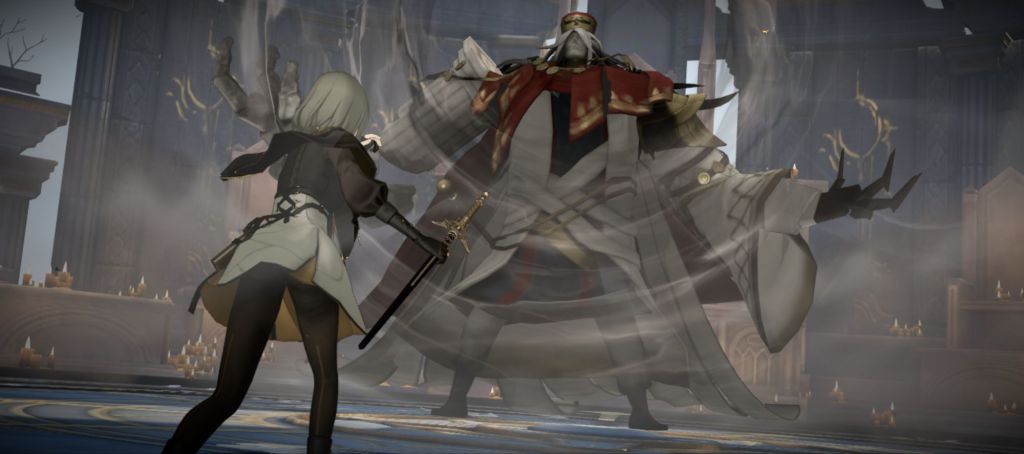
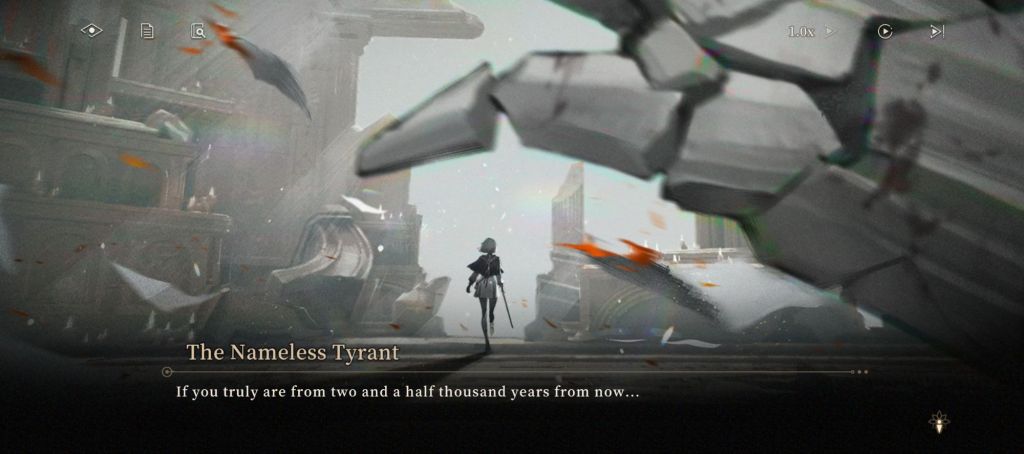
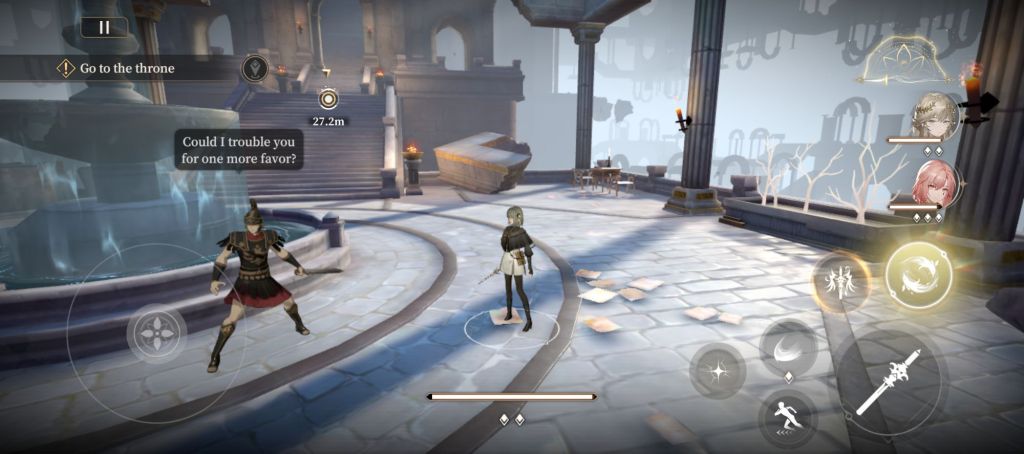
  • Black Beacon Review — A Story-Driven Gem That’s Hanging by a Thread

    Black Beacon Review — A Story-Driven Gem That’s Hanging by a Thread

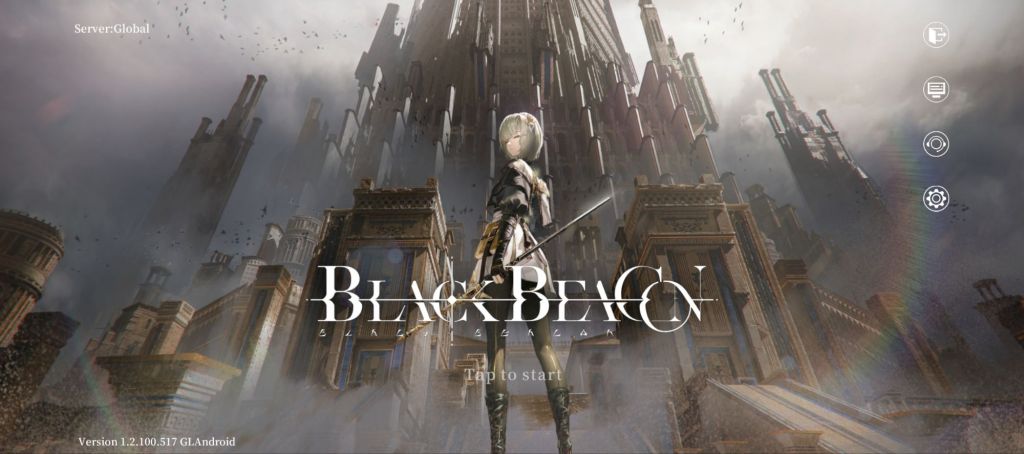
    When Black Beacon was first announced, I was instantly hyped—especially after finding out that some of the creative team behind Punishing: Gray Raven were involved. That game first launched in China in December 2019 and reached global audiences in July 2021, and I remember enjoying its first few months immensely. PGR nailed the gacha mechanics and combat loop better than most of its peers—it was stylish, rewarding, and far less predatory than Genshin Impact or that horrendous Pokémon Unite mobile system.

    So when Black Beacon finally released globally on April 10, 2025, I jumped in right away. At first, though, the experience was rough—plagued with crashes and slowdowns on my phone. I uninstalled it after a day, telling myself I’d return once the devs ironed things out. Fast-forward a few months later, and Black Beacon was suddenly all over YouTube—mostly for the wrong reasons.

    Content creators were posting about delays, development troubles, and missed updates, while community rumors spread that the devs had moved offices and that the game had no clear roadmap. Despite the negativity, I noticed that those videos were getting heavy backlash from loyal fans, which made me curious enough to reinstall the game and see for myself.

    And honestly? I wish I hadn’t waited so long.


    Story-a mix of theology and science

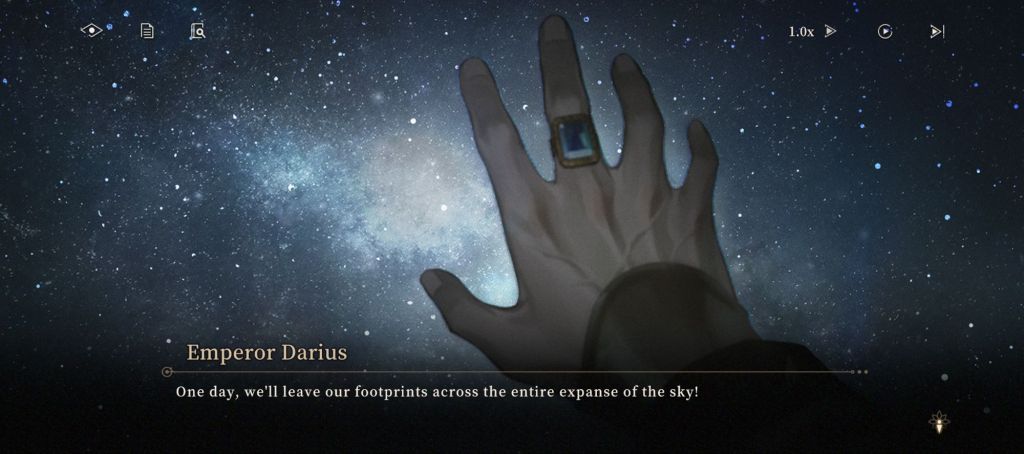
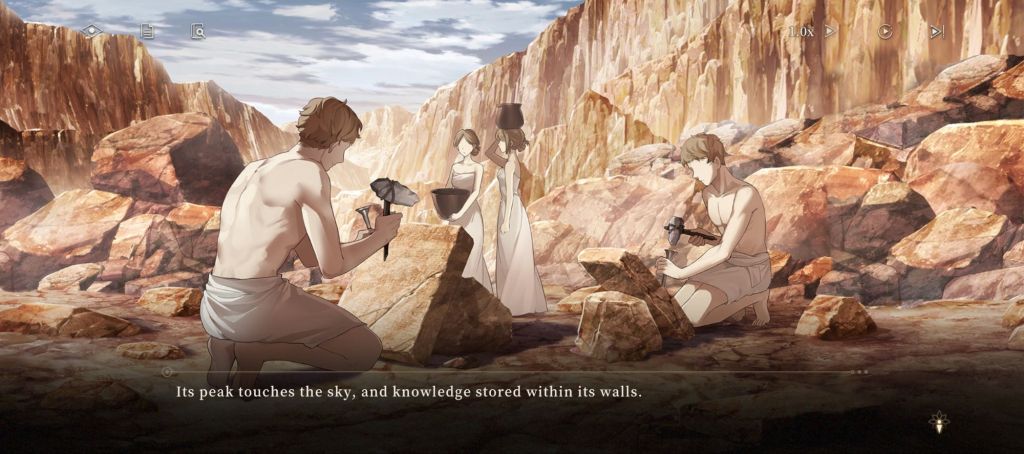
    What immediately stood out to me was the story. Black Beacon blends biblical myth, ancient history, and dystopian science fiction into a world that feels mysterious but strangely familiar. You’ll encounter themes pulled from the Tower of Babel, King Herod, and even the Morning Star, alongside nods to ancient rulers like King Darius and Akhenaten, the Egyptian pharaoh who tried to shift polytheism into monotheism.

    While some names and details have been changed to fit the game’s narrative, the historical parallels are clear. It’s the kind of writing that makes you pause and go, “Wait, I know that story.” For history buffs, these subtle references feel like Easter eggs woven into a mobile game, and that’s what hooked me the most.

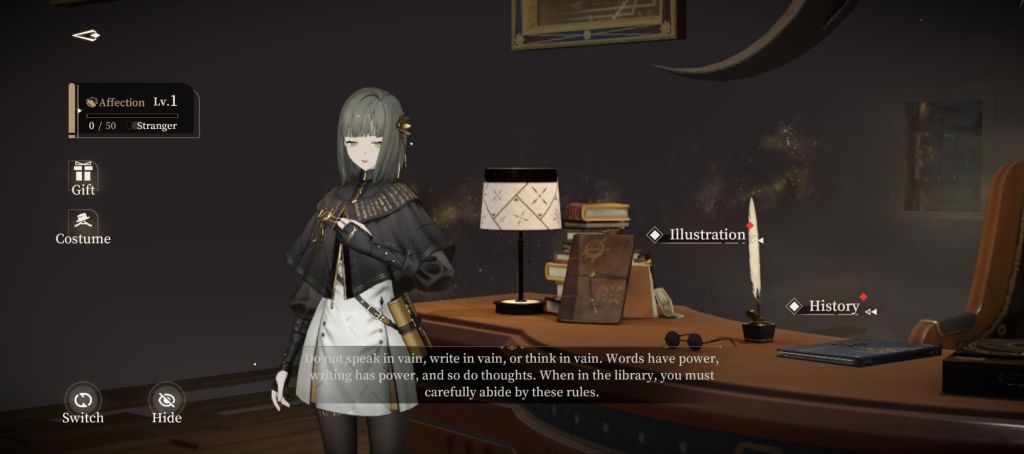
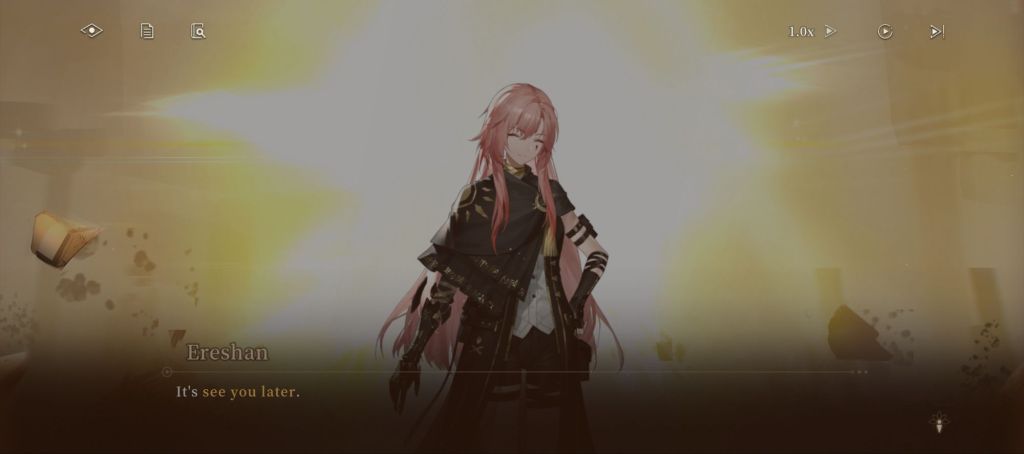
    Zero, one of the game’s central figures, really anchors the experience. Her emotionless voice acting adds an air of class and restraint that fits the tone perfectly—it’s haunting but elegant. I’ll admit, I’m sorely tempted to whale just for the voice and the visuals alone.


    Visuals — Class in Every Frame

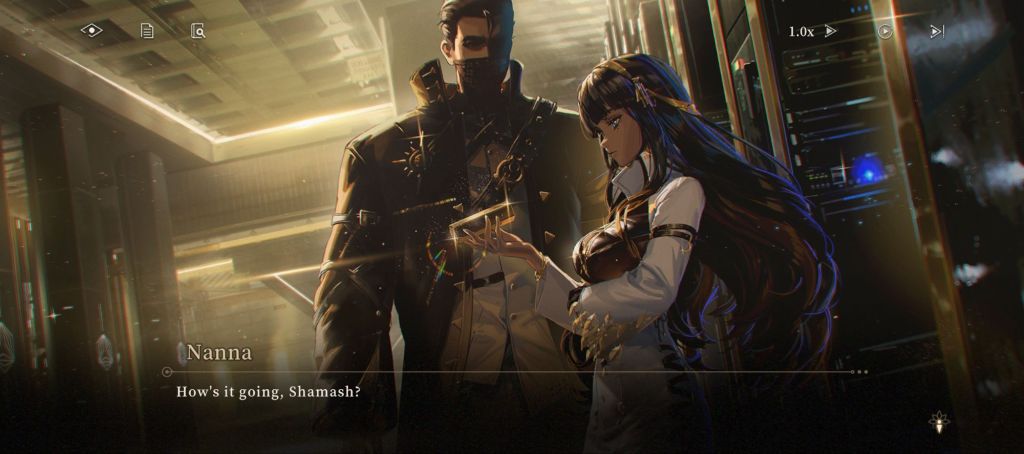
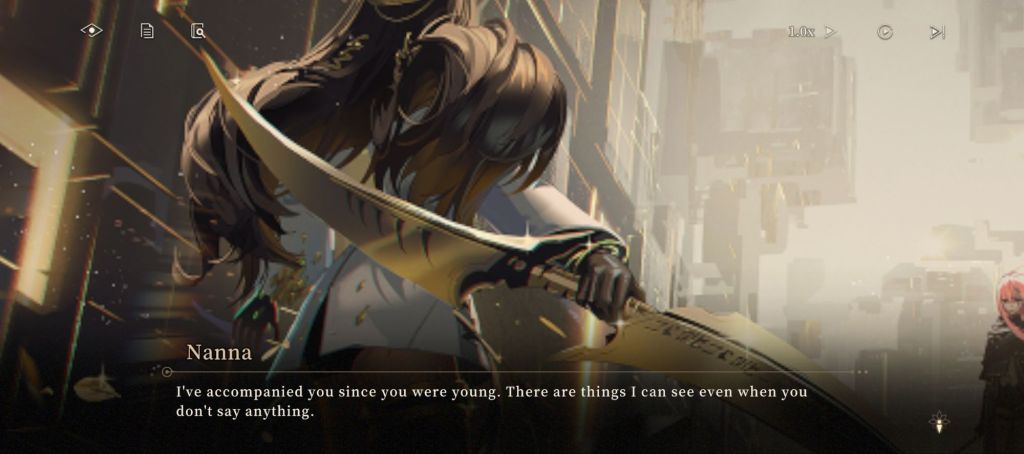
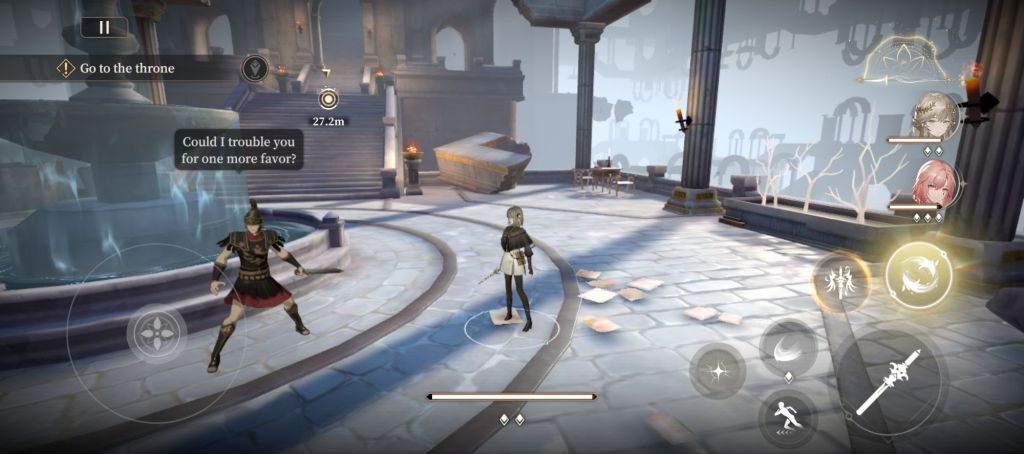
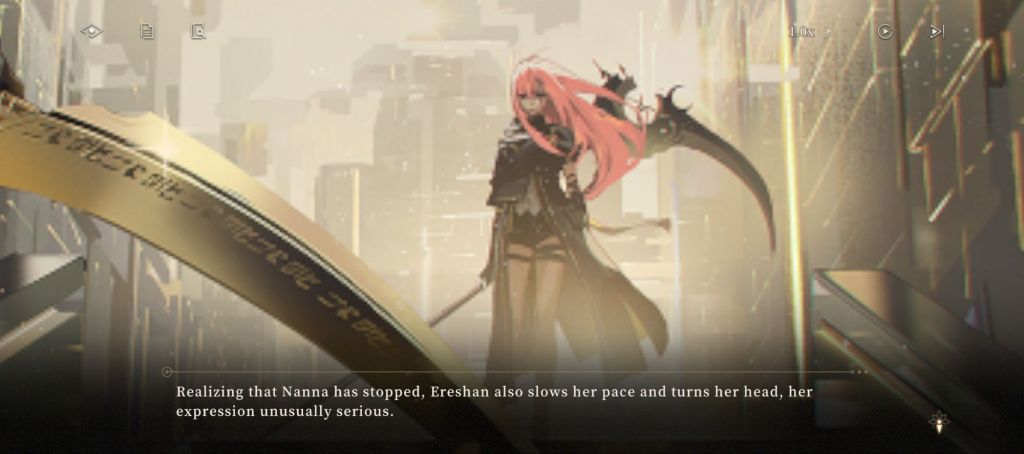
    The visuals of Black Beacon scream class. The thin golden hue that overlays much of the UI and backgrounds gives everything a luxurious, polished look. Character designs strike a fine balance between modern sci-fi and mythic elegance, while the environment design creates this sense of divine decay—a civilization that fell from grace but still gleams faintly in the dark.

    Every cutscene feels cinematic, with beautifully rendered models and subtle camera movement that make even dialogue scenes captivating. Simply put, this is one of the most visually cohesive mobile titles I’ve seen all year.


    Sound & Voice Acting — Emotionless, but with Intent

    Audio design is where Black Beacon truly elevates itself. The soundtrack mixes orchestral swells with ambient tones that feel otherworldly. Voice performances are top-tier, especially Zero’s. Her cold, detached delivery contrasts perfectly with the chaos of the world around her. It’s a masterclass in restraint—proof that not all emotional impact needs to be loud or dramatic.


    Gameplay — Smooth, Stylish, but Familiar

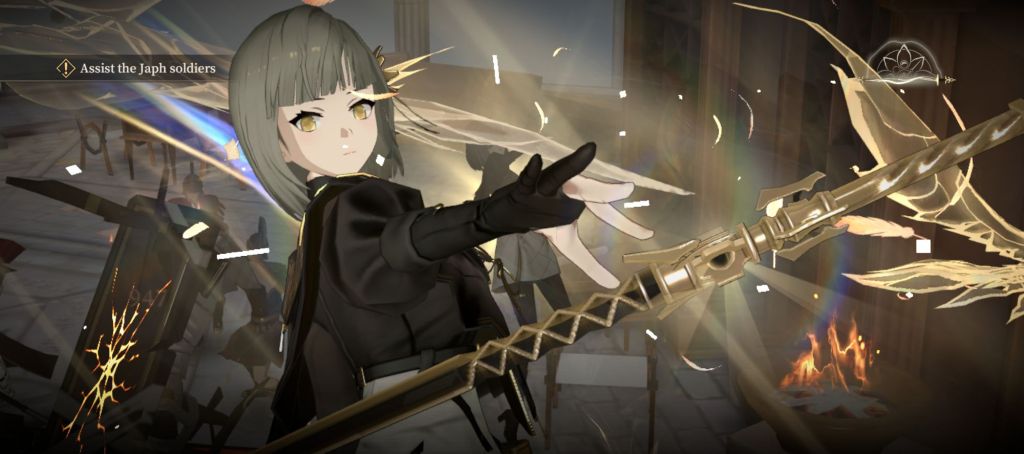
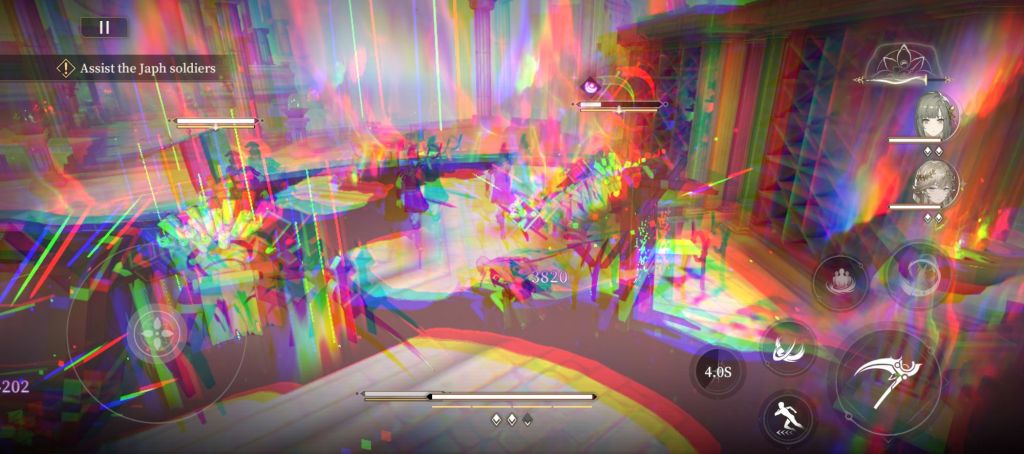
    If you’ve played Punishing: Gray Raven or Zenless Zone Zero, you’ll feel right at home. Black Beacon delivers fast-paced action combat with sleek animations, combo-driven mechanics, and fluid dodge timing. Each character moves with a sense of weight and precision, and switching mid-combo feels seamless.
    It’s responsive and cinematic, but not particularly groundbreaking—it follows the tried-and-true rhythm of stylish action titles, just polished to a shine. Still, the mix of flashy ultimates, well-choreographed boss fights, and challenging stages keeps things engaging even during grind-heavy segments.


    Gacha System — Surprisingly Fair

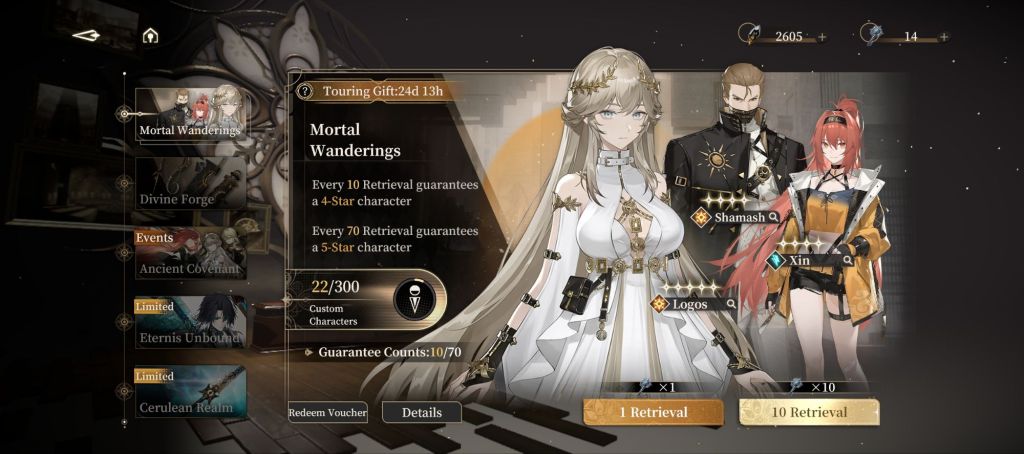
    Here’s where Black Beacon earns points: the gacha system isn’t predatory. Rates are decent, pity carries over, and premium currency isn’t locked behind extreme paywalls. It’s similar to early Punishing: Gray Raven, where free players could realistically build competitive teams through smart resource use.


    Performance — Still Needs Work

    Unfortunately, performance remains a sore point. Even months after launch, some mobile players (myself included) still experience crashes or frame drops on certain devices. There’s no official PC client, though some players have managed to run it on third-party emulators. This lack of proper PC support limits the audience and may hurt the game’s longevity.


    Community & Concerns — Is Black Beacon Bound for EOS?

    Even with its brilliance, Black Beacon is facing an uphill battle. Players on Reddit and Discord are worried that the game might face an early End of Service (EOS) if things don’t stabilize soon.

    “They said the new version will be delayed to mid-October. So we either get that or (more likely) an EOS announcement very soon.”
    r/gachagaming

    “The story is really good. I’m sticking around until EoS and hopefully they get to finish it.”
    r/gachagaming

    “I absolutely love the game! … I can’t ignore the doomposting, but games have been worse and survived.”
    r/Black_Beacon

    With Version 1.3 still nowhere to be seen, the concern feels legitimate. Delays, dev silence, and lack of updates have left the community anxious, even though the story and presentation remain strong.

    As for me? I think we’ll just have to wait and see. If the developers can steady the ship and communicate clearly, Black Beacon still has a shot. But if things don’t settle soon—if the devs can’t get their act together—I believe this one might flatline eventually, which would be a shame. There’s so much potential here, but the lack of new content and PC support could break the game for sure.


    Verdict

    Black Beacon is one of those rare mobile games that genuinely feels artful. The story has soul, the visuals have identity, and the sound design ties it all together. It’s a modern myth, a digital scripture painted in gold and shadow.

    But brilliance can only carry a game so far. If the developers don’t bring stability and fresh updates soon, even the most loyal players will drift away.

    For now, though, Black Beacon stands as a stylish, story-driven masterpiece in danger of fading too soon—a bright flame in the dark, waiting for someone to keep it burning.
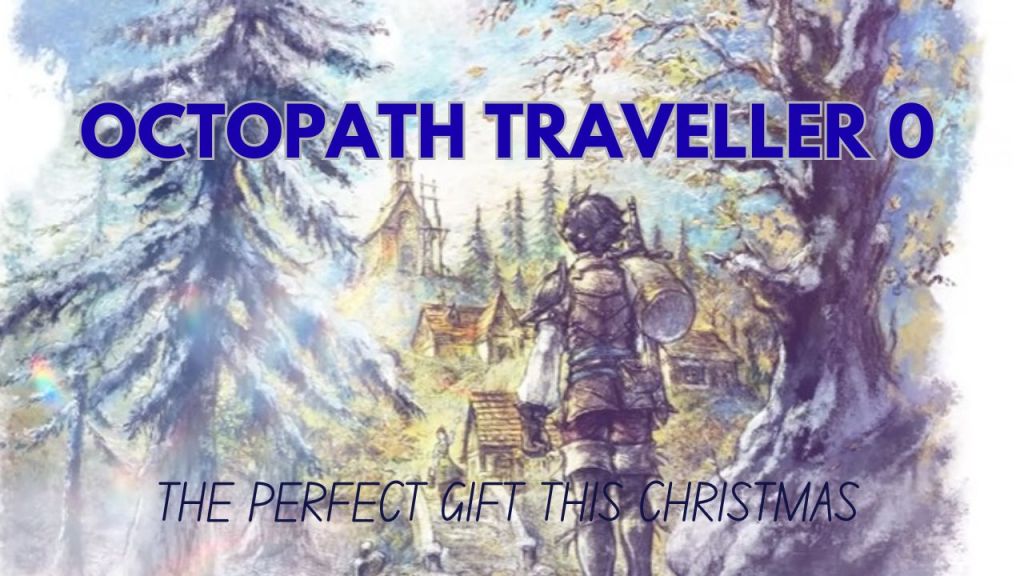
  • 🎄 Octopath Traveler 0: The JRPG Gift We’re Getting This Holiday 🎁

    🎄 Octopath Traveler 0: The JRPG Gift We’re Getting This Holiday 🎁

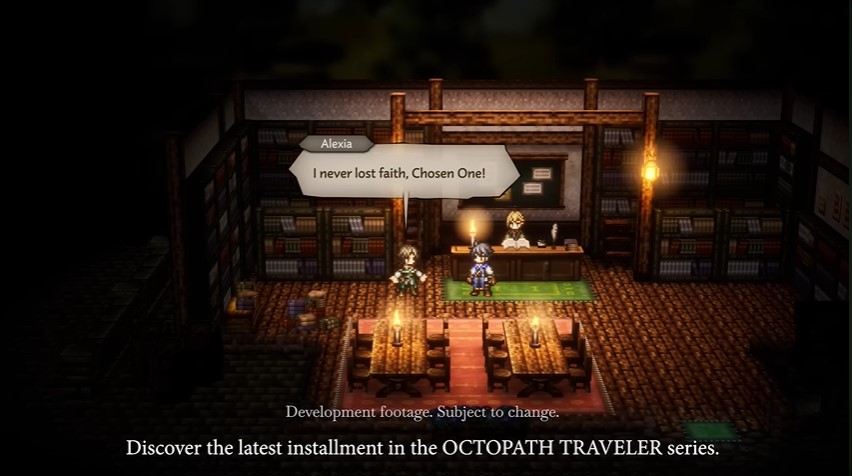
    Here’s some good holiday news for JRPG fans — Octopath Traveler 0 is officially releasing worldwide on December 4, 2025 for Nintendo Switch, Switch 2, PlayStation 5, PlayStation 4, Xbox Series X|S, and PC (Steam & Microsoft Store).

    I first got into Orsterra through Octopath Traveler: Champions of the Continent on mobile. Even if the series already had a big reputation thanks to the first Octopath Traveler back in 2018 on Switch (and later on PC, Xbox, and Stadia), CotC was my entry point. Honestly, it blew me away — not just because it was free-to-play, but because of how much heart it had.

    What really stuck with me wasn’t even the main story, but the character-driven side quests. With so many characters to meet and unlock, I found myself spending hours just following their stories instead of pushing the main plot. The gacha system? It didn’t bother me at all — the sheer number of characters made it feel like I always had something fresh to explore, and I never felt pressured to spend. Add in full voiceovers and an amazing soundtrack, and CotC became one of my favorite mobile RPG experiences.

    I played through three chapters before stepping away after the Solistia update dropped in May 2025. But now, with Octopath Traveler 0 on the horizon, I’m ready to dive back in.

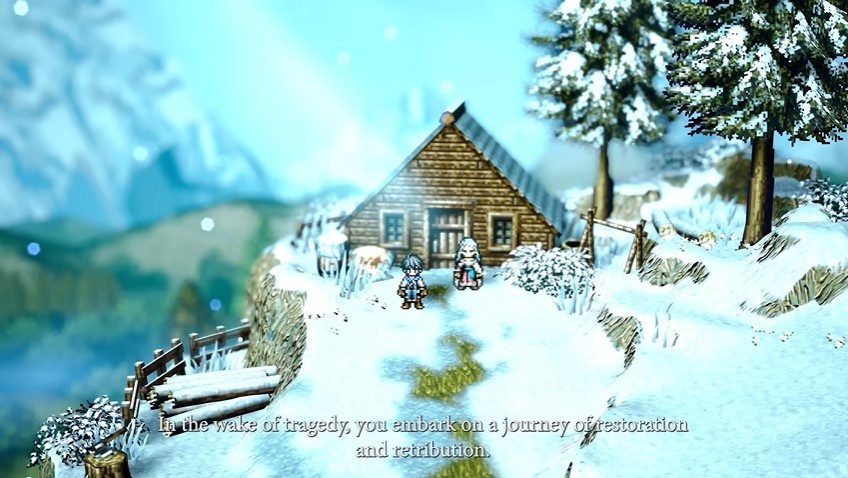
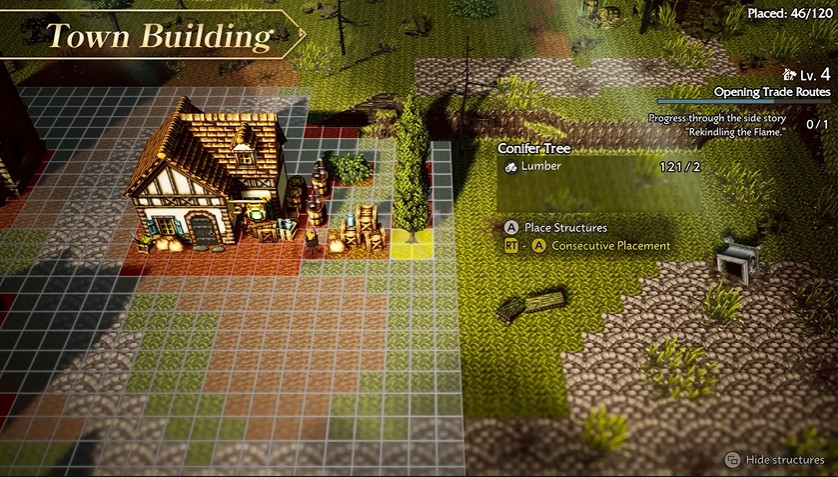
    This isn’t just CotC with the gacha stripped out — Square Enix is reimagining it as a premium, standalone JRPG. You’ll still build a party of eight, but now with more focus on creating your own custom protagonist, rebuilding the burned-down town of Wishvale, and pushing deeper into the series’ signature mix of tactical combat and branching stories.

    For me, Octopath Traveler 0 feels like a dream come true. Imagine a game that carries the spirit of Suikoden with its wide cast of recruitable characters, mixes in the Break & Boost combat system from CotC, and tops it off with pixel-style graphics that bring back memories of my old Final Fantasy favorites. It’s basically the perfect mix for the holidays — the kind of RPG I’d love to sink into with a cup of warm cocoa on a cold December night.

    And the timing? Perfect. Launching in December, it feels like Square Enix is setting Octopath Traveler 0 up to be the holiday JRPG event of the year. Hopefully, there won’t be any last-minute hiccups like what happened with Konami’s Suikoden I & II HD Remaster, which was supposed to drop in December but got pushed all the way to March.

    If you’ve been waiting for a story-driven JRPG without the gacha strings attached, Octopath Traveler 0 should definitely be in your holiday carts. This just might be the JRPG gift we all needed for 2025.

    🎅 Holiday Hype: Quick Facts on Octopath Traveler 0 🎄

    • Release Date: December 4, 2025 (worldwide)
    • Platforms: Nintendo Switch, Switch 2, PlayStation 5, PlayStation 4, Xbox Series X|S, PC (Steam & Microsoft Store)
    • Developer / Publisher: Acquire & Square Enix
    • Genre: Turn-based JRPG (premium, no gacha)
    • Story Setup: Starts in Wishvale, a burned town you’ll rebuild as part of your journey
    • Protagonist: Custom-created hero instead of 8 separate storylines
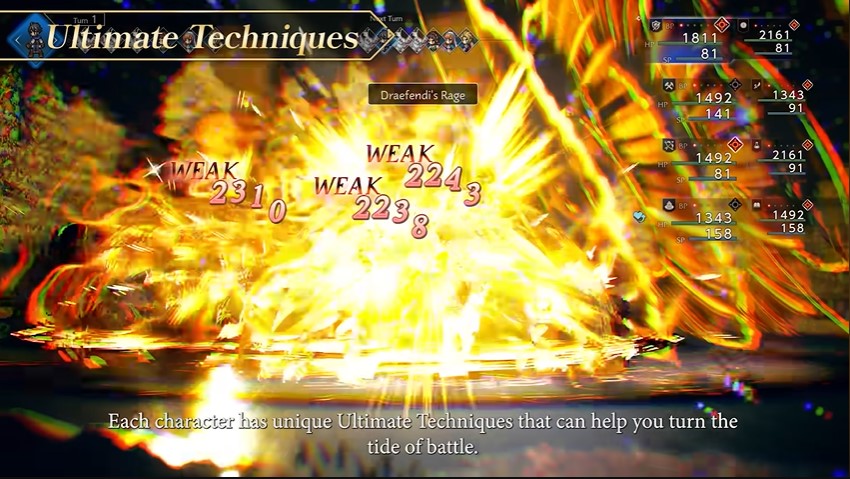
    • Combat: Break & Boost system returns, now with 8-character party battles
    • Town-Building: Place structures, recruit townsfolk, and expand your base
    • Presentation: Full voice acting, expanded soundtrack, and HD-2D pixel art visuals
    • Monetization: 100% premium, no gacha or RNG pulls

    🔥 I can already see this one being the perfect holiday binge — what about you? Planning to pick it up day one, or waiting to see first reviews?

  • A Beginner’s Guide to The Last Remnant’s Union System – Explained the Way I Understand It

    A Beginner’s Guide to The Last Remnant’s Union System – Explained the Way I Understand It

    Through the years, whenever my buddies ask me what game I’m grinding on my phone that feels long and epic, one of my top answers has been The Last Remnant Remastered on mobile.

    Now, don’t get it twisted—I’m no pro at this game. In fact, I’d still call myself a beginner even after all the hours I’ve sunk into it. But maybe that’s exactly why I want to talk about it. Because when I first picked it up, I was just as lost as anyone else, especially with the game’s biggest curveball: the Union System.

    This is my take on it—not as an expert, but as someone who slowly figured things out and wants to make it a little less confusing for the next beginner diving in.

    So What’s the Deal With the Union System?

    Before The Last Remnant, JRPGs mostly stuck to familiar formulas:

    • Classic Turn-Based (like Dragon Quest or Final Fantasy I–X) → You control each character one by one, pick from “attack, magic, item, defend,” and watch the turns play out. Simple and reliable.
    • ATB – Active Time Battle (popularized by Final Fantasy IV–IX) → Each character has a gauge that fills in real time. When it’s full, you act. It added pressure and speed to the turn-based formula.
    • FFXII’s Gambit System (2006) → This one let you pre-program AI behavior, like “if ally HP < 50%, then cast Cure.” It was revolutionary for letting battles play out more automatically but still under your rules.

    And then along comes The Last Remnant. It said: “Forget controlling individuals—what if you controlled squads instead?”

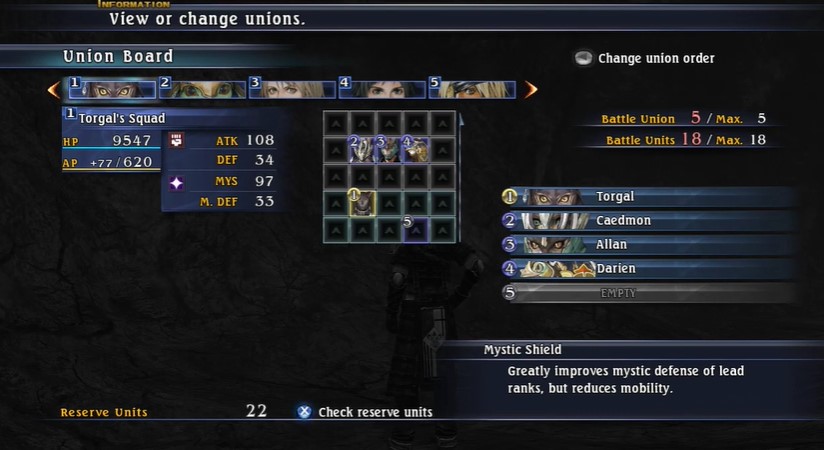
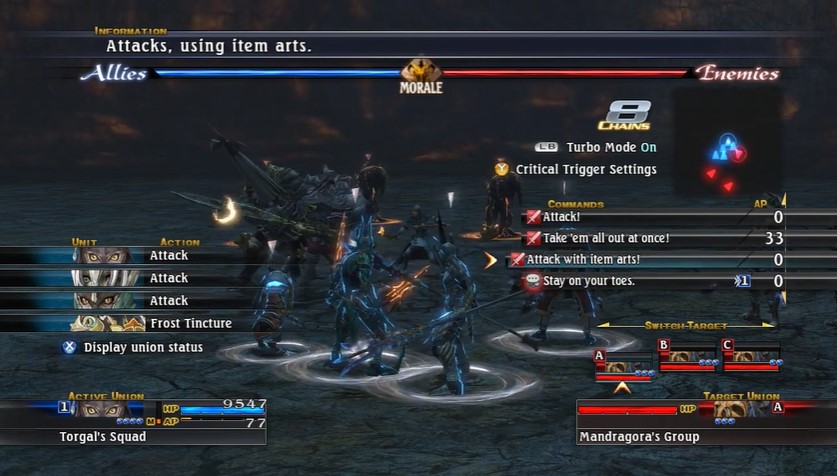
    That’s the Union System. Instead of giving commands to each party member, you organize them into unions (basically mini-teams). You don’t pick every spell or attack. You issue orders to the entire squad, and they act as one.

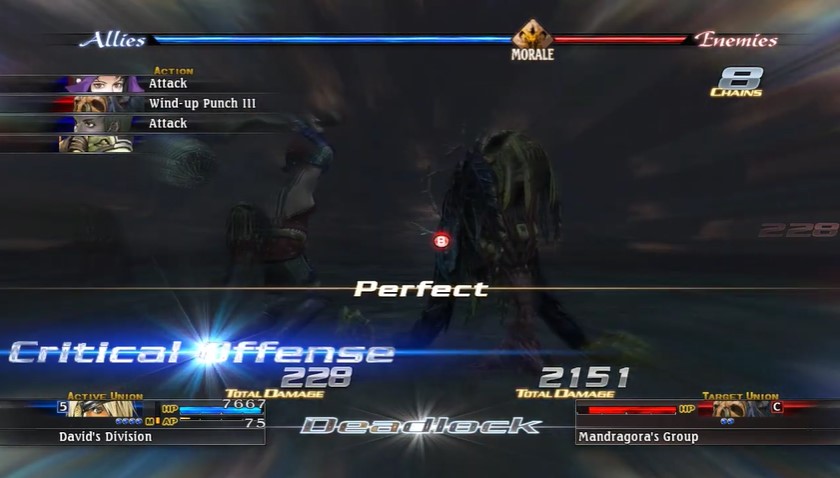
    This flipped combat into something totally different. Suddenly, you’re less like a hero leading a party and more like a commander directing armies. Positioning, morale, and squad synergy mattered just as much as raw stats.

    For some players, that shift felt groundbreaking. For others—me included when I first tried it—it felt confusing as hell.
    The Flow of Battle – What You Do Before You Even Swing

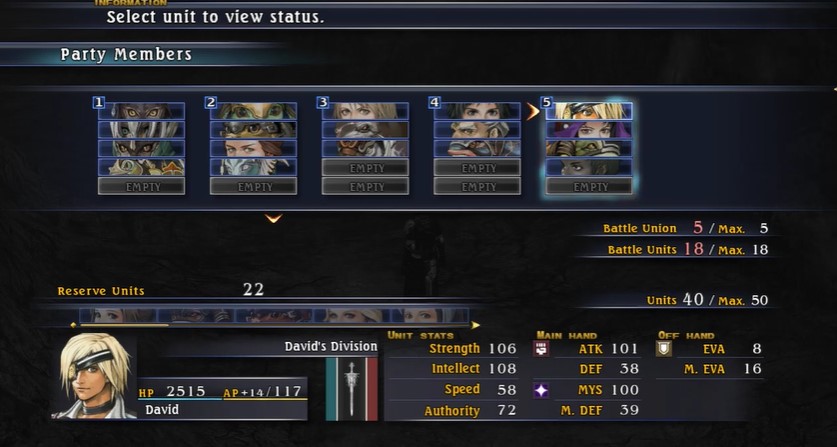
    The real fight doesn’t start when you press “attack”—it starts in how you set up your unions. As a beginner, this part felt overwhelming to me because you have to think about:

    • Who leads each union (leaders bring skills and arts)
    • Who fills the squad (soldiers add stats and stability)
    • What formation you’re using (offensive, defensive, or balanced setups)

    And then, once you’re in a dungeon or field, you also have to pay attention to enemy groups. Do you charge them head-on? Try to flank? Or split your unions to keep them from surrounding you?

    This whole “prep before action” makes fights feel more like mini war puzzles. If you mess up the setup, the battle feels 10x harder no matter how strong your characters are.

    Commands – The Clear and the Confusing Ones

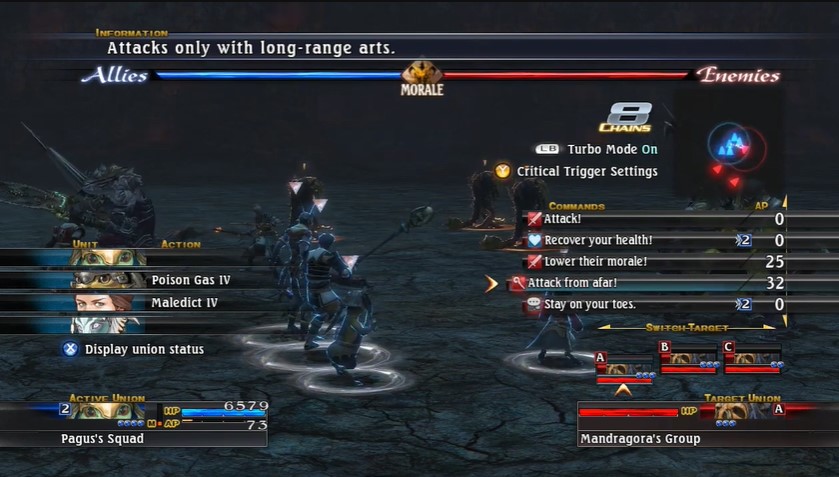
    Once the fighting actually starts, the game gives you commands for your unions. Some are straightforward and easy to understand:

    • Attack with combat arts! → your melee moves
    • Attack with mystic arts! → your spells
    • Heal with remedies! → your items and recovery

    But then you get the vague stuff like:

    • Play it by ear
    • Go all out!
    • Wait and see

    And here’s where the frustration kicks in. As a beginner, I remember just staring at those and going, “What am I actually telling my squad to do?”

    How I Learned to Read the Vague Commands

    After a lot of trial and error (and a few rage quits), here’s how I’ve come to understand those vague orders:

    • Play it by ear → Think of it as “do what makes sense.” The union might attack, heal, or buff depending on the situation. Good for balanced teams.
    • Go all out! → Pure offense. They’ll blow AP, use their strongest moves, and ignore healing. Best for when the enemy’s on the ropes.
    • Wait and see → Defensive or conserving mode. They’ll defend, poke with weak moves, or just save AP. Use it when you’re setting up or trying to survive.
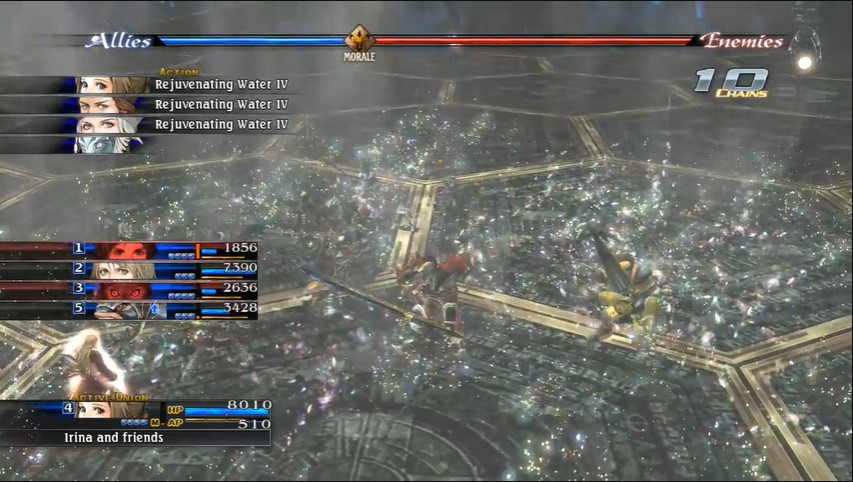
    • Save them no matter what! → Your emergency revive/heal button. Everyone drops offense to bring allies back.
    • Keep your HP up! → Focuses on healing and survival above all else.

    Once I started thinking of them like battle moods instead of strict commands, they made a lot more sense.

    Strategy – When to Use What

    Here’s my beginner advice on using these commands without losing your mind:

    • Use “Play it by ear” for balanced unions that can attack and heal. It gives the AI room to adapt.
    • Use “Go all out” when you know you’re safe or you just need raw damage to push through.
    • Use “Wait and see” to stall or when you’re trying to build AP for big moves later.
    • Use “Save them no matter what” sparingly, because sometimes it wastes turns if no one is actually down.
    • Use “Keep your HP up” when facing tough bosses or multiple enemy unions that can shred you in a turn.

    It’s not perfect—you’ll still sometimes scream at your squad for making dumb choices—but it’s part of the chaos that makes this system fun.

    Wrapping It Up – Why I Still Recommend This Game

    Here’s the truth: The Last Remnant is still hard to understand, even today. If you’re new, the Union System will feel overwhelming and the vague commands will confuse you. But once you get past that hump? The game transforms. Battles feel bigger, strategies feel deeper, and experimenting with different unions actually becomes addictive.

    That’s why I keep it on my phone. I’ve spent hours tweaking squads, retrying fights, and just enjoying the controlled chaos of this system. And yeah, the mobile remaster costs around $19.99, which isn’t exactly cheap. But for me? If I dropped twenty bucks and didn’t play it, that would be the real waste.

    So I keep coming back. And maybe that’s the magic of The Last Remnant: it doesn’t hold your hand, but once you start to get it, you’ll want to stick around and keep learning.
  • The EZRetro plays Handbook: 10 Games to Get You Hooked on the RG28XX

    The EZRetro plays Handbook: 10 Games to Get You Hooked on the RG28XX

    It’s been barely two weeks since I got my RG28XX, and I’ve been completely glued to it. Like a kid with a new toy, I’ve been switching between games non-stop, quickly learning what plays well and what doesn’t. As a JRPG/RPG fan, I naturally gravitate toward that genre. But let’s be real about the PSP emulation: it’s a bit of a hit-and-miss.

    The Allwinner H700 chipset is powerful for a budget device, but most PSP games are a bit laggy, and some are downright unplayable due to the missing analog stick. Plus, the screen’s resolution isn’t a perfect 16:9 match for the original PSP, so you have to scale and fit it to fill the screen, which is a no-no for purists.

    But for someone not too picky about screen size and is more focused on playing something on a small retro handheld, it’s perfect.

    Even with the quirks, limiting recommendations to just RPGs doesn’t do this little handheld justice. It’s given me the chance to play other games, and after two weeks of non-stop play, here’s my top 10 games to try.

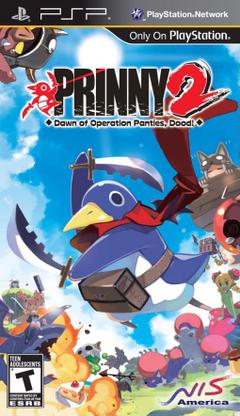
    Prinny 2: Dawn of Operation Panties, Dood!

    psp box art

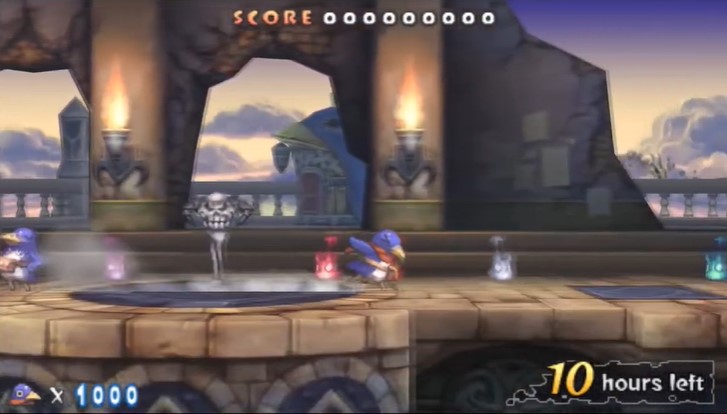
    I’ll be honest—I’ve never been great at platformers on PSP using my phone. The tiny screen, touch overlays, and lack of a proper controller made even basic levels frustrating. But on the RG28XX, everything changed. While the screen is a bit cramped and the buttons are small, I finally beat the first level and a saw Etna inside the castle. It felt like a real win.
    Gameplay-wise, Prinny 2 is a classic side-scrolling platformer, but Nippon Ichi Software adds its signature style. The animations are smooth, and the game’s humor is just absurd enough to keep you laughing even while dying repeatedly. You’ll really end up caring about the side characters and NPCs, dood!

    Fun Fact: Nippon Ichi’s dialogue is so ridiculous and over-the-top that even minor characters steal the spotlight. I’m not usually a fan of side-scrolling platformers, but Prinny 2 had me invested in the story and the laughs, and that’s what matters most.

    Kisou Ryuhei Gunhound

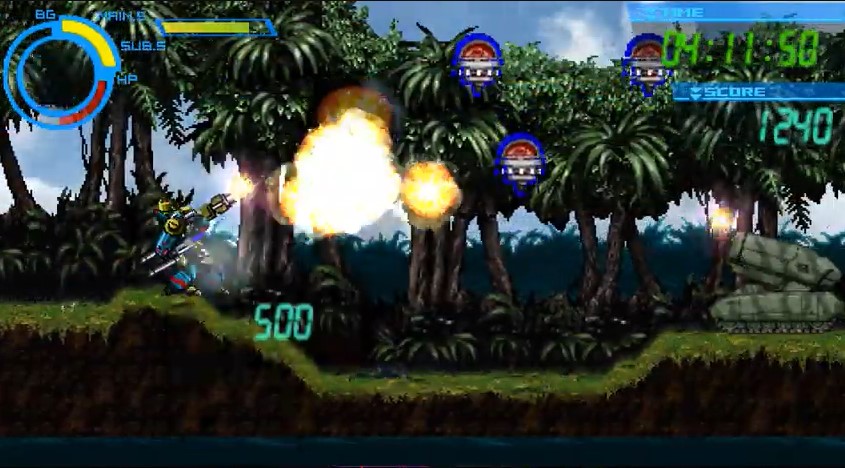
    Kisou Ryuhei Gunhound is a side-scrolling mecha shooter that had me glued from start to finish. You pilot your giant robot through futuristic stages filled with enemies and obstacles. The controls on the RG28XX are precise enough that even intense shooting sequences feel smooth.

    The story follows a world under siege, and while it’s not particularly deep, the excitement comes from blasting through waves of enemies and upgrading your mecha. For someone who enjoys mecha and action, this is a perfect handheld experience.

    Fun Fact: Despite its small screen, the RG28XX handles the visuals perfectly, making every boss fight feel as epic as it would on a console.

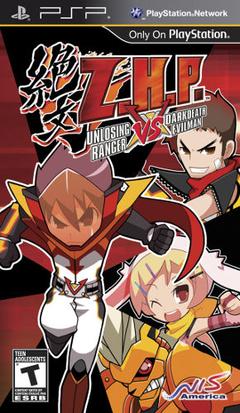
    ZHP: Unlosing Ranger vs. Darkdeath Evilman

    Unlosing Ranger psp box art

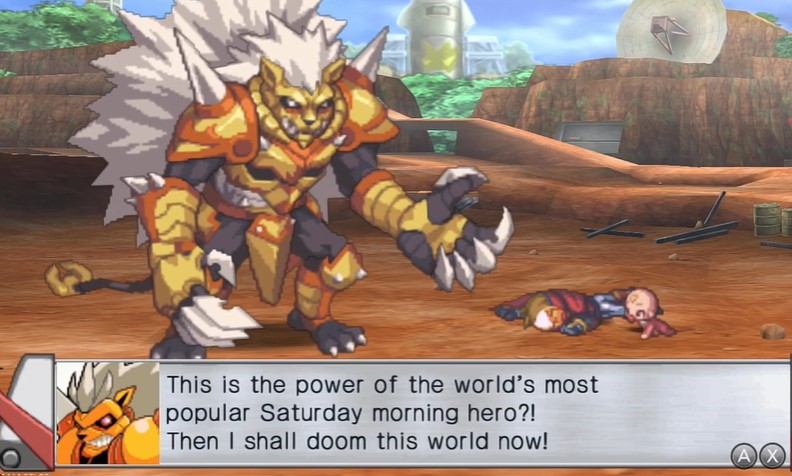
    ZHP is one of the quirkiest tactical RPGs I’ve ever played. You lead a colorful, bizarre team through strategic missions filled with absurd story beats and hilarious dialogues. On the RG28XX, it feels surprisingly comfortable, even during long grind sessions.

    The game’s humor is its standout feature, but don’t mistake it for a joke game—the strategy is real. Positioning your characters and timing your attacks can mean the difference between victory and defeat.

    Fun Fact: Some levels are so absurdly funny that you’ll spend more time laughing than strategizing, which is part of the charm. It’s a tactical RPG that doesn’t take itself too seriously.

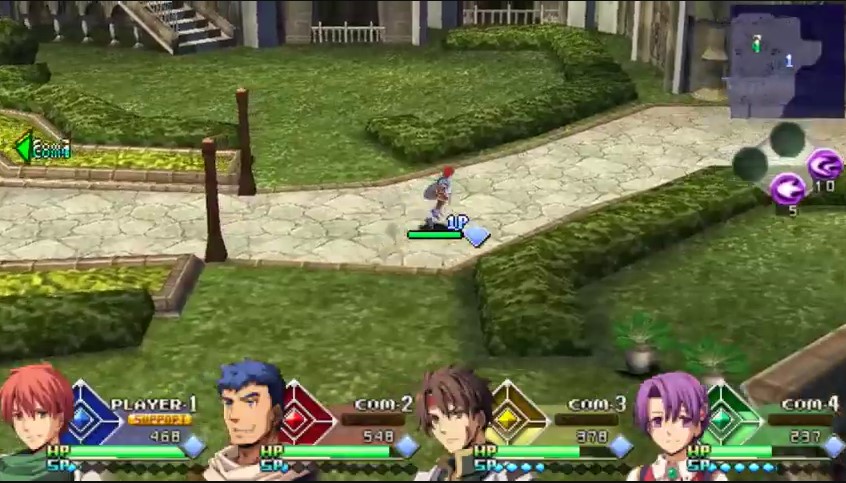
    Ys vs. Sora no Kiseki

    This one is a little different from the others on my list. Ys vs. Sora no Kiseki is a fighting game that’s a total love letter to fans of both the Trails and Ys series. You get to play through each character’s unique story arc, and you can upgrade their equipment and customize them, which really makes you want to keep playing long after the main story is over. That ability to customize is what gives it some serious replay value.

    Fun Fact: A worldwide release is scheduled for October 10, 2025, on PS4, PS5, Switch, and PC with enhanced features, according to the publisher refint/games.

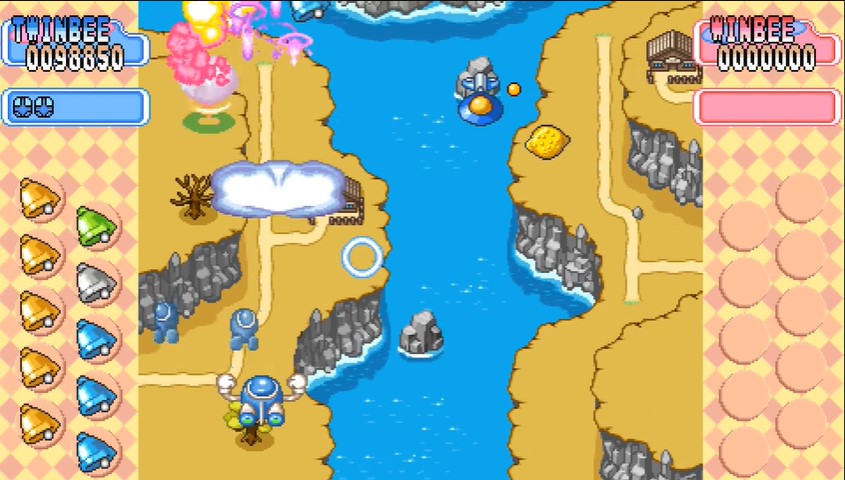
    TwinBee Portable

    TwinBee Portable is a vertical shooter with an aesthetic that’s so colorful it’s almost hypnotic. Controlling the ship is straightforward, making it easy to pick up on the RG28XX. The power-ups add a layer of strategy to the simple shooting mechanics, turning it into a deeper experience than it first appears. Since it’s a Japanese-only release, I’m just assuming the story is light and charming, but seriously, who needs a story when what hooked me to this game is the retro vibe and pure nostalgia? It’s the kind of game that’s easy to jump into for a quick session or a longer run.

    Fun Fact: TwinBee’s charm comes from its cheerful music and playful visuals—Konami really nailed that arcade vibe.

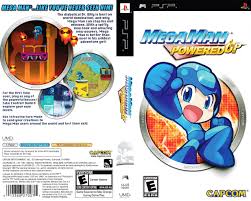
    Mega Man Powered Up

    megaman powered up psp cover

    Mega Man Powered Up is classic Mega Man with upgraded graphics and remade levels. It’s challenging but fair, and controlling the blue bomber on the RG28XX felt surprisingly natural. The satisfaction of finally defeating a tough boss never gets old.

    The story is minimal but fun, staying true to Mega Man’s roots as a robot hero battling evil. The level design is clever, and each stage has its own personality.

    Fun Fact: You can create and share your own levels, making it a mini creative outlet on the go.

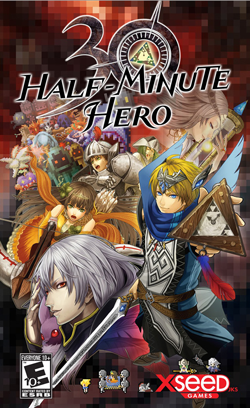
    Yuusha 30 Seconds

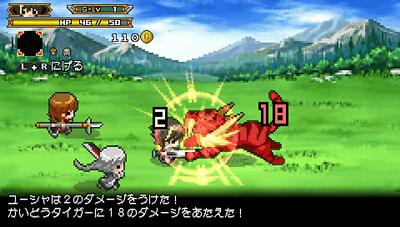
    Yuusha 30 Seconds is a fast-paced mini-RPG where battles and decisions happen in short, exciting bursts. Perfect for handheld play, it keeps you on edge while still being strategic. The story follows a hero who must make quick choices to save their world, making every second count.

    The gameplay of Yuusha 30 Seconds is what truly makes it a standout. Back when it was released, the concept was totally unique, and it still feels incredibly fresh today. The core loop is simple: you have 30 seconds to save the world. This crazy-fast timer forces you to make quick, strategic decisions. Every second counts as you run to level up, buy equipment, and defeat the final boss. It’s a genius concept that turns the traditional RPG grind on its head and keeps every moment filled with high-stakes action.

    Fun Fact: Another title, Half-Minute Hero, was also released for western audiences on PSP. Although that’s a great game, I would still recommend hunting down an English translation patch for Yuusha 30 Seconds because the Japanese release is more challenging and has more content.

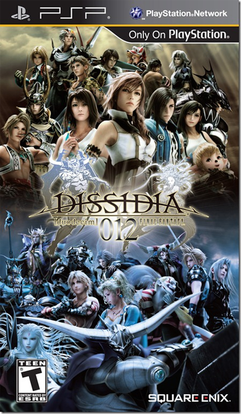
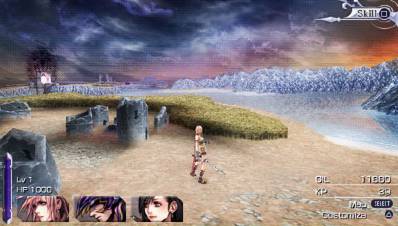
    Dissidia 012 Duodecim (RPG Mode)

    This one is a bit different. I play Dissidia 012 Duodecim in RPG Mode. There’s an option in the settings to switch from the usual action style to a more tactical RPG-style battle where you input attacks as the battle takes place.

    While I’ll be honest, I usually play this on PPSSPP on my phone since the touch controls and ability to set hotkeys make the game more fluid for me, the RG28XX still offers a great experience in RPG Mode. Even with the controls being a bit cramped and the absence of an analog stick, it’s a perfect fit for this little handheld.

    Fun Fact: Each character has a fully voiced story, and the massive cast includes heroes and villains from almost every major title in the series.

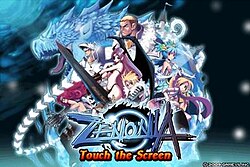
    Zenonia

    Zenonia is a classic hack-and-slash RPG that’s perfect for handheld sessions. You explore dungeons, fight enemies, and uncover a story of revenge and justice. The controls feel great on the RG28XX, making combat smooth and satisfying.
    The story is simple but effective, with multiple endings that encourage replayability. I love how easy it is to pick up and play without losing any of the RPG charm.
    Fun Fact: Zenonia was so popular that it eventually found its way to mobile devices, becoming one of the early success stories for JRPGs on the app store.

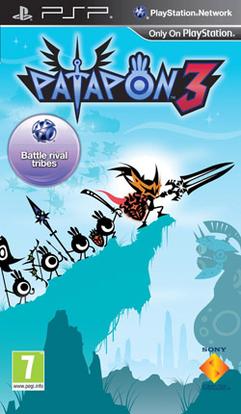
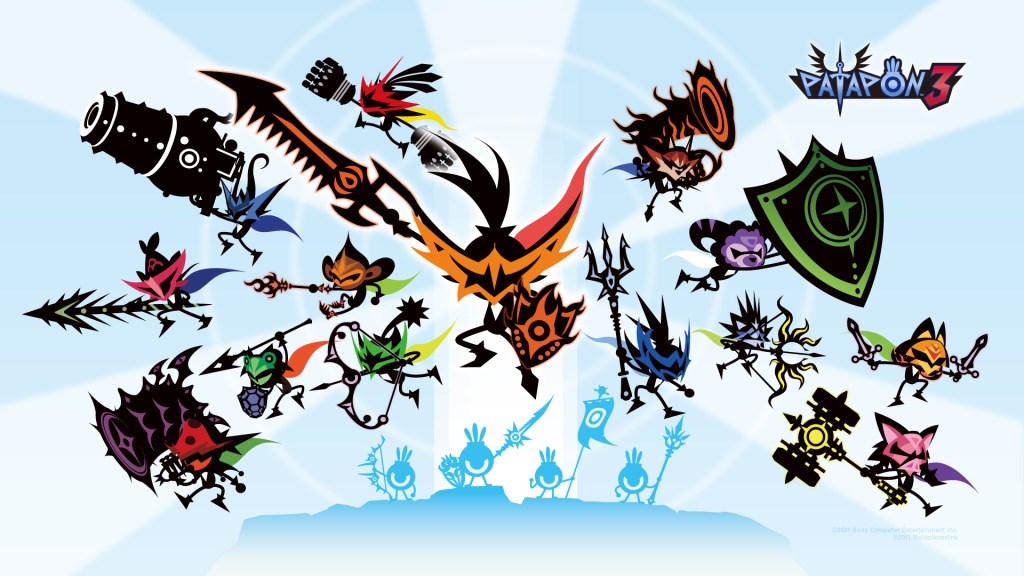
    Patapon 3

    Patapon 3 perfectly blends rhythm and strategy. You command a tiny Patapon tribe in battles that are essentially musical performances. The gameplay is simple, but timing your beats correctly feels incredibly satisfying.

    The story follows your tribe as they journey to conquer enemies and survive in a whimsical world. It’s easy to lose track of time because the rhythm-based gameplay is so addictive.

    Fun Fact: The unique rhythm-strategy gameplay of Patapon 3 has a rich history. The first game introduced the unique concept of commanding a tribe with drumbeats. Patapon 2 built on that with the introduction of hero units, new classes, and a multiplayer mode. Patapon 3 then evolved the formula even further with a persistent online focus, a more detailed leveling system, and an even deeper focus on the central hero character.

    Final Thoughts

    This list proves that the RG28XX can handle far more than just RPGs. From humor and platforming to epic storytelling and rhythm, this little handheld really delivers, and I can’t wait to see what other hidden gems I discover next.

Design a site like this with WordPress.com
Get started