A few days ago I was talking to one of my buddies Lesly about mobile games and discussing the latest releases that might make waves this 2026. Of course the top of my list that made a big splash this year was Where Winds Meet, which reminds me I really should write something about that game.
Anyways, Lesly, being an avid fan of Final Fantasy XIV Online, told me that a mobile version of it was already on beta in China and might even see a release as early as May. Funny enough, it completely flew under my radar. Rumors of a potential Final Fantasy MMORPG on mobile have been circulating since Final Fantasy XIV: A Realm Reborn revitalized the franchise, but over the years I assumed it was just another one of those hyped discussions that would never actually see the light of day.
Shoutout to Lesly Tobongbanua for this one. I genuinely would not have known about it without you.
So let’s get started.
Personal History With the Final Fantasy Franchise
My journey with this franchise began with Final Fantasy VIII. From there, I explored the numbered entries across multiple platforms, eventually revisiting the classics through the Final Fantasy Pixel Remaster collection on modern consoles and handheld systems. Regardless of hardware generation, the franchise consistently delivered expansive worlds, memorable characters, and strong musical identity.
I also experienced Final Fantasy XI on PlayStation 2. While I respected its ambition as an early console MMORPG, the monthly subscription structure never aligned with how I preferred to engage with games long term. That experience shaped how I approached online entries in the series.
Official Announcement and Development Framework

In November 2024, Square Enix formally announced Final Fantasy XIV Mobile, confirming a development partnership with Lightspeed Studios, the Tencent subsidiary responsible for PUBG Mobile.
According to announcement coverage, the company described the project as a “sister project” rather than a direct port. Naoki Yoshida is supervising development, with the stated goal of recreating the narrative and combat systems of A Realm Reborn while adapting interface and control schemes for mobile hardware.
The Chinese version, titled Final Fantasy XIV Crystal World, has entered beta testing following regulatory approval. Reports suggest a 2025 launch window in China, though a global release date remains unannounced.
Gameplay Showcase and Interface Adaptation
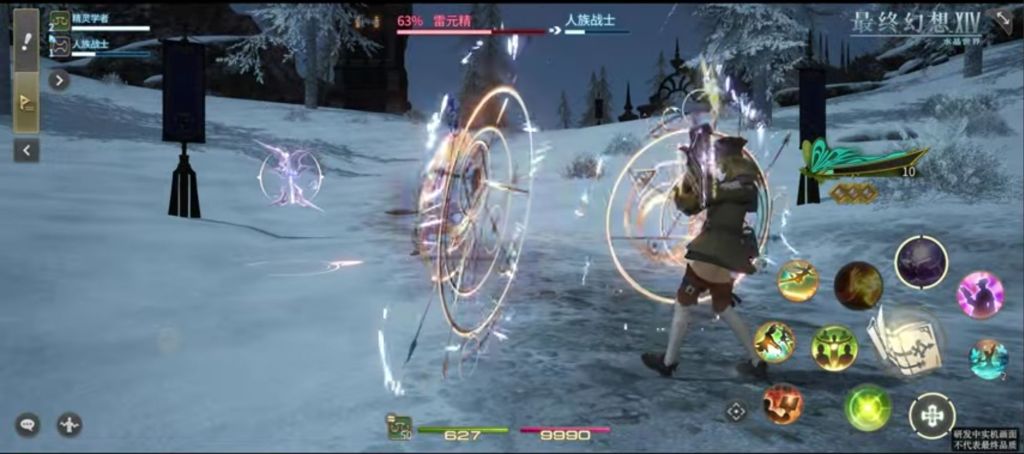
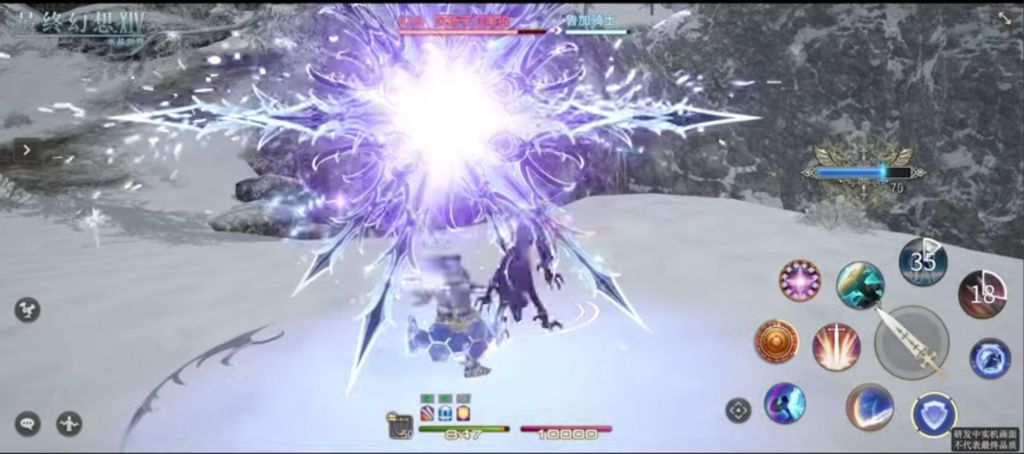
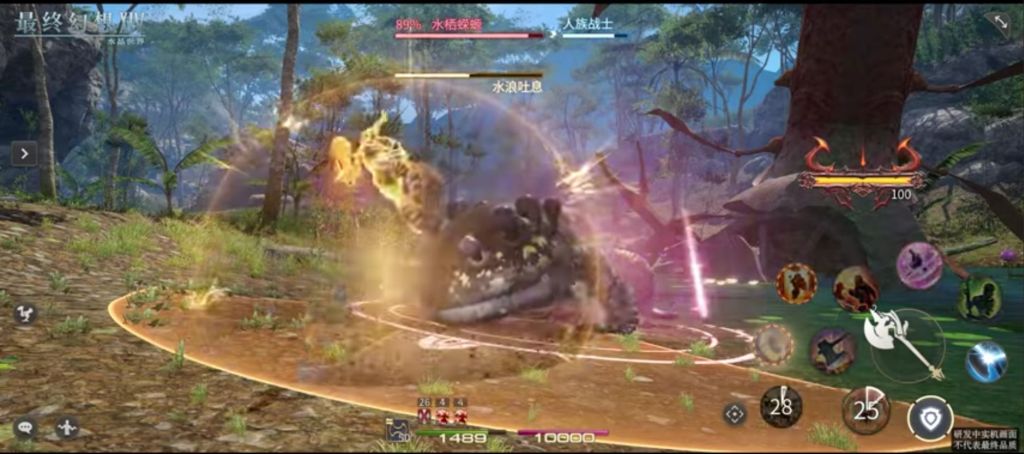
Recent gameplay footage circulating from Chinese showcases provides meaningful insight into how the adaptation is taking shape.
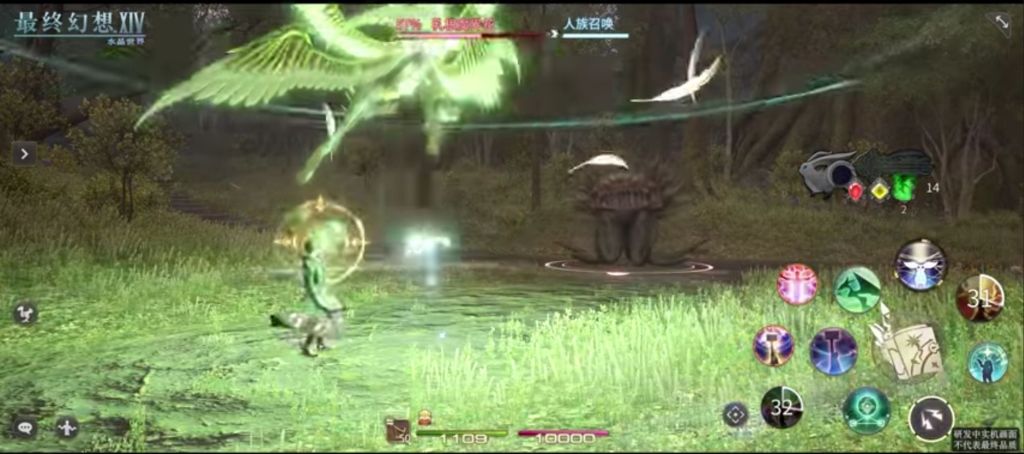
The environments shown reflect recognizable A Realm Reborn zones optimized for mobile devices. Early builds indicate the inclusion of nine playable jobs spanning tank, healer, and damage roles.
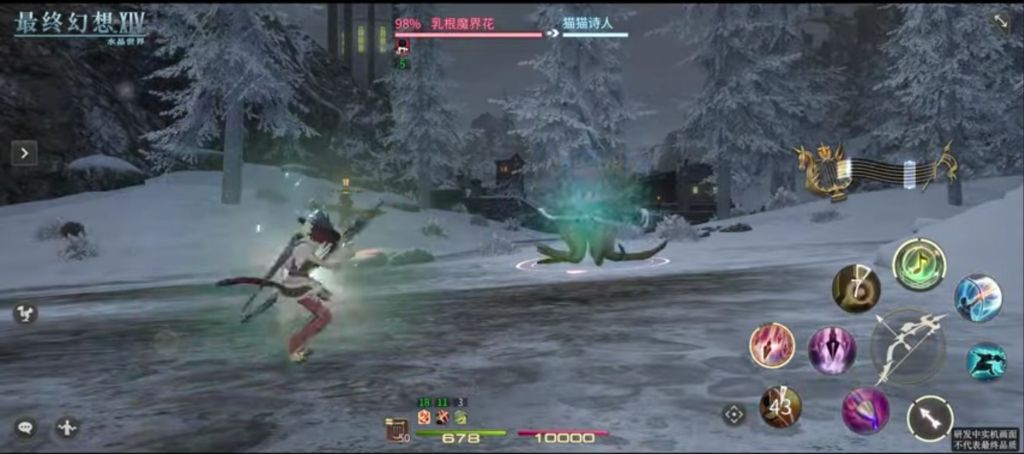
The most notable redesign appears in the interface. Traditional PC hotbars have been replaced with a radial or clustered layout suited for touchscreen interaction. A virtual joystick governs movement, while primary skills are positioned within comfortable thumb reach.
Secondary abilities and role actions appear accessible through expandable menus, allowing for depth without excessive screen clutter.
Group content has also been demonstrated. Eight player trial encounters and mounted traversal, including flying mounts, have appeared in preview footage. These elements suggest that large scale cooperative systems remain intact in adapted form.
System Translation and Performance Considerations

A Realm Reborn is built on layered systems including skill rotations, cooldown management, positional mechanics, party coordination, crafting professions, gathering classes, and persistent social hubs.
Translating this structure to mobile requires careful balance. Based on current footage, the development team appears to be implementing contextual skill mapping and adaptive UI elements rather than replicating desktop layouts directly. This approach supports accessibility while maintaining core gameplay identity.
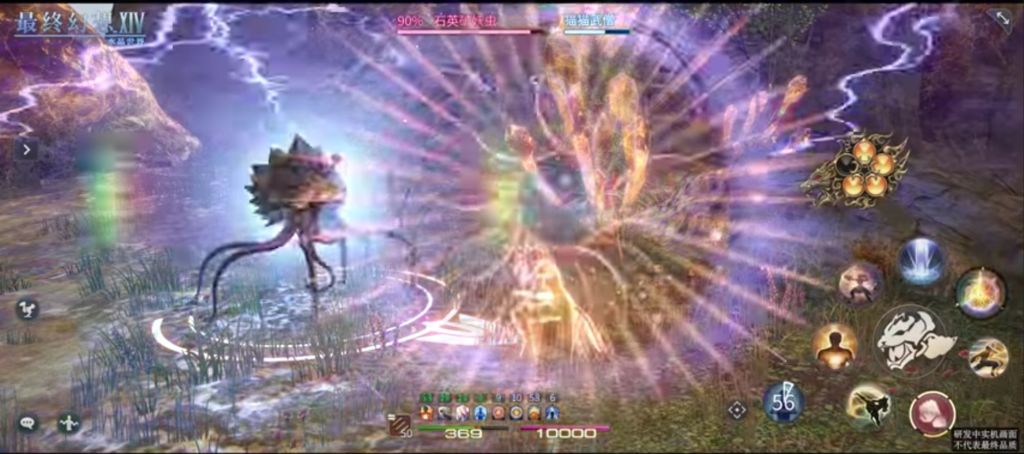
Although official global hardware specifications have not been published, the scope of environments and multiplayer infrastructure implies that newer mid range to flagship smartphones will provide the most stable experience. Scalable graphical settings will likely allow broader device compatibility while preserving visual fidelity on higher end hardware.
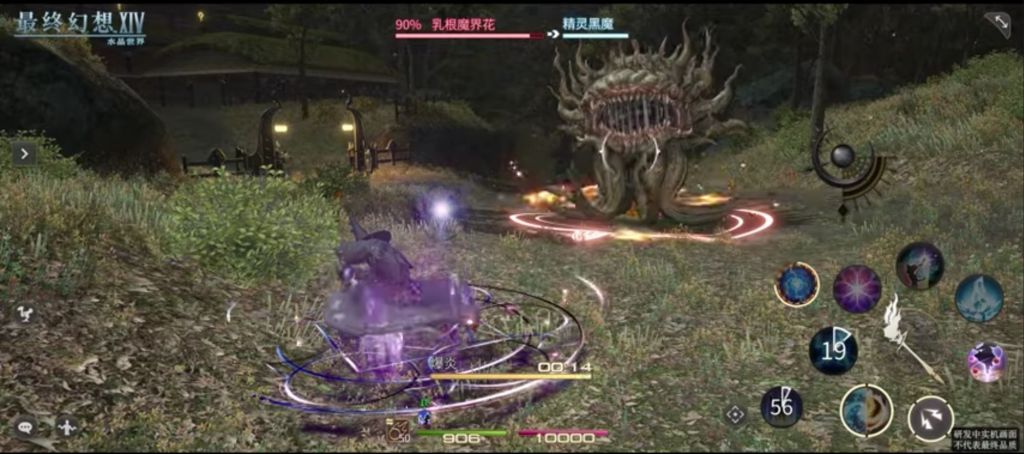
Because the project is being designed specifically for mobile platforms, it benefits from optimization strategies tailored to modern chipsets rather than retrofitted solutions.
Context From Previous Mobile Online Titles
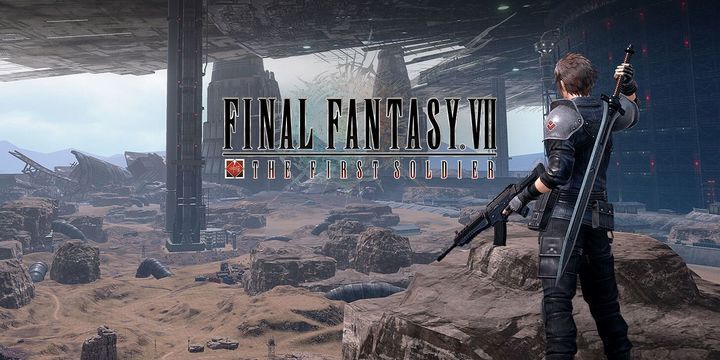
Square Enix has previously attempted online focused mobile titles within the franchise. Final Fantasy VII: The First Soldier blended battle royale mechanics with Final Fantasy VII lore but ceased operations in January 2023 after failing to sustain its audience.
That outcome underscores the importance of execution and long term infrastructure support in the mobile space. Intellectual property alone does not guarantee longevity.
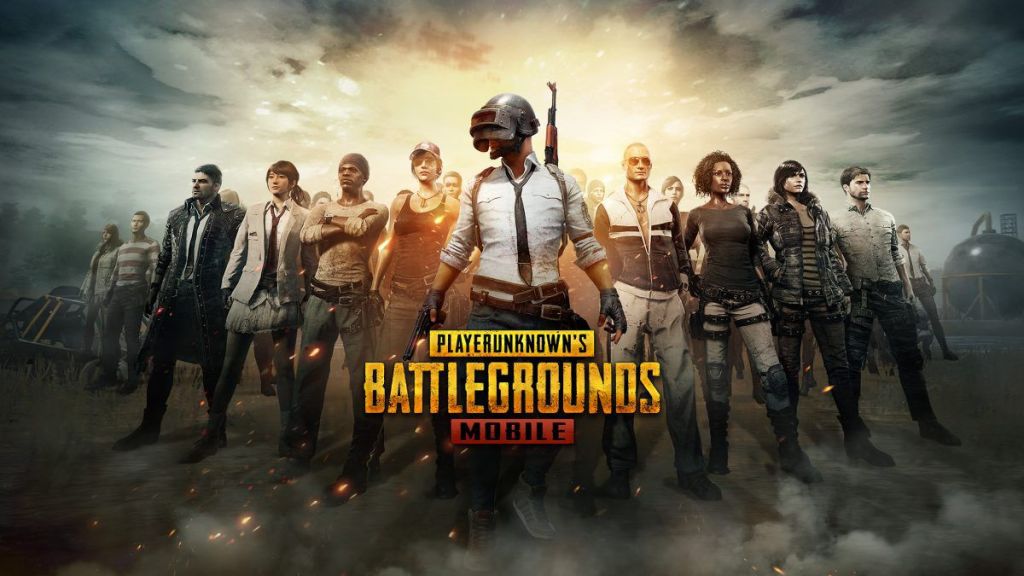
The collaboration with Lightspeed Studios introduces a development partner with extensive experience managing large scale live service ecosystems. PUBG Mobile’s sustained performance demonstrates familiarity with multiplayer optimization, server stability, and content cadence, all of which are critical for a mobile MMORPG.
Personal Outlook and Anticipated Global Release

Final Fantasy XIV has actually been sitting on my gaming bucket list for years. I have been mulling it over, but the subscription model has always made me hesitate. I even considered saving up for devices like the MSI Claw or the ROG Ally this year just to properly dive into the full PC experience and finally scratch that Final Fantasy itch.
Now, with a mobile MMORPG version on the horizon, the equation changes.
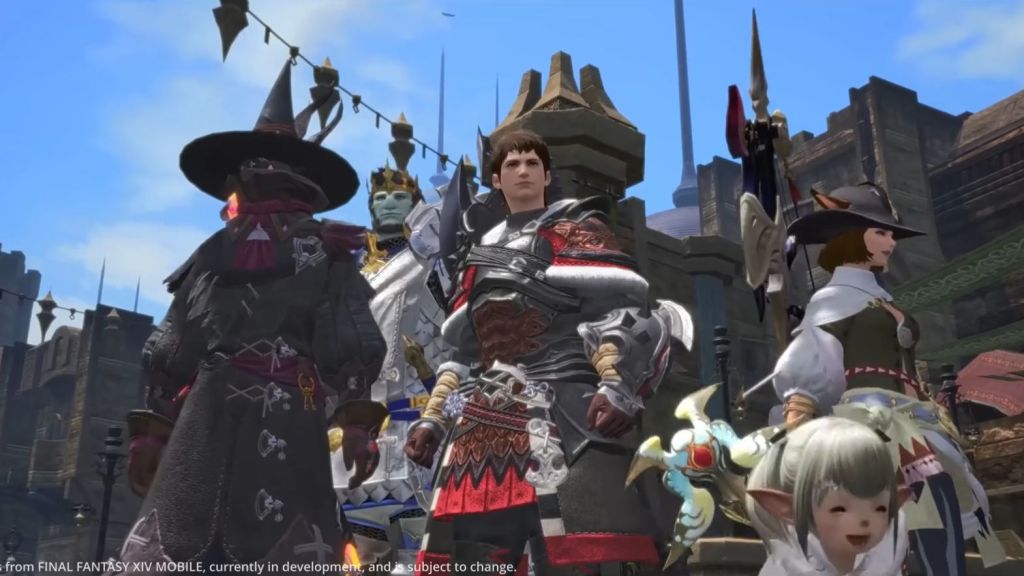
While official global monetization details have not yet been confirmed, mobile live service titles typically follow free to play structures rather than traditional subscription models. If Final Fantasy XIV Mobile adopts that approach, it would significantly lower the barrier of entry.
For someone like me, that removes both the hardware investment and the ongoing subscription cost, making it far easier to commit to the game wholeheartedly.
With the China version already progressing through beta phases and reports pointing toward an initial launch window, attention naturally turns toward global availability.
A worldwide release within this year would not only expand access to Eorzea but also open the door for longtime fans like myself to finally experience the full scope of Final Fantasy XIV without the traditional hurdles that once held us back.
If current development momentum continues, this mobile adaptation may become the most accessible gateway into one of the most celebrated MMORPG worlds in modern gaming.








































































 EZRetro Plays