A Pocket Full of Memories
I was scrolling through my phone the other night, hopping between retro handheld pages and game lists trying to find something new to play.
But as I kept going, I noticed something. Most of the games that caught my attention, the ones that made me stop and think, all pointed to one thing: the Sony PSP.
Released in Japan on December 12, 2004, North America on March 24, 2005, and Europe on September 1, 2005, the PSP stayed around until 2014, a solid 10-year run.
In that time, it built up over 1,300 game titles, which is insane when you think about it.
You could play something new every week and still not run out for years.
A Console in Your Pocket
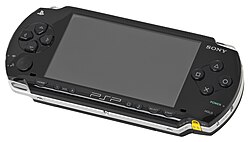
The PSP came out during the PS2’s prime years and somehow it kept pace.
While the PS2 was out there delivering hits every month, the PSP was taking some of those worlds and putting them in your hands.
You had games like Def Jam: Fight for New York, Fight Night Round 3, and even Tekken 6 running smooth on a handheld.
And the exclusives? That’s where the PSP really showed off with Crisis Core: Final Fantasy VII, Final Fantasy Type-0, Dissidia 012 Duodecim, Patapon, and Half-Minute Hero.
These weren’t watered-down versions, they were full experiences made for the PSP.
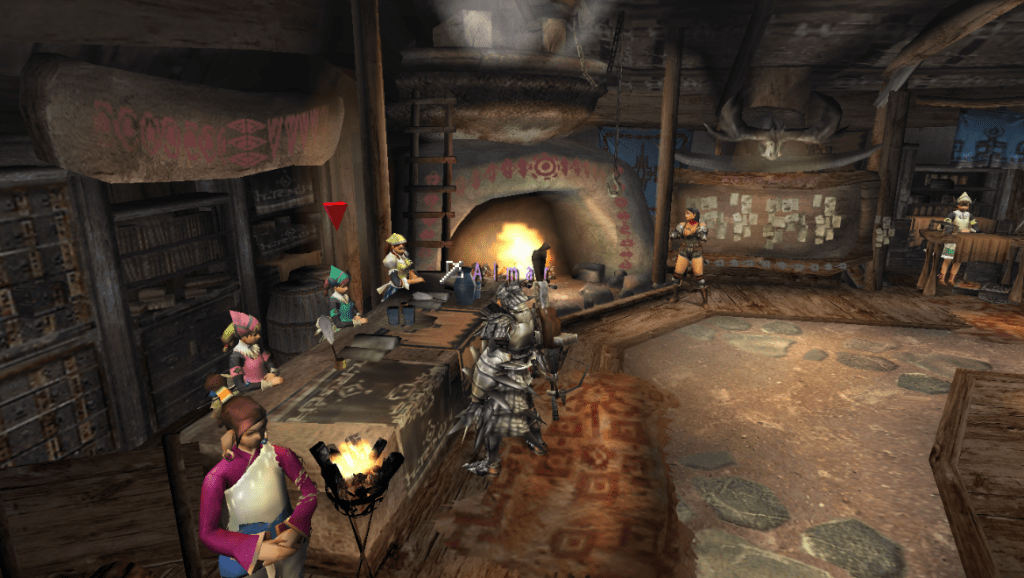
Then there’s Monster Hunter, and honestly, that game changed everything.
When Monster Hunter Freedom and Freedom Unite came out, the PSP turned into a real-life multiplayer hub.
You’d see people hanging out in malls or cafés, PSPs in hand, connecting through ad-hoc to hunt rare monsters together.
It wasn’t just about grinding or loot drops, it was community.
That era was pure vibes, no Wi-Fi, no mic chat, just real people meeting up to play.
“Everyone had a PSP in their bag.
You’d walk by a table, hear the sound of a Great Sword swing, and know exactly what was going down.”
Why I Still Love the PSP Today
One of the coolest things about the PSP is how easy it is to play now.
You don’t even need a fancy handheld or gaming phone because emulation runs smooth on almost anything.
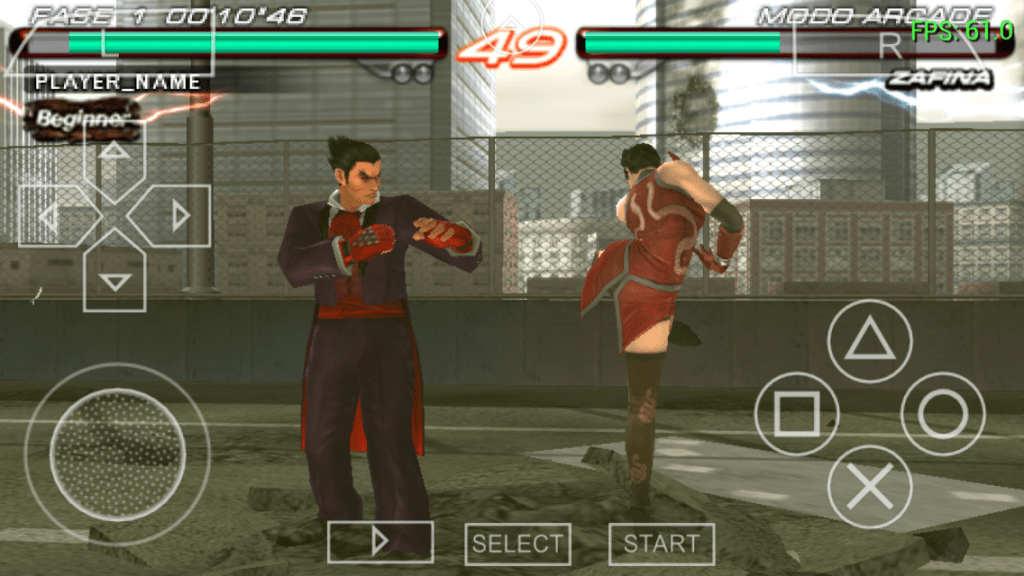
I still play Tekken 6 on my phone, and honestly, I like it better that way.
Sliding my combos on the touchscreen just feels smoother than mashing buttons on the real PSP or a controller.
Might sound weird, but it just works for me.
That’s the charm of the PSP. It still fits in today’s world.
It’s not too old for new players, but it still hits that retro nostalgia we all chase.
The Hype That Fell Flat
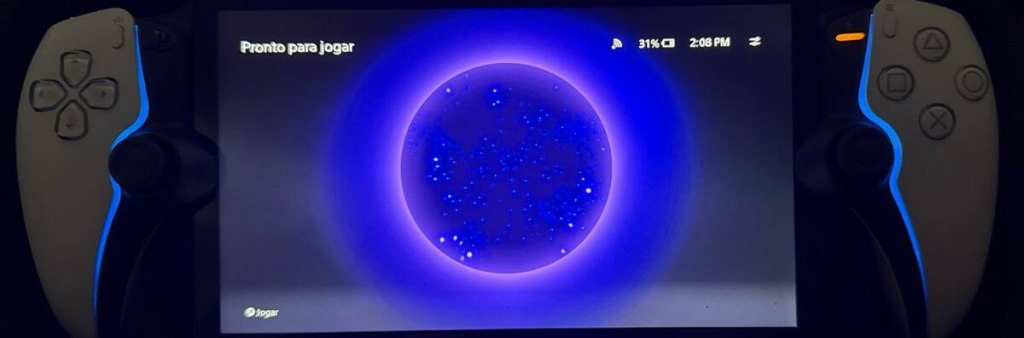
When Sony announced the PlayStation Portal, I got hyped.
I really thought, “This might be it. The PSP comeback. Maybe even a Switch killer.”
But when it finally came out on November 15, 2023, the excitement turned into disappointment.
It wasn’t a new handheld. It was basically a remote screen for the PS5.
You can’t even use it without owning one.
And man, that hurt.
The PSP stood on its own. You didn’t need anything else, just the console, a UMD, and maybe a memory stick if you were lucky.
The Portal, on the other hand, felt like half a step forward.
“The PSP gave you freedom.
The Portal gave you a reminder that you still need your PS5.”
Why That Magic’s Hard to Find Now
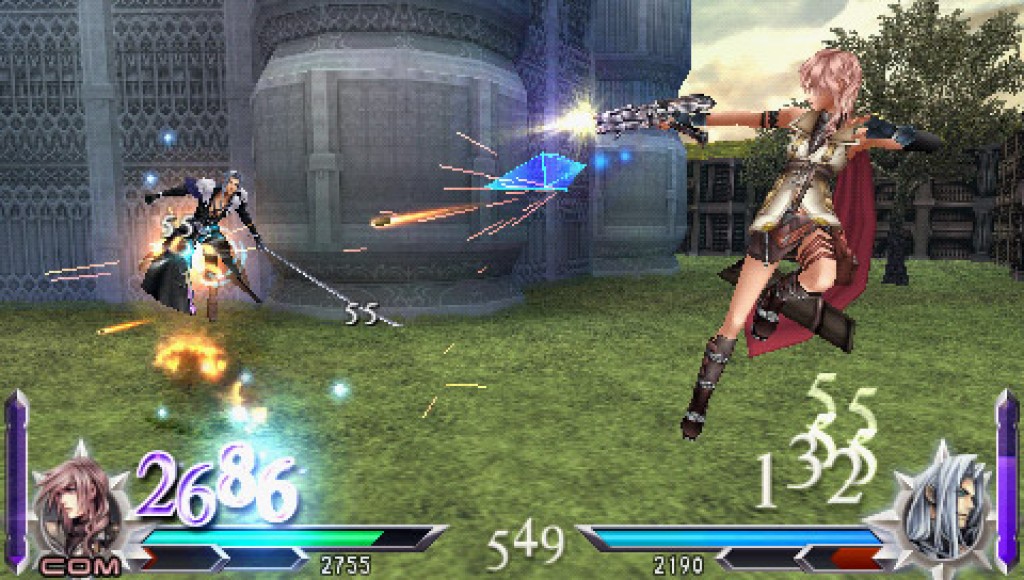
The PSP hit different because developers back then were still experimenting.
They were testing ideas, taking risks, and seeing how far they could push a handheld.
Games felt like passion projects, not business plans.
Now it’s mostly about monetization, DLCs, and keeping players spending.
And that shift killed a lot of that creative fire.
Even Sony’s follow-up, the PS Vita, proves that.
On paper, it was the PSP’s smarter, faster sibling with dual analog sticks, touchscreen features, and those back-touch controls.
And the games looked great, like they were really made for the Vita.
Titles like Killzone Mercenary, Gravity Rush, and Soul Sacrifice were stunning for their time.
But here’s where it dropped the ball, the price.
Everything about the Vita was expensive.
The handheld itself, the games, and especially that Sony-exclusive memory card you had to buy separately just to save anything.
So imagine this: you buy the console, then you find out you need an overpriced memory card, then you realize there’s no free game included.
That’s another trip to the store and another dent in your wallet.
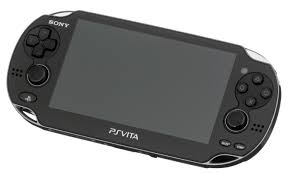
To be fair, the PSP wasn’t cheap either, but the difference is, the PSP got hacked early on.
Once custom firmware came in, people turned it into a do-everything handheld.
You could emulate older consoles, load your own games, and basically carry your entire library on a single memory stick.
It became the retro handheld before retro handhelds were even a thing.
And honestly, that spirit, the whole “make it your own” vibe, carried over to the Vita too.
Once that system got cracked, it came alive again.
People used it to play PSP and PS1 titles, homebrew, emulators, everything.
In a way, that just proves the point.
The handhelds that lived on weren’t the ones with the best specs, they were the ones people could make personal.
That’s what the PSP had.
Freedom. Flexibility. A sense of ownership.
Something modern handhelds just don’t give anymore.
Looking Back, Still Ahead of Its Time
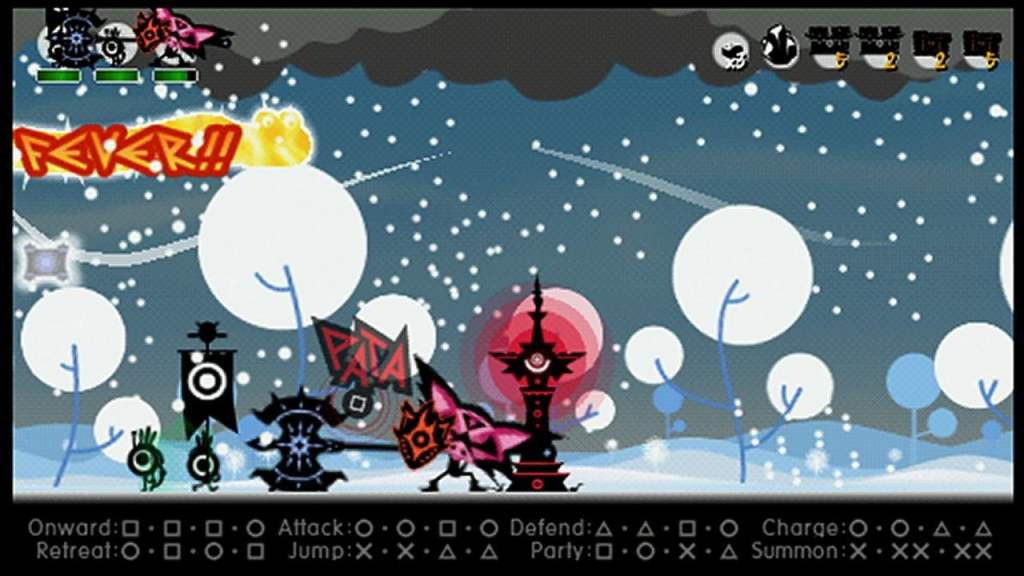
The PSP wasn’t just another console, it was a moment.
It gave us console-level games in our hands, real-world multiplayer before online took over, and a library that still holds up today.
It wasn’t perfect, but it felt real.
You could tell it was built by people who wanted to push gaming forward, not just chase trends.
The PSP will always have the top spot on my retro list.
Not because it’s perfect, but because it reminded us what gaming felt like when everything was new and exciting.
It was lightning in a bottle, and no one’s managed to catch it again.
 EZRetro Plays
Leave a comment