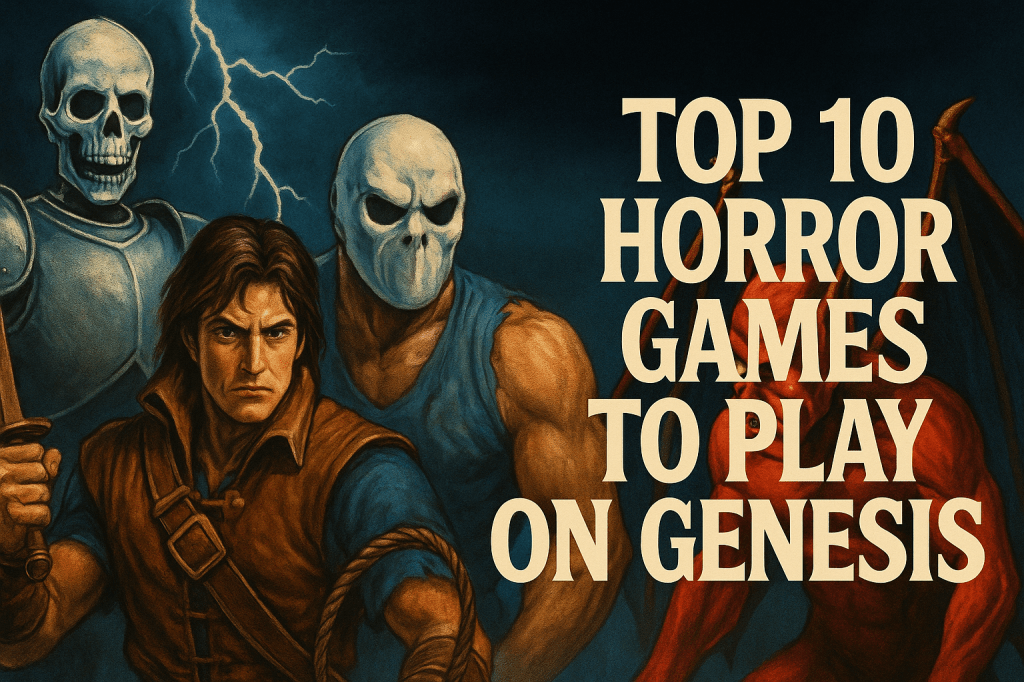
The Miyoo Mini might have a small 2.9-inch screen, but that’s exactly what makes it perfect. It’s a portal back to those quiet nights hiding under a blanket, playing in secret long after bedtime. You can almost feel that moment again, the dim light of the screen, the hum of the fan, the fear of hearing footsteps outside your door.
And with Halloween coming, there’s no better way to relive that feeling than through the dark side of the Sega Genesis. The console may not have had realistic horror, but it mastered atmosphere and dread. These games didn’t rely on gore alone. They worked through tone, tension, and gameplay design that still holds up today.
So get comfortable, dim the lights, and step into the shadows of 16-bit horror.
10. Ghouls ’n Ghosts (1989)
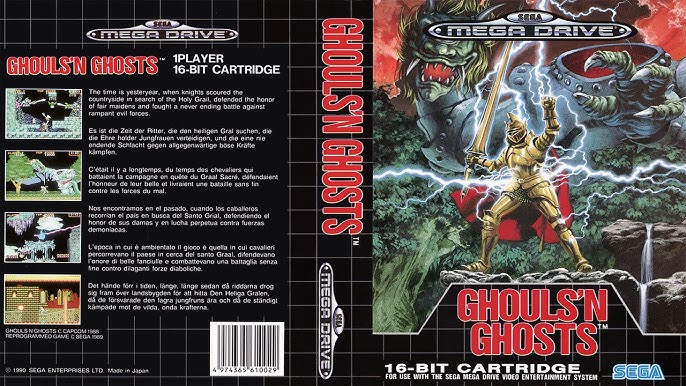
Capcom’s Ghouls ’n Ghosts is a brutal test of skill set in a world crawling with undead knights, demons, and grotesque monsters. As Arthur, you battle through crypts and cursed landscapes to rescue souls and reclaim your armor piece by piece.
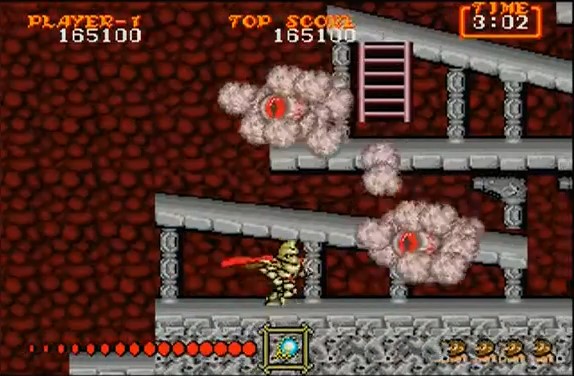
What stood out: It demanded precision and pattern recognition. Every enemy’s timing mattered, every jump had consequences, and the punishment for mistakes made victory feel monumental. It was horror through tension and vulnerability.
Fun Fact: The Genesis version was one of the console’s first faithful arcade ports, helping cement Sega’s reputation for serious, challenging games.
9. The Immortal (1990)
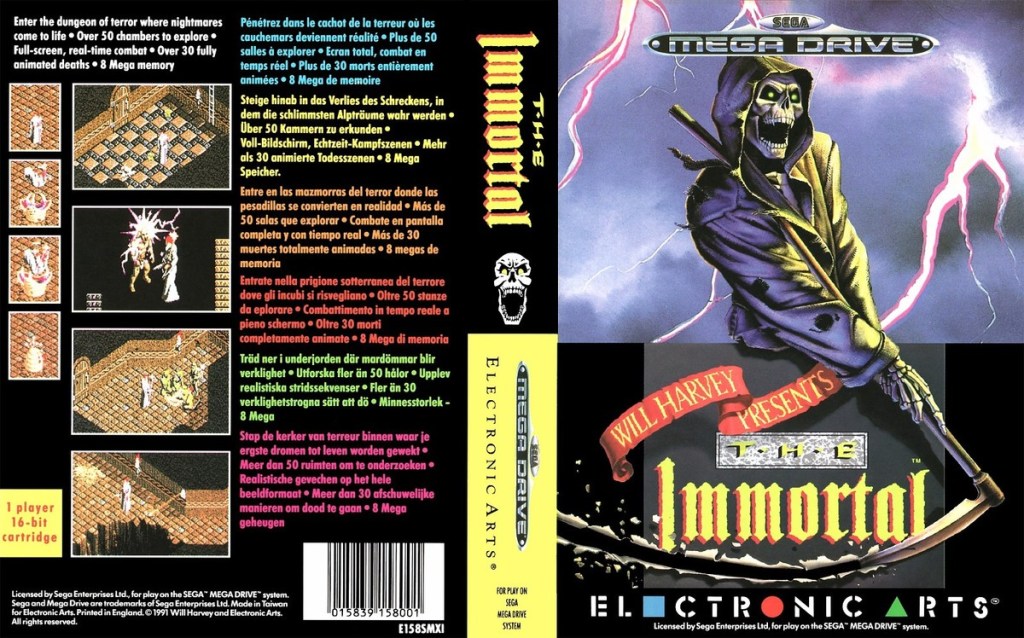
An isometric dungeon crawler drenched in darkness, The Immortal forces players to survive traps, monsters, and cruel puzzles in an underground labyrinth.
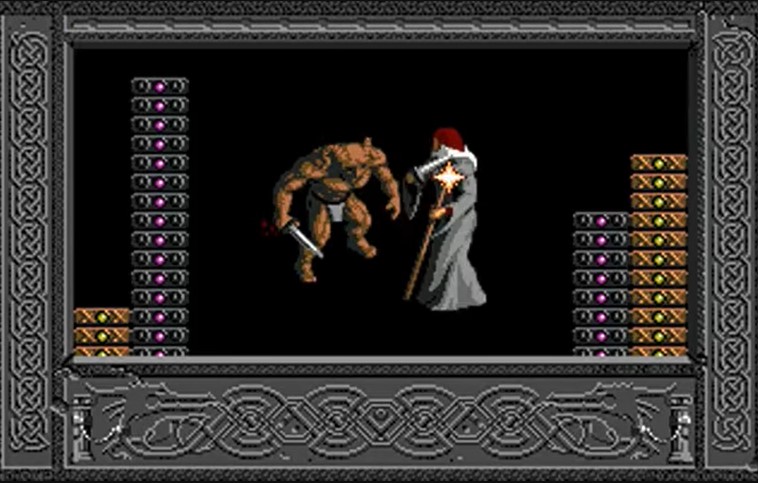
What stood out: The focus on environmental hazards created genuine dread. Rooms weren’t just obstacles; they were death traps waiting for you to make a single wrong move. The sense of caution it inspired turned every step into a risk.
Fun Fact: The game’s fight scenes used zoom-ins and blood animations rarely seen on the Genesis, adding an early cinematic feel to combat.
8. Gargoyles (1995)
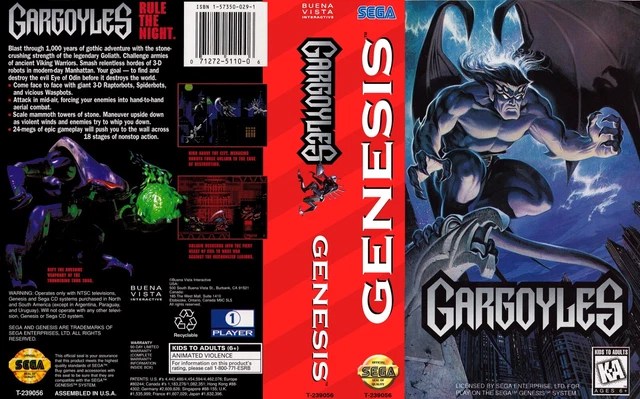
Based on the darker Disney animated series, Gargoyles delivers gothic platforming at its best. You play as Goliath, a cursed stone warrior battling demonic enemies across medieval castles and stormy skylines.
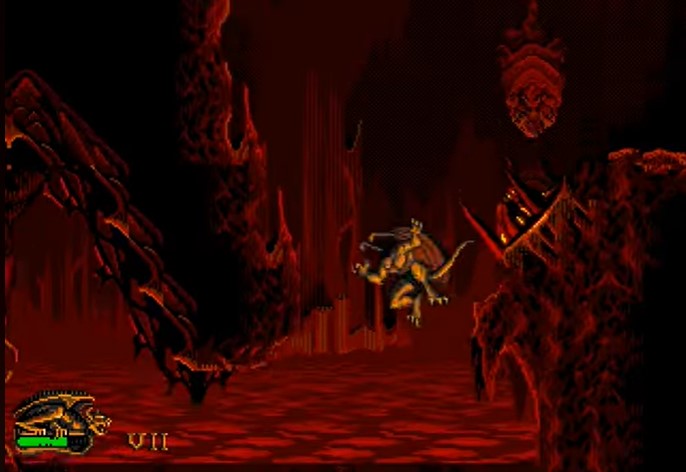
What stood out: The animation and movement system gave Goliath a real sense of weight and power. Climbing walls, gliding through the air, and smashing enemies felt tactile and brutal. The visual direction remains one of the Genesis’ most atmospheric achievements.
Fun Fact: The developers used multiple parallax layers and shadow mapping to achieve its stormy, cinematic look, pushing the hardware late in its life cycle.
7. Altered Beast (1988)
One of Sega’s earliest Genesis titles, Altered Beast remains a haunting blend of mythology and horror. You rise from the grave as a resurrected warrior, transforming into werewolves, dragons, and other beasts to defeat the underworld’s creatures.
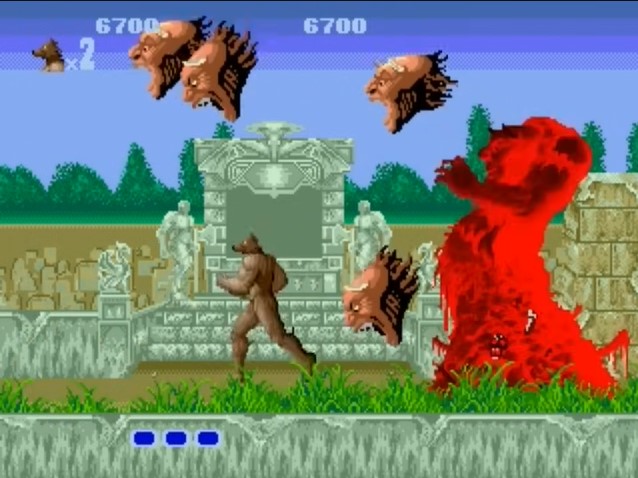
What stood out: The transformation mechanic was the centerpiece. Each form had unique attacks and movement styles, forcing you to adapt on the fly. Its slow pacing and eerie resurrection theme gave it a mythical horror feel that still defines early Genesis identity.
Fun Fact: Altered Beast was originally bundled with the Sega Genesis as a pack-in game before Sonic the Hedgehog took over the role in 1991.
6. The Ooze (1995)
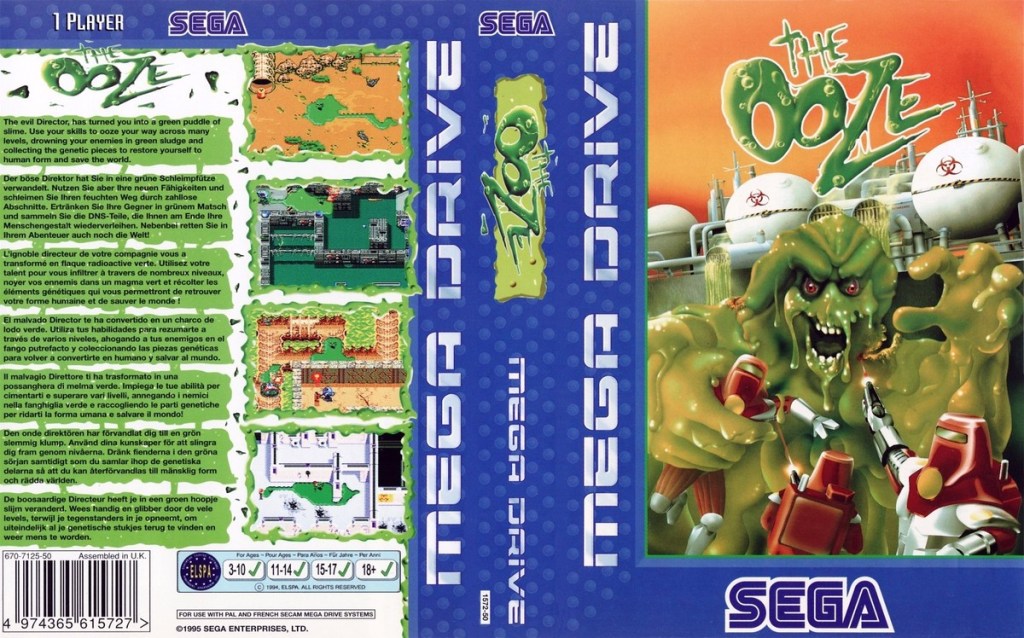
You play as a mutated scientist turned blob, crawling through labs and cities in search of revenge. The Ooze is grotesque, slow, and suffocating — perfect for horror.
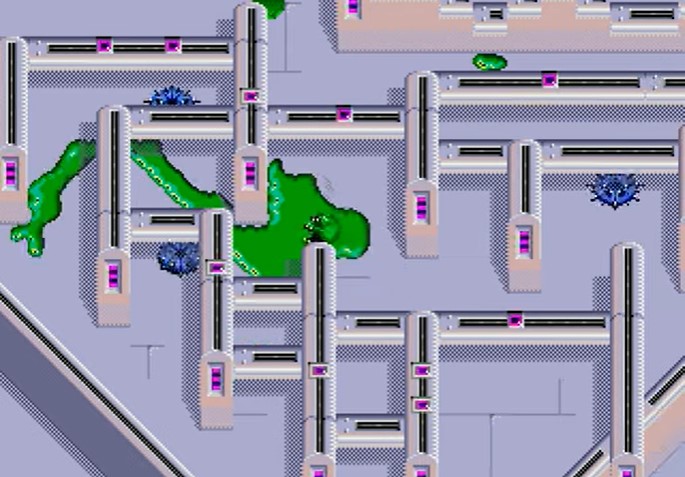
What stood out: The control system tied your health directly to your size. The more you moved or attacked, the smaller and weaker you became. It forced restraint and calculation, turning movement itself into a risk.
Fun Fact: The developers wanted players to feel both powerful and helpless, a rare design goal that perfectly fit the game’s tragic tone.
5. Chakan: The Forever Man (1992)
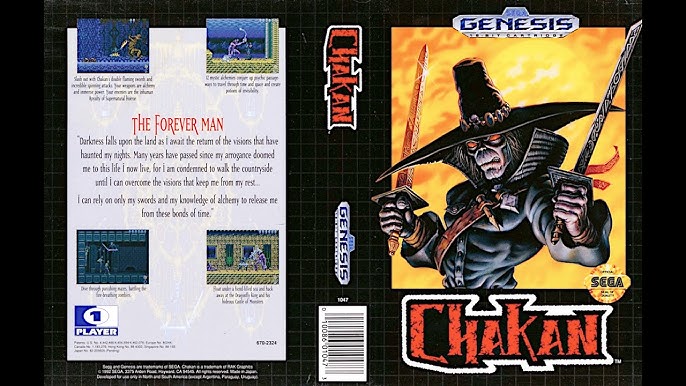
Adapted from Robert Kraus’ comic, Chakan follows an immortal warrior cursed to fight until every evil creature in existence is destroyed. It’s grim, relentless, and soaked in atmosphere.
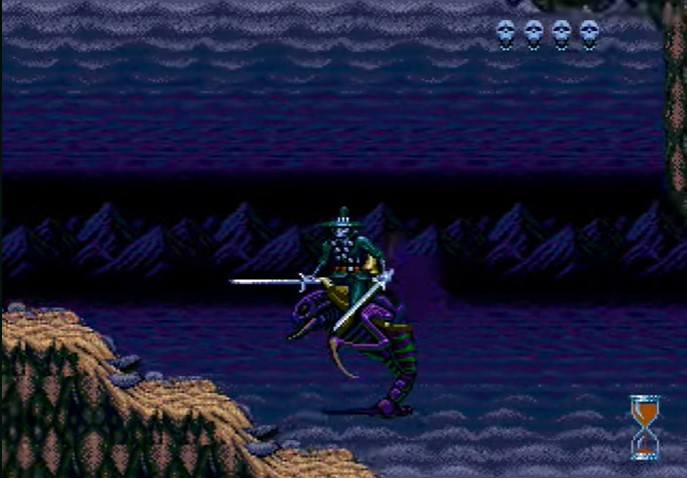
What stood out: The non-linear level design gave players the freedom to choose their path, but every stage was built to punish overconfidence. Its combat system demanded precise timing and mastery of weapon effects, making survival itself a victory.
Fun Fact: True to its source, Chakan ends with the hero realizing that even eternal victory offers no peace, and he must continue fighting in the afterlife.
4. Alien 3 (1993)
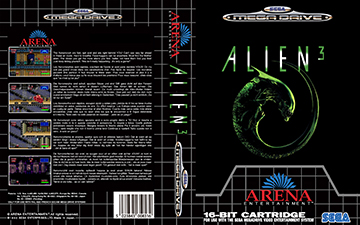
Alien 3 delivered sci-fi horror with precision. As Ripley, you race through labyrinthine corridors to rescue prisoners before they’re consumed by xenomorphs.
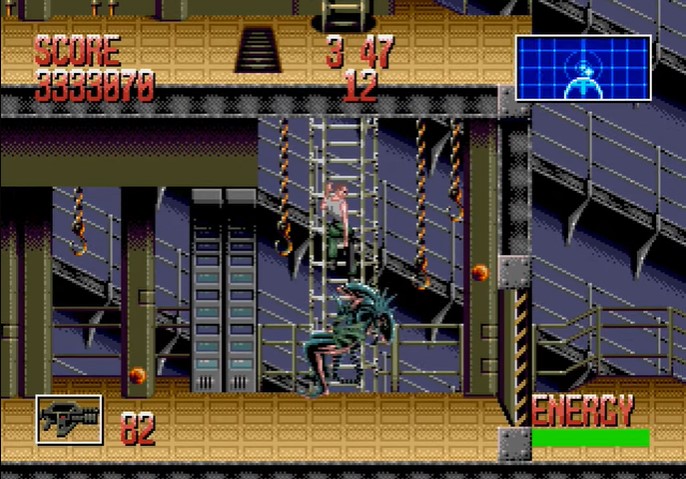
What stood out: The time-based mission structure made it feel more like survival horror than an action game. You couldn’t afford to waste time or ammunition. The result was a constant push-and-pull between urgency and fear of failure.
Fun Fact: The randomization of alien encounters kept players tense, since you never knew when something might burst out of the shadows.
3. Castlevania: Bloodlines (1994)
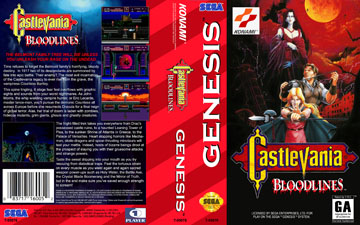
Bloodlines was Konami’s answer to the question, “What does gothic horror look like on Genesis?” The result was a masterpiece of atmosphere and mechanical depth.
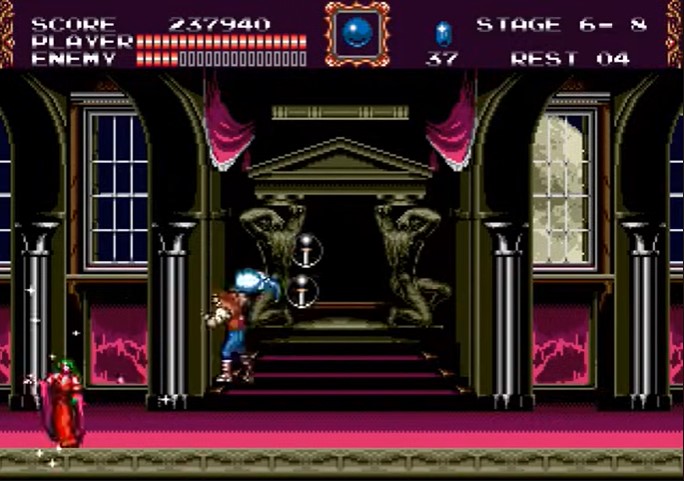
What stood out: Its dual protagonists changed the traditional Castlevania formula. John Morris could swing across gaps, while Eric Lecarde used vertical spear thrusts for aerial combat. This gave every level two distinct ways to play, adding complexity without sacrificing the series’ haunting mood.
Fun Fact: The European version, Castlevania: The New Generation, toned down violence and color palette due to censorship, making the U.S. version the definitive dark experience.
2. Splatterhouse 2 (1992)
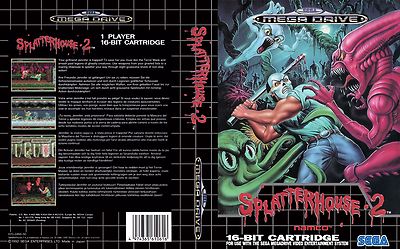
No subtlety here. Splatterhouse 2 was horror incarnate, a side-scrolling bloodbath inspired by ’80s slasher films.
What stood out: The slow, deliberate combat created tension in every movement. The physics of your attacks made you feel both powerful and vulnerable. Each strike and scream lingered, making progress feel like survival rather than victory.
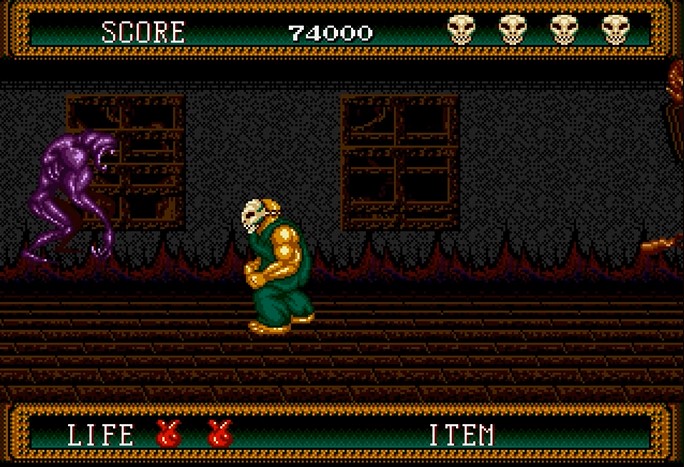
Fun Fact: The developers slowed the game down from its arcade counterpart to make combat heavier, emphasizing dread between each attack.
1. Splatterhouse 3 (1993)
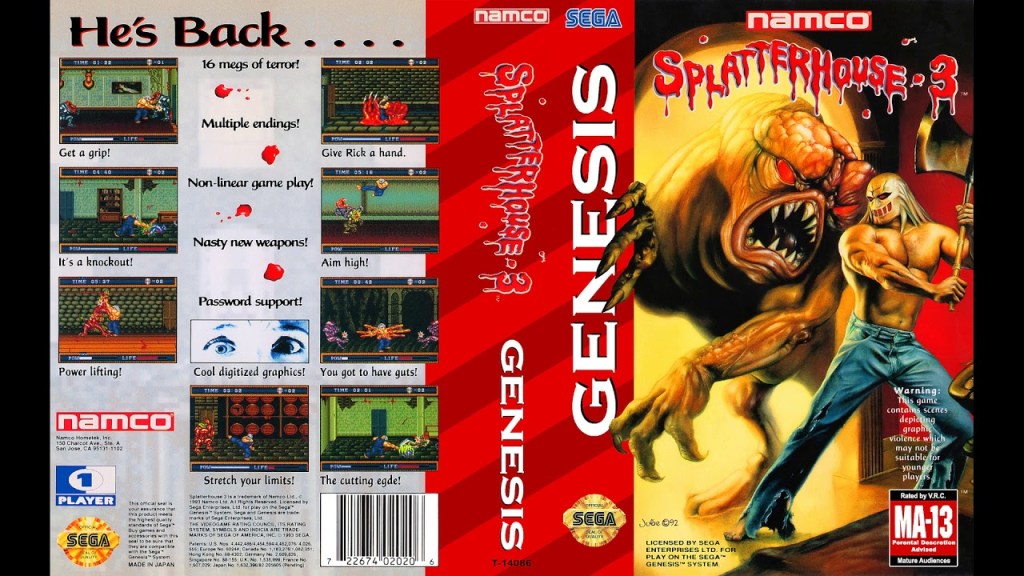
The final and finest chapter of Genesis horror, Splatterhouse 3 evolved from a straightforward brawler into a psychological test. With branching paths, timed missions, and multiple endings, it turned horror into a moral struggle.
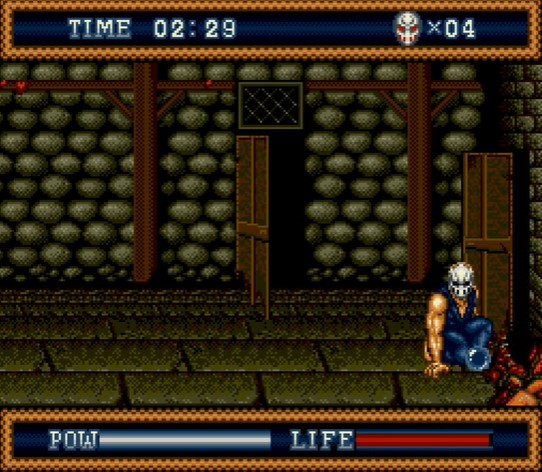
What stood out: The time mechanic transformed the experience. Each minute you spent fighting or exploring changed who lived or died. It turned urgency into a narrative weapon, and that tension hasn’t aged a day.
Fun Fact: Splatterhouse 3’s branching storylines made it one of the earliest console games to integrate player performance into narrative outcomes.
Final Thoughts
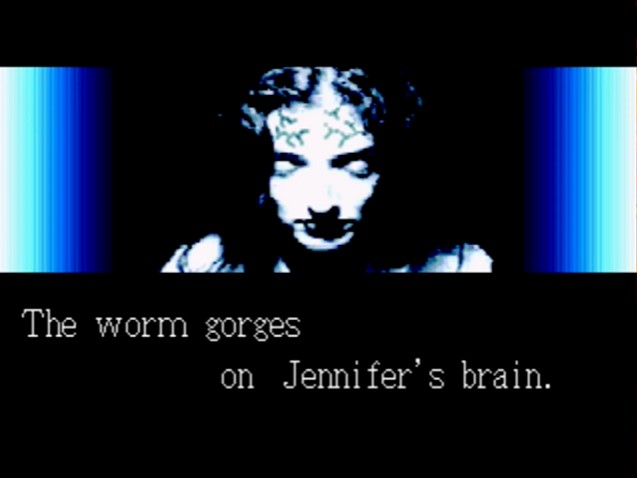
The Sega Genesis didn’t need realism or jump scares to create horror. Its best games relied on tone, challenge, and imagination to get under your skin. Whether it was through the slow dread of Splatterhouse, the gothic majesty of Castlevania, or the mythic resurrection of Altered Beast, these titles captured the essence of fear in 16-bit form.
Playing them on a Miyoo Mini or any handheld today still feels just as eerie. There’s something timeless about these pixelated nightmares that modern games can’t quite replicate.
So turn off the lights, pull the blanket over your head, and let the old horrors come alive again.
 EZRetro Plays
Leave a comment